Introduction
A budget eSIM is one of the easiest ways for Filipino travelers to stay connected abroad without paying expensive roaming fees or searching for a local SIM card after landing.
For trips to Japan, South Korea, Europe, Taiwan, Thailand, Singapore, Vietnam, Bali, and beyond, mobile data is already part of travel planning. You need it for Google Maps, train routes, ride-hailing apps, hotel directions, translation, online bookings, airport transfers, and emergency updates.
The most stressful part of an international trip is often the first hour after arrival. You are tired, carrying luggage, looking for transport, and trying to find your hotel. If your phone has no data, everything becomes harder.
That is where a budget eSIM becomes useful. You can buy and install it before leaving the Philippines, then connect when you arrive abroad.
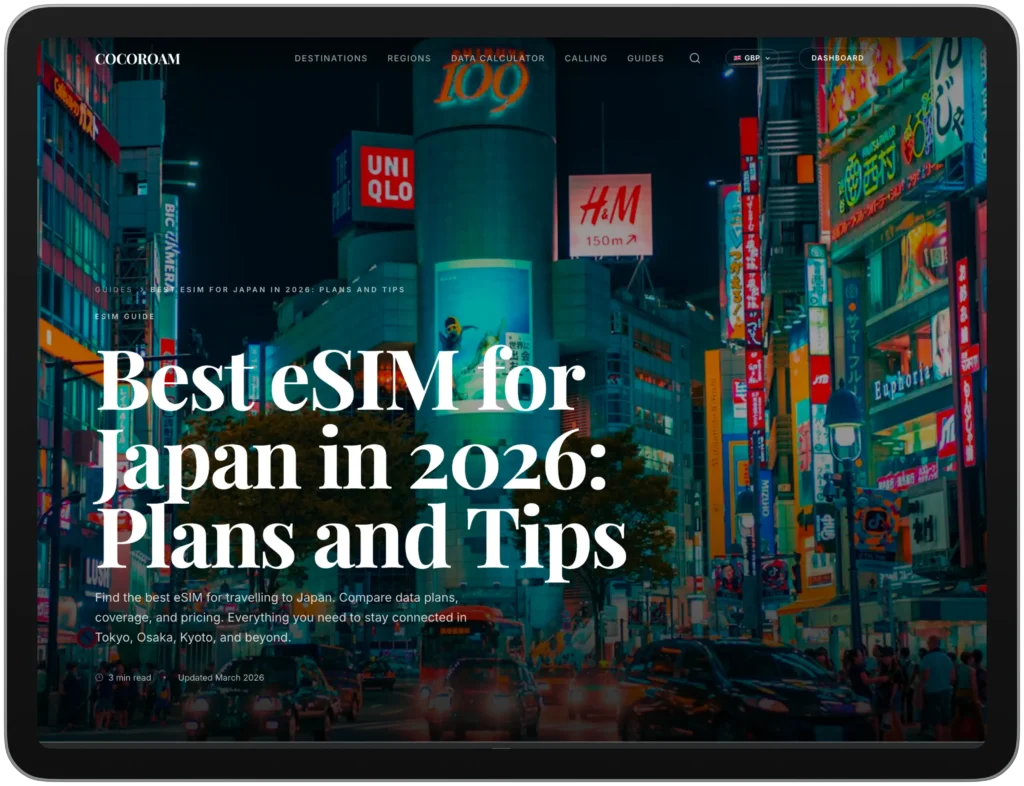
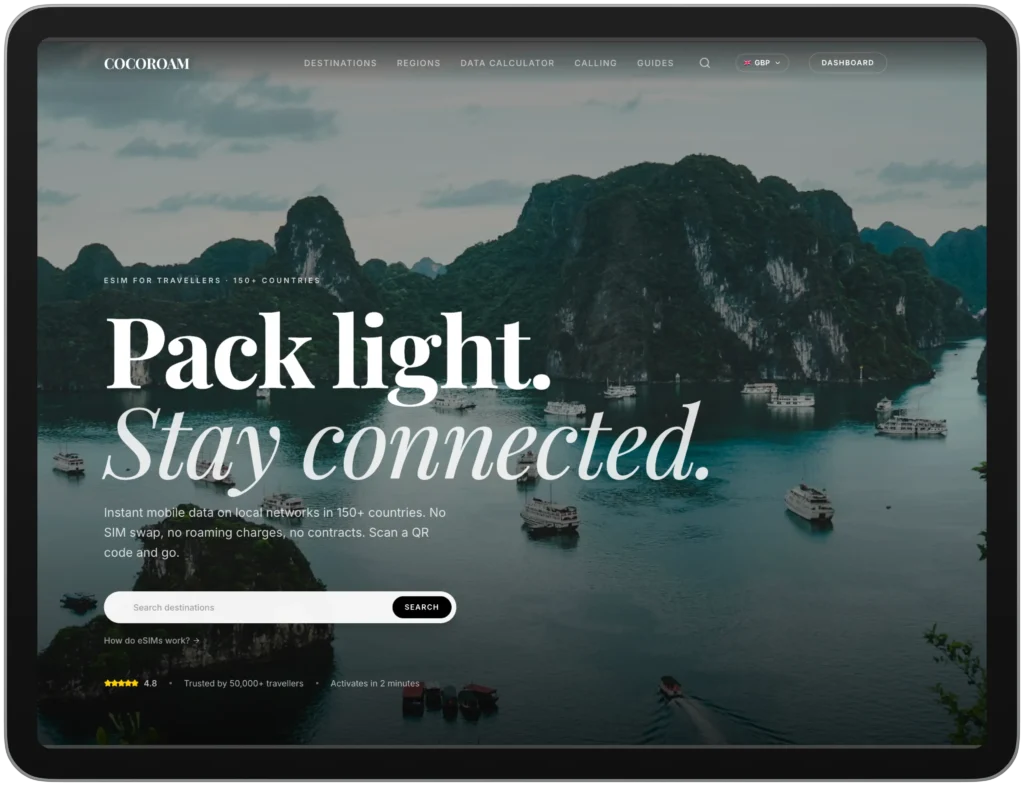
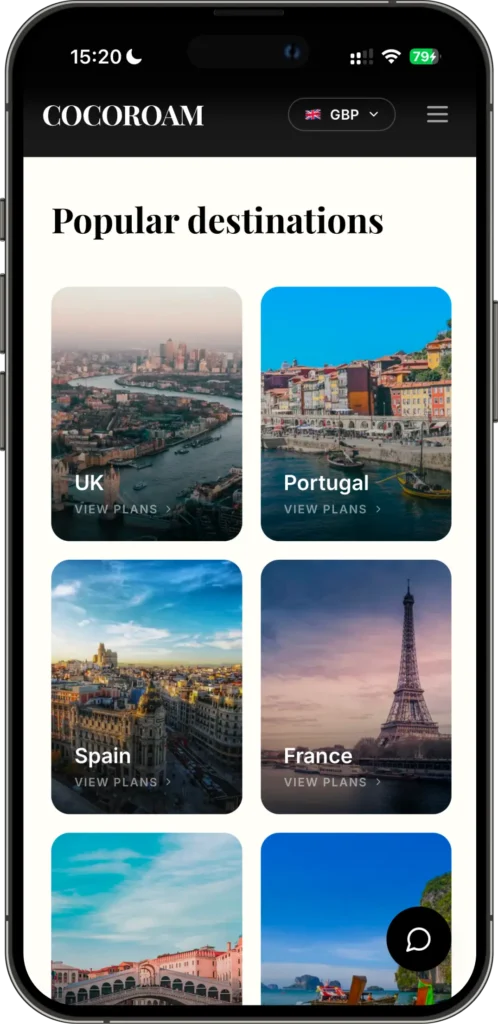
For Filipino travelers who want a simple travel data option, CocoRoam is worth considering because its official site says it offers mobile data on local networks in 150+ countries, with QR-code setup, no physical SIM swap, hotspot support, 24/7 support, and unused-plan refunds.
Table of Contents
What Is the Best Budget eSIM for Filipino Travelers?
The best budget eSIM for Filipino travelers is one that covers your destination, gives enough data for your trip, supports hotspot use, works with your phone, and can be installed before departure.
Traveler Need | Best eSIM Feature |
Japan, Korea, Taiwan, or Singapore trip | Country-specific eSIM |
Europe multi-country itinerary | Regional Europe eSIM |
Southeast Asia backpacking trip | Asia regional eSIM |
Family or barkada travel | Hotspot support |
Short 3–5 day vacation | 3GB–5GB data plan |
7–14 day international trip | 10GB–20GB data plan |
Keeping PH number active | Dual SIM setup |
For most Filipino travelers, the goal is not just finding the cheapest plan. The better goal is finding a budget eSIM that is affordable, easy to activate, and reliable enough for real travel needs.
What Is a Budget eSIM?
A budget eSIM is a digital SIM plan that gives your phone mobile data abroad without inserting a physical SIM card. Instead of buying a local SIM at the airport, you buy an eSIM plan online, install it on your phone, and use it when you reach your destination.
This is helpful because many international trips now depend on mobile internet. You may need data for:
- Google Maps or Apple Maps
- Train and bus apps
- Grab, Uber, Bolt, Kakao T, or local taxi apps
- Google Translate
- Hotel check-in instructions
- Immigration documents
- Flight and gate updates
- Messenger, WhatsApp, Viber, Telegram, or email
- Banking alerts and OTPs
- Emergency contact with family in the Philippines
A budget eSIM is different from airport Wi-Fi. Wi-Fi can help inside airports, hotels, and cafés, but it cannot help when you are walking outside, riding a train, crossing a border, or booking transport after arrival.
That is why many travelers now prepare their eSIM before flying.
Why Filipino Travelers Should Set Up an eSIM Before Flying Abroad
Filipino travelers usually prepare flights, hotels, tours, immigration documents, and travel tax before departure. But mobile data is often handled last minute.
That can be risky.
If your flight lands late at night, the SIM counter may already be closed. If the airport is crowded, the SIM card queue may be long. If you are traveling with family, you may not want to spend your first hour searching for a data plan.
Setting up a budget eSIM before leaving the Philippines helps because you can:
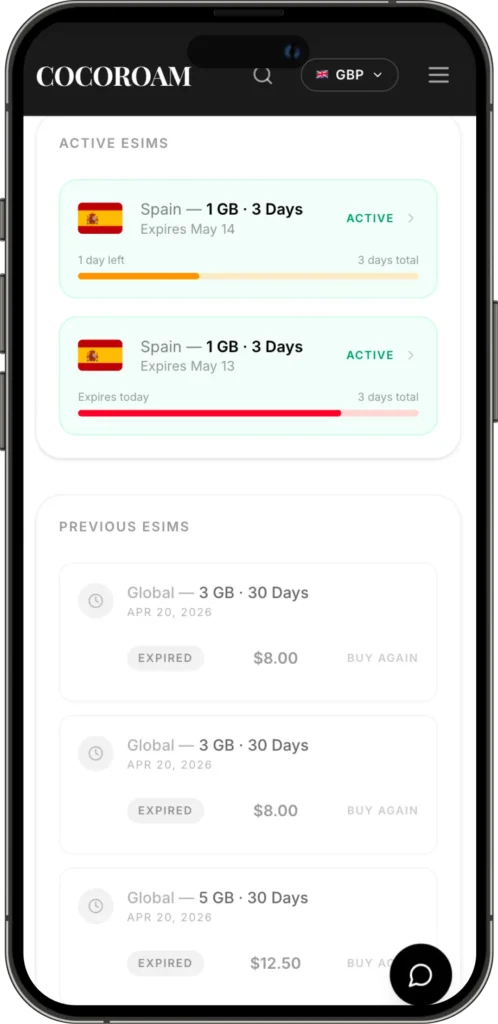
- Install the eSIM while still connected to stable Wi-Fi
- Check if your phone supports eSIM before the trip
- Avoid SIM card queues after arrival
- Keep your Philippine SIM card inside your phone
- Use your regular number for OTPs, bank alerts, and messages
- Connect faster when you land abroad
For Filipino travelers, keeping the Philippine SIM active is important. Many people still need it for bank OTPs, GCash, Maya, credit card alerts, airline updates, and family messages.
My practical advice: install before departure, activate when needed, and keep your Philippine SIM active for OTPs.
Why CocoRoam Fits Filipino Travelers Looking for a Budget eSIM
CocoRoam fits Filipino travelers because it solves a simple travel problem: how to get mobile data immediately after landing without paying expensive roaming fees or lining up for a local SIM card.
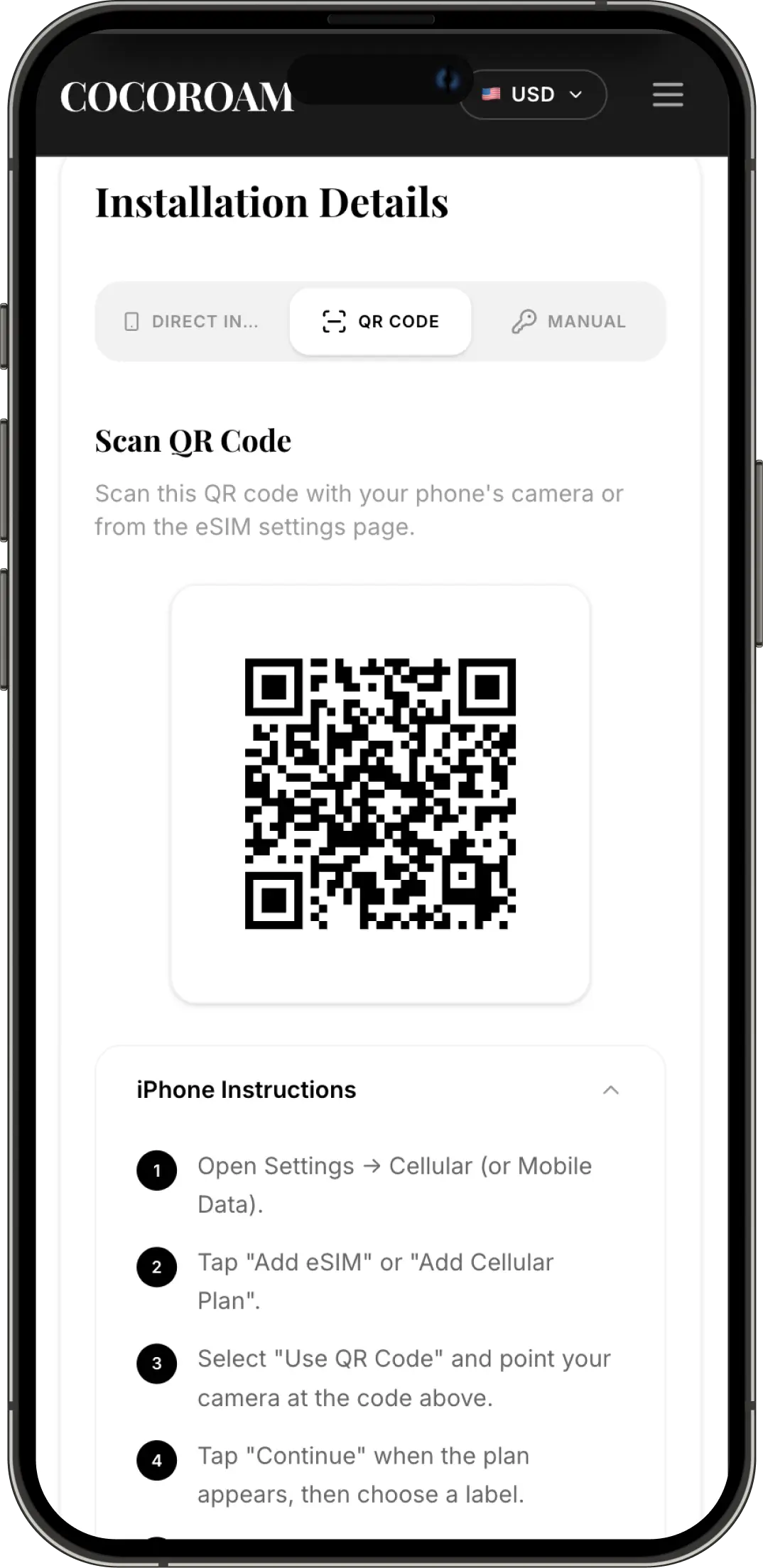
Its biggest selling point is convenience. CocoRoam lets travelers choose a destination, buy a plan, receive a QR code, install the eSIM, and connect when they arrive abroad.
That matters for Filipinos flying from Manila, Clark, Cebu, or Davao to international destinations. You can prepare your travel data before boarding instead of figuring it out after arrival.
CocoRoam says it provides mobile data on local networks in 150+ countries, with no physical SIM swap, no roaming charges, no contracts, QR-code setup, hotspot support, 24/7 support, and unused-plan refunds.
CocoRoam Feature | Why It Matters |
150+ country coverage | Useful for Japan, Korea, Europe, Taiwan, Thailand, Singapore, the United States, and more. |
Local-network data | CocoRoam says its eSIM connects through local network partners abroad. |
Regional plans | Europe, Asia, and Global plans help multi-country travelers. |
QR-code setup | You can install before your flight instead of searching for a SIM shop. |
Hotspot included | Useful for connecting a laptop, tablet, or another phone. |
No physical SIM swap | You can keep your Philippine SIM for OTPs, calls, and texts. |
Unused-plan refund | Helpful if your trip changes and the eSIM has not been used. |
24/7 support | Useful before, during, or after your trip. |
One of the most practical benefits is that your regular number can stay active. Your Philippine SIM can remain in your phone while the eSIM handles mobile data abroad.
This setup is helpful if you still need your local number for banking, GCash, Maya, credit card alerts, airline updates, and family messages.
Best Destinations Where a Budget eSIM Helps Filipino Travelers
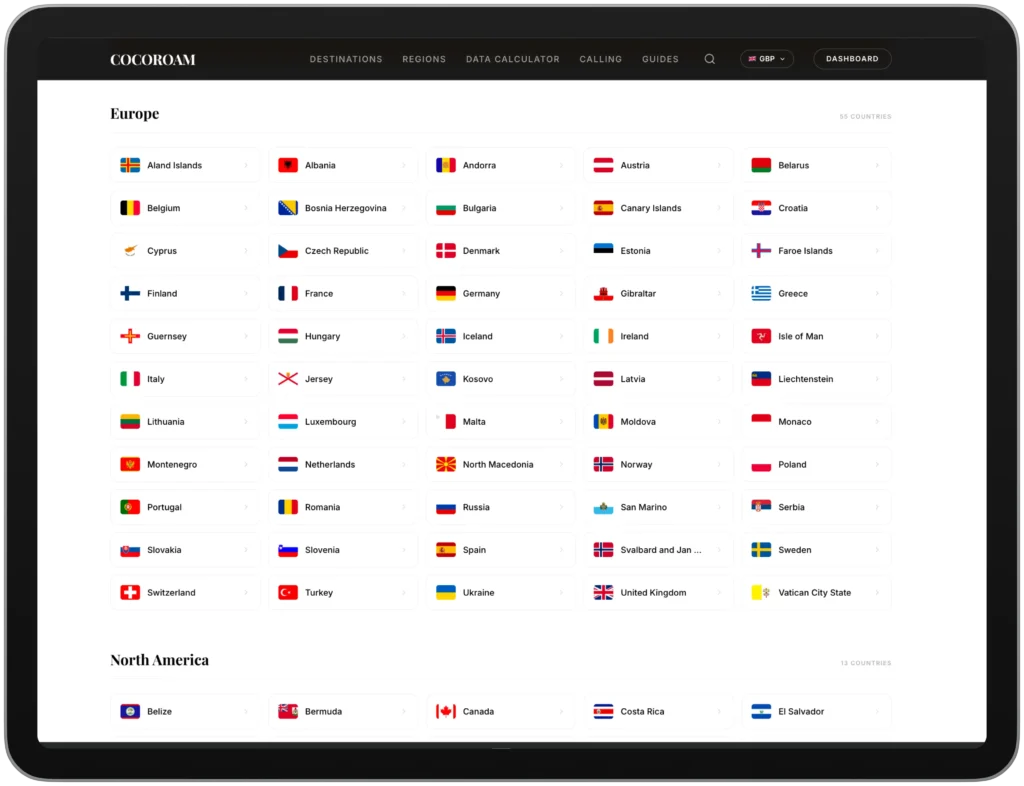
A budget eSIM is useful in almost any international destination, but it becomes extra helpful in countries where navigation, public transport, translation, and digital bookings are part of daily travel.
Destination | Why a Budget eSIM Helps |
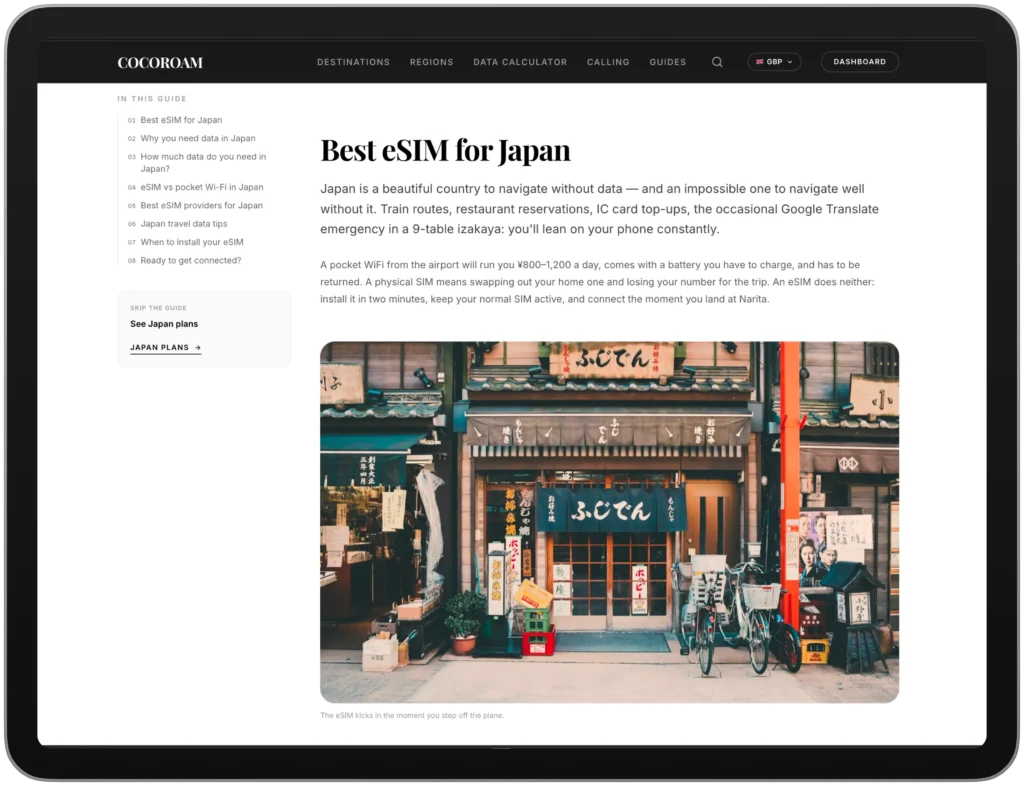
Japan | Helpful for train apps, Google Maps, translation, hotel directions, and DIY routes in Tokyo, Osaka, Kyoto, Fukuoka, and Sapporo. |
South Korea | Useful for subway navigation, maps, restaurant searches, messaging, and airport transfers in Seoul, Busan, Jeju, and Incheon. |
Europe | Regional eSIM plans can help if you are visiting France, Italy, Spain, Germany, Netherlands, Switzerland, or other countries in one trip. |
Taiwan | Useful for MRT routes, food searches, night markets, day trips, and hotel navigation. |
Thailand, Vietnam, Singapore, and Bali | Helpful for ride-hailing apps, airport transfers, maps, food searches, tours, and emergency messaging. |
For Europe trips, a regional eSIM can be more convenient than buying separate SIM cards in each country. For Japan or Korea only, a country-specific eSIM may be enough.
CocoRoam vs Airalo vs Nomad: Which Budget eSIM Is Cheaper?
When comparing the best budget eSIM providers, Filipino travelers will usually see CocoRoam, Airalo, and Nomad. These providers are relevant because they offer international travel eSIMs and can be installed before departure.
For a budget-focused article, price matters. But the cheapest eSIM is not always the best choice. You should also check data size, validity, hotspot support, activation rules, refund policy, and destination coverage.
Price note: eSIM prices change often because of currency, promotions, validity period, destination coverage, and regional plan type. CocoRoam prices below are based on CocoRoam’s public comparison table. Airalo and Nomad prices are based on public destination pages checked for this draft. Always confirm the live checkout price before purchasing.
Japan eSIM Price Comparison
Provider | Sample Japan Plan |
CocoRoam | CocoRoam’s comparison table lists 5GB / 1 week at £2.59 |
Airalo | Japan plans shown from $4, with sample data packages varying by validity |
Nomad | Public listings show 5GB / 30 days at around $10 |
Budget takeaway: For a one-week Japan trip, CocoRoam’s listed sample price looks very competitive. Nomad may be better if you want longer 30-day validity.
Europe eSIM Price Comparison
Provider | Sample Europe Plan |
CocoRoam | CocoRoam’s comparison table lists 5GB / 1 week at £3.33 |
Airalo | Public Europe plan shows 5GB / 30 days at around $19.50 |
Nomad | Public Europe plan shows 5GB / 30 days at around $17 |
Budget takeaway: CocoRoam appears strong for short Europe trips based on its own public comparison table. Nomad may suit longer trips because of its 30-day validity.
Which One Should Filipino Travelers Compare First?
Travel Situation | Best Starting Point |
You want a low sample price for Japan | Start with CocoRoam, then compare live prices |
You want a low sample price for Europe | Start with CocoRoam, then compare live prices |
You want longer validity | Compare Nomad |
You want a large global eSIM marketplace | Compare Airalo |
You want hotspot for another device | Check CocoRoam and Nomad plan rules |
You are visiting several European countries | Compare all 3 regional Europe plans |
You are traveling for only 5–7 days | Start with short-validity plans |
You are traveling for 2–4 weeks | Compare longer-validity plans |
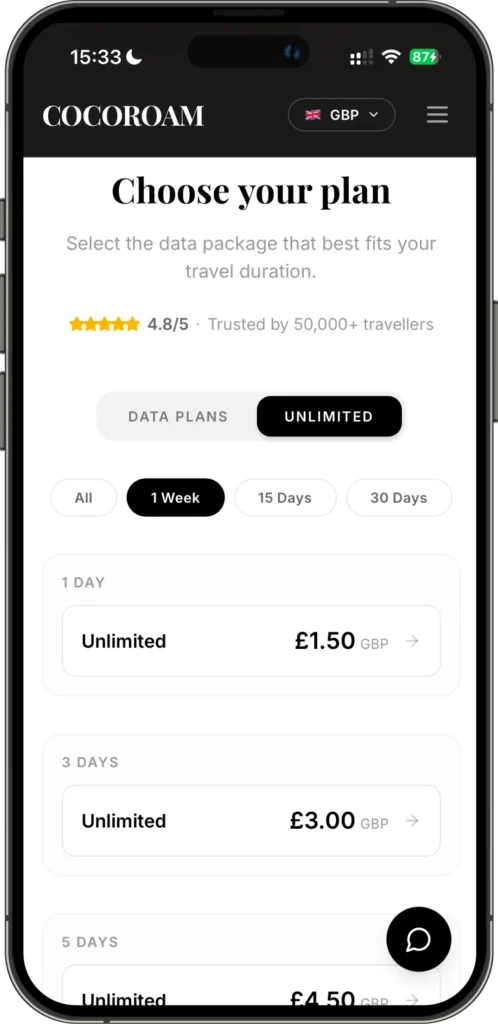
My recommendation: start with CocoRoam if your priority is a budget eSIM with low sample prices, hotspot support, QR-code setup, and no physical SIM swap. Then compare Airalo and Nomad if you want more marketplace options, longer validity, or app-based add-ons.
Who Should Not Use a Budget eSIM?
A budget eSIM may not be the best choice for every traveler.
You may want to skip an eSIM if your phone does not support eSIM, your device is carrier-locked, or you need a local phone number for calls and SMS abroad. Most travel eSIMs are data-only, so you may still need apps like Messenger, WhatsApp, Viber, Telegram, FaceTime, or Google Meet for calls and messages.
If you are staying in one country for a long time, a local SIM card may sometimes be cheaper. If you are traveling with a large group and everyone needs shared internet, pocket Wi-Fi may still be worth comparing.
The best option depends on your device, trip length, destination, and data habits.
Budget eSIM Buying Checklist for Filipino Travelers
Before buying from any of the best budget eSIM providers, check these details first:
Check | Why It Matters |
Phone supports eSIM | Not all phones can install a travel eSIM. |
Phone is unlocked | Carrier-locked phones may not accept travel eSIMs. |
Destination is covered | Check the exact country or region before buying. |
Data is enough | Maps, social media, and hotspot can consume data quickly. |
Validity matches trip dates | A cheap plan is useless if it expires too early. |
Hotspot is allowed | Important for laptop, tablet, or family sharing. |
Refund rules are clear | Useful if your trip gets cancelled or changed. |
PH SIM stays active | Helpful for OTPs, banking, GCash, Maya, and airline alerts. |
A good budget eSIM should match your actual trip, not just the lowest advertised price.
How Much Data Do Filipino Travelers Need Abroad?
Your data needs depend on how you travel. If you use hotel Wi-Fi for uploads and streaming, you can choose a smaller plan. If you use hotspot, upload videos, or work online, choose a bigger plan.
Trip Type | Suggested Data |
3–4 day city trip | 3GB–5GB |
5–7 day vacation | 5GB–10GB |
10–14 day Japan or Korea trip | 10GB–20GB |
Europe multi-country trip | 10GB–30GB |
Remote work or heavy uploads | 20GB+ |
Family hotspot sharing | Higher data plan recommended |
To save data, download offline maps, use hotel Wi-Fi for video uploads, turn off automatic app updates, and disable cloud photo backup while using mobile data.
Final Recommendation
For Filipino travelers planning international trips, a budget eSIM is one of the most practical pre-departure tools. It helps you land connected, avoid SIM card queues, reduce roaming costs, and keep your Philippine SIM available for OTPs and emergency messages.
CocoRoam is a strong option to consider if you want simple setup, 150+ country coverage, regional plans, hotspot support, local-network data, and a travel eSIM that can be prepared before you fly.
The best budget eSIM is not always the cheapest plan. The better choice is the one that matches your destination, trip length, phone compatibility, and data habits.
My practical advice: set up your eSIM before departure, keep your Philippine SIM active, use Wi-Fi for heavy uploads, and choose enough data for maps, transport, messaging, and emergencies..
FAQ About Budget eSIM for Filipino Travelers
What is the best budget eSIM for Filipinos traveling abroad?
The best budget eSIM for Filipinos is one that covers your destination, has enough data for your trip, supports easy setup, and works with your phone. CocoRoam is a practical option for travelers who want country, regional, and global eSIM plans before flying abroad.
Can I use an eSIM in Japan, Korea, and Europe?
Yes, you can use an eSIM in Japan, Korea, and many European countries if your phone supports eSIM and your provider offers coverage in your destination. For multi-country Europe trips, a regional Europe eSIM may be more convenient.
Is an eSIM cheaper than roaming?
In many cases, a budget eSIM is cheaper than regular international roaming for mobile data. Prices depend on destination, data size, validity, currency, and provider, so compare the total cost before buying.
Should I buy an eSIM before leaving the Philippines?
Yes. It is better to buy and install your eSIM before leaving the Philippines so you can check compatibility, install the plan with stable Wi-Fi, and avoid setup issues after landing.
Can I still use my Philippine SIM while using an eSIM abroad?
Yes. Many phones allow you to keep your Philippine SIM active while using an eSIM for mobile data. This is useful for OTPs, bank alerts, GCash, Maya, airline updates, and family messages.
Is CocoRoam cheaper than Airalo and Nomad?
Based on CocoRoam’s public comparison table, CocoRoam appears competitive for short 5GB / 1-week trips to Japan and Europe. However, Airalo and Nomad use different validity periods, currencies, and plan structures, so Filipino travelers should compare the live checkout price before buying.
How much data do I need for international travel?
For a 3–4 day city trip, 3GB–5GB may be enough. For a 7-day vacation, 5GB–10GB is safer. For Japan, Korea, or Europe trips lasting 10–14 days, consider 10GB–20GB depending on your usage.