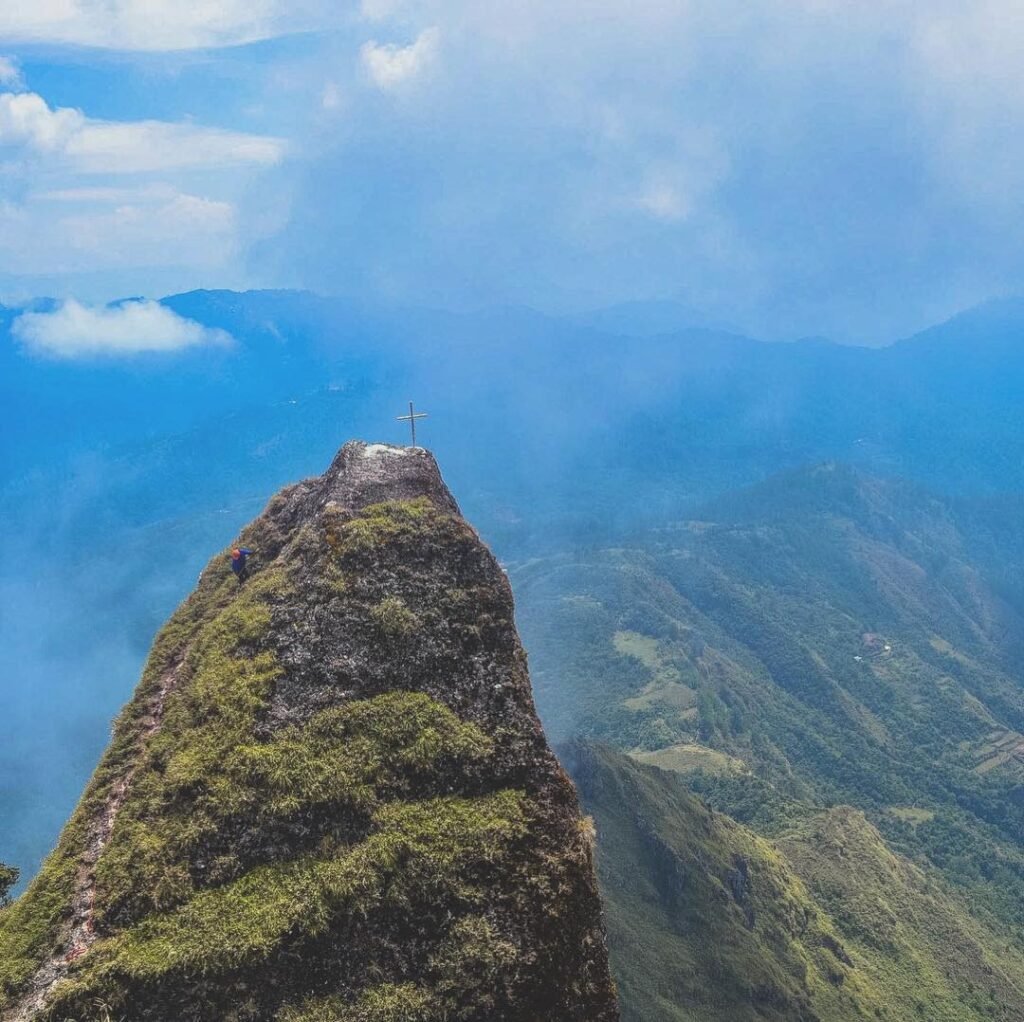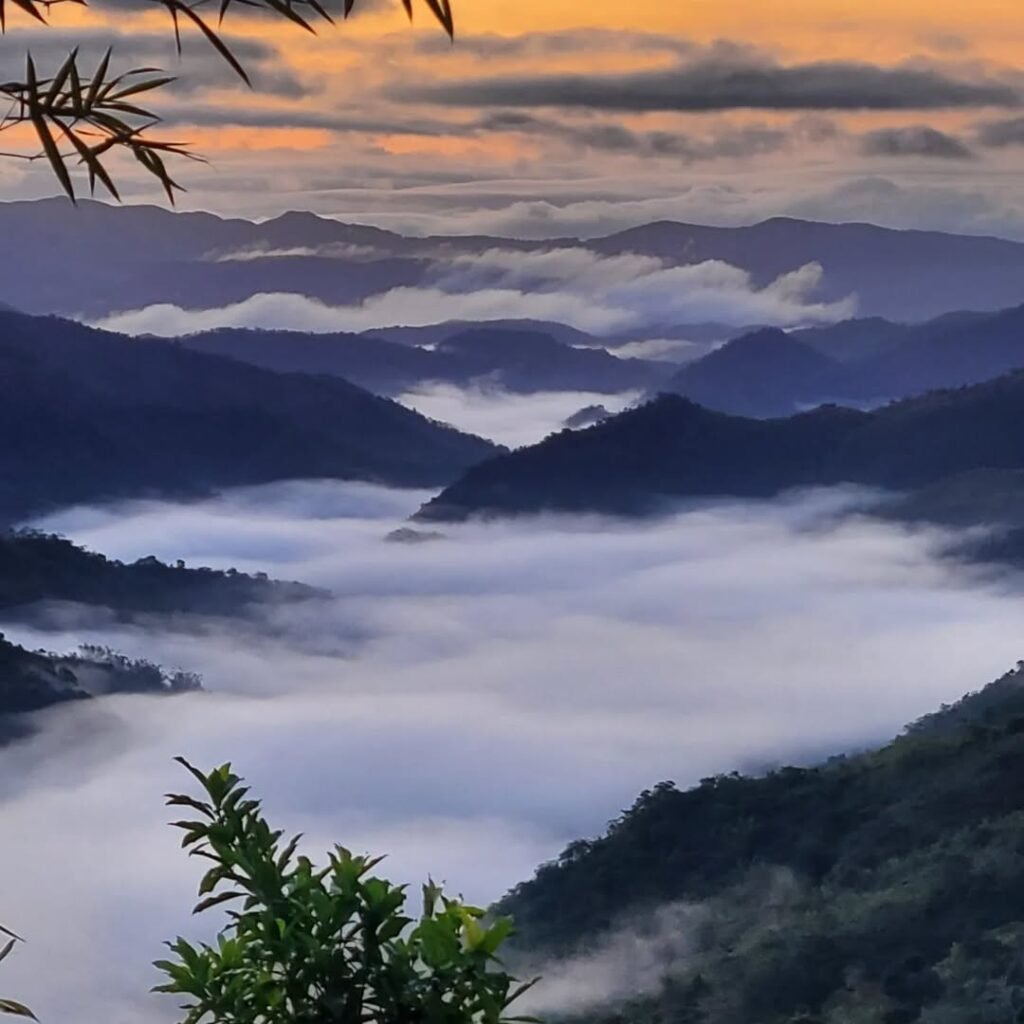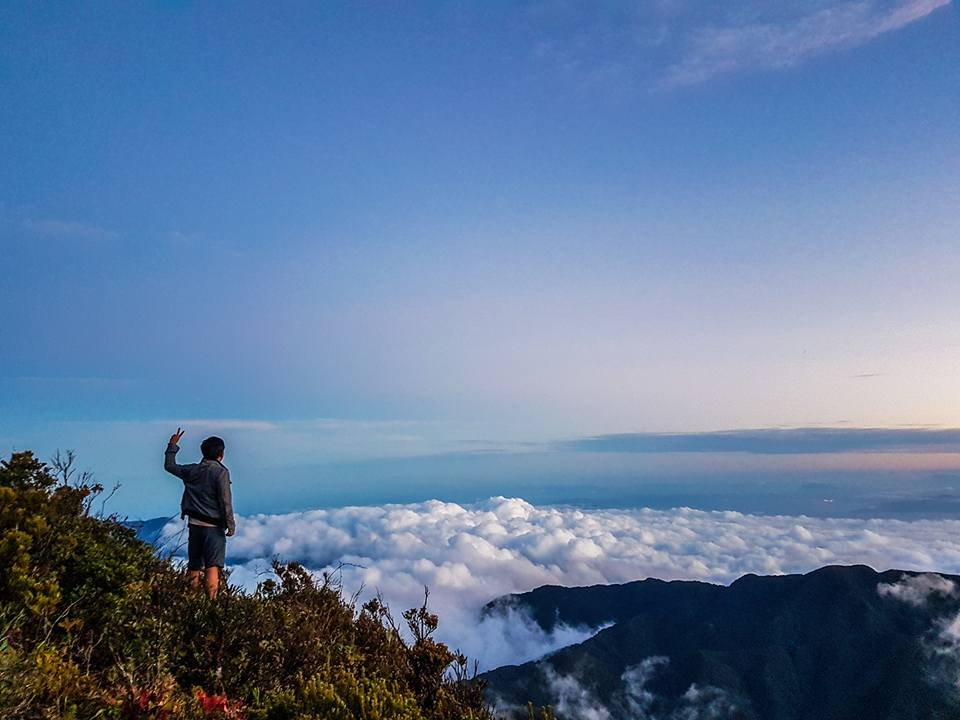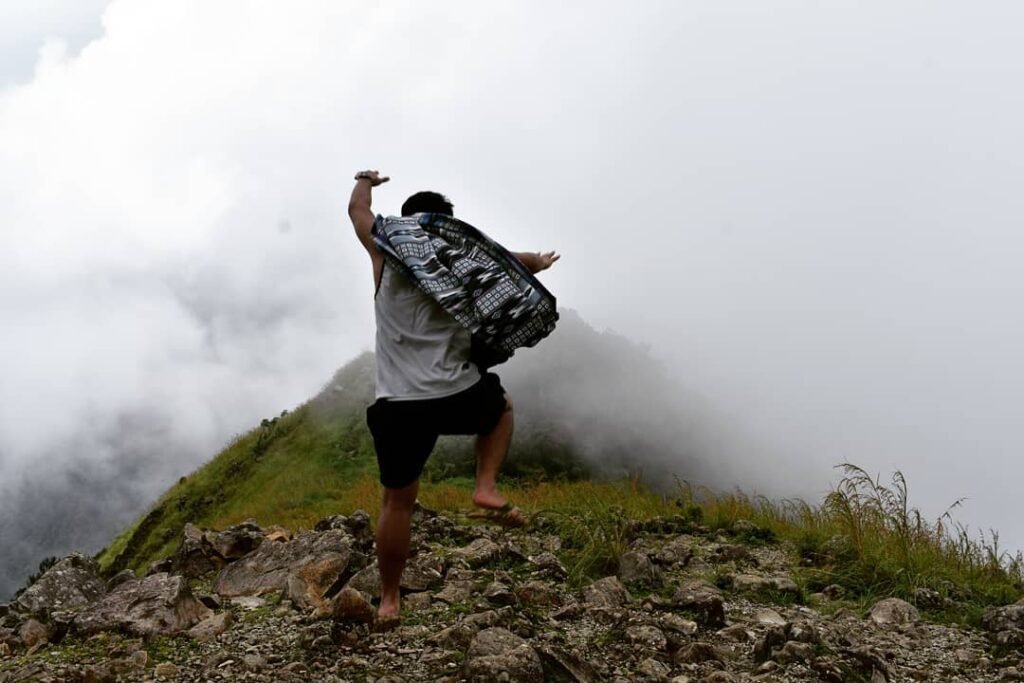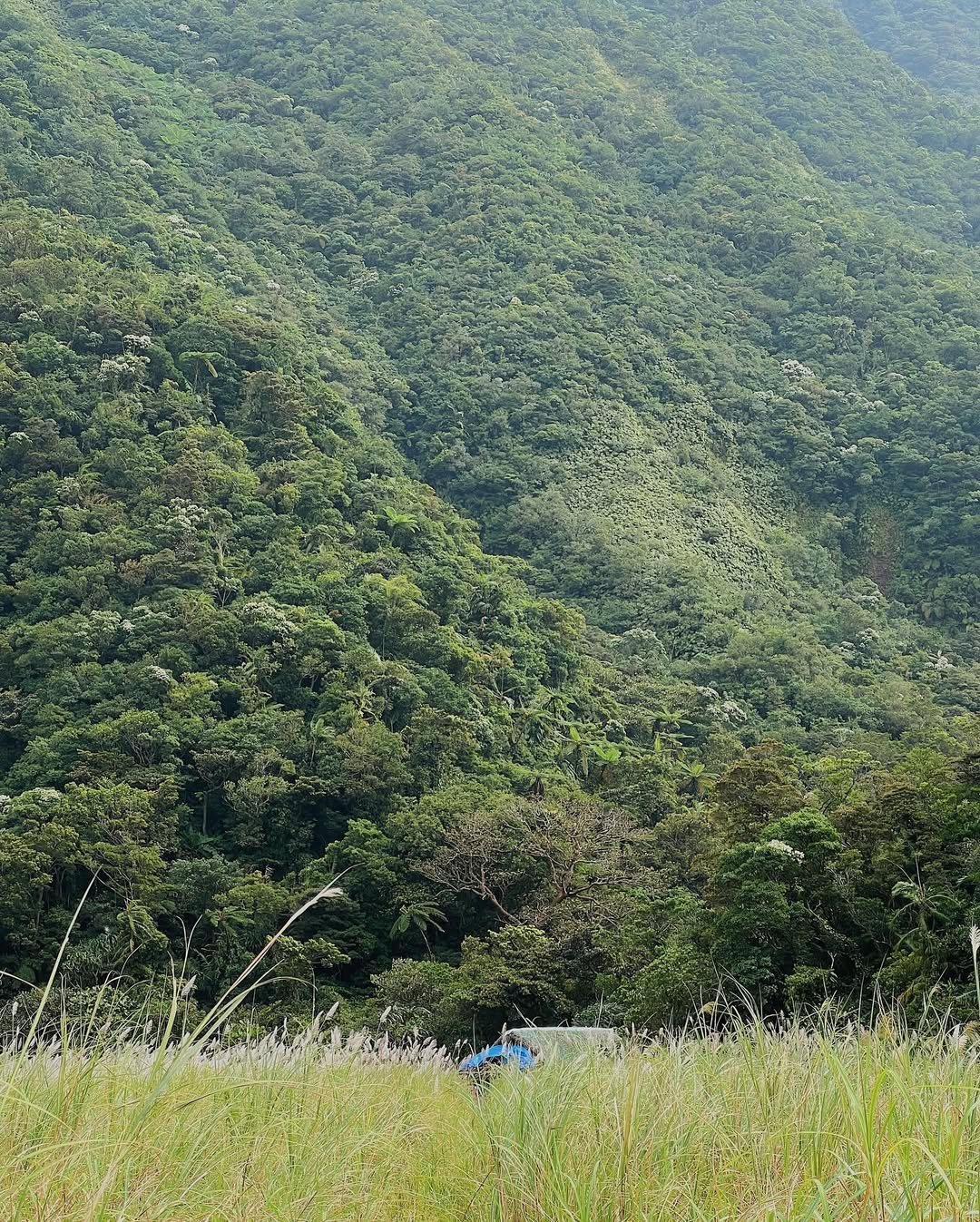
Mt. Bulusan is worth visiting if you want a Sorsogon nature trip with a volcanic lake, rainforest scenery, kayaking, hot springs, and a real active-volcano setting. But after checking the conditions and organizing my May 2026 notes, I would not treat Mt. Bulusan as a simple “open mountain” for casual hiking. For most travelers, the safest and most practical experience is Bulusan Lake inside Bulusan Volcano Natural Park, not a summit or crater-rim climb.
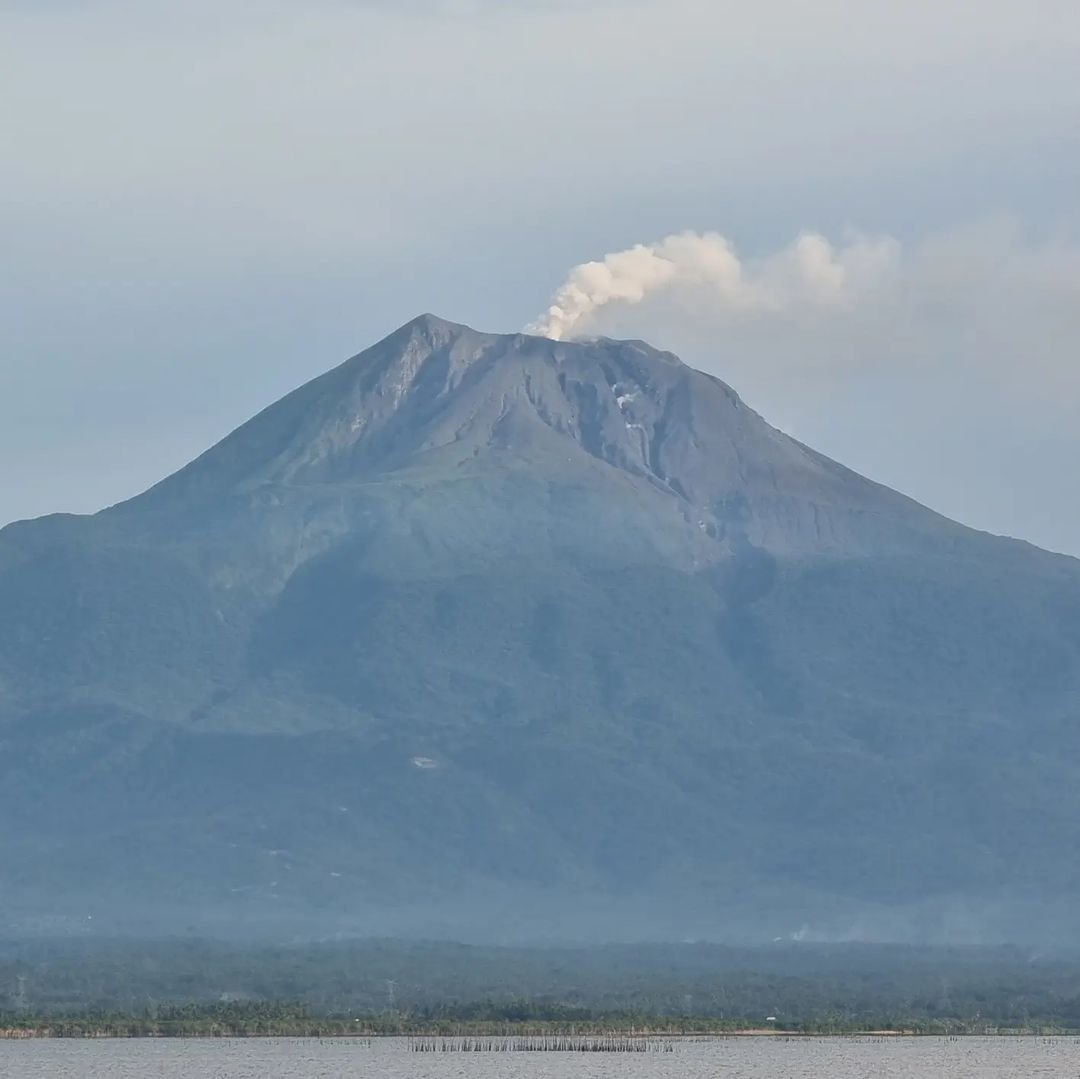
Mt. Bulusan is an active stratovolcano in Sorsogon. It is known for phreatic or steam-driven eruptions, which can happen with little warning. At the time I prepared this guide, PHIVOLCS-LAVA search results showed a 21 May 2026 bulletin listing Bulusan at Alert Level 2 or Increased Unrest, so I am writing this guide with a strict safety-first approach.
My advice is simple: visit Bulusan Lake, enjoy the natural park, but do not plan a Mt. Bulusan hike unless PHIVOLCS, DENR, park management, LGU Tourism, and local guides confirm that the trail is officially open.
Mt. Bulusan Quick Guide
Mt. Bulusan has two travel experiences: the easy Bulusan Lake visit and the more serious volcano hike. I recommend Bulusan Lake for most travelers because it gives you the best mix of scenery, access, and safety.
| Detail | Mt. Bulusan Travel Info |
|---|---|
| Destination | Mt. Bulusan / Bulusan Volcano |
| Main visitor area | Bulusan Lake |
| Protected area | Bulusan Volcano Natural Park |
| Province | Sorsogon, Bicol Region |
| Best for | Nature trips, kayaking, families, hikers if open |
| Volcano status | VERIFY LOCALLY with PHIVOLCS |
| Current safety note | Treat hiking as restricted unless cleared |
| Main warning | 4-km Permanent Danger Zone is off-limits |
| Lake hours | Around 7:30 AM–5:00 PM, VERIFY LOCALLY |
| Best months | November to May |
| Hiking difficulty | Major climb, around 6/9 if open |
| Access hubs | Sorsogon City, Irosin, Bulusan town, Legazpi/Daraga |
| Payment | Bring cash in small bills |
Table of Contents
What Is Mt. Bulusan?
Mt. Bulusan is an active volcano and nature destination in Sorsogon, Philippines. It is part of Bulusan Volcano Natural Park, a protected ecological area with rainforest, lakes, volcanic slopes, wildlife, and eco-tourism facilities.
When people say “Mt. Bulusan,” they may mean different things:
| Term | What It Means |
|---|---|
| Mt. Bulusan | The mountain and volcano destination |
| Bulusan Volcano | The active stratovolcano monitored by PHIVOLCS |
| Bulusan Volcano Natural Park | The protected nature park around the volcano |
| Bulusan Lake | The easiest and most popular visitor area |
| Lake Aguingay | Hiking campsite/seasonal lake area if trail is open |
This distinction matters because Bulusan Lake is beginner-friendly, while Mt. Bulusan hiking is not always available and can be risky during volcanic unrest.
Bulusan is not like a regular mountain where you only check weather and guide availability. Because it is active, volcanic alert level comes first.
Where Is Mt. Bulusan Located?
Mt. Bulusan is located in Sorsogon, at the southern tip of the Bicol Peninsula in Luzon. The easiest tourist access is through Bulusan Lake in Bulusan, Sorsogon.
In my route planning, the main access points are:
| Place | Role in the Trip |
|---|---|
| Sorsogon City | Main transport and accommodation hub |
| Bulusan town | Local access point to Bulusan Lake |
| Irosin | Good base for hot springs and side trips |
| Legazpi / Daraga | Air gateway via Bicol International Airport |
| Bulusan Lake | Main nature park experience |
If you are coming from Manila, you can go by overnight bus to Sorsogon, Irosin, or Bulusan. If you prefer flying, the usual route is Manila to Bicol International Airport in Daraga, then land transfer to Sorsogon.
Is Mt. Bulusan Open to Visitors Now?
Bulusan Lake may be open as a controlled visitor area, but Mt. Bulusan hiking must be verified before planning any climb. I would not publish or follow any fixed summit itinerary without checking the latest PHIVOLCS bulletin first.
PHIVOLCS-LAVA search results showed a 21 May 2026 bulletin for Bulusan under Alert Level 2 or Increased Unrest, which is stricter than the Alert Level 1 note in older May 2026 trip planning. That means the article should not encourage hiking as if conditions are normal.
Before visiting, check:
- PHIVOLCS alert level
- 4-km Permanent Danger Zone rule
- DENR / Bulusan Volcano Natural Park advisory
- LGU Tourism announcement
- PAGASA weather
- Trail and lake activity status
- Local guide availability
For safety, I treat the summit/crater route as closed unless officially confirmed open.
What Should You Check Before Visiting Mt. Bulusan?
Before visiting Mt. Bulusan, I check volcano status first, then park rules, then weather, then fees and transport. This order matters because an active volcano can change your trip even if the weather looks fine.
| What to Check | Why It Matters |
|---|---|
| PHIVOLCS alert level | Determines if volcanic unrest is present |
| 4-km PDZ status | Entry is prohibited during unrest |
| DENR / BVNP rules | Confirms park access and limits |
| LGU Tourism update | Confirms local operations |
| PAGASA weather | Heavy rain can trigger lahar risk |
| Lake activities | Kayak, boat, SUP may change |
| Trail status | Hiking may be suspended |
| Fees | Rates can change without notice |
In my own planning notes, the biggest rule is this: do not let a tour poster override official volcano advisories. If there is increased unrest, enjoy Bulusan Lake and skip the climb.
Can You Visit Bulusan Lake Without Hiking Mt. Bulusan?
Yes, you can visit Bulusan Lake without hiking Mt. Bulusan, and this is what I recommend for most travelers. Bulusan Lake gives you the volcanic nature park experience without entering serious trail sections or restricted danger zones.
Bulusan Lake is ideal if you want:
- Kayaking
- Boating
- Lake photography
- Light nature walking
- Family-friendly sightseeing
- A relaxed Sorsogon nature stop
- A safer alternative when hiking is restricted
This is also the better option if you are traveling with kids, senior companions, non-hikers, or first-time visitors to Sorsogon.
When I think of Mt. Bulusan as a travel destination, I separate it this way: Bulusan Lake is the practical trip. The Mt. Bulusan hike is the conditional adventure.
What Can You Do at Bulusan Lake?
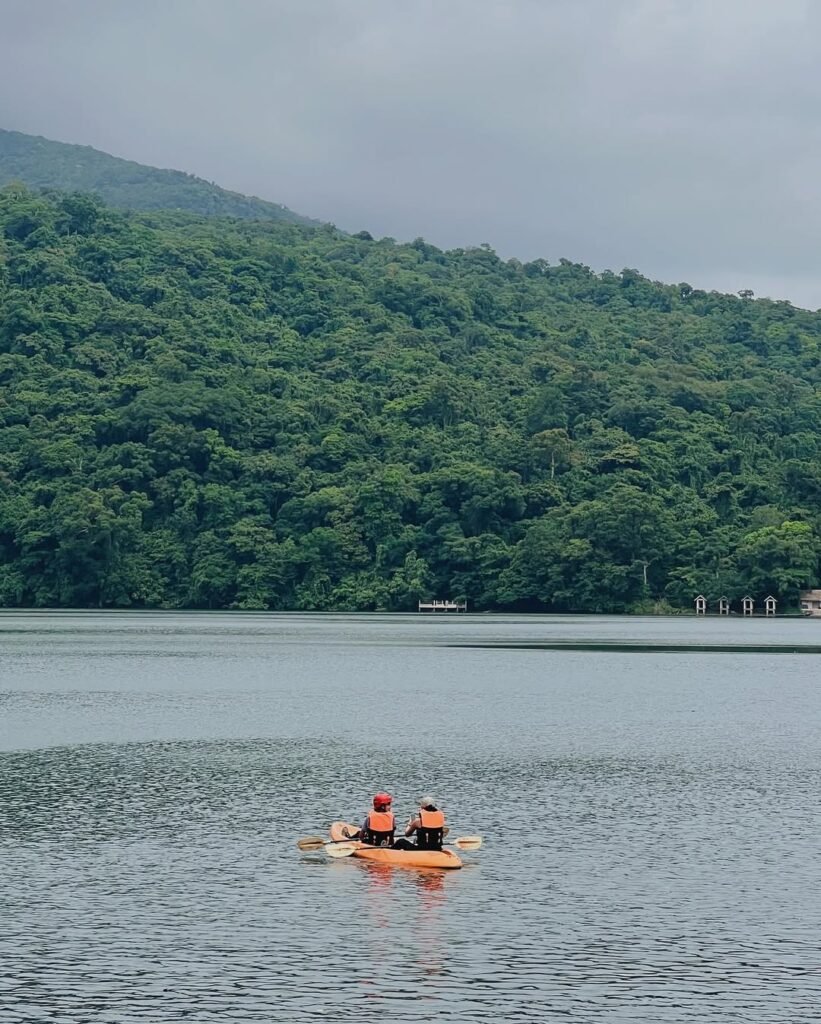
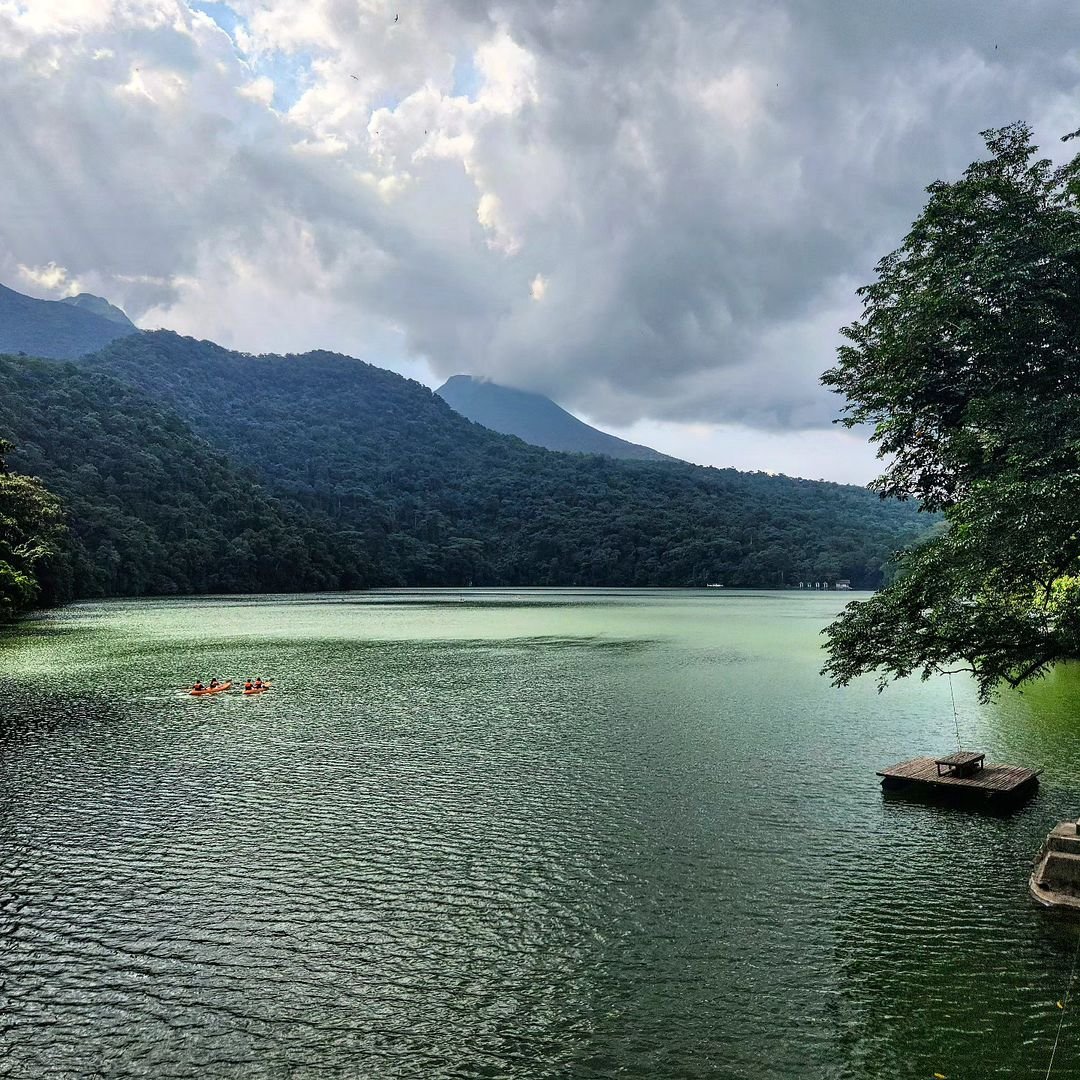
Bulusan Lake is best for kayaking, boating, nature viewing, photography, and a quiet rainforest stop. It is not just a photo spot. It is the main controlled visitor area of Bulusan Volcano Natural Park.
| Activity | Working Rate / Note |
|---|---|
| Kayaking | Around ₱100 per 30 minutes, VERIFY LOCALLY |
| Boating | Around ₱600 for small group, VERIFY LOCALLY |
| Stand-up paddleboard | Around ₱200 per 30 minutes, VERIFY LOCALLY |
| Lake viewing | Best for casual visitors |
| Nature walk | Easy and beginner-friendly |
| Photography | Best early morning |
| Birdwatching | Better during quieter hours |
From my May 2026 notes, the park uses electric jeepneys or e-jeepneys to reduce noise and help protect wildlife. Private vehicles are restricted beyond the main eco-tourism area, so visitors use the shuttle system to reach the lake entrance.
The park also has strong biodiversity value. Notable species and plants include the Luzon Hornbill or Kalaw, Spotted Wood Kingfisher, South Luzon Cloud Rat, Jade Vine, and the Hanopol vine, sometimes called “Avatar’s shower.”
Bulusan Lake vs Mt. Bulusan Hike: Which Should You Choose?
Choose Bulusan Lake if you want an easy nature trip; choose the Mt. Bulusan hike only if the route is officially open and you are prepared for a major climb.
| Comparison | Bulusan Lake | Mt. Bulusan Hike |
|---|---|---|
| Best for | Families, casual tourists | Experienced hikers |
| Difficulty | Easy | Major climb |
| Time needed | Half-day to full day | 1–2 days |
| Main activity | Kayak, view, walk | Trek, camp, climb |
| Guide | May vary by activity | Mandatory |
| Risk | Lower | Higher |
| Status | Easier to verify | Depends on PHIVOLCS/LGU |
| Beginner-friendly | Yes | Not for total beginners |
If this is your first visit, I would start with Bulusan Lake. It is easier to plan, safer to recommend, and still gives you the volcano-park experience.
Can You Hike Mt. Bulusan?
You can only hike Mt. Bulusan when the trail is officially open and cleared by the proper authorities. I would not recommend planning a summit or crater-rim hike unless there is fresh confirmation from PHIVOLCS, DENR, BVNP management, LGU Tourism, and local guides.
From my notes, the usual hiking setup includes:
- Registration at the Eco-Tourism Center
- Government-issued ID
- Visitor card
- Medical or blood-pressure evaluation
- Mandatory guide
- Mandatory porter
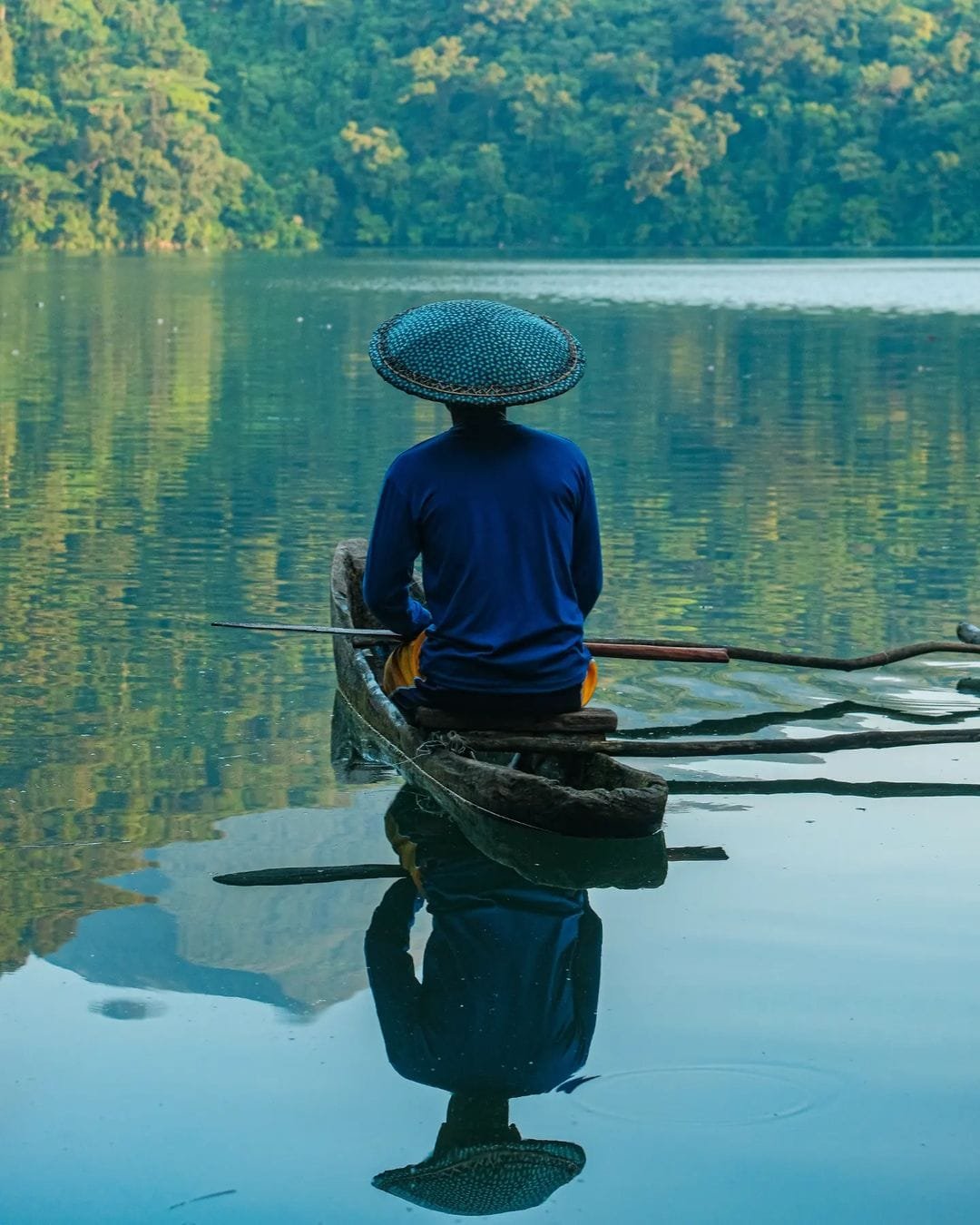
- Kayak or motorboat crossing of Bulusan Lake
- Controlled trail entry
- Trailhead cutoff
- Daily climber cap
Walk-in climbs should be treated as not allowed unless locally confirmed.
How Difficult Is the Mt. Bulusan Hike?
Mt. Bulusan is a major climb with a working difficulty of around 6/9 and trail class 1–4 if the full trail is open. This is not a casual beginner trail.
The route can involve:
- Lake crossing
- Rainforest trekking
- Steep inclines
- Exposed roots
- Fixed ropes
- Limatik or blood leeches
- Muddy trail
- Seasonal campsite issues
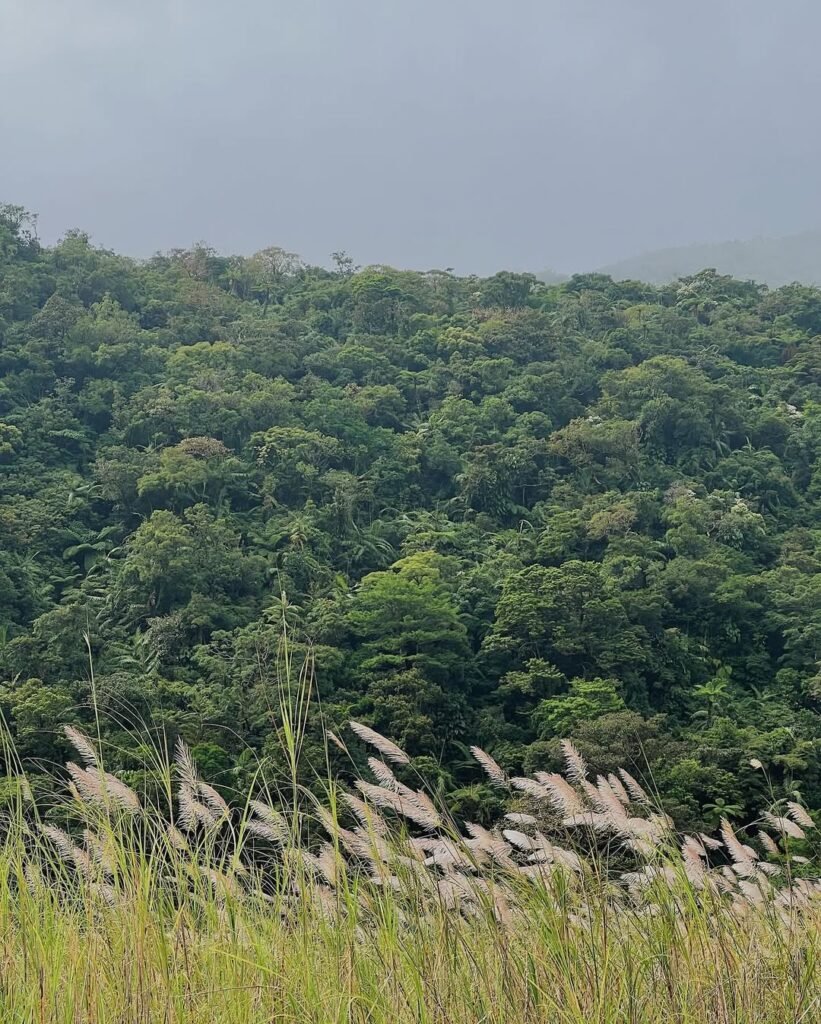
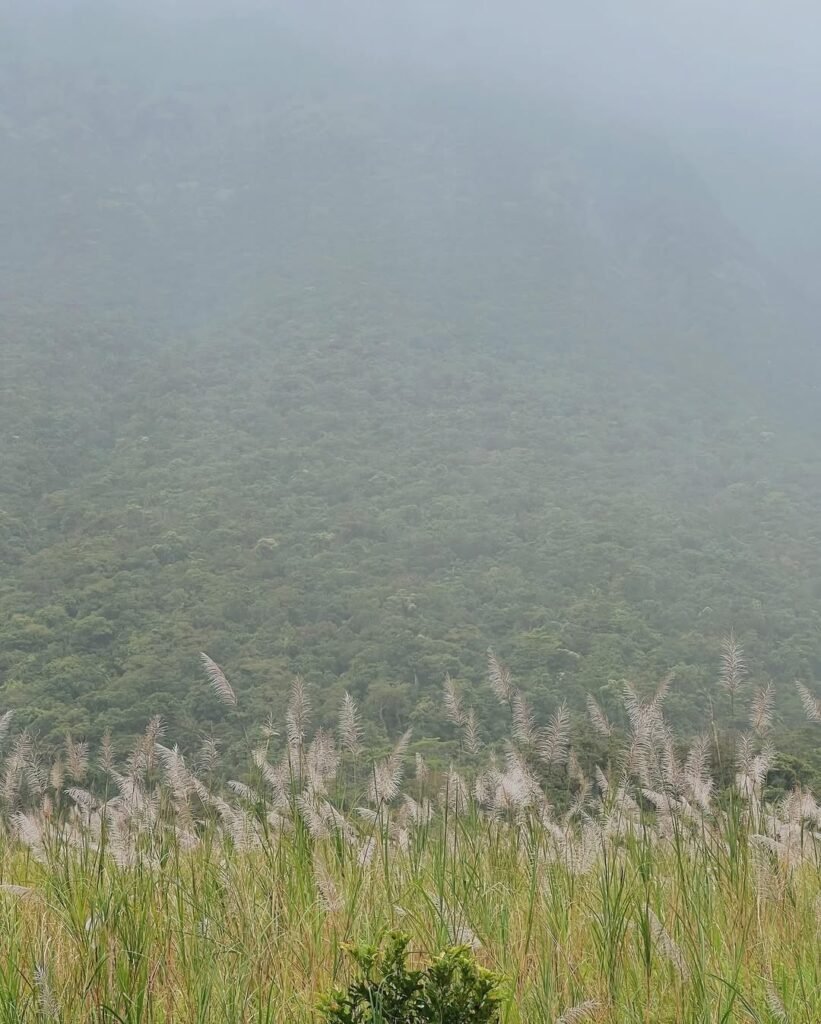
- Cogon grass slopes
- Volcanic scree
- Sulfuric steam vents in upper areas
The standard trek may take 1 to 2 days, depending on route, pace, weather, and trail clearance. The upper sections should be treated as restricted when volcanic unrest is active.
What Is the Mt. Bulusan Trail Like?
The Mt. Bulusan trail starts with a Bulusan Lake approach, then moves into rainforest, Lake Aguingay, and more technical volcanic terrain if open.
| Trail Segment | What I’d Expect |
|---|---|
| Lakeside approach | Kayak or motorboat crossing to trailhead |
| Trailhead to Ranger Station | Forest trail with steady incline |
| Ranger Station to Lake Aguingay | Narrower, steeper, rooty trail |
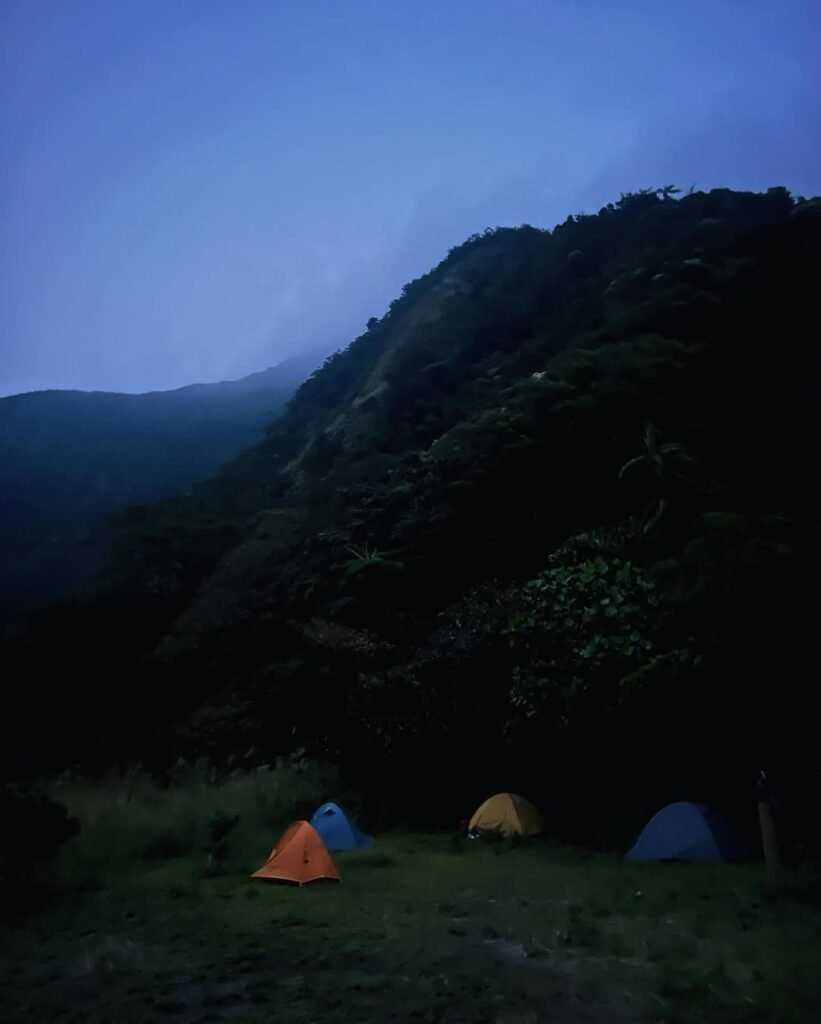
| Lake Aguingay | Seasonal campsite around 890 MASL |
| Upper volcanic zone | Mud, cogon, scree, sulfur vents if open |
Lake Aguingay is a key landmark. During dry months, it can look like a grassy plain. During monsoon months, especially June to October, it can fill quickly and become a shallow lake. This is why campsite plans should stay flexible.
For gear, I would not go light. I would bring high-cut trekking shoes, leech protection, gloves, long sleeves, rain gear, eye protection, and an N95 or respirator mask if upper volcanic terrain is involved.
What Permits, Registration, and Guides Are Needed?
Mt. Bulusan hiking requires registration, guide coordination, and park compliance. For Bulusan Lake, visitors register at the Eco-Tourism Center before entering the visitor area.
| Requirement | May 2026 Working Note |
|---|---|
| Registration | Eco-Tourism Center |
| ID | Government-issued ID |
| Medical check | BP/medical evaluation on-site |
| Guide | Mandatory for hike |
| Guide ratio | Around 5:1, VERIFY LOCALLY |
| Porter | Mandatory in notes |
| Daily climber cap | Around 20 overnight climbers |
| Trailhead cutoff | Before 2:00 PM |
| Walk-in climb | Treat as not allowed unless confirmed |
Do not bypass registration. Bulusan is both a protected area and an active volcano, so local controls are not just bureaucracy. They are part of safety and conservation.
How Much Is the Mt. Bulusan Budget?
A Bulusan Lake visit can be budget-friendly, but a Mt. Bulusan hike costs more because of permits, guide, porter, and safety requirements. These are working May 2026 rates, so verify locally before traveling.
| Item | Working Rate |
|---|---|
| General entrance | ₱50–₱80 local / ₱150 foreigner |
| E-jeep shuttle | ₱35 roundtrip |
| Kayak | ₱100 per 30 minutes |
| Trekking permit 2D1N | ₱350 local / ₱700 foreigner |
| Guide fee | ₱1,000 local / ₱2,000 foreigner |
| Porter fee | ₱350/day local / ₱700/day foreigner |
| Manila bus | ₱1,200–₱1,400 |
| Bulusan tricycle | Around ₱150 one-way |
| Hot spring side trip | Around ₱35–₱45 |
| Travel Style | Estimated Budget |
|---|---|
| Lake day trip from Sorsogon | ₱500–₱1,200 |
| Manila DIY lake-only | ₱3,000–₱5,000 |
| Mt. Bulusan hike if open | ₱4,000–₱8,000+ |
| Private Sorsogon nature trip | ₱5,000–₱10,000+ |
Bring cash. I would not rely on e-wallets or cards for this route.
What Permits, Registration, and Guides Are Needed?
Mt. Bulusan hiking requires registration, guide coordination, and park compliance. For Bulusan Lake, visitors register at the Eco-Tourism Center before entering the visitor area.
| Requirement | May 2026 Working Note |
|---|---|
| Registration | Eco-Tourism Center |
| ID | Government-issued ID |
| Medical check | BP/medical evaluation on-site |
| Guide | Mandatory for hike |
| Guide ratio | Around 5:1, VERIFY LOCALLY |
| Porter | Mandatory in notes |
| Daily climber cap | Around 20 overnight climbers |
| Trailhead cutoff | Before 2:00 PM |
| Walk-in climb | Treat as not allowed unless confirmed |
Do not bypass registration. Bulusan is both a protected area and an active volcano, so local controls are not just bureaucracy. They are part of safety and conservation.
How Much Is the Mt. Bulusan Budget?
A Bulusan Lake visit can be budget-friendly, but a Mt. Bulusan hike costs more because of permits, guide, porter, and safety requirements. These are working May 2026 rates, so verify locally before traveling.
| Item | Working Rate |
|---|---|
| General entrance | ₱50–₱80 local / ₱150 foreigner |
| E-jeep shuttle | ₱35 roundtrip |
| Kayak | ₱100 per 30 minutes |
| Trekking permit 2D1N | ₱350 local / ₱700 foreigner |
| Guide fee | ₱1,000 local / ₱2,000 foreigner |
| Porter fee | ₱350/day local / ₱700/day foreigner |
| Manila bus | ₱1,200–₱1,400 |
| Bulusan tricycle | Around ₱150 one-way |
| Hot spring side trip | Around ₱35–₱45 |
| Travel Style | Estimated Budget |
|---|---|
| Lake day trip from Sorsogon | ₱500–₱1,200 |
| Manila DIY lake-only | ₱3,000–₱5,000 |
| Mt. Bulusan hike if open | ₱4,000–₱8,000+ |
| Private Sorsogon nature trip | ₱5,000–₱10,000+ |
Bring cash. I would not rely on e-wallets or cards for this route.
When Is the Best Time to Visit Mt. Bulusan?
The best time to visit Mt. Bulusan is during the drier months from November to May. These months usually give better lake conditions, clearer views, and lower trail-mud risk.
I would avoid planning a hike during:
- Heavy rain
- Typhoon season
- Volcanic unrest
- Lahar warnings
- Park closures
- Poor visibility
- Unconfirmed trail status
For Bulusan Lake, go early in the morning for calmer water, cooler air, and better photos.
What Nearby Places Can You Visit in Sorsogon?
Mt. Bulusan pairs well with hot springs, heritage stops, surf camps, and beaches. If the hike is not open, these side trips can still make the journey worth it.
| Nearby Place | Why Visit |
|---|---|
| San Mateo Hot and Cold Springs | Post-trip soak in Irosin |
| Barcelona Church and Ruins | Heritage and coastal photos |
| Dancalan Beach | Budget beach stop |
| Lola Sayong Surf Camp | Surfing in Gubat |
| Subic Beach, Matnog | Island hopping and pinkish sand |
| Paguriran Island | Rock lagoon side trip |
| Sorsogon City | Food, hotels, transport base |
From my notes, San Mateo Hot and Cold Springs had adult rates around ₱35 day swimming and ₱40–₱45 night swimming. Lola Sayong Surf Camp had surfboard rental with instructor around ₱350/hour, while Dancalan Beach had around ₱10 entrance fee. Verify these rates locally.
What Should You Bring to Mt. Bulusan?
Pack for rain, mud, insects, lake activity, and sudden weather changes. Even for a lake-only visit, I would bring basic waterproofing.
For Bulusan Lake:
- Cash
- Valid ID
- Dry bag
- Water bottle
- Snacks
- Rain jacket
- Extra shirt
- Insect repellent
- Phone waterproof pouch
- Comfortable walking shoes
For Mt. Bulusan hike if open:
- High-cut trekking shoes
- Leech socks
- Long sleeves
- Hiking pants
- Rain jacket
- Gloves
- N95 or respirator mask
- Eye protection
- Headlamp
- First-aid kit
- Water filter
- Trash bag
- Power bank
What Mistakes Should You Avoid?
The biggest mistake is treating Mt. Bulusan like a normal open hike. This is an active volcano, so safety status should always control your plan.
Avoid these mistakes:
- Planning a summit hike without checking PHIVOLCS
- Ignoring the 4-km Permanent Danger Zone
- Booking a climb without checking trail status
- Assuming fees and activities are fixed
- Arriving late
- Bringing no cash
- Wearing poor shoes
- Forgetting leech protection
- Visiting during heavy rain
- Flying a drone without park permission
For drones, follow CAAP rules and ask local management first. Avoid crowds, wildlife areas, restricted zones, and the volcano summit area.
FAQs About Mt. Bulusan
Where is Mt. Bulusan located?
Mt. Bulusan is located in Sorsogon, Bicol Region, Philippines. The easiest tourist access is through Bulusan Lake in Bulusan Volcano Natural Park.
Is Mt. Bulusan an active volcano?
Yes. Mt. Bulusan is an active stratovolcano known for steam-driven or phreatic eruptions.
What is Mt. Bulusan’s current alert level?
At the time I prepared this revision, PHIVOLCS-LAVA search results showed a 21 May 2026 bulletin listing Bulusan at Alert Level 2 or Increased Unrest. Always check PHIVOLCS before visiting.
What was the Mt. Bulusan last eruption?
PHIVOLCS eruption-history results list Bulusan phreatic eruptions on April 28 and 29, 2025. Because Bulusan’s activity changes, always verify with PHIVOLCS before using “last eruption” information for trip safety.
Can you hike Mt. Bulusan now?
Do not assume the hike is open. Verify first with PHIVOLCS, DENR, Bulusan Volcano Natural Park, LGU Tourism, and local guides.
Is Bulusan Lake beginner-friendly?
Yes. Bulusan Lake is beginner-friendly and better for families, casual travelers, and first-time visitors.
How difficult is the Mt. Bulusan hike?
If open, Mt. Bulusan is a major climb around difficulty 6/9 with rainforest terrain, mud, roots, leeches, fixed ropes, and volcanic sections.
How much is the Bulusan Lake entrance fee?
My May 2026 working note is around ₱50–₱80 for local visitors and around ₱150 for foreigners, but verify locally.
What is the best time to visit Mt. Bulusan?
The best time is usually November to May, during drier months. Still check weather and volcano advisories.
Final Verdict: Should You Visit Mt. Bulusan?
Yes, I still think Mt. Bulusan is worth visiting, but I would visit it mainly through Bulusan Lake unless hiking is officially cleared. The lake gives you the best balance of scenery, access, and safety. You still get the rainforest, volcanic setting, kayaking, cool air, and Sorsogon nature experience without forcing a risky climb.
Choose Bulusan Lake if you are a family traveler, casual tourist, beginner, photographer, or first-time Sorsogon visitor.
Consider the Mt. Bulusan hike only if the trail is officially open, the volcano status allows it, and you are physically prepared for a guided major climb.
For this destination, my rule is simple: PHIVOLCS first, DENR and LGU second, itinerary last.
Related Bicol and Luzon Travel Guides
If you are planning a Mt. Bulusan and Bulusan Lake trip, you can also include nearby Bicol destinations in your itinerary. These guides can help you build a longer Sorsogon, Albay, or Luzon nature trip:
- Pink Beach Sorsogon: Expectation vs Reality – Read this if you are planning to continue south to Matnog after visiting Bulusan Lake. It gives a more realistic look at Sorsogon’s famous pink-sand beach experience.
- Mayon Skyline View Deck in Tabaco, Albay – A good side trip if you are entering or exiting Bicol through Legazpi or Daraga. This guide is useful for travelers who want a Mayon Volcano viewpoint before or after their Mt. Bulusan trip.
- Top 14 Must-Visit Bicol Tourist Spots – Use this if you want to combine Mt. Bulusan with other Bicol destinations like Albay, Camarines Sur, Catanduanes, or Masbate.
- Best Tourist Spots in Luzon – Best for travelers building a longer Luzon itinerary beyond Sorsogon, especially if you want beaches, mountains, heritage towns, and nature destinations in one trip.