
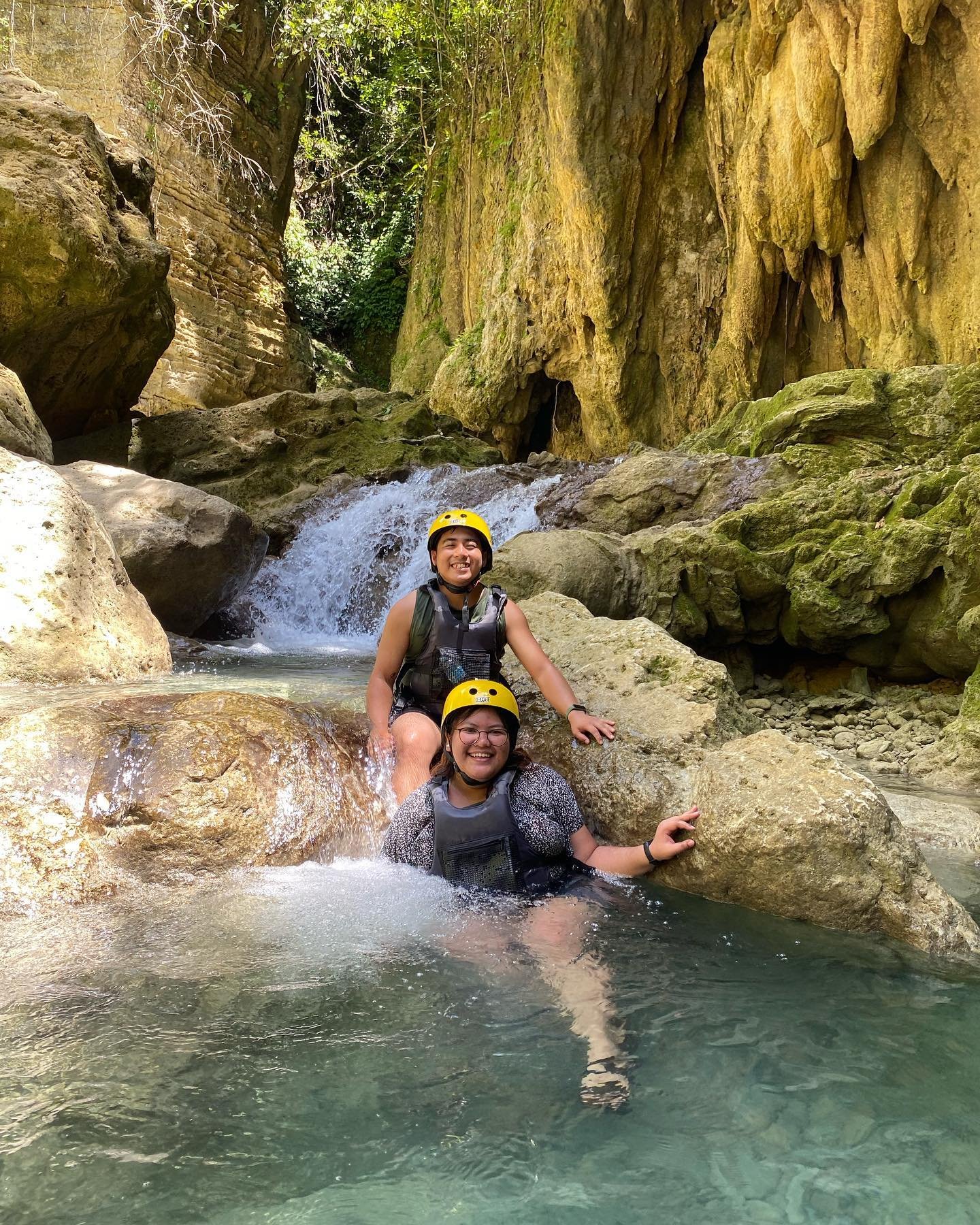
I. Kawasan Falls Travel Guide
-
Status 2026: OPEN (Subject to weather).
-
Main Cost: ~₱1,500 – ₱2,500 (Canyoneering Package).
-
Entrance Only: ~₱200 (Level 1 access).
-
Best Base: Moalboal (Panagsama Beach).
-
Top Tip: Book in advance via accredited operators; walk-ins are risky
II. Introduction: The New Reality of Kawasan Falls (2026)
Kawasan Falls is fully operational for the 2026 travel season, but the experience has fundamentally shifted from an unregulated public park to a strictly managed eco-tourism zone requiring mandatory guides and safety gear.
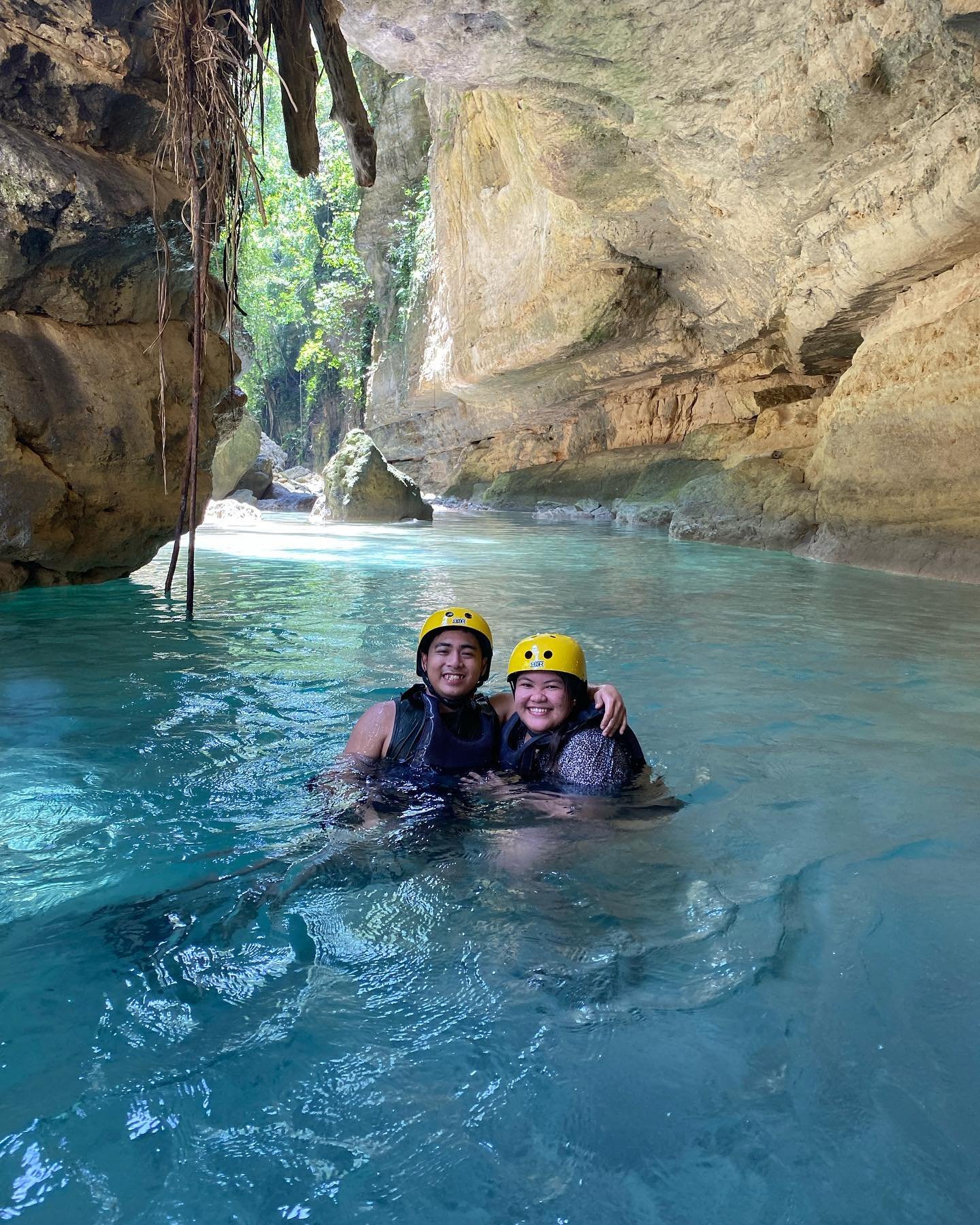
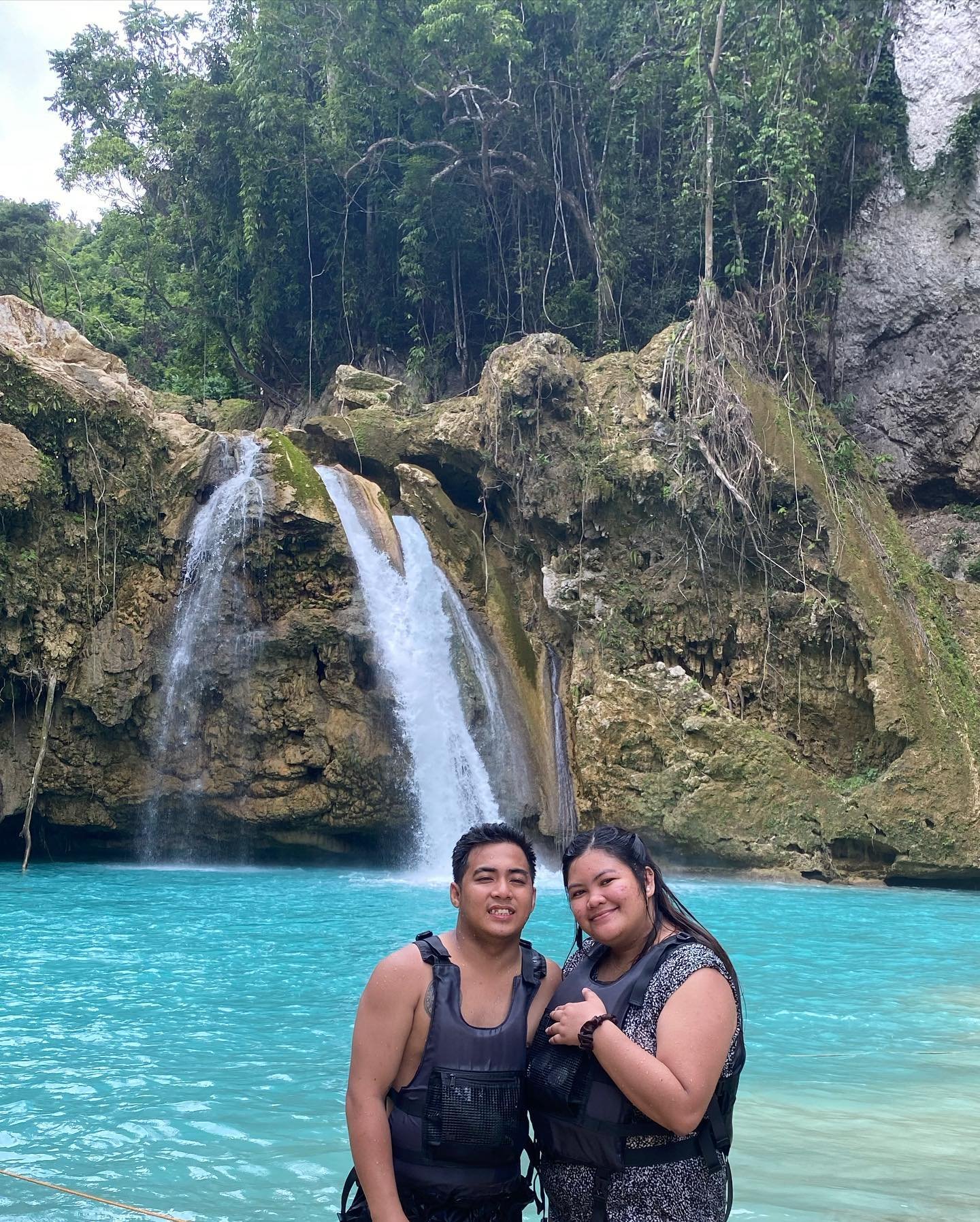
There is a specific shade of blue that seems to exist only in Badian—a milky, “Gatorade blue” caused by dissolved limestone that looks almost artificial until the moment you plunge into it. Standing on the ledge of the first cliff at the Kanlaob River canyon, hearing the roar of the water echoing off the limestone walls, provides an adrenaline spike that no Instagram photo can replicate. It is raw, loud, and utterly breathtaking.
However, the Kawasan you will visit in 2026 is not the same destination it was five years ago.
Following the devastation of Super Typhoon Odette in December 2021, the entire canyon system was closed for nearly two years to facilitate massive debris clearing and ecological rehabilitation. When the site officially reopened to the public in October 2023, it came with a completely new operational framework. The “wild west” days of cheap, unregulated access and overcrowding are over.
Today, visiting this region requires a shift from spontaneous wandering to strategic planning. The new Kawasan operates on a tier-system of access, strict capacity limits, and standardized pricing to ensure safety and sustainability. This guide is not a typical travel diary; it is a logistical manual verified against current 2025 protocols. We have stripped away the fluff to give you the exact bus routes, updated fees, and honest “on-the-ground” realities you need to navigate Cebu’s premier adventure safely.
Table of Contents
III. Is Kawasan Falls Open? Understanding the Access Levels
Yes, Kawasan Falls is fully open for the 2026 season, but access is now split into two distinct tiers: General Admission (swimming only) and Full Canyoneering (guided adventure).
Unlike the pre-pandemic era where visitors could hike freely between levels, the Cebu Provincial Government now enforces strict zoning to protect the rehabilitated ecosystem and ensure visitor safety. Understanding which access level matches your itinerary is crucial before you arrive at Barangay Matutinao.
Tier 1: General Admission (Main Basin Only)
This option is strictly for sightseeing and swimming in the main waterfall basin (Level 1).
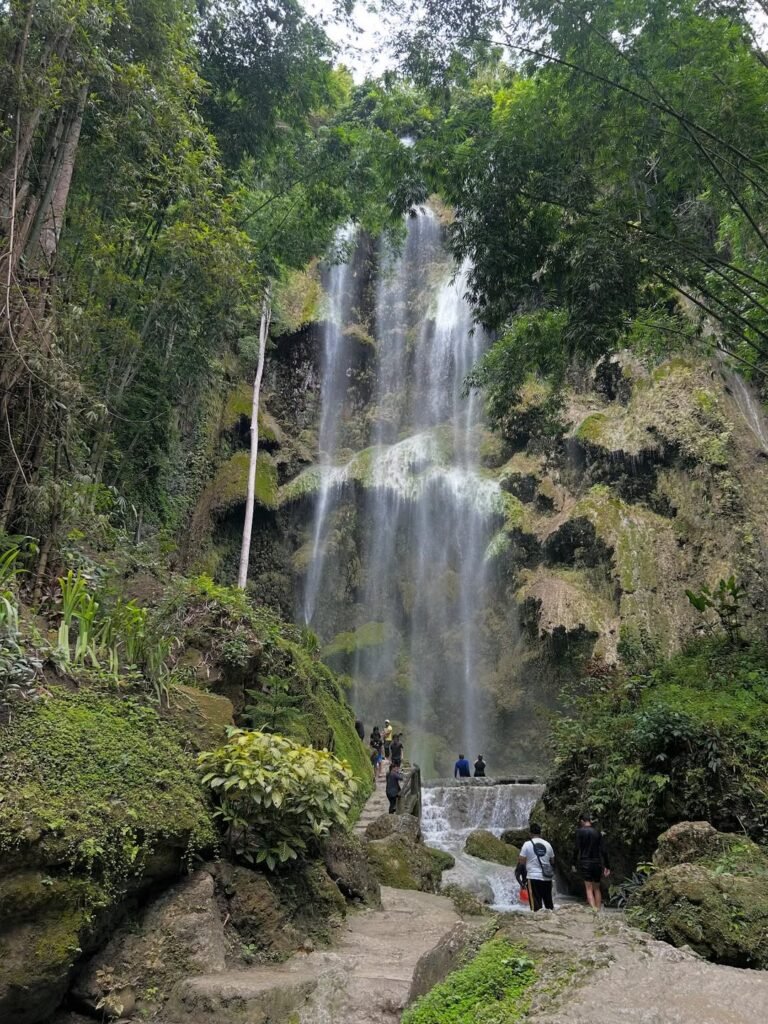
The Experience: You gain access to the iconic bottom tier—the postcard-famous 40-meter cascade. It is ideal for families or travelers with limited mobility.
The Restriction: Independent hiking to Upper Levels 2 and 3 is prohibited. If you purchase this ticket, you are confined to the main basin area.
Time Limits: To manage crowd density, especially on weekends, a 3-hour time limit is often enforced by site marshals.
Cost: Approximately ₱200 (Entrance Fee).
Tier 2: The Canyoneering Experience (Full Access)
To access the upper tiers, natural water slides, and cliff jumping spots, you must book a canyoneering package.
The Regulation: A provincial ordinance strictly mandates that all canyoneering activities be accompanied by an accredited guide. Solo DIY hiking upstream is illegal.
The Route: This includes the transfer to the jump-off point in Alegria or Kanlaob, the full downstream trek, and access to all levels, ending at the main falls.
Gear: Helmets and Life Vests (PFDs) are non-negotiable and provided by operators.
The “Capitol Online Booking” Mandate
The most critical change for 2026 is the “No Booking, No Entry” policy during peak seasons. While walk-ins are sometimes accommodated on quiet weekdays, the LGU requires visitors to register via the Capitol Online Booking portal.
Insider Tip: The government portal can be glitchy. The easiest workaround is to book directly with an accredited local operator (like Kawasan Canyoneering or Highland Adventures). They handle the provincial booking and permits on your behalf, saving you the administrative headache.
Reality Check: The canyon closes periodically for maintenance or due to weather-induced rockfall risks. Always check the MDRRMO Badian Facebook page for real-time status updates before leaving Moalboal.


IV. How to Get There: The Manila to Badian Route
To reach Kawasan Falls from Manila, fly to Mactan-Cebu International Airport (MCIA), transfer to the Cebu South Bus Terminal (CSBT), and board a Ceres Liner bus specifically marked “BATO via BARILI.” The overland journey takes approximately 3.5 to 4 hours and costs between ₱200 and ₱260.
Navigating the transit from the airport to the canyon requires executing a specific sequence of transfers. A mistake in bus selection here can add three hours to your travel time, so attention to the signage is critical.
Phase 1: Airport to Bus Terminal
Upon landing at MCIA, your immediate objective is to reach the Cebu South Bus Terminal (CSBT) along N. Bacalso Avenue.
White Taxi (Recommended): The standard metered white taxi is the most efficient balance of cost and speed. The fare typically runs ₱300–₱450 depending on traffic. Head to the dedicated taxi stand at the arrival bay; do not entertain touts offering “fixed rates.”
MyBus (Budget Option): For extreme budget travelers, the MyBus shuttle costs only ₱50 but terminates at SM City Cebu. From there, you must take a jeepney or a second taxi to CSBT. This adds roughly 45 minutes to your transit—generally not worth the savings if you are carrying backpacker gear.
Phase 2: The Critical Bus Selection (Via Barili vs. Via Oslob)
Once at the terminal, you will see a fleet of yellow Ceres Liner buses (operated by Vallacar Transit). This is where 30% of first-time tourists make a critical error.
CORRECT BUS: Look for the signboard “BATO via BARILI”. This route traverses the western coast of Cebu, passing directly through Moalboal and Badian.
WRONG BUS: Do NOT board a bus marked “BATO via OSLOB”. This route travels down the eastern coast (for Whale Sharks), completely bypassing the Kawasan area. Correcting this mistake requires a cross-island transit at the southern tip, costing you half a day.
Bus Comfort and The Drop-Off
Air-Conditioned (AC) vs. Ordinary: Always opt for the AC bus (approx. ₱250). The 4-hour drive involves dusty provincial roads and construction zones; the open-window “Ordinary” bus saves you less than ₱60 but leaves you exhausted and covered in road dust.
The Drop-Off: Tell the conductor you are alighting at “Matutinao Church” (the landmark for Kawasan Falls) or your specific hostel in Moalboal. The conductor will punch your ticket accordingly and usually announce the stop.
Alternative Entry: The Dumaguete Route
For travelers planning a Visayas loop, flying into Dumaguete-Sibulan Airport (DGT) is a clever hack. From Dumaguete, you take a short tricycle to Sibulan Port, a 20-minute ferry to Liloan (Santander) in Cebu, and then a 45-minute bus ride north to Badian. This route places you significantly closer to the falls, bypassing the heavy traffic of Metro Cebu entirely.
Practical Takeaway: Aim for a flight arriving in Cebu before 10:00 AM. This allows you to clear the terminal and arrive in Badian/Moalboal before sunset, ensuring you can check in and secure your canyoneering booking for the next morning.
V. Strategic Base: Moalboal vs. Badian
For the vast majority of backpackers, solo travelers, and barkadas, Moalboal (specifically Panagsama Beach) is the superior strategic base compared to Badian due to its robust hostel network, diverse dining scene, and access to scooter rentals.
While staying in Badian places you right at the trailhead, the town itself sleeps early and offers limited infrastructure. Moalboal, located just 20 kilometers north, serves as the logistical hub for Southern Cebu, offering a “work hard, play hard” atmosphere that balances the physical exhaustion of canyoneering with social recovery.
Moalboal: The Backpacker’s Hub
Panagsama Beach is not a sandy paradise (it’s a rocky coast), but it is the beating heart of the traveler scene. This is where you want to be if you need reliable Wi-Fi, laundry service, or a cold beer after a 4-hour trek.
The Vibe: The narrow Panagsama Road is lined with dive shops and open-air bars.1 You can wake up, swim 30 meters offshore to see the famous Sardine Run (millions of sardines bait-balling near the reef), and be back for breakfast at Shaka before your canyon tour pickup.
Where to Stay: Hostels like Chief Mau and Crazy Bears are institutions here.2 They don’t just offer beds; they are recruitment grounds for solo travelers looking to split the cost of a private van or boat.
The Food: You have options ranging from cheap carinderyas to the legendary sizzling sisig at Ven’z Kitchen.
Badian: The Nature Option
If your priority is silence and proximity, Badian is the alternative. Accommodations here, like Eskapo Verde (nestled in the mangroves), offer a rustic, “off-grid” feel.
The Reality Check: Badian is a sleepy municipality. After 8:00 PM, finding an open restaurant or an ATM that accepts international cards can be a struggle.
Comparison: Choosing Your HQ
| Feature | Moalboal (Panagsama) | Badian (Matutinao) |
| Primary Vibe | Social, Energetic, Diver-centric | Quiet, Rustic, Nature-focused |
| Accommodation | High density of Hostels & Resorts | Eco-lodges & Homestays |
| Dining | Diverse (Vegan, Western, Filipino) | Limited Local Eateries |
| Distance to Falls | 30–45 mins (Commute required) | 5–10 mins (Walking distance) |
| Best For | Solo Travelers, Groups, Digital Nomads | Couples, Nature purists |
The Commute Logistics
Getting from Moalboal to Kawasan Falls is a straightforward morning commute.
Scooter Rental: The most flexible option. Rentals in Panagsama cost ₱400–₱500 per 24 hours. The drive south along the coastal highway is scenic, but watch for stray dogs and bus traffic.
Tricycle/Habal-Habal: A round-trip tricycle hire for a group can be negotiated for ₱800–₱1,000. Do not pay upfront; pay upon your return to Moalboal to ensure the driver waits for you.
Practical Takeaway: Book your accommodation in Moalboal at least two weeks in advance during dry season (Jan–May), as top-rated hostels like Chief Mau fill up rapidly.
VI. The Canyoneering Experience: Step-by-Step
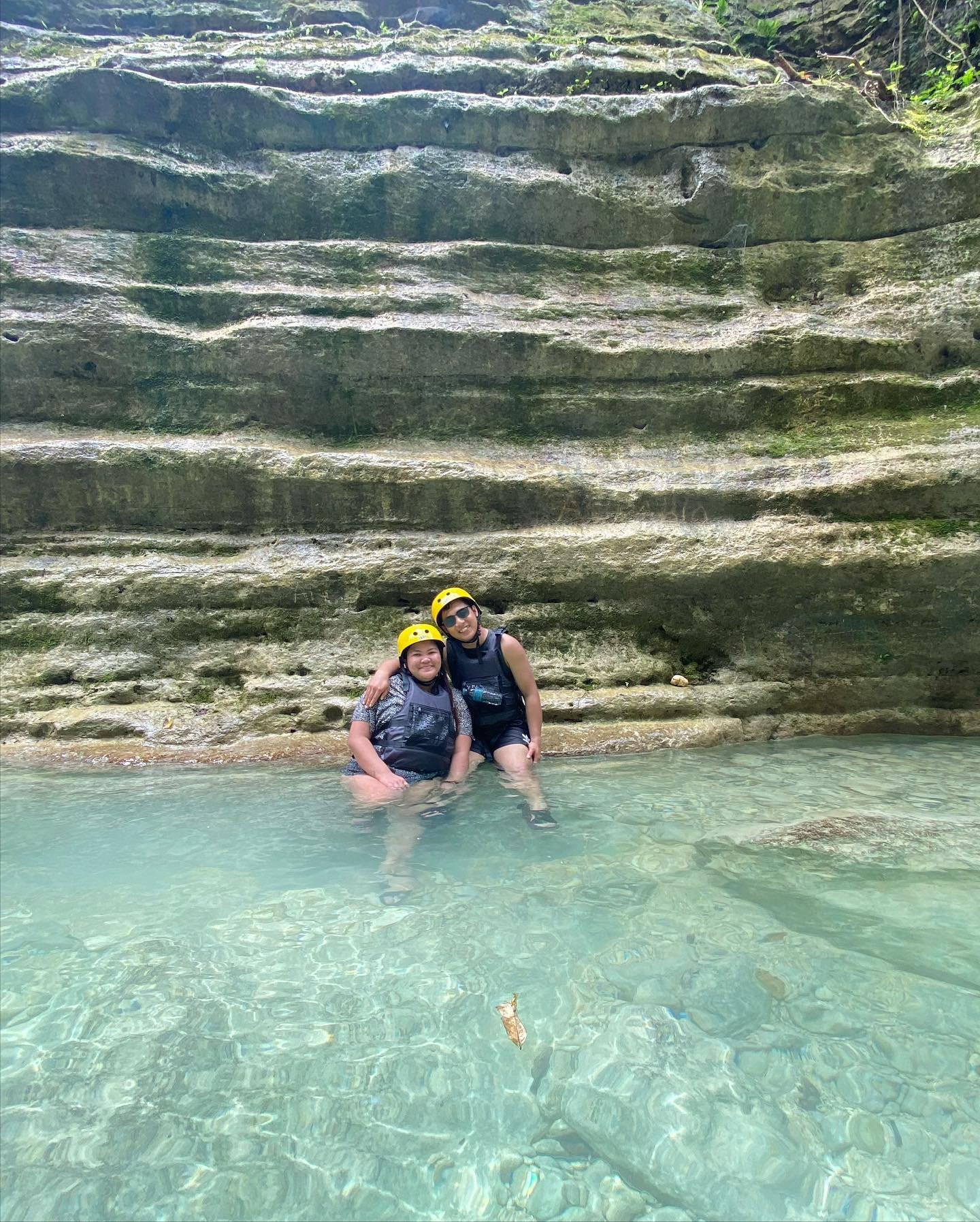
The Badian Canyoneering course is a physically demanding 3-to-4-hour amphibious trek that begins in the highlands of Alegria and follows the Kanlaob River downstream, terminating at the main basin of Kawasan Falls.
This is not a casual walk in the park. It is a full-body engagement with nature involving technical wading, swimming against currents, scrambling over wet limestone, and executing mandatory jumps. The experience is linear—once you enter the canyon, the only way out is downstream.
Pre-Deployment: The Critical Gear Check
Before you even see the water, your safety depends on what you are wearing. The rocks in the canyon are coated in a thin, invisible layer of algae that makes them as slippery as ice.
Footwear (The Dealbreaker): Do not attempt this in flip-flops; they are dangerous and often prohibited. Your best option is running shoes with aggressive tread (that you don’t mind ruining) or high-quality aqua shoes with thick rubber soles. Standard “reef shoes” (the thin neoprene ones) offer almost no protection against jagged rocks.
Apparel: Wear a rash guard and leggings or long board shorts. You will be sliding down rocks and brushing against abrasive limestone walls. Skin exposure equals scratches.
The Safety Mandate: At the operator’s HQ, you will be fitted with a helmet and a Personal Flotation Device (PFD). These are non-negotiable. Even Olympic swimmers must wear the PFD because fresh water is less buoyant than saltwater, and the canyon currents can be deceptive.
Health Protocol: Participants must be at least 7 years old (though 10+ is recommended for full enjoyment). Guides are trained to spot signs of exhaustion. If you have a history of heart conditions, hypertension, or severe knee injuries, this activity is disqualified.
Phase 1: The Insertion (The Habal-Habal Ride)
Once geared up, the adventure begins with a 20-minute habal-habal (motorcycle taxi) ride from the Badian lowlands up into the mountains of Alegria.
The Vibe: This ride is an adventure in itself. You will zoom past coconut groves and cornfields on paved but winding mountain roads.
The Registration: You will stop at the tourism checkpoint in Kanlaob to verify your booking and sign the final logbook.
The Walk-In: From the road, a short 10-minute hike through the jungle leads to the river’s edge. You’ll hear the water before you see it.
Phase 2: The Descent (Into the Blue)
The moment you step into the river, the temperature shock hits you. The water is mountain-spring cold, usually around 24°C (75°F).
The First Jump: The course often starts with a “calibration jump”—a relatively small 2-3 meter leap to get you comfortable with the buoyancy of your vest and the landing mechanics.
The Terrain: You will navigate through narrow gorges where fern-covered cliffs tower 50 feet above you, blocking out the sun. The water here is that signature opaque turquoise, colored by dissolved calcium carbonate.
The Slides: One of the highlights is the natural water slides—smooth chutes carved into the rock by centuries of water flow. You slide on your back, feet first, launching into deep pools.
[Insert Photo Here: Alt Text: Tourist sliding down a smooth limestone natural slide into a turquoise pool]
The Cliff Jumps: The route features a series of jumps ranging from 4 meters to 10+ meters.
Insider Tip: Most of the terrifyingly high jumps (10m+) are optional. There is almost always a walking path or a lower ledge for those who aren’t looking to spike their adrenaline that high. However, some smaller jumps (2-3m) are necessary to progress down the river.
Phase 3: Extraction and The “Recovery Meal”
After hours of swimming and scrambling, the canyon widens. You will pass the sheer walls of the upper levels (formerly Level 3) and eventually arrive at the Kabukalan Spring area (Level 2).
The Grand Finale: The trek concludes at the top of the main Kawasan Falls (Level 1). You can choose to jump the final tier (if permitted/open) or take the stairs down.
The Lunch: By the time you reach the endpoint, “hanger” sets in. Most packages include a “recovery lunch” at the operator’s designated area near the falls or back at their HQ. Expect a feast of Chicken Adobo, rice, pancit (noodles), and fresh fruits.
Visual Proof: [Insert Photo Here: Alt Text: Wide angle shot of the canyon walls with a small human figure jumping into the blue water for scale]
Practical Takeaway: Leave your phone in the locker unless you have a GoPro or a heavy-duty waterproof pouch. The canyon claims hundreds of iPhones every year; if you drop it in a deep pool, it stays there.

VII. Budget Breakdown: The 2026 Price List
For a standard day trip involving full canyoneering, expect to spend between ₱2,500 and ₱3,500 per person. This estimate covers round-trip transport from Moalboal, the all-inclusive adventure package, and hearty meals.
Gone are the pre-pandemic days of haggling for ₱800 tours. The 2026 pricing structure in Badian is standardized to ensure fair wages for guides and consistent safety equipment maintenance. While costs have risen, the value has improved with better gear and regulated crowd sizes.
The “Cost of Adventure” Matrix
To help you plan your withdrawal (ATM access is tricky, see below), here is a realistic expense breakdown for a solo traveler based in Moalboal.
| Expense Item | Est. Cost (PHP) | Operational Notes |
| Canyoneering Package | ₱1,500 – ₱2,500 | Includes guide, entrance fees, lunch, motorbike transfer, helmet & vest. |
| Bus (Cebu to Moalboal) | ₱230 – ₱280 | One-way fare on Ceres Liner (Air-Conditioned). |
| Scooter Rental | ₱400 – ₱500 | Per 24 hours (Gas is extra, approx ₱70/liter). |
| Hostel Dorm Bed | ₱600 – ₱800 | Per night (e.g., Chief Mau or Pig Dive Hostel). |
| Meals (Local/Carinderya) | ₱150 – ₱200 | For a basic silog breakfast or local stew. |
| Meals (Resto/Cafe) | ₱350 – ₱600 | Western-style meals at places like Smooth Cafe. |
| Snorkel Gear Rental | ₱150 – ₱200 | Necessary for the Sardine Run (mask + snorkel). |
| Shoe Rental | ₱100 | Optional aqua shoes at the canyoneering HQ. |
Hidden Costs & Tipping
The GoPro Tax: If you don’t own an action camera, operators rent them for roughly ₱500–₱800. Bring your own SD card to speed up the file transfer process.
Tipping: While not mandatory, tipping your guide is customary if they kept you safe and acted as your personal photographer. A tip of ₱300–₱500 per group is standard and highly appreciated.
Financial Logistics: The ATM Warning
Cash is King in Southern Cebu.
While Moalboal has a few ATMs (mostly Euronet machines with high withdrawal fees), they frequently run out of cash during weekends or reject international cards due to connectivity issues. In Badian town proper, reliable ATMs are virtually non-existent.
The Strategy: Withdraw your entire trip budget at Mactan-Cebu Airport or a major mall (Ayala/SM) in Cebu City before boarding the bus.
Small Bills: Keep a stash of ₱20, ₱50, and ₱100 bills. Tricycle drivers and sari-sari stores rarely have change for a ₱1,000 bill.
VIII. 3-Day DIY Itinerary (Backpacker Edition)
This strategic 72-hour plan is optimized to beat the tourist crowds by utilizing early morning “insertion” times, balancing the high-adrenaline exertion of canyoneering with necessary recovery periods in Moalboal.
For the DIY backpacker, the goal is efficiency. By basing yourself in Moalboal and renting a scooter, you avoid the rigid schedules of package tours and gain the flexibility to chase sunsets or sleep in.
Day 1: Insertion and The Sardine Run
09:00 AM: Land at MCIA. Take a white taxi to South Bus Terminal immediately.
10:30 AM: Board the “Bato via Barili” Ceres Bus. Insider Tip: Sit on the right side of the bus for coastal views during the descent into Moalboal.
02:00 PM: Check-in at your hostel (e.g., Chief Mau or Pig Dive). Drop your bags.
03:30 PM: Head to the Panagsama shoreline. Rent a mask/snorkel (₱150) and swim just 30 meters out.
The Experience: You don’t need a boat. The Sardine Run—a massive bait ball of millions of sardines—hovers right at the drop-off. Look for sea turtles grazing in the shallows nearby.
07:00 PM: Dinner and drinks at a beachfront bar. Sleep early; tomorrow is heavy.
Day 2: The Kawasan Objective
07:00 AM: Light breakfast. Hydrate.
07:30 AM: Depart for Badian. Critical Strategy: Most tour vans from Cebu City arrive at 9:30 AM. By starting your canyoneering trek at 8:00 AM, you will have the river canyons largely to yourself.
08:30 AM – 12:30 PM: The Canyoneering descent.
01:30 PM: Late lunch at Kawasan Level 1 (included in package).
03:00 PM: Return to Moalboal. Nap/Shower.
07:00 PM: Recovery Dinner at Smooth Cafe. Order the burger or a heavy pasta dish to replenish the calories burned shivering in the canyon water.
Day 3: Decompression and Extraction
Option A (Chill): Take a tricycle to Basdaku White Beach. Unlike the rocky Panagsama, this is a proper sandy beach perfect for swimming and sunbathing. Entrance fee is approx. ₱20.
Option B (Active): Wake up at 4:00 AM for a sunrise hike to Osmeña Peak (Dalaguete). It requires a 1-hour motorbike ride to the trailhead.
01:00 PM: Check out and board the bus back to Cebu City.
Reality Check: The return trip often takes longer (4–5 hours) due to afternoon traffic in the Minglanilla/Talisay corridor. Do not book a flight out of Cebu earlier than 8:00 PM.
IX. Safety, Scams, and Real Talk
While Badian is a safe destination for solo travelers, your primary risks are not pickpockets, but rather aggressive misinformation from roadside touts and the unpredictable hydraulics of the canyon river system.
Navigating the local tourism landscape requires a healthy dose of skepticism and strict adherence to environmental protocols. Here is how to protect your wallet and your life.
The “Kawasan Is Closed” Scam
This is the most pervasive annoyance in Badian. As soon as you step off the bus near Matutinao Church, tricycle drivers or “guides” may approach you claiming that Kawasan Falls is “closed for maintenance,” “at full capacity,” or “unsafe today.”
The Motive: They want to divert you to alternative waterfalls (like Dao Falls or Montpellier) where they earn a commission, or force you to hire them as an “exclusive” guide to bypass the “closure.”
The Counter-Move: Ignore the hearsay. Verify the status immediately by checking the official MDRRMO Badian (Municipal Disaster Risk Reduction and Management Office) Facebook page. They post daily bulletins regarding river conditions. If the MDRRMO says it’s open, it’s open.
Flash Floods: The Canyon Funnel
The Kanlaob River is a slot canyon; it acts as a funnel for rainwater. A storm happening kilometers away in the highlands of Alegria can cause water levels downstream to rise rapidly, turning the crystal blue water into a raging brown torrent in minutes.
The Golden Rule: Never argue with a guide who cancels a tour due to weather. If the water turns brown, get out immediately.
Reality Check: Guides are mandated by the LGU to halt operations if the water level reaches a critical threshold. Pushing them to continue “because you traveled far” puts everyone at risk of drowning.
Responsible Tourism: The “Plastic Police”
The 2024–2026 management policies are strict about Leave No Trace principles.
Strict Ban: Single-use plastics (bottles, wrappers) are often confiscated at the jump-off point. Bring a reusable water bottle (e.g., Nalgene or Hydro Flask).
Chemicals: Do not use soap or shampoo in the river. The ecosystem is recovering from massive rehabilitation; phosphates from soap damage the limestone formations and harm aquatic life.
X. Conclusion: Is Kawasan Falls Still Worth It?
Absolutely yes—while the 2026 Kawasan experience is significantly more expensive and regulated than the pre-pandemic era, the tradeoff is a pristine, uncrowded, and safer adventure.
The “wild west” days of unlimited access and overcrowding are gone. In their place is a sustainable eco-tourism model that protects the delicate Kanlaob River ecosystem while ensuring you don’t have to queue for an hour to jump a cliff. By respecting the new provincial ordinances and booking with accredited operators, you ensure this limestone marvel remains Gatorade-blue for the next generation.
Ready to take the plunge?
Plan your transit: Check the latest [Ceres Liner Bus Schedules Here].
Secure your slot: Book your accredited [Canyoneering Guide Here] to bypass the administrative hassle.
See you in the canyon.
Build Your Ultimate Cebu Itinerary
Don’t let the adventure stop at Kawasan. Badian is just one stop on the legendary “South Cebu Loop.” Here is how to connect your canyoneering trip with other top-tier destinations.
1. The South Cebu Loop (Moalboal, Badian, Oslob) After conquering the canyons, head south to swim with the gentle giants and explore more cascades.
Whale Sharks: Most travelers combine Badian with a trip to the south. Read our Ultimate Travel Guide to Oslob Cebu 2025 to plan the logistics.
More Waterfalls: Just minutes from the whale sharks is the ethereal, curtain-like cascade of Tumalog Falls in Oslob. For a quieter, multi-tiered experience that rivals Kawasan, check out Inambakan Falls in Ginatilan.
The Highest Peak: Want to trade swimsuits for hiking boots? The sunrise view from Osmeña Peak: The Crown of Cebu is the perfect way to end your Moalboal trip.
Cultural Stop: On your bus ride back to the city, make a pilgrimage to the majestic Simala Shrine in Sibonga.
2. Cebu City Layover (Before or After Your Flight) If you have a spare day in the capital before flying out, explore the highland attractions.
The “Taj Mahal” of Cebu: Visit the grandiose Temple of Leah for stunning Roman architecture and city views.
Spiritual Serenity: Find balance at the Cebu Taoist Temple, a peaceful sanctuary just minutes from the city center.
Instagram Heaven: Visit “Little Amsterdam” in the highlands at the Sirao Flower Garden.
3. Plan Your Next Adventure
Overview: Still deciding where to go? Browse our curated list of the Top 10 Tourist Destinations in Cebu Guide 2025.
Island Hopping: If you prefer white sand beaches over waterfalls, head north for our Camotes Island Complete Travel Guide 2024.


Pingback: Tourist spot in The Philippines – A4Everyone