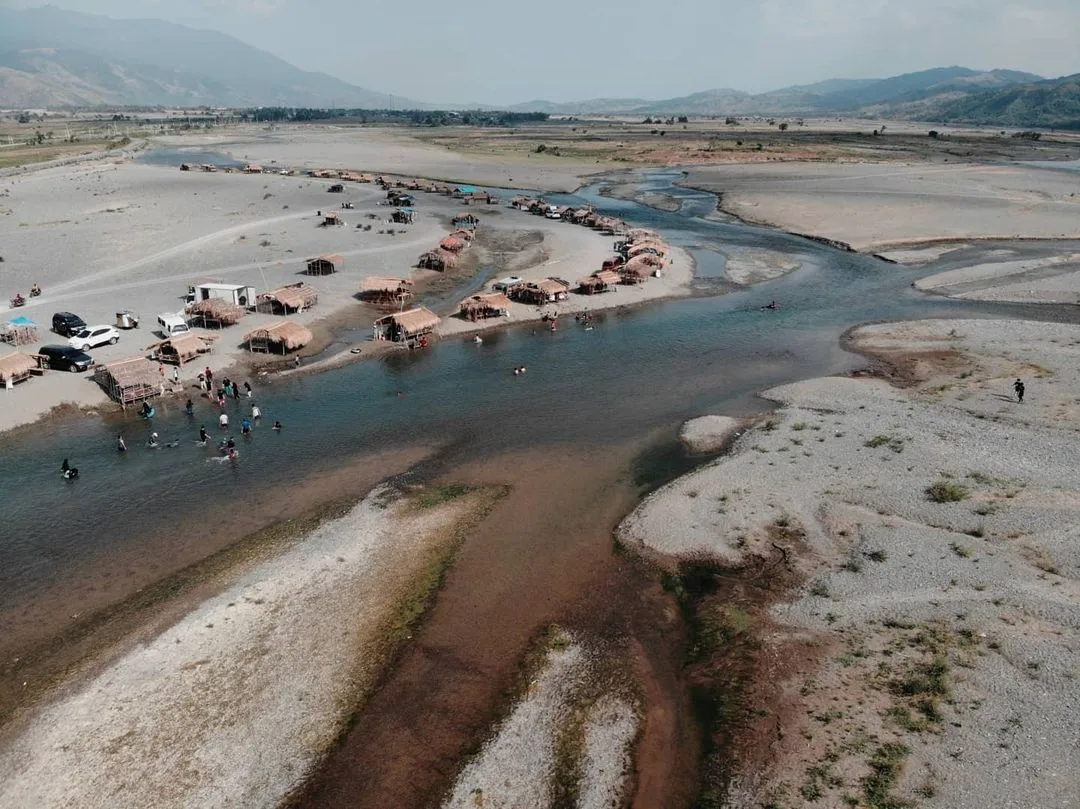
Calabasa River in Gabaldon, Nueva Ecija is a cold, mountain-fed river in Barangay Calabasa, at the eastern edge of the province where Nueva Ecija meets the Sierra Madre. It sits roughly 178 kilometers northeast of Manila, and on my most recent visit in September 2026, the drive from the city took just under four hours.
Having covered 69 of the 82 provinces since 2015, I can say this river earns its growing reputation, though not for every traveler or every season.
The river is locally known as Calabasa Picnic River, and also spelled as Kalabasa River. Both names refer to the same site. It is a community-managed destination, not a resort.
What you get:
- Cold water
- A rocky Sierra Madre backdrop
- Open-air kubo rentals
- A camping zone you reach by crossing a shallow section of the river
- ATV trails along the bank
This guide covers everything a planner needs before making the trip, updated for 2026.
Key Takeaways
- Calabasa River is in Barangay Calabasa, Gabaldon, Nueva Ecija, approximately 178 km northeast of Manila, with a drive time of 3.5 to 4.5 hours.
- Operating hours are Monday to Saturday, open 24 hours; Sunday is restricted to 9 AM to 5 PM. Confirm overnight access with the barangay office before a Sunday visit.
- The entrance fee is ₱10 to ₱20 per head; day-tour kubo rental runs ₱300 to ₱500; tent pitching, ask the caretaker on arrival as the policy has changed.
- The riverbed is uneven and rocky. Aqua shoes or strapped sandals are required. Flip-flops are not safe on algae-covered stones.
- The river is fed entirely by the Sierra Madre. Flash floods can surge without warning even under clear skies at the site. Exit the water immediately if the current picks up or the water turns brown.
- Weekends, especially Saturday nights, are loud. Videoke is permitted until dawn. Couples and solo travelers wanting quiet should come on a weekday.
Table of Contents
Where Is Calabasa River Located?
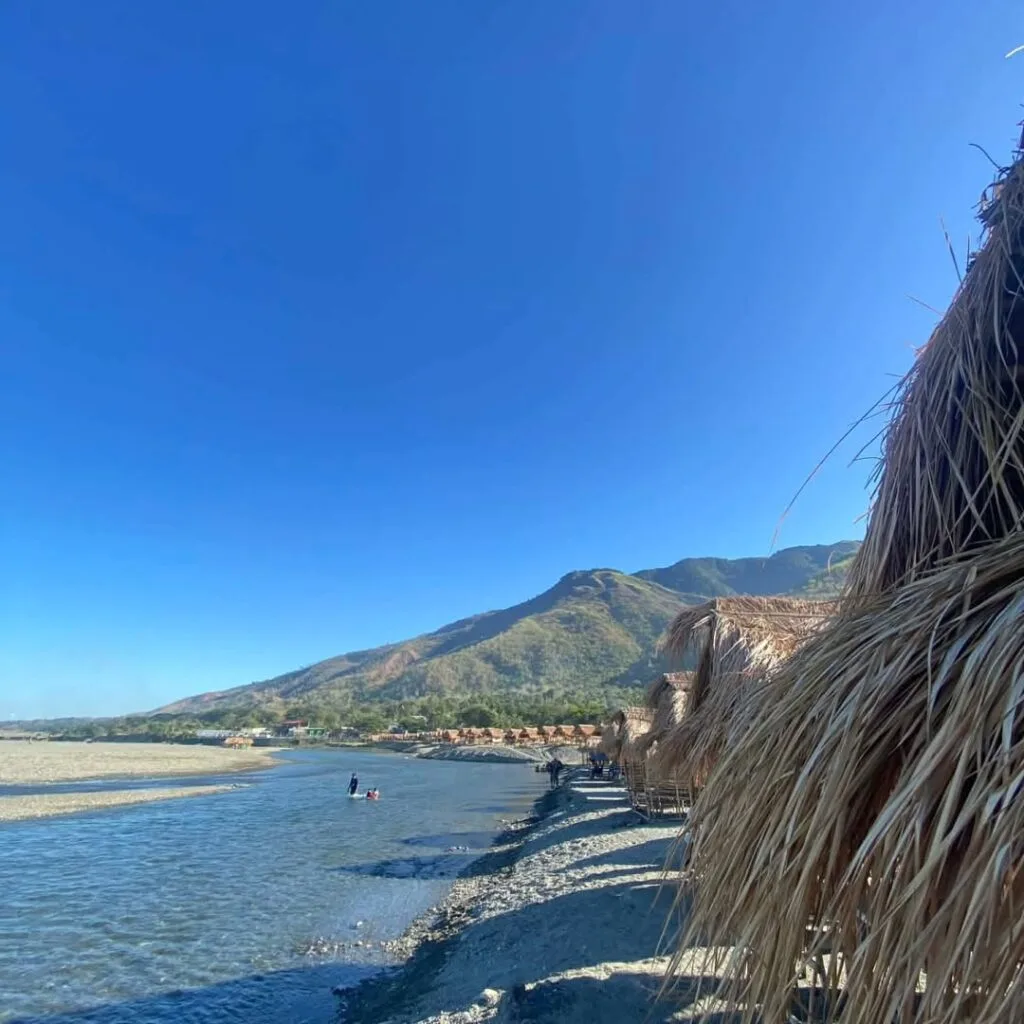
Calabasa River is in Barangay Calabasa, Gabaldon, Nueva Ecija, a municipality on the eastern edge of the province that borders the Sierra Madre mountain range. The river flows along the Dingalan-Gabaldon corridor, the road that connects Nueva Ecija to the coastal town of Dingalan in Aurora.
From Manila, the site is approximately 178 kilometers northeast. From Cabanatuan City, the commercial hub of Nueva Ecija, Gabaldon is roughly 55 kilometers away, or about 50 minutes to 1.5 hours by road depending on conditions.
The access road is fully paved. Standard cars, vans, SUVs, and motorcycles reach Barangay Calabasa without issue. A 4×4 is not required under normal dry-season conditions.
This makes Calabasa a logical anchor for a longer Nueva Ecija road trip that continues east toward Dingalan.
What Is Calabasa Picnic River Known For?
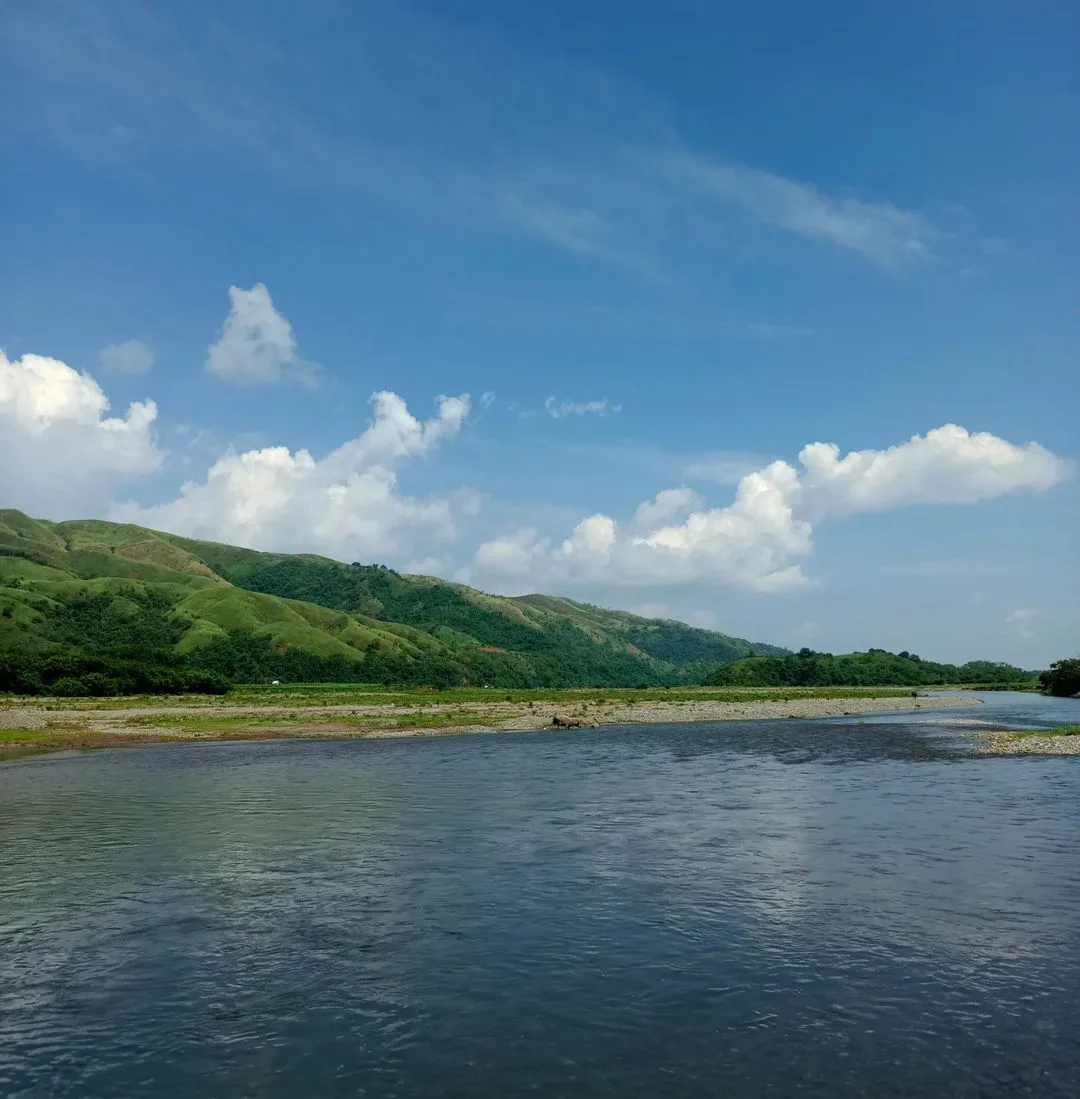
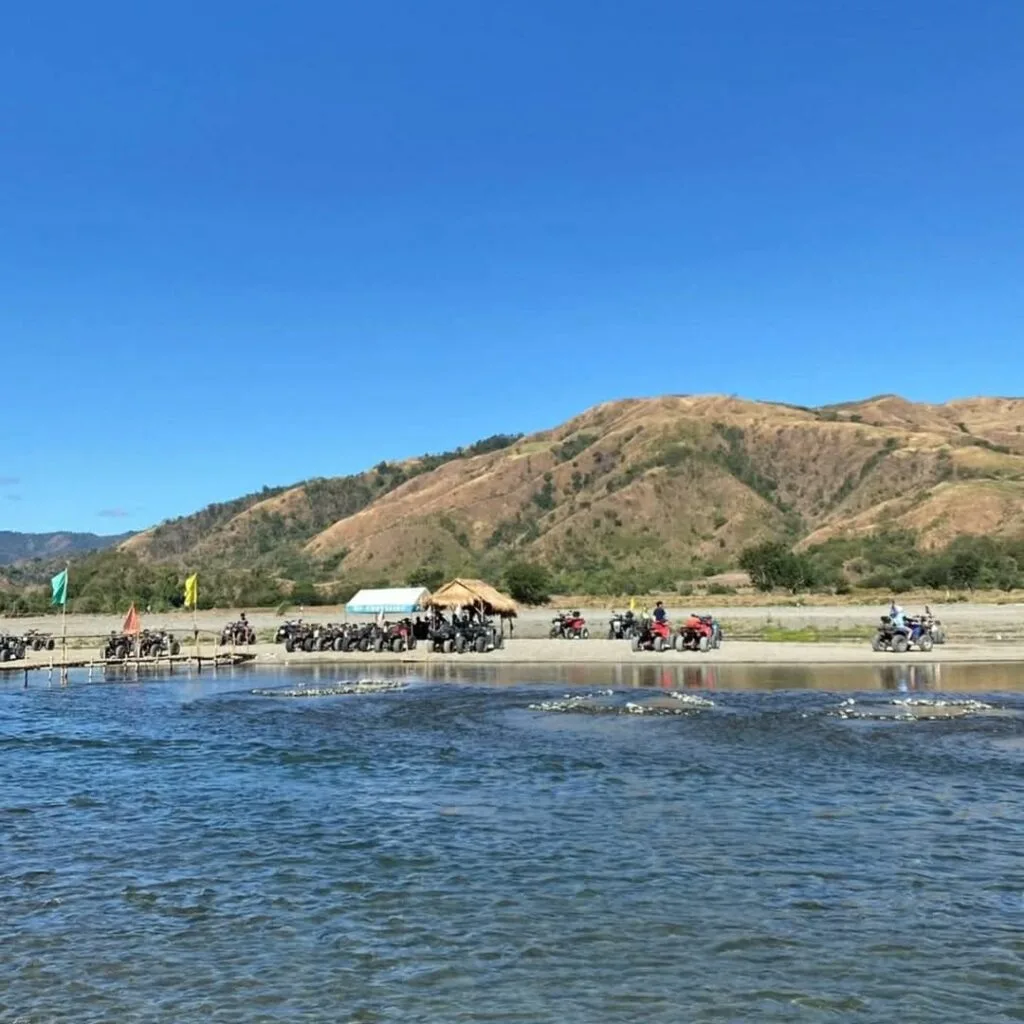
Calabasa Picnic River, also searched as Kalabasa River Nueva Ecija and Gabaldon Calabasa River, is a community-managed river picnic and camping destination fed by the Sierra Madre watershed. The water is cold and clear during the dry season, the riverbed is rocky and uneven, and the surrounding landscape is open foothills framing a genuinely scenic backdrop.
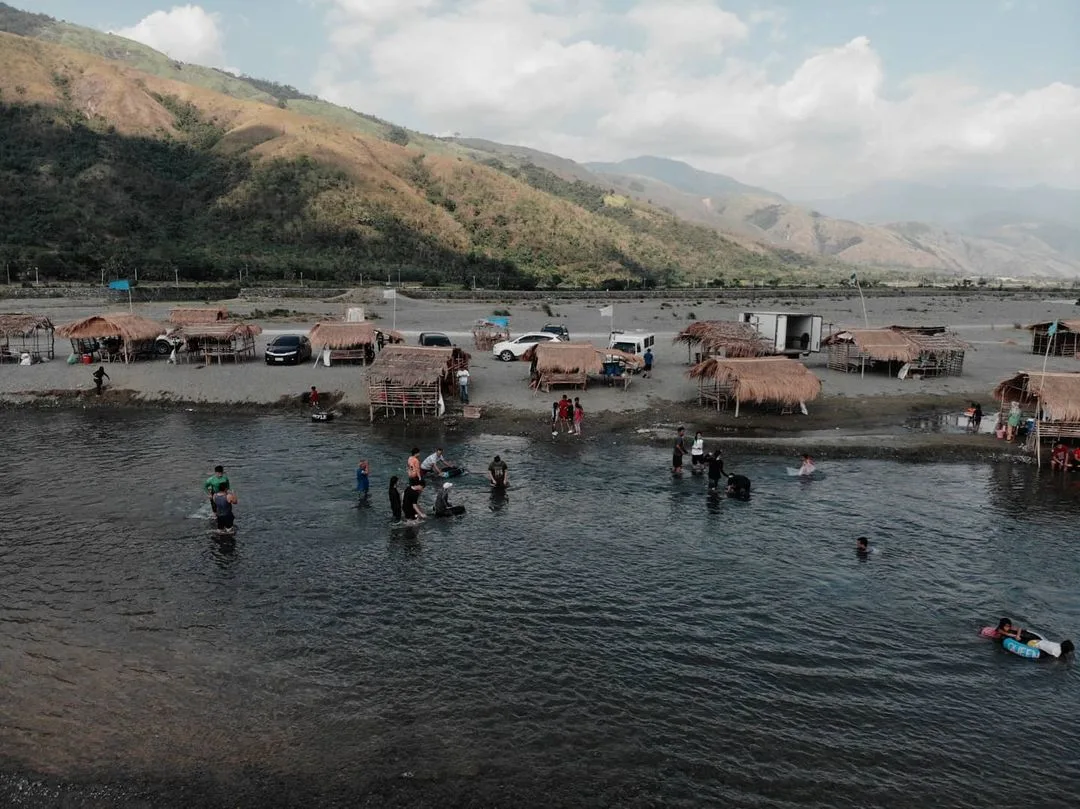
The site runs on a decentralized, cash-only economy. Individual families operate the kubos, the camping zones, and the ATV rentals. There is no central ticketing booth in the resort sense.
Fees are paid to different people at different points.
Key draws at the site:
- Cold mountain water in a rocky, natural channel
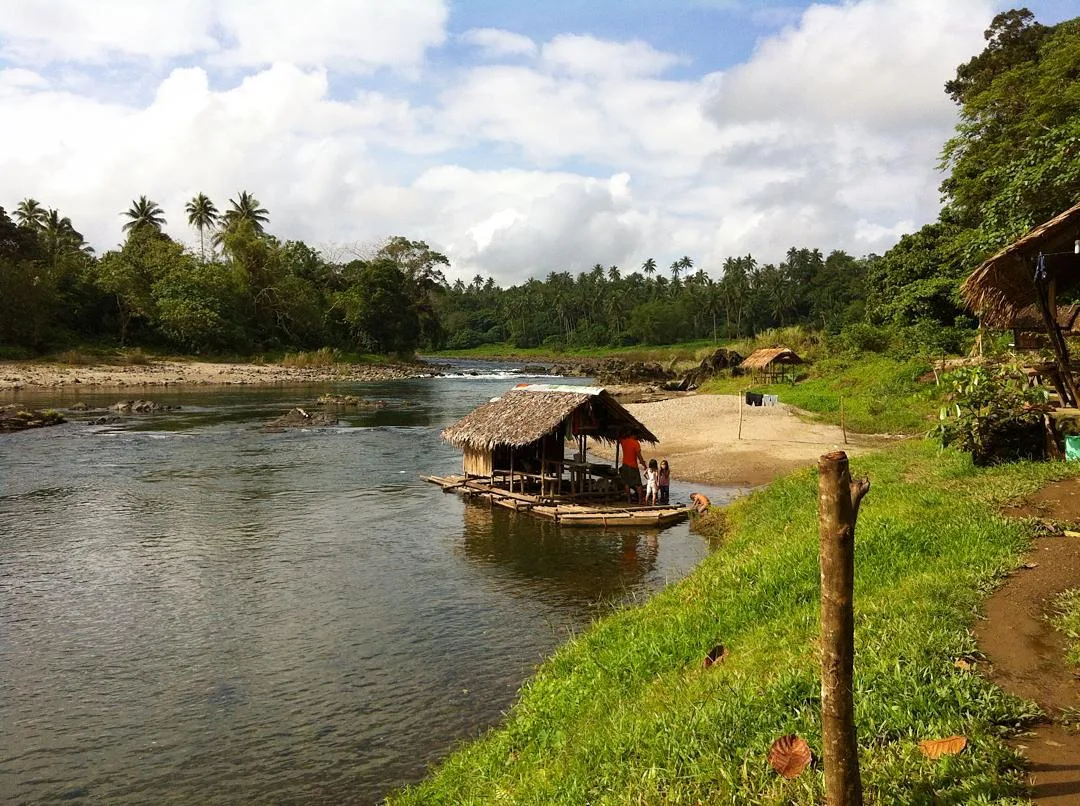
- Kubo-style picnic cottages for families and barkada groups
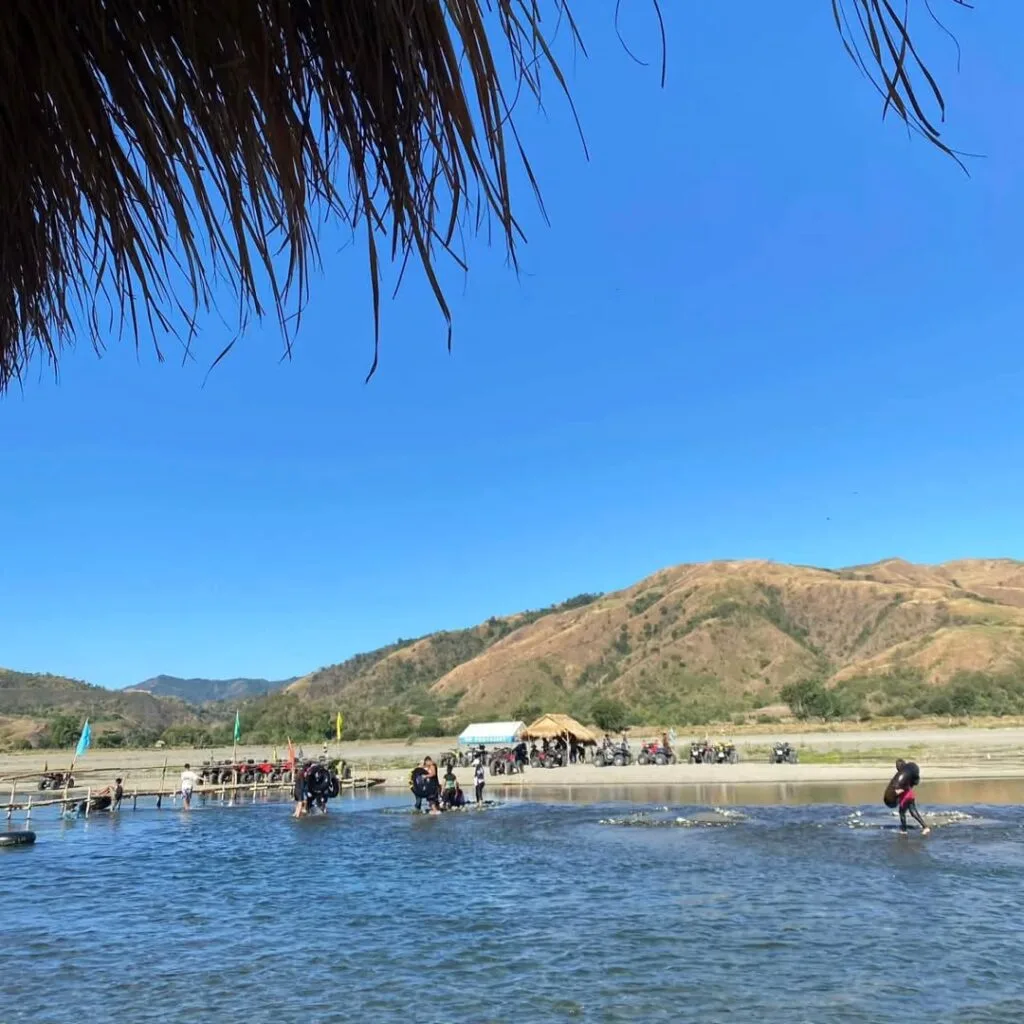
- A designated camping area across a shallow river crossing
- ATV trails along rough riverbank terrain
- Sierra Madre views that are best photographed before 9 AM
- Road access that does not require an off-road vehicle
Is Calabasa River Worth Visiting?
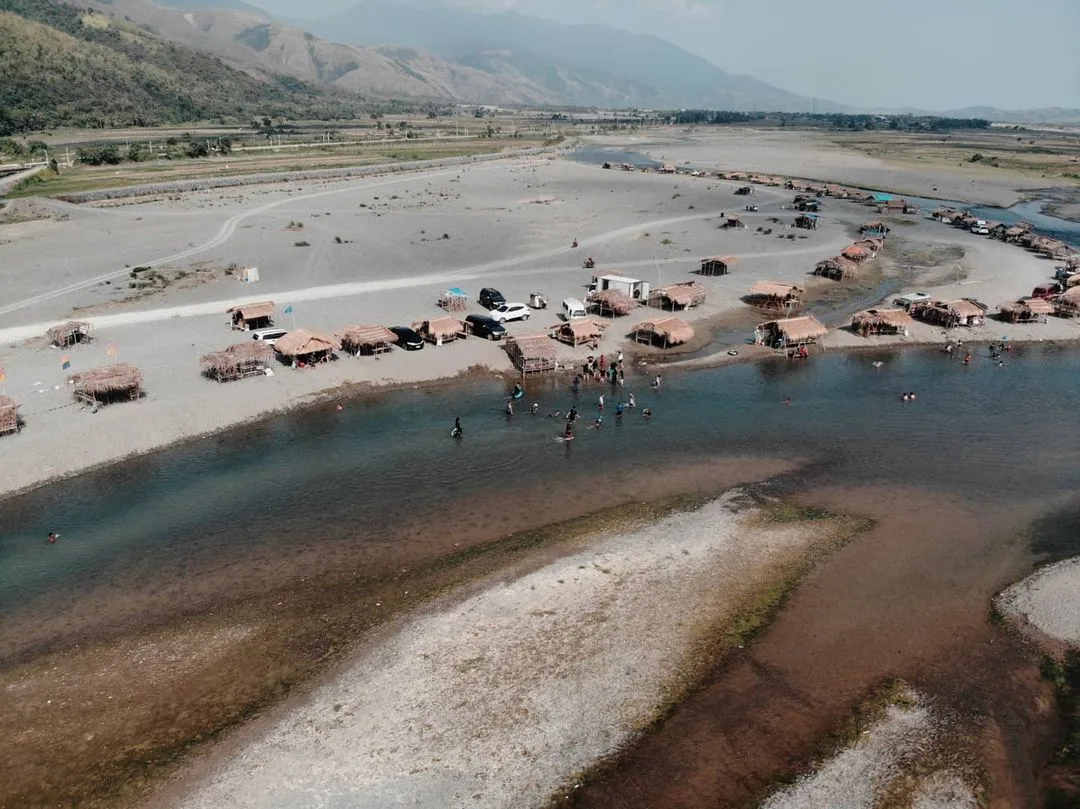
Calabasa River is worth visiting if your group wants cold-water swimming, a riverside picnic, or an overnight camp in a genuinely provincial setting at a low per-head cost. It is not worth the drive if you need consistent shade, modern restrooms, or a quiet night.
There is almost no natural shade on the main swimming area during midday. The heat in the open riverbed between 10 AM and 3 PM is punishing. My September 2026 visit confirmed this.
Groups without a kubo or a makeshift tent setup will be uncomfortable by noon.
The second honest point is the weekend noise. Videoke runs until dawn on Saturday nights. For a barkada overnight this is part of the draw.
For anyone else it is a reason to come Monday through Friday.
For what it costs, the river itself delivers. The issue is the experience around it, which varies sharply by day and time.
What Are the Operating Hours at Calabasa River?
Calabasa River is open Monday to Saturday on a 24-hour basis. On Sundays, hours are restricted to 9 AM to 5 PM, and overnight stays are not available that day.
This Sunday restriction is a material planning detail. If you are driving from Manila and planning an overnight, do not arrive on a Sunday expecting to camp. Confirm current access rules directly with the Gabaldon barangay tourism office before booking a Sunday trip, as enforcement and any schedule changes will come from there.
For weekday campers, the site has local guards who sleep on-site overnight, and the barangay police conduct mobile patrols through the area. The camping zone is not unsupervised.
How Much Does a Calabasa River Trip Cost?
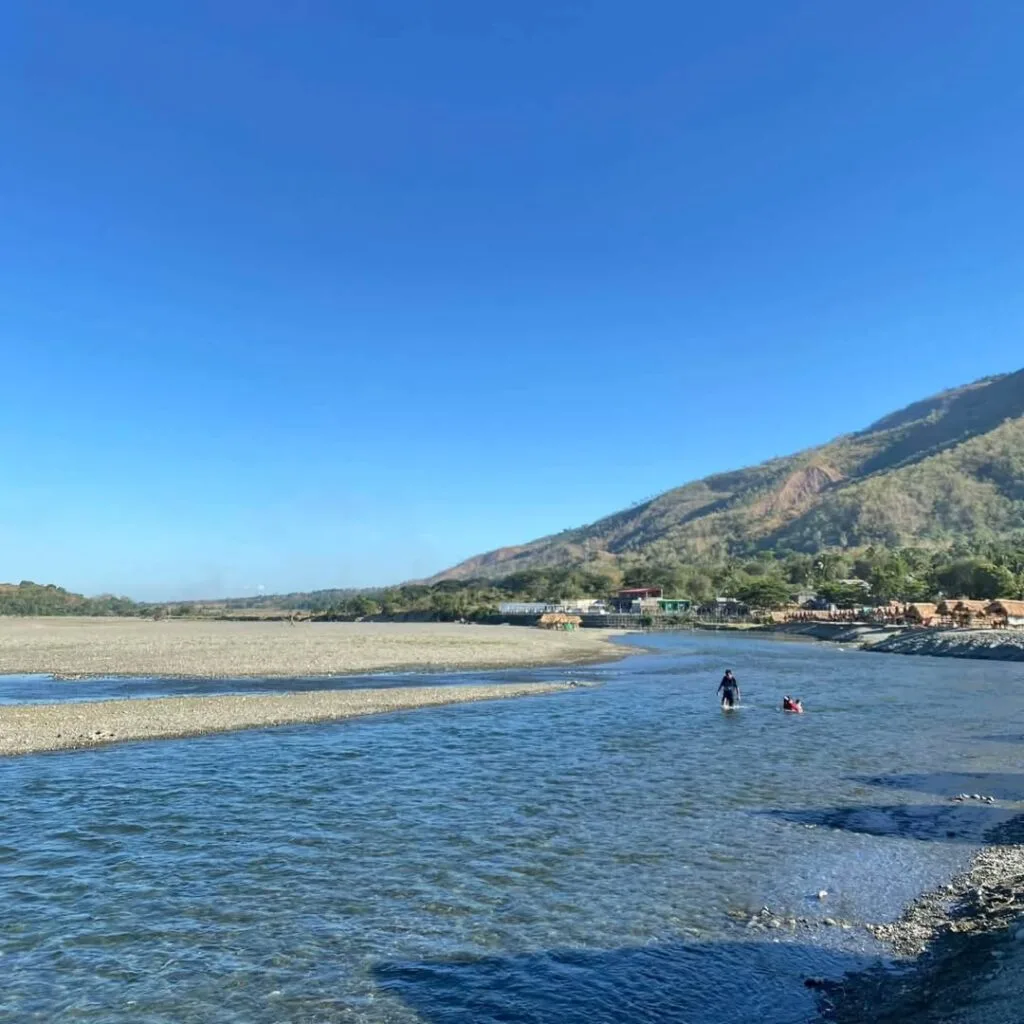
Every transaction at Calabasa River is cash-only. GCash and card terminals are not available at the site. Bring small bills, specifically ₱20, ₱50, and ₱100 denominations, because change can be scarce at individual kubo operators.
On my September 2026 visit, the rate board at the registration point showed the environmental fee at ₱20 per head, though the barangay-published figure is ₱10 to ₱20. Pay what is posted on arrival.
The fees below are the current working rates. The tent pitching fee has changed from what earlier guides stated. The old ₱100 per tent figure no longer holds uniformly.
Ask the caretaker at the camping zone what the current policy is before you set up.
| Expense | Rate |
|---|---|
| Environmental / entrance fee | ₱10–₱20 per head |
| Parking | ₱50–₱100 |
| Day-tour kubo | ₱300–₱500 |
| Overnight kubo | ₱1,000–₱1,500 |
| Tent pitching | Ask caretaker on arrival |
| Restroom use | ₱10–₱20 per use |
| ATV ride | Ask on-site (rate unconfirmed) |
Budget estimates by group type:
| Traveler Type | Estimated Total |
|---|---|
| Solo DIY commuter (day trip) | ₱1,700–₱2,300 |
| Couple, private vehicle (day trip) | ₱2,500–₱3,500 |
| Barkada of 5 (overnight camping) | ₱6,000–₱8,000 total |
The solo estimate covers:
- Round-trip bus and local fares
- Food
- Entrance
- A contingency buffer
The couple estimate covers:
- Tolls
- Fuel
- One kubo
- Shared provisions
Buy food in Cabanatuan City or at Gabaldon town proper before arriving. Vendors at the river are limited.
How Do You Get to Calabasa River from Manila?
The drive from Manila to Calabasa River takes 3.5 to 4.5 hours under normal traffic. The route is: Manila > NLEX > SCTEX > Cabanatuan City > Nueva Ecija-Aurora Road > Gabaldon > Barangay Calabasa. Toll fees range from ₱50 to ₱200 depending on vehicle class.
For travelers coming from or through Bulacan, the Plaridel Bypass Road cuts through municipal traffic to the Maharlika Highway. From San Rafael, Bulacan, Cabanatuan City is approximately 81.8 kilometers away, about 1 hour and 21 minutes before the final eastward leg to Gabaldon.
The road becomes noticeably more scenic after Cabanatuan as it rises into the Sierra Madre foothills. Parking near the river access point costs ₱50 to ₱100. For overnight stays, confirm parking arrangements with the site caretaker.
By public transport (DIY route):
- Board a bus from Cubao (EDSA) to Cabanatuan City. Five Star Bus and Genesis run early departures starting at 3:00 AM. Fare is approximately ₱257 to ₱300. Travel time is roughly 3 hours.
- From Cabanatuan, take a PUV or jeepney to Gabaldon town proper. Ask at the terminal near the Cabanatuan central transit hub for the current Gabaldon-bound departure. Fare changes; confirm at the terminal window.
- From Gabaldon town proper, take a tricycle to Barangay Calabasa. Negotiate the fare before boarding. The tricycle covers the Dingalan-Gabaldon Road to the river access point. Current rate: ₱50 to ₱100.
Take the earliest bus. The most common mistake among DIY commuters is leaving the river too late. Outbound tricycles and vans become scarce after dark, and getting stranded in the municipality overnight is a real risk.
When Is the Best Time to Visit Calabasa River?
The best time to visit is December to May, during the dry season. The water is clear, the current is gentle, and flash flood risk is lowest. Within a single day, the best light for photography is before 9 AM, when the angle is low and the Sierra Madre backdrop is fully lit without harsh overhead glare.
The worst time to visit is during typhoon season, especially July to October, when the Sierra Madre receives intense rainfall that may not be visible from the river site. The Calabasa River is mountain-fed, which means water levels can surge quickly and without warning even when the sky directly above you is clear.
For crowds: weekdays from Monday to Friday are consistently quieter than weekends. Saturday afternoons into Sunday mornings are the noisiest period at the campsite. If tranquility matters more to you than convenience, aim for a Tuesday or Wednesday trip in the dry season.
The Sunday-only restriction (9 AM to 5 PM) also makes Saturday the only practical overnight start day for visitors who arrive by weekend.
What Is the Water Like, and Are Life Vests Required?
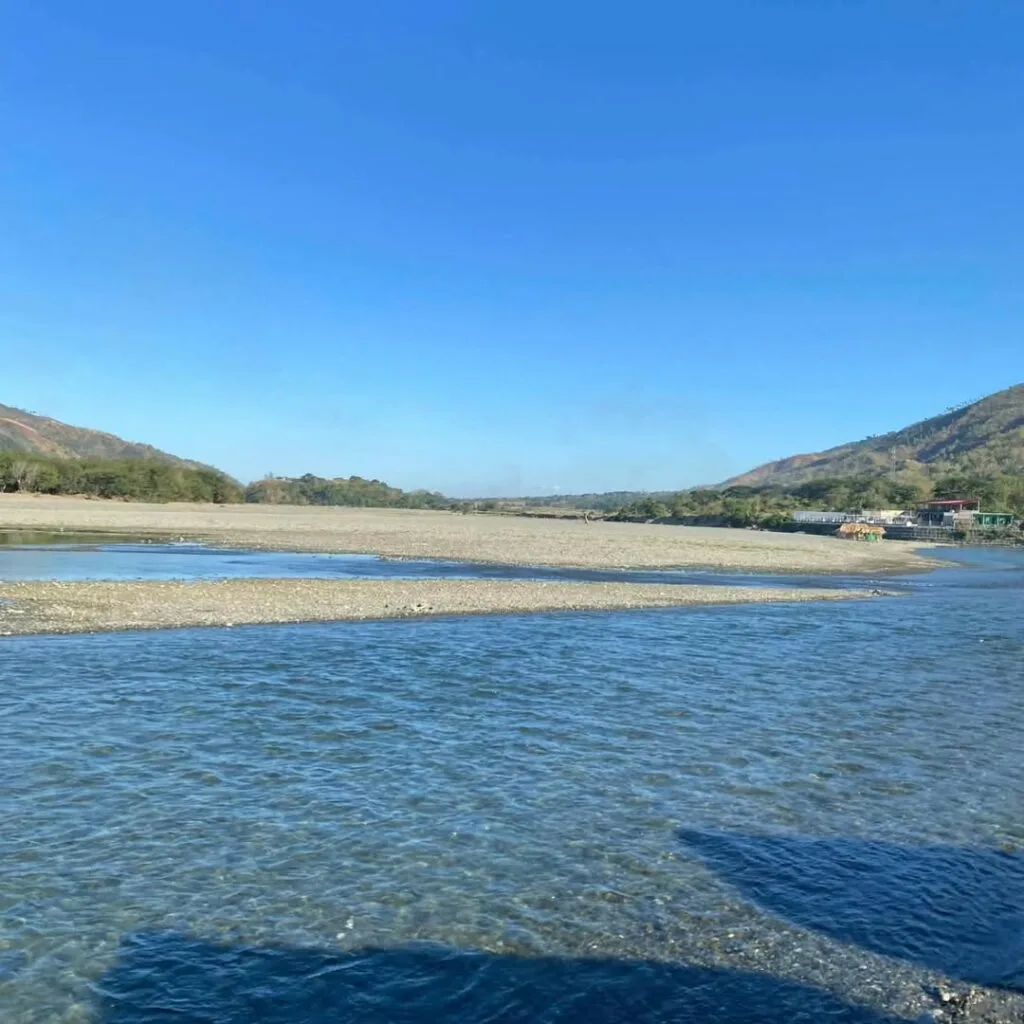
Calabasa River is cold, fed entirely by Sierra Madre runoff. It carries a rocky, uneven bottom throughout its recreational sections. During the dry season, depth in the main swimming areas is generally shallow enough to wade, with many sections reaching only waist height on an adult.
Life vests are not universally required for wading and swimming at the main recreation area, but this is a mountain river, not a controlled pool. The current can pick up significantly after rain, and the rocky bottom makes footing unpredictable. If you are bringing young children, bring a life vest for them regardless of what is required.
The most critical water safety rule here is behavioral. Exit the river immediately if you notice:
- The current increasing
- The water turning cloudy or brown
- Any change in water color
These are signs of upstream rainfall and a rising river. The Gabaldon MDRRMO operates early warning systems in the area, and local caretakers will direct you to exit if a warning is issued. Their instructions are not optional.
Aqua shoes or strapped outdoor sandals are mandatory for the riverbed. The algae-covered stones are slippery. Standard flip-flops will not hold on wet rock and ankle injuries are common among visitors who ignore this.
How Safe Is Calabasa River During Rainy Season?
Calabasa River carries a genuine flash flood risk during rainy season because it draws entirely from the Sierra Madre watershed. Rainfall deep in the mountains can raise the river level at the picnic site within minutes, even when the sky at the site looks clear.
The DPWH has completed flood control structures along the Coronel River and the Pampanga River Ligaya section nearby, which reduce the downstream impact of major surges. The Gabaldon MDRRMO runs a barangay-level early warning system with rain gauges and water level monitors placed upstream. Even so, the river is not safe for swimming during or immediately after heavy rain.
Rules that apply regardless of season:
- Never pitch a tent directly on the exposed riverbank
- Stop all water activities immediately if the river color changes or the current increases
- Follow all evacuation instructions from barangay officials or on-site guards without delay
- Keep a battery pack charged and download an offline map before arrival because signal in parts of the valley is patchy
For context, Gabaldon’s barangays carry an average vulnerability index of 0.60 for typhoon-induced flooding, which places the area in the moderate-to-high risk category. Visiting in the dry season removes most of this risk. Visiting during typhoon season means accepting it.
Can You Camp at Calabasa River?
Camping is allowed at Calabasa River. The designated camping zone is separated from the main parking area by a shallow river crossing, so you will carry your gear through water to reach it. A sleeping pad or inflatable mat is necessary because the ground near the river is rocky.
The camping atmosphere is social and loud on weekends. Videoke, music, and group noise are permitted until dawn, and there are no quiet hours enforced. Guards sleep on-site and barangay police patrol regularly, so security is not the concern; noise is.
Tent pitching fees have been in flux. Earlier guides stated ₱100 per tent; more recent visits have found no charge. Confirm the current policy with the caretaker when you arrive rather than assuming either figure.
Pack for a camping trip at Calabasa:
- Dry bags for all gear crossing the river
- Sleeping pad or inflatable mat
- Headlamp and power bank
- Light jacket for the cool overnight temperature
- Reusable food containers and trash bags
- Aqua shoes for the river crossing and the campsite itself
Strong afternoon winds at the site typically settle into cool, comfortable nocturnal temperatures. The crossing to the camping zone is manageable but brings everything you need in one trip, because going back for forgotten items means another wade.
What Are the Best Things to Do at Calabasa River?
Calabasa River is a place you spend a full day in the water and at a picnic setup, not a rapid stop. The activities are straightforward.
Swimming and wading are the main draw. The water is cold enough to feel genuinely refreshing, colder than most resort pools. It shares this quality with other remote mountain water sources like Aw Asen Falls in Sigay, Ilocos Sur, which draws from a similarly untouched highland watershed. Many sections are shallow and manageable for children if they are equipped with life vests. The rocky bottom is the challenge.
Riverside picnic at a kubo is the setup for most groups. Rent a kubo for ₱300 to ₱500, bring a full spread from Cabanatuan, and spend the day in the shade with the water in front of you. This is the right call if you are coming with a family or a large group.
Photography works best before 9 AM. The combination of river rocks, moving water, and the Sierra Madre range in the background is genuinely photogenic. Bring a waterproof phone pouch or housing.
The river will splash.
Overnight camping at the designated zone is worth doing once, especially for a barkada group. The social atmosphere is part of the experience, not a side effect. Just arrive on a Saturday with your gear and the right expectations.
For travelers interested in other cold mountain water experiences elsewhere in Luzon, Pagsanjan Falls in Laguna offers a very different kind of river experience, current-driven and gorge-enclosed, that makes for a useful comparison.
What Is a Good Calabasa River Day Itinerary?
A day trip from Manila works best with a 3:00 AM bus departure. That gets me to the river by 7:00 to 7:30 AM, ahead of both the crowd and the midday heat.
Day trip (12 hours total):
- 3:00 AM – Board bus at Cubao
- 6:00–6:30 AM – Arrive Cabanatuan City; buy food provisions
- 7:30–8:00 AM – Arrive Barangay Calabasa; pay entrance fee, rent kubo
- 8:00–11:00 AM – Swim and photograph (best light and least heat)
- 11:00 AM–2:00 PM – Eat at kubo; rest during peak heat
- 2:00–4:00 PM – ATV (if available) and final swim
- 4:30 PM – Leave for Gabaldon town proper to catch return transport before dark
For overnight camping, arrive Saturday morning, set up by noon, and plan to leave by 10:00 AM Sunday before the Sunday-only closing time of 5:00 PM.
Dupinga River vs. Calabasa River: Which Is Better?
Calabasa River and Dupinga River are less than 5 kilometers apart and draw from the same Sierra Madre water source. They are genuinely different experiences.
| Feature | Calabasa River | Dupinga River |
|---|---|---|
| Crowds | Lighter, especially on weekdays | Heavier, stronger name recognition |
| Management | Barangay-level, decentralized | Partly Dumagat-managed, LGU-facilitated |
| Camping rules | Permissive; videoke until dawn | More structured daytime activity |
| Riverbed | Rocky, uneven, narrower | Wider, higher water volume |
| ATV access | Yes | Separate arrangements |
| Best for | Campers, off-road riders, quieter weekdays | Families, day trips, indigenous tourism experience |
Dupinga is the more established name and the more crowded one. Calabasa trades on lower footfall and a wilder, less managed feel.
The two sites work well as a same-day pair. Spend the morning at Dupinga for the broader river and the daytime energy, then cross to Calabasa for the afternoon and overnight. Many experienced Gabaldon visitors do exactly this.
The Dumagat community manages significant parts of Dupinga’s river tourism economy, and visiting there is a direct contribution to their livelihood.
What Should You Bring to Calabasa River?
The riverbed and the camping zone together determine what you need. Standard beach bag packing is not enough here.
For swimming and day visits:
- Aqua shoes or strapped outdoor sandals (non-negotiable)
- Waterproof bag or dry bag for valuables
- Rash guard or UV-protective shirt for the open riverbed
- Sun protection (there is no shade outside the kubo area)
- All food and drinks (buy before arriving)
- Trash bags (pack out everything)
Additional items for overnight camping:
- Tent with a sturdy groundsheet
- Sleeping pad or inflatable mat
- Headlamp and spare batteries or a power bank
- Light jacket or fleece for cool overnight temperatures
- Life vests for children
Offline maps downloaded before departure are worth the two minutes it takes. Signal in parts of Barangay Calabasa is inconsistent.
What Are the Safety Rules at Calabasa River?
Safety at Calabasa River is primarily about water behavior, not the campsite itself.
The rules that matter:
- Exit the river immediately if the current increases, the water changes color, or you see debris moving downstream
- Never pitch a tent on the exposed riverbank; camp at the designated elevated zone
- Follow any evacuation instruction from barangay officials or site guards immediately
- Wear aqua shoes on the riverbed at all times
- Children should wear life vests in the water regardless of apparent depth
The Gabaldon MDRRMO monitors upstream conditions. Site guards sleep on-site overnight. Barangay police conduct mobile patrols.
The nearest hospital is the Gabaldon Public Hospital, and the nearest police station is the Gabaldon Police Station.
For ATV riders: verify safety gear inclusion and trail condition before riding, specifically after any recent rainfall. The trails here are not regulated to a consistent standard.
What Mistakes Do Most Visitors Make at Calabasa River?
The most common mistakes at Calabasa River follow a predictable pattern, and most of them are preventable.
Arriving without cash in small bills. The site is entirely cash-only. If you arrive with large bills and no change, you will have friction at every transaction.
Bringing regular flip-flops into the river. The algae-covered stones look flat but are genuinely slippery. Ankle injuries among visitors wearing flip-flops are common.
Leaving too late in the afternoon. Return transport from Gabaldon toward Cabanatuan becomes scarce after dark. Aim to leave the river by 4:30 PM at the latest for a same-day return.
Not buying food before arriving. There are very limited vendors at the site. Buy your full supply in Cabanatuan City.
Camping directly on the riverbank. Even in dry weather, upstream rain in the Sierra Madre can raise the river without warning. Use the designated camping zone.
Expecting a quiet Sunday overnight. The site is closed to overnight visits on Sunday. This has caught multiple groups who arrived expecting the same access as a Saturday.
What Nearby Places Can You Visit?
Gabaldon and the Calabasa area connect naturally to several other destinations worth building into a longer itinerary.
Gabaldon Falls (NEUST Eco-Park): Located within the campus of Nueva Ecija University of Science and Technology in Gabaldon, this falls requires a ₱20 environmental fee and a ₱100 mandatory guide fee. The approach is a 30-minute moderate trek over bamboo bridges along a shaded stream.
The falls drop from the face of Mt. Mingan into a cold plunge pool ringed by boulders and wild ferns. It is an easy half-day add-on to a Calabasa trip.
Dingalan, Aurora: Continuing east on the Dingalan-Gabaldon Road from Barangay Calabasa puts you at the Pacific coast in roughly another hour. The road winds up and over a Sierra Madre pass that motorcycle riders specifically seek out. Key stops in Dingalan include the Dingalan Lighthouse, White Beach, and ocean-view decks facing the Pacific.
Cave Beach Resort in Barangay Tanique is a 4-star option for anyone extending to an overnight stay on the coast.
Accommodation near the river: Rea’s Bamboo Resort in Barangay Calabasa is a 3-minute drive from the river. It offers air-conditioning, a concrete pool, WiFi, and pet-friendly rooms, making it the practical choice for groups who want wilderness proximity without tent camping. La Vie Adventure Trails in Salabusob, Bongabon is a further option along the Nueva Ecija-Aurora road corridor.
For a different kind of underground water experience that contrasts sharply with open mountain rivers, the Jovellar Underground River in Albay and the Puerto Princesa Underground River in Palawan are two Philippine water destinations worth planning into a separate trip.
What to Eat Near Calabasa River
Cabanatuan City is the right place to stock up on food before the drive to Gabaldon. Options at the river site are minimal.
Batutay is the local sausage that defines the Cabanatuan food stop.
Unlike most Philippine longganisa, Batutay stands apart in three ways:
- It is strictly beef-based, not pork
- It is sweet-savory with a caramel coating
- It uses no extenders
It is Halal-accessible because of the beef base. The technique is to boil it in a shallow pool of water, puncture the casing once, and let the water evaporate so it crisps in its own fat. Buy it at Cabanatuan Public Market or from legacy purveyors near the terminal.
Puno’s Ice Cream and Sherbet has been operating in Cabanatuan since 1960. It now runs 24 regional outlets and specializes in local flavors like Cheese Cashew Macapuno and Langka Cheese Cashew. Worth a stop on the return leg.
For anyone routing through the Science City of Muñoz, the Philippine Carabao Center campus area is worth a stop. It offers:
- Kesong puti and flavored yogurt made from carabao milk
- Daerry’s ice cream made with carabao milk and tilapia, which is exactly as unusual as it sounds
Frequently Asked Questions About Calabasa River
What time does Calabasa River open and close?
Calabasa River is open Monday to Saturday on a 24-hour basis. On Sundays, the site operates from 9 AM to 5 PM only, and overnight stays are not permitted that day. If you are planning a Sunday visit, arrive before 9 AM is not possible.
Confirm any changes to this schedule directly with the Gabaldon barangay tourism office before you go.
Is Calabasa River the same as Kalabasa River in Nueva Ecija?
Yes. Calabasa River and Kalabasa River refer to the same site. The difference is only spelling.
It is formally named Calabasa River, located in Barangay Calabasa, Gabaldon, Nueva Ecija. Both spellings appear in online searches and both lead to the same destination. The local name Calabasa Picnic River is also correct.
Is there shade at Calabasa River?
The open riverbed has very little natural shade. The Sierra Madre hillside does not block the midday sun from most of the swimming area. The kubo cottages provide the primary shade on-site.
If you do not rent a kubo, you will be exposed to direct sun between roughly 10 AM and 3 PM, which is intense. A rash guard, umbrella, or tent fly is worth packing if you plan to stay through the afternoon without a kubo.
Do you need a guide to visit Calabasa River?
No guide is required to visit Calabasa River for day trips or camping. The site is managed at the barangay level and access is direct from the road. Gabaldon Falls, a nearby side trip within the NEUST campus, requires a mandatory guide fee of ₱100.
For the river itself, the caretaker at the registration area is your point of contact for rules and any current restrictions.
Is Calabasa River safe for children?
The main swimming area is generally shallow enough for children to wade during the dry season. However, the rocky riverbed is uneven and slippery, and the current can pick up after upstream rain without visible warning at the site. Children should wear life vests in the water.
Adults should stay alert to any change in current or water color, which signals an upstream event and requires immediate exit from the river.
Can you visit Calabasa River on a Sunday?
Yes, but with a time restriction. Sunday hours are 9 AM to 5 PM, and overnight camping is not available on Sundays. This is a material constraint for groups planning a weekend overnight trip.
Saturday is the practical overnight start day if you are coming from Manila for a weekend visit.
What is the nearest town to Calabasa River?
Gabaldon town proper is the nearest municipality, and it is the last point before the river where you can reliably buy food, arrange transport, and use an ATM. Cabanatuan City, about 55 kilometers west, is the main urban supply point. Stop there before heading east on the Nueva Ecija-Aurora Road.
Is there a lagoon or lake version of this experience for those who prefer calmer water?
Calabasa River is a flowing mountain river, not a lake or lagoon, and its character changes significantly with rainfall. Travelers who prefer still, predictable water might find Yambo Lake in Nagcarlan, Laguna a more suitable match.
Kaparkan Falls in Abra offers a tiered waterfall experience for those who want the Sierra Madre-type setting with a different water feature.
Calabasa River in Gabaldon, Nueva Ecija is worth the four hours from Manila for a specific kind of traveler. It suits someone who wants:
- Cold natural water
- A low per-head cost
- An honest provincial setting
- The option to camp overnight in a social, permissive atmosphere
Come on a weekday in the dry season and the river delivers that experience without friction. The water is cold and clear, the kubo setup works well for groups who bring their own food, and the Sierra Madre backdrop is exactly what it looks like in photos.
As of my September 2026 visit, the entrance fee and kubo rates remain among the most affordable of any comparable river site in Central Luzon.
Skip it if you need shade, quiet, modern restrooms, or a weekend camping trip that does not include videoke until 4 AM. The midday heat in the open riverbed is a real physical problem without a kubo, and the Saturday night atmosphere is genuinely disruptive to anyone not part of it.
Come on a Saturday with a full barkada, rent a kubo, bring your own grill and cooler stocked from Cabanatuan, wake up early enough to swim before the crowd arrives, and this is close to an ideal provincial overnight.