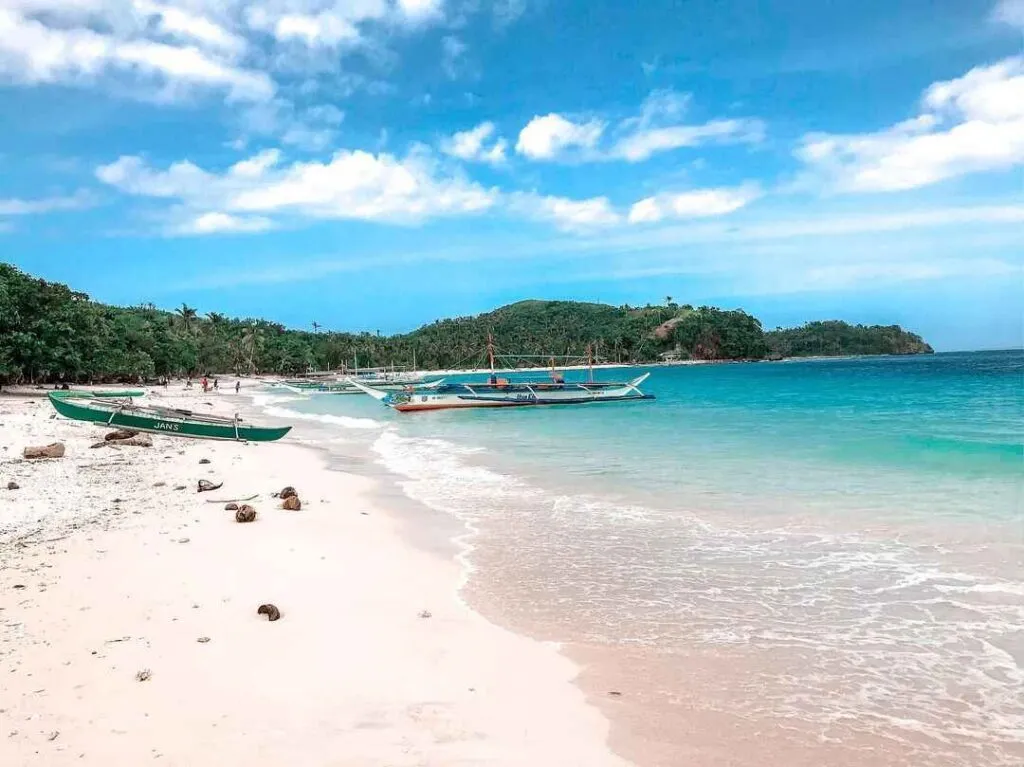
Nueva Ecija has 28 documented tourist spots spread across its municipalities, ranging from the limestone river canyon of Minalungao National Park to the war memorial in Cabanatuan, the highland lake at Pantabangan, and the cobblestone heritage district of Gapan. It is one of the most diverse inland provinces in Central Luzon for a first-time visitor, and as of April 2026, it is also significantly easier to reach than it was two years ago.
I have been covering Philippine provinces since 2015 (69 of the 82 so far), and Nueva Ecija kept surprising me on this most recent run. The province still carries its “Rice Granary” reputation, but the actual experience on the ground moves between limestone canyons, geothermal springs, WWII shrines, and a university campus where you can eat tilapia ice cream made without a trace of fishiness. This guide covers the top tourist spots in Nueva Ecija in the order a planner actually needs them: what each place is, whether it is worth your time, what it costs, and how to get there without getting stuck.
Key Takeaways
- Minalungao National Park in General Tinio is the single highest-priority stop: entrance is ₱100–₱150 plus a ₱50 environmental fee, and a 4-hour bamboo cottage for a group of 8–10 costs ₱1,100–₱1,300.
- The CLLEX expressway (completed March 31, 2026, toll-free) cuts the Tarlac-to-Cabanatuan drive to 20 minutes, making the province far more accessible than older guides suggest.
- Bus fare from Cubao or Pasay (Five Star or Genesis) to Gapan or Cabanatuan runs ₱270–₱310, and the ride is 2.5 to 4 hours depending on traffic.
- Walk-ins are not allowed at Mount 387 (Batong Amat). Pre-registration with the local coordinator is mandatory; day-hike fee is ₱70 plus a ₱400 guide fee per group of up to 7.
- The best time to visit most outdoor spots is November to April (dry season). Minalungao’s water is greenest and clearest during these months.
- Cabanatuan City is the practical overnight base for anyone doing a multi-day itinerary; for the northern lake zone, book Pantabangan resorts at least two weeks ahead on weekends.
Table of Contents
Complete List of Tourist Spots in Nueva Ecija (All 28)
The best places to visit in Nueva Ecija fall into four categories: riverine and hydrological reserves, waterfalls and springs, mountain trails, and heritage or agri-tourism sites. Below is the full reference list.
| # | Destination | Municipality | Category |
|---|---|---|---|
| 1 | Minalungao National Park | General Tinio | River / Nature Park |
| 2 | Pantabangan Dam and Lake | Pantabangan | Reservoir / Leisure |
| 3 | Dupinga River | Gabaldon | River / Nature |
| 4 | Labi River | Bongabon | River / Nature |
| 5 | Calabasa River | Gabaldon | River / Nature |
| 6 | Paitan Lake | Cuyapo | Inland Lake / Ecotourism |
| 7 | Gabaldon Falls | Gabaldon | Waterfall |
| 8 | Aloha Falls | Carranglan | Waterfall |
| 9 | General Luna Falls | Rizal | Waterfall |
| 10 | Burburayok Spring | Rizal | Geothermal Spring |
| 11 | Pajanutic Falls | Carranglan | Waterfall (remote) |
| 12 | Binbin Falls | Carranglan | Waterfall (remote) |
| 13 | Palasapas Falls | San Jose City | Waterfall |
| 14 | Mount 387 (Batong Amat) | Carranglan | Hiking Trail |
| 15 | Mount Kemalugong (Paasa Peak) | Laur | Advanced Mountaineering |
| 16 | Mount Olivete | Bongabon | Pilgrimage / Hiking |
| 17 | Mount Bulaylay | Cuyapo | Mountain Biking / Trekking |
| 18 | Lumang Gapan (Little Vigan) | Gapan City | Heritage District |
| 19 | National Shrine of La Virgen Divina Pastora | Gapan City | Church / Pilgrimage |
| 20 | Camp Pangatian War Memorial Shrine | Cabanatuan City | WWII Memorial |
| 21 | Shrine of the Holy Face of Manoppello | Nampicuan | Church / Pilgrimage |
| 22 | CAFGU Shrine | Laur | Memorial / Nature Trail |
| 23 | PMP Paradise Farm | General Tinio | DOT-Accredited Farm Resort |
| 24 | Tayabo Nature Park (Diamond Park) | San Jose City | Nature Park |
| 25 | Carron Dream Park | San Isidro | Amusement Park |
| 26 | PhilRice Institute | Science City of Muñoz | Agri-Tourism / Education |
| 27 | Philippine Carabao Center (CLSU) | Science City of Muñoz | Agri-Tourism / Education |
| 28 | Freedom Park | Cabanatuan City | Urban Park |
The Top Tourist Spots in Nueva Ecija Worth Building a Trip Around
The province has 28 catalogued spots, but not all of them justify the travel time equally. The five below are the ones that consistently earn their place in a first-timer’s itinerary. The rest are worth adding if you have extra days or a specific interest.
Minalungao National Park, General Tinio
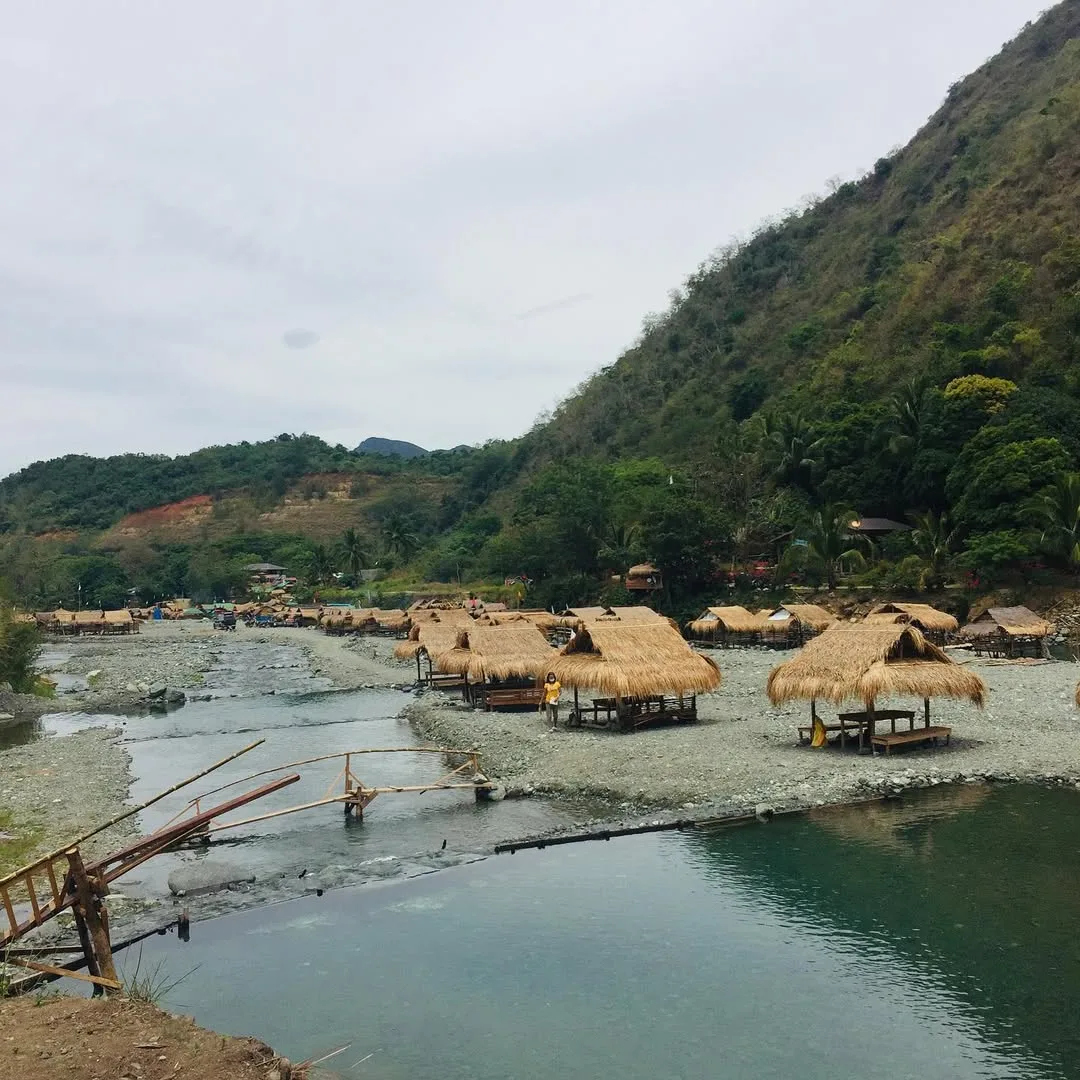
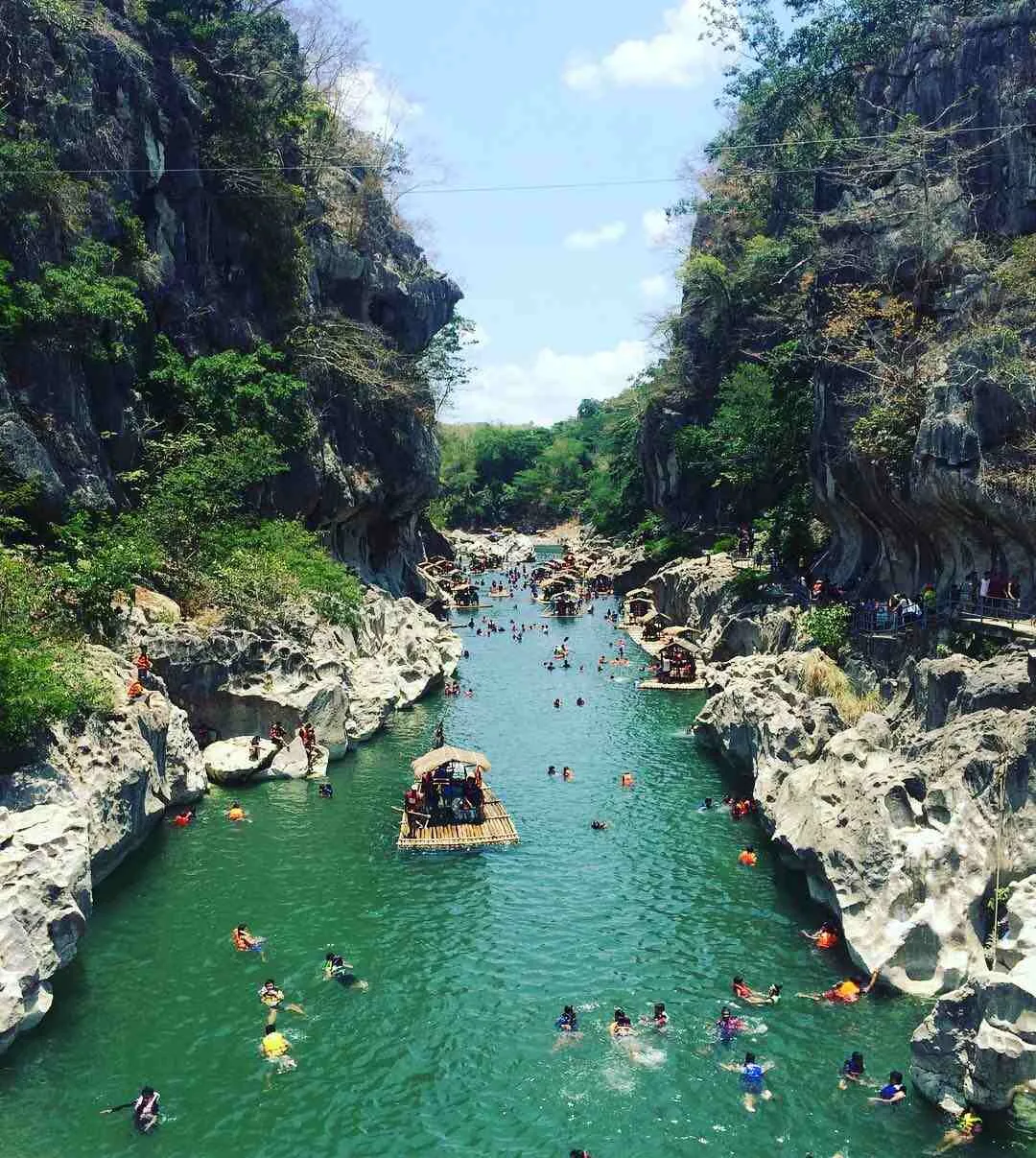
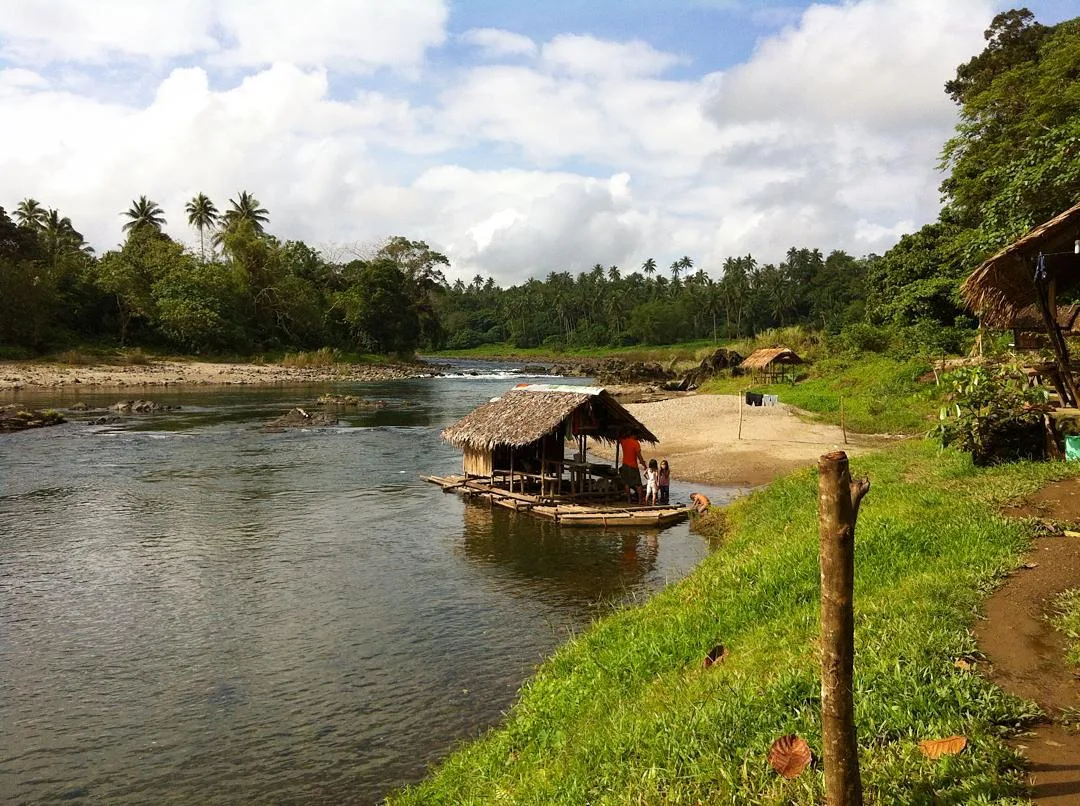
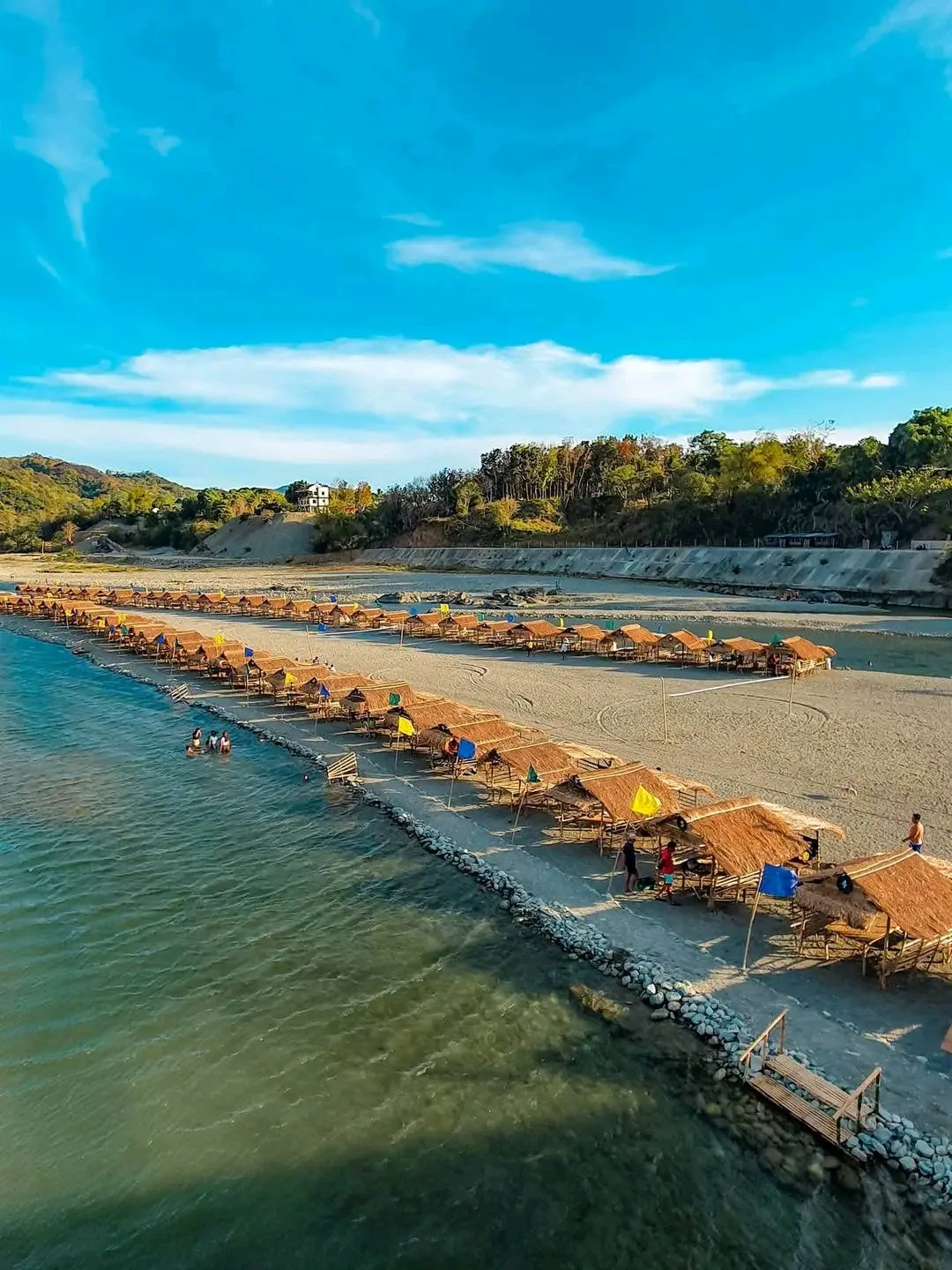
Minalungao National Park is Nueva Ecija’s most-searched and most-visited attraction: a 2,018-hectare protected area in General Tinio where the Peñaranda River cuts through limestone walls that rise 16 metres on either side. It was established under Republic Act No. 5100 in 1967, and it has never looked more developed than it does now. If you are expecting a remote wilderness experience, adjust that expectation before you go. What you get is a well-managed river park with clear emerald water, a working zipline, bamboo rafts, cliff diving platforms, and a 1,000-step staircase that ends at a glass cross with a full-canyon view.
The DENR’s Protected Area Management Board enforces a mandatory pack-in, pack-out waste policy, bans single-use plastics on site, and prohibits bringing food or drinks onto the bamboo rafts while moving on the river. Cliff diving and the zipline are confined to a designated Multiple Use Zone. These rules are actively enforced, not just posted on a sign.
What it costs at Minalungao (2026 rates):
| Fee | Amount |
|---|---|
| Entrance fee | ₱100–₱150 per person |
| Environmental fee | ₱50 per person (collected separately) |
| Parking | ₱50–₱100 per vehicle |
| Bamboo cottage (4-hour rental, 8–10 pax) | ₱1,100–₱1,300 |
| Day cottage rental | ₱300–₱500 |
The old article listed bamboo cottage rates starting at ₱100. That figure no longer appears anywhere near the park. The rate board at the entrance now shows ₱1,100 as the floor for a group raft session. If you are a solo traveller or a pair, coordinate at the gate to share a raft with another group rather than booking one for two people.
Getting there: By bus from Cubao or Pasay, take a Five Star or Genesis line to Gapan. Fare is ₱270–₱310 and takes roughly 3 hours depending on EDSA and the Plaridel stretch. From Gapan, charter a tricycle to the park and negotiate a round-trip rate of ₱700–₱1,000 with a firm pickup time. Cell signal is unreliable once you are inside the park, so agree on the return time before your driver leaves.
By private vehicle, use NLEX, take the Balagtas exit to the Plaridel Bypass Road (which now handles over 15,000 vehicles daily and shaves 30–45 minutes off the Bulacan stretch), then follow the Pan-Philippine Highway toward Gapan and General Tinio.
Best time to go: November to April. The water is clearest and greenest in the dry season. Weekday visits are noticeably less crowded than weekends, when the park fills up by 9 AM.
Who should skip it: Anyone who needs quiet. On a Saturday in peak season, Minalungao is a full-capacity park with sound systems, group tours, and long raft queues. It is still worth going, but dial down any expectation of a peaceful canyon solo experience.
Pantabangan Dam and Lake, Pantabangan
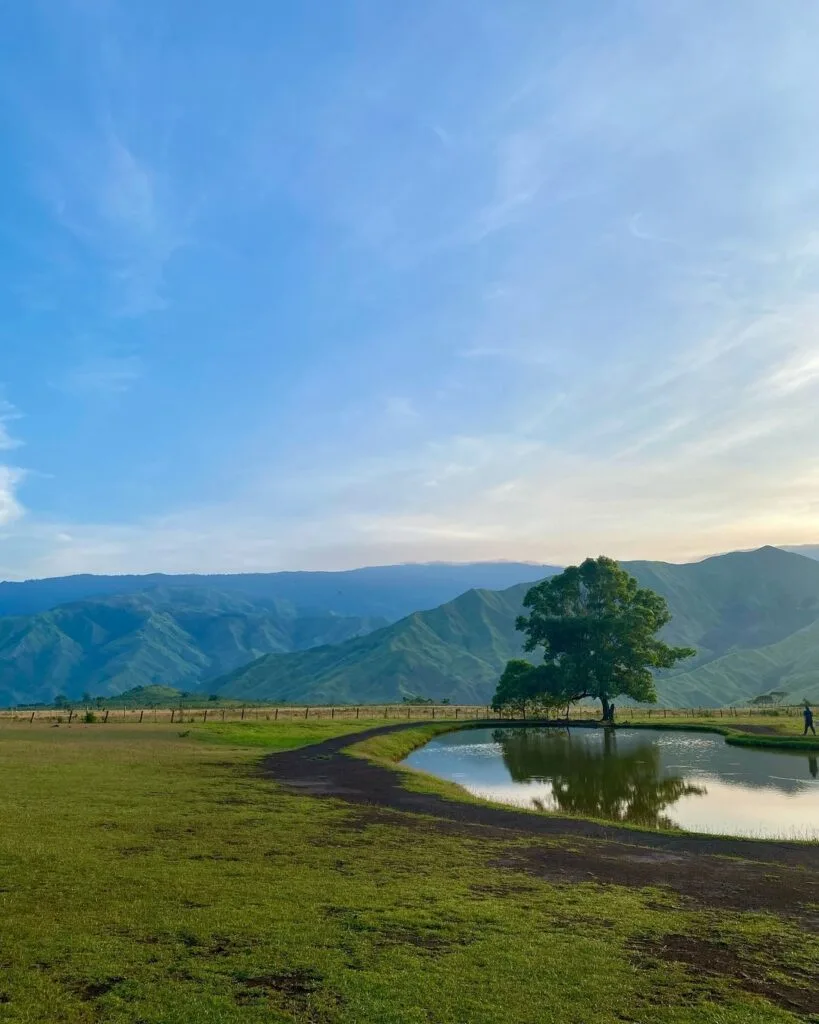
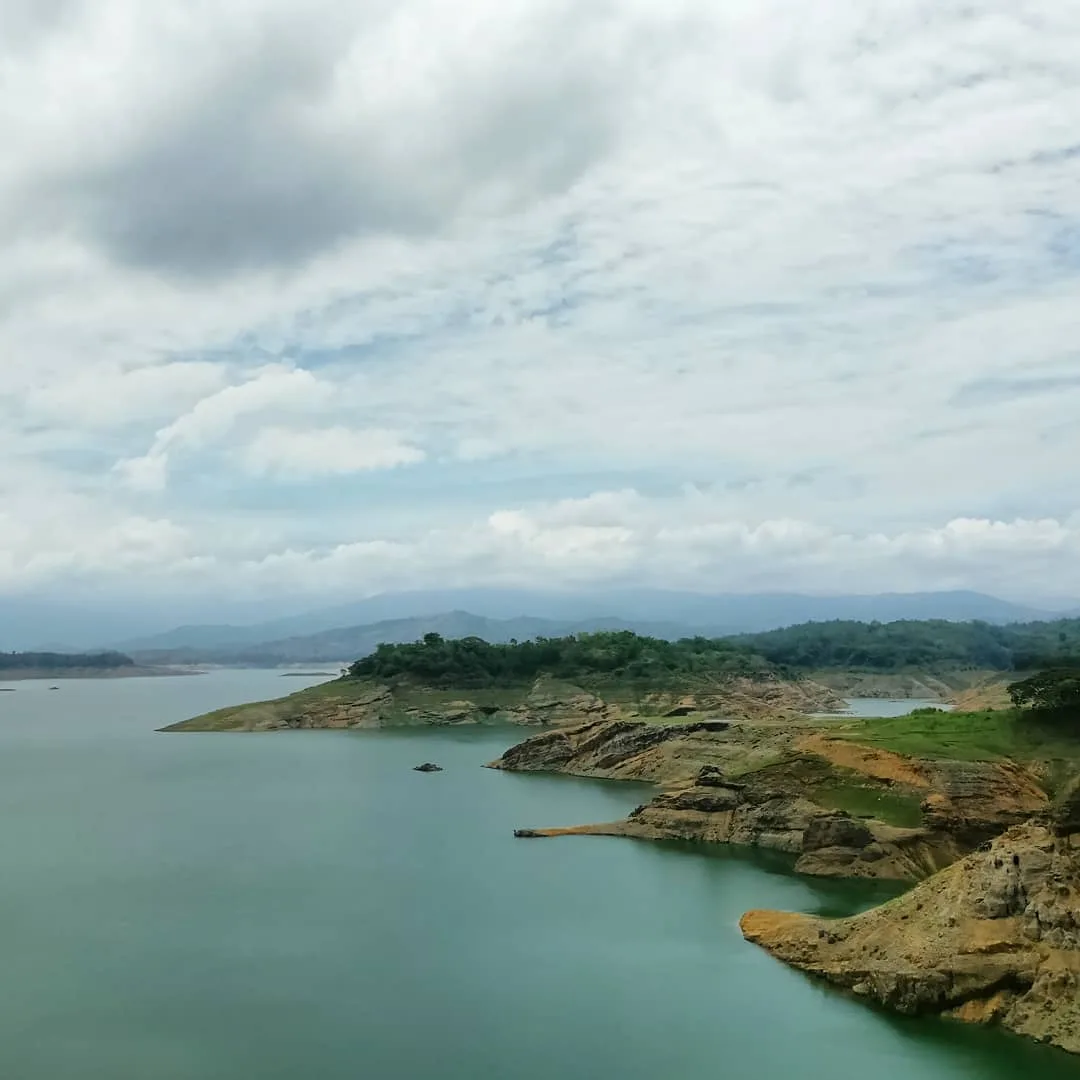
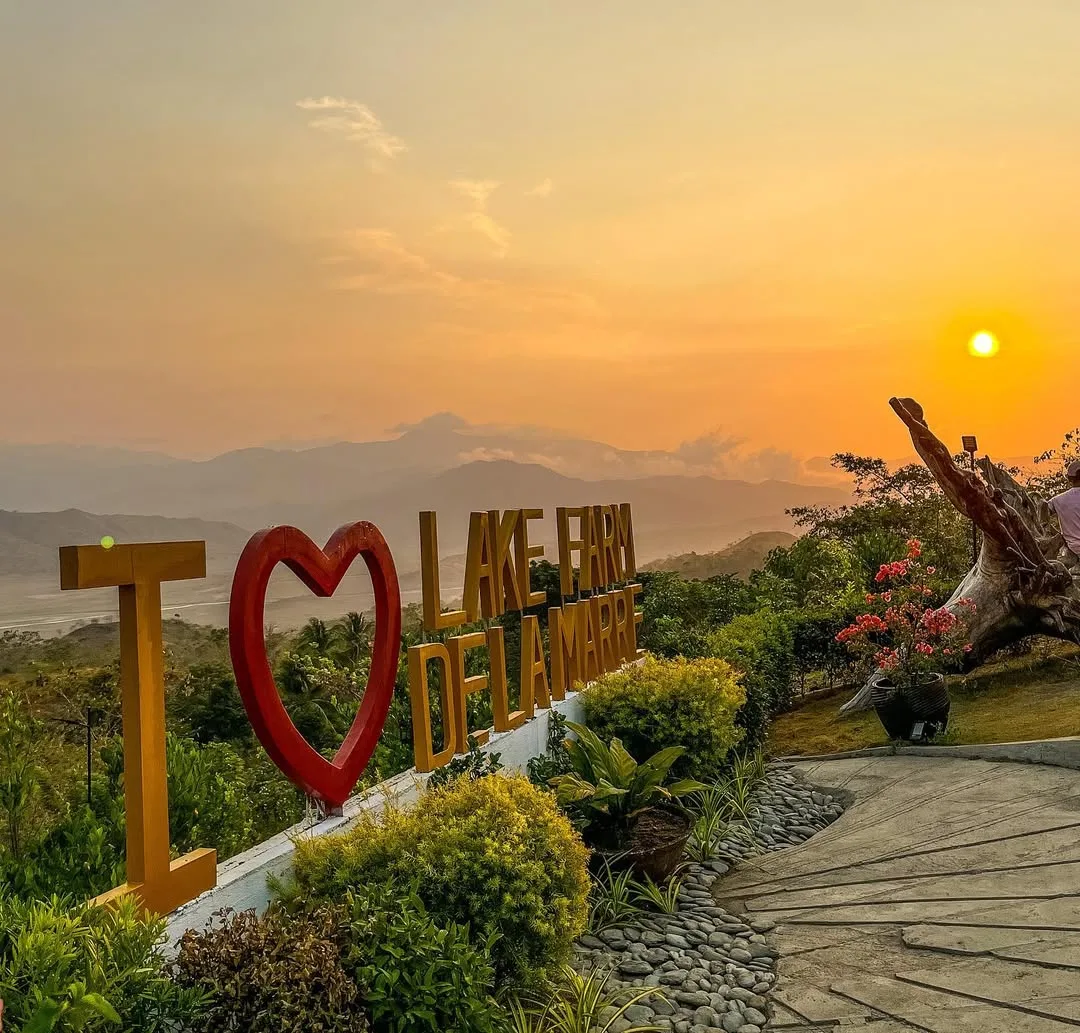
Pantabangan Dam is a multi-purpose earth-fill embankment dam built in 1974 that created one of the largest and cleanest reservoirs in Southeast Asia. The lake it formed is the reason the northern part of the province looks the way it does: wide, flat water reflecting the Sierra Madre range, ringed by resorts and fishing camps. The atmosphere here sits at the opposite end of the spectrum from Minalungao. There is no noise, no crowd surge at 9 AM, and no 1,000-step staircase.
The main activities on the lake are bass fishing, boating, kayaking, jet skiing, and sunset watching from the dam’s viewpoints. The Pandawan Festival in the last week of April celebrates Pantabangan’s evolution into a fish-producing municipality after the dam reshaped the local economy. If your visit falls during that week, the boat races and fluvial parades are worth timing around.
Luxury resort development along the lake has accelerated since 2023. Highland Bali Villas and Spa is the most-cited upscale option in the area. Pantabangan resorts on weekends fill quickly. Book two weeks ahead if you are going on a Saturday or Sunday.
Getting there from Cabanatuan: By jeepney or van from Cabanatuan’s central terminal to Pantabangan town. By private vehicle from Manila, take NLEX/SCTEX/TPLEX and exit at Pura or Victoria to connect to the northbound Pan-Philippine Highway.
Lumang Gapan (Little Vigan), Gapan City
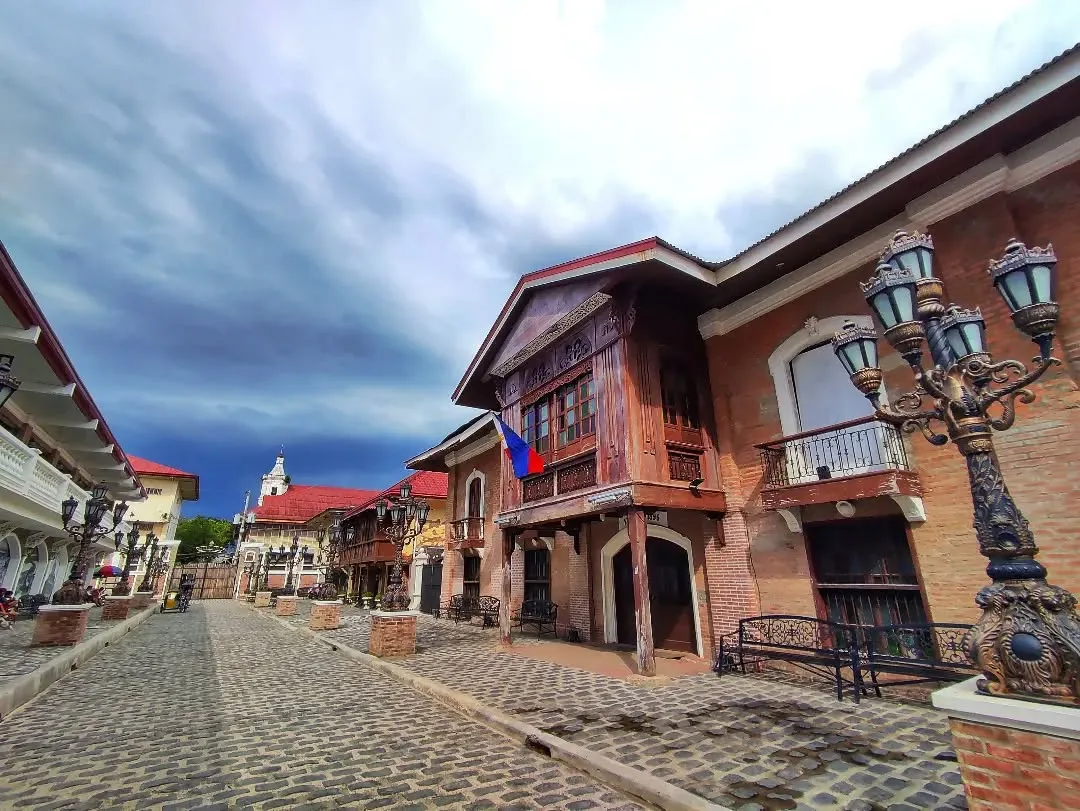
Lumang Gapan is the most accessible heritage experience in the province. The district sits in Gapan City and features restored cobblestone streets, Spanish-era ancestral houses, and night lighting that makes the whole stretch look like a colonial film set after dark. Gapan is also one of the top destinations on any gapan tourist spot search, and the reason is this district. It is genuinely photogenic without being reconstructed for tourism, which makes it different from a lot of heritage zones in Central Luzon.
The architectural centrepiece is the National Shrine of La Virgen Divina Pastora, the Three Kings Parish church, which has a Byzantine design uncommon for a Philippine provincial church. The venerated image inside draws pilgrims from across the region. The church and the heritage streets together take about two hours at a relaxed pace.
Getting there: Gapan City is served directly by buses from Cubao and Pasay. The fare is ₱270–₱310 and the journey is about 2.5–3 hours via NLEX and the Plaridel Bypass Road. Gapan is also the natural staging point for a morning visit to Minalungao (General Tinio is just south of the city).
Pantabangan’s New Wave: George Point and Highland Bali
George Point Nature Park is one of the fastest-growing attractions in the province. Located in Pantabangan, it packages adventure activities into a bundled experience. The park’s 9-in-1 adventure package is priced at the regular rate of ₱995 per person. Check with the park directly for what the current package includes, as the activity lineup has been updated since the 7-in-1 version that circulated online.
Highland Bali Villas and Spa operates nearby on the lake perimeter. It is primarily a couples and family overnight resort with spa facilities and lake views. It is not a budget option, but for a lakeside overnight in Pantabangan, it is the most polished facility currently available.
Mount 387 (Batong Amat) and Aloha Falls, Carranglan
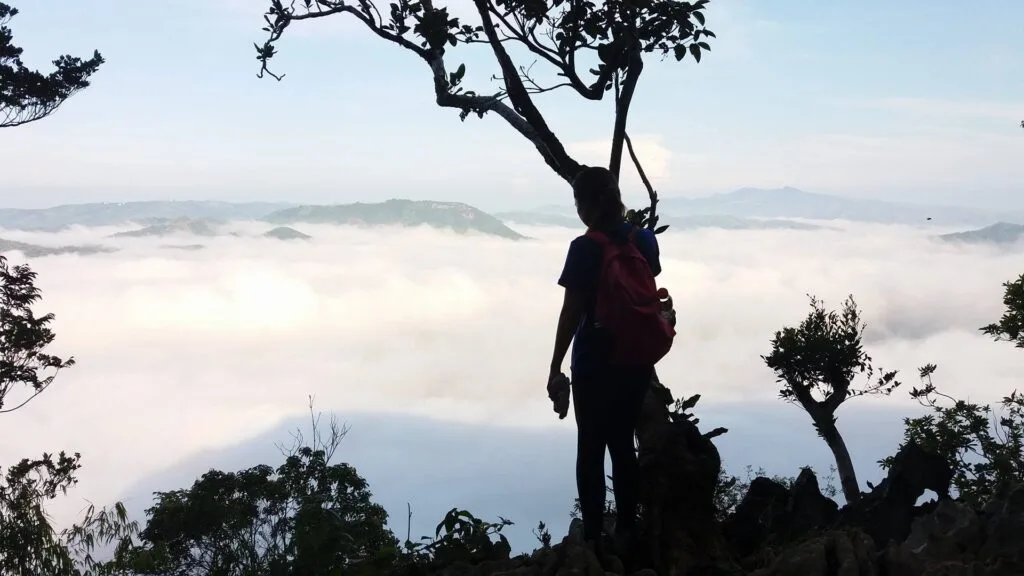
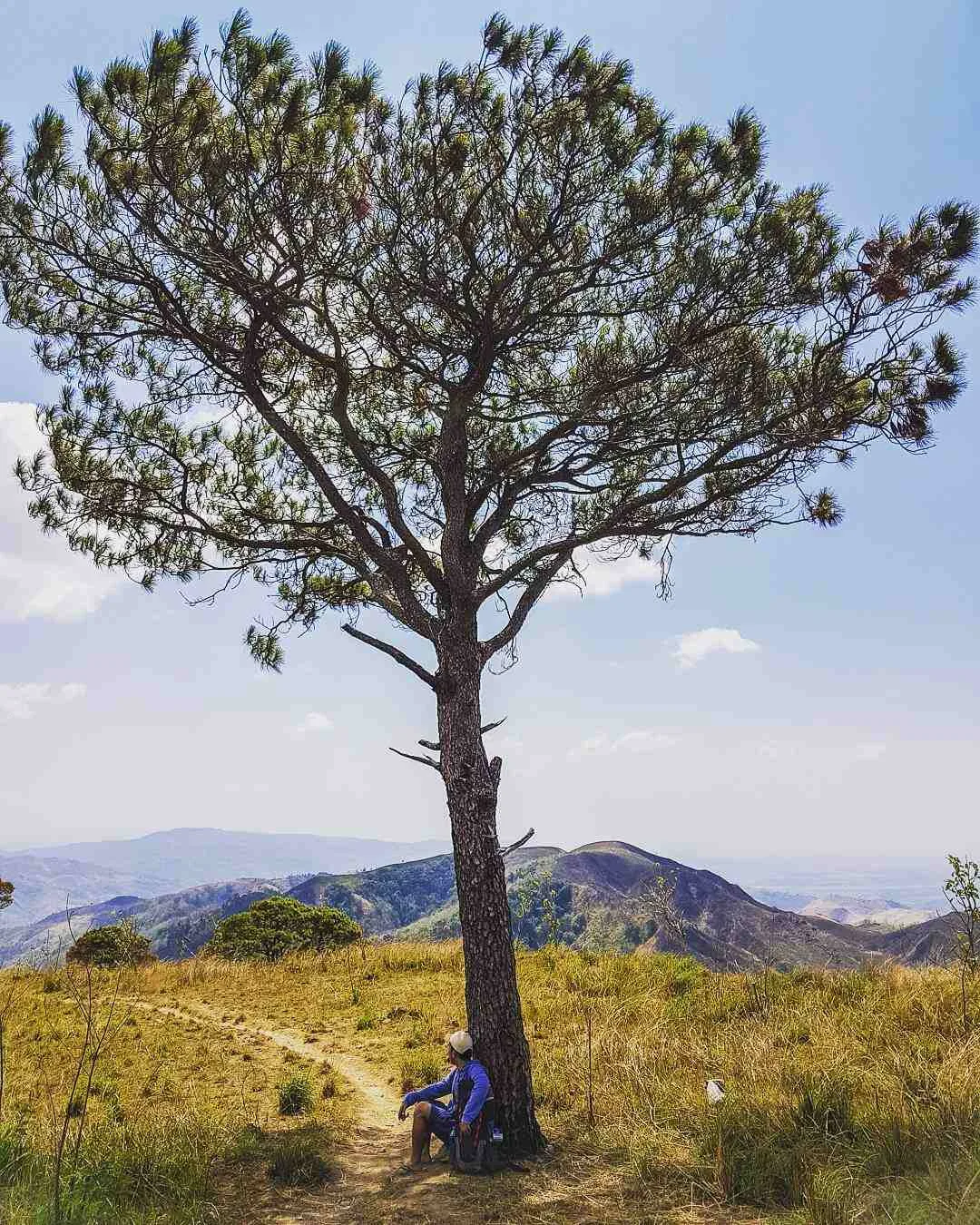
Mount 387 in Carranglan is called the “Chocolate Hills of the North” because its rolling, grass-covered conical peaks look almost identical to Bohol’s version, especially when the dry-season grass turns brown. The local name is Batong Amat (Ghost Rock). The summit hike is rated at difficulty 2 out of 9, takes 2–3 hours, and passes through a combination of grassland and regenerating forest. Every hiker plants a tree seedling before heading up, a reforestation programme run by the barangay.
Walk-ins are strictly prohibited. You must pre-coordinate with the registered local guide coordinator before arriving. The fees are fixed: ₱70 registration for a day hike, and a ₱400 guide fee covers a group of up to 7 hikers.
The traverse option adds Aloha Falls to the route. The descent from the summit toward the falls is rated difficulty 4 out of 9, is steep, and is hard on the knees. The payoff is a swim in a multi-cascade falls in a forested gorge that sees fewer visitors than anything near Cabanatuan. If your knees are not reliable on sharp descents, take the summit-and-back route instead.
For the complete trail breakdown and logistics, the Mt. 387 and Aloha Falls guide on this site covers the route in detail.
Getting there: By bus from Cubao or Pasay, take a Tuguegarao-bound line and alight at Km. 175 in Carranglan. By private vehicle, navigation apps will route you to the Mount 387 Hiking Station in Puncan, Carranglan.
Waterfalls and Rivers Worth Adding to Your Route
Nueva Ecija has more waterfalls and river spots than most visitors realise. The best tourist spots in Nueva Ecija for river tourism are spread across the eastern and northern municipalities at the foot of the Sierra Madre and Caraballo ranges.
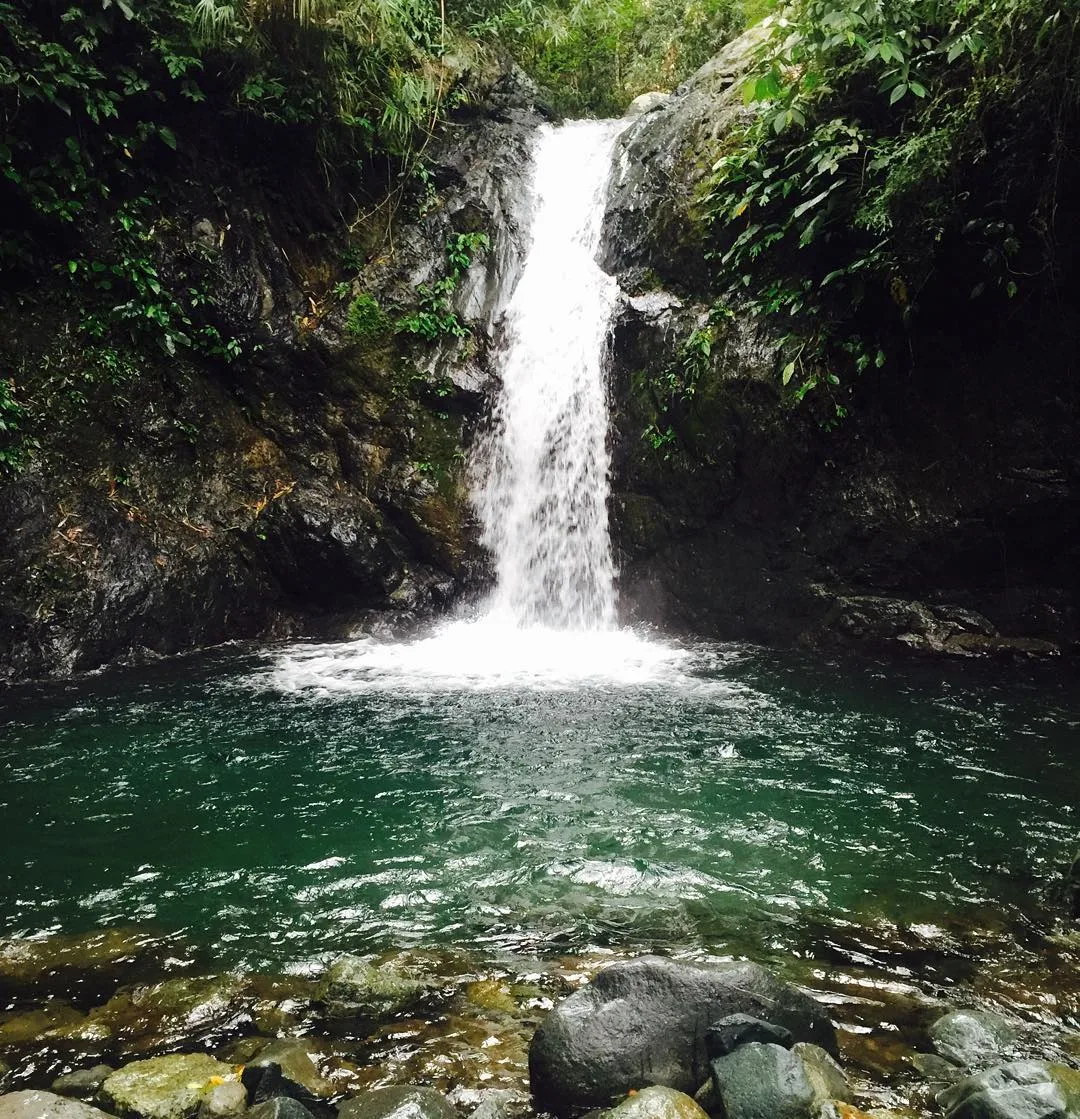
Gabaldon Falls sits inside a 200-hectare agricultural college reservation in Gabaldon. A 20–40 minute hike over rocky terrain and stream crossings leads to a 10-foot fall dropping into naturally cold pools. The canopy cover keeps the water cold year-round, which makes it a strong midday stop on a Gabaldon loop.
General Luna Falls in Rizal is the most dramatic in the province: over 100 feet of drop across a rocky wall, feeding into a series of 20 varying pools. Getting there requires effort, but the falls justify it. This is the place in Nueva Ecija to visit if your benchmark is volume and drop height.
Burburayok Spring in Rizal is a geothermal hot spring at the foot of Mount Amorong. It is the only therapeutic thermal spring in the province and draws wellness visitors who want something rawer than a resort spa. The spring is accessible and the soak is the activity. It is a very different experience from the cold-water falls elsewhere.
Palasapas Falls in San Jose City is the most accessible of the remote options. It is only 7 kilometres from the city proper in Barangay Manicla, which makes it a practical half-day side trip if you are already in San Jose.
Pajanutic Falls and Binbin Falls in Carranglan are remote. Both require a guided hike through dense forest. They are preserved partly by geography, and the experience rewards the effort. These are not beginner day-trip spots.
The Dupinga River in Gabaldon draws on cold water directly from the Mingan Mountains. It has child-friendly wading pools and basic nipa hut facilities, which makes it one of the better spots for family visits in the Gabaldon area. The Calabasa River guide covers the nearby Calabasa River in Gabaldon, which offers a similar experience with slightly less foot traffic.
The Labi River in Bongabon functions as a local ecotourism hub with riverside picnic access. Paitan Lake in Cuyapo is a quieter, inland wetland option gaining attention for birdwatching and low-impact lake visits.
Nueva Ecija Heritage Sites and Pilgrimage Destinations
The best places in Nueva Ecija for history and heritage are concentrated in two areas: Gapan City in the south, and Cabanatuan City further north.
Camp Pangatian War Memorial Shrine in Cabanatuan City is formally recognised as the largest war memorial camp in the Philippines. It commemorates the Filipino and American prisoners of war held there during World War II, and specifically marks the site of the Great Raid, the daring January 1945 operation that liberated the remaining POWs. The shrine’s sundial mural is the landmark feature. Budget a morning here. It is not a tourist attraction in the commercial sense; it is a place that makes you sit with what happened on those grounds.
Shrine of the Holy Face of Manoppello in Nampicuan houses a first-degree replica of the Sudarium of Manoppello, the veil believed to carry the image of Jesus’ face. The original is in Manoppello, Italy, and this authenticated replica was brought to the Philippines in 2014 through a formal ecclesiastical mission. It has turned Nampicuan into a genuine pilgrimage destination since.
Mount Olivete in Bongabon sits at the intersection of physical challenge and folk Catholicism. A hundred-step stone staircase leads to a hilltop church and a holy spring. Pilgrims come for spiritual reasons, and the climb itself is the physical act of devotion.
CAFGU Shrine in Laur is newer, located within the 70th Infantry Battalion compound. It honours the Citizen Armed Force Geographical Unit with a 34-foot white cross accessible via nature trails inside the military installation. Contact the barangay or provincial tourism office before visiting to confirm current access.
Agri-Tourism, Farms, and the Science City of Muñoz
The agri-tourism sector in Nueva Ecija is more advanced than anything I have seen in the other rice-producing provinces. The reason is the Central Luzon State University (CLSU) campus in the Science City of Muñoz.
Philippine Carabao Center at CLSU is where you can buy fresh carabao milk and eat tilapia ice cream. The ice cream is made from tilapia flakes without any fishy flavour, developed by university researchers. It sounds like a novelty, but the product is well-executed and the novelty wears off by the second scoop when you realise you are just eating good ice cream. The CLSU Kamalig Model Farm covers 658 hectares and is divided into dedicated experiential zones: Kural (small ruminants), Pinitak (hybrid rice paddies), Tumana (organic farming), Lambat (freshwater aquaculture), Pulot-Pukyutan (apiary), and Saliksikan (hands-on crop harvesting). This is a working agricultural research facility that accepts visitors, not a themed farm for photo opportunities.
PhilRice Institute, also in Muñoz, focuses specifically on rice science and cultivation technology. Researchers and agri-tourism visitors are both welcome.
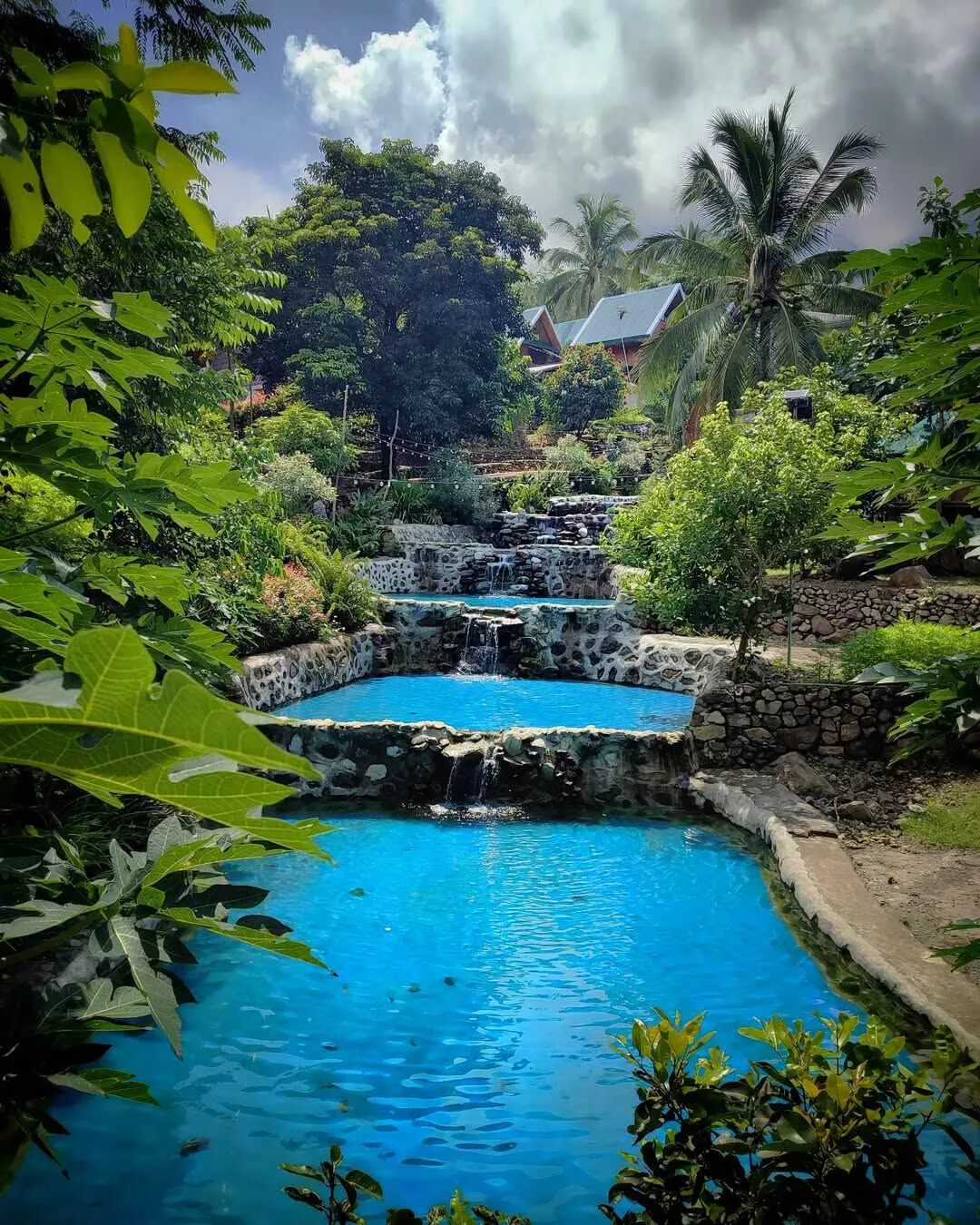
PMP Paradise Farm in General Tinio is a 250-hectare DOT-accredited farm resort in Barangay Nazareth. It offers sheep herding, horseback riding, man-made lake fishing, and hands-on food preparation including palitaw (a flat sweet rice cake). It bridges the gap between genuine farm work and resort leisure better than most farms in the region.
Carron Dream Park in San Isidro has been Central Luzon’s main theme park since 2017. The Ride-All-You-Can pass is ₱300, which covers general admission. Individual rides run ₱40–₱50 if you pay per ride, and entrance without rides is ₱50. It is the clearest family-with-kids option in the province.
Tayabo Nature Park (Diamond Park) in San Jose City has a hundred-step staircase to hilltop pagodas that face the Caraballo Mountains and the Talavera River. Below it is the Kampo Kwatro dam, a WWII site that now functions as a picnic area.
Festivals, Food, and What to Eat in Cabanatuan
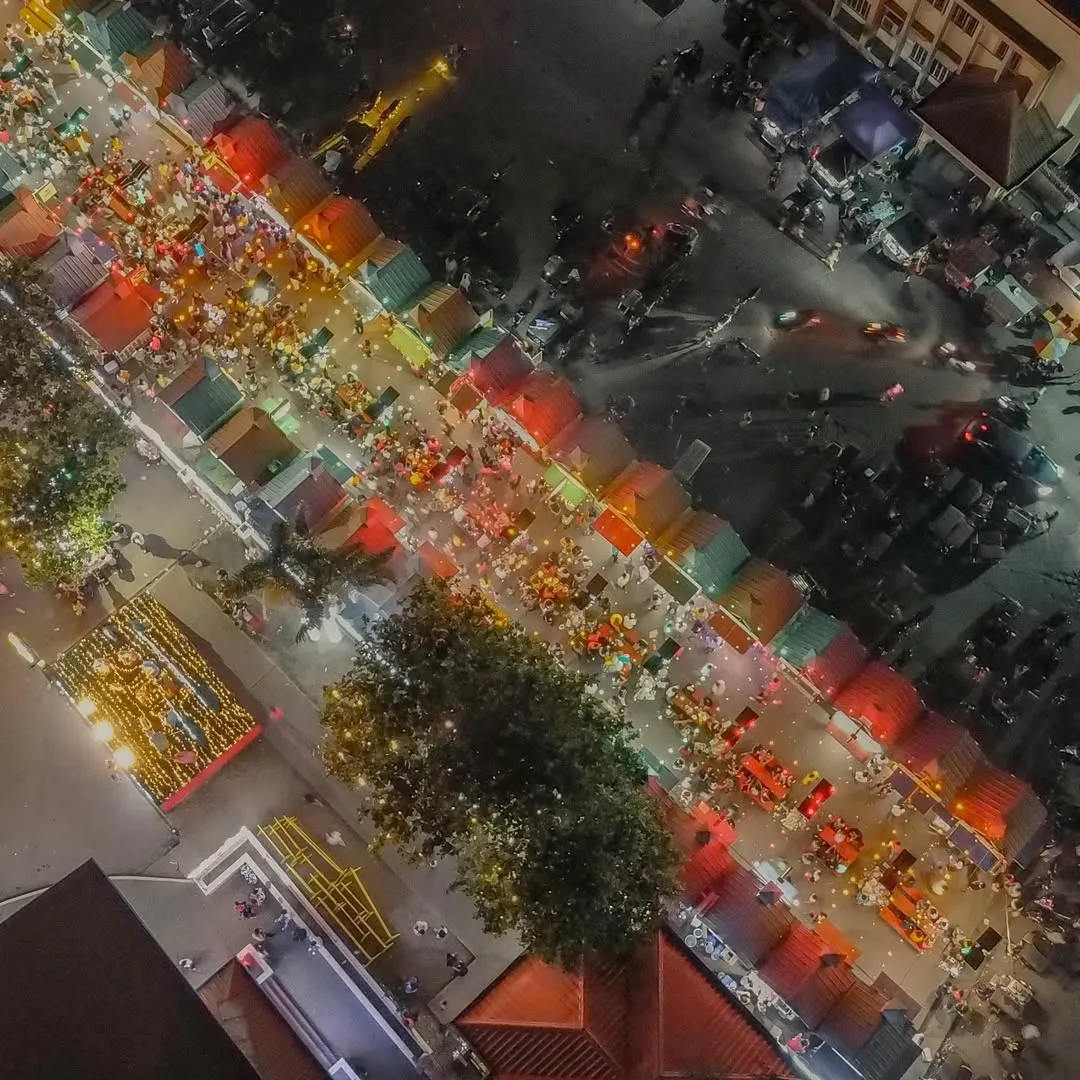
Three festivals define the Nueva Ecija tourism calendar and are worth building a trip around if your dates align.
| Festival | Location | Date | What It Is |
|---|---|---|---|
| Sibuyas Festival | Bongabon | April 1–10 | Street dancing celebrating Bongabon’s onion harvest, one of Asia’s largest onion-producing municipalities |
| Pandawan Festival | Pantabangan | Last week of April | Boat races, fluvial parade, and giant tilapia displays marking the town’s transformation into a fishing hub post-dam |
| Taong Putik Festival | Aliaga | June 24 | Devotees cover themselves in mud and banana leaves at dawn, walk barefoot to beg alms, then wash in the river in honour of St. John the Baptist |
The Taong Putik festival in Aliaga is the most viscerally different cultural experience in the province. It is a solemn religious ritual, not a performance, and it runs on the feast of St. John the Baptist each year without fail.
For food, Cabanatuan City is the eating capital of the province. The signature longganisa here is made from beef, not pork. It is called batutay or bototay locally and comes in two versions: hamonado (sweet) and de recado (heavy garlic). The annual Longganisa Festival once set a record with a 3.3-kilometre string of the sausages prepared in one session.
Hapag Vicenticos on Del Pilar Street is the most respected restaurant in the city. It is housed in a preserved Spanish-era residence and its menu runs to Crispy Kare-Kare, Sinigang na Hipon, Chicharon Bulaklak, and Gising-Gising. The Tico-Tico (a buko pandan milkshake with caramel and a stick wafer) is the dessert to order.
Edna’s Cakeland is the default pasalubong stop before you leave. Multiple branches including one inside SM City Cabanatuan. Their Cheese Ensaymada and Creamy Caramel Cake are the most consistently purchased items.
How to Get to Nueva Ecija in 2026: Routes, Fares, and New Roads
The biggest practical change in 2026 is the completion of Phase 1 of the Central Luzon Link Expressway (CLLEX). On March 31, 2026, the final 30.7-kilometre four-lane stretch connecting Tarlac City to Cabanatuan City was inaugurated. It is a DPWH-built, JICA-funded, completely toll-free expressway, and the national government has guaranteed the San Juan Interchange in Aliaga and the Cabanatuan sections remain toll-free until at least December 2026. The practical result: the Tarlac-to-Cabanatuan drive now takes 20 minutes instead of 90.
By private vehicle from Manila:
For southern and central destinations (Gapan, General Tinio, Cabanatuan): Take NLEX, use the Balagtas exit to the Plaridel Bypass Road, then follow the Pan-Philippine Highway toward Gapan. Alternatively, take NLEX/SCTEX/TPLEX to Tarlac and merge onto the CLLEX directly to Cabanatuan.
For northern destinations (Pantabangan, San Jose City, Carranglan): Take NLEX/SCTEX/TPLEX and exit at Pura or Victoria to connect to the northbound Pan-Philippine Highway.
By bus from Manila:
| Route | Bus Line | Fare | Travel Time |
|---|---|---|---|
| Cubao/Pasay to Gapan or Cabanatuan | Five Star, Genesis | ₱270–₱310 | 2.5–4 hours |
From the Cabanatuan or Gapan terminals, the last-mile connections are tricycles or jeepneys. For Minalungao, charter a round-trip tricycle from Gapan at ₱700–₱1,000. Set the pickup time before your driver leaves, because cell signal inside the park is unreliable.
Phase 2 of the CLLEX is planned to extend 35.5 kilometres from Cabanatuan to San Jose City, which will further reduce drive times to the northern municipalities when it opens.
Three-Day Itinerary: South to North
This is the routing that minimises backtracking and makes full use of the new expressway connections.
Day 1: Southern Heritage and the Canyon
Arrive early in Gapan City via the Plaridel Bypass Road. Breakfast in the city, then charter a tricycle to Minalungao National Park to arrive by 8 AM. Spend the morning on bamboo rafts, swimming, and the 1,000-step trek to the glass cross. Return to Gapan by 2 PM and walk the cobblestone streets of Lumang Gapan. Dinner in Cabanatuan at Hapag Vicenticos. Overnight in Cabanatuan.
Day 2: History, Science, and the Lake
Morning at Camp Pangatian War Memorial Shrine in Cabanatuan. Mid-morning drive to the Science City of Muñoz for the CLSU Kamalig Farm tour and tilapia ice cream at the Philippine Carabao Center. Early afternoon east to Gabaldon Falls for a cold-water stop. Evening drive to Pantabangan and check in at a lakeside resort for the dusk view over the dam.
Day 3: The Northern Highlands
5 AM departure from Pantabangan to Carranglan for the Mount 387 hike. Summit by mid-morning, traverse descent to Aloha Falls by 11 AM. Rest and wash-up at base camp. Depart for Manila at 2 PM via the Pan-Philippine Highway south to Cabanatuan and onto the CLLEX to SCTEX.
Budget Reference: What a Trip to Nueva Ecija Actually Costs
| Expense | Amount |
|---|---|
| Bus (Manila to Cabanatuan, one way) | ₱270–₱310 |
| Tricycle charter (Gapan to Minalungao, round trip) | ₱700–₱1,000 |
| Minalungao entrance + environmental fee | ₱150–₱200 per person |
| Minalungao bamboo cottage (group of 8–10, 4 hrs) | ₱1,100–₱1,300 per boat |
| Mt. 387 registration fee | ₱70 per person |
| Mt. 387 guide fee (up to 7 pax) | ₱400 per group |
| Camp Paraiso entrance (adult) | ₱70 |
| Camp Paraiso day cottage | ₱500 |
| Camp Paraiso villa room (overnight) | from ₱3,000 |
| Carron Dream Park (Ride-All-You-Can) | ₱300 |
| George Point 9-in-1 adventure package | ₱995 per person |
When I was at Minalungao in April 2026, the entrance fee posted at the gate was ₱100 for adults, collected separately from the ₱50 environmental fee, which is channelled directly into park maintenance and conservation. Budget both from the start.
Frequently Asked Questions
What are the best tourist spots in Nueva Ecija for a first-time visitor?
For a first-timer, the three non-negotiables are Minalungao National Park in General Tinio (for the river canyon), Pantabangan Dam and Lake (for the highland reservoir scenery), and Lumang Gapan in Gapan City (for the heritage district). These three cover natural adventure, water recreation, and cultural history in a south-to-north route that makes geographic sense.
How do I get to Nueva Ecija from Manila by bus?
Take a Five Star or Genesis bus from Cubao or Pasay terminals bound for Gapan or Cabanatuan. Fare is ₱270–₱310 and travel time is 2.5 to 4 hours depending on traffic. From Cabanatuan, jeepneys and vans connect to the other municipalities.
Is the CLLEX now open and toll-free?
Yes. Phase 1 of the Central Luzon Link Expressway (CLLEX) was completed on March 31, 2026. The 30.7-kilometre expressway from Tarlac City to Cabanatuan City is fully operational and toll-free. The San Juan Interchange in Aliaga and the Cabanatuan section are guaranteed toll-free until at least December 2026.
Can I just walk into Mount 387 for a day hike?
No. Walk-ins are not permitted. You must pre-coordinate with the local guide coordinator before arriving at the trailhead in Puncan, Carranglan. The registration fee is ₱70 per hiker and the guide fee is ₱400 per group of up to 7. Arriving without prior coordination means you will be turned away.
What is the entrance fee at Minalungao National Park in 2026?
The entrance fee is ₱100–₱150 per person. A separate environmental fee of ₱50 per person is collected at the same gate. Parking is ₱50–₱100 per vehicle. A bamboo floating cottage for a group of 8–10 rented for a 4-hour session costs ₱1,100–₱1,300.
Are there tourist spots in Gapan City specifically?
Yes. Gapan City’s two main draws are Lumang Gapan (Little Vigan), the restored heritage district with cobblestone streets and ancestral houses, and the National Shrine of La Virgen Divina Pastora, a Byzantine-style church that serves as a major pilgrimage site. The two are within walking distance of each other and together take about two hours.
When is the best time to visit Nueva Ecija?
November to April is the dry season and gives the best conditions for all outdoor activities. Minalungao’s water is greenest and the river clearest during this window. For festival timing, the Sibuyas Festival runs April 1–10 in Bongabon, the Pandawan Festival is the last week of April in Pantabangan, and the Taong Putik Festival is June 24 in Aliaga.
Is Nueva Ecija good for beginner hikers?
Mount 387 (Batong Amat) in Carranglan is rated difficulty 2 out of 9 and is one of the most accessible summit hikes in Central Luzon for beginners. The beginner hiking guide for minor climbs on this site lists it alongside comparable options. Mount Olivete in Bongabon is also a short climb, though it is structured as a pilgrimage. Mount Kemalugong (Paasa Peak) in Laur stands at 1,754 metres and takes 10–12 hours; that one is for experienced mountaineers only.
What should I eat in Nueva Ecija?
The signature local food is Cabanatuan longganisa, called batutay or bototay, which is made from beef rather than pork and comes in hamonado (sweet) or de recado (garlic-heavy) versions. For a sit-down meal, Hapag Vicenticos on Del Pilar Street in Cabanatuan is the top restaurant in the province. For pasalubong, Edna’s Cakeland runs multiple branches including one inside SM City Cabanatuan.
Verdict: Who Should Go to Nueva Ecija
Nueva Ecija is the right destination for anyone who wants more variety than a single-attraction weekend trip can offer. In three days, you can move from a limestone river canyon to a highland reservoir to a WWII memorial to a working agricultural university, without any of it feeling forced or thin.
It suits outdoor-focused travellers at any skill level, history visitors who find WWII memorials and Spanish-era heritage worth a morning each, families with kids who need a theme park option (Carron Dream Park), and food-and-culture travellers who want a provincial food scene that is actually worth the detour.
It does not suit anyone who needs a beach. It does not suit anyone who wants complete wilderness. Minalungao, the province’s centrepiece, is a managed park with weekend crowds. The remoter waterfalls in Carranglan and Gabaldon require guides and physical effort that not every visitor will find worth it.
What changed most between my previous visits and the April 2026 trip is the road infrastructure. The CLLEX makes the drive from Manila faster and less exhausting than it has ever been, which raises the practical case for a Nueva Ecija trip for anyone who used to dismiss it as too far for a weekend. That friction is gone now. The province earned its place on the map long before the expressway opened, but this is the version of the journey that finally does justice to what is at the end of it.