By Aiden Kenzy, the founder of Lakbay Pinas and a passionate Filipino travel writer dedicated to uncovering the destinations across the Philippines. Since 2015, I’ve made it my mission to explore every corner of our beautiful archipelago — from the towering peaks of our mountains to the pristine shores of remote islands. · Last updated: August 2026
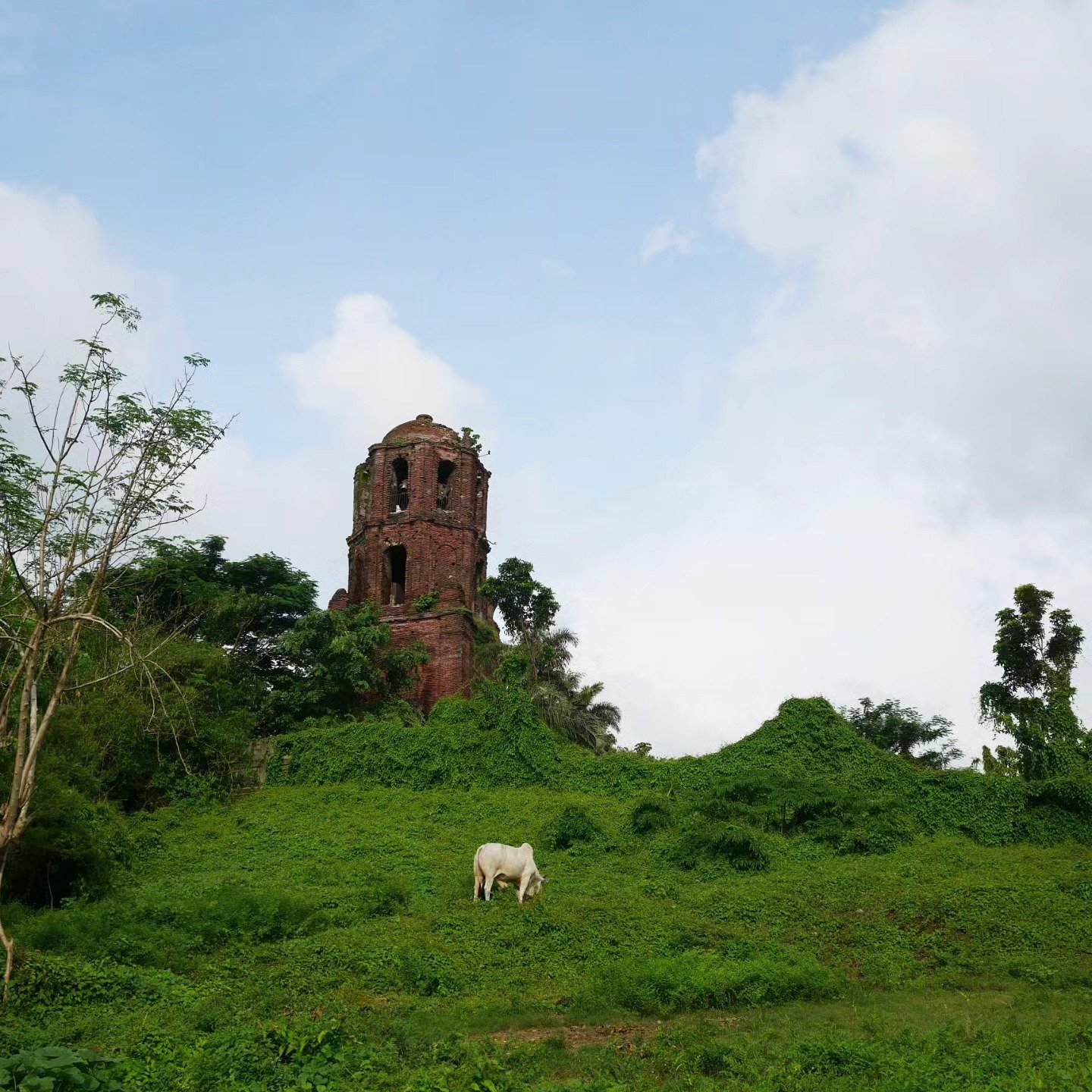
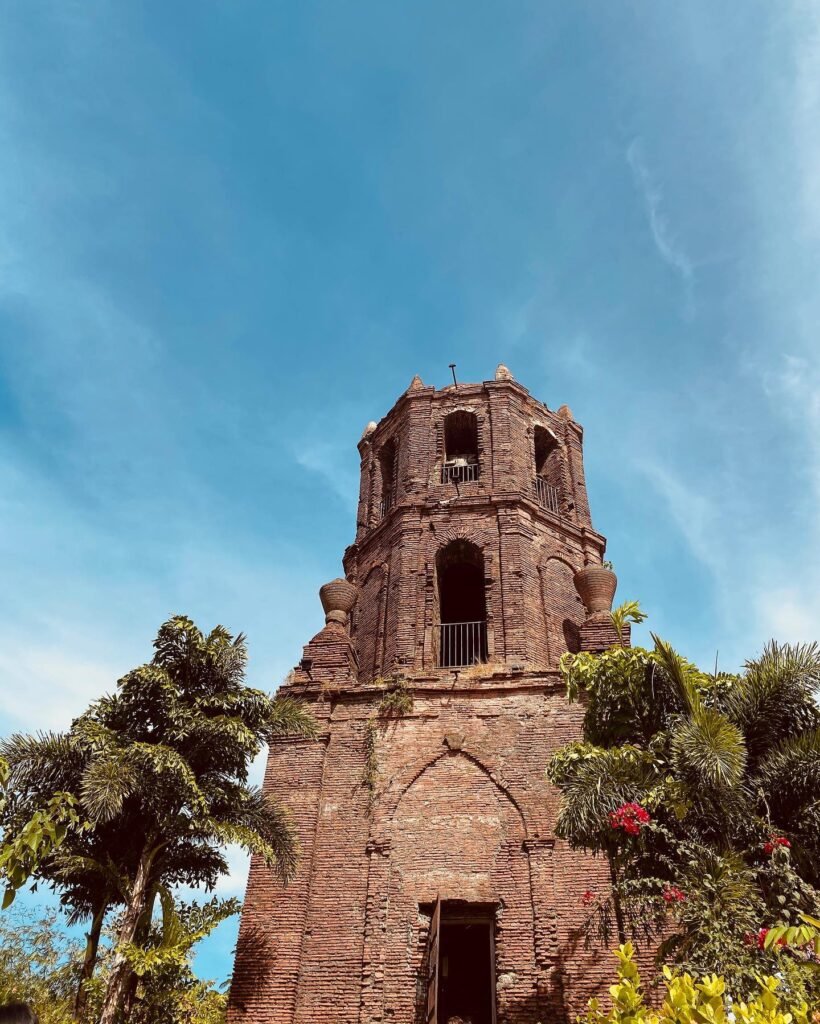
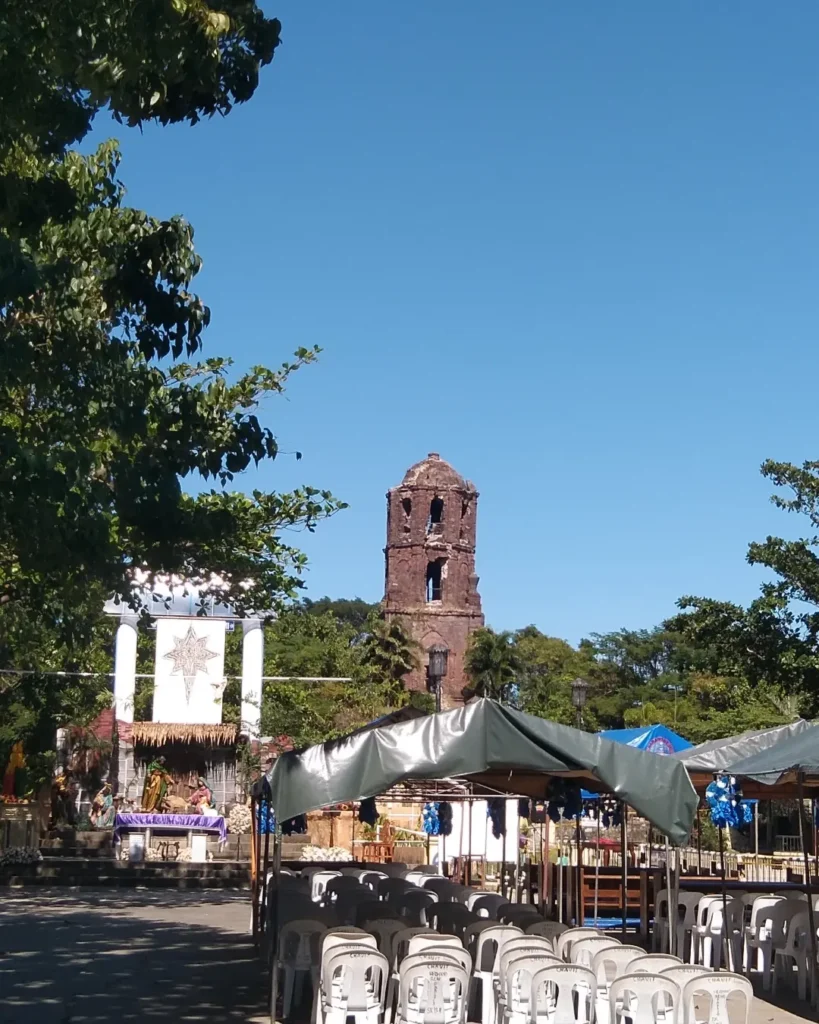
I visited the Bantay Bell Tower on a Tuesday morning in August 2026, arriving just before 8:00 AM while the ground fog was still burning off the Ilocos plains. What struck me first was not the height of the tower itself but the color — that deep, fired-brick orange glowing against the green hill it sits on, separate and deliberately apart from the Bantay Church below. That separation is not accidental. It is the whole story. The Bantay Bell Tower was built in 1591, not as a place of worship, but as a military watchtower, and understanding that changes every single thing you look at when you stand at its base.
The Bantay Bell Tower is a 1591 Spanish colonial watchtower located in Bantay, Ilocos Sur, roughly 10 minutes from Vigan City. Entry is free, with a suggested donation of ₱50. As of August 2026, the grounds are open to the public following post-earthquake rehabilitation, but staircase access to the belfry is subject to daily structural clearance.
Key Takeaways:
- Entry fee is donation-based; the suggested amount is ₱50 per person, with no fixed ticket required.
- Opening hours are approximately 6:00 AM to 6:00 PM daily, with gates closing strictly at 6:00 PM.
- The tower was built in 1591 as a military observation post, converted to a church belfry only in 1857.
- Staircase climbing access was suspended after the July 27, 2022 magnitude 7.0 earthquake and is confirmed on-site daily by caretakers in 2026.
Bantay Bell Tower Quick Guide
| Detail | Information |
|---|---|
| Site | Bantay Bell Tower |
| Location | Bantay, Ilocos Sur, Philippines |
| Province | Ilocos Sur |
| Type | Spanish colonial watchtower and fort / belfry |
| Era / Founded | 1591 (Spanish colonial period) |
| Entrance Fee | Free (suggested donation of ₱50) |
| Opening Hours | 6:00 AM – 6:00 PM daily |
| Best Time to Visit | Late November to February, before 9:00 AM |
| Travel Time from Vigan | Approximately 10 minutes by tricycle |
Table of Contents
What Is Bantay Bell Tower and Why Does It Matter?
The Bantay Bell Tower is a 16th-century Spanish colonial military watchtower that later became the belfry of Saint Augustine Parish Church, and it is one of the oldest surviving fortified structures in Northern Luzon. The National Historical Commission of the Philippines (NHCP) recognizes its founding year as 1591, making it over 430 years old as of 2026.
The tower was not built to hold bells. It was built to see enemies coming. Coastal Ilocos was highly vulnerable during the early Spanish colonial period, facing raids from indigenous maritime groups and threats from rival powers navigating the South China Sea. The hilltop position of the tower gave colonial defenders and local militias an unobstructed sightline across the surrounding plains and toward the coast.
The name of the municipality itself confirms the function. “Bantay” translates directly to “guard” or “sentinel” in both Tagalog and Ilocano, and the town was named for the role this elevated post played in regional defense.
The tower’s military utility extended well beyond the Spanish era. During the Philippine Revolution of 1896, Colonel Juan Villamor’s revolutionary forces occupied the tower for tactical observation and signaling. In 1899, American forces under Lieutenant Colonel James Parker seized the same high ground during the Philippine-American War. In the 1940s, Filipino guerrillas used the thick walls as cover against Japanese occupation forces, and retreating Japanese troops later used the tower’s vantage point to slow Allied advances. The structure sustained artillery and aerial bombardment during those campaigns, requiring its first major rehabilitation in the 1950s.
The formal conversion to a religious belfry came in 1857, nearly three centuries after construction, when the adjacent Saint Augustine Parish Church officially designated the tower as its campanile. By then, the pacification of maritime threats had made the original military function obsolete.
The tower also holds a place in Philippine pop culture. It was a primary filming location for the 1980 fantasy-action film Ang Panday, starring Fernando Poe Jr. For many older Filipino visitors I spoke to that morning, the film is still the first association they have with the site.
As part of the Vigan heritage zone, the Bantay Bell Tower sits within a UNESCO World Heritage Site buffer area. Vigan City was inscribed on the UNESCO World Heritage List in 1999, and the Bantay tower is consistently referenced in heritage documentation as a key component of the broader colonial cultural landscape. For more context on the Philippines’ most significant historical landmarks, see our guide to historical places in the Philippines.
Where Is Bantay Bell Tower Located?
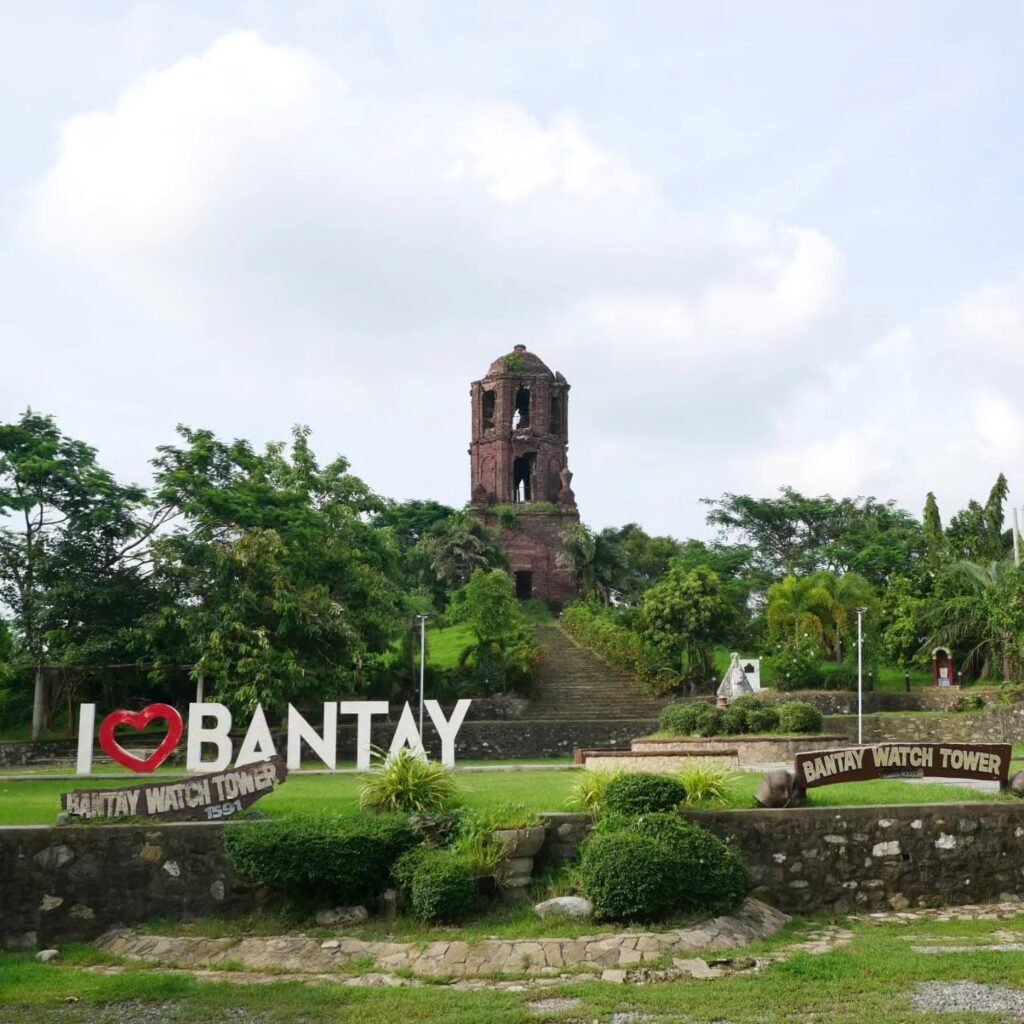
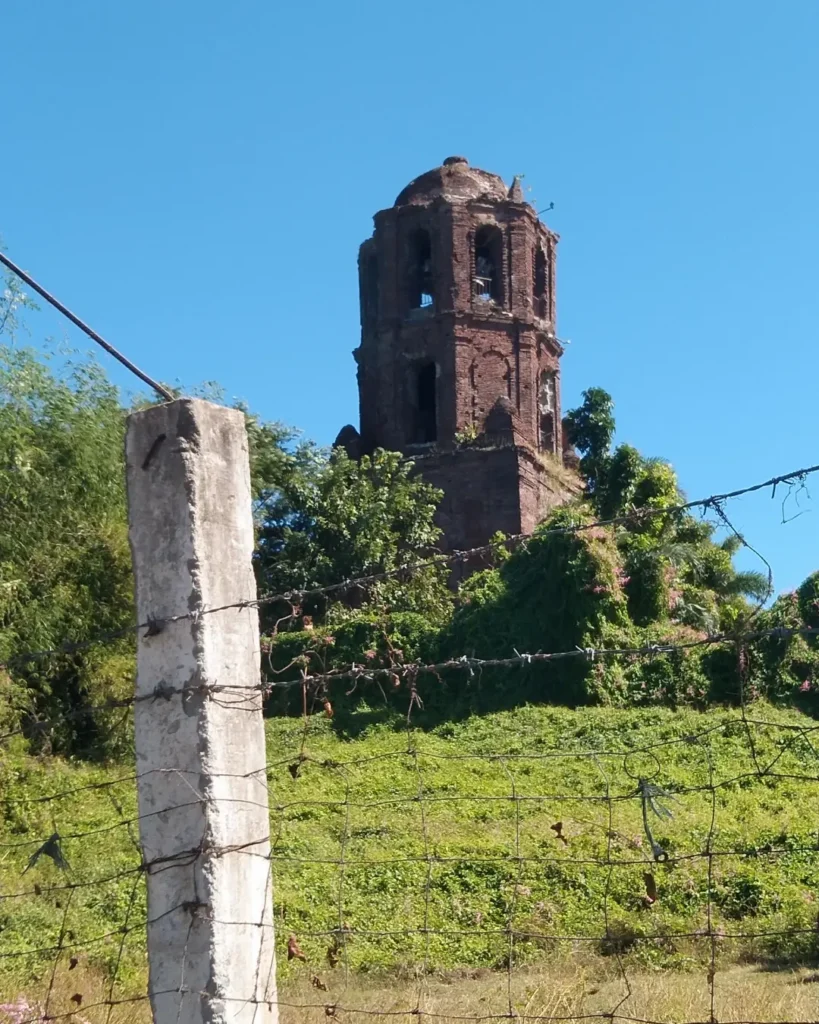
The Bantay Bell Tower stands on a separate hill within the municipality of Bantay, Ilocos Sur, directly adjacent to the Saint Augustine Parish Church (Bantay Church). The tower is architecturally separate from the church by design, a feature of “Earthquake Baroque” construction that intentionally placed belfries away from main church structures so a collapsing tower would not destroy the congregation inside.
Bantay municipality borders Vigan City to the north. The tower sits roughly 1 to 1.5 kilometers from the Vigan city center, making it one of the closest heritage sites to Vigan’s main plaza. From the hilltop, you can see the Cordillera mountain range to the east and the South China Sea to the west on a clear day.
How to Get to Bantay Bell Tower
Getting to the Bantay Bell Tower from Vigan City takes roughly 10 minutes by tricycle or kalesa from the Vigan city center.
From Vigan City:
A motorized tricycle chartered from Plaza Salcedo or Calle Crisologo to the Bantay Church grounds costs around ₱30 to ₱50 for a single trip, depending on negotiation. Grab is not available in the Vigan-Bantay area due to local ordinances protecting traditional transport workers. A kalesa (horse-drawn carriage) can also cover the distance, though more slowly and at a higher fare — expect to negotiate upward of ₱150 to ₱200 for the ride. The route is straightforward along the national highway heading north.
From Manila by Bus:
The dominant carrier on the Ilocos corridor is Partas Bus Line, which operates over 50 daily trips from Cubao, Pasay, and the Dau terminal in Mabalacat, Pampanga. From Metro Manila, the journey runs 8 to 10 hours. From the Dau terminal in Pampanga, expect approximately 6 hours and 20 minutes across roughly 331 kilometers.
Partas offers three service classes: Deluxe (₱970+ from Manila), Super Deluxe (₱1,030+), and Luxury (₱1,200+). If you are coming specifically for the Bantay Bell Tower, tell the conductor you want to alight at the Bantay Municipal Hall on the national highway. The tower is one block behind it. This saves you the trip of going into the main Vigan terminal and backtracking.
From Manila by Private Vehicle:
The North Luzon Expressway (NLEX), Subic-Clark-Tarlac Expressway (SCTEX), and Tarlac-Pangasinan-La Union Expressway (TPLEX) connect directly to the provincial highway system. With an active RFID tag (Easytrip for NLEX/SCTEX), the drive from Manila takes 6 to 8 hours depending on departure time and traffic beyond the TPLEX terminus.
Entrance Fees, Tickets, and Opening Hours at Bantay Bell Tower
There is no fixed entrance fee at Bantay Bell Tower. Entry is donation-based, with a suggested contribution of ₱50 per person, collected via a drop box near the base of the entrance path. The donation model means the site remains accessible regardless of income level, but the funds go directly toward grounds maintenance and minor structural upkeep.
When I visited in August 2026, the drop box was clearly labeled and positioned at the foot of the path leading up the hill. No one stopped me or checked for a receipt. However, paying the suggested amount, or more, is the right thing to do. The parish and local caretakers are working with limited resources to maintain a 430-year-old structure.
Opening Hours: The grounds open at approximately 6:00 AM and close strictly at 6:00 PM. The gates to the hill are locked at 6:00 PM with no exceptions. Photographers hoping to catch the late afternoon light should arrive by 5:00 PM at the latest to allow enough time before the gates close.
Senior Citizens and PWDs: Because the site operates on a donation model rather than a ticketed system, the mandated discounts under RA 9994 (Expanded Senior Citizens Act) and RA 10754 (PWD Act) do not formally apply in the same way they do at fully ticketed heritage sites. In practice, seniors and PWDs visiting the site simply donate what they can. Staircase access, when permitted, presents a significant physical challenge for mobility-impaired visitors (see the accessibility note below).
Payment: Cash only. The drop box accepts Philippine Peso bills. No card readers or e-wallet QR codes are available at the entrance. Bring small bills.
What to See at Bantay Bell Tower
The Tower Exterior and Earthquake Baroque Construction
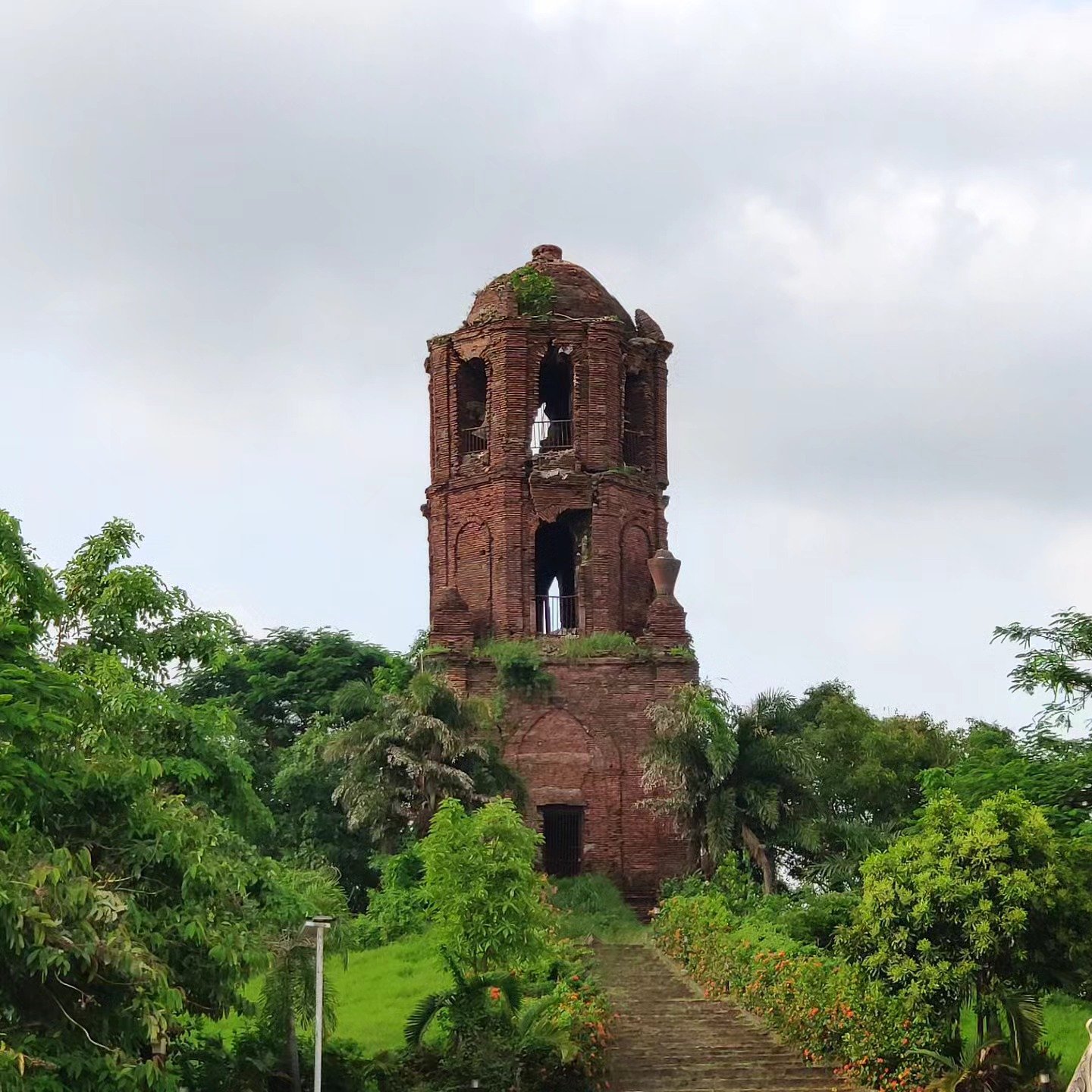
The tower is built from oversized red clay bricks called ladrillos, bound with a mortar historically composed of lime, sand, and organic materials including egg whites and plant sap. The walls are exceptionally thick at the base, wider than they are proportioned to appear from a distance, which is the defining Earthquake Baroque design response to the Philippine archipelago’s tectonic activity. Standing close to the base, you can see the texture of individual bricks and the uneven coursing of centuries of repair.
The physical separation of the tower from the Bantay Church is the most important architectural feature to notice. European churches at the time attached their bell towers directly to the nave. Here, the friars positioned the belfry on a separate hill. A collapsing tower would not kill the congregation. That single design decision is what kept this structure standing through multiple earthquakes.
The Historic Bronze Bells
Before the 2022 earthquake, visitors could climb to the belfry and see the bronze bells up close. The bells are categorized by their historical colonial-era functions: the Baptism bell, the Wedding bell, the Funeral bell, the Regular Mass bell, and the central Warning bell. The Warning bell was the original military instrument, rung to signal approaching raiders or enemies so the townspeople could take cover or prepare a defense.
As of my August 2026 visit, the caretaker on duty confirmed that staircase access to the belfry remains subject to daily clearance based on ongoing structural monitoring after the 2022 earthquake. On some days it is permitted in batches. On others it is not. Ask the caretaker directly when you arrive rather than assuming either way. Even without climbing, you can see the bells through the open belfry windows from the surrounding grounds.
The Panoramic View from the Hill
The hilltop grounds themselves provide a clear, elevated view of the surrounding Ilocos plains. From the base of the tower, looking east, the ridgeline of the Cordillera is visible. Looking west, on a clear morning, the horizon flattens into the South China Sea. This is the view that made the hilltop strategically valuable in 1591. It still makes it worth the walk up in 2026.
The 2022 Earthquake Damage and Rehabilitation
The July 27, 2022 magnitude 7.0 earthquake, centered in Abra province, shook the upper parapets of the tower and caused masonry to fall. The NHCP responded by cataloging all fallen structural components for reintegration, avoiding replacement with modern materials wherever possible. NHCP Chairman Rene Escalante oversaw geological scanning of the hill to check for subterranean instability before any superstructure work resumed.
By mid-2026, the NHCP-led rehabilitation had stabilized the structure and reopened the grounds. The conservation approach taken here is worth noting: the priority was to preserve original fabric rather than rebuild with new brick, which is the correct approach under UNESCO heritage conservation standards. The earthquake exposed every vulnerability in the unreinforced historic masonry, and the visible patching and bracing in certain sections of the exterior wall tell that story honestly.
The Adjacent Bantay Church
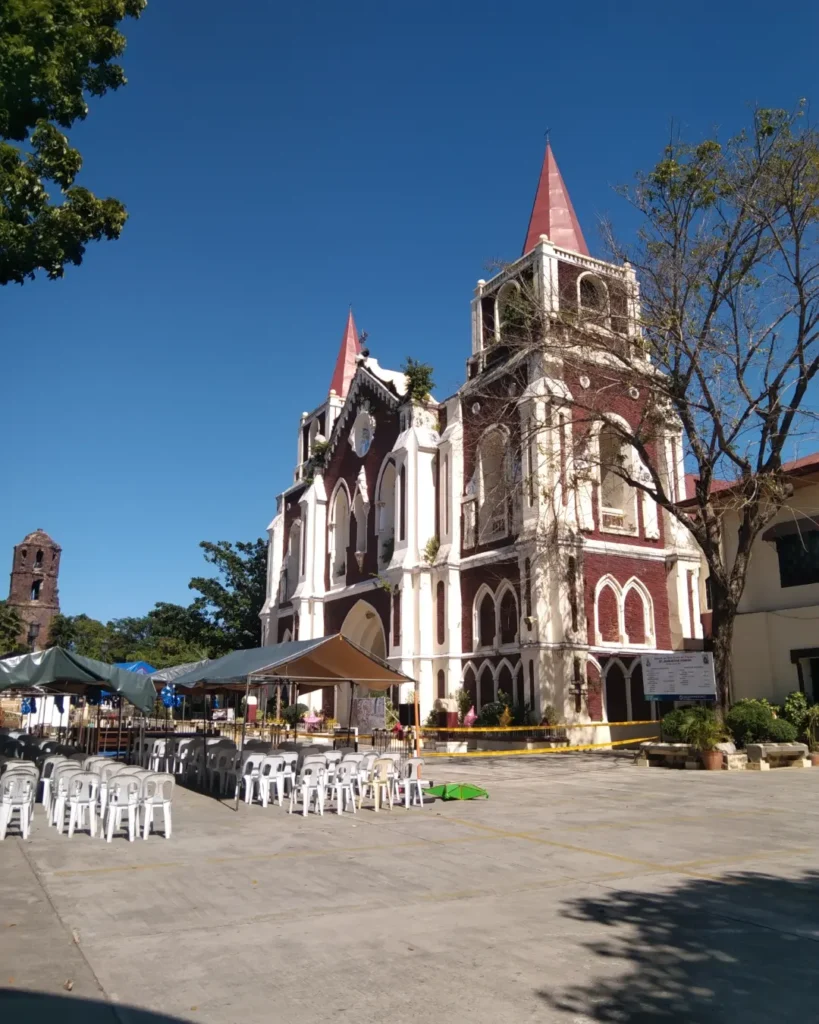
The Saint Augustine Parish Church, established in 1590 by Augustinian friar Fr. Juan de Montoya, sits adjacent to the tower hill. The church is designated as the Archdiocesan Shrine of Our Lady of Charity (Nuestra Señora de la Caridad), venerating an image known locally as Apo Caridad. The image was pontifically crowned on January 12, 1956, by Cardinal Egidio Vagnozzi under a decree issued by Pope Pius XII on August 3, 1955.
The church interior is relatively austere — exposed arching columns, white walls, and a modest altar. It is an active place of worship and parish services are held regularly.
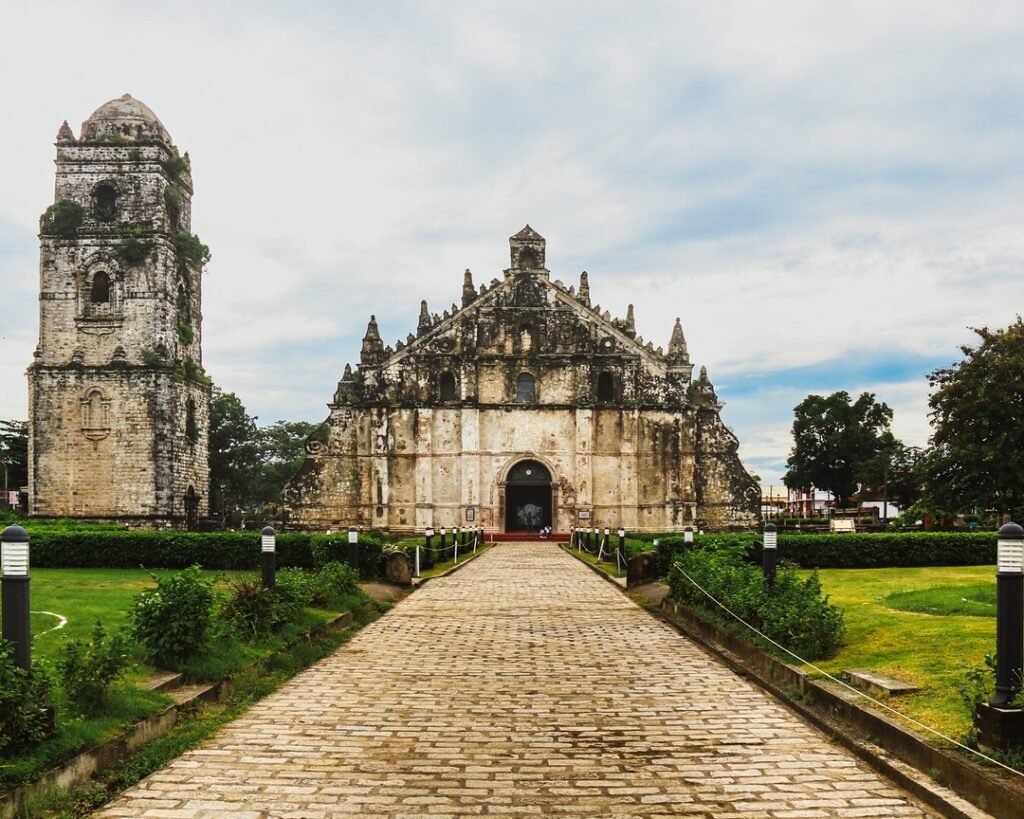
For a comparable example of Augustinian colonial church architecture in the region, see our guide to San Agustin Church in Paoay, Ilocos Norte.
Dress Code and Visitor Rules at Bantay Bell Tower
The tower grounds are outdoors and have no formal dress code, but the adjacent Bantay Church is an active place of Catholic worship with standard church etiquette expected.
If you plan to enter the church, cover your shoulders and knees. A shawl or light overshirt works. Remove hats before entering the main church building. If a mass is in progress, stay quiet, sit toward the back, and do not walk toward the altar. Avoid flash photography near the altar and the venerated image of Apo Caridad.
At the tower itself, the rules are straightforward and strictly enforced:
- Do not touch, lean on, or scratch the brick walls. The oils from human hands accelerate the degradation of 430-year-old masonry. This is not a suggestion.
- Stay on the established pathways on the hill. Do not step onto sections of ground that are cordoned off, particularly near areas showing post-earthquake repair work.
- No flash photography on the belfry staircase if climbing is permitted, as the confined space and fragile mortar are sensitive to vibration and disturbance.
- Photography of the exterior and grounds is fully permitted and encouraged.
The site is typically monitored by local youth and university students completing on-the-job training hours. They are helpful, know the site well, and will answer questions about the day’s climbing status.
Best Time to Visit Bantay Bell Tower
The best time to visit is between late November and February, arriving before 9:00 AM. This window gives you cool ambient temperatures, clear skies for photography, and significantly smaller crowds before domestic tour groups arrive.
August, when I visited, is technically within the monsoon season. The morning I went was overcast but dry, which was workable. However, the Ilocos region does see typhoon activity from June through October, and there is a real chance of heavy rain that can make the hill path slippery and obscure the panoramic view entirely. If you are visiting in August, go early and watch the weather closely.
The absolute peak of the liturgical calendar at Bantay is the second Sunday of January, which commemorates the 1956 canonical coronation of Apo Caridad. The municipality sees enormous crowds that weekend from across Northern Luzon. Anthropologists and cultural observers will find it invaluable. Travelers seeking quiet contemplation should plan around it.
March to May is hot. Ilocos sun in April is intense and unrelenting. If that is your only window, bring water, sunscreen, and a hat. The early morning timing matters even more during this period.
For more context on what else is happening in the region during your visit, see our guide to Ilocos Sur tourist spots.
Budget Breakdown for Visiting Bantay Bell Tower
| Expense | Estimated Cost (PHP) |
|---|---|
| Bantay Bell Tower entrance donation | ₱50 (suggested) |
| Tricycle from Vigan city center (one way) | ₱30 – ₱50 |
| Kalesa from Vigan city center (one way) | ₱150 – ₱200 |
| Bus fare Manila to Bantay (Partas Deluxe) | ₱970+ |
| Bus fare Manila to Bantay (Partas Super Deluxe) | ₱1,030+ |
| Bus fare Manila to Bantay (Partas Luxury) | ₱1,200+ |
| Bus fare Dau (Pampanga) to Bantay | ₱671 – ₱1,144 |
| Vigan Empanada snack at nearby stalls | ₱25 – ₱40 |
| Water / refreshments near the site | ₱20 – ₱50 |
| Estimated on-site total (excl. transport) | ₱100 – ₱300 |
One practical note: bring small bills. The donation box at the tower and any nearby vendors operate entirely on cash. GCash and Maya exist in Vigan but require a verified local number to use seamlessly, so international visitors should have Philippine Peso on hand.
What I’d Do Differently Next Time
I arrived at 7:50 AM and had about 40 minutes of genuinely quiet time before the first tour van pulled up. That timing was right. What I got wrong was not checking the staircase status in advance. On the day I visited, the belfry climb was not permitted due to an ongoing structural inspection.
I had not factored that into the plan and missed the bells entirely. Next time, I would contact the Bantay parish office or ask my tricycle driver to call ahead, since the drivers usually know the site’s daily status.
I would also skip the kalesa for the return trip to Vigan. The main road has no shade and the sun was already strong by 9:30 AM. A tricycle is faster and gets you out of the heat sooner.
Frequently Asked Questions About Bantay Bell Tower
What is the history of Bantay Bell Tower in Ilocos Sur?
The Bantay Bell Tower was constructed in 1591 during the Spanish colonial period as a military watchtower, not as a religious structure. Its primary purpose was to detect and signal against coastal raids from maritime groups and rival colonial powers. The elevated hilltop gave defenders a clear sightline toward the South China Sea and the surrounding plains. The tower served military functions through the Philippine Revolution of 1896, the Philippine-American War of 1899, and World War II before being formally converted into the belfry of Saint Augustine Parish Church in 1857.
Is there an entrance fee to visit Bantay Bell Tower?
There is no fixed entrance fee at Bantay Bell Tower. Entry is donation-based, and the standard suggested contribution is ₱50 per person, deposited into a drop box near the entrance path. The site is managed collaboratively by the local parish and municipal government, and the donations go directly toward site maintenance and minor conservation work. Visitors are encouraged to give more if they are able.
Can you still climb the Bantay Bell Tower after the 2022 earthquake?
The July 27, 2022 magnitude 7.0 earthquake in Abra caused significant structural damage to the upper masonry of the tower and led to an immediate closure of the site. As of August 2026, the grounds have reopened following NHCP-led rehabilitation, but staircase access to the belfry is assessed on a daily basis. Climbing is not guaranteed on any given day. Ask the on-site caretaker upon arrival for the current day’s status. When climbing is permitted, it is typically managed in small batches to limit load on the historic structure.
How far is Bantay Bell Tower from Vigan City center?
The Bantay Bell Tower is approximately 1 to 1.5 kilometers from the Vigan city center, making it a roughly 10-minute tricycle ride from Plaza Salcedo or Calle Crisologo. Grab is not available in the area, so the primary options are chartered tricycles (around ₱30 to ₱50 per trip) or kalesas (₱150 to ₱200). The distance is technically walkable but the national highway has limited pedestrian infrastructure and Ilocos heat makes the walk uncomfortable by mid-morning.
What does the word “Bantay” mean and why is the tower named that?
“Bantay” is a Tagalog and Ilocano word that translates directly to “guard” or “sentinel.” The municipality of Bantay was named for the function of this elevated hilltop post, which served as the primary lookout and warning point for the surrounding coastal settlement during the early Spanish colonial period. The name is a permanent record of the tower’s original military role, predating its conversion to a church belfry by nearly three centuries.
Final Verdict: Is Bantay Bell Tower Worth Visiting?
The Bantay Bell Tower is 5 out of 5 for history-focused travelers willing to go early and accept that staircase access is not guaranteed. For casual day-trippers visiting Vigan, it is an easy addition to any itinerary and costs almost nothing to enter. The tower rewards the visitor who understands what they are looking at — not a church accessory, but a 430-year-old fortified military post that survived revolutions, wars, and earthquakes to become one of the most structurally honest colonial-era structures in the Philippines.
After visiting the Bantay Bell Tower, extend your Ilocos Sur itinerary further. Our guide to Calle Crisologo in Vigan City covers the colonial merchant street just 10 minutes away. If you want to get further into the natural landscapes of the region, the Aw-asen Falls in Sigay, Ilocos Sur is a rewarding day trip, and for northern Ilocos, our Pagudpud beach guide covers one of the region’s finest coastal destinations.