How to Use Spontaneous Booking to Travel for Less: A Comprehensive Guide
For many years, travelers believed that planning a vacation months in advance was the only practical way to secure reasonable prices. Traditional advice suggested early bookings, structured itineraries, and long-term preparation to avoid rising travel costs. However, the global travel landscape has evolved. With dynamic pricing models, advanced booking platforms, flexible work cultures, and changing traveler behavior, spontaneous booking has emerged as a strategic, cost-effective, and emotionally rewarding way to travel.
In recent years, I have personally booked several last-minute cruise trips—ranging from unexpected beach holidays to impromptu weekend cruises—and each experience reinforced the same insight: spontaneity does not always mean higher costs. When executed thoughtfully, spontaneous booking can unlock exceptional value, reduce planning stress, and lead to meaningful, memorable travel moments.
So whether you are planning a last-minute mountain hike or cruise to the sunny beaches of the Caribbean, this guide will not only show you how to land a good spontaneous deal, but also the benefits of booking late.
Table of Contents
Understanding Spontaneous Booking
Spontaneous booking refers to planning and reserving travel—whether flights, hotels, cruises, rental cars, or vacation packages—closely before the intended departure date. This may involve booking accommodations a week before travel, securing a cruise the day prior to sailing, or deciding on a destination after discovering a compelling price drop online.
While historically viewed as a riskier approach, spontaneous booking has become increasingly common due to several factors:
Last-minute inventory releases by travel providers
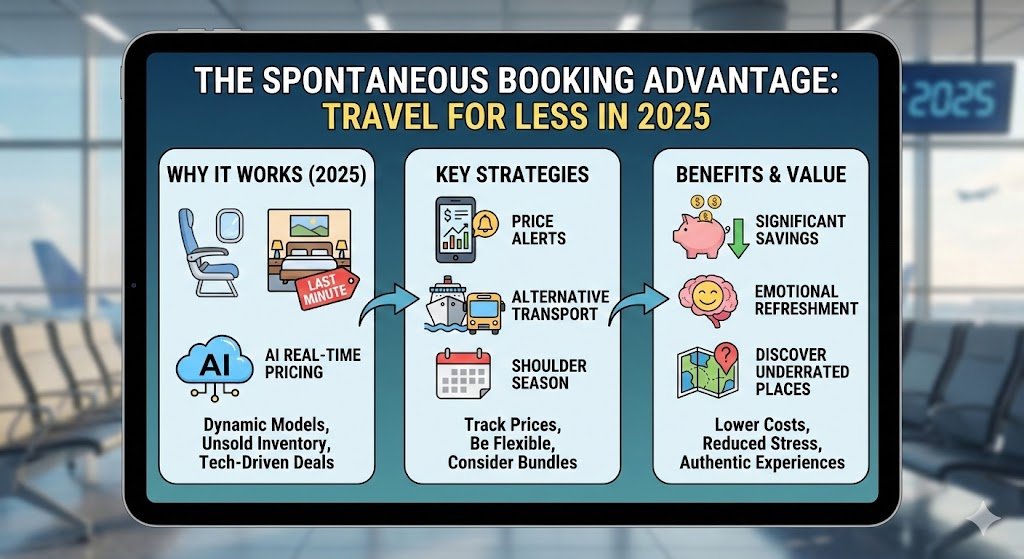
AI-driven pricing systems adjusting fares in real time
Growing flexibility in work and lifestyle arrangements
Travelers prioritizing freedom over fixed itineraries
Increased access to travel information and comparison tools
Industry data reflects this shift. Several market reports show that nearly half of Millennial and Gen Z travelers booked their most recent trip within 30 days of departure. This suggests spontaneity is no longer accidental—it is intentional, strategic, and supported by technology.
Why Spontaneous Booking Works
Travel providers operate on revenue models built around occupancy and utilization. Empty airplane seats, hotel rooms, and cruise cabins represent lost income once departure or check-in passes. Rather than letting unsold inventory go to waste, companies often reduce prices at the last minute to attract flexible travelers.
At the same time, travel technology has matured. Price trackers, fare calendars, deal alerts, and inventory transparency enable consumers to make informed decisions much faster than a decade ago. The ability to compare options across destinations also empowers travelers to select experiences based on current value rather than preconceived plans.
Finally, remote work and flexible scheduling have changed the psychology of travel. Many people no longer feel restricted to weekends, fixed holiday periods, or school vacation time. This lifestyle shift directly benefits spontaneous travelers, as off-peak departures frequently offer better prices and availability.
Best Strategies for Using Spontaneous Booking to Travel Affordably
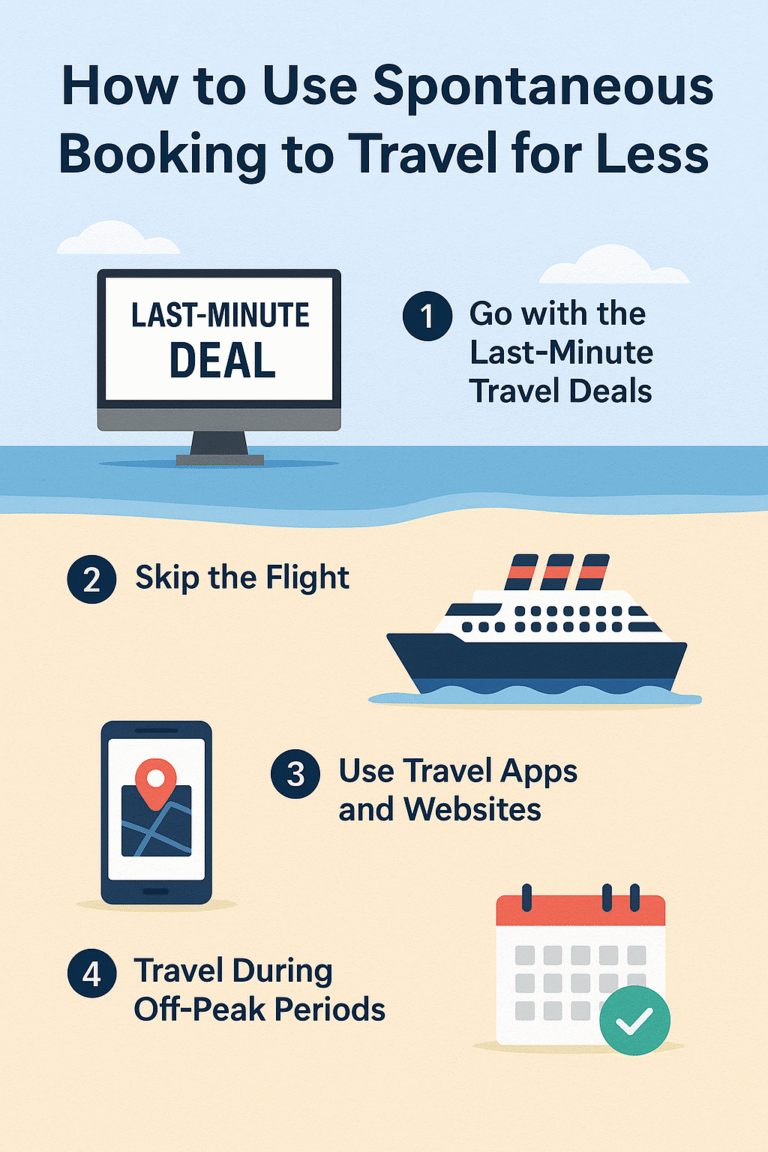
1. Take Advantage of Last-Minute Travel Deals
Airlines, hotels, and travel platforms often reduce prices days before departure. These last-minute travel deals exist to fill remaining capacity and optimize profit margins. For flexible travelers, this can lead to substantial savings on flights, accommodations, and packaged vacations.
However, timing matters. During peak seasons, such as major holidays or summer travel months, prices may increase instead of drop due to high demand. Therefore, monitoring price trends, comparing multiple dates, and avoiding universally busy periods can improve your chances of securing a reasonable rate.
One effective approach is to search for flexible travel dates instead of fixed schedules. During one of my last-minute trips to Iloilo, shifting the departure date by one day reduced the airfare by nearly half. The route, airline, and aircraft were identical—the only variable was timing.
2. Consider Alternatives to Air Travel
Flights are often the most expensive component of spontaneous travel, especially when booked close to departure. Fortunately, other forms of transportation may offer significantly better value.
For example, last-minute cruises have become an increasingly popular option among spontaneous travelers. Cruise brands—including premium lines such as Celebrity Cruises—often provide attractive pricing on select sailings when cabins remain available close to departure. These offers can include upgraded rooms, specialty dining access, curated entertainment, or additional onboard amenities.
What distinguishes a cruise from other last-minute travel options is the convenience of bundled experiences. Instead of separately booking hotels, restaurants, transportation, and guided tours, a cruise consolidates lodging, dining, entertainment, and destination access into a single booking. This reduces planning time while enhancing overall value.
Beyond cruising, land transport options such as buses and ferries can also provide affordable spontaneous alternatives, particularly for regional travel. Modern long-distance buses now offer Wi-Fi, reclining seats, USB charging ports, and expanded luggage capacity—making them suitable options for last-minute departures.
3. Utilize Travel Apps, Price Trackers, and Deal Alerts
Technology plays a central role in successful spontaneous booking. Numerous apps and travel websites now specialize in real-time inventory monitoring and price comparison across airlines, hotels, car rental companies, and cruise lines.
These platforms allow travelers to:
Track fare fluctuations
Receive alerts for sudden price drops
Compare accommodations based on location, amenities, and reviews
Identify seasonal or flash promotions
Determine whether prices are historically high or low
Many booking tools now incorporate predictive algorithms that estimate when fares may rise or fall based on historical data and demand patterns. This empowers travelers to book confidently rather than guessing.
Subscribing to newsletters, following trusted travel websites, and enabling push notifications further increases the likelihood of securing a deal before it disappears. Spontaneous booking requires readiness, and technology helps bridge that urgency.
4. Travel During Shoulder or Off-Peak Seasons
Seasonality remains one of the strongest determinants of travel cost. Many destinations significantly reduce pricing during off-peak months to maintain tourism activity. These discounted periods often provide:
Lower hotel and resort pricing
Reduced airfare
More available cruise cabins
Fewer crowds
Higher potential for room or cabin upgrades
Shorter wait times at attractions and airports
Shoulder seasons—which occur between peak and low tourism months—present a balanced opportunity, combining favorable weather with reduced demand. For example, Caribbean cruises are generally more affordable in early autumn or late spring compared to December holiday sailings.
Mid-week departures also tend to cost less. Tuesday, Wednesday, and Thursday are historically the cheapest days to fly, while weekend travel carries higher demand-driven pricing.
5. Remain Open to Alternative Destinations
The most successful spontaneous travelers allow pricing—not preconceived expectations—to determine their destination. If flights to Japan spike but fares to Vietnam drop significantly, adjusting the destination can preserve budget. If major European capitals are expensive, emerging cultural cities may provide richer value at lower cost.
Similarly, if airfare becomes prohibitive, exploring last-minute cruise options may present better pricing and convenience. Flexibility allows travelers to follow opportunity rather than struggle against inflated pricing.

Benefits of Spontaneous Booking
1. Potential for Significant Savings
Contrary to long-held beliefs, spontaneous booking can be highly cost-effective when strategic. Providers often offer discounted prices to fill unsold seats, rooms, or cabins. Travelers who are flexible with dates, airports, and destinations can take advantage of these pricing adjustments.
Splitting bookings—such as combining one-way flights from different airlines—may also reduce overall costs. Additionally, bundled travel packages frequently provide lower rates than purchasing components individually.
2. Emotional and Psychological Refreshment
Research consistently shows that novelty stimulates dopamine release, enhances cognitive engagement, and improves emotional well-being. Unplanned travel experiences encourage curiosity, spontaneity, and openness—qualities often diminished in overly structured travel.
From personal experience, some of my most fulfilling trips were the ones booked at the last minute. Without the pressure of expectations or rigid itineraries, I felt more present, observant, and willing to embrace unfamiliar experiences.
For many travelers, spontaneous booking introduces a sense of freedom that becomes as valuable as the destination itself.
3. Opportunity to Discover Underrated Places
Popular travel media naturally highlights well-known destinations, which can overshadow equally compelling yet lesser-publicized locations. Spontaneous booking can introduce travelers to emerging cities, quieter beach towns, boutique resorts, and unique cruise ports they may not have otherwise considered.
These experiences often feel more authentic, culturally rich, and pleasantly surprising.
4. Reduced Risk of Canceled Plans
Long-term trip planning leaves room for unpredictable life changes—work commitments, financial adjustments, family obligations, or shifts in personal priorities. Spontaneous booking minimizes anticipation time, reducing the likelihood of canceled or abandoned travel arrangements.
The emotional momentum remains immediate, and execution follows quickly.

Practical Tips for Successful Spontaneous Booking
Maintain Scheduling Flexibility
Travelers willing to shift dates, routes, destinations, or departure times generally secure better pricing and availability.
Know When to Book
Last-minute deals are less likely during major holidays, long weekends, school breaks, and peak tourism seasons. Booking too close to departure during these periods may increase costs rather than reduce them.
Use Website Filters Effectively
Filters such as “flexible dates,” “last-minute deals,” “price drop,” and “alternative airports” help narrow options efficiently, saving valuable decision-making time.
Pack Efficiently
Many spontaneous travelers prefer carry-on luggage to avoid additional baggage fees and expedite airport movement. Maintaining a ready-to-travel essentials kit at home can make departures easier.
Prepare Travel Documentation Early
Passports, visas, digital IDs, and travel insurance should not be rushed. Keeping these updated ensures readiness for unexpected travel opportunities.
Book Through Reputable Providers
With limited research time, trusted companies with transparent pricing, clear cancellation policies, and verified reviews offer greater security and predictability—especially when booking cruises, flights, or international accommodations.

Challenges of Spontaneous Booking and How to Manage Them
Limited Availability During Peak Periods
Travel demand surges during holidays and major events. Prices may increase, and last-minute deals may be rare. Shifting to off-peak or shoulder seasons often resolves this challenge.
Less Time for Research
Travelers may unintentionally select overpriced accommodations or tourist-heavy areas when rushed. Reading recent reviews, consulting trusted travel content, and checking local forums can help prevent unnecessary expenses.
Time Pressure and Decision Fatigue
Last-minute deals may disappear quickly, creating a sense of urgency. Establishing a budget in advance helps maintain clarity and avoid impulsive overspending.
Weather and Seasonal Uncertainty
Some destinations experience unpredictable weather during discounted periods. Choosing experiences that remain enjoyable regardless of conditions—such as cruises—helps maintain value and satisfaction.
Who Benefits Most from Spontaneous Booking?
Spontaneous booking appeals to various traveler profiles:
-
Ocean travelers seeking last-minute cruise sailings
-
Outdoor enthusiasts following ideal weather windows
-
City travelers exploring cultural destinations based on price dips
-
Budget-conscious individuals prioritizing value over specific locations
-
Remote workers blending travel with flexible work arrangements
These groups tend to value flexibility, curiosity, and open-ended exploration—making spontaneous booking an ideal fit.
Why Cruises Often Offer the Best Last-Minute Value
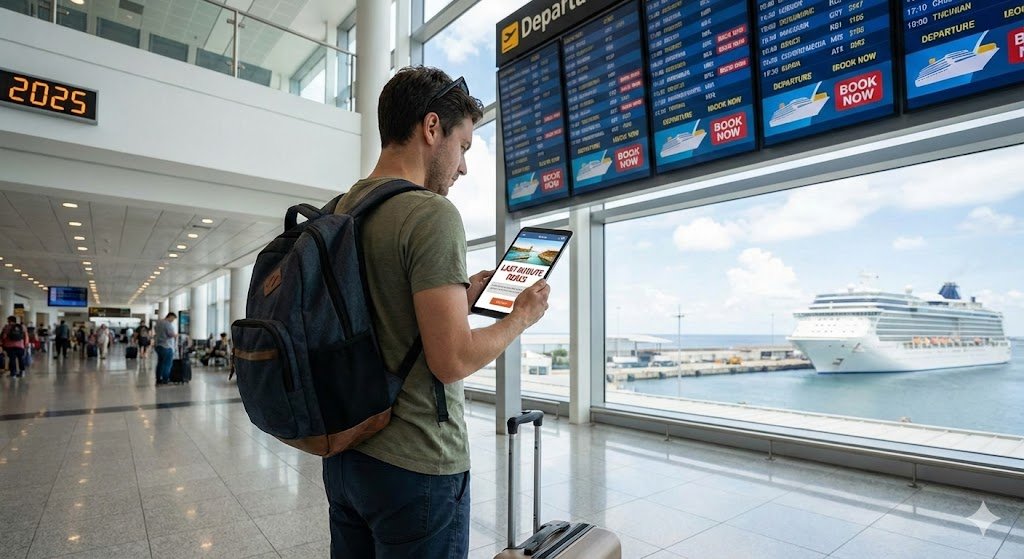
Cruise travel operates differently than airlines and hotels. Ships sail according to schedule, regardless of whether every cabin is booked. Therefore, cruise providers sometimes offer favorable pricing, added perks, or room category upgrades when departures approach.
Bundled pricing also enhances financial predictability. Accommodations, onboard dining, entertainment, amenities, and multiple destinations are included in a single reservation. Travelers avoid the logistical fragmentation associated with piecing together hotels, transportation, tours, and meals.
Premium cruise lines deliver curated experiences—making spontaneous vacations feel intentional, seamless, and sophisticated.
Final Thoughts
Spontaneous booking has transformed from a risky gamble into a legitimate, strategic approach to modern travel. With flexibility, research awareness, and access to real-time digital tools, travelers can secure meaningful and affordable experiences without extensive advance planning.
Whether motivated by curiosity, convenience, emotional refreshment, or unexpected opportunity, spontaneous travel encourages exploration without hesitation. It places value on the present—reminding us that memorable journeys do not always require months of preparation.
For those open to possibility, spontaneous booking offers a path toward affordable discovery, whether through last-minute flights, short-notice city getaways, or an unplanned cruise departure that becomes the highlight of the year.
Frequently Asked Questions About Spontaneous Booking
1. What is spontaneous booking in travel?
Spontaneous booking refers to reserving flights, accommodations, cruises, transportation, or full vacation packages shortly before the intended travel date. Instead of planning months in advance, travelers monitor real-time prices and book once a compelling deal appears. This approach works best for individuals with flexible schedules and destination preferences.
2. Is spontaneous booking actually cheaper?
It can be, but not always. Travel providers sometimes reduce prices to fill unsold inventory, especially during non-peak travel periods. Airlines, hotels, and cruise lines occasionally release last-minute deals to maximize occupancy. However, during holidays, school vacations, or large events, prices may increase instead of decrease. Therefore, spontaneous booking requires timing, research, and flexibility.
3. When is the best time to book a last-minute trip?
Industry pricing trends suggest that travelers often find better deals 7 to 21 days before departure, particularly on mid-week dates. For cruises, discounted cabin rates may appear within 30 days of sailing if capacity remains. Off-peak seasons—such as early fall or late spring—also offer favorable pricing and greater availability.
4. Are last-minute cruises a good option for spontaneous travelers?
Yes. Cruises often provide strong value because pricing includes accommodations, dining, entertainment, and multiple destinations in one booking. When cruise lines, including premium brands like Celebrity Cruises, have remaining cabins close to departure, they may offer reduced rates or added benefits. This structure makes last-minute cruising an efficient and cost-friendly spontaneous booking strategy.
5. What are the risks of spontaneous booking?
Potential challenges include limited seat or room availability, reduced choice in itineraries, higher prices during peak seasons, and less time for research or preparation. Travelers may also need to make faster decisions, manage fluctuating prices, or adjust expectations regarding amenities and flight schedules. Choosing reputable booking platforms and providers minimizes these risks.
6. How can I increase my chances of finding last-minute travel deals?
Remain flexible with travel dates, airports, destinations, and accommodation types. Use price comparison websites, set fare alerts, subscribe to deal newsletters, and monitor real-time inventory. Checking alternative transportation options, such as cruises, buses, or regional flights, often reveals additional savings opportunities.
7. Do spontaneous bookings require travel insurance?
While not mandatory, travel insurance is strongly recommended. Last-minute trips may involve tight schedules, changing itineraries, or unfamiliar destinations. Insurance can provide coverage for medical emergencies, lost baggage, cancellations, or unexpected delays. Review policy terms carefully to ensure alignment with destination, activities, and travel dates.
8. Can families travel spontaneously, or is it only for solo travelers?
Families can absolutely benefit from spontaneous booking, particularly during off-peak travel periods when hotels and cruise lines have greater availability. However, families may require more advance planning for child-friendly accommodations, seat assignments, group cabins, or activity reservations. Flexibility remains essential.
9. Should I wait for prices to drop before booking spontaneously?
Not necessarily. Prices fluctuate based on demand, season, and booking patterns. If a fare aligns with your budget and schedule, booking immediately may prevent future increases. Spontaneous booking does not mean waiting indefinitely; it means making informed, timely decisions based on current market conditions.
10. Are spontaneous bookings suitable for international travel?
Yes, provided your passport, visas, and travel documents are up to date. International spontaneous booking may involve additional considerations such as immigration requirements, currency exchange, health protocols, and longer travel distances. Many travelers successfully book international cruises or flights last-minute when prepared.
11. Where can I find reputable last-minute cruise deals?
Travelers can compare last-minute cruise itineraries, departure dates, and pricing directly through trusted cruise providers. An updated selection of available sailings, including late-departure options, can be viewed at:
12. Who should avoid spontaneous booking?
Travelers with inflexible schedules, medical requirements, large group arrangements, or strict destination preferences may prefer advance planning. Individuals who prioritize specific room categories, flights, or resort amenities may also find spontaneous booking limiting.