

Quick Guide: Burias Island at a Glance (2026 Edition)
Best For: Adventure seekers, island hoppers, and campers looking for raw, uncommercialized beauty away from the crowds of Boracay or Palawan.
Top 3 Must-Visit Spots:
Animasola Island: Famous for incredible geometric rock formations and the “Mermaid’s Pond.”
Tinalisayan Island: Known for its reddish coastline and shifting white sandbar.
Sombrero Island: The primary spot for camping and swimming.
Estimated Budget (DIY): Approximately ₱4,500 – ₱6,000 per person for a 3 Days / 2 Nights trip starting from Manila.
Access Points:
Primary: Via Pasacao Port in Camarines Sur (Most popular and reliable route).
Alternative: Via San Andres Port in Quezon (Best for combining with Alibijaban Island).
2026 Critical Travel Alert: Despite development in the region, Cash is still king on Burias Island. ATMs in San Pascual are scarce and often offline. Ensure you withdraw sufficient funds in Naga City before heading to the port. Additionally, RORO schedules are stricter in 2026; advance booking is highly recommended during Holy Week and Summer.
1. Introduction: The Untamed Beauty of Masbate
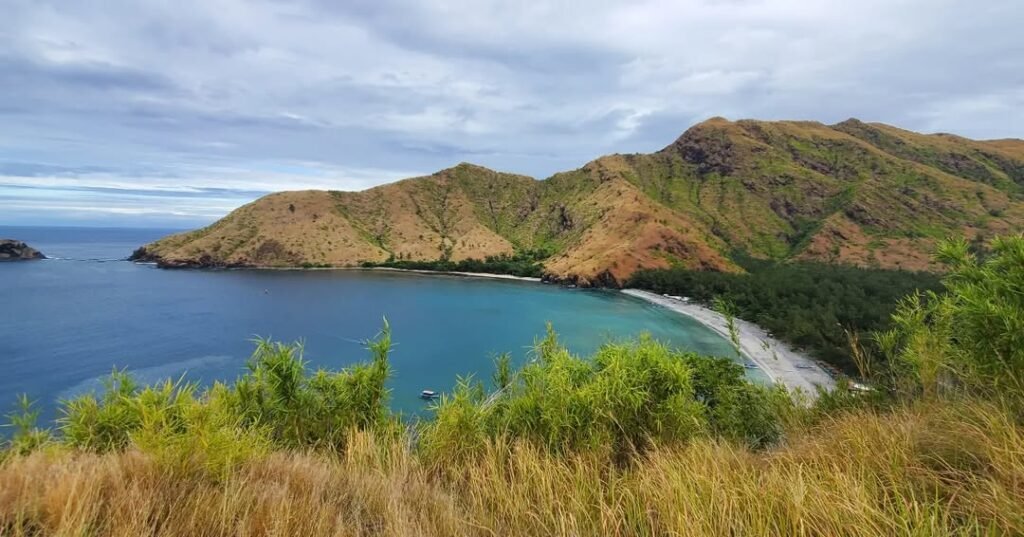
Burias Island is a rugged, sun-drenched sanctuary located in the Ragay Gulf, serving as the northernmost tip of the province of Masbate. While politically part of the Masbate province, it is geographically closer to the Bicol Region, making it a unique “crossroads” destination that offers raw, uncommercialized beauty distinct from the polished resorts of popular tourist hubs. For travelers in 2026, Burias represents one of the few remaining accessible frontiers where the journey is as adventurous as the destination itself.
The “2026 Vibe”: Raw and Unfiltered
Having traveled extensively across the archipelago, I can tell you that Burias Island hits differently. In a year where even the most remote islands are seeing a surge in development, Burias island has managed to retain its “old Philippines” charm. You won’t find five-star hotel chains or fast-food franchises here. Instead, the vibe is dictated by the rhythm of the tides and the humble hospitality of the locals in its three municipalities: San Pascual (the usual entry point for tourists), Claveria, and Monreal.
If you are looking for nightlife or reliable high-speed fiber internet, this might not be your spot. But if you crave silence broken only by crashing waves and the sight of jagged cliffs that rival the landscapes of Batanes, this is your paradise. It fits perfectly into a broader itinerary for those exploring the region—in fact, many travelers now rank it high on their list of Top 14 Must-Visit Bicol Tourist Spots due to its accessibility from Naga City.
Lakbaypinas Tip: “Burias Island is known for its shifting sandbars and dramatic rock formations. The best time to visit is during the Amihan season (November to May) when the waters are clearest and the sandbars are most visible. However, always check the gale warnings from PAGASA before your trip; the Ragay Gulf is notorious for getting rough quickly, and knowing the sea conditions is a non-negotiable safety step here.”
Table of Contents
2. Where is Burias Island Located & How to Get There
Burias Island is situated in the upper part of the Masbate province, floating in the middle of the Ragay Gulf south of the Bicol Peninsula. While it is politically governed by Masbate, geographically, it is much easier to access via the Bicol region (Camarines Sur) than from Masbate City itself.
For travelers planning how to go to Burias Island in 2026, you have two primary options. The choice depends largely on your itinerary and tolerance for sea travel.
Option A: Via Pasacao Port, Camarines Sur (The Most Popular Route)
This is the standard, most reliable route for DIY travelers and those bringing vehicles. It involves a straightforward bus ride to Naga City followed by a boat transfer.
Step 1: Manila to Naga City
From Metro Manila (Cubao, Pasay, or PITX), board a bus bound for Naga City. Major operators like DLTB, Philtranco, and Bicol Isarog run hourly trips.
Travel Time: 8–9 hours (Night trips are faster).
2026 Fare Estimate: ₱1,100 (Standard A/C) to ₱1,600 (Lazy Boy/Sleeper Bus).
My Advice: Take a night trip departing around 9:00 PM to arrive in Naga by dawn, allowing you to catch the first boat.
Step 2: Naga City to Pasacao Port
Once you arrive at the Naga City Central Bus Terminal (or Bicol Central Station), look for the van or jeepney terminal bound for Pasacao.
Travel Time: 45 minutes to 1 hour.
Fare: Approximately ₱100 – ₱150 per person.
Drop-off: Tell the driver you are heading to the “Pasacao Port” or “Pier.”
Step 3: Pasacao Port to Burias Island (San Pascual)
At the port, head to the tourism office to pay the terminal fee (₱30) and buy your ticket for the boat to San Pascual, Burias.
Vessel Types: You can choose between the large RORO (Roll-on/Roll-off) vessels or the large outrigger passenger boats.
Pasacao Port to Burias Island RORO Schedule: Schedules can be fluid based on weather, but in 2026, the typical daily departures are 7:00 AM, 10:00 AM, and 2:00 PM.
Travel Time: 2 to 3 hours depending on sea conditions.
Fare: ₱200 – ₱300 per head.
Option B: Via San Andres, Quezon (The Island Hopping Route)
This route is geographically closer to the northern tip of Burias Island (specifically Sombrero and Animasola islands) and is the preferred route if you plan to visit Alibijaban Island first. However, it requires renting a private boat for the crossing.
Bus to San Andres: Board a Superlines or Barney Bus from Cubao/Alabang to San Andres, Quezon. (Travel time: 7-8 hours; Fare: ~₱1,000+).
Boat Rental: From San Andres Port, you must charter a boat to take you directly to Sombrero Island or San Pascual.
Cost: This is expensive for solo travelers, with boat rentals ranging from ₱4,000 to ₱8,000 depending on the size and itinerary. This is only recommended for large groups.
Lakbaypinas Tip: “If you are prone to seasickness, choose the Pasacao route and try to get on the RORO ferry rather than the smaller wooden boats. The crossing from San Andres or Pasacao traverses the Ragay Gulf, which is notorious for strong crosswinds and choppy waves, especially in the afternoon. The RORO offers a much more stable ride. For those planning to explore more of the archipelago, check our Best Beaches in the Philippines Guide for calmer alternatives.”
Top Burias Island Tourist Spots (The “Big Three”)
When you look at a Burias Island map, you’ll notice the islets are scattered like dropped jewels across the Ragay Gulf. While there are over a dozen explorable spots, three specific islands have earned legendary status among Filipino travelers. These “Big Three” are the non-negotiable stops for any first-timer.
1. Animasola Island: The “Mini-Biri” of Masbate
This is usually the first stop on the island-hopping circuit because it’s the furthest from San Pascual. As our boat approached, the first thing that struck me was the sheer, prehistoric look of the place. It doesn’t look like your typical tropical island; it looks like a scene from Jurassic Park.
The Vibe: Animasola is famous for its stratified sedimentary rock formations that resemble the grander Biri Rock Formations in Northern Samar. The geometry here is insane—sharp, angular cliffs layered like a mille-crepe cake.
Things to Do:
The Mermaid’s Pond: A small, natural saltwater pool nestled inside the rock formations. It’s perfect for a dip when the open sea is too rough.
The Sphinx Photo Op: Look for the “Animasola Rock,” a massive boulder that, from a certain angle, looks like a Sphinx head watching over the ocean.
2026 Fees: Entrance Fee is ₱50 per head; Docking Fee is ₱100 per boat.
Note: There are no trees here. It is scorching hot by 9:00 AM, so bring sun protection.
2. Tinalisayan Island: The Shifting Sandbar
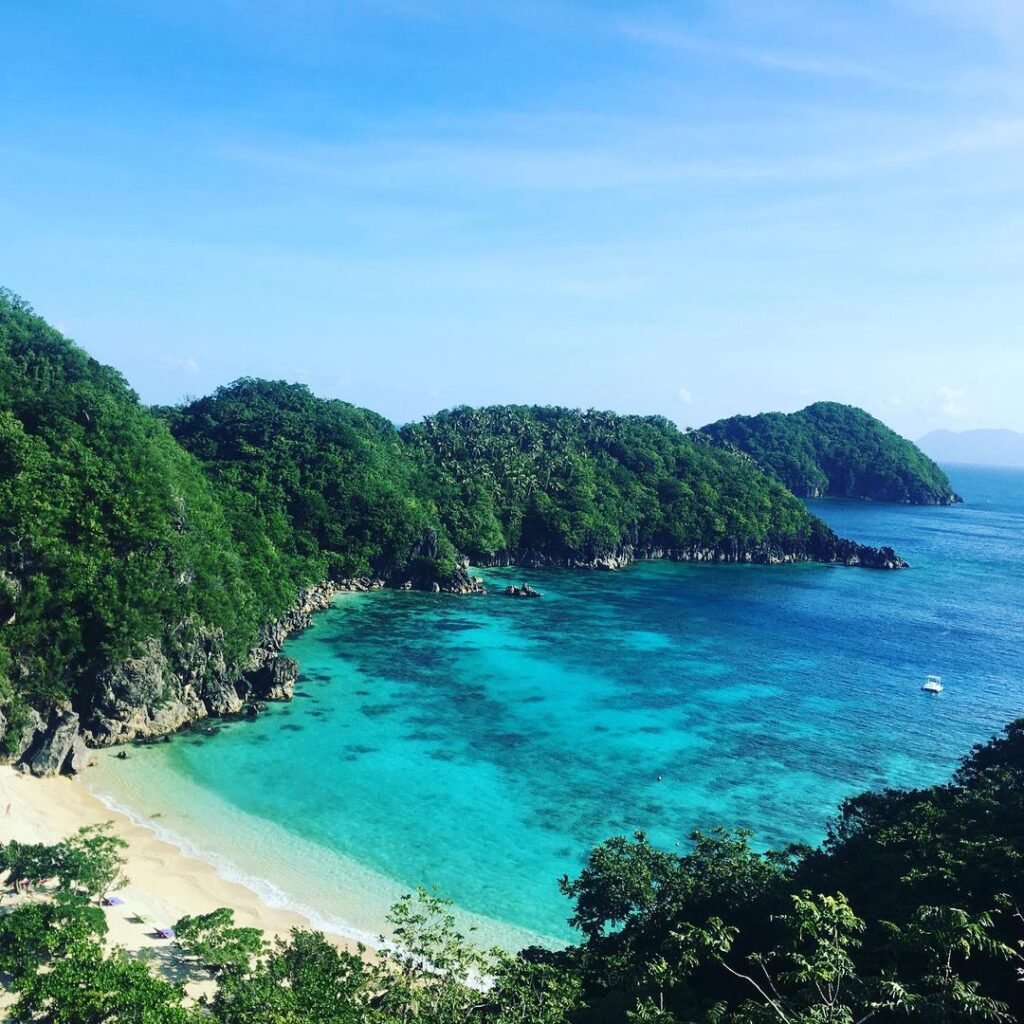
If Animasola is about rugged rocks, Tinalisayan is about raw, tropical elegance. This island is distinct for its reddish-hued cliffs topped with lush green coconut palms, contrasting sharply with the turquoise water.
The Highlight: The Tinalisayan Sandbar. This is the star of the show. It’s a long, pristine stretch of white sand that shifts shape depending on the monsoon season.
Things to Do:
Snorkeling: The water drop-off near the sandbar is rich with marine life. I spotted clownfish and moorish idols just a few meters from the shore.
Cliff Jumping (Mild): There are lower rock tiers where you can safely jump into the water—great for beginners who aren’t ready for high dives.
2026 Fees: Entrance Fee is ₱50 – ₱100; Docking Fee is roughly ₱300 per boat.
Logistics: There are no overnight cottages here, only open huts for lunch (Rent: ~₱300 – ₱500).
3. Sombrero Island: The Camper’s Haven
Named after its hat-shaped rock formation, Sombrero is the most “commercialized” of the three—and by commercialized, I just mean it has toilets and a sari-sari store. This is the designated lunch stop and camping ground for almost all DIY travelers.
The Vibe: It feels like a community. You’ll see rows of colorful tents, smell grilling liempo (pork belly), and hear guitars strumming at night. The sand here is coarser, mixed with crushed corals, but the water is crystal clear.
Accommodation:
Cottage Rentals: Open cottages range from ₱800 – ₱1,500.
Tent Pitching: If you bring your own tent (highly recommended for budget travelers), the pitching fee is ₱200.
Amenities: There are CRs (Comfort Rooms) available, but expect saltwater for flushing. Fresh water for rinsing is sold by the gallon (approx. ₱50/container), sourced from the mainland.
Lakbaypinas Tip: “While hopping between these three, ask your boatman to pass by Dapa Island (Snake Island). It’s a lesser-known limestone islet that looks like a fortress of jagged rocks. You usually can’t dock because of the sharp corals, but it offers rugged cliffs perfect for ‘buwis-buhay’ photos similar to the vibes in our Sambawan Island Guide.”

Sample 2026 Burias Island Itinerary (3D2N)
This itinerary assumes you are taking the DIY route via Pasacao Port, which is the most reliable option for 2026. The key to conquering Burias Island is timing: the Ragay Gulf wakes up in the afternoon, so we always want to be on the water early and on land before the waves get gnarly.
Day 0: The Night Departure
21:00: Board a bus from Cubao/PITX to Naga City.
Lakbaypinas Tip: Book a “Lazy Boy” seat if you can (approx. ₱1,400+). You need genuine sleep because Day 1 involves a fair bit of travel.
22:00: Doze off as you exit Metro Manila.
Day 1: Arrival & The “Town Tour”
05:30: Arrive at Naga City (Bicol Central Station). Grab a quick breakfast (try Kinalas, a local noodle soup).
06:30: Board a van or jeepney to Pasacao Port (45 mins).
07:30: Arrive at Pasacao Port. Pay the terminal fee (₱30) and secure boat tickets.
10:00: Board the passenger boat or RORO to San Pascual.
Note: Even if the schedule says 10:00 AM, boats often leave once full. Be early.
12:30: Arrival in San Pascual.
Check-in at your homestay or resort (e.g., Sunset View or Atlaza).
Lunch at the Karinderyas near the market.
14:30: San Pascual Town Tour (DIY via tricycle).
St. Paschal Baylon Parish: One of the oldest churches in Masbate.
Balinsasayaw House: A unique private home inhabited by thousands of swiftlets. (Donation based).
17:00: Sunset viewing at the port. Buy supplies (water, ice, charcoal) for tomorrow.
19:00: Dinner and early lights off.
Day 2: The Ultimate Island Hopping (The “Big Three”)
05:30: Wake up call. Heavy breakfast.
06:30: Head to the port. Meet your boatman.
Crucial 2026 Tip: Depart no later than 7:00 AM. Animasola is far (1-1.5 hours away), and you want to get there while the sea is glass-like.
08:00: Stop 1: Animasola Island.
Explore the rock formations and dip in the Mermaid’s Pond.
10:30: Stop 2: Tinalisayan Island.
Walk the sandbar. This is the best spot for drone shots if you have one.
12:00: Stop 3: Sombrero Island (Lunch).
Dock here for lunch. Most boatmen will grill your fresh catch (bought from the market yesterday) for a small fee.
Siesta: Rent a cottage and rest.
14:00: Stop 4: Dapa (Snake) Island.
Quick photo op of the limestone cliffs.
15:30: Head back to San Pascual mainland. The waves will likely be choppy now—expect to get wet!
18:00: Dinner and socials.
Day 3: Departure & Naga Side Trip
05:00: Wake up early to catch the first trip back to Pasacao (usually 5:30 AM or 7:00 AM).
Why so early? The morning RORO is the most stable ride out.
09:00: Arrival in Pasacao. Van back to Naga City.
10:00: Optional Side Trip in Naga:
Visit the Camsur Watersports Complex (CWC) for wakeboarding.
Buy Pili Nuts for pasalubong at the Naga Market.
13:00: Late lunch at Bigg’s Diner (a Bicol classic).
15:00: Board bus back to Manila.
23:00: Home sweet home.

Budget Breakdown & Financials (2026 Estimates)
One of the best things about Burias Island is that it remains a high-value destination. You get world-class scenery for a fraction of the cost of El Nido or Coron. However, because it is a DIY-heavy destination, costs can fluctuate depending on your group size.
The following breakdown is based on a Group of 4 Travelers sharing costs for boat rentals, accommodation, and food for a 3 Days / 2 Nights trip.
| Expense Category | Estimated Cost (Per Person) | Notes & Details |
| Transportation (Manila-Naga) | ₱2,400 – ₱3,000 | Roundtrip bus fare. Lower end is for standard A/C; higher end is for Deluxe/Lazy Boy options. |
| Transfers (Naga-Pasacao) | ₱300 | Roundtrip Van or Jeepney fare (approx. ₱150/way). |
| Boat (Pasacao-San Pascual) | ₱660 | Roundtrip fare (₱300 x 2) + Terminal Fees (₱30 x 2). |
| Island Hopping Boat | ₱1,000 – ₱1,250 | Share of the boat rental (₱4,000 – ₱5,000 total rate for the “Big Three” tour). |
| Entrance & Environmental Fees | ₱350 | Includes docking fees (shared) and individual entrance fees for Animasola, Tinalisayan, and Sombrero. |
| Accommodation (2 Nights) | ₱1,500 – ₱2,500 | Based on sharing an A/C room or family room in San Pascual (approx. ₱3,000/night for the room). |
| Food & Water | ₱1,500 | Contribution for “Palengke” (market) buying, drinking water, and cooking fees. |
| Contingency Fund | ₱500 | For tricycle rides around town, extra ice, or emergency snacks. |
| TOTAL ESTIMATED BUDGET | ~₱7,710 – ₱9,560 | See the “Budget Hack” below to lower this significantly. |
💡 The “Budget DIY” Variation (Under ₱5,000)
If the table above looks steep, you can slash costs by going “full camper mode”:
Camping: Instead of an A/C room, pitch a tent on Sombrero Island (₱200 fee vs. ₱1,500 share).
Dining: Focus on canned goods and bread rather than buying expensive seafood like crabs or shrimp at the market.
Group Size: Increase your group to 10 people. The boat rental share drops from ₱1,000 to just ₱400 per head.
Result: A group of 10 camping can easily do this trip for ₱4,500 – ₱5,000 per person.
Lakbaypinas Tip: “Boatmen in San Pascual often charge an extra ‘Cooking Fee’ (usually ₱200-₱300 per dish) if you ask them to grill your lunch on the boat. To save money, buy pre-cooked adobo or lechon manok in the town market before you board, or grill the food yourself if your chosen island stop allows it.”

Where to Stay in Burias Island
Accommodation in Burias Island generally falls into two categories: Mainland Comfort (staying in the town of San Pascual) or Island Adventure (camping on the islets). In 2026, while new homestays have popped up, the infrastructure remains modest—do not expect 5-star luxury.
1. San Pascual Mainland (Best for Comfort & Electricity)
If you need 24/7 electricity, a private bathroom, and easy access to the market, base yourself in the town center of San Pascual.
Atlaza Resort
Best For: Families and travelers who want the “most polished” experience available.
Amenities: They offer air-conditioned rooms, a functioning restaurant (rare in town), and a seaside view. They also have a larger van for port transfers.
2026 Rates: Approx. ₱2,500 – ₱3,500 per night (Family/Quad Sharing).
Sunset View Tourist Inn
Best For: Budget travelers and backpackers.
Vibe: It’s a no-frills lodge located conveniently near the port area. The rooms are basic but clean.
2026 Rates: ₱1,200 – ₱1,800 per night (Twin/Double A/C).
Budget Homestays
Best For: The “pure DIY” experience.
Note: Many locals have converted spare rooms into transient lodgings. You can often find these by asking tricycle drivers at the port. Rates can go as low as ₱500 – ₱800 per night (Fan room).
2. Sombrero Island (Best for Camping & Stargazing)
For the full Castaway experience, spending a night on Sombrero Island is non-negotiable. This is the only island among the “Big Three” equipped for overnight guests.
Camping (Bring Your Own Tent)
The Vibe: Pitch your tent on the coarser sand near the treeline. The sound of the waves is your lullaby.
Cost: ₱200 pitching fee per tent.
Cottage Rentals
Open Cottages: Good for day use or sleeping on benches if you’re hardcore. (~₱800 – ₱1,000).
Closed Cottages (Bahay Kubo): Simple bamboo huts with a mattress and fan (electricity runs on a generator, usually from 6 PM to 6 AM).
2026 Rates: ₱2,500 – ₱3,000 per night.
⚠️ Important Accommodation Tips for 2026
Electricity: San Pascual town has a relatively stable power supply, but brownouts still happen. Islands like Sombrero rely entirely on generators that shut off around midnight or 4:00 AM. Bring a high-capacity power bank.
Water: Fresh water on Sombrero Island is “imported” from the mainland. You will pay approx. ₱50 per gallon/container for bathing water (saltwater flush is used for toilets).
Book Ahead: During Holy Week and the summer months (March–May), San Pascual gets fully booked weeks in advance. Do not do a “walk-in” during these peak times.
Lakbaypinas Tip: “If you choose to camp on Sombrero, secure your food. Stray dogs and local cats on the island are professional scavengers and will raid your tent if you leave liempo or rice unguarded. Hang your food supplies from a tree branch or keep them in a sealed hard-case container.”

7. Essential Travel Tips
Traveling to Burias Island in 2026 still requires a “boy scout” mentality. While tourism infrastructure has improved slightly, this is not a destination where you can just show up and expect convenience stores on every corner. Here is everything you need to know to survive and thrive.
Crucial “Survival” Tips for 2026
Cash is King (Seriously): Do not rely on the ATMs in San Pascual. While there is a Landbank ATM in the town proper, it is notorious for being offline or running out of cash, especially during long weekends.
Action: Withdraw your entire budget (plus 20% contingency) in Naga City before boarding the van to Pasacao.
The Water Situation: Tap water on the islands (especially Sombrero) is not potable.
Action: Buy 6-liter or 10-liter water gallons at the San Pascual port before you board your island-hopping boat. You will use this for drinking and for “final rinse” showers if you are camping.
Connectivity (Smart vs. Globe):
San Pascual Town: Both networks have decent 4G/LTE coverage.
Islands (Sombrero/Tinalisayan): Signal is intermittent. You might get a bar of signal near the shore, but data will be slow.
Animasola: Expect zero signal. This is a total dead zone.
Recommendation: Bring a Smart SIM for better data speeds in town, but don’t expect to be uploading TikToks in real-time while island hopping.
Power & Electricity:
San Pascual has 24/7 electricity, but brownouts are common.
Sombrero Island runs on generators usually from 6:00 PM to 6:00 AM only.
Action: Bring a 20,000mAh power bank and a headlamp if you are camping.
8. Frequently Asked Questions (FAQs)
Q: Is it safe for solo female travelers? A: Generally, yes. The Bicolanos and Masbateños are incredibly hospitable. The town of San Pascual is small, and everyone knows everyone. However, for island hopping, it is expensive to rent a boat alone. I recommend joining a “joiner tour” (publicized on Facebook groups) to split costs and have safety in numbers.
Q: Can I bring my car to Burias Island? A: Yes. The RORO vessels from Pasacao accommodate SUVs and sedans.
2026 Note: If you bring a car, you are limited to exploring San Pascual and Claveria towns. You cannot bring your car to the smaller islands (Sombrero/Animasola). Most DIY travelers leave their cars at the secured parking lots in Pasacao Port (approx. ₱150/night) to save on RORO shipping fees (which can cost ₱2,000+ one way for vehicles).
Q: What is the best time to visit? A: November to May (Amihan Season) is ideal. The waves are generally calmer, and the Tinalisayan sandbar is more visible. Avoid June to October (Habagat Season) as the Ragay Gulf becomes dangerous for small boats.
Q: Are there medical facilities? A: San Pascual has a Rural Health Unit (RHU) for minor emergencies. For serious medical issues, you will need to be transported back to Naga City (Bicol Medical Center), which is 3+ hours away by boat and land.
Lakbaypinas Tip: “Respect the culture and history. Masbate is deeply rooted in the Ibalong Epic, a non-religious mythology featuring heroes like Handyong and Baltog. While the main festival is in Legazpi, the lore covers the entire region. Read up on it before you go—it adds a layer of mystical depth when you’re staring at the prehistoric rock formations of Animasola.”

9. Why Burias Should Be Your 2026 Adventure
Burias Island is not for the traveler who demands five-star room service or perfectly paved roads. It is for the restless soul who finds peace in the roar of crashing waves and the silence of a star-filled sky.
It remains one of the few places in the Philippines where you can truly disconnect to reconnect. In a world that is increasingly online and “always on,” Burias Island forces you to put the phone down (often because there’s no signal anyway) and look up. It offers the jagged, prehistoric beauty of Batanes and the pristine, turquoise waters of Palawan, but without the crowds or the commercial price tag.
Whether you are marveling at the geometric impossibility of Animasola’s rocks, chasing the shifting sands of Tinalisayan, or sharing stories over grilled squid on the shores of Sombrero, Burias Island leaves a mark on you. It is raw, it is challenging, and it is undeniably beautiful.
So, if you are ready to brave the waves of the Ragay Gulf for a taste of the “Old Philippines,” pack your bags. The islands are waiting.
Ready to Set Sail?
Share this guide with your travel barkada and start planning your 2026 adventure today! The waves are calling, and the RORO won’t wait forever.
Don’t forget to bookmark LakbayPinas for more hidden Philippine gems, honest gear reviews, and updated 2026 logistical guides. See you on the road!


How to get to Burias Island if I hail from Davao City, Mindanao? How much would the transpo cost me? Thank you.
you need fly from Davao to NAGA airport, then travel by land to Pasacao Port then a boat ride to Burias island.