By Aiden Kenzy — Last updated: August 2026
Quick Answer: Tondaligan Beach sits in Barangay Bonuan, Dagupan City, Pangasinan, roughly 230 km north of Manila — about 4 to 5 hours by car via NLEX and TPLEX or 5 to 6 hours by bus for around ₱498–₱700. Entry to the beach is completely free. It is the most accessible free public white sand beach in northern Luzon, and it delivers far more than one day can absorb.
Tondaligan Beach Quick Guide
| Detail | Info |
|---|---|
| Destination | Tondaligan Blue Beach |
| Location | Barangay Bonuan, Dagupan City |
| Province | Pangasinan |
| Type | White Sand Beach — Mainland / Drive-up |
| Entrance / Environmental Fee | Free (as of August 2026) |
| Cottage Rental | ₱500–₱800 (negotiable) |
| Best Season | November to April (dry / amihan) |
| Swimming Hours | Allowed — water curfew at 5:00 PM |
| Island Hopping | Yes — Pugaro Island via Tondaligan Boat Yard |
| Travel Time from Manila | ~4–5 hours by car; ~5–6 hours by bus |
Where Is Tondaligan Beach Located?
Tondaligan Blue Beach is located in the city of Dagupan in the province of Pangasinan. Specifically, it sits in Barangay Bonuan along the southern coast of the Lingayen Gulf. The full address is along Tondaligan Road, Bonuan, Dagupan City, 2400 Pangasinan.
Dagupan is the urban hub of central Pangasinan. The beach is not isolated or hard to find — it forms part of the Tondaligan People’s Park, a 72-hectare foreshore reserve that the city government has maintained as a public open space. Road signs from the city center toward Bonuan are reasonably clear. When I drove in from TPLEX in August 2026, Google Maps navigated me accurately all the way to the parking area without a missed turn.
The landmark that confirms you have arrived is the “I ♥ Tondaligan” sign near MacArthur Park. It sits a few minutes from MacArthur Park, where General MacArthur historically landed during the liberation of the Philippines. That historical marker doubles as the most useful photo-stop before you walk down to the water.
How to Get to Tondaligan Beach
Driving from Manila involves taking the North Luzon Expressway (NLEX) and then the Tarlac-Pangasinan-La Union Expressway (TPLEX), with a total driving time of approximately 4 to 5 hours. Toll fees add to the cost — budget around ₱400–₱500 each way for a private vehicle. Once you exit TPLEX at Urdaneta or Dagupan, follow the main road toward Bonuan; the coastal road leads directly to the Tondaligan parking area.
By bus from Manila, you have several options as of August 2026:
- Five Star Bus operates daily trips from Cubao, Metro Manila to Dagupan. Travel time is approximately 5 hours. The regular fare is ₱498.
- Dagupan Bus runs daily from Cubao as well. Travel time is approximately 6 hours. The regular fare is ₱600.
- Victory Liner also operates daily from Pasay, Metro Manila. Travel time is approximately 6 hours. Fares run ₱672–₱687 depending on service class.
- Solid North departs from PITX (Parañaque Integrated Terminal) to Dagupan via TPLEX, with 16 daily departures and a journey of about 5.5 hours.
Note: Fuel surcharges due to the ongoing Middle East crisis may cause fares to be higher than base prices listed here — verify current fares before booking.
Once you reach Dagupan’s city bus terminal, local transportation like tricycles and taxis can be used to reach Tondaligan Beach, especially if arriving at the city’s bus terminals. A tricycle ride from the terminal to the beach costs roughly ₱20–₱30 per head as a shared ride, or ₱80–₱120 for a whole tricycle.
From San Fernando, La Union, the drive south along MacArthur Highway through Agoo and Pozorrubio takes about 1.5 to 2 hours, depending on traffic through Urdaneta. Road signage along this stretch is functional but not always consistent — save the GPS coordinate (16.0237° N, 120.3435° E) on your phone before you leave mobile data range in rural stretches.
Entrance Fees, Environmental Fees, and Permits at Tondaligan Beach
There is no entrance fee required to access Tondaligan Blue Beach. Visitors only need to prepare for cottage fees and other optional services. This is one of the beach’s biggest practical advantages over beach destinations further north or the island-hop clusters of Hundred Islands — you can walk straight onto the sand with zero payment at the gate.
What you will pay for (as of August 2026):
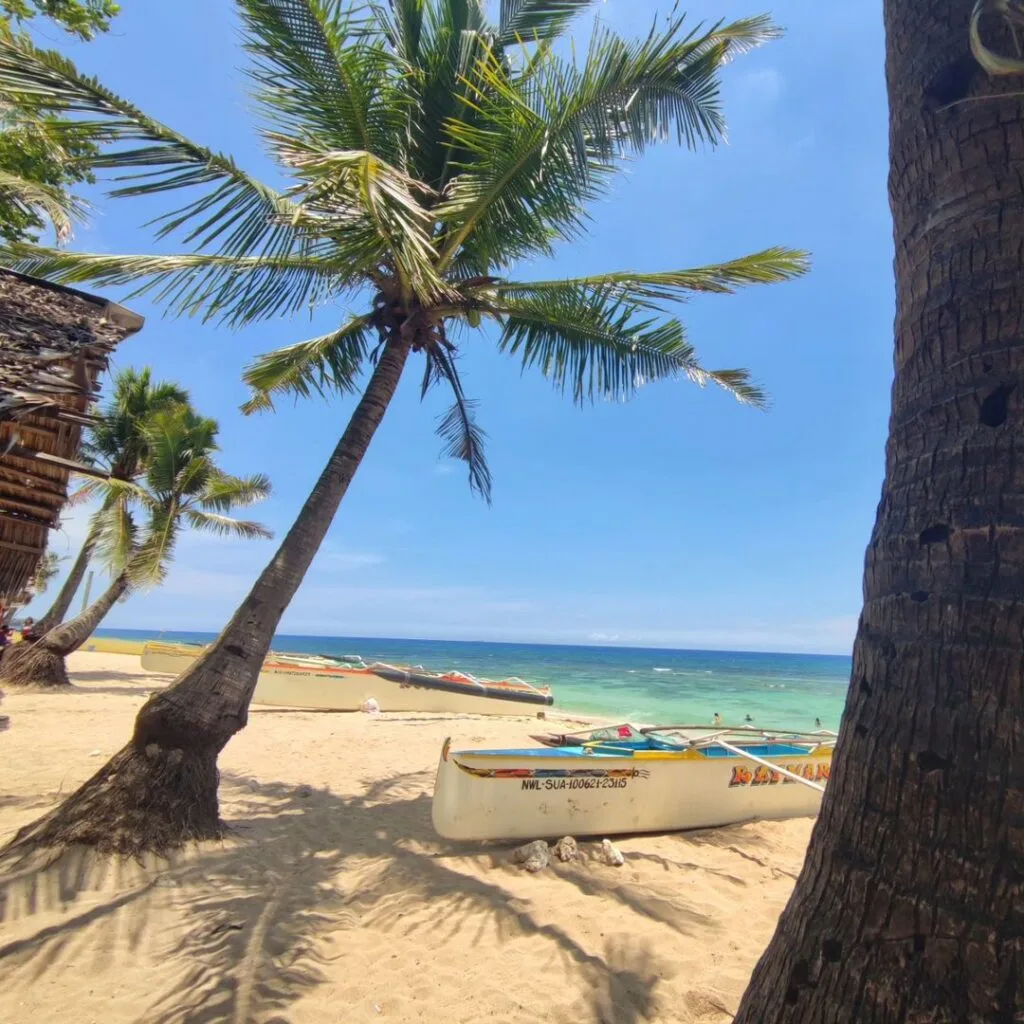
- Cottage (kubo) rental: ₱500–₱800, negotiable depending on the day and operator. During peak periods like Holy Week or the April Bangus Festival, vendors often open at ₱800 before negotiating. On a quiet weekday in August when I visited, ₱600 was the settled price after a short conversation.
- Videoke machine rental: around ₱1,000 if you add it to the cottage package. It is completely optional, though the acoustic reality of Tondaligan on a busy weekend is that you will hear everyone else’s karaoke whether you rent one or not.
- Comfort room / shower use: Use of the comfort room costs ₱5. Multiple visitor reviews note that the quality of these facilities varies. Bring wet wipes as backup.
- Parking: Vehicle parking is available at the venue. A fee may apply alongside cottage rentals. The lot is paved and wide enough for large vehicles, but it fills fast on holiday weekends. Arriving by 7:00 AM on a peak day guarantees a spot.
Dagupan City official tourism page
Getting Around Tondaligan Beach
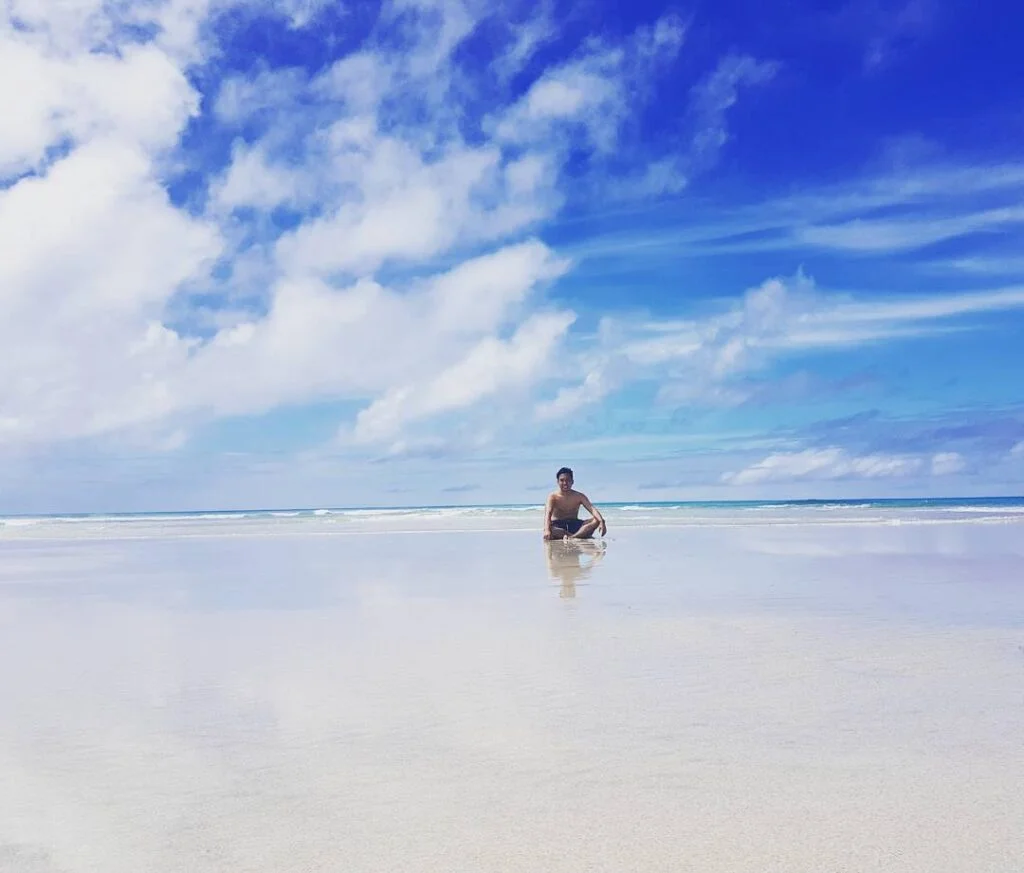
Tondaligan Blue Beach is the primary draw for many visitors to the area, offering a stretch of coastline well-suited for a leisurely stroll, enjoying the sea breeze, or simply relaxing by the water. The beach itself is wide enough that you will not feel crowded even on moderately busy days. The full walkable stretch of shore runs for several kilometres — I walked end-to-end in about 45 minutes at a relaxed pace.
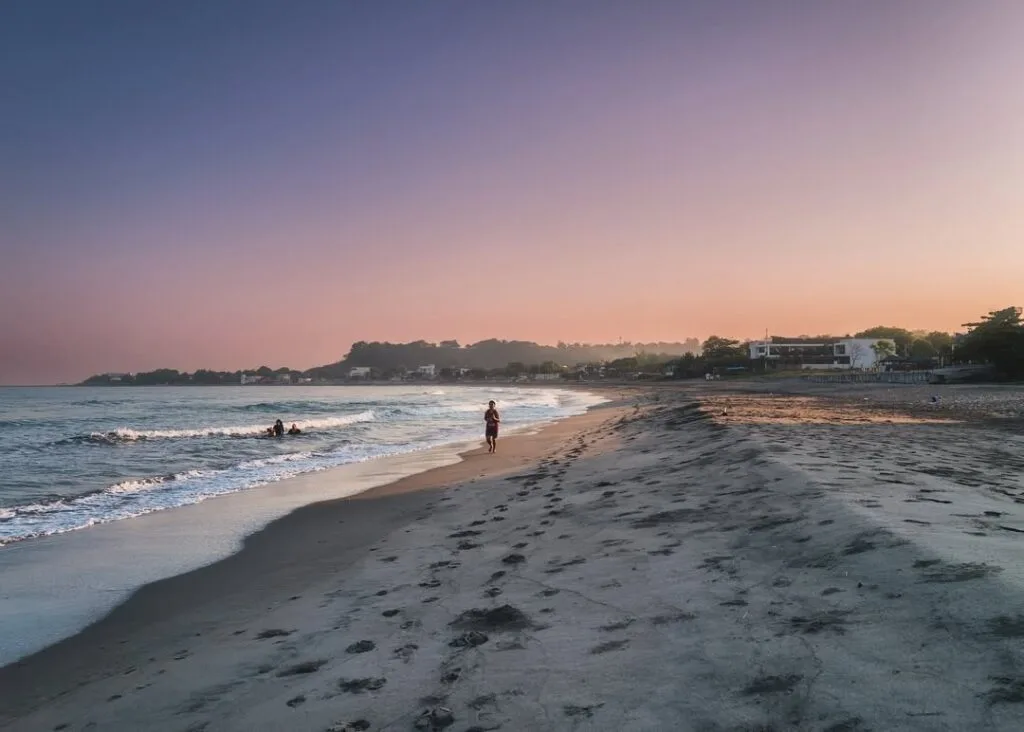
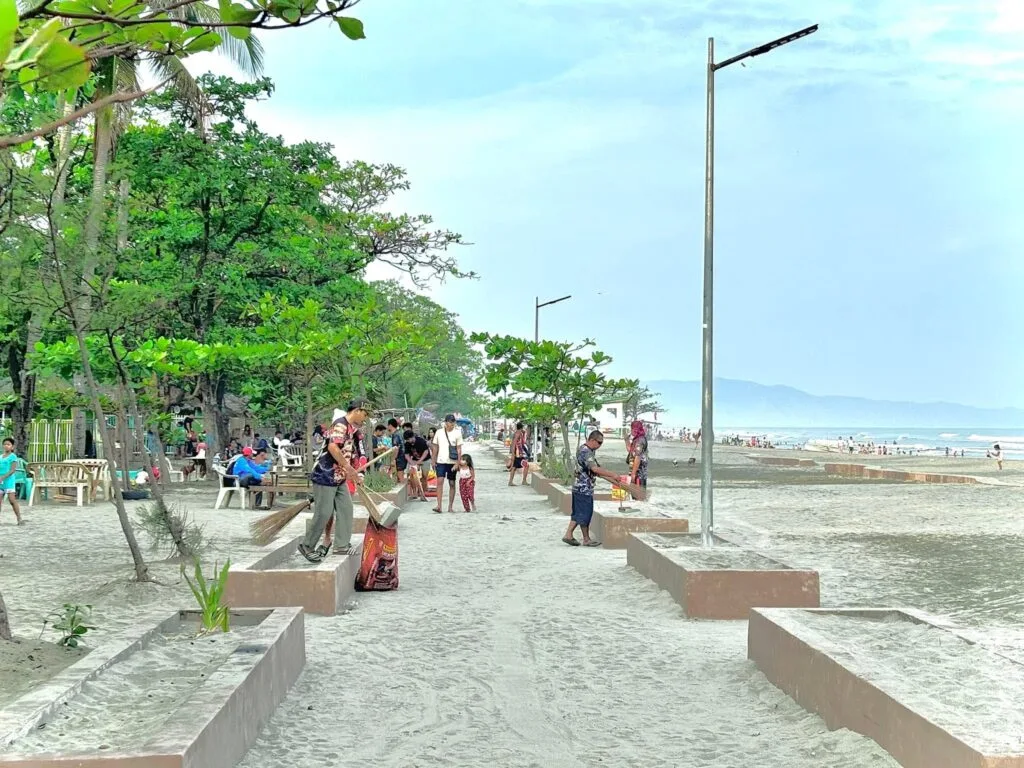
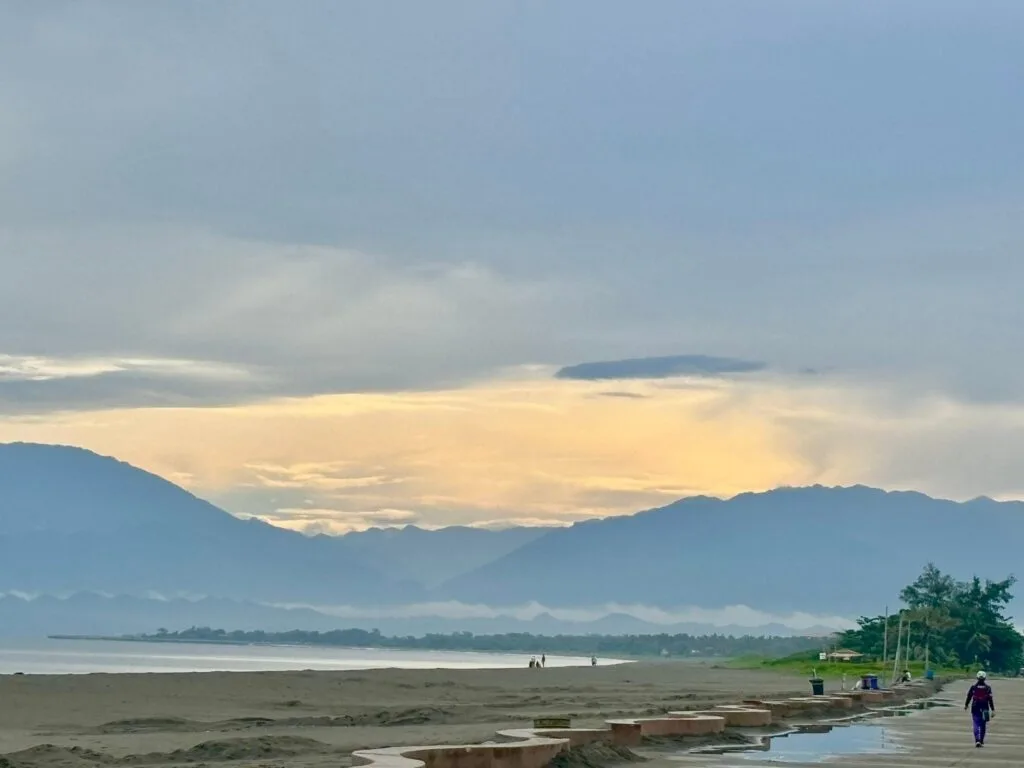
The Tondaligan Baywalk runs parallel to the beach along a paved promenade. It is the best way to move efficiently along the coast without sinking into sand. Early mornings before 8:00 AM, the baywalk is the preserve of joggers and cyclists. By mid-morning, vendors set up along its edges and foot traffic picks up significantly.
To move from Tondaligan to other parts of Dagupan City:
- Tricycles are parked just outside the beach entrance at all hours. Fares are ₱20–₱40 for short hops to restaurants or the city center.
- Taxis and ride-hailing apps (Grab is available in Dagupan) work well for longer distances like the CSI Mall or Galvan Street.
- On foot, the immediate beach area, the MacArthur Park landmark, and nearby food stalls are all walkable within 10 minutes.
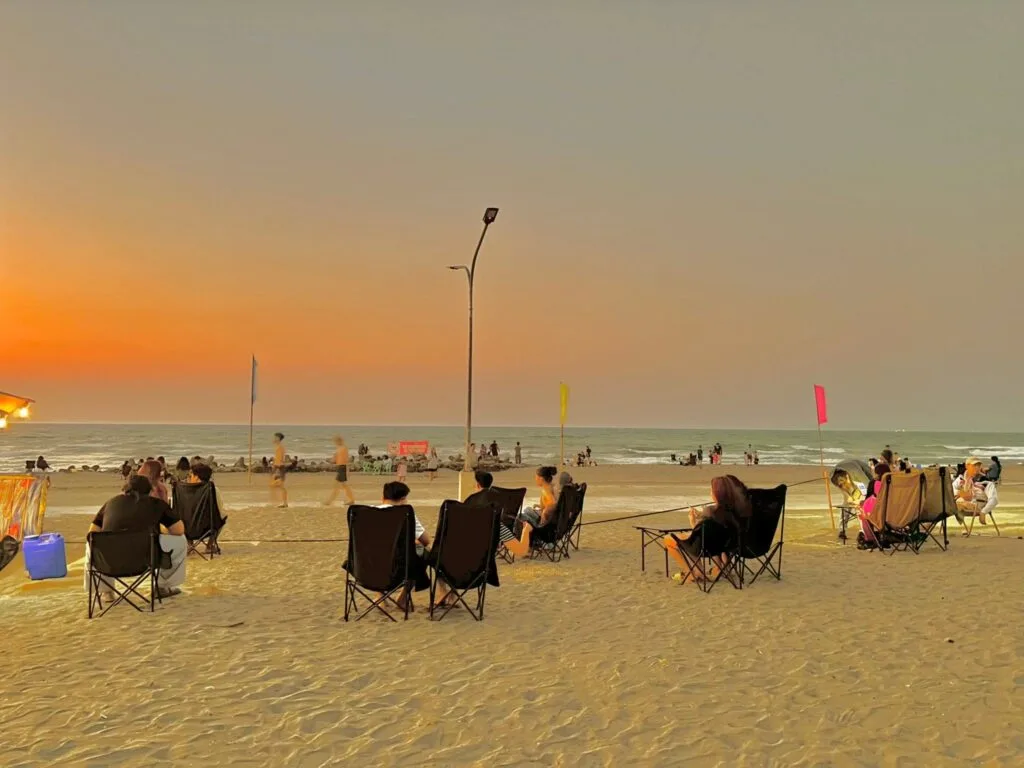
Beaches and Things to Do at Tondaligan Beach
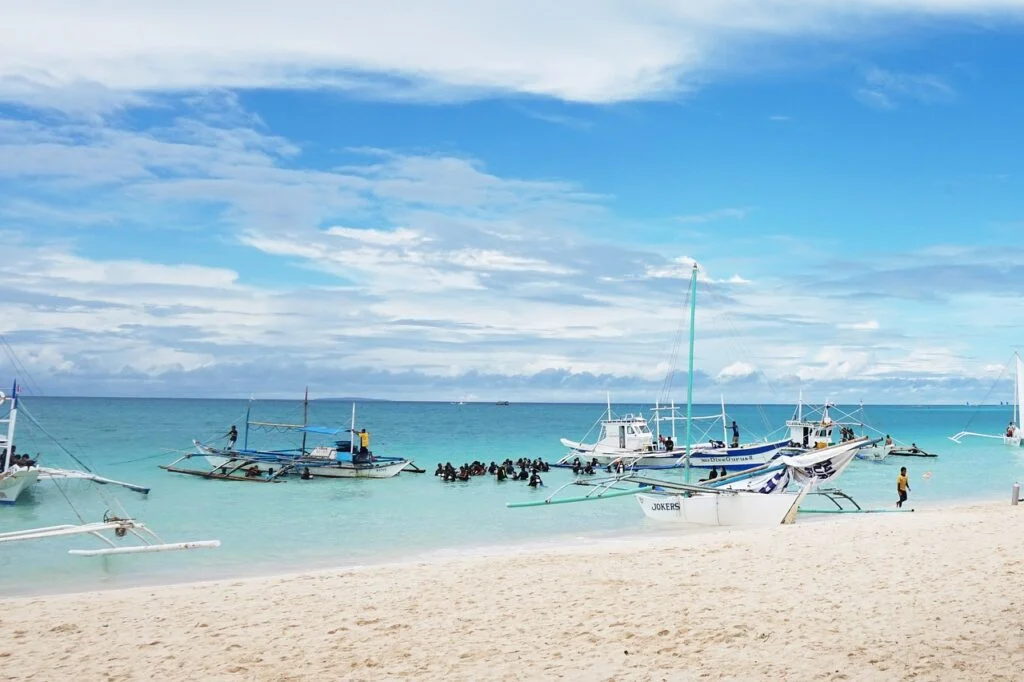
Amenities at Tondaligan Beach include an ample parking area, free use of a volleyball court, and banca rides for a minimal fee. The beach also offers clean cottages, public restrooms, showers, lifeguards, and various food stalls.
Swimming and wading are the main activities. The shoreline is wide and the entry into the water is gradual — good for children and non-swimmers who want to stand in waist-deep water without being pushed over. Waves can get high, which makes the beach enjoyable for more active swimmers, and the local government has provided lifeguards. The water colour during the dry season leans toward a clear grey-blue; during habagat months (June–October), increased wave action churns up fine sediment and reduces visibility noticeably. Swimming is still possible but the water looks murkier.
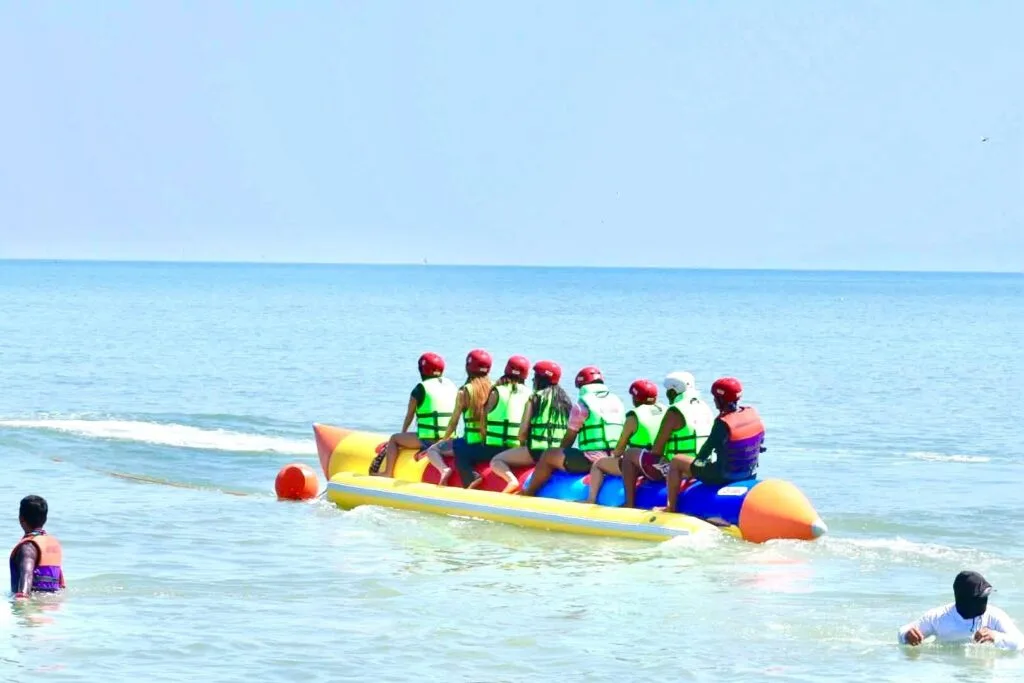
Banana boat rides are available along the shore. Guests can enjoy banana boat rides while visiting; additional fees apply for these activities. During the summer season (March–May), UFO boat rides are also available near the central section of the beach.
Volleyball courts are free to use and are often occupied by local groups in the mornings. Bring your own ball for guaranteed access.
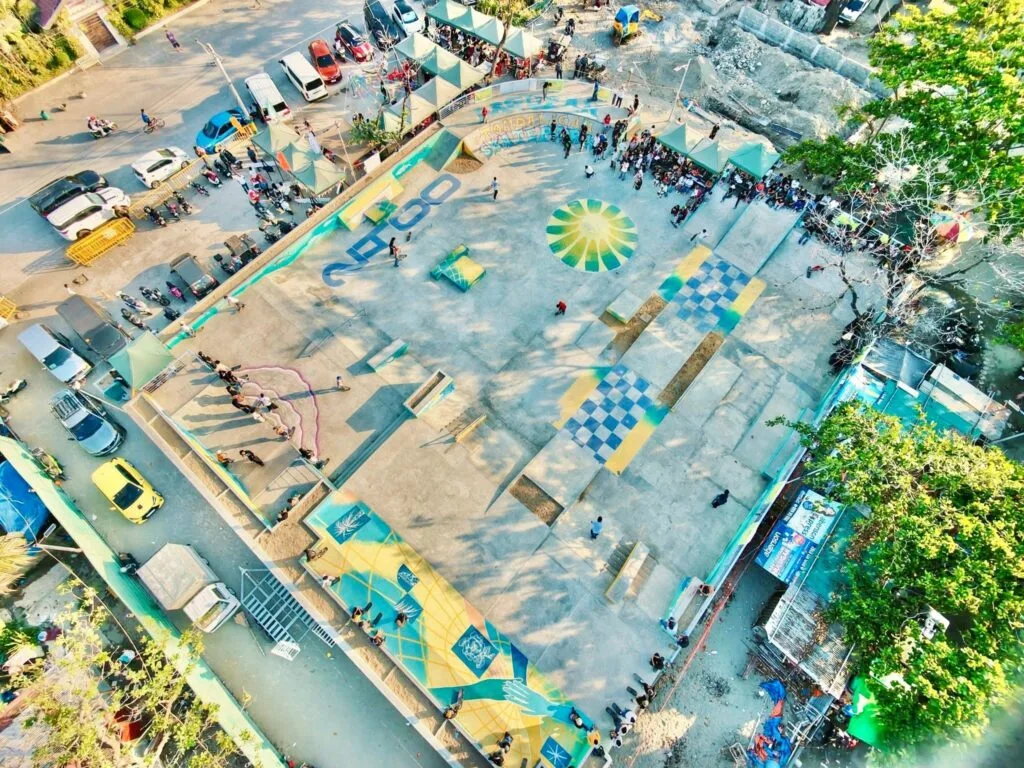
Skimboarding is genuinely popular here. The wave frequency along Tondaligan is well-suited to it — consistent small breaks that allow riders to skim the wet sand as waves retreat. During DagVibe 2026 in May, a purpose-built public skate park opened directly within the Tondaligan complex, the first public skate facility in all of Pangasinan, now operating year-round.
Pugaro Island Boat Trips — The Detail Most Guides Skip
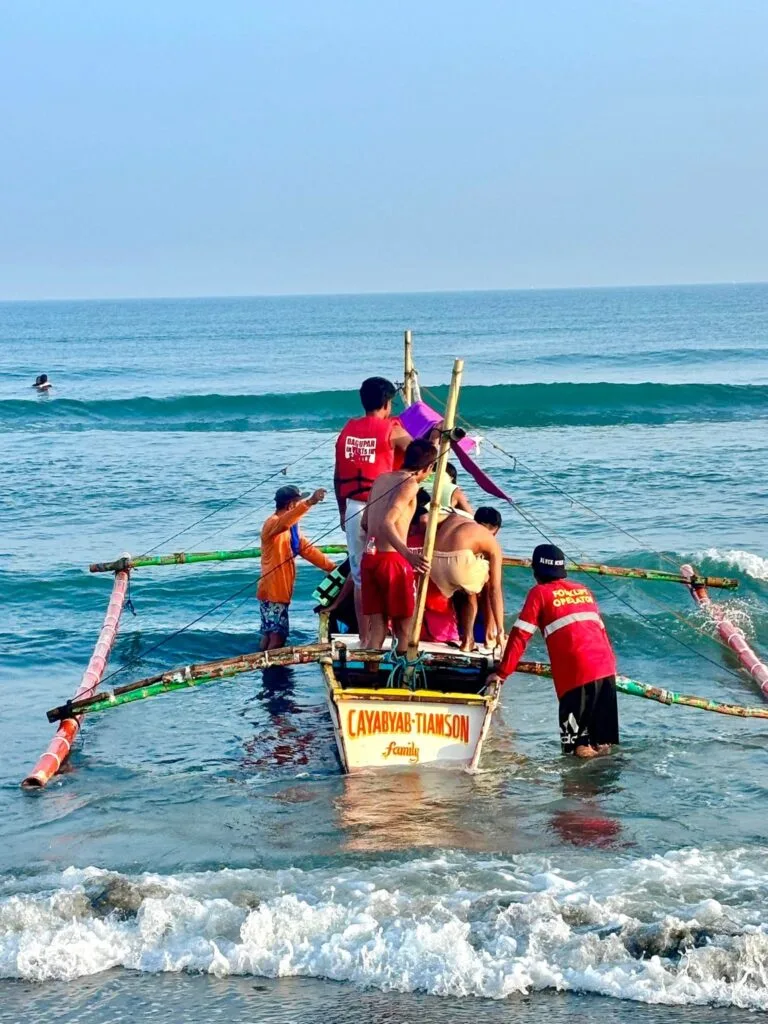
The Tondaligan Boat Yard, located across Sitio Bangus, is where you can rent a boat for island hopping to Pugaro Island. This is the information-gain that most travel aggregators omit entirely — you do not need to join a separate island-hopping tour package. You simply walk from the main beach to the Boat Yard section, negotiate a banca rate, and go.
The city government developed Pugaro, an island barangay, as a tourist destination. The unspoiled beaches of the Pangasinan island offer not just quiet shores but also panoramic views of the Lingayen Gulf. There are two ways to reach Pugaro: the easier way is by boat from the Dagupan port in Poblacion Oeste. Alternatively, you can take a longer overland route near Pangasinan State University, Binmaley Campus, and cross a small bridge. The banca from the Tondaligan Boat Yard is faster and more scenic. Coordinate with boat operators at the yard for current rates and trip duration — the ride takes roughly 15–20 minutes each way.
Pugaro is also vital to Dagupan City’s title as the milkfish capital of the Philippines, as it is one of the primary sources of bangus production. Looking down into the water as you approach Pugaro, you can see the floating fish pens that sustain the industry. It puts Dagupan’s food identity in sharp physical context in a way that no restaurant meal quite does.
For a broader look at Pangasinan’s coastal options, see our Pangasinan tourist spots guide covering the full province.
The Dagupan Milkfish Food Trail — Pair It With Your Beach Day
Dagupan’s identity as the bangus capital means eating well here is effortless and specific. The city is the Bangus Capital of the World, and the Dagupan Bangus is cooked and served in multiple ways by restaurants in the city — among the favourites are inkalot (grilled), fried boneless daing (sun-dried), and sinigang na bangus (sour soup).
House of Bangus (by Mr. Dagupeño) is the first and only Bangus Specialty Restaurant in Dagupan City. It takes pride in the superior taste of Dagupan Bangus as its main local ingredient and maximises the potential of this milkfish through a full menu of creative preparations. It is the one meal I would specifically schedule around. The boneless bangus with kamatis at sibuyas (tomatoes and onions) is the benchmark dish.
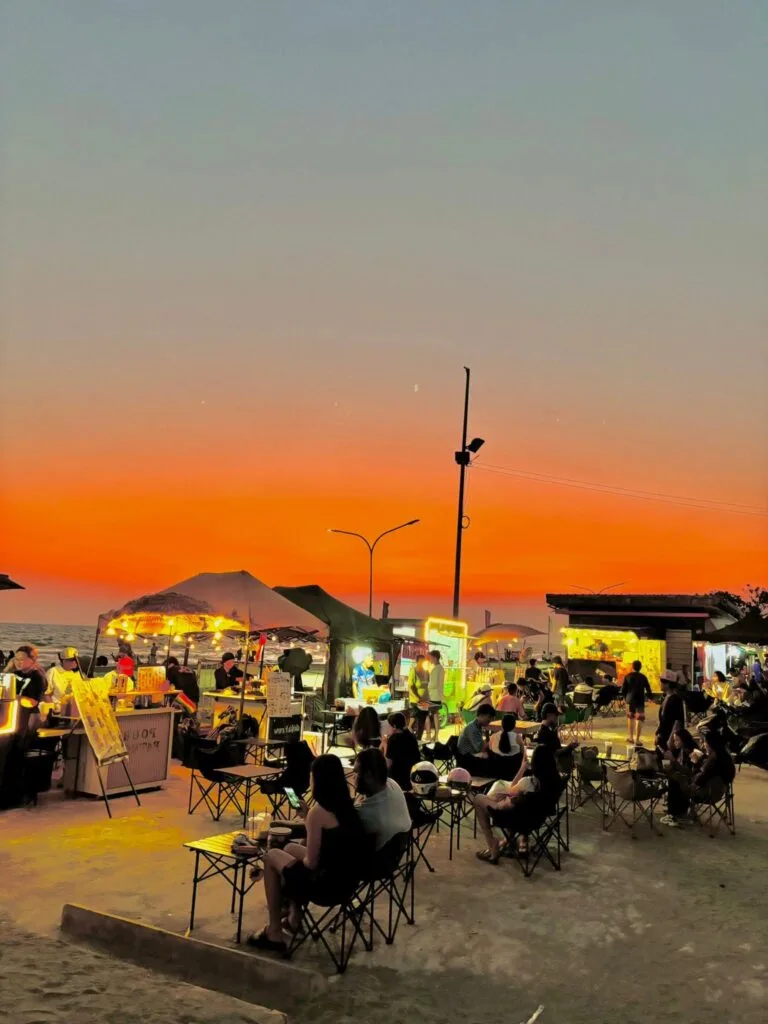
For the night after the beach, Galvan Street is the destination. Pigar-Pigar is a popular dish of thinly sliced beef or carabao meat, seasoned with salt and pepper, mixed with onions, and fried in beefy oil. It is garnished with vegetables like cabbage. Ty-An’s Pigar Pigar and Great Taste Pigar-Pigar Restaurant are the two names that locals consistently direct visitors to on that strip. The city enforces a 5:00 PM swimming curfew at Tondaligan, which means by 5:30 PM, thousands of beachgoers are looking for dinner. Head to Galvan Street before 6:30 PM to avoid waiting in a long queue.
Check our dedicated Bangus Festival guide for the full event calendar if you plan to visit in April.
Best Time to Visit Tondaligan Beach
The best time to visit Tondaligan Beach is during the dry season, which typically runs from November to April. During these months, the weather is pleasantly warm and ideal for beach activities.
Here is how the year breaks down month by month for this specific beach:
November–February (amihan / northeast monsoon): This is the most comfortable window. Temperatures sit around 24–28°C. The Lingayen Gulf is calmer during this period, which makes the water safer and cleaner. Weekdays are quiet. This is the best time for first-timers who want a relaxed, uncrowded experience.
March–May (peak dry season): Water conditions are still good but this is also the busiest period. As the amihan season wanes, the heat intensifies, with April and May being the hottest months — daily highs frequently exceed 34°C. The Bangus Festival dominates the entire month of April, culminating in the massive Bangusan Street Party on April 30. If you want to experience the festival, book hotels two to three months in advance. Holy Week is the single most congested period of the year — parking capacity at Tondaligan reaches its limit well before 9:00 AM.
June–October (habagat / southwest monsoon): Wave height increases noticeably from July onward. Rip currents become more likely during sustained southwesterly winds. Visibility drops in the water due to swell-churned sediment. Rain showers are frequent but rarely all-day. This is still a viable time to visit — the beach is far less crowded — but you need to read sea conditions carefully each morning before entering the water.
September–October carries the highest typhoon risk for Pangasinan. Monitor PAGASA advisories if you plan to travel during these months.
Where to Stay at Tondaligan Beach
The full accommodation spectrum near Tondaligan covers budget bunks to a 4-star resort a few kilometres away.
Right at the beach — budget and mid-range:
Just 372 metres (a two-minute walk) from Tondaligan Blue Beach is the Tondaligan Beach Hotel, offering 21 air-conditioned rooms with free Wi-Fi. Standard rooms start around ₱2,700 per night; a family room accommodating up to 7 guests costs ₱4,547–₱5,602 all-in. The hotel provides free self-parking, which matters enormously if you drove up from Manila. There is no pool — the beach replaces it.
RedDoorz @ Nenas Hotel is located just 0.28 km from the beach with rooms from ₱1,467 per night. It is the closest budget option with standardised amenities including free Wi-Fi and daily housekeeping.
Near the city center:
Value Star Inn on A.B. Fernandez Avenue runs ₱920–₱1,256 per night across 99 rooms. It is within walking distance of Nepo Mall and the Dagupan City Plaza. Good for travellers who want to explore the city as much as the beach.
Upscale option:
The Monarch Hotel in Calasiao — roughly 4 km from Tondaligan — is the area’s 4-star property. Rates run $79–$139 USD (approx. ₱4,500–₱7,900) per night. It features an outdoor pool, children’s pool, fitness center, and free valet parking. If you are travelling with children who need a pool, this is the practical choice.
For extended stays with self-catering, Jora Residences in Bonuan Boquig offers kitchenette-equipped apartments from ₱1,995 per night — rice cookers included, which matters for families cooking their freshly purchased bangus.
Budget Breakdown for Visiting Tondaligan Beach
| Expense | Estimated Cost (PHP) |
|---|---|
| Bus fare from Manila (one way) | ₱498–₱700 |
| Private car toll (Manila–Dagupan, one way) | ₱400–₱500 |
| Tricycle from bus terminal to beach | ₱20–₱120 |
| Beach entrance fee | Free |
| Parking fee | ₱20–₱50 (varies) |
| Cottage rental (per day) | ₱500–₱800 |
| Videoke machine (optional) | ₱1,000 |
| Banana boat ride | ₱100–₱200 per person |
| Comfort room / shower use | ₱5–₱20 per use |
| Pugaro Island banca (negotiate at Boat Yard) | ₱300–₱600 per boat (estimate) |
| Beachfront food stall meal | ₱80–₱200 per person |
| Pigar-Pigar dinner at Galvan Street | ₱150–₱300 per person |
| Budget hotel (per night) | ₱920–₱1,467 |
| Mid-range hotel (per night) | ₱2,700–₱3,500 |
What to Pack for Tondaligan Beach
Because Tondaligan is a drive-up beach, you can carry items impossible to bring on a boat trip or long trek. Take advantage of your car’s boot.
| Item | Essential? |
|---|---|
| Reef-safe sunscreen (SPF 50+) | Yes |
| Portable cooler with drinks and snacks | Yes — helpful for long days |
| Beach umbrella or pop-up shade tent | Yes — the midday sun is strong |
| Foldable chairs or a mat | Yes |
| Change of clothes x2 | Yes |
| Waterproof bag for phones and valuables | Yes |
| Small amount of cash in coins (₱5, ₱10) | Yes — for comfort room fees |
| Flip-flops + closed shoes | Yes |
| Reusable water bottle | Yes — dehydration risk is real |
| Portable Bluetooth speaker | Optional |
| Snorkel and mask | Recommended if doing Pugaro Island trip |
| First aid kit | Recommended |
| Bug repellent (evenings) | Recommended |
| Tent (if camping) | Optional — camping-friendly areas available |
Safety Tips for Visiting Tondaligan Beach
Tondaligan is a safe beach for families, but specific hazards need direct attention.
Swimming curfew — 5:00 PM is firm. The municipal government enforces a strict exit-the-water curfew at 5:00 PM daily. The beach is safe, waves can get high, and the local government has provided lifeguards. The curfew exists because evening currents along the Lingayen Gulf become unpredictable as tidal flow reverses after sunset. Do not test this rule — the lifeguards will call you out.
Rip currents. Tondaligan does produce localised rip currents, particularly during habagat months (June–October) when southwest swells push water diagonally across the beach. A rip current is identifiable as a channel of churned, choppy, often discoloured water moving away from shore. If you are caught in one, do not swim directly back to shore against it. Swim parallel to the beach — either left or right — until you exit the rip channel, then swim diagonally back to land. Lifeguards are present but stationed at intervals; do not rely on them seeing you immediately.
Sun and dehydration. The open shoreline offers almost no natural shade. Between 10:00 AM and 3:00 PM, UV intensity is high. Reapply sunscreen every 90 minutes. Drink water regularly — at least 500 ml per hour in peak heat. Symptoms of heat exhaustion (dizziness, headache, nausea) can arrive fast when you are in direct sun with no shade, especially for children.
Boat safety on the Pugaro Island banca trip. Ask the boat operator for life vests before departure and confirm there is one per person. This is non-negotiable. Banca boats on the Lingayen Gulf are stable in calm conditions but vulnerable in unexpected wind chop. If skies darken quickly, return to shore — postpone the trip.
Sea urchins and sharp coral. Near the Pugaro Island area and in sections of the Lingayen Gulf with rocky substrate, sea urchins cluster in shallow rocky zones. Wear aqua shoes or thick reef shoes when entering the water away from the main sandy beach. Do not step on coral.
Jellyfish. Jellyfish presence in the Lingayen Gulf tends to increase between August and October, coinciding with warmer inshore water temperatures during late habagat. If you spot jellyfish in the water near you, exit calmly — they are not aggressive but contact with tentacles causes immediate stinging pain. Vendors sometimes sell vinegar-based first aid near the shore, which helps neutralise some jellyfish stings. If stinging is severe or systemic (difficulty breathing, chest tightness), seek medical help immediately.
Children and sandbar tides. The beach has a gradual slope, but parts of the shoreline drop more suddenly in sections away from the main swimming area. Keep children within sight at all times. During low tide, sandbanks can extend further out — at high tide, the same areas become deeper quickly.
What I Would Do Differently Next Time
I visited Tondaligan Beach in August 2026 — solidly in the middle of habagat season. The waves were energetic and the beach had a genuinely different character from the flat, gentle dry-season photos I had seen. That part was a pleasant surprise. What I would change:
Arrive by 7:30 AM. I got there at 9:30 AM on a Saturday. The parking lot was two-thirds full by then, and the most-shaded cottage positions along the tree-lined section of the beach were taken. A 7:30 AM arrival means first pick of both.
Book the Pugaro Island banca the evening before. I walked over to the Tondaligan Boat Yard mid-morning and the operator told me his boat was already committed for two group trips that day. I ended up not going. Coordinate with a boat operator the night before — ask your hotel front desk for the current contact at the Boat Yard.
Eat Pigar-Pigar first, not as an afterthought. I had a full meal at a beachfront food stall at 3:00 PM, then was not hungry enough to properly eat at Galvan Street by 7:00 PM. Plan the beach day to end on a light snack, save genuine appetite for the Pigar-Pigar strip.
Pack a spare pair of dry clothes and a small towel separately from the main beach bag, stored in the car. Wet clothes and a damp bag in a confined vehicle for a five-hour drive home are unpleasant in a way that is entirely avoidable.
Tondaligan Beach vs. Hundred Islands Pangasinan
These two destinations share a province but serve very different trip styles. Hundred Islands requires a boat to reach every single island, involves ferry logistics from the Lucap Wharf in Alaminos, and rewards travellers who want an active, island-hopping-heavy experience. See the full Hundred Islands DIY guide for those logistics.
Tondaligan Beach wins on convenience, cost, and flexibility. You drive directly to the shore, walk onto free sand, and choose your level of activity. You can bring a cooler, a beach tent, and the whole extended family without any weight or loading constraint. Island hopping is still available via Pugaro Island from the Boat Yard — it simply isn’t the main event.
If your priority is the whitest sand and most vibrant marine life in Pangasinan, Patar Beach in Bolinao wins that comparison. Our Patar Beach Bolinao guide covers the logistics for that more remote beach. For the broader Bolinao area including its waterfalls and sea turtle sanctuaries, the Bolinao tourist spots guide is the starting point.
Tondaligan’s strength is that it anchors a full two-day trip: beach day one, Dagupan food and culture day two. No other free beach in Pangasinan gives you this combination within walking or short driving distance.
Frequently Asked Questions About Tondaligan Beach
Is Tondaligan Beach free to enter?
There is no entrance fee required to access Tondaligan Blue Beach. Visitors only need to prepare for cottage fees and other optional services. No environmental fee is charged at the gate as of August 2026. The only guaranteed cost beyond getting there is if you rent a cottage, which runs ₱500–₱800 and is negotiable.
How do you get to Tondaligan Beach from Manila by bus?
Five Star Bus operates daily trips from Cubao, Metro Manila to Dagupan in approximately 5 hours at a fare of ₱498. Solid North also departs from PITX (Parañaque Integrated Terminal) to Dagupan daily. Once at the Dagupan bus terminal, take a tricycle to Tondaligan Beach for ₱20–₱120 depending on whether you share the ride.
Can you swim at Tondaligan Blue Beach?
Yes — swimming is one of the main activities at the beach and lifeguards are on duty. The important rule to know is the 5:00 PM water curfew: all swimmers must exit the water by 5:00 PM daily. The municipal government enforces this because evening currents on the Lingayen Gulf increase drowning risk significantly after sunset. Morning hours before noon offer the calmest conditions.
What are the cottage rental rates at Tondaligan Beach?
Cottage (kubo) rental runs approximately ₱500–₱800 per day depending on the operator and time of year. These are small, thatched bamboo shelters with a table and benches, sufficient for 6–8 people. The price is negotiable — operators quote higher on weekends and holidays. An added videoke machine costs around ₱1,000 extra. Arrive early for the best positioning along the shoreline.
What is the best time of day to visit Tondaligan Beach?
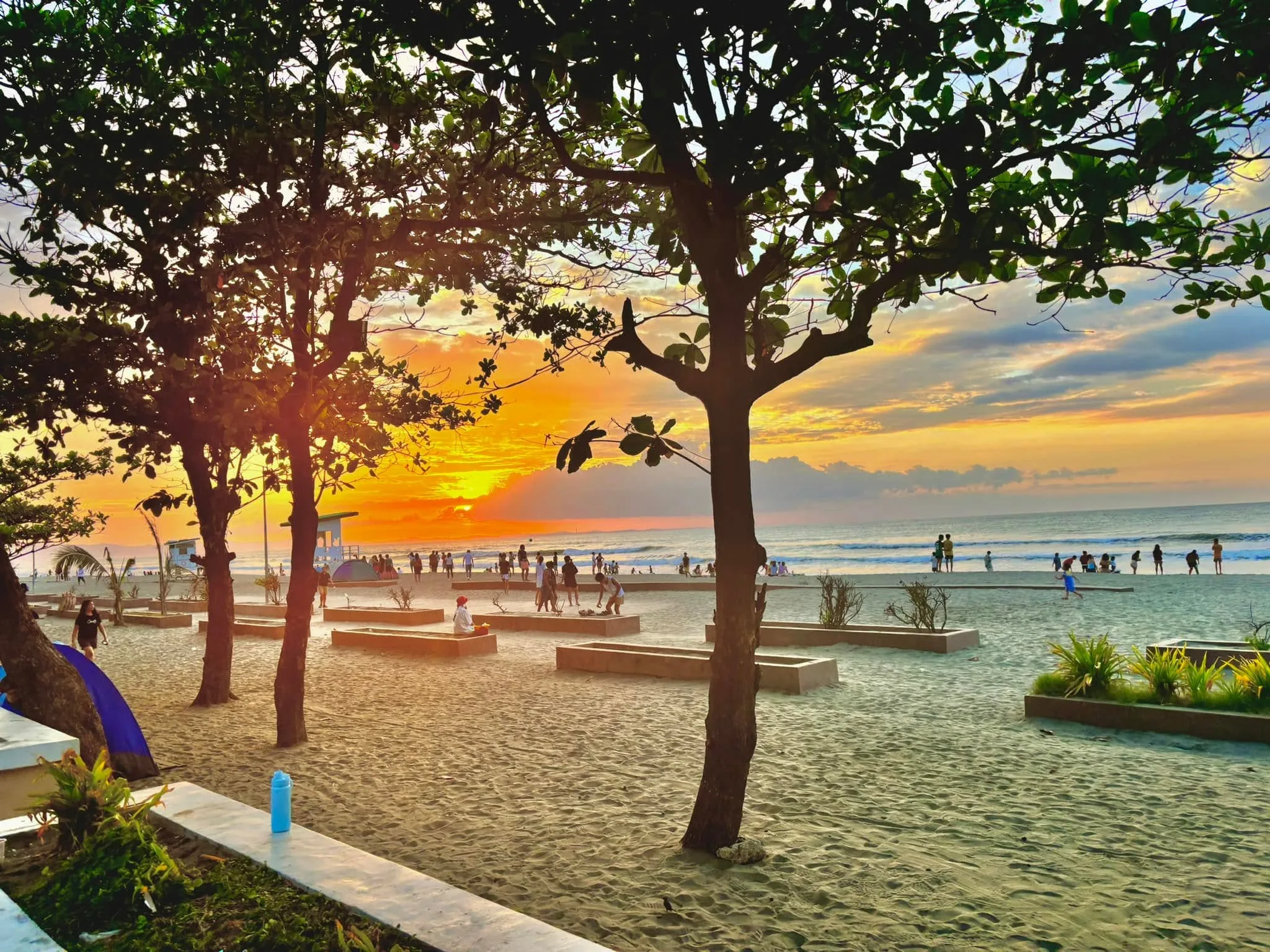
Early mornings and late afternoons are particularly popular for visitors looking to enjoy the beach at its finest. Early morning (before 9:00 AM) means cooler temperatures, easier parking, and first choice of cottage positions. Late afternoon before the 5:00 PM curfew is when the baywalk sunset views are at their best — the western sky over the Lingayen Gulf produces vivid colours between 5:15 and 6:00 PM, and the baywalk fills with locals and visitors watching it together.