The 10 best places to travel with kids in the Philippines are:
- Manila
- Tagaytay
- Bohol
- Cebu
- Boracay
- Palawan
- Siargao
- Davao
- Camiguin
- Batangas
I’ve ranked each one with verified 2026 entrance fees, child exemption age cut-offs, and the DSWD documents every solo or single-parent family needs before boarding places with kids.
Having covered 69 of the Philippines’ 82 provinces since 2015, the one gap I keep seeing on every ranking page for places with kids is the budget framework: lists tell you where to go, but not what a family of four actually pays gate-to-gate, or which destinations trip families up at check-in because of missing paperwork.
This is that guide.
- Child age threshold: Most Philippine attractions set the free-entry cut-off at 3 years old or younger; the discounted-child rate (usually 50% off adult) applies from age 4 to 11 or 12, depending on the site. Always bring a birth certificate or school ID as proof.
- Solo-parent document: A solo parent or any adult travelling with a minor who is not accompanied by both parents must carry a DSWD travel clearance for the child when visiting places with kids. Processing takes three to five working days and costs ₱500 to ₱1,000. Arriving at the departure gate without it means the child cannot board.
- One month to avoid: July is the worst month to fly inter-island with kids, it sits inside peak typhoon season and school holidays have just ended, leaving flight cancellations high and rebooking windows tight.
- Price gap: A two-night family-of-four trip to Palawan (El Nido) runs ₱40,000 to ₱50,000 all-in. The same duration in Batangas or Camiguin costs ₱18,000 to ₱25,000. The ₱20,000 difference is real and consistent.
- Cheapest is not always easiest: Camiguin requires a flight to Cagayan de Oro plus a two-hour van and a ferry crossing. That multi-leg journey with a toddler costs more in energy than in pesos, and the island has no paediatric hospital (as of September 28, 2026).
Table of Contents
What makes a Philippine destination truly family-friendly?
Four criteria shaped the ranked list of places with kids below, and they are worth stating plainly so you can weight them for your own family.
Child safety infrastructure means lifeguarded beaches or supervised water activities, not just calm-looking water. A resort pool with no depth markings and no attendant fails this, even at ₱8,000 a night. Destinations where the main draw involves open ocean crossings longer than 30 minutes without life vests provided scored lower for families with children under six.
Entrance fee transparency means the fee is posted at the gate on a physical board, the child discount threshold is written down, and the rate is collected uniformly. Several popular falls and springs around the Visayas still collect barangay fees on the road and a separate conservation fee at the site, with neither amount written anywhere. Those destinations are not on this list.
Travel time from Manila under six hours is a practical ceiling for families with young children. Beyond six hours, a child who is tired, carsick, or hungry turns logistics into a crisis. Destinations that require an overnight bus followed by a morning ferry were left off the shortlist regardless of how good the beaches are.
DSWD and document requirements is the criterion every other ranking page ignores. Any minor travelling without both parents needs either a DSWD travel clearance or, for inter-island travel on domestic carriers, a notarised parental consent letter plus the accompanying adult’s valid ID. The requirements differ slightly by airline and by ferry operator, and a mismatch at check-in will strand your family. That reality shapes the document section later in this guide.
What was deliberately left off the list: Batad Rice Terraces (Ifugao) and Mayon Volcano area (Albay). Batad requires a two-hour mountain hike each way and has zero child safety infrastructure at the terraces themselves. Mayon had a significant eruption event in January 2026 that triggered a permanent exclusion zone adjustment; until the zone is formally revised by PHIVOLCS and published, I am not putting places with kids near it.
Best Places to Travel With Kids: the 2026 Ranked List
These are the ten destinations in order, each with the case for going, the verified 2026 entrance fees, child exemption thresholds, and the one logistics caveat you need to know before booking.
Fares as of September 28, 2026. When fuel prices climb, these fares follow within weeks, so bring small bills and a small buffer.
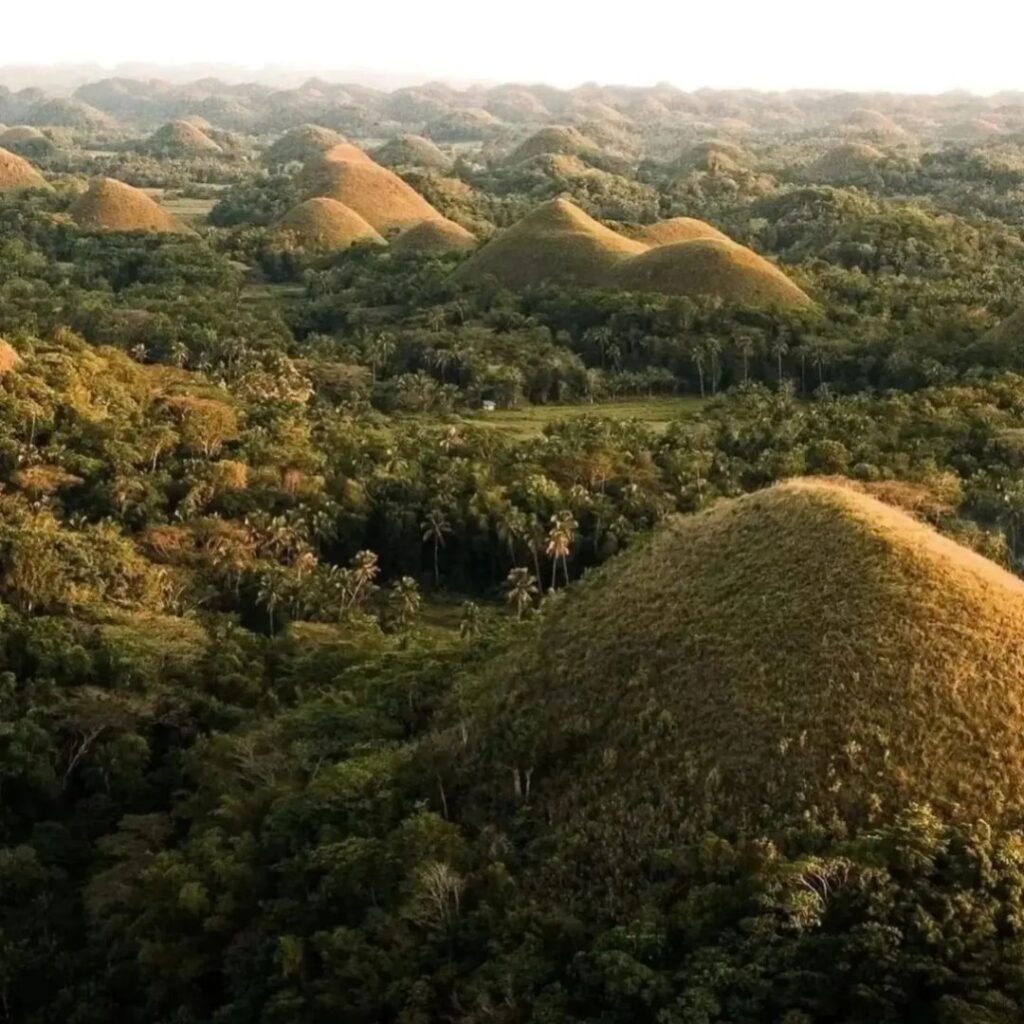
1. Bohol is the most consistent all-ages destination in the Philippines right now. The Chocolate Hills viewpoint fee is ₱50 per person with no child exemption below the standard threshold; the Philippine Tarsier Sanctuary charges ₱100 per person.
Children under three enter both sites free. The Loboc River Cruise runs approximately ₱450 per adult; children three and under ride free, four to eleven pay half.
The biggest logistics caveat: the tarsier sanctuary requires strict silence, children who cannot stay quiet for 20 to 30 minutes will distress the animals and get asked to leave. Age four is the practical floor, not the posted one.
2. Manila is the easiest entry point for families who have never travelled domestically, because everything is one Grab ride away. Manila Ocean Park charges ₱1,300 per adult and ₱300 per child (ages four to eleven); children three and under enter free. Rizal Park itself is free. The logistics caveat is traffic: a 9 km trip from Makati to Intramuros can take 45 minutes in school-day morning traffic, so build buffer time into every itinerary.
3. Cebu earns its place among the best places with kids because it pairs an international airport with resort beaches on Mactan and nature day trips to the south, all within a single island. Whale shark interaction at Oslob costs ₱1,500 per adult and ₱750 for children aged four to eleven; children under three are not permitted in the water.
Kawasan Falls canyoneering runs approximately ₱1,500 per head for the guided group rate, ages ten and up only. The caveat: Southern Cebu is three to four hours by road from Mactan. Doing Oslob and Kawasan in the same day with children under eight is a mistake, the return drive after a full activity day turns into a very unhappy van.
4. Boracay remains the most practical beach destination for families with toddlers. Station 1’s shoreline is shallow for 30 to 40 metres out, a toddler can stand up and walk back.
The island’s tourism authority limits daily arrivals, which keeps the beach from the overcrowding that made it unpleasant before 2018. No beach entrance fee applies at White Beach itself. From Caticlan airport, the van transfer costs ₱100 per person and the boat to the island costs ₱100 per person regardless of age.
The caveat: flights to Caticlan (1 hour 20 minutes from Manila) are more expensive than flights to Kalibo (1 hour), but the Kalibo-to-island journey adds 1.5 to 2 hours by van. With a toddler, pay the extra and fly Caticlan.
5. Palawan (Puerto Princesa) is the strongest single-activity destination on this list. The Underground River permit costs ₱700 per person; children under three are exempt.
The experience, a flat-bottom boat through cathedral-sized caves, works for children aged five and up with no physical requirements. The caveat: the permit has a daily quota and sells out months ahead for peak-season dates (December to February). Book the permit before you book the flights, not after.
6. Tagaytay is the correct answer when families want a two-day break from Manila without airports or ferries. Sky Ranch charges approximately ₱300 per ride or a bundle rate per person; children below the posted height limit on each ride enter the park but cannot ride certain attractions. The logistics caveat is the Taal Volcano alert status. The Philippine Institute of Volcanology and Seismology (PHIVOLCS) publishes daily alerts; when the status is at Level 1 or above, boat tours to the volcano island stop, which removes one of the main draws for older kids.
7. Davao is the right Mindanao base for families who want nature without rough logistics. The Philippine Eagle Center charges approximately ₱2,000 for a family of four; the Eden Nature Park day pass runs ₱2,000 for the same group.
Davao International Airport has daily direct flights from Manila (approximately 2.5 hours). The caveat: Samal Island beach resorts require a separate 30-minute ferry from the Sasa wharf, and the ferry schedule is infrequent. Missing the last boat means an unplanned overnight on the island or a very expensive speedboat charter back.
The Magpupungko Rock Pools are the exception, at low tide they form natural, shallow pools that are safe for ages four and up, and the entrance fee is minimal (approximately ₱30 per person). The caveat: Siargao has no hospital with paediatric intensive care on the island.
The nearest full hospital is in Surigao City, roughly three hours away by boat and road combined. That is not a reason to skip it, but it is a reason to think carefully if you are travelling with a child who has a chronic medical condition.
9. Camiguin is the cheapest destination on this list in absolute terms, a family of four can do two full days including accommodation, food, and activities for ₱20,000 to ₱25,000 including flights. White Island boat transfer costs approximately ₱1,200 for the whole boat (not per person), and Katibawasan Falls charges ₱80 per adult.
Children under three are generally waved through at the smaller Camiguin sites. The caveat: getting there requires either a direct flight to Camiguin Airport (small aircraft, limited schedule) or a flight to Cagayan de Oro followed by a two-hour van and a one-hour-and-15-minute RORO ferry. Plan the journey day as a travel day only, not an activities day.
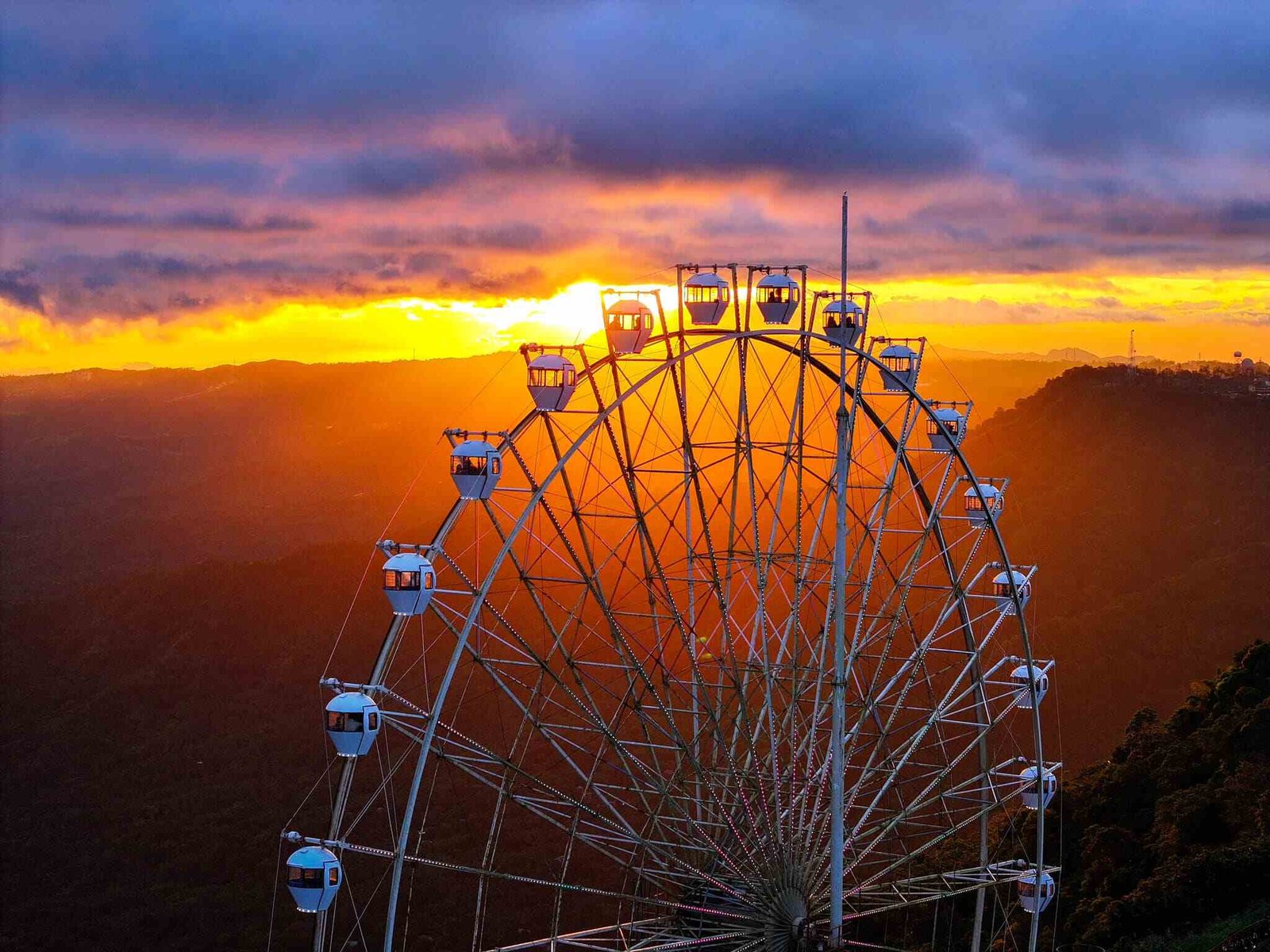
10. Baguio rounds out the list of places with kids as the only mountain destination, and it earns its place specifically for families travelling during the March-to-May summer heat. The cool 15 to 24 degrees Celsius climate is a genuine relief for children who overheat at sea-level beaches.
Burnham Park boat rentals and park entry are under ₱100 per person. The caveat: Baguio’s winding mountain approach road causes motion sickness in a significant number of children. Pack medication before you leave, not after you arrive, the pharmacy at the Victory Liner terminal in Baguio is there precisely because families keep needing it on the way up.
What does a family of four actually spend per destination?
Every budget below covers two nights, transport from Manila, accommodation, three meals a day, and entrance fees for two adults and two children aged four to eleven at places with kids. Child discounts are applied where the site posts them. Peak-season surcharges (Christmas week, Holy Week) are not included, expect accommodation to rise 30 to 50 percent during those windows.
Fares for places with kids as of September 28, 2026. Transport costs in the Philippines follow fuel prices closely, so a diesel price spike of ₱5 per litre can add ₱200 to ₱500 to a family van rental overnight.
Manila
- Transport from Manila: ₱1,500 (Grab)
- 2-night accommodation: ₱8,000–12,000
- Meals + fees: ₱9,800
- Family total: ₱18,000–22,000
Tagaytay
- Transport from Manila: ₱3,000–4,000 (van)
- 2-night accommodation: ₱8,000–12,000
- Meals + fees: ₱9,000
- Family total: ₱18,000–20,000
Baguio
- Transport from Manila: ₱2,000 (bus + trike)
- 2-night accommodation: ₱8,000–16,000
- Meals + fees: ₱8,000
- Family total: ₱15,000–20,000
Bohol
- Transport from Manila: ₱8,000 (flights)
- 2-night accommodation: ₱8,000–14,000
- Meals + fees: ₱11,000
- Family total: ₱30,000–35,000
Cebu
- Transport from Manila: ₱6,000 (flights)
- 2-night accommodation: ₱15,000–24,000
- Meals + fees: ₱24,000
- Family total: ₱50,000–60,000
Boracay
- Transport from Manila: ₱15,000 (flights + boat)
- 2-night accommodation: ₱15,000–24,000
- Meals + fees: ₱13,600
- Family total: ₱30,000–35,000
Palawan (PPS)
- Transport from Manila: ₱10,000 (flights)
- 2-night accommodation: ₱15,000–30,000
- Meals + fees: ₱14,500
- Family total: ₱40,000–50,000
Siargao
- Transport from Manila: ₱8,000 (flights)
- 2-night accommodation: ₱15,000
- Meals + fees: ₱23,000
- Family total: ~₱46,000
Davao
- Transport from Manila: ₱8,000 (flights)
- 2-night accommodation: ₱10,000
- Meals + fees: ₱11,000
- Family total: ₱25,000–30,000
Camiguin
- Transport from Manila: ₱10,000 (flights + van + ferry)
- 2-night accommodation: ₱4,000–6,000
- Meals + fees: ₱5,800
- Family total: ₱20,000–25,000
A few notes on where these numbers move. Cebu’s total is high because the best family activities, whale shark interaction, a van to Southern Cebu, canyoneering, each carry a significant per-head fee on top of already expensive Mactan resort rates. Siargao’s accommodation is competitively priced but the boat tours (Sugba Lagoon at ₱6,000, island hopping at ₱8,000) push the total up fast. Camiguin inverts the pattern: the on-island costs are low, but the multi-leg journey from Manila makes the transport line the most expensive relative to what you get.
The Palawan number covers Puerto Princesa only. An El Nido extension adds another ₱15,000 to ₱20,000 for transport and accommodation alone. For a full Palawan itinerary breakdown, the detailed numbers are in the Palawan budget guide.
Child discounts reduce the entrance fee total by roughly ₱500 to ₱2,000 per family depending on the destination, assuming two children aged four to eleven. Always carry birth certificates or school IDs. A site that posts a child rate but cannot verify the age will charge the adult rate at the gate.

What documents does a family need before boarding?
The single most common reason Filipino families get held at a departure gate is a missing or incomplete DSWD travel clearance. The rule is straightforward. Any minor travelling without both parents present needs either a DSWD travel clearance or a notarised affidavit of consent from the absent parent. This applies whether one parent is deceased, working abroad, separated, or simply staying home.
The DSWD travel clearance costs ₱500 to ₱1,000 depending on the regional office processing it for places with kids. Processing takes three to five working days under normal volume. During school holidays and before Holy Week, processing backlogs can push that to seven working days, so apply at least two weeks before travel.
What to bring to the DSWD office:
- Original birth certificate of the child (PSA-issued)
- Valid ID of the parent or guardian applying
- Proof of relationship if the applicant is not the parent (e.g. adoption decree, legal guardianship papers)
- Filled-out application form (available at the DSWD regional office or downloadable from the DSWD website)
If the absent parent is reachable, a notarised Special Power of Attorney or affidavit of consent is an acceptable substitute at most domestic airline counters, but not at all of them. Cebu Pacific, Philippine Airlines, and AirAsia each have slightly different documentation checklists for unaccompanied minors and minors travelling with one parent. Check the specific carrier’s website the week before travel, because these policies were revised after the 2025 IATF child protection amendments and may have been updated again.
For solo parents holding a Solo Parent ID under Republic Act 8972, some LGUs offer expedited DSWD processing. Present the ID at the DSWD window; the discount on the clearance fee varies by region.
Unaccompanied minor rules on domestic carriers apply to children aged five to eleven travelling alone. The airline assigns a staff escort from check-in to the receiving adult at the destination. The fee runs ₱500 to ₱1,500 per sector depending on the carrier. Children aged twelve to fourteen travelling alone are classified as young travellers on most Philippine carriers and do not require the escort service but still need a notarised consent letter.
What happens if you arrive without the paperwork: the check-in agent will not issue a boarding pass for the child. The airline is not obligated to hold the flight. Rebooking fees typically run ₱2,000 to ₱5,000 per ticket depending on the fare class. The gate denial scenario is not rare at places with kids; it happens at NAIA Terminal 3 and at Mactan Cebu every school holiday season.

When is the wrong time to travel with kids in the Philippines?
The Philippine weather pattern is not uniform across the archipelago, and the month that makes one destination dangerous can leave another one sunny. Here is the breakdown that matters when planning places with kids.
July through September is the core typhoon corridor for Luzon and the Eastern Visayas. Siargao sits on the eastern seaboard and is directly in the path of typhoons entering from the Pacific. A signal-two or higher typhoon means all island tours stop, some resorts close, and the airport can shut for 24 to 48 hours. For families with young children, a Siargao typhoon-season trip is not merely inconvenient, the infrastructure for riding out a multi-day closure with small children (diapers, formula, cold chain medicines) is limited in General Luna. Do not go between August and October with children under six.
Bohol, Cebu, and Boracay are not typhoon-free during this period, but they are less exposed to direct hits and have city-level infrastructure for delays. A cancelled boat tour in Bohol is an inconvenient afternoon; a cancelled everything in Siargao is a genuine problem.
Holy Week (the week before Easter Sunday) is the worst time for prices and the second-worst for safety. Every beach resort in Boracay, Bohol, and Batangas sells out three months ahead. Day-trip beaches outside the main resort zones become unmanageably crowded with informal vendors, inadequate sanitation, and no lifeguards. Drownings at unguarded beaches spike during Holy Week every year. If you are travelling during this window, pay for a resort with a lifeguarded pool and stay inside the resort perimeter.
December 22 to January 2 is peak season for pricing without being peak season for weather in the Visayas. Boracay and Bohol flights from Manila can run ₱3,000 to ₱5,000 per person one-way, up from ₱1,200 to ₱1,800 at off-peak. If the budget is fixed, January 3 onwards gives most of the same weather with a sharp price drop.
School holiday booking windows (summer break from March to May, Christmas break in December) see available family rooms in mid-range resorts disappear two to three months ahead of travel. Booking six weeks out during these windows for Boracay or Bohol is too late for anything under ₱6,000 a night.


What are the most common mistakes families make, and what do they cost?
Skipping the DSWD clearance. A family of four with one parent travelling can lose ₱2,000 to ₱5,000 in rebooking fees when the gate agent rejects the child at check-in. The clearance itself costs ₱500 to ₱1,000. The math is not complicated.
Booking non-refundable ferries during typhoon season. 2GO Travel and other RORO operators have weather-cancellation policies that offer rebooking, not refunds. A non-refundable promo fare that gets cancelled by a signal-two typhoon is simply gone. Book refundable tickets from July through October, even if the promo fare looks too good to ignore.
Assuming child discounts apply without ID. Several Bohol and Palawan sites I visited were charging adult rates across the board at peak hours because the gate staff had no way to verify age and defaulted to the higher rate. A PSA birth certificate or a school ID in the child’s name resolves this in 30 seconds. Without it, you pay full adult price per child, which at places with kids like Cebu’s whale shark site means ₱750 extra per child per visit.
Underestimating ferry travel time with toddlers. The Batangas-to-Calapan ferry is two hours on paper. With boarding queues, the actual time from car park to seat is closer to three.
A Manila-to-Cebu overnight ferry is 22 hours. Neither of these is manageable with a child under two without dedicated preparation: formula, nappies, a change of clothes in the carry bag, and something for motion sickness. Families who treat the ferry like a short boat ride arrive at the other end with a child who has been crying for six hours.
Choosing the cheapest Airbnb over a resort with a lifeguard. Private rental homes near beaches in Batangas and Zambales are available for ₱2,000 to ₱3,000 a night and many are comfortable for adults. None of them have a lifeguard, a first-aid station, or a safe designated swimming area. For families with children under ten who are not confident swimmers, the cost difference between a ₱2,500 Airbnb and a ₱5,000 resort room is the difference between a supervised swim and an unsupervised one.
Packing for adults only.
The specific items that fail families at Philippine island destinations:
- No reef shoes (rocky entry at Coron and Camiguin draws blood)
- No swim diapers (most resorts prohibit regular diapers in pools)
- No oral rehydration salts (a child who vomits on a three-hour boat tour in 34-degree heat needs ORS before anything else)
- No printed copy of the DSWD clearance (phone batteries die)
Frequently Asked Questions
Does a PWD discount stack with a child discount at Philippine tourist sites?
The PWD discount (20 percent under Republic Act 9442, applied to the net amount after VAT) and a children’s discount are separate entitlements at places with kids. Most government-managed sites apply one or the other, whichever gives the greater reduction, not both. Private sites (resorts, commercial parks) set their own policy. Ask at the cashier before paying; the decision is at the site’s discretion and is not standardised nationally.
Do foreign children need the same DSWD clearance as Filipino minors?
No. The DSWD travel clearance requirement applies to Filipino minors travelling domestically without both parents. Foreign children travelling with at least one parent and holding valid foreign passports follow standard Bureau of Immigration entry rules. If a foreign child is travelling alone or with a non-parent guardian, the accompanying adult should carry a notarised consent letter from the parents and documentation of the guardian relationship, as airline check-in agents apply their own policies regardless of nationality.
Is there a minimum age for inter-island ferry travel without a paediatrician’s note?
No Philippine inter-island ferry operator currently requires a paediatrician’s note for infant or child passengers as a condition of boarding. Infants under one year old are permitted on RORO and fast-craft ferries. Fast-craft vessels crossing open water between islands (Cebu-Bohol, Batangas-Caticlan) can produce significant motion in rough seas. A paediatrician’s note on safe travel for infants with respiratory or cardiac conditions is a reasonable personal precaution even if not formally required. The ferry operator’s medical staff, if any, will not override a boarding decision based on age alone.
Are these the right destinations for your family right now?
The two destinations that consistently deliver the best verified value for a budget family in 2026 are Bohol and Camiguin. Bohol gives you a full two-day programme. Chocolate Hills, the tarsier sanctuary, river cruise, beach, at ₱30,000 to ₱35,000 all-in for four, with child discounts that are actually posted and enforced. Camiguin costs even less and the variety per square kilometre is unlike anywhere else in the archipelago: falls, hot springs, a sandbar, and a sunken cemetery, all within a 64 km circuit. The travel logistics are the honest trade-off at places with kids; treat the journey day as part of the trip rather than a cost of it.
The destination to skip until your youngest is eight: Siargao.
Not because it is dangerous, it is not, but because the activities that make places with kids worth the ₱45,000 all-in spend require children who can:
- Swim independently
- Sit through open-water crossings without anxiety
- Handle a 4-hour boat day without a nap
At that age it becomes one of the best places with kids in the country. Before it, you pay premium prices for a trip built around a resort pool you could have found closer to Manila.
The question every parent should ask before booking anything: does my child’s age and physical comfort match the main activity, or am I booking the destination I want and hoping the kids adapt? The families I see having the worst time at places with kids in the Philippines are not there because the place is bad. They are there because the gap between what the destination offers and what their child actually enjoys turned the whole trip into damage control.
The Philippines travel tips page has the booking sequence laid out step by step if you want a checklist rather than a narrative.