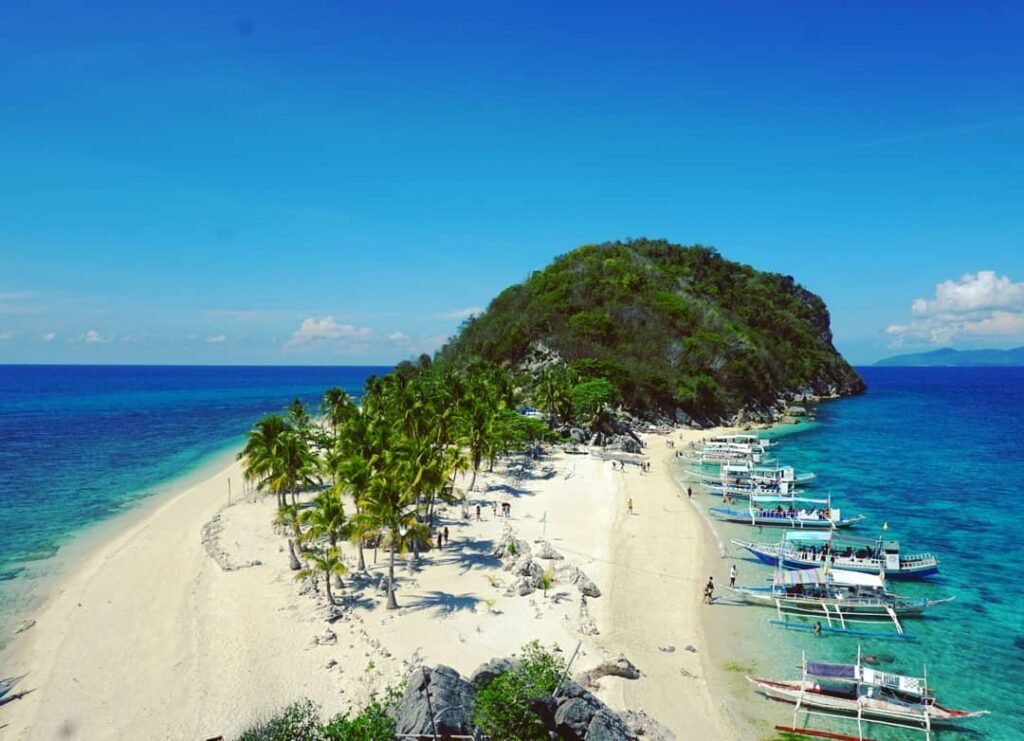
Isla Gigantes Guide 2026
Best Time to visit Gigantes Island: Nov–May (Amihan Season). Avoid September (Lagoon closed).
Budget: ₱2,000 (Joiner) vs ₱5,000+ (DIY Comfort).
Top Draw: Cabugao Gamay & Unlimited Scallops.
Gateway: Roxas City Airport (RXS) is 1.5 hrs away; Iloilo (ILO) is 4 hrs away.
Critical Warning: Island electricity is scheduled (usually 6 PM to 6 AM only).
II. Introduction: The Frontier of Northern Iloilo
Gigantes Island is a remote archipelago in Carles, Iloilo, defined by its jagged karst topography, lack of 24/7 commercial power, and status as the unofficial ‘Scallops Capital of the Philippines.’ It serves as the rugged, unpolished counterweight to the commercialized luxury of Boracay, offering travelers a glimpse of island life before mass tourism fully takes hold.
The “One Peso” Feast and the Anti-Boracay Vibe
There is no white tablecloth service here. Instead, you will likely find yourself perched on an overturned San Miguel beer crate in Barangay Asluman, fingers sticky with brine, shucking your thirtieth scallop of the hour. The mountains of discarded white shells outside every home tell the story of the local economy better than any statistics could.
While Boracay offers fire dancers and Starbucks, Gigantes offers silence broken only by the hum of diesel generators and the lap of the Visayan Sea. The sand on Cabugao Gamay is not the powdery “polvoron” of Station 1; it is grainier, rawer, and feels more real. This destination demands a specific type of traveler: one who is willing to trade air-conditioning and consistent 4G signals for the experience of eating steamed scallops dipped in spicy vinegar that cost as little as ₱1.00 per piece.
Why Visit in 2026? The “Sweet Spot”
The 2026 travel season represents a critical “sweet spot” for Gigantes: infrastructure has improved enough to make travel manageable, but the destination has not yet lost its soul to over-tourism.
A decade ago, getting here required a logistical miracle. Today, the Bancal Port in Carles has been modernized, and Starlink is slowly introducing reliable internet to select resorts. However, the friction remains—electricity is still rationed (often 6 PM to 6 AM only), and water is precious. Visiting now allows you to experience the islands with just enough comfort to be safe, but enough grit to feel like an adventure. Waiting another five years risks seeing this frontier paved over by high-rise hotels.
Geography: A Tale of Two Giants
The archipelago is split into two primary landmasses: Gigantes Norte (North) and Gigantes Sur (South), each serving a distinct function in your itinerary.
Gigantes Norte: This is the “Bedroom of the Giants.” It houses the main settlements (Barangay Granada and Asluman), the resorts, the lighthouse, and the caves. If you are sleeping on the island, you are sleeping here.
Gigantes Sur: This is the “Playground of the Giants.” It is largely uninhabited due to its steep, rocky terrain but hosts the primary attractions, including the famous Tangke Saltwater Lagoon and Antonia Beach.
Key Takeaway: You sleep in the North, but you adventure in the South. Understanding this distinction is crucial when negotiating boat charters, as the crossing between the two islands depends heavily on the Habagat (southwest monsoon) waves.
Table of Contents
III. How to Get to Gigantes Island: The Gateway Strategy
The fastest route to Gigantes island is via Roxas City Airport (RXS), followed by a 1.5-hour van transfer to Bancal Port. While Iloilo International Airport (ILO) offers more daily flights, it necessitates a punishing 4-hour bus journey that eats up half your travel day. Your choice of airport will dictate whether you can catch the daily public boat or if you will be forced to charter a private vessel.
Option A: Via Roxas City (The Smart Choice)
Roxas City is the strategic entry point because it cuts your overland travel time by more than 50%, allowing you to easily catch the morning boat transfer.
Upon landing at Roxas City Airport (RXS), do not expect a direct shuttle to the port. You must first take a tricycle to the Lawaan Transport Terminal (also called the Integrated Transport Terminal). The ride takes 10–15 minutes and should cost around ₱100–150 per tricycle.
From Lawaan, board a UV Express van or Ceres Liner bus bound for Carles or Estancia.
The “Balasan” Reality Check: Many vans display “Carles” signage but actually terminate at the Balasan Transport Terminal. If this happens, you will need to take another tricycle (approx. 30 minutes, ₱250+ for a “special trip”) to reach Bancal Port. Always ask the driver: “Diretso Bancal?” (Straight to Bancal?) before boarding.
Table 1: Gateway Comparison (Roxas vs. Iloilo)
| Feature | Roxas City Airport (RXS) | Iloilo Airport (ILO) |
| Land Travel Time | 1.5 – 2 Hours | 3.5 – 4.5 Hours |
| Land Transfer Cost | ~₱200 (Van + Trike) | ~₱350 (Taxi + Bus) |
| Flight Frequency | Low (PAL, Cebu Pacific) | High (Multiple Airlines) |
| Risk Factor | Low (Easy to catch 10 AM boat) | High (Must take red-eye flight) |
Option B: Via Iloilo City (The Budget/Flight Choice)
Choose Iloilo only if you find a significantly cheaper airfare promo or plan to explore Iloilo City’s heritage sites before heading north.
From the airport, take a taxi or shuttle van to Tagbak Terminal in the Jaro district. From here, look for the yellow Ceres Liner buses plying the “Northern Iloilo” route.
Insider Tip: Strictly choose the “Aircon” bus. The “Ordinary” (non-AC) buses have 3×2 seating and stop frequently to pick up cargo and passengers, turning a 4-hour trip into a 5-hour endurance test.
The Fatigue Factor: The bus traverses the Coastal Road through Barotac Nuevo and Ajuy. It is a scenic but exhausting ride. If your flight lands in Iloilo after 7:00 AM, it is mathematically impossible to catch the public boat at Bancal without a private charter.
The Final Leg: Bancal Port to the Islands
Regardless of your arrival route, all transfers to Gigantes Norte and Sur originate from Bancal Port in Carles.
Upon arrival, you must register at the Carles Tourism Office. Prepare cash for the Environmental Fee (₱75) and a nominal terminal fee. Keep your Official Receipt (OR); rangers at Tangke Lagoon will ask to inspect it.
The “10 AM Rule”: This is the most critical logistic for DIY travelers. There is only one public passenger boat (pump boat) that departs daily from Bancal Port to Gigantes Norte (Langub). It leaves at roughly 10:00 AM.
The Fare: A wallet-friendly ₱100–120 per person.
Missed the Boat? If you arrive at 11:00 AM, your only option is to charter a private boat.
Private Charter Rates: If you are a group (barkada) or missed the public boat, expect to pay ₱3,500–₱4,000 for a small boat (1-10 pax) or up to ₱6,000 for larger vessels.
Sensory Note: These are outrigger boats. The crossing through the Jintotolo Channel can get choppy, especially during the Amihan season. Waterproof your electronics; sea spray is guaranteed.
Practical Takeaway: Fly into Roxas City on the earliest morning flight available to comfortably reach Bancal Port before the 10:00 AM public boat cutoff.
IV. Where to Stay: Mainland Comfort vs. Island Rustic
Accommodation in Gigantes island is strictly divided into two experiences: stay on Gigantes Norte for an immersive, budget-friendly experience with scheduled electricity (usually 6 PM–6 AM), or stay on the Carles Mainland at resorts like Solina for 24/7 power, air conditioning, and reliable Wi-Fi. Your choice depends entirely on your tolerance for heat and your need for digital connectivity.
On the Island: Gigantes Norte (The Authentic Choice)
Choosing to stay on the island means embracing the “island life” in its rawest form—no ATMs, limited freshwater, and reliance on diesel generators.
Most accommodations are clustered in Barangay Granada and Asluman on Gigantes Norte. While the hospitality is warm, the infrastructure is basic.
The “Generator” Reality Check: The island is not connected to the main Panay power grid. Electricity typically runs only from 3:00 PM or 6:00 PM until 6:00 AM the next day. During the sweltering midday heat, your room’s air conditioner will be a lifeless plastic box. Pack a portable fan.
The “Tabo” System: Freshwater is precious and often shipped from the mainland. While some premium rooms have showers, expect to use the traditional tabo (dipper) and bucket system in budget homestays. The water may feel slightly brackish (salty)—it’s part of the experience.
Top Island Picks:
Gigantes Hideaway Tourist Inn: The pioneer establishment. It features a quirky “treehouse” aesthetic and is famous for its seafood banquets. It has the strongest community vibe.
Arjan Beach Resort: Located on the western side, offering direct beachfront access and sunset views. Great for families who want a bit more space.
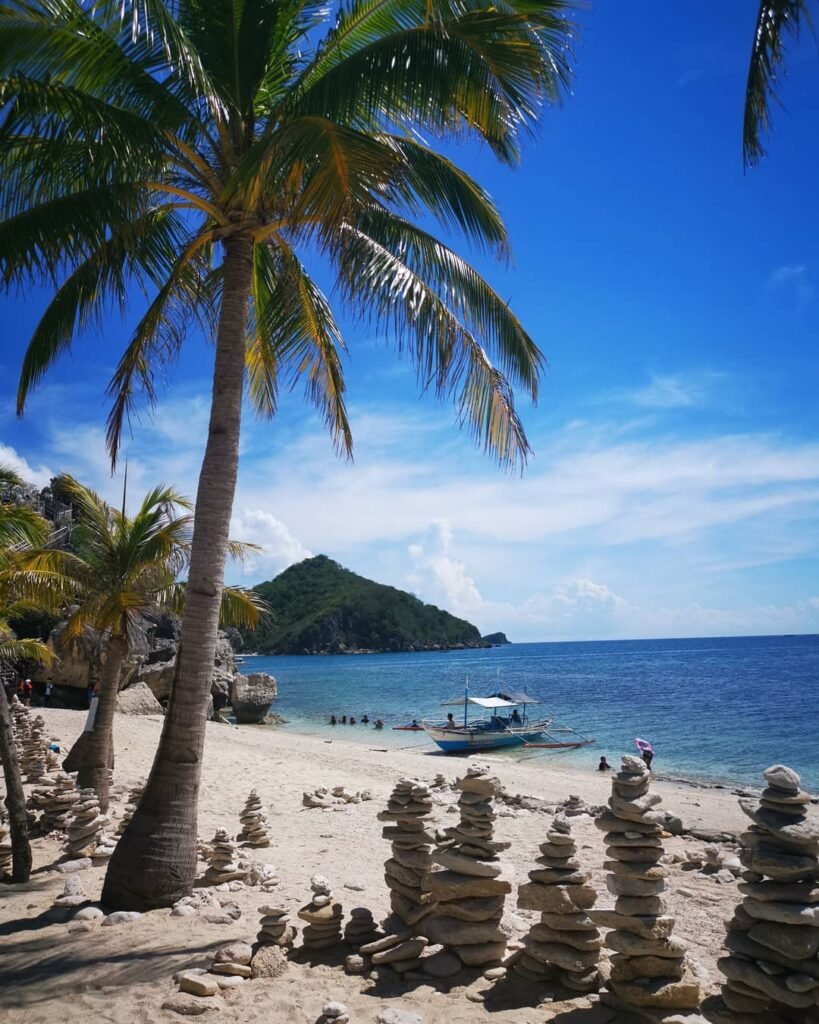
Glamping at Antonia Beach: For the ultimate “Castaway” experience, you can rent tents on Antonia Beach (Gigantes Sur). There is zero electricity here—just you, the Milky Way, and the sound of the waves.
On the Mainland: Carles & Bancal (The Comfort Choice)
If you require a hot shower, strong LTE signal, or need to work remotely, you must base yourself on the mainland and visit the islands on a day trip.
Staying near Bancal Port allows you to enjoy the rugged beauty of the islands by day and return to resort-grade comfort by night.
Connectivity: The mainland has access to fiber internet and strong 4G/5G signals. Many high-end establishments have also installed Starlink systems, making them viable for digital nomads.
Amenities: Expect swimming pools, in-house restaurants, and shuttle services to the port.
Top Mainland Picks:
Solina Beach & Nature Resort: The premier luxury option in Carles. It offers “Cabin Tents” (glamping with AC) and villas. It is the safest bet for travelers who want zero friction.
Huni Sicogon: Situated on the nearby Sicogon Island (accessible via boat from Carles), this Ayala Land property offers a polished, boutique hotel experience that bridges the gap between island isolation and modern luxury.
Practical Takeaway: If you are a “flashpacker” or need to answer emails, stay at Solina. If you want to disconnect and wake up to the sound of roosters and waves, stay at Gigantes island Hideaway.
V. The Island Hopping Circuit: The “Big Five”
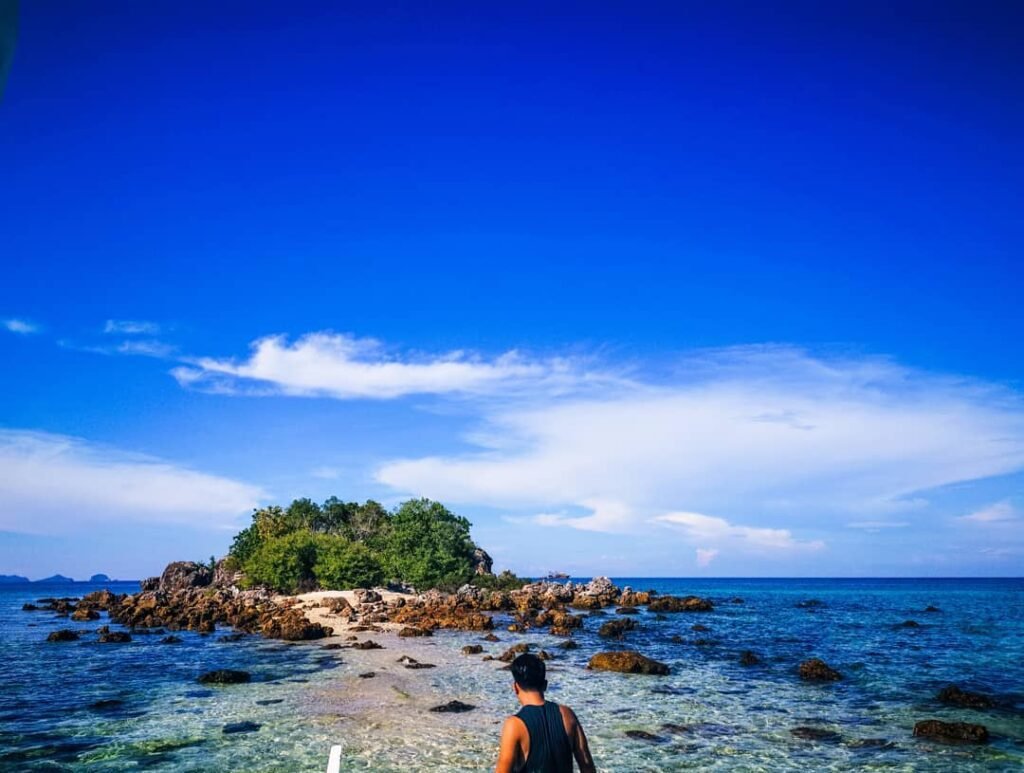
The standard Gigantes island-hopping itinerary is a fixed loop covering five non-negotiable stops: Cabugao Gamay, Tangke Saltwater Lagoon, Antonia Beach, Bantigue Sandbar, and Pulupandan Islet. Unlike El Nido where tours are split into confusing A, B, C, or D packages, Gigantes Island offers a single, comprehensive circuit. Expect to pay entrance fees ranging from ₱20 to ₱50 per person at each stop, which are collected by local caretakers upon docking.
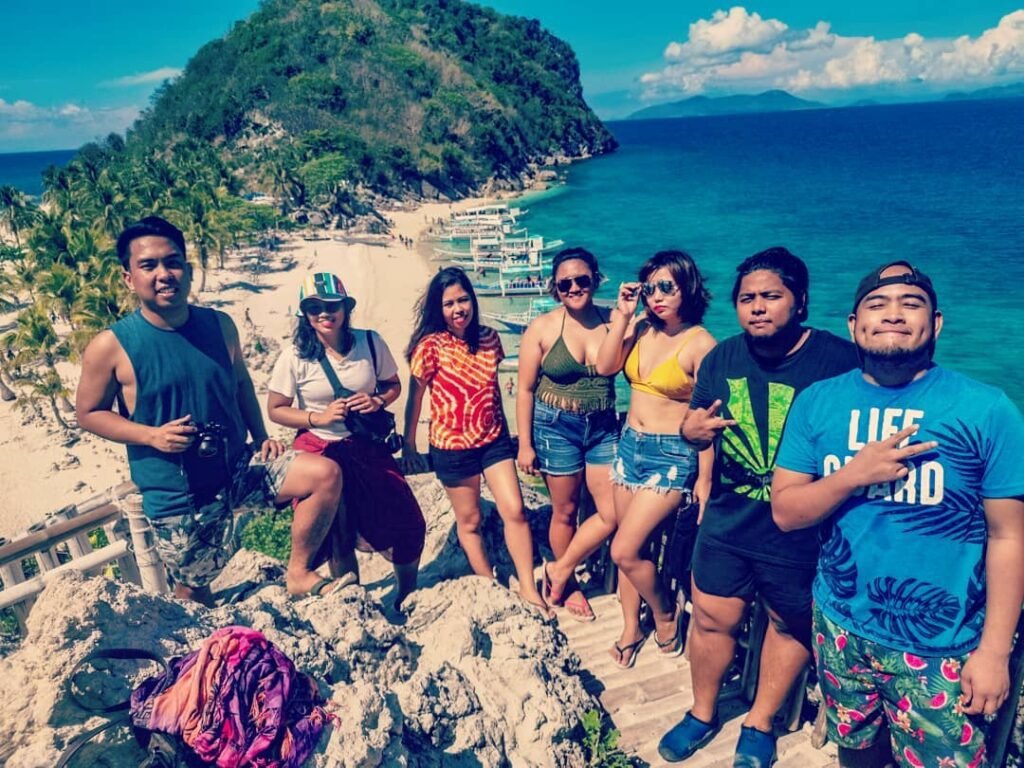
1. Cabugao Gamay: The Selfie Island
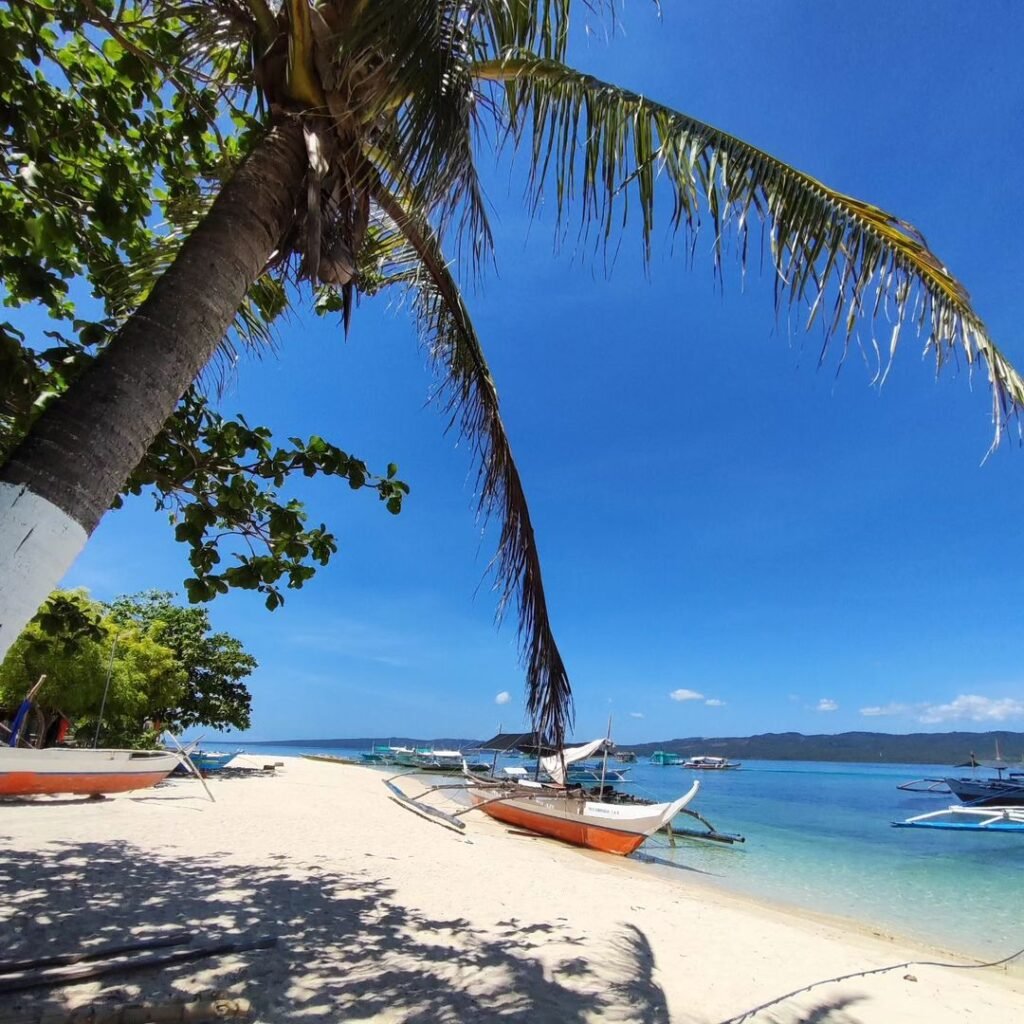
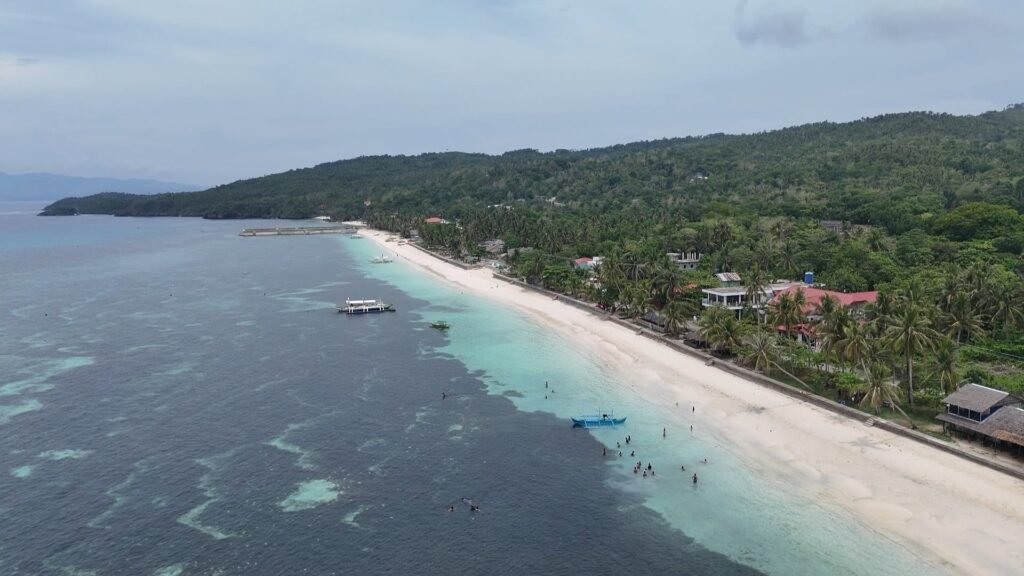
This is the postcard image of the Gigantes Island chain—a limestone rock formation overlooking a curved white sandbar and a dense coconut grove.
The View Deck Reality: To get “The Shot,” you must scale a makeshift staircase made of wood and bamboo. It is steep and often slippery. Because every tourist wants the same photo, a queue forms at the summit.
Insider Tip: Most “Joiner” boats dock here between 9:00 AM and 11:00 AM, creating a bottleneck. Ask your boatman to make this your very first stop (leaving the port by 7:30 AM) or your lunch stop. The lighting is harshest at noon, but the crowds are thinner.
Cost: ₱50 per head.
[Insert Image: High-angle shot of the curved sandbar, capturing the contrast between the green palms and cyan water]
2. Tangke Saltwater Lagoon
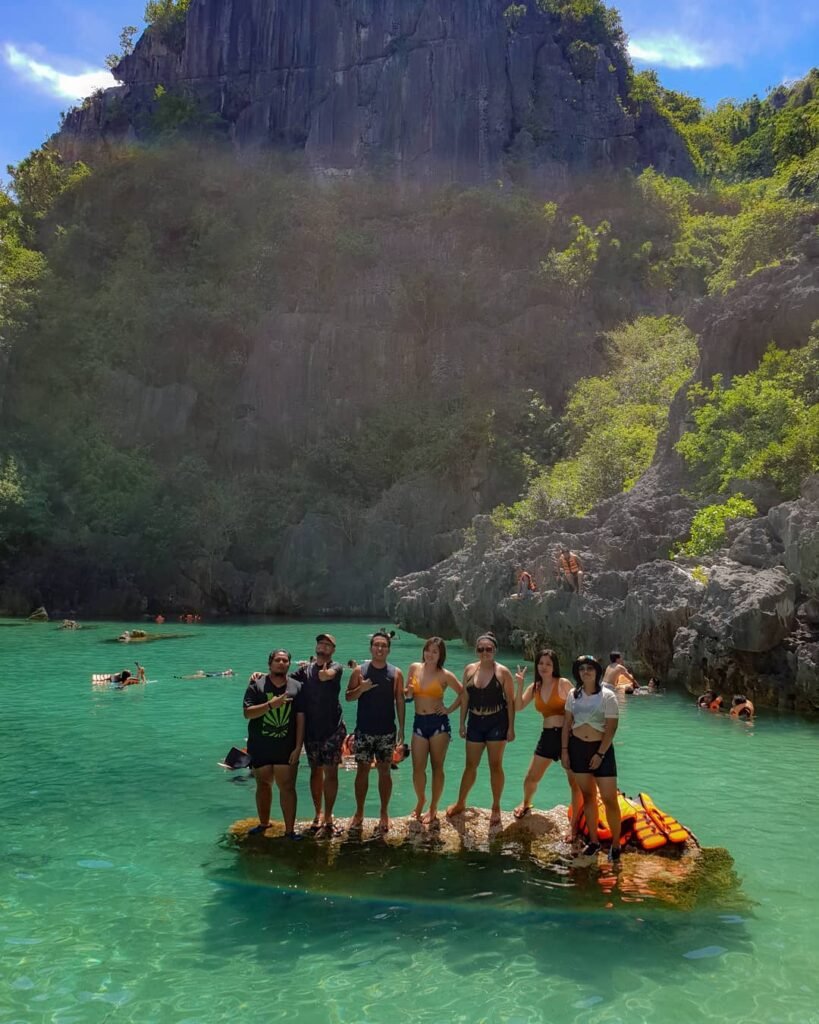
Tangke is a natural saltwater pool enclosed by towering jagged cliffs, accessible only through a narrow gap in the rock face.
Critical Tide Warning: This is the most technical stop of the trip. The lagoon is fed by the ocean through a small fissure. At Low Tide, the water drains almost completely, leaving you staring at a muddy, rocky bottom that is impossible to swim in. You must check the daily tide chart and time your visit for the peak high tide.
The “Hidden” Closure: To allow the ecosystem to regenerate, the local government enforces a strict closure of the lagoon annually, typically in September. If Tangke is your main reason for visiting, do not book your trip during this month.
The Experience: When the tide is high, the water is a stunning, still emerald green. It feels like a smaller, more intimate version of Palawan’s Big Lagoon, often echoing with the sounds of monkeys from the cliffs above.
3. Antonia Beach & Bantigue Sandbar
Antonia Beach serves as the region’s primary snorkeling hub and lunch area, while the nearby Bantigue Sandbar offers a shifting landscape of pristine white sand.
Antonia Beach (The Snorkel Spot):
The Food Hack: This is the best place to try Wasay-Wasay, a local axe-shaped shellfish. The meat is richer, firmer, and creamier than an oyster. Locals will grill or steam them fresh for you right on the shore for a few hundred pesos.
Underwater: You can rent snorkel gear for ₱100. The coral garden is accessible from the shore, but be mindful of the current if you venture past the rock formations.
Bantigue Sandbar (The Scallop Drive-Thru):
This S-shaped sandbar changes shape depending on the Amihan or Habagat winds. There is zero shade here, so it is best visited late in the afternoon. Locals often set up makeshift tables in knee-deep water selling steamed scallops—literally a “drive-thru” for boats.
4. Inland Adventure: Bakwitan Cave & The Lighthouse
Beyond the beaches, Gigantes Norte offers terrestrial adventures that require a habal-habal (motorcycle taxi) ride to reach.
Bakwitan Cave: Named after the local word for “evacuate” (bakwit), this massive cavern has historically sheltered islanders during typhoons.
The Trek: It requires a guided trek (approx. ₱200-₱500 for the guide) involving some mild scrambling. It is humid and muddy inside, so flip-flops are risky; wear trek sandals.
The Spanish Lighthouse: Located at the northern tip of the island, the original 1895 structure is now a ruin, standing beside a modern solar lighthouse.
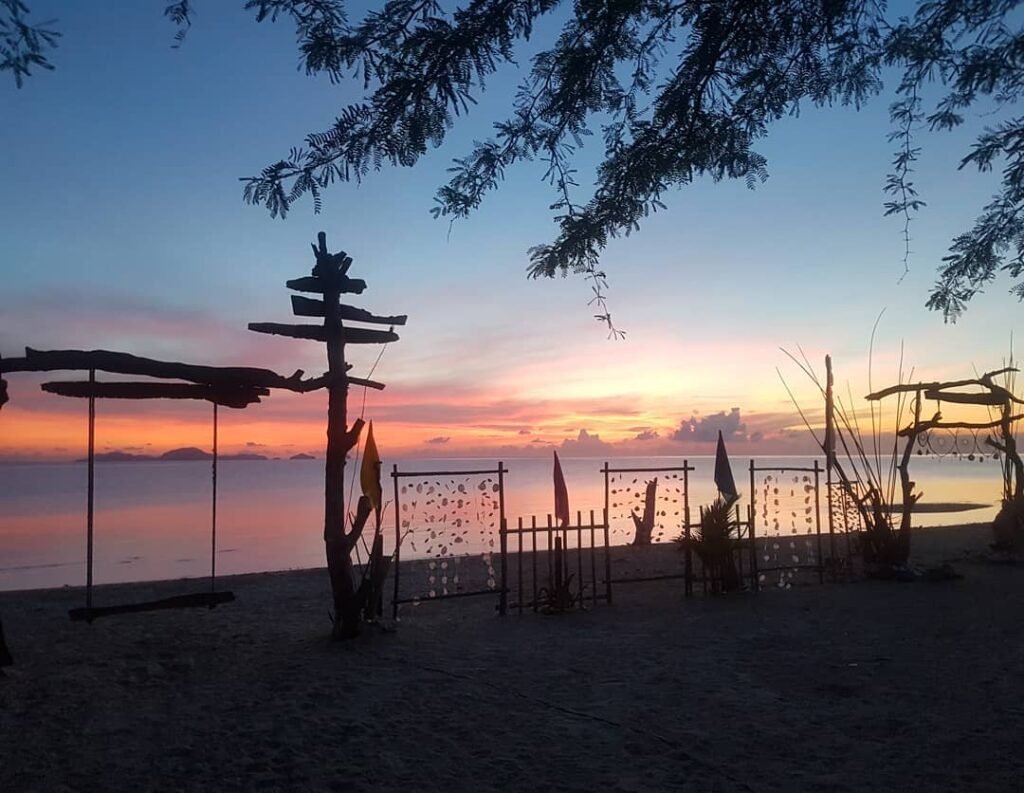
Golden Hour: This offers the single best sunset view in the archipelago. The habal-habal ride there is bumpy and winds through local villages, offering a glimpse of daily island life away from the tourist boats.
VI. The Scallop Economy: Food Guide
Gigantes island is the undisputed “Scallops Capital of the Philippines,” where you can purchase fresh scallops for as low as ₱1.00 per piece (₱200/kg) because the islands lack the industrial cold storage needed to export the entire catch. The culinary scene here is hyper-local, seafood-centric, and shockingly affordable compared to mainland prices.
The “One Peso” Phenomenon
Why are they so cheap? It comes down to logistics. The fishermen of Gigantes harvest tons of scallops daily. While “Class A” meat is shucked and iced for export to Manila or abroad, the massive surplus of “Class B” or shell-on scallops must be consumed immediately to avoid spoilage. This supply chain bottleneck is the traveler’s gain.
How to Eat Them: The standard preparation is steamed (simplest is best), but you will also find them grilled with garlic butter, cooked as adobo, or stewed in coconut milk (ginataang scallops).
The “Wasay-Wasay” Challenge: Beyond scallops, you must try the Wasay-Wasay (Axe Shell). It looks like a fossilized rock, but once cracked open, it reveals a rich, savory meat that tastes like a cross between an oyster and a clam. It is best eaten grilled at Antonia Beach.
Dining Logistics: Pre-Order is Key
Unlike Boracay where you can walk into a restaurant at 8 PM, dining on Gigantes Island requires planning. Most homestays and resorts operate on a “Paluto” (Cook-to-Order) system. You typically need to inform the kitchen staff of your meal orders 3–4 hours in advance. This allows them to buy the fresh catch from the docking fishing boats.
Insider Tip: If you are on a tight budget, look for the small carinderias (eateries) in Barangay Asluman. They offer home-cooked meals (often dried squid, fish sinigang, and unli-rice) for a fraction of resort prices.
VII. Essential Logistics: WiFi, Cash, and Power
Travelers must be self-sufficient: there are NO ATMs on the island, electricity is strictly scheduled (usually 6 PM to 6 AM), and mobile data is reliable only for basic messaging. Treating this trip like a “semi-off-grid” expedition will save you significant frustration.
The Electricity Schedule
Do not expect 24/7 power unless you are staying at a luxury mainland resort. On Gigantes Island, the village power plant typically runs from late afternoon until early morning.
The Consequence: During the day (8 AM – 4 PM), your room will be hot, and you cannot charge devices. Bring a high-capacity Power Bank (20,000mAh) to keep your phone alive during the island hopping tours.
Resort Exceptions: Some mid-range resorts run their own private generators during lunch hours, but this is not guaranteed.
Connectivity: Smart vs. Globe & Starlink
Smart Communications generally offers better signal strength in Northern Iloilo than Globe. However, even with Smart, do not expect to stream Netflix or join Zoom calls.
The Starlink Revolution: A few progressive resorts (like Solina on the mainland and Rosewood on the island) have installed Starlink satellite internet. If you absolutely need to work, email the resort before booking to confirm their Starlink status.
Banking: The Cash-Only Rule
There are absolutely no ATMs on Gigantes Islands. The last reliable ATMs are in Roxas City or Balasan town (on the way to the port).
Budget Buffer: Withdraw 30% more cash than you think you need. If a typhoon strands you for an extra day, you cannot pay your bill with a credit card.
VIII. Budget & Itinerary: DIY vs. Joiner
For solo travelers and couples, a “Joiner” package (₱1,700–₱2,500) is mathematically cheaper than a DIY trip; DIY only becomes cost-effective for groups of 8 or more who can split the ₱4,000+ private boat charter.
Comparison Analysis
The primary cost driver in Gigantes island is the boat transfer. Unlike other destinations with frequent public ferries, the reliance on private charters skews the math heavily against solo DIYers.
Table 2: Estimated Expense Breakdown (2D1N)
| Expense Item | DIY (Couple – Per Person) | Joiner Package (Solo) |
| Van Transfer (RT) | ₱400 (Public Van) | Included |
| Boat Transfer | ₱2,000 (Shared Charter cost) | Included |
| Accommodation | ₱1,000 (AC Room share) | Included (Fan/Dorm) |
| Food (5 Meals) | ₱1,500 | Included (Family Style) |
| Island Fees | ₱300 | Included |
| TOTAL | ~₱5,200 | ~₱1,999 – ₱2,500 |
The Verdict: Choose Joiner to save money. Choose DIY to control your time (e.g., staying at Tangke Lagoon for 2 hours instead of 30 minutes).
Sample DIY Itinerary (2 Days, 1 Night)
Day 1:
06:00 AM: Arrive Roxas City Airport.
09:00 AM: Arrive Bancal Port (Buy supplies).
10:00 AM: Catch Public Boat to Gigantes Island.
12:00 PM: Check-in & Lunch (Scallops!).
02:00 PM: Chartered Sunset Tour (Lighthouse & North Beaches).
Day 2:
06:00 AM: Depart for Tangke Lagoon (Beat the crowds).
08:00 AM: Cabugao Gamay (View Deck).
10:00 AM: Brunch at Bantigue Sandbar.
01:00 PM: Pack up.
02:00 PM: Public Boat back to Bancal Port.
IX. Conclusion: Is a Gigantes Island Trip Worth It?
Yes, but manage your expectations. Gigantes Island in 2026 is raw, beautiful, and occasionally frustrating. It is not a place for travelers who demand concierge service or spotless infrastructure. It is a place for those who find joy in the friction of travel—the bumpy boat rides, the salty bucket showers, and the silence of a town without 24-hour electricity.
If you are willing to trade convenience for 1-peso scallops, towering limestone cliffs, and some of the clearest water in the Visayas, then book your flight to Roxas City now. The “Giants” are waiting.
X. Frequently Asked Questions (FAQ)
Q: Is Tangke Lagoon open all year round?
A: No. It is typically closed for rehabilitation every September (specifically Sept 1–30). Always check with the Carles Tourism Office before booking a trip during this month.
Q: Can I bring my car to Bancal Port?
A: Yes. There are secure, paid parking areas within the Bancal Port complex. The fee is usually around ₱100–150 per night for overnight parking.
Q: Is it safe for solo female travelers?
A: Yes, generally very safe. The community is tight-knit and protective of tourists. However, standard precautions apply: avoid unlit areas at night and secure your valuables in your room.
Q: What is the best month to visit?
A: The best time is during the Amihan Season (November to May). April and May are the calmest but hottest months. Avoid August to October if you are prone to seasickness, as the Habagat waves can be intense.
Extend Your Visayas Adventure
Don’t let the journey end at Gigantes. Iloilo and the surrounding islands offer some of the best culture, food, and landscapes in the Philippines. Here is how to connect your Gigantes Island trip with other top destinations:
1. The Iloilo Mainland Loop
If you are flying out of Iloilo City, take a day to explore the southern countryside. Visit the pilgrimage site that mimics heaven on earth or catch the vibrant festivals in the heart of the province.
Must-Visit: Garin Farm Iloilo: The Ultimate Travel Guide 2025 – Famous for its “Stairway to Heaven” and agricultural tours.
Cultural Experience: Pintados de Pasi Festival in Passi City, Iloilo – Experience the authentic tattooed dancers and street pageantry (typically in March).
2. The Island Hopping Continues
Can’t get enough of the beach? Just a 15-minute boat ride from Iloilo City lies the “Mango Capital of the Philippines.” It is the perfect relaxation leg after the rugged Gigantes tour.
3. The “Sugar & Spice” Food Trip
Hop on a fast craft ferry from Iloilo to Bacolod (1 hour) to swap scallops for Chicken Inasal. It is the culinary capital of the Visayas.
Foodie Guide: Bacolod Tourist Spots 2024: A Complete Travel Guide
4. The Ultimate Central Visayas Circuit
For backpackers with 1–2 weeks, head further south to the “City of Gentle People.” It is the gateway to Siquijor and Apo Island diving.
Backpacker Route: Dumaguete Travel Guide 2025: All You Need to Know