By Aiden Kenzy — Last updated: August 2026
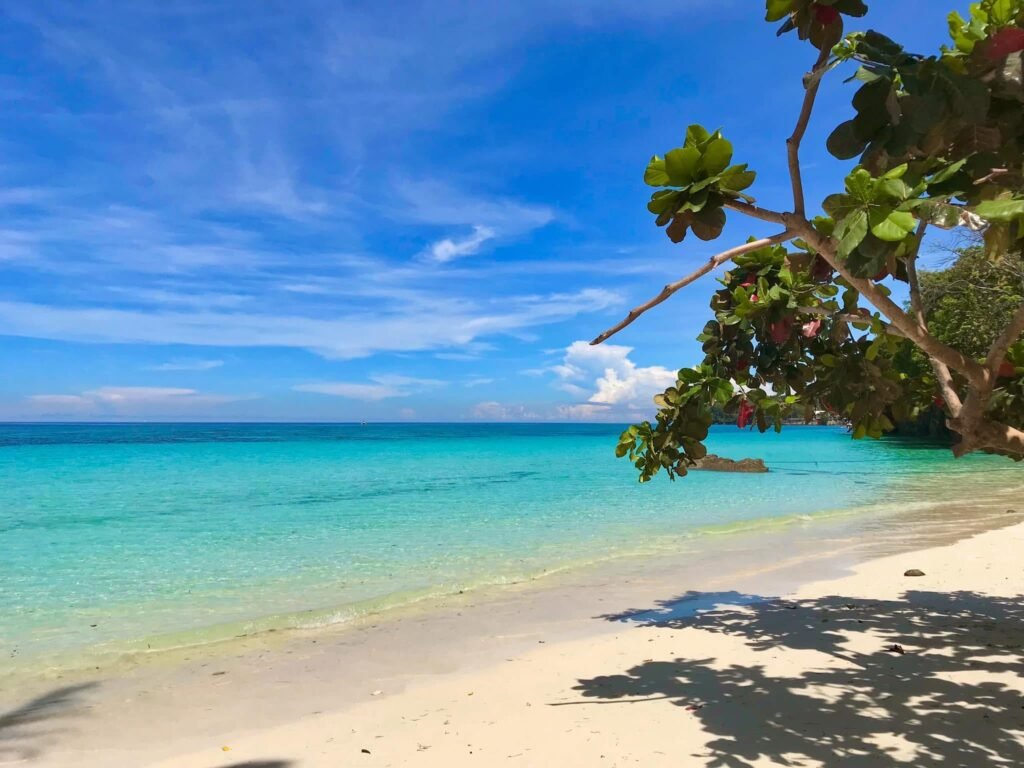
Gumasa Beach is a six-kilometer white sand beach in Glan, Sarangani Province, Mindanao, roughly 90 minutes by van from General Santos City. Day-use entrance fees start at PHP 30–150 depending on the resort, plus a PHP 50 municipal fee. It is one of the most accessible and affordable quality beaches in the southern Philippines — genuinely worth the detour.
Gumasa Beach Quick Guide
| Detail | Info |
|---|---|
| Destination | Gumasa Beach |
| Location | Barangay Gumasa, Glan, Sarangani Province |
| Province | Sarangani |
| Type | White sand beach — mainland, drive-up access |
| Access | UV Express van from General Santos City + tricycle |
| Entrance / Environmental Fee | PHP 30–150 (resort-dependent) + PHP 30 env fee + PHP 20 eco fee (as of August 2026) |
| Best Season | January to April (dry season, calm sea) |
| Swimming | Yes — calm, gentle waves during peak season |
| Island Hopping / Snorkeling | Yes — Kapatan-Lago Dive Spot available |
| Travel Time from General Santos City | Approx. 90 minutes by van + tricycle |
Where Is Gumasa Beach Located?
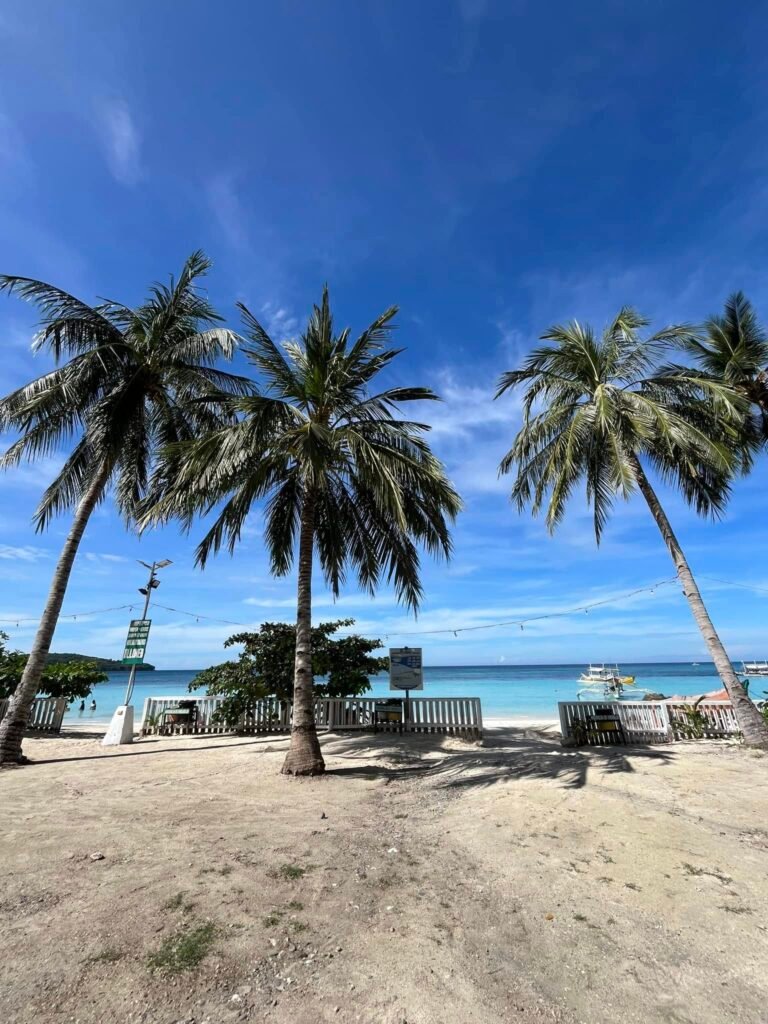
Gumasa Beach sits inside Barangay Gumasa in the municipality of Glan, at the southern tip of Sarangani Province in Mindanao. It faces the Celebes Sea and runs for roughly six kilometers in a gentle crescent shape. The beach is part of a cluster of resorts spread along the shoreline, each with its own entrance, facilities, and pricing. Glan itself is the most populated municipality in Sarangani Province, positioned east of Sarangani Bay and north of the Celebes Sea.
The nearest city of any scale is General Santos City (GenSan), which sits approximately 33.5 kilometers away by road. General Santos City is also home to the region’s main airport, making it the natural gateway for anyone flying in from Manila or Cebu. The beach area has no significant town center of its own — the commercial and transport hub is Glan Poblacion, a few kilometers inland, where you catch onward transport.
How to Get to Gumasa Beach
The most practical way to reach Gumasa Beach is by UV Express van from General Santos City, followed by a tricycle ride from Glan town proper to the beachfront — total travel time is roughly 90 minutes under normal conditions.
Flying into General Santos City
The primary air gateway is General Santos International Airport (GES). Philippine Airlines and Cebu Pacific both operate daily direct flights from Ninoy Aquino International Airport (MNL) in Manila. Flight time averages 1 hour 55 minutes to 2 hours 10 minutes.
From the Airport to Glan Town Proper
From GES, take a franchised taxi or tricycle to either the KCC Mall transport terminal or the Bulaong Terminal in General Santos City. Both serve as staging points for UV Express vans bound for Glan. From KCC Mall, UV Express vans depart on a capacity-driven schedule — they leave when full, not on a fixed timetable, so arrivals before 09:00 tend to find fuller vans and faster departures.
The van fare from General Santos City to Glan runs PHP 100 to PHP 120 per person. A second option is a mini-bus from Lagao Public Market, which costs up to PHP 190 but may be slower. Travel time on either service is 45 to 60 minutes on maintained paved provincial highways.
From Glan Town to Gumasa Beach
Vans drop you at the Alegado Terminal in Glan Poblacion. From there, the final leg to the beach resorts is by motorized tricycle or habal-habal (motorcycle taxi). The tricycle charter from Alegado Terminal to Gumasa Beach runs PHP 100 to PHP 150 for the whole vehicle, covering roughly 15 to 20 minutes of travel along coastal roads. If you are moving between resorts once at the beach — say from Coco Beach to White Haven — habal-habal fares between properties run about PHP 50 per hop.
One critical note: tricycles do not queue at the resort gates waiting for passengers. If you arrive at the beach without a pre-arranged ride back, you may wait a long time for one to appear. Negotiate a return pick-up time with your inbound driver before he leaves. Local driver-guides like Junjun Sandigan are regularly recommended by repeat visitors for pre-arranged round trips. Alternatively, organized day tours from General Santos City are bookable on major platforms and include private round-trip van transport, eliminating this problem entirely.
Driving a Private Vehicle
The road from General Santos City to Glan is a paved provincial highway in good condition. The drive takes roughly 60 to 75 minutes in normal traffic. Parking is available within the resort compounds — most major resorts including Coco Beach and Isla Jardin del Mar have designated parking areas on their grounds. Parking security varies by resort; Isla Jardin, as a higher-tier property with 24-hour security, is generally the more reliable option for overnight vehicle storage.
This beach is accessible by road right to the shoreline, which is one of its defining practical advantages over island destinations that require boat transfers. If you are road-tripping through Mindanao, Gumasa Beach is genuinely drive-up — no boats, no ferries, no island logistics. For context on how it compares to other accessible beaches around the country, see our guide to the best beaches in the Philippines.
Entrance Fees, Environmental Fees, and Permits at Gumasa Beach
Every visitor to Gumasa Beach pays both a resort-level entrance fee and mandatory municipal fees — as of August 2026, these are separate charges collected at different points.
Municipal Fees (Charged to All Visitors)
The local government of Glan enforces two fees on non-resident tourists:
- Municipal Environmental Fee: PHP 30 — mandated under Special Ordinance No. 20-016 (series of 2015), allocated to coastal remediation and shoreline maintenance.
- Tourism Ecological Fee: PHP 20 — mandated under Municipal Ordinance No. 22-018 (series of 2022), collected from all non-resident visitors staying at any commercial accommodation in Glan.
These fees are ring-fenced for conservation, livelihood programs, and municipal peace and order. They reflect a deliberate policy choice to fund ecological upkeep directly from tourism revenue rather than from general tax receipts.
Resort-Level Entrance Fees (as of August 2026)
Each resort charges its own day-use entrance fee on top of the municipal levies:
- Coco Beach Resort: PHP 30 for daytime entry, PHP 40 for overnight without a room booking, PHP 50 for specific room-access areas. Children five and under enter free.
- White Haven Beach Resort: PHP 50 for all guests aged six and above.
- Isla Jardin del Mar Resort: PHP 150 for day-trippers and non-staying guests.
- Horizon Beach Resort: PHP 100 per person.
- Kamari Resort & Hotel: PHP 300 per person — the most selective day-use threshold on the strip.
There is a tourism office presence in the municipality, and some resorts — particularly DOT-accredited ones — may require basic visitor registration on arrival. No advance government permit is needed for standard leisure visits. If you are planning an event or a large group booking, coordinating with the resort directly is the practical route.
Getting Around Gumasa Beach
Once you are at the beach, movement between the major resorts is straightforward but entirely self-managed — there are no shuttle services or regular transport loops along the shoreline.
Between resorts: Habal-habal drivers stationed near the resort gates handle inter-resort transfers at approximately PHP 50 per sector. Flag one down or ask resort staff to call one for you. Do not assume one will be available immediately during peak hours — mid-morning on weekends sees high demand.
Within a resort: The six-kilometer beach is wide enough that most visitors stay within their chosen resort’s stretch. Coco Beach and White Haven are large enough that you rarely feel the need to leave unless you are resort-hopping.
Back to Glan town: Pre-negotiate your return tricycle fare and pick-up time before your driver leaves on arrival. The PHP 100–150 charter rate is standard; avoid paying significantly more unless it is a peak holiday and supply is tight.
Beaches and Things to Do at Gumasa Beach
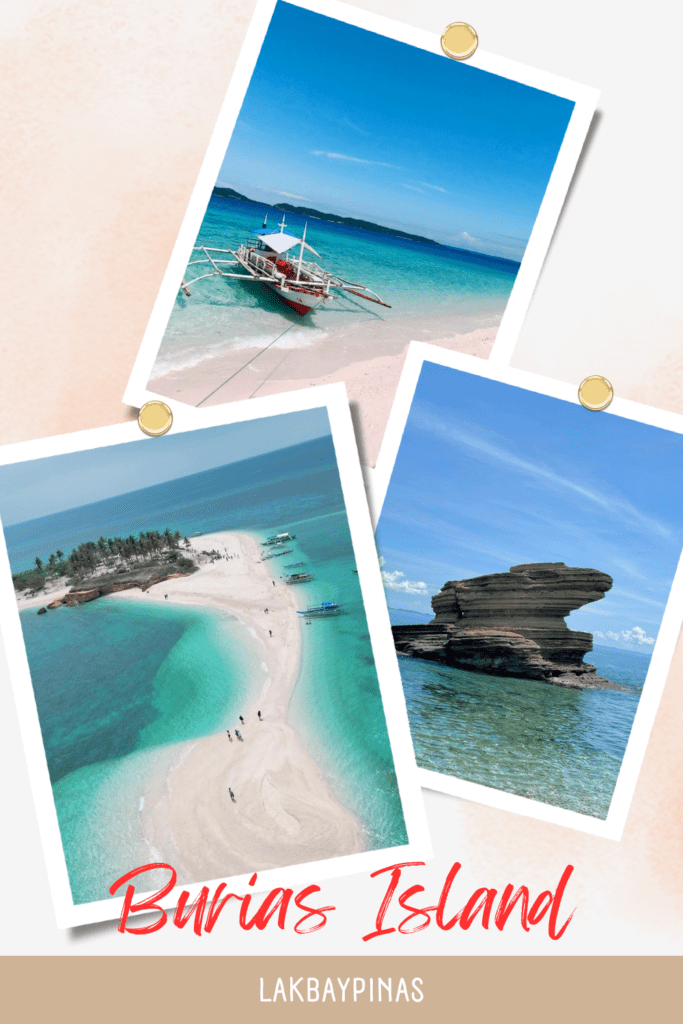
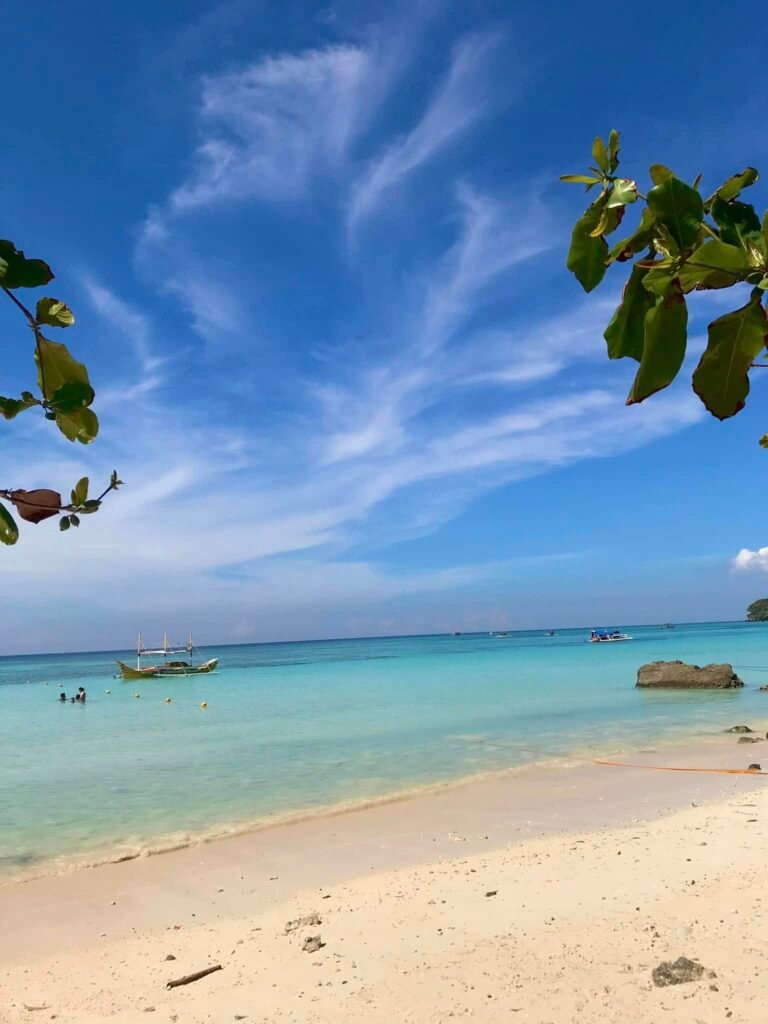
Gumasa Beach is a six-kilometer arc of fine, pale sand that is cooler underfoot than most beaches in the Visayas — a detail you notice immediately when you step off the tricycle. The sand grain is fine without being powdery in the way that blows into your food, and the slope into the water is gentle, making it comfortable for wading and casual swimming. The Celebes Sea here is calm during the dry months, with low wave action close to shore.
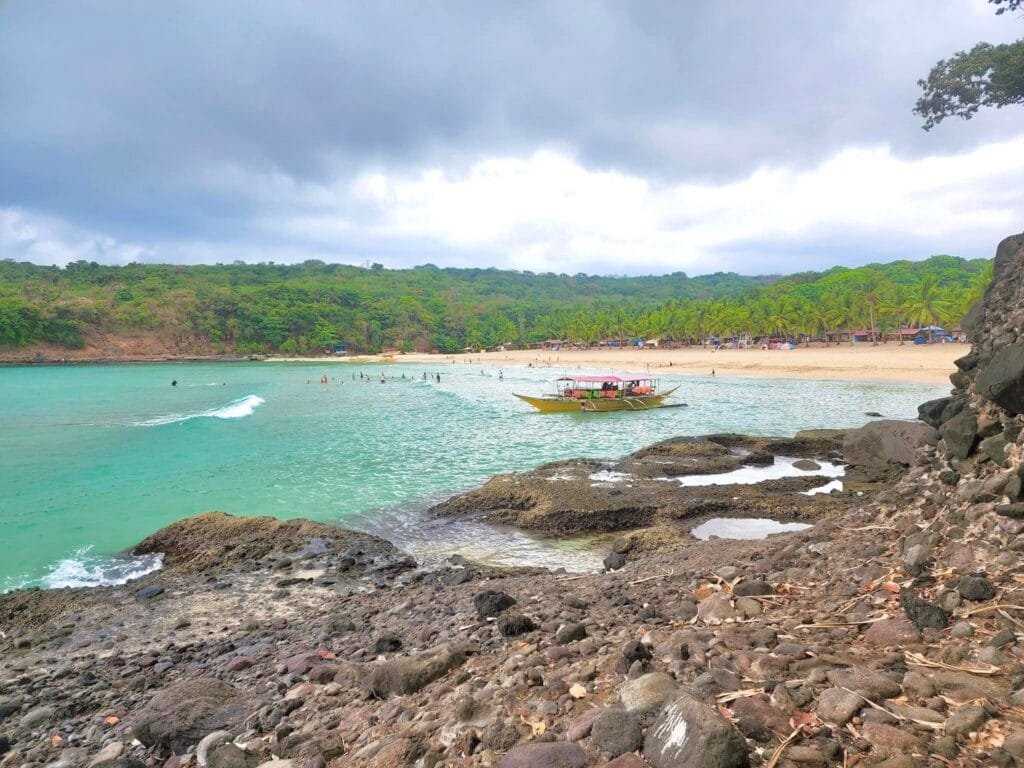
My visit was in August 2026, which falls in the off-peak wet season. The water was warm and swimmable on most days, though one afternoon brought a fast-moving coastal squall that cleared within two hours. The beach was noticeably less crowded than it would be in March — a trade-off worth making if you prefer space over guaranteed sunshine.
Swimming
The seabed near the shoreline is sandy and shallow for a reasonable distance, dropping gradually rather than abruptly. During the January-to-April dry season, the Celebes Sea runs calm with minimal surface chop. In August, conditions were still swimmable on most days, with occasional afternoon swells. The water is clear enough to see your feet and small fish near the surface without any equipment.
Swimming score: 4 out of 5. Calm entry, gentle depth gradient, and warm water year-round. Loses one point only because there are no lifeguards on duty — awareness is entirely on the swimmer.
Snorkeling and Diving
The standout underwater site near Gumasa Beach is the Kapatan-Lago Dive Spot, which sits adjacent to an active aquaculture farm specializing in sergeant fish cultivation. This is not a typical reef dive. The combination of the farm’s structure and the surrounding Celebes Sea creates a concentrated ecosystem — the density of fish here surprised me on first look. Sergeant fish school in large numbers around the cage perimeters, and smaller reef species occupy the coral formations nearby. Visibility during the dry season is described by local guides as exceptional; in August it was still very good, around six to eight meters.
Snorkeling gear rental is available through resort operators and some independent vendors along the beach. If you plan to dive, arrange with a resort or a local operator in advance — Isla Jardin del Mar handles motorized water sport bookings and can point you toward dive operators.
Snorkeling score: 4 out of 5. The Kapatan-Lago site is genuinely unusual and worth the trip out. Reef condition in the broader area is healthy relative to more trafficked dive zones in the Visayas.
For a broader comparison of top natural destinations in the country, check out the most beautiful places in the Philippines.
Water Sports
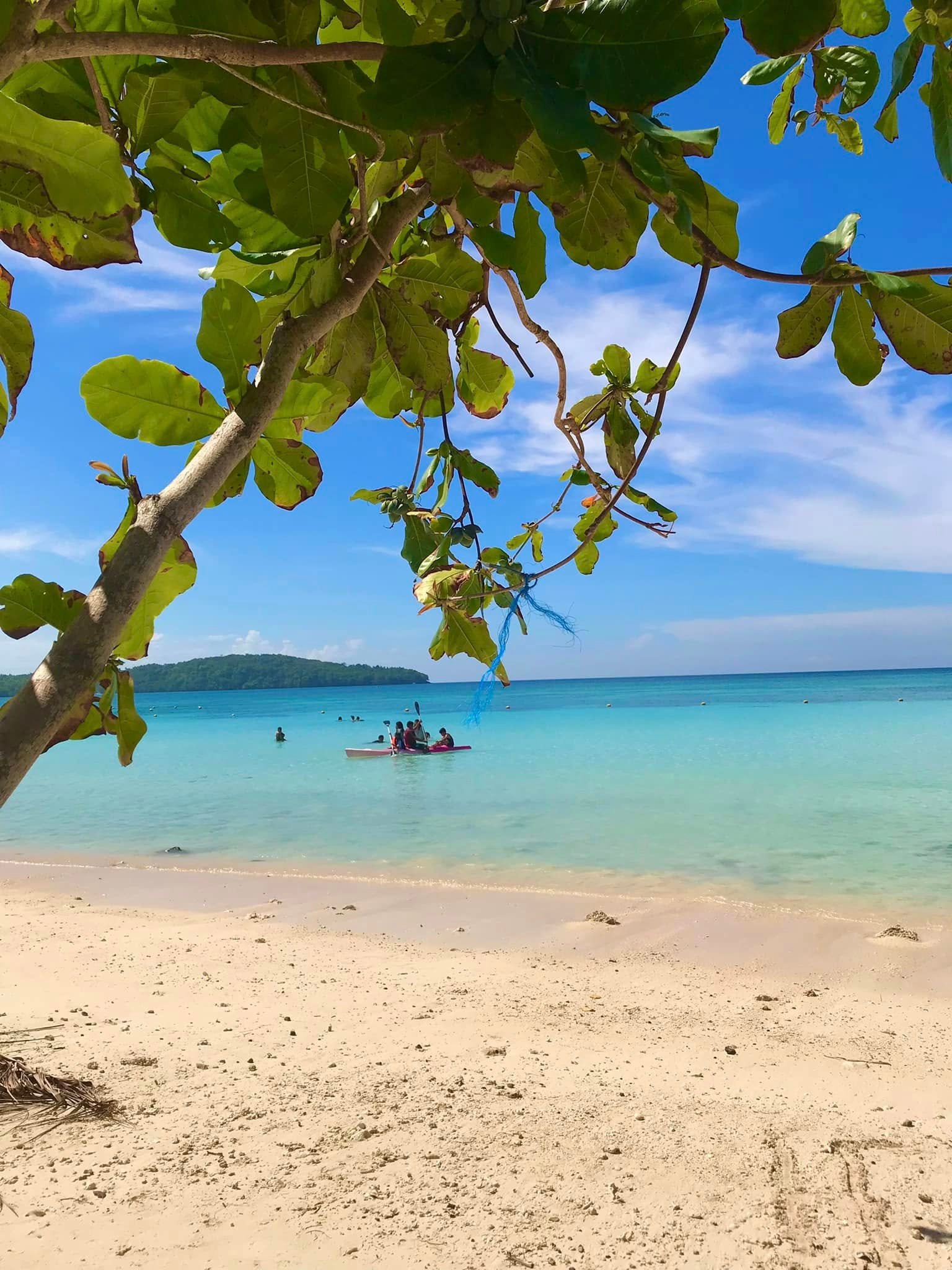
The resort corridor offers jet skiing, kayaking, and paddleboarding. Jet ski rates are set by individual resort operators; expect to pay in the range of PHP 500–800 for 15 minutes based on current Mindanao beach resort pricing norms. Kayak rentals are cheaper and let you paddle the full stretch of the bay at your own pace, which is the better choice for a longer stay. ATV rentals are available through some operators at approximately PHP 2,500 per hour for four people, with routes heading inland toward Bongolanon Falls.
Heritage Tour of Glan Town Proper
One activity that most beach-only itineraries miss entirely is the heritage walk through Glan Poblacion. The town has been formally recognized by the National Commission for Culture and the Arts (NCCA) as a heritage town, and it contains a cluster of early 1900s ancestral houses built by Cebuano settlers who arrived in 1914. The Alegado Ancestral House, near the public market, features carved wooden ceilings and original period upholstery.
The Clemente La Paz Ancestral House holds antiques and oriental imports. The Dispensaryo building, a 1940s-era elevated wooden health center, is being converted into a municipal museum by the SOCCSKSARGEN chapter of the United Architects of the Philippines. Budget two to three hours for this walk. It adds real context to the beach trip and is a practical way to fill the midday hours before check-in. Hacienda Don Juan operates as both a heritage site and a working restaurant — worth stopping at for lunch.
Best Time to Visit Gumasa Beach
The best time to visit Gumasa Beach is from January through April, the dry season, when the Celebes Sea is calm, skies are mostly clear, and water visibility is at its highest. Temperatures sit between 27°C and 32°C year-round, so heat is constant regardless of season — the key variable is rainfall and sea conditions.
The amihan (northeast monsoon) runs roughly from November through February and brings dry, settled weather to the east coast of Mindanao. Gumasa Beach faces the Celebes Sea to the south, which means it benefits from the dry conditions of the amihan without the direct swell that amihan brings to Pacific-facing beaches.
The habagat (southwest monsoon) runs from June through October and introduces higher rainfall probability and occasional coastal disruptions. As I experienced in August 2026, this does not mean the beach is inaccessible — conditions can be partly cloudy with occasional rain rather than continuously stormy. Meteorological data for August 2026 showed ambient temperatures between 27°C and 32°C with predominantly partly clear skies. If you travel off-peak, you gain significantly lower crowd density and more negotiating power on cottage rentals.
Avoid the third week of May if you want a quiet trip. The Sarangani Bay Festival (Sarbay Fest), first held in 2006 and now the largest beach festival in southern Philippines, runs during that week annually. Accommodation reaches 100% occupancy, transport is strained, and prices rise. Book six months in advance if you specifically want to attend. The Mahin Festival in April celebrates indigenous Blaan and Maguindanaon culture and draws significant crowds — factor this in if you are planning an April visit.
Where to Stay at Gumasa Beach
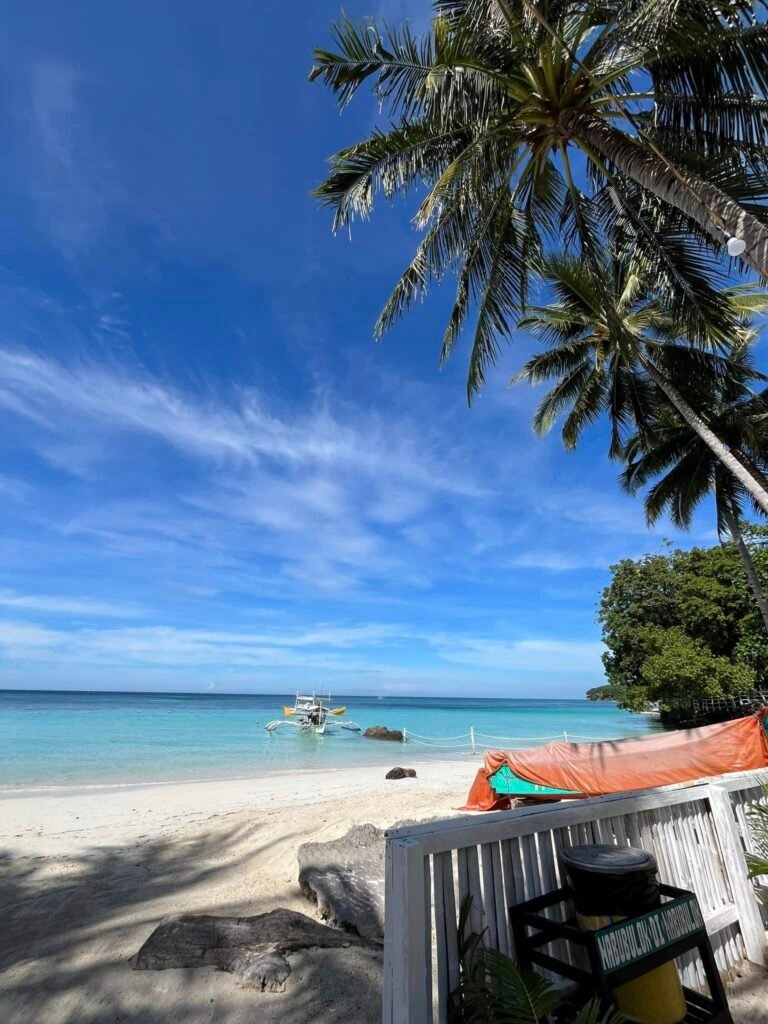
Several DOT-accredited resorts operate directly on the Gumasa shoreline, ranging from camping and open cottages through to air-conditioned beachfront rooms.
Isla Jardin del Mar Resort (Manando sector of Gumasa) is the highest-profile option — a 3.5-star DOT-accredited property with 50 guestrooms, an on-site restaurant serving regional seafood, and 24-hour security. Room rates run PHP 1,500 to PHP 5,500 depending on room type and season. Day-use guests pay PHP 150 entrance. Pets are not permitted. Contact: 09176778177 / 09365949509.
Coco Beach Resort handles the widest range of budgets, from tent campers (tent pitching space: PHP 100; tent rental: PHP 300) through to a six-bed “Caribbean Room” at PHP 4,500 per night. Standard double rooms start at PHP 2,000. Cottages run PHP 200–1,200 depending on size and whether you are staying day or overnight. Contact: 09106743521 / 09217708474.
White Haven Beach Resort is the pick for budget travelers who still want an enclosed room. Rooms start at PHP 950 for two persons — the lowest room rate on the strip. A full seafood lunch prepared by the resort cost PHP 145 per person when assessed by a recent traveler, keeping total daily spend under PHP 1,000 per person. The property has mature trees providing natural shade across much of its stretch. Cottages run PHP 300 per day. Contact: 09632306948 / 09124438625.
Rosal Beach Resort prohibits camping and tent pitching, positioning itself as a quieter option. Garden-view rooms start at PHP 2,000; beachfront rooms cost PHP 3,000. All rooms are air-conditioned.
Kamari Resort & Hotel charges a PHP 300 day-use entrance fee, the highest on the strip, and is accredited by DOT. Contact: 09518504480.
For travelers who prefer proximity to the transit terminal rather than the sand, Glan Poblacion offers budget hotels including Juanita’s Inn, King James Hotel, and VMB’s Bed & Breakfast. These work well for arrival nights or early departure mornings.
Important: Withdraw enough Philippine Pesos before leaving General Santos City. ATMs within walking distance of Gumasa Beach are limited and run out of cash on busy weekends. Many vendors, tricycle drivers, and cottage operators accept cash only.
Budget Breakdown for Visiting Gumasa Beach
| Expense | Cost (PHP) |
|---|---|
| Flight (Manila–GenSan, one way, economy advance purchase) | 1,200–3,500 |
| Airport taxi to KCC Mall terminal | 150–250 |
| UV Express van, GenSan to Glan | 100–120 per person |
| Mini-bus option, Lagao to resort | up to 190 per person |
| Tricycle, Glan terminal to Gumasa Beach | 100–150 per vehicle |
| Municipal Environmental Fee | 30 per person |
| Tourism Ecological Fee | 20 per person |
| Resort entrance fee (Coco Beach, daytime) | 30 per person |
| Resort entrance fee (White Haven) | 50 per person |
| Resort entrance fee (Isla Jardin del Mar) | 150 per person |
| Open cottage rental (small, daytime) | 200–300 |
| Open cottage rental (large, 25 persons) | 500–600 |
| Tent pitching space (Coco Beach) | 100 |
| Tent rental (Coco Beach) | 300 |
| Budget room (White Haven, 2 persons) | 950 |
| Mid-range room (Coco Beach, 2 persons) | 2,000–2,800 |
| Beachfront room (Rosal) | 3,000 |
| Seafood lunch (White Haven resort-prepared) | ~145 per person |
| Habal-habal between resorts | 50 per sector |
| ATV rental (4 persons, 1 hour) | 2,500 |
| Snorkeling gear rental | 100–200 estimated |
A lean day trip from GenSan — van fare, tricycle, entrance, and modest food — costs roughly PHP 500–700 per person excluding transport to GenSan. A full overnight stay with a budget room, meals, and one water activity lands at PHP 2,500–3,500 per person for two nights.
Frequently Asked Questions About Gumasa Beach
How do you get to Gumasa Beach from Manila?
Fly from Manila’s Ninoy Aquino International Airport to General Santos International Airport (GES) — flight time is approximately 1 hour 55 minutes to 2 hours 10 minutes on Philippine Airlines or Cebu Pacific. From GES, take a taxi to the KCC Mall transport terminal in General Santos City, then board a UV Express van to Glan (PHP 100–120, 45–60 minutes). From Glan’s Alegado Terminal, charter a tricycle to Gumasa Beach for PHP 100–150. Total door-to-door travel time from Manila is roughly 5–6 hours including airport transit.
Is Gumasa Beach free to enter, or is there an entrance fee?
Gumasa Beach is not free. As of August 2026, all visitors pay a PHP 30 municipal environmental fee and a PHP 20 tourism ecological fee, plus a resort-specific entrance fee. Resort fees range from PHP 30 at Coco Beach for daytime entry, PHP 50 at White Haven, PHP 100 at Horizon Beach, PHP 150 at Isla Jardin del Mar, and PHP 300 at Kamari Resort. Budget at least PHP 80 in fees before accounting for cottages or accommodation.
What is the best time of year to visit Gumasa Beach?
January through April is the best window for a visit. This dry season period brings calm seas, high underwater visibility, and consistently warm temperatures between 27°C and 32°C. The Celebes Sea is at its most settled during these months, making swimming, snorkeling, and water sports conditions optimal. Avoid the third week of May, when the Sarangani Bay Festival drives accommodation to 100% occupancy across all tiers.
What water activities and sports are available at Gumasa Beach?
Gumasa Beach offers jet skiing, kayaking, paddleboarding, snorkeling, and scuba diving. The standout underwater site is the Kapatan-Lago Dive Spot, adjacent to an active sergeant fish aquaculture farm, which creates an unusually high fish density for snorkelers and divers. ATV rentals are available at approximately PHP 2,500 per hour for four people for inland excursions. Motorized boat excursions along the Sarangani coastline can be arranged through resort operators, particularly at Isla Jardin del Mar.
Is Gumasa Beach safe for swimming?
Yes — Gumasa Beach is safe for recreational swimming, particularly during the dry season from January to April when the Celebes Sea is calm and the seabed near shore is mostly sandy. There are no lifeguards on duty at any of the major resorts, so non-swimmers and children should wear personal flotation devices. Rip currents are possible near channel breaks, especially during habagat months (June–October); if caught in one, swim parallel to shore rather than fighting it directly. Sea urchins and coral fragments exist in sections further from the main swimming area — water shoes are advisable.
Final Verdict: Is Gumasa Beach Worth Visiting?
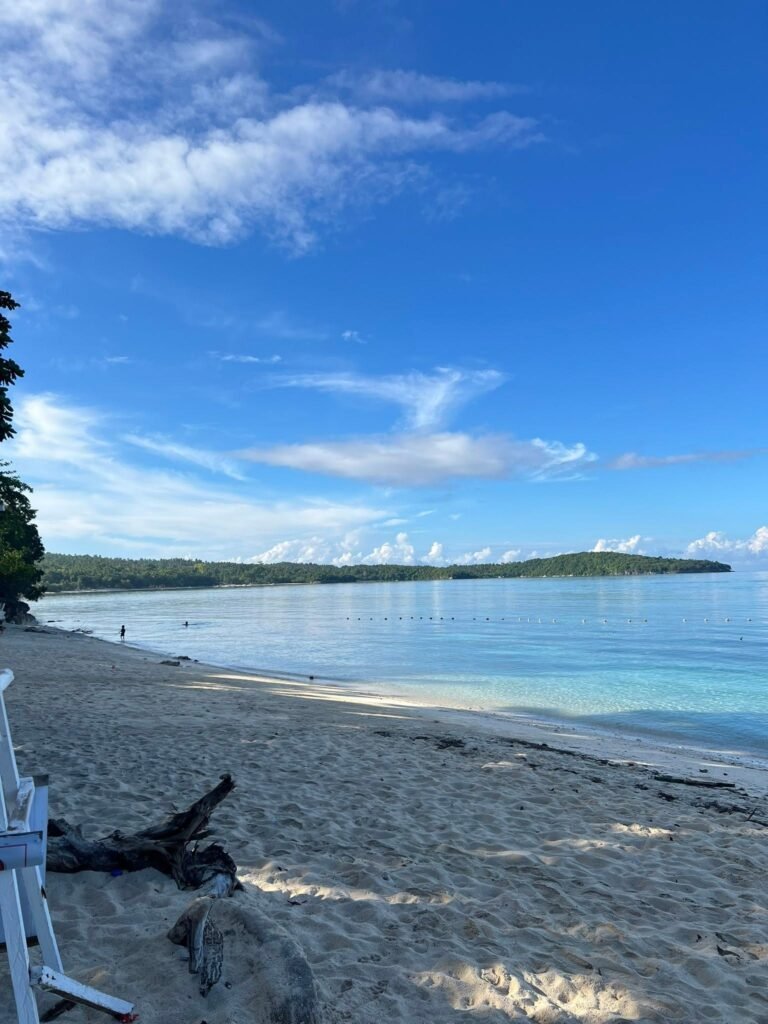
4.5 out of 5 for domestic travelers, road trippers, and anyone based in Mindanao — and a strong 4 out of 5 for visitors flying from Manila who factor in the travel time. Gumasa Beach delivers a long, uncrowded white sand beach, genuinely good snorkeling at Kapatan-Lago, a full range of budget to mid-range accommodation, and one of the most functional public transit routes of any major beach in Mindanao — all backed by a municipality that is clearly managing its tourism carefully rather than extracting from it.
The only friction is the tricycle logistics at the Glan-to-beach leg, which is easily solved with five minutes of pre-negotiation on arrival. If you are comparing top destinations across the Philippines, Gumasa Beach belongs on any serious shortlist for the south.