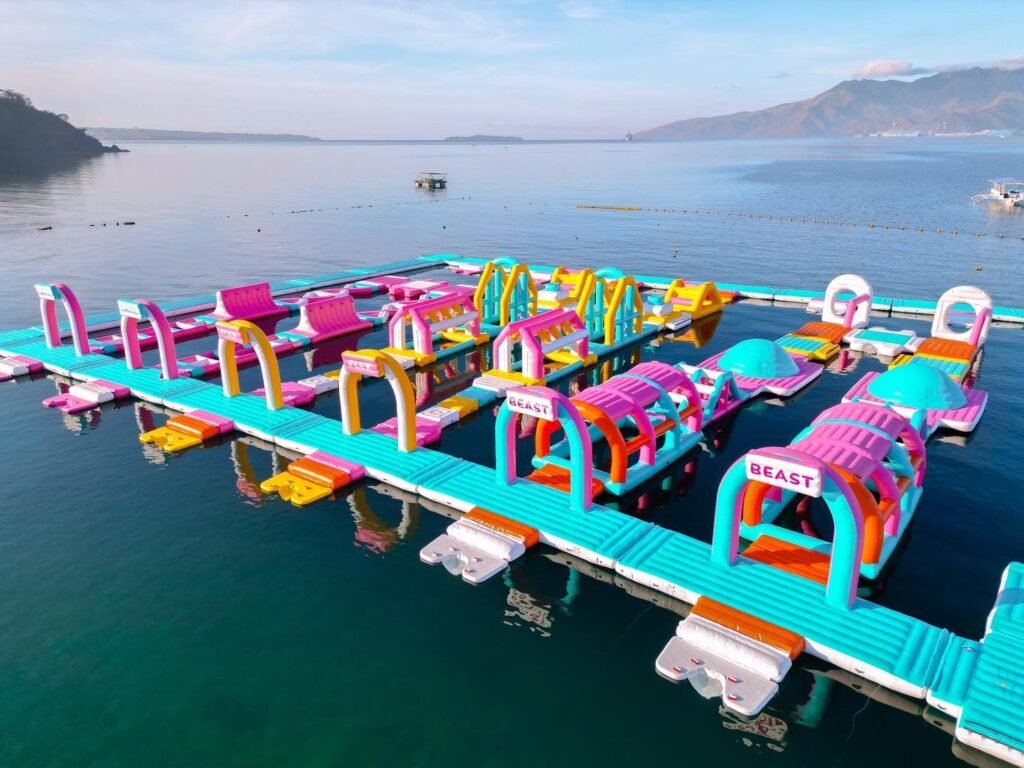
Manjuyod Sandbar is a 7-kilometer tidal sandbar in Negros Oriental, accessed by a short 15-minute boat ride from Capiñahan Wharf or Canibol Wharf in Bais City. Most visitors combine it with a Tañon Strait dolphin watching cruise in a single full-day trip, departing as early as 5:00–6:30 AM to catch low tide and the dolphins at their most active. The total DIY cost runs roughly ₱600–₱1,200 per person when splitting a group boat.
Manjuyod Sandbar Quick Guide
| Detail | Info |
|---|---|
| Destination | Manjuyod Sandbar (Manjuyod White Sandbar) |
| Location | Tañon Strait, North Bais Bay |
| Province | Negros Oriental, Central Visayas |
| Type | Tidal sandbar |
| Access | Short boat ride (~15 min) from Bais City wharves |
| Entrance / Env. Fee | No formal entrance fee; ₱15–₱20 per boat terminal/environmental fee upon boarding |
| Best Season | November–May (dry season / amihan) |
| Swimming | Yes — shallow, calm water around the sandbar |
| Island Hopping | Yes — Mangrove Forest, Bird Sanctuary, Olympia Island |
| Travel Time from Dumaguete | ~1–1.5 hours (bus + tricycle + boat) |
Table of Contents
Where Is Manjuyod Sandbar Located?
The Manjuyod Sandbar sits off the coast of Bais City in the province of Negros Oriental, Central Visayas. Despite its name, the sandbar is technically within the territorial waters of Bais, making it accessible from both Bais and the neighboring town of Manjuyod. Its coordinates place it within the Tañon Strait, a marine-rich corridor known for dolphin sightings and coral ecosystems.
It sits just 15–20 minutes by boat from Capiñahan Wharf in Bais City. The sandbar is 58 kilometers north of Dumaguete, in Bais City. That distance is important to understand before you plan — this is not a quick hop from the city center.
The vast expanse of white sand sprawls for 7 kilometers, and at its widest point during a strong low tide, you can walk well away from the water’s edge on dry sand. If you’re looking at maps, search for Bais City, Negros Oriental, and the sandbar will appear in North Bais Bay to the northeast of the wharf area.
For a deeper look at the wider region, check out this guide to Visayas tourist spots.
How to Get to Manjuyod Sandbar
The fastest and most affordable route runs from Dumaguete City through Bais City, then out to the sandbar by boat.
Step 1 — Dumaguete to Bais City (bus)
From Dumaguete, head to the Ceres Bus Terminal in Barangay Calindagan. Board a northbound bus or van headed to Bais City. The ride typically takes around 45 minutes to one hour and costs approximately ₱60–₱100 depending on whether you choose a non-AC or air-conditioned unit. Get off at the Bais City center — drivers typically call the stop near the Jollibee.
Step 2 — Bais City Market (optional but recommended)
Before heading to the wharf, stop at the Bais Public Market. There are no food stalls or restaurants on the sandbar itself, so this is your only chance to buy packed lunch supplies. Pick up bangus (milkfish), fresh oysters, rice, and bottled water. Your boat crew will grill the seafood onboard at no extra charge.
Step 3 — Bais City center to the wharf (tricycle)
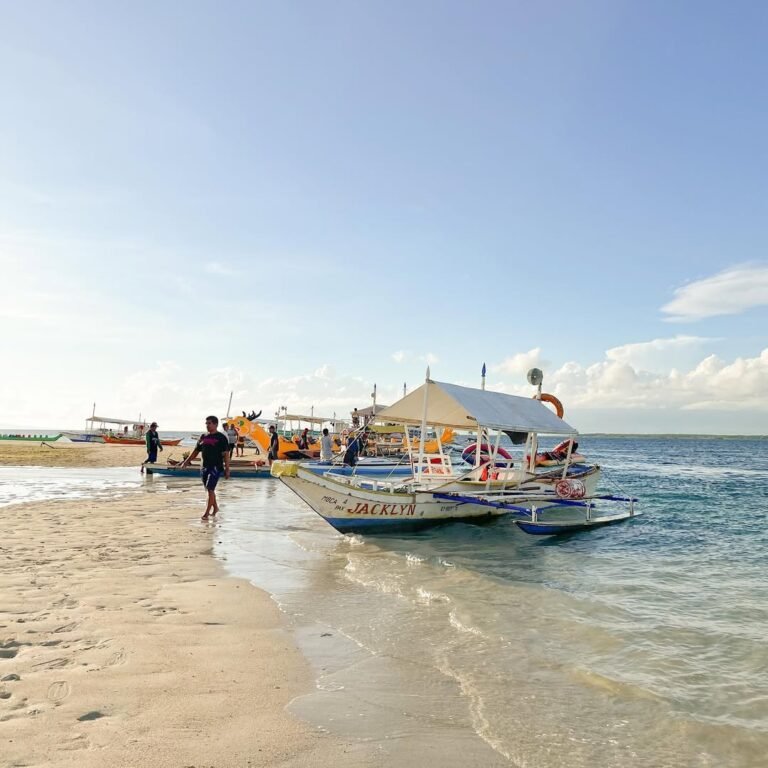
Once in Bais, take a tricycle (₱10–₱20 per person) to Capiñahan Wharf or Canibol Wharf, where boats can be hired to the sandbar. Canibol Wharf is the most common jump-off point to Manjuyod Sandbar. Both wharves operate boats; Capiñahan is the government-regulated hub, while Canibol hosts many private operators.
Step 4 — Wharf registration and departure
At the wharf, sign the passenger manifesto before boarding. This is a standard safety requirement. The Bais City Tourism Office regulates rates and can be reached at (035) 402-8338 or baistourism@gmail.com if you want to book a boat in advance. Arrive at the port at least 30 minutes before your scheduled departure.
Step 5 — Boat crossing to Manjuyod Sandbar
From Capiñahan Wharf in South Bais Bay, you reach Manjuyod Sandbar via an outrigger boat in about 15 minutes. The crossing is calm during good weather and the view of the sandbar materializing on the horizon is one of the more memorable parts of the trip.
For everything you need to know about Dumaguete as your base city, read this Dumaguete travel guide.
Entrance Fees, Environmental Fees, and Permits at Manjuyod Sandbar
Setting foot on the sandbar itself is free. There is no formal per-person entrance fee collected at the sandbar. However, a small terminal and environmental fee of ₱15–₱20 per boat is collected at the wharf upon boarding. Some operators may fold this into the boat rental quote.
The LGU constantly monitors the sandbar and imposes heavy fines for those caught littering. This active enforcement is why the sandbar looks as clean as it does compared to other heavily visited spots in the Visayas. Take all your rubbish back to the boat and dispose of it in Bais City.
No tourist permit is required beyond signing the passenger manifesto at the wharf. This form lists names and contact information for emergency purposes. It takes two minutes to complete and is a non-negotiable requirement before any boat departs. OUTBOUND Bais City Tourism Office official page
Getting Around Manjuyod Sandbar
Once your boat anchors at the sandbar, all movement is on foot — there are no vehicles, no paths, and no markers.
On the sandbar itself:
- Walk the full length during peak low tide. The sand is firm enough to walk barefoot, but the edges drop off quickly into deeper water, so stay aware of where you’re stepping.
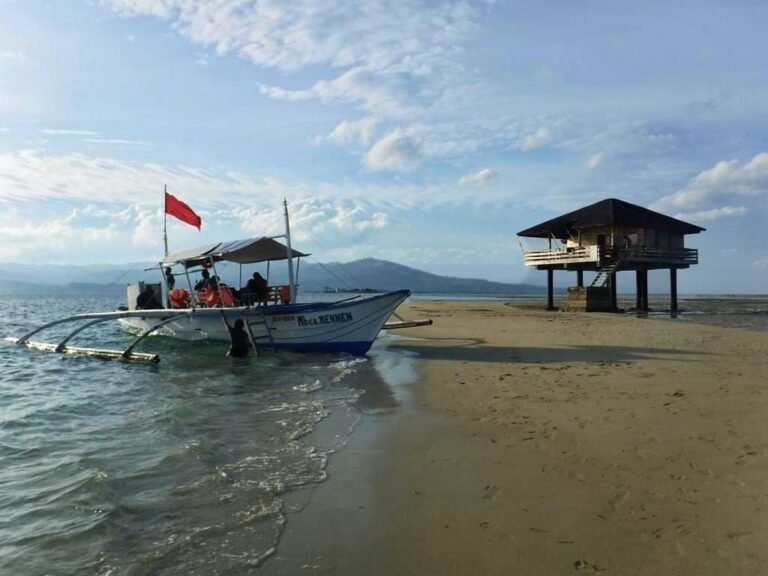
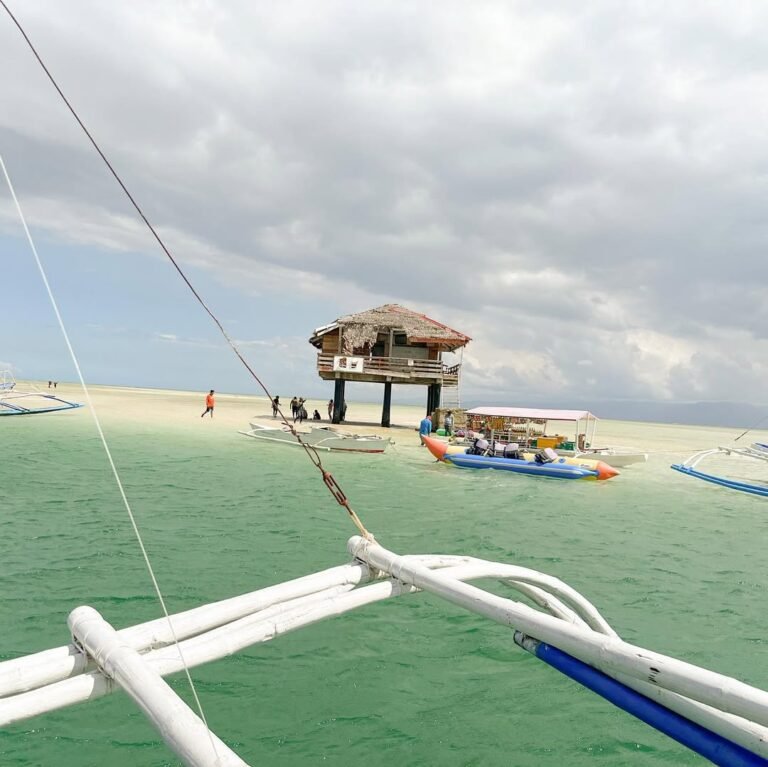
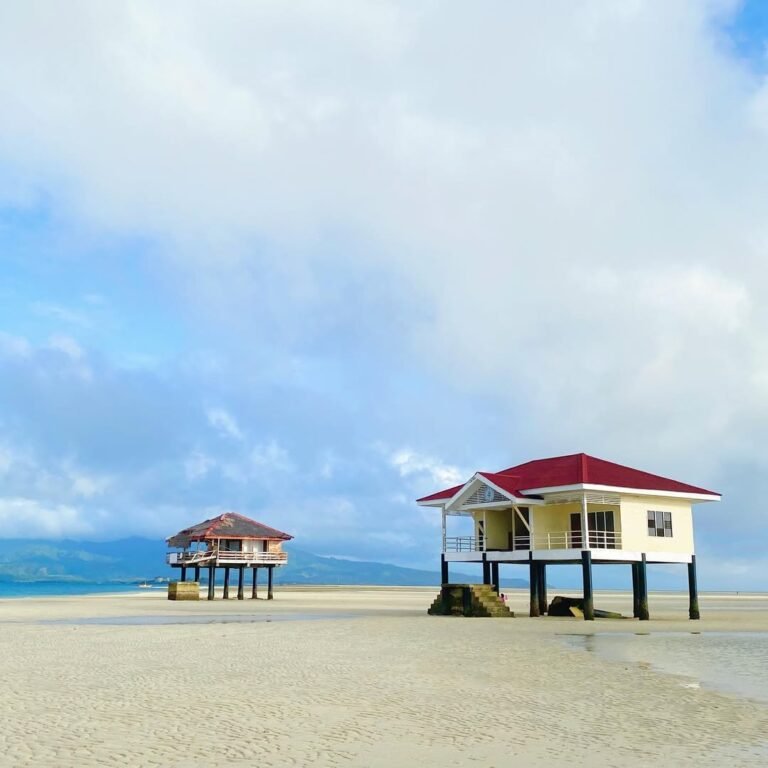
- The stilt cottages serve as landmarks and de facto rest stops.
- At low tide, the water on both sides of the sandbar sits at ankle-to-knee depth — ideal for wading.
Between the sandbar and nearby stops:
- Your boat stays with you all day and moves you between stops.
- The organized tour package typically includes dolphin and whale watching at Tañon Strait, a stopover at Manjuyod Sandbar for lunch and activities, and finally a visit to the Bird Sanctuary and Mangrove Park before heading back to the wharf.
- The mangrove stop is tide-dependent — your boatman will know whether passage is possible.
Watch the tide:
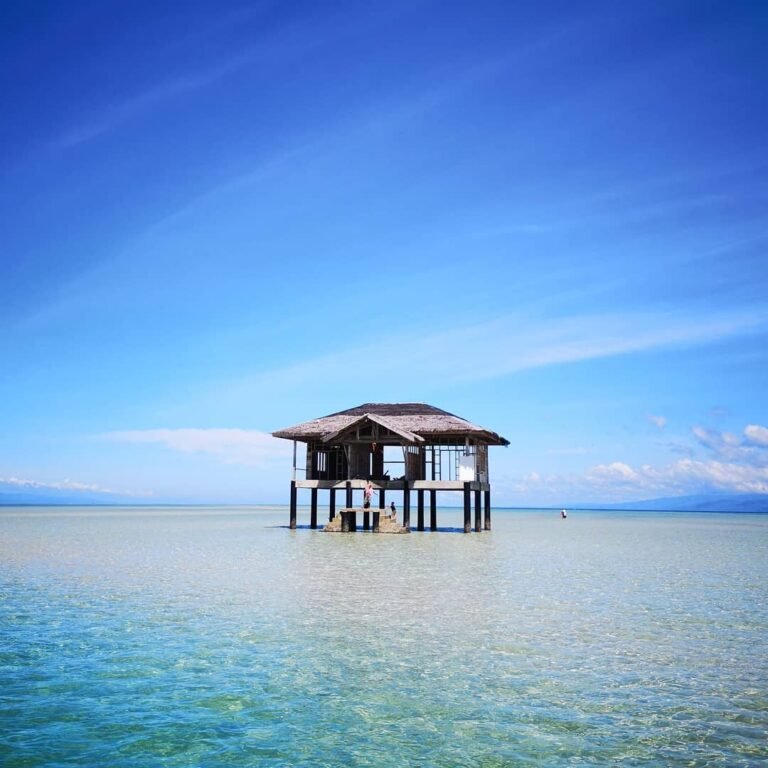
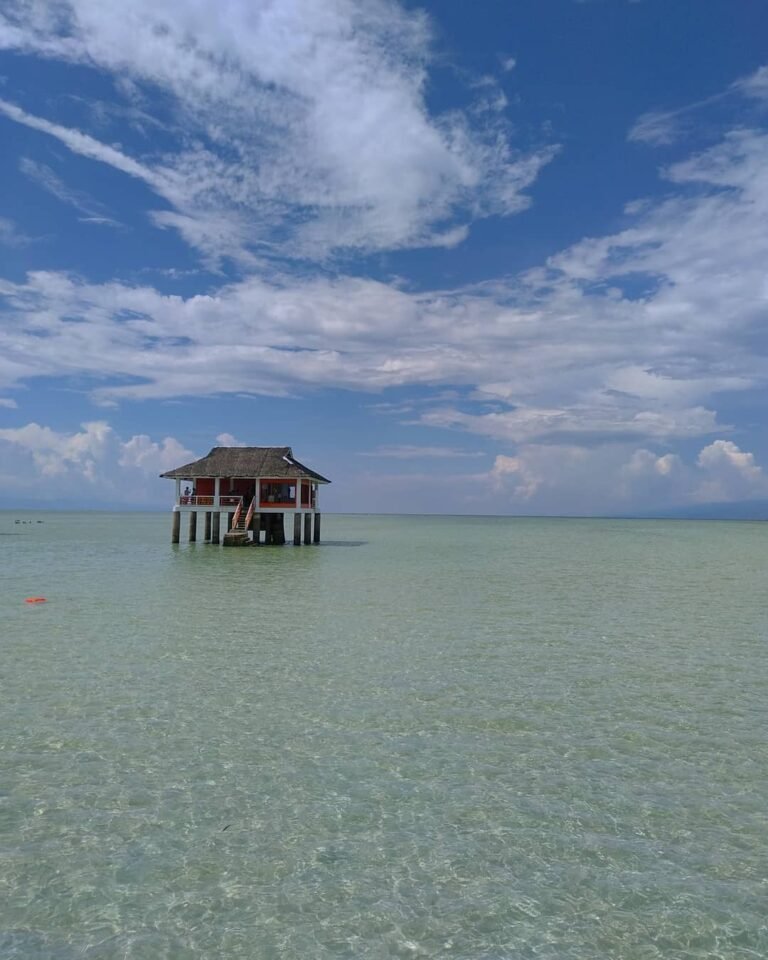
During high tide, the sandbar disappears almost completely under the shallow sea, leaving just the tops of the stilt cottages visible above water. Once you notice the sand shrinking at the edges, it’s a clear signal to move back to the boat.
Things to Do at Manjuyod Sandbar
The sandbar itself is the main event, but there is more on offer once you’re out on the water for a full day.
Walking the Sandbar
The sandbar’s most striking feature — its expansive white stretch of sand — only appears during low tide, when the waters recede and reveal a 7-kilometer stretch. The sand is fine and white, with a squeaky texture underfoot. Walking from one end toward the other during peak low tide gives a genuine sense of being stranded in the middle of the sea, with water visible on all sides. No trees grow on it. No shade exists other than the rented cottages. That openness is precisely what makes it unlike any standard beach.
Sandbar walking experience — 4.5/5. The scale and isolation are unlike anything you get at a beach resort. The only reason it doesn’t hit a full score is that timing is everything — arrive at the wrong tide and the experience drops significantly.
Swimming and Snorkeling
The area immediately around the sandbar has some coral patches and small tropical fish. You might even see starfish resting on the seabed — a favorite photo subject for underwater enthusiasts. The water directly over the sandbar is shallow enough for children to stand. The deeper edges, however, drop quickly. Bring your own mask and snorkel — rental availability from boatmen is inconsistent.
Snorkeling — 3/5. Coral cover near the sandbar is modest. If serious snorkeling is a priority, combine this trip with [Apo Island](https://lakbaypinas.com/travel-guide-to-apo-island-marine-sanctuary-diving/), which has far richer marine life and dedicated dive sites.
Manjuyod Sandbar Dolphin Watching
This is the one experience that stayed with me long after leaving. I visited in March 2026, and we were out in the Tañon Strait before 7:00 AM. The water was flat. Our boatman cut the engine without warning, and a minute later, a pod of several dozen spinner dolphins appeared off the port side. They moved fast — arcing through the water in tight formation, occasionally launching themselves completely clear of the surface. Nobody spoke for a while.
Boat tours from Bais or Manjuyod often begin early in the morning with a ride to the Tañon Strait, where spinner and bottlenose dolphins can be seen leaping and playing. Some lucky visitors may also spot pilot whales. The dolphin watching portion typically lasts one to two hours.
Swimming with the dolphins or feeding them are strictly prohibited. Unlike dolphins in some marine parks, Bais dolphins are not trained to interact with human beings. Responsible operators maintain distance and let the animals approach the boat on their own terms, which is the right call.
Dolphin watching — 5/5. Wild, unscripted, and genuinely surprising in scale. Sightings are not guaranteed — calm weather dramatically improves your odds — but when conditions are right, the experience is hard to match anywhere in the Philippines.
Stilt Cottage Rental and Resting
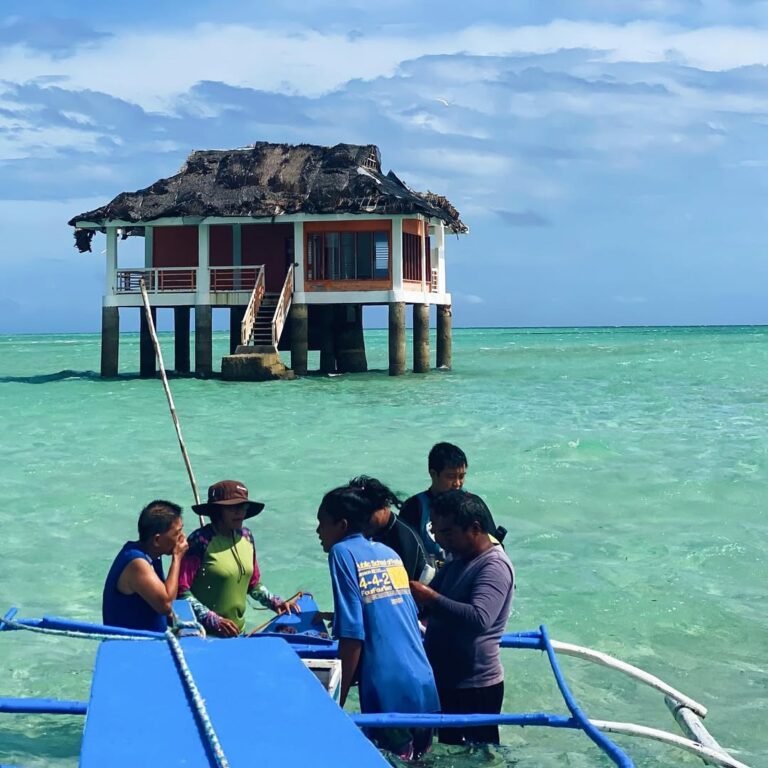
The cottage rooms are spacious enough for a group of friends and feature a kitchen area with an open pit for charcoal cooking. Amenities are basic, but a toilet and bathroom is available. Renting a stilt cottage positioned right on the white sand is the best way to rest in the shade and store your bags. Rates are generally ₱3,000 for day use and ₱4,000 for overnight stays, with 24-hour rental options at ₱6,000.
Stilt cottage day-use — 3.5/5. The shade alone is worth it given how brutal the midday sun gets with zero natural cover. The structure is rustic — don’t expect anything polished — but functional.
Water Activities
Dragon boat rides and banana boat rides are available from local vendors near the sandbar. Prices range from ₱100–₱150 per head. These are operated by separate vendors who come out to the sandbar during peak hours.
Island Hopping Add-Ons
You can combine your sandbar visit with a tour of Talabong Mangrove Park, nearby islets, or Bais City’s inland attractions for a full day of adventure. Most standard whole-day boat rentals already include these stops. Ask your boatman to confirm at booking.
For context on the broader Philippine beach scene, this guide to the best beaches in the Philippines places Manjuyod in useful national perspective.
Best Time to Visit Manjuyod Sandbar
The best time to visit Manjuyod Sandbar is during the amihan (northeast monsoon) dry season, which runs from November through May.
The dry season running from November to May is the ideal time to visit, bringing clear skies, calm seas, and the sandbar at its most attractive. March to May in particular offers the most reliable low tides falling in the morning hours, which is when you want them for the standard dolphin-watching-then-sandbar itinerary.
Avoid the habagat monsoon season between June and August, when heavy rains and choppy seas make for unsafe swimming conditions. This is also when dolphin sightings become harder — the rougher water makes it difficult for boats to hold position near pods. September to November sees occasional storms too, so visiting during the dry summer months is the safest choice.
On tidal timing specifically: From October to January, low tides occur in the morning, as early as 5:00 AM to 12:00 noon — ideal for combining with dolphin watching. The best arrival window at the sandbar is between 6:00 AM and 10:00 AM, when the tides are generally low and the morning light is best for photography.
Use a Philippine tide chart app or Tide Forecast websites before booking. Your target is a low tide that falls between 7:00 AM and 11:00 AM. If low tide falls in the early afternoon, you can still visit — just adjust your timing. If it falls at night, skip and rebook.
Where to Stay at Manjuyod Sandbar
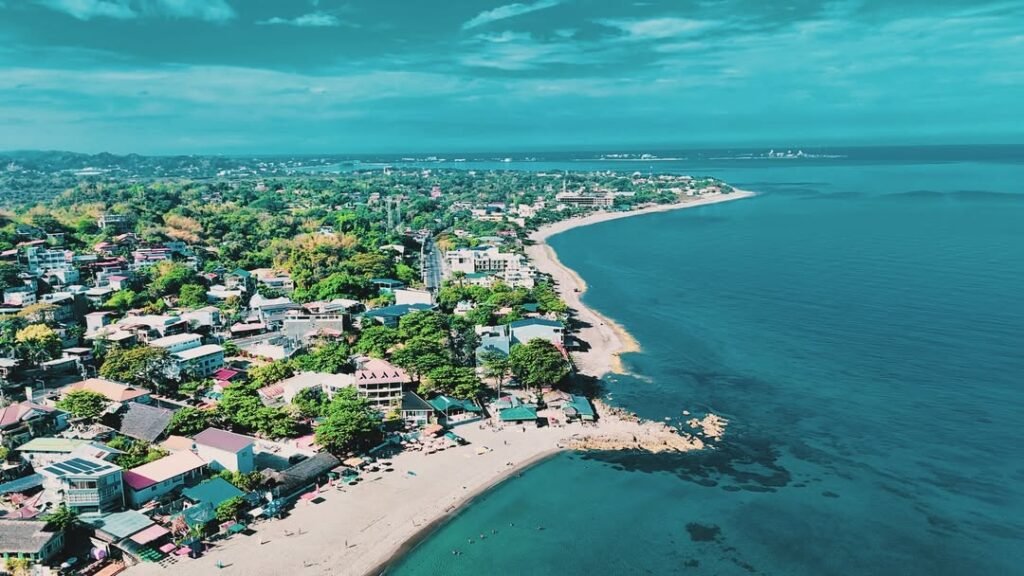
Manjuyod Sandbar is primarily a day-trip destination. Almost all visitors base themselves in Bais City the night before and return there after the tour.
Budget (₱500–₱1,500/night) — Bais City
Several guesthouses and inns operate in Bais City proper. Tricycle drivers at the bus stop can point you to available rooms. These are no-frills — fan rooms, shared bathrooms — but the only goal is an early morning start.
Mid-range (₱1,500–₱3,500/night) — Dumaguete City
If you want more comfort, stay in Dumaguete the night before, catch the first Ceres bus at 5:00 AM, and still arrive in Bais in time for a 6:30 AM boarding. Dumaguete has a full range of hotels, restaurants, and ATMs. See the [Dumaguete travel guide](https://lakbaypinas.com/dumaguete-travel-guide-2025-all-you-need-to-know/) for specific accommodation options.
On the sandbar (overnight stilt cottage)
The stilt cottages on the sandbar are available for overnight rental. They are equipped with basic amenities including electricity, running water, and a small kitchen area. These cottages can be booked through the Bais City Tourism Office. Rates are ₱4,000 per night or ₱9,000 for a full 24-hour stay. This arrangement requires advance coordination with either the Bais Tourism Office or the Manjuyod Tourism Office (+63 919 488 2950 / 035 404 1136). Bring all food, water, cooking supplies, and charcoal.
Staying on the sandbar overnight is an unusual experience — the sound of water surrounding you on all sides, no light pollution, and the sandbar re-emerging at dawn — but it’s not for everyone. Go with a group.
Budget Breakdown for Visiting Manjuyod Sandbar
| Expense | Cost (PHP) |
|---|---|
| Dumaguete to Bais City — Ceres Bus (one way) | ₱60–₱100 per person |
| Bais City tricycle to wharf | ₱10–₱20 per person |
| Boat rental (15-pax, whole day, dolphin watching + sandbar + mangrove) | ₱3,000–₱3,500 per group |
| Boat rental (20-pax, whole day) | ₱4,000–₱5,000 per group |
| Boat rental (30+ pax, whole day) | ₱5,000–₱7,500 per group |
| Terminal / environmental fee | ₱15–₱20 per boat |
| Stilt cottage — daytime use | ₱3,000 per cottage |
| Stilt cottage — overnight | ₱4,000 per cottage |
| Stilt cottage — 24-hour | ₱6,000–₱9,000 per cottage |
| Bais Public Market seafood + rice + water | ₱200–₱300 per person |
| Banana boat / dragon boat activities | ₱100–₱150 per person |
| Joiner tour (solo traveler option) | ~₱1,500–₱1,800 per person |
For solo travelers or pairs: join a group tour for around ₱1,500–₱1,800 per person. You can also wait at the wharf for other tourists to share the boat cost.
What to Pack for Manjuyod Sandbar
| Item | Essential? |
|---|---|
| Reef-safe / coral-friendly sunscreen | Yes |
| Rash guard or long-sleeve swim top | Yes |
| Wide-brim hat | Yes |
| Polarized sunglasses | Yes |
| Waterproof dry bag for phone and wallet | Yes |
| Extra change of clothes | Yes |
| Sufficient cash (small bills) | Yes |
| Packed food and at least 2L water per person | Yes |
| Aqua shoes or old sandals | Recommended |
| Snorkel mask and fins | Recommended |
| Biodegradable garbage bag | Yes |
| Portable power bank | Recommended |
| Camera or waterproof phone case | Recommended |
| Drone (with permit) | Optional |
ATMs exist in Bais City town — BPI, Metrobank, PNB, and Robinsons Bank all have branches. There are ATMs in Bais town for BPI, Metrobank, PNB, and Robinsons Bank. Withdraw before heading to the wharf. No card terminals exist on the water or on the sandbar itself.
Safety Tips for Visiting Manjuyod Sandbar
Tide awareness — the biggest risk most visitors ignore. The seafloor drops very quickly along the sandbar’s edges, and within less than an hour the entire sandbar can be underwater as the tide rises. Watch where the edge of dry sand is and check it every 30 minutes. If it has shrunk noticeably, start moving back toward the boat. Do not get caught off the boat in rising water in open sea.
Life vests. All passengers must wear life vests at all times while onboard the boat. Most tour fees include a life vest. Confirm this before boarding. If a boatman does not offer life vests, ask specifically — it is not optional on open-water crossings.
No lifeguards. There are no lifeguards at the sandbar or on the crossing. The water near the sandbar is shallow and calm during low tide, but the drop at the edges is steep. Weak swimmers should stay in the shallower central section and should not swim alone.
Sun exposure and dehydration. The sandbar has zero natural shade outside rented cottages. At peak mid-morning hours, the sun reflects off the white sand and the surrounding water simultaneously. UV exposure is significantly higher than on a shaded beach. Apply sunscreen before boarding the boat, not after arriving. Reapply every 90 minutes. Drink water continuously — dehydration sets in faster on the open water than visitors typically expect.
Sharp surfaces. Keep your sandals, flip-flops, or aqua shoes on to protect your feet from sharp rocks and debris that may be hidden under the sand. Sea urchins are present near the sandbar’s coral edges — never step into deeper water at the sandbar’s edges without checking first.
Rough sea conditions and cancellations. In the event of bad weather or unsafe sea conditions, trips may be postponed or cancelled for safety. If the Tañon Strait is choppy, trust your boatman’s judgment. These are working fishermen who know these waters. Do not pressure operators to depart in marginal conditions.
Jellyfish. Small jellyfish can appear in the Tañon Strait area, particularly during certain months. A rash guard covers most of the body and doubles as UV protection. If stung, rinse with seawater — not fresh water — and avoid rubbing the area.
Boat overloading. Overloading is strictly prohibited. The number of passengers must not exceed the boat’s maximum capacity. If you see a boat that appears overloaded, do not board it.
What I’d Do Differently Next Time
Book the boat two days in advance, not the morning of. I arrived in Bais City around 6:30 AM on a weekday in March 2026 and still spent 45 minutes sorting out a boat because several groups had already pre-reserved the better-sized outriggers. On weekends, walk-in availability drops further. A quick email or call to the Bais Tourism Office the day before would have saved that time entirely.
Check the tide table, then check it again. I timed my visit correctly and caught the sand at low tide between 9:00 and 11:00 AM — but I got lucky. I had not specifically cross-checked my visit date against the tide forecast before booking my bus ticket. The sandbar experience and the “just swimming” experience are genuinely different things. Build your entire travel date around a confirmed morning low tide.
Bring a compact portable shade structure. The stilt cottages are the only shade, and they cost ₱3,000. Four of us split a cottage for the day, which made it worthwhile. But if I were traveling with two people, I’d bring a small beach umbrella to reduce that cost.
Add a half-day in Bais City itself. We caught a return bus almost immediately after arriving back at the wharf, and in hindsight that felt rushed. Bais has a Sunday Night Market and some worthwhile local food — worth factoring in if the logistics allow.
Frequently Asked Questions About Manjuyod Sandbar
What is the best time of day to visit Manjuyod Sandbar to see the sand exposed?
Check local tide charts before your trip. The best arrival time is between 6:00 AM and 10:00 AM, when tides are generally low and the light is ideal for photography. Arriving after 11:00 AM on most days means reduced or zero sand exposure. Your boatman can also advise on conditions specific to your visit date.
How much does a boat tour to Manjuyod Sandbar cost?
Boat rentals range from ₱3,500 to ₱5,000 depending on group size, typically good for 10–15 people, and inclusions like dolphin watching. Larger boats for 30+ passengers run up to ₱7,500. If you’re traveling solo or as a couple, you can join a group tour for around ₱1,500 per person.
Can you stay overnight at Manjuyod Sandbar?
Yes. The stilt cottages are available for overnight rental and offer visitors a unique experience immersed in the natural environment of the sandbar. The overnight rate is ₱4,000 per cottage and must be arranged in advance through the Bais Tourism Office or Manjuyod Tourism Office. Bring all your own food, water, cooking supplies, and lighting.
Is Manjuyod Sandbar included in the Bais dolphin watching tour?
The sandbar is a typical stop during the Bais dolphin and whale watching tour. The organized tour package includes dolphin and whale watching at Tañon Strait, a stopover at Manjuyod Sandbar for lunch and activities, and a visit to the Bird Sanctuary and Mangrove Park before returning to the wharf. These are bundled into a single full-day boat rental.
What should I bring to Manjuyod Sandbar since there are no restaurants?
There are no stores, restaurants, or establishments on Manjuyod Sandbar — bring your own food and drinks. The recommended approach is to stop at the Bais Public Market before the wharf and buy fresh seafood, rice, and water. Your boat crew will grill the food onboard at no extra charge. Roving vendor boats do pass by during the day selling coconuts, snacks, and oysters, but prices are higher and supply is unreliable.
Final Verdict: Is Manjuyod Sandbar Worth Visiting?
Manjuyod Sandbar delivers exactly what it promises — a wide, flat, open-sea sandbar that exists only for a few hours each day, paired with one of the best wild dolphin encounters in the Philippines. 4.5 out of 5 for any traveler who times their tide correctly and pairs it with the dolphin watching circuit.
The logistical steps from Dumaguete to the sandbar are straightforward, and the total cost for a group is genuinely affordable. The one caveat: visit on the wrong tide and you get a swimming spot with no sand, not the experience that made Manjuyod Sandbar famous. Plan around the water, not around the calendar date, and this trip holds up completely.
For the full picture on where Manjuyod fits within the Philippines’ top destinations, check this guide to top tourist spots in the Philippines.