Last updated: August 2026
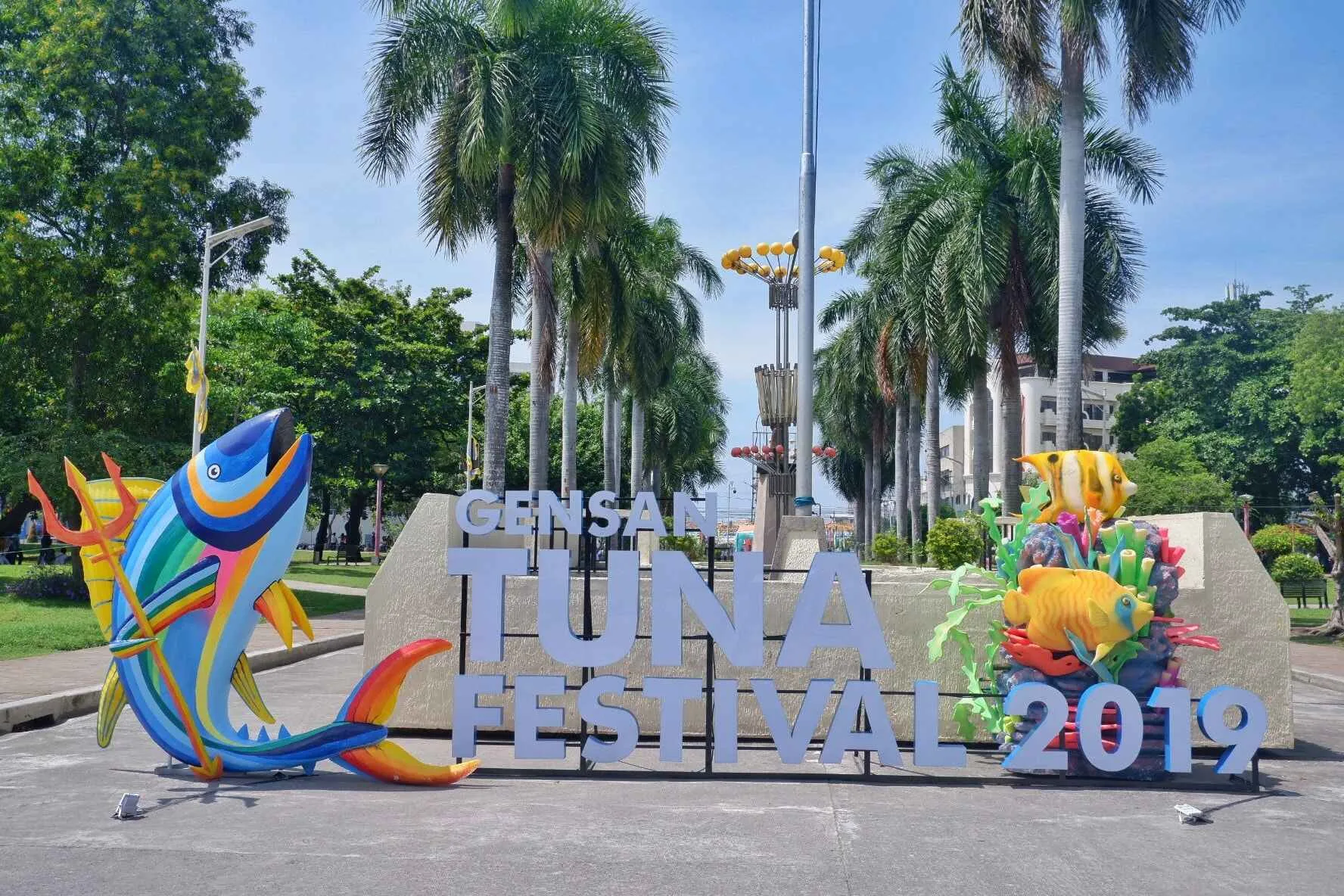
The Tuna Festival in General Santos City is a free, five-day annual festival held every first week of September, celebrating the city’s tuna fishing industry and its September 5 charter anniversary. The 2026 edition runs September 1 to September 5 across multiple venues, with the grand closing ceremony and main cultural show on September 5. Your real costs are flights, accommodation, food, and getting around — the street events, parades, grilling, and concerts cost you nothing.
Tuna Festival Quick Guide
| Detail | Info |
|---|---|
| Festival | Tuna Festival (GenSan Tunafest) |
| Location | General Santos City, South Cotabato |
| Festival Dates | September 1 to 5, 2026 |
| Main Event Day | September 5 (Charter Day closing) |
| Festival Type | Food, music, cultural street festival |
| Cost to Attend | Free (street events and parades) |
| Trip Length Needed | 3 to 5 days recommended |
| Best Home Base | Downtown, near Pioneer Ave or Oval Plaza |
Table of Contents
When Is Tuna Festival?
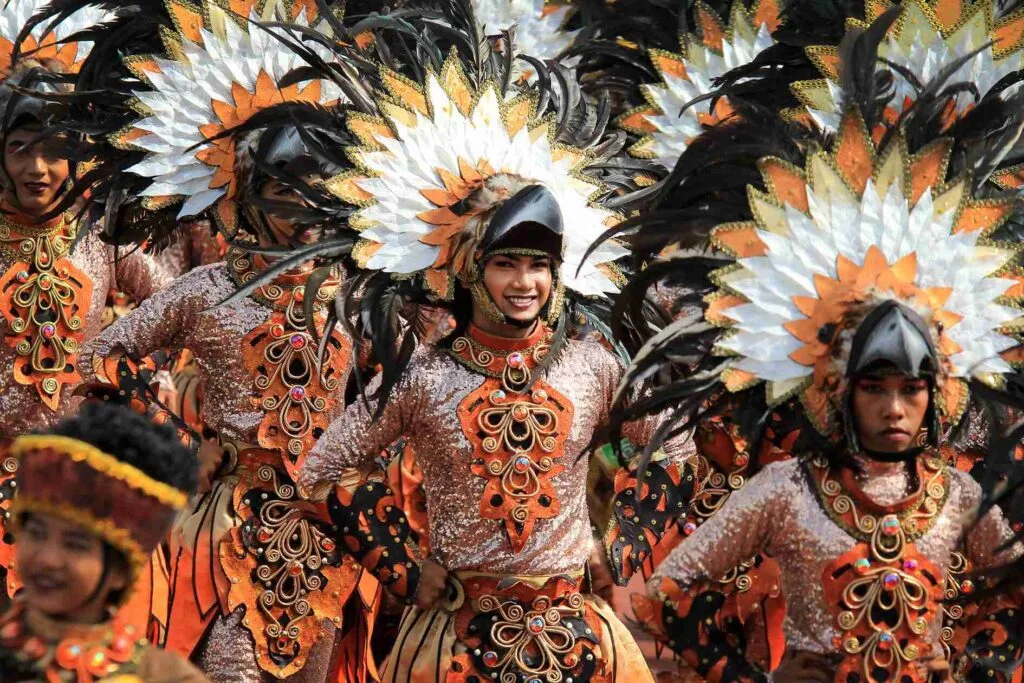
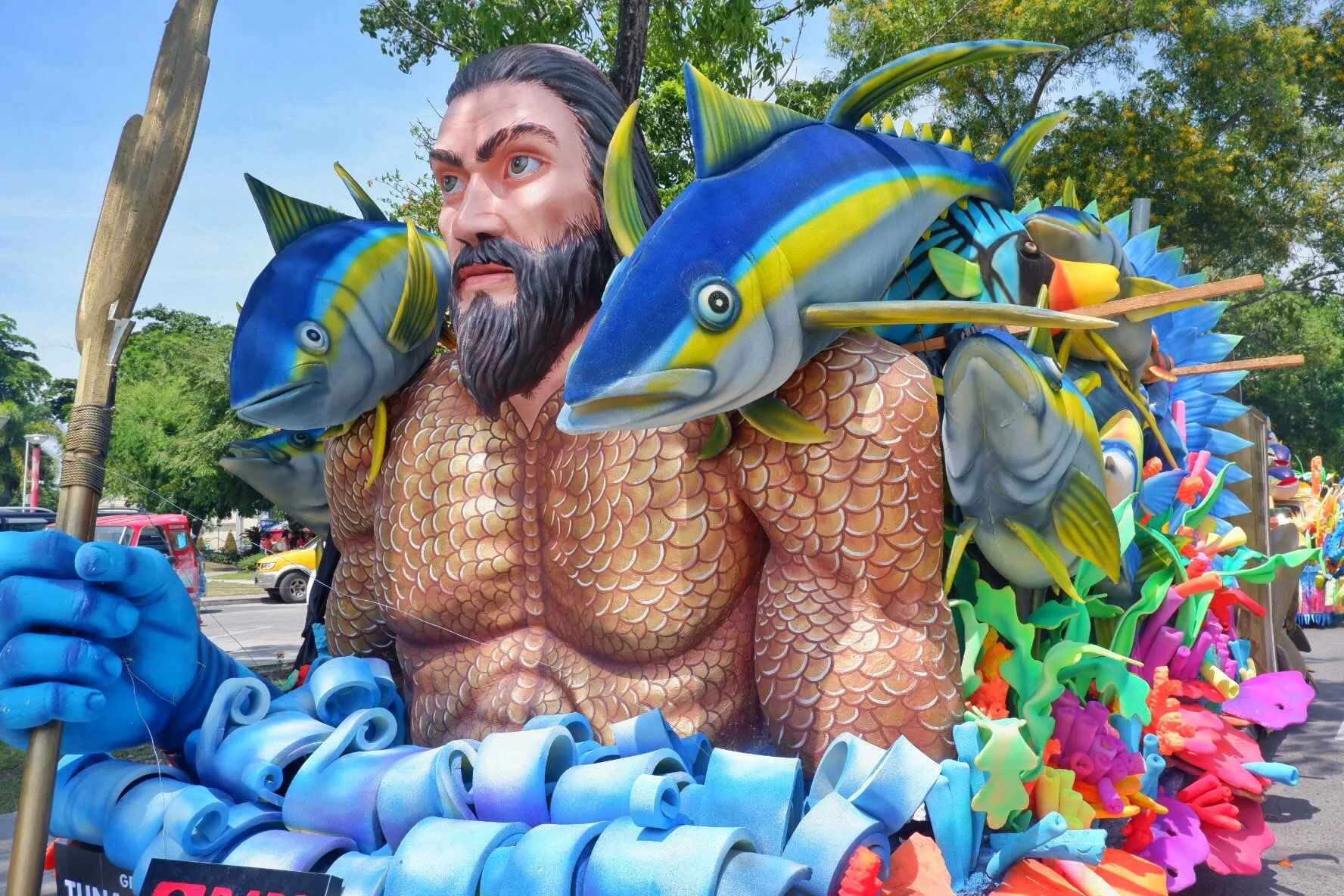
The 2026 Tuna Festival runs from September 1 to September 5 in General Santos City, South Cotabato, Philippines. The grand closing ceremony and the biggest cultural production of the week fall on September 5, which is the city’s Charter Anniversary and a declared special non-working holiday. The opening on September 1 already delivers the Lawihan Tuna Float Parade and a fireworks display, so don’t fly in late thinking the first day is quiet.
The LGU of General Santos City and its partner offices typically release the official calendar of activities via the city government’s Facebook page and official channels by mid-August each year — that’s the best source for any additions or venue changes to the Tuna Festival 2026 schedule.
What Is Tuna Festival About?
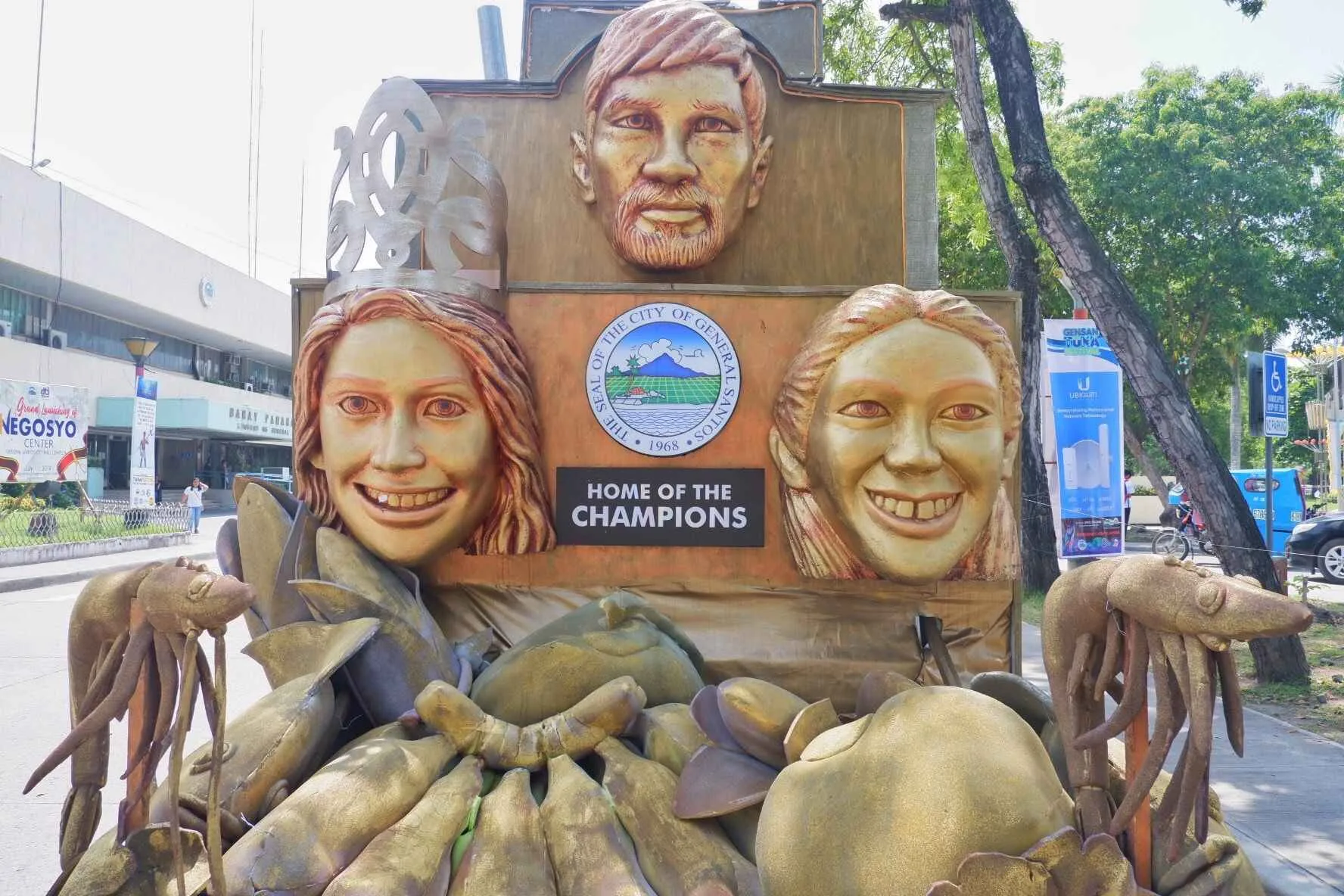
The Tuna Festival in General Santos City is not a saint’s feast day. It honors the city’s fishing industry and its founding. General Santos City was officially chartered on July 8, 1968, under Republic Act No. 5412, with its inaugural celebration on September 5, 1968, under the city’s first mayor, Antonio C. Acharon. Exactly thirty-one years later, on September 5, 1999, the local government launched the first Tuna Festival, deliberately tying it to Charter Day.
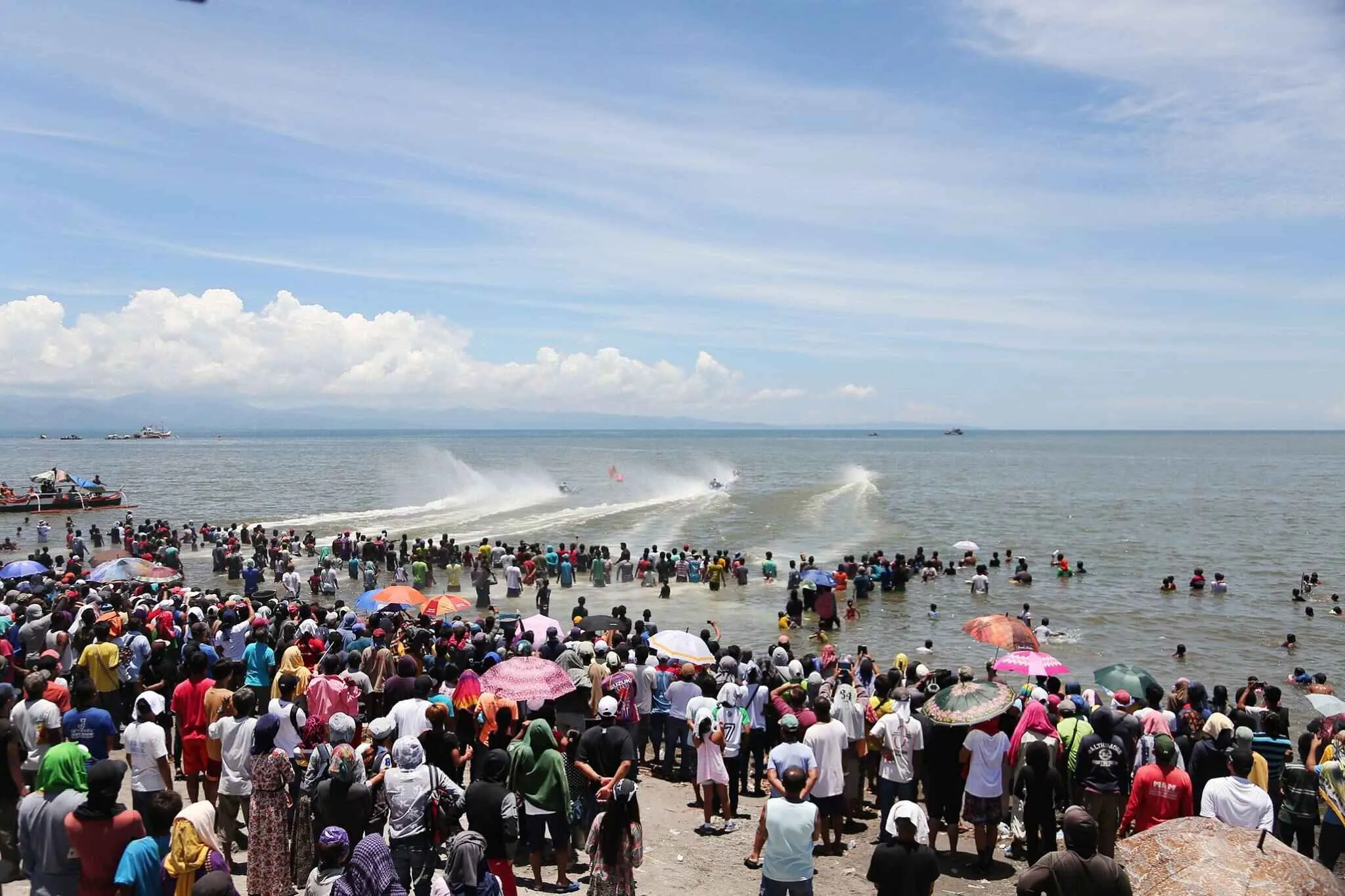
The festival’s core events revolve around yellowfin tuna. The Lawihan Tuna Float Parade (Parada sa Dagat), the Lawi-Lawi sa Gensan street dancing competition, the Sugbahan sa Dalan mass grilling event, the Bankarera outrigger boat race, and the Buhat Tuna strength contest all center on the same subject: the men and women whose labor drives a city that processes roughly 90% of the Philippines’ total tuna volume.
General Santos hosts six of the eight major tuna canneries in the country, and the General Santos City Fishing Port Complex is the second largest in the Philippines, trailing only Navotas. That industrial weight is exactly what makes the festival feel different from other Mindanao festivals. For more on how the Philippines’ best regional festivals are structured, see this guide to festivals in the Philippines.
How to Get to Tuna Festival
Flying from Manila is the fastest and most practical way to reach the Tuna Festival General Santos 2026. Philippine Airlines (PAL) and Cebu Pacific both operate direct Manila (MNL) to General Santos (GES) flights, with the journey taking roughly two hours. PAL passengers depart from NAIA Terminal 2, North Wing. Round-trip fares from Manila typically fall between PHP 4,000 and PHP 7,000 for September travel, though early bookings — at least six weeks out — can bring that down significantly. Flying on a Thursday historically yields up to 16% savings on this route.
Direct flights also connect General Santos to Cebu (CEB) and Clark (CRK) via Cebu Pacific, and select services operate from Iloilo (ILO). These are worth looking at if you want to skip NAIA entirely. The General Santos International Airport (GES) sits approximately 15 kilometers west of the city center, with a transfer time of 20 to 40 minutes depending on traffic.
The cheapest way from GES airport to the festival area is a jeepney from the main road outside the terminal to the city center, costing around PHP 15. A taxi or booked ride is faster and costs PHP 150 to PHP 250 for the same trip. Tricycles are fine for shorter hops once you’re in the downtown area, with the regulated minimum fare set at PHP 15 for the first four kilometers, per City Ordinance No. 8, Series of 2023.
If you’re coming overland from Davao, buses depart Ecoland Terminal and the journey takes 3 to 4 hours, costing PHP 350 to PHP 550. Arrive at NAIA at least three hours before departure during festival week given the September travel surge.
Tuna Festival Schedule of Events
The full Tuna Festival General Santos 2026 calendar of activities spans five days across two main venue clusters: Oval Plaza/City Center for ceremonial and concert events, and Pioneer Avenue for street events and the float parade. The Tuna Festival GenSan 2026 general santos 2026 calendar of activities is structured as follows:
| Date | Event | Venue |
|---|---|---|
| September 1 | Grand Opening; Lawihan Tuna Float Parade; Opening concert (30 to 45 min); Fireworks | Oval Plaza / Pioneer Ave |
| September 2 | GenSan Tuna Music Festival launch; Tuna Saya sa Pioneer; Tuna Zumba; Skills Olympics; LGBTQIA+ Night | Pioneer Ave / Various |
| September 3 | Bankarera outrigger boat race; Fish Fest sa Fishport; Linis Tuna; Buhat Tuna; Music Festival | GenSan Fish Port / Coastal |
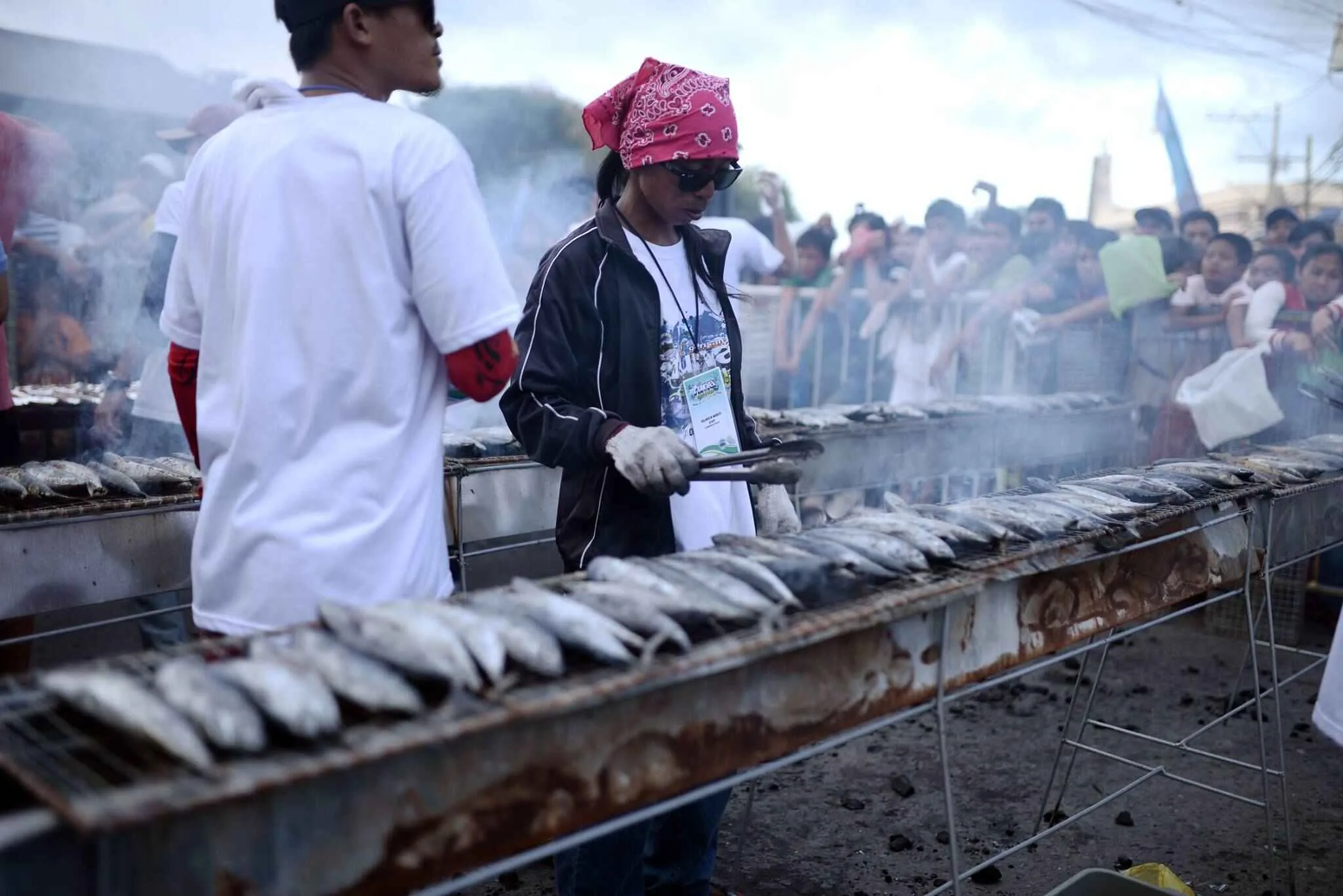
| September 4 | Sugbahan sa Dalan (street grilling); Tuna Music Festival; local band performances | Pioneer Avenue |
| September 5 | Charter Anniversary Closing; Cultural production; National artist concert (60 min); Fireworks | Oval Plaza |
September 1 is the visual highlight for parade watchers. September 4 is the food highlight, with the Sugbahan sa Dalan turning Pioneer Avenue into a kilometer-long open grill. September 5 closes the week with the biggest concert of the festival, a full sixty-minute set from a national artist, and a fireworks display that ends the charter anniversary celebrations.
Tickets and Grandstand Prices at Tuna Festival
All core street events at the Tuna Festival in General Santos City are completely free to the public. The Lawihan Tuna Float Parade, the Lawi-Lawi sa Gensan street dancing competition, the Sugbahan sa Dalan, the Bankarera, and the Buhat Tuna contest cost nothing to watch. You walk up, you stand or sit on the sidewalk curb, and you watch. No ticket required.
The Pioneer Avenue Grandstand is the designated viewing structure along the float parade route. Grandstand ticket prices for the 2026 edition had not been officially published at the time this guide was written — the LGU releases seating details alongside the full event calendar typically in mid-August. Since no official price has been confirmed for 2026, no figure is stated here. What is confirmed from prior editions and the procurement framework is that a grandstand seating area exists and offers reserved chairs with an elevated sightline along the parade route.
The safest budget assumption for a first-time visitor: plan as if everything is free, and treat any grandstand ticket as an optional upgrade.
Best Viewing Spots at Tuna Festival
The best free public viewing for the Tuna Festival parade is along Pioneer Avenue between the grandstand and the float staging area. The parade runs the length of this historic commercial street, so the entire stretch is technically a viewing spot. The question is where you stand.
Here are the practical options, rated for unobstructed sightlines:
Pioneer Avenue sidewalk in front of the grandstand: 5/5. The widest viewing window, the best elevated angle if you’re near the stage, and where the floats slow down for judging. Arrive by 6:00 PM if the parade is an evening event — by 7:00 PM this stretch is packed three people deep.
Roxas East Avenue junction with Pioneer: 4/5. A natural bottleneck where floats turn or slow down, giving you a longer look at each float. Street food stalls cluster here too, so you can eat while you watch. Slightly less crowded than the grandstand front.
Pendatun Avenue approach: 3/5. A good option if you arrive late and the grandstand zone is already full. Sightlines are clear, but you’re at the end of the route, so floats arrive later in the evening and some performers are visibly tired by the time they reach you.
Oval Plaza perimeter: 3/5. Better for the September 1 opening ceremony and the September 5 closing concert than for the float parade itself. Free standing room is available in the general area in front of the stage.
Arrive at least one to two hours before the parade start time to claim a good sidewalk position along Pioneer Avenue. Festival crowds build fast from the late afternoon.
What to Wear and Bring to Tuna Festival
September in General Santos City is hot and humid, with afternoon rain showers typical during the southwest monsoon tail. Pack light and practical.
| Item | Needed? |
|---|---|
| Lightweight cotton or linen shirt | Yes, essential |
| Dark or print shorts/pants | Yes |
| Closed-toe shoes or sneakers | Yes, required at Fish Port |
| Compact umbrella or rain jacket | Yes |
| Sunscreen SPF 50+ | Yes |
| Reusable water bottle | Yes |
| Small dry bag for phone and cash | Yes |
| Knee-high white rubber boots | Only if visiting Fish Port |
| Valid government-issued ID | Yes (Fish Port entry, PWD/senior discounts) |
| Power bank | Recommended |
| Cash (PHP) | Yes, carry enough for the day |
One specific call-out: if you’re doing the pre-dawn trip to the General Santos City Fish Port Complex in Barangay Tambler, you cannot wear shorts, sleeveless shirts (sando), or open-toed footwear. Port authorities enforce this without exceptions because the facility processes sashimi-grade tuna for international markets. Rubber boots can be rented at stalls near the entrance gate for PHP 20, and jogging pants are also available for rent on-site. Bring your own socks to save the extra PHP 20 vendors charge for new ones. Arrive by 5:00 AM to catch the actual unloading and grading of the tuna catch.
Where to Stay for Tuna Festival
Book accommodation for the 2026 Tuna Festival at least two to three months in advance. Hotels along and near Pioneer Avenue and the Oval Plaza area — the two main festival corridors — sell out first. Rates surge noticeably versus off-peak months, with mid-range properties going fast above PHP 3,000 per night and budget options disappearing by July.
For proximity to the action, the priority areas are Pioneer Avenue itself, Santiago Boulevard, and anywhere within a fifteen-minute tricycle ride of the Oval Plaza. These neighborhoods put you within walking distance of the parade route and the Sugbahan sa Dalan on September 4.
Greenleaf Hotel on San Miguel Street is the top-end option, 1.2 kilometers from the city center, with a complimentary two-way airport shuttle — useful given the 15-km airport-to-city distance. Grand Summit Hotel on Honorio Arriola Street in Bula-Lagao is rated 8.8 out of 10 by guests and sits close to both the Oval Plaza and Plaza Heneral Santos.
Microtel by Wyndham works well for families wanting standardized service. For budget travelers, RedDoorz and OYO properties like RedDoorz @ Lagao and RedDoorz near KCC Mall run between PHP 1,000 and PHP 2,000 per night and put you in residential neighborhoods a short tricycle ride from the main venues. Airbnb and transient house options also exist in the downtown barangays — check listings early and read reviews for proximity claims carefully.
For more on what to see around South Cotabato and the wider Mindanao region after the festival, this Mindanao tourist spots guide is a good starting point for extending your trip.
Getting Around During Tuna Festival
On parade day (September 1) and during the Sugbahan sa Dalan (September 4), Pioneer Avenue is closed to vehicle traffic. The closure typically covers the parade route from early afternoon through late evening on those days. Tricycles and jeepneys reroute around the closed sections, which means your usual direct route from a nearby hotel to the parade may require a short walk at the end. Private vehicles trying to park near Pioneer Avenue during the evening program will find it difficult — leave the car at the hotel and walk or take a tricycle to the perimeter.
Tricycles are the workhorses of festival transport between venues. The regulated fare is PHP 15 for the first four kilometers, so most hops between the Oval Plaza, Pioneer Avenue, and Tiongson Arcade night market stay under PHP 30. Negotiate or agree on a fare before riding, especially at night when drivers may quote tourist prices.
Habal-habal (single motorcycles) are useful for faster point-to-point movement in congested streets and are widely available near all festival venues. Jeepneys run cash-only at PHP 12 to PHP 15 minimum fare and are fine for longer routes. For the pre-dawn Fish Port trip to Barangay Tambler, hire a tricycle for PHP 20 to PHP 30 from the city center and ask the driver to wait. The entrance fee for tricycles at the port gate is PHP 8.
On the Bankarera race day (September 3), the area around the GenSan Fish Port Complex in Tambler draws its own crowd, so plan for heavier traffic on Makar Road heading to the coastal area in the late morning.
Full Budget Breakdown for Tuna Festival
All street events are free. The costs are transport, food, and a bed.
| Expense | Cost (PHP) |
|---|---|
| Round-trip flights Manila to GES | 4,000 to 7,000 |
| Airport to city center (jeepney) | 15 per trip |
| Budget accommodation (per night) | 1,000 to 2,000 |
| Mid-range hotel (per night) | 2,500 to 4,000 |
| Daily tricycle transport | 100 to 200 |
| Street food and market meals | 200 to 400 |
| Restaurant dinner (mid-range) | 350 to 800 |
| Tuna Pastil street snack | 10 |
| Fish Port rubber boot rental | 20 |
| Fish Port tricycle fare + gate fee | 50 to 60 |
| Sarangani Highlands entrance | 100 |
| Souvenirs and incidentals | 500 to 1,000 |
| Estimated 3-day total (budget) | 8,000 to 12,000 |
| Estimated 3-day total (mid-range) | 14,000 to 20,000 |
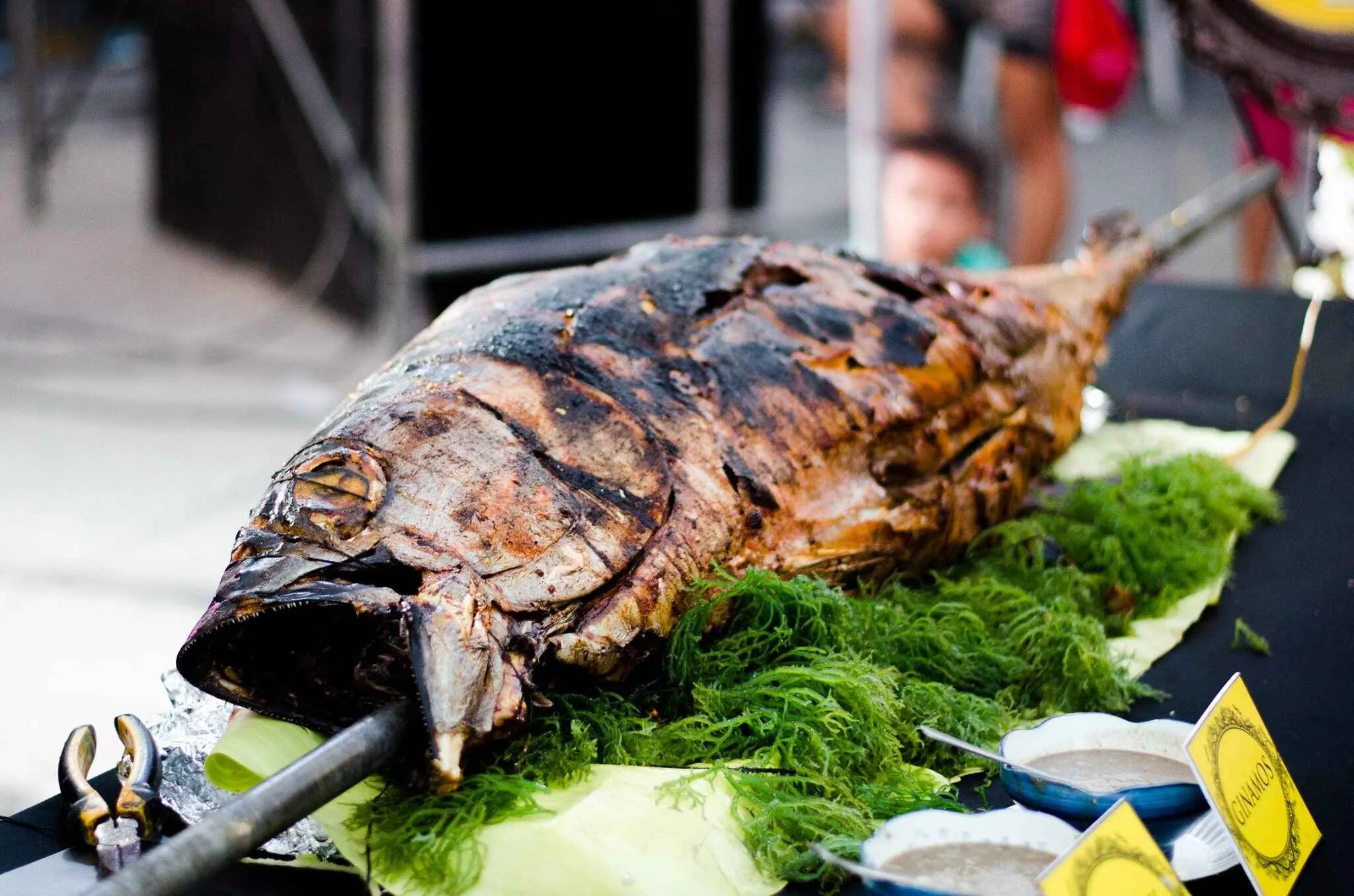
Food at the festival itself can be extraordinarily cheap. A Tuna Pastil from a street vendor costs PHP 10 and comes with pickled cucumber, alamang (fermented shrimp paste), and ensaladang talong on the side. On September 4, the Sugbahan sa Dalan on Pioneer Avenue is free, with local commercial fishing companies and the Sangguniang Panlungsod sponsoring the grilled tuna panga, prawns, and side dishes for anyone who shows up. That’s a full dinner that costs you nothing.
Kinilaw na tuna is available from multiple stalls around the food bazaars on Roxas East and Pendatun Avenues. I had mine with a cold glass of local softdrink, standing at the edge of a crowded stall, and it was easily the freshest I’ve ever eaten anywhere in the Philippines — the fish was port-fresh and the vinegar was light. Budget-wise, a kinilaw serving runs PHP 80 to PHP 150 depending on portion and stall.
For a broader comparison of how this festival stacks up against other Philippine cultural events, the Sandugo Festival guide and the Kaamulan Festival guide are useful benchmarks for planning time and budget.
Festival Etiquette and Safety at Tuna Festival
General Santos City maintains a visible security presence throughout the festival week. The Philippine National Police (PNP) and the Joint Task Force GenSan (Armed Forces) manage crowd control at all major venues, particularly Pioneer Avenue during the float parade and Oval Plaza during the opening and closing concerts. Bag checks are standard at entry points to concert areas. Move through checkpoints without rushing, keep your bag open and accessible, and comply with any instructions from marshals.
Keep cash in a front pocket or a zipped inner compartment during crowd-heavy moments, particularly on the Pioneer Avenue grandstand stretch where the crowd is densest. Phones should go into a pocket rather than staying in your hand during the parade — snatching, while uncommon, happens in dense festival crowds anywhere in the country.
Culturally, General Santos has a significant Muslim population alongside its Christian majority and indigenous communities. The Tuna Festival itself is civic and industrial in character rather than religious, so there are no mandatory dress codes for parade viewing. That said, dress modestly if you visit mosques or community areas outside the festival zone. The Fish Port in Tambler enforces its own dress code strictly (no sando, no shorts, no open-toed shoes), as described in the packing section.
Medical aid stations are stationed at major venues as part of the LGU’s contracted event management requirements for 2026 — these are staffed posts, not just first aid kits. If you’re separated from your group, the area in front of the Pioneer Avenue grandstand is the most recognizable landmark for a meeting point on parade day.
Frequently Asked Questions About Tuna Festival
What are the exact dates of the Tuna Festival 2026 in General Santos City?
The 2026 Tuna Festival runs from September 1 to September 5 in General Santos City, South Cotabato. September 5 is the Charter Anniversary of the city and is the main closing celebration of the week, with the longest concert set and the final fireworks display. The LGU releases the confirmed calendar of activities by mid-August each year.
How much are grandstand tickets for the Tuna Festival parade in GenSan?
The Tuna Festival grandstand ticket price 2026 had not been officially released at the time this guide was published. The grandstand along Pioneer Avenue offers reserved seating with elevated sightlines for the float parade, but official pricing is announced by the LGU alongside the full event calendar in August. All street-level viewing along Pioneer Avenue is completely free. Senior citizens and persons with disability are entitled to a mandatory 20% discount on any ticketed admission; bring a valid ID to claim it.
What is the best spot to watch the Tuna Festival float parade?
The best place to watch the Tuna Festival parade in GenSan is the sidewalk stretch in front of the Pioneer Avenue Grandstand. This is where floats slow down for judging, where performers put on their best showing, and where the street is widest for crowd accommodation. Arrive at least one to two hours before the parade start to secure a front-row sidewalk position. The Roxas East Avenue junction with Pioneer Avenue is the next best option and is less crowded.
What food can you try at the Tuna Festival in the Philippines?
The Tuna Festival is one of the best places in the country to eat export-grade yellowfin tuna at street food prices. Must-tries include tuna panga (grilled tuna jaw/collar) at the Sugbahan sa Dalan on September 4, kinilaw na tuna (fresh tuna cured in vinegar and calamansi) at the Roxas East and Pendatun Avenue food bazaars, tuna pastil (PHP 10 street snack of shredded tuna over rice in banana leaf), tuna sashimi sliced fresh at the fish port market stalls, and grilled tuna belly. For a sit-down experience, Nikolai Seafood House is the go-to for tuna belly and tuna roe, while Tiongson Arcade operates as a night market dampa where you pick your fish from ice displays and have it grilled to order.
How do I get to General Santos City for the Tuna Festival from Manila?
Fly from Manila (NAIA Terminal 2 for PAL, or check your airline’s terminal for Cebu Pacific) to General Santos International Airport (GES). The flight takes about two hours. Book at least six weeks in advance for September travel — round-trip fares run PHP 4,000 to PHP 7,000. From GES airport, the cheapest transfer to the city center is a jeepney from the road outside the terminal for around PHP 15. A taxi or ride-hailing service costs PHP 150 to PHP 250. The trip takes 20 to 40 minutes depending on traffic.
What I’d Do Differently Next Time
I’d fly in a day earlier and do the Fish Port visit on the morning before the festival opens. When I attended in September 2025, I tried to fit the 5:00 AM Tambler port visit on the same day as the street dancing competition, and the schedule crushed me. The port needs its own half-day — the scale of what happens there, hundreds of kilos of sashimi-grade yellowfin being graded, sorted, and iced in a pre-dawn industrial frenzy, deserves unhurried attention. Seeing it and then sleeping before the evening parade meant cutting corners on both.
I’d also skip the hotel restaurant for breakfast every day and just eat Tuna Pastil from the nearest street vendor. At PHP 10 per piece with sides, it’s a better meal than most buffet plates I’ve had in Philippine hotels, and it puts you on the street early where all the real action starts.
Final Verdict: Is Tuna Festival Worth It?
The Tuna Festival in General Santos City rates 4.5 out of 5 for food-forward travelers and first-time Mindanao visitors. No other festival in the Philippines lets you watch an export-grade industry celebrate itself this openly, eat the product for free on a kilometer of open grill, and then trace it back to its industrial source at a working fish port an hour before sunrise — all in the same week. The logistics from Manila are straightforward, the city is safe and well-managed during the event, and the entire street program costs you nothing. Book flights and hotels by June, arrive September 1, and stay through September 5.