Bulacan is one of the easiest provinces to visit from Metro Manila, but it’s also one of the easiest to misplan. I’ve seen a lot of “top tourist spots in Bulacan” lists that look good on paper but ignore real route flow, traffic, heat, and local transport realities.
In this guide, I’m organizing Bulacan tourist spots by route cluster from Manila so you can build a trip that actually works—whether you’re doing a quick heritage day trip, a family outing, a pilgrimage stop, or a nature-focused weekend. I’ll also mark changing details like fees, hours, and access rules as VERIFY LOCALLY.
Bulacan Tourist Spots Quick Facts (2026)
Best for: Day trips, weekend road trips, heritage routes, pilgrimage visits, family outings, light-to-moderate nature trips
Ideal trip length: 1 day (one cluster) or 2 days (heritage + nature split)
Best first-timer route: Malolos Heritage Circuit + Guiguinto add-on
Best family route: Bocaue–Santa Maria (Philippine Arena / Ciudad de Victoria area)
Best nature/adventure route: Norzagaray or San Miguel–DRT (separate day; private car recommended)
Best season: Dry season (roughly Dec–May) with heat-aware planning
Transport: Some clusters are commute-friendly, but private car is best for nature/adventure routes
Planning rule: Choose one cluster per day
Before You Go (Important)
This guide is organized by route cluster from Manila, not just a flat “Top X” list. I mark volatile details as VERIFY LOCALLY because attraction hours, fees, traffic schemes, and access rules can change.
Last updated: February 23, 2026
How this guide is organized (and why it’s different from generic listicles)
I grouped this Bulacan guide by travel flow, transport practicality, and weather sensitivity so you can choose a route that fits your time, budget, and travel style. Instead of forcing a province-wide checklist into one day, I focus on route discipline and realistic pairings.
What you’ll find here:
Province-wide coverage (planning-first)
Route clusters (heritage / family / pilgrimage / nature)
Commute vs private car guidance
Realistic 1-day and 2-day itineraries
Safety reminders for weather-sensitive routes
VERIFY LOCALLY labels for volatile details
Table of Contents
What are the best Bulacan Tourist Spots for first-time visitors?
For first-time visitors, the best Bulacan tourist spots are the ones that give high value without complicated transfers. I usually recommend starting with Malolos heritage sites, then adding a nearby light stop (like Guiguinto) if time and energy allow.
Quick list of top Bulacan tourist spots
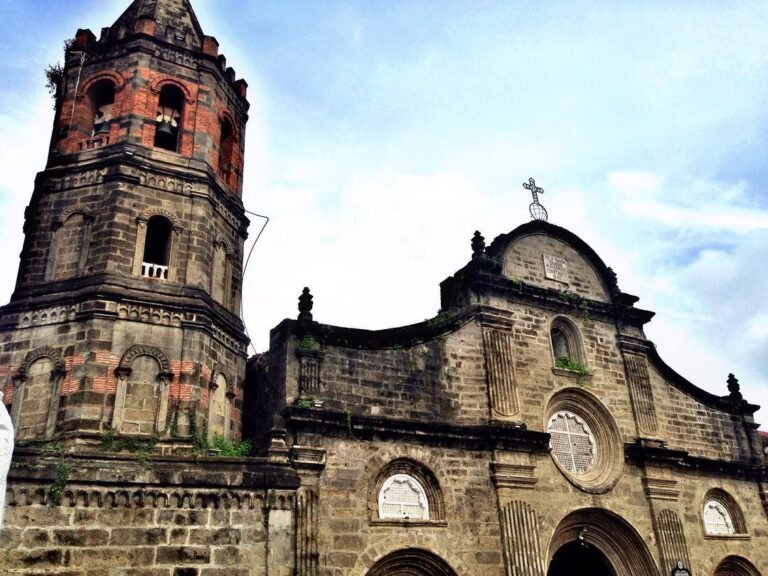
Barasoain Church (Malolos)
Malolos Cathedral
Casa Real Shrine / Museum of Philippine Political History
Museo ng Bulacan
Our Lady of Lourdes Grotto Shrine (SJDM)
Philippine Arena / Ciudad de Victoria (Bocaue–Santa Maria)
Shrine of Saint Andrew Kim Taegon (Bocaue)
Angat Dam / Hilltop Viewpoint (Norzagaray)
Pinagrealan Cave (Norzagaray)
Biak-na-Bato National Park (San Miguel)
Verdivia Falls (DRT) (weather-sensitive)
St. John the Baptist Church (Calumpit)
Marcelo H. del Pilar Shrine (Bulakan)
San Pascual Baylon Church (Obando)
Which Bulacan tourist spots are best by travel style?
History/Culture: Malolos Heritage Circuit, Casa Real, Museo ng Bulacan, Marcelo H. del Pilar Shrine
Pilgrimage: Lourdes Grotto, Barasoain Church, Malolos Cathedral, Kim Taegon Shrine, Obando Church
Families: Philippine Arena/Ciudad de Victoria, The Garden (VERIFY LOCALLY), Museo ng Bulacan, light heritage routes
Couples/Photographers: Malolos heritage façades, Guiguinto garden belt, Angat/Norzagaray viewpoints
Adventure/Barkadas: Biak-na-Bato, Pinagrealan Cave, Verdivia Falls, Norzagaray river/viewpoint routes
Where is Bulacan and how do you get there from Manila?
Bulacan is directly north of Metro Manila, which makes it one of the most practical day-trip and weekend destinations in Luzon. The real planning question isn’t just “How do I get to Bulacan?” but “Which Bulacan cluster am I targeting?”
How far is Bulacan from Manila?
Distance depends on the route:
Barasoain (Malolos): around 42 km
Norzagaray: around 47 km (route-dependent)
Biak-na-Bato (San Miguel): around 80 km northeast of Manila
Distance helps, but travel time is what matters most because traffic, events, and weather can stretch your trip.
How do you get to Bulacan by private car?
Most travelers use NLEX, then exit based on their route cluster (Bocaue, Tabang, Pulilan, etc.) before continuing through local roads.
Practical reminders:
Toll rates: VERIFY LOCALLY
Event-day traffic (especially Arena days): expect delays/reroutes
Festival/Holy Week dates: allow more buffer
Motorcycles: NLEX restrictions may affect planning; non-expressway alternatives may be needed
How do you get to Bulacan by commute?
Bulacan is commute-friendly for some routes, especially Malolos and Bocaue–Santa Maria.
Typical commute chain:
P2P / bus / UV to town proper or main stop
Jeepney or tricycle to the attraction
Important notes:
P2P weekend/holiday schedules: VERIFY LOCALLY
Last-mile transfers become harder in nature routes
Can you do Bulacan as a day trip from Manila?
Yes—Bulacan is excellent for day trips if you focus on one cluster. What usually fails is trying to combine heritage and deep nature routes in one day.
Should you commute or bring a car for your Bulacan trip?
The best transport choice in Bulacan depends on the cluster, not just your budget. Heritage and landmark routes are easier by commute, while nature and adventure routes are usually much better—and safer to manage—by private car.
Commute vs Private Car Matrix (Bulacan)
| Cluster | Best by Commute or Car? | Last-Mile Complexity | Flexibility Needed | Common Friction | First-Timer Friendly? |
|---|---|---|---|---|---|
| Malolos Heritage Circuit | Commute or car | Low–Moderate | Moderate | Traffic + museum timing | Yes |
| Bocaue–Santa Maria | Commute or car | Moderate | Moderate–High (event days) | Traffic reroutes, parking | Yes |
| Plaridel–Guiguinto | Car preferred, commute possible | Moderate | Moderate | Transfers, stop efficiency | Yes (with Malolos) |
| Norzagaray–Angat | Private car strongly recommended | High | High | Weather, access changes | Not ideal for commute-first |
| San Miguel–DRT | Private car strongly recommended | High | High | Long travel time, local coordination | Better for experienced DIY groups |
Rule I personally use: If the route includes caves, rivers, waterfalls, or multiple remote stops, I plan it as a private-car day.
How do you get around Bulacan and which areas are easiest by commute?
Getting around Bulacan is straightforward in town-centered routes, but it gets more complicated in foothill and adventure areas. I always decide first if my day is a commute route or a private-car route.
Typical local transport chain (commute users)
Bus / UV / P2P → Jeepney or tricycle → attraction
This works well for heritage and landmark routes, but it can become inefficient in multi-stop nature itineraries.
Commute-friendly clusters
Malolos Heritage Circuit
Bocaue–Santa Maria belt
Some Plaridel–Guiguinto stops (with planning)
Best with private car
Norzagaray–Angat foothills
San Miguel–DRT adventure side
Multi-stop nature routes in general
Common transport constraints to expect
P2P weekend/holiday uncertainty (VERIFY LOCALLY)
Tricycle availability in nature areas (especially late afternoon)
Event/festival traffic reroutes
Weather-related road access issues
Cash-only local fees and transport (bring small bills)
How long does it take to travel between key Bulacan routes?
Travel time in Bulacan changes a lot depending on traffic, event days, and weather. I use ranges instead of exact ETAs so I don’t overpack the day.
Bulacan Travel-Time Planning Matrix (Approximate Ranges)
(Planning guide only — VERIFY LOCALLY / check live maps before leaving)
| Route Segment | Light Traffic | Weekend/Heavy Traffic | Notes |
|---|---|---|---|
| Manila → Malolos | ~1–2 hrs | ~2–3+ hrs | NLEX congestion can stretch this |
| Malolos internal transfers | ~5–20 mins | ~10–30+ mins | Depends on sequence + parking |
| Malolos → Guiguinto | ~20–45 mins | ~30–60+ mins | Best as same-route extension |
| Manila → Bocaue / Arena area | ~1–2 hrs | ~2–4+ hrs | Event days can significantly affect timing |
| Manila → Norzagaray | ~1.5–3 hrs | ~2.5–4+ hrs | Local roads + weather matter |
| Manila → San Miguel / Biak-na-Bato area | ~2.5–4 hrs | ~3.5–5+ hrs | Full-day planning recommended |
| Manila → DRT access side | ~3–5 hrs | ~4–6+ hrs | Highly route- and weather-dependent |
When is the best time to visit Bulacan tourist spots?
The best time to visit Bulacan is usually during the dry season, especially if you want smoother road access and easier heritage walking. The key is matching the season to your route type because nature routes and urban heritage routes behave very differently in bad weather.
Best months for most trips
Dry season (roughly Dec–May) is generally easier for:
heritage walking (Malolos)
pilgrimage stops
road trips to foothills/nature routes
Heat warning (very important in Bulacan)
March to May can be very hot, especially for:
Malolos heritage walks
Lourdes Grotto stairs
cave/river/waterfall routes
exposed viewpoints
What I recommend:
start early
hydrate aggressively
bring sun protection
avoid overpacking the afternoon
Which routes are most weather-sensitive?
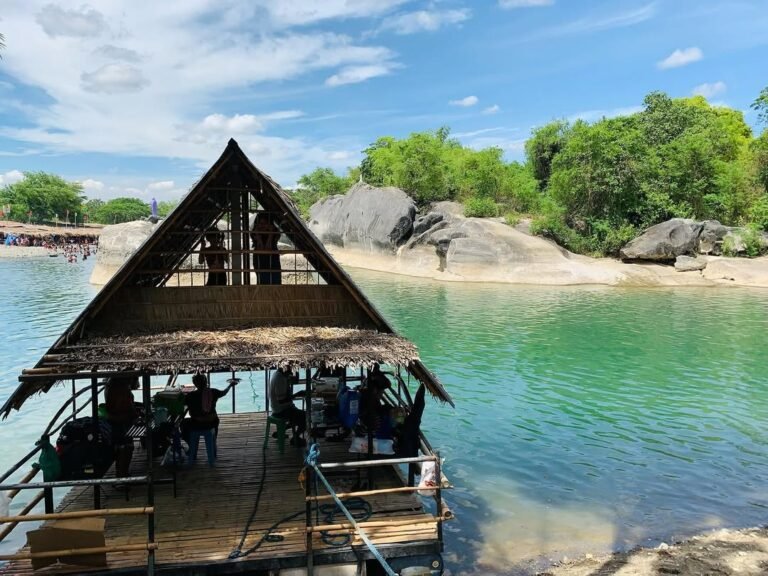
Norzagaray river/cave routes
Biak-na-Bato / river areas
DRT waterfall routes (including Verdivia Falls)
If the weather turns bad, I switch to a heritage route instead of forcing a nature day.
Festivals that affect crowd levels and traffic
Holy Week / Lent: Lourdes Grotto (SJDM) crowd spikes
Kneeling Carabao Festival (Pulilan): around May 14–15
Obando Fertility Rites: around May 17–19
Singkaban (Malolos area): around September (near Sept. 15)
Festival dates and traffic schemes can shift, so always VERIFY LOCALLY.
How many days do you need in Bulacan for a good trip?
You can absolutely enjoy Bulacan in one day if you stick to one cluster. If you want a better balance of heritage and nature, though, two days is the sweet spot and makes the trip much less stressful.
What can you cover in 1 day?
Good 1-day options:
Malolos Heritage Circuit + Guiguinto add-on
Bocaue–Santa Maria family/event route
Norzagaray nature route (private car recommended)
What can you cover in 2 days?
A strong 2-day split:
Day 1: Heritage + food/pasalubong (Malolos/Guiguinto)
Day 2: Nature/adventure (Norzagaray or San Miguel/DRT)
When is an overnight stay worth it?
Arena events ending late
San Miguel/DRT routes
Festival trips
Early photography plans
Families or mixed-energy groups
Which Bulacan tourist spots route cluster fits your trip best?
The easiest way to plan Bulacan is by route cluster, not by random ranking. This helps you reduce backtracking, pick the right transport, and set a realistic pace.
Bulacan Route Cluster Comparison
| Cluster | Best For | Time Needed | Commute-Friendly? | Private Car Recommended? | Weather Sensitivity | Family Fit | Key Spots | Main Caveat |
|---|---|---|---|---|---|---|---|---|
| Malolos Heritage Circuit | First-timers, history, students, pilgrims | Half-day to full day | Yes | Helpful, not required | Low–Moderate (heat) | Good | Barasoain, Cathedral, Casa Real, Museo | Museum schedules (VERIFY LOCALLY) |
| Bocaue–Santa Maria | Families, casual trips, event-goers | Half-day to full day | Yes (with planning) | Helpful on event days | Low–Moderate (traffic-related) | Very good | Arena, Ciudad, The Garden, Kim Taegon | Event-day traffic/parking varies |
| Plaridel–Guiguinto | Light heritage + photo routes | Half-day add-on | Partly | Helpful | Low | Good | Quingua marker, church, station, nursery belt | Best as add-on cluster |
| Norzagaray–Angat | Viewpoints, couples, barkadas | Full day | Limited | Yes | High | Mixed | Angat viewpoint, river scenery, Pinagrealan | Weather/access sensitive |
| San Miguel–DRT | Outdoor/adventure travelers | Full day / overnight | Not ideal | Yes | High | Limited | Biak-na-Bato, Verdivia Falls |
Which Bulacan tourist spots should you visit by route and cluster?
Planning Bulacan by cluster is what keeps the trip smooth and enjoyable. I’d rather do fewer stops with good pacing than cram too many far-apart places into one exhausting day.
What can you see in the Malolos Heritage Circuit?
Malolos is the best first-time Bulacan cluster because it packs major heritage and cultural sites into a practical route. It’s one of the easiest Bulacan itineraries for commuters and families.
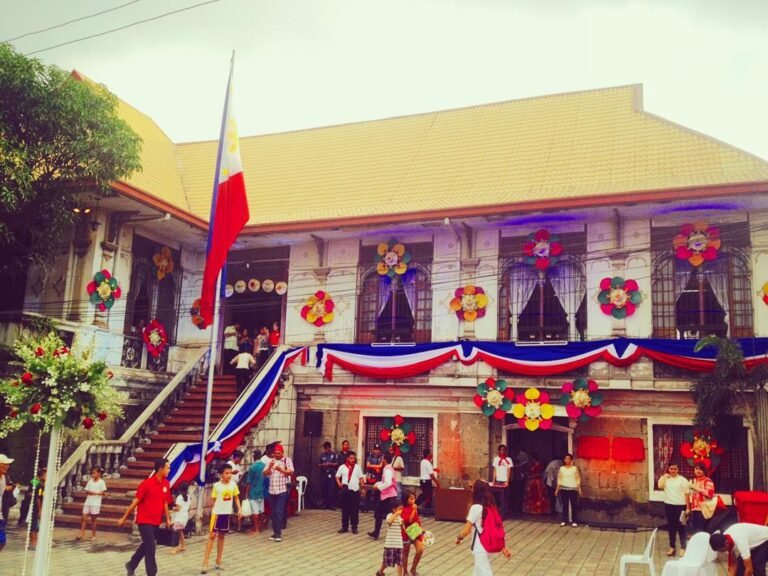
Barasoain Church (Malolos)
What it is / why visit: Core historical anchor of Bulacan and a must for first-time heritage routes
Location: Malolos (Barasoain area)
Hours: Church daytime typical; museum schedules may differ — VERIFY LOCALLY
Fees: Often free/donation-based for church visit; museum components may vary — VERIFY LOCALLY
Best for: History, students, pilgrims, first-timers
Transport: Commutable
Time needed: ~45–120 mins
Quick tip: Start here early before heat builds
Risk/caveat: Heat exposure; possible schedule variation for museum access
Malolos Cathedral
What it is / why visit: Heritage and religious landmark that pairs naturally with Barasoain
Location: Malolos
Hours / fees: VERIFY LOCALLY
Best for: Pilgrimage, heritage, architecture
Transport: Commutable
Time needed: ~20–45 mins
What to do here: Church visit, photos, short heritage stop
Quick tip: Pair with nearby stops while already in the heritage core
Casa Real Shrine / Museum of Philippine Political History
What it is / why visit: High-value museum stop that adds historical depth to the Malolos circuit
Location: Malolos
Hours: Often Tue–Sun daytime pattern, but VERIFY LOCALLY
Fees: Often free or low-cost, but VERIFY LOCALLY
Best for: History travelers, students, weekday cultural trips
Transport: Commutable
Time needed: ~45–90 mins
Quick tip: Weekday mornings are usually easier for a slower museum visit
Museo ng Bulacan
What it is / why visit: Provincial flagship museum and one of the strongest educational stops in a province-wide guide
Location: Malolos
Hours / fees: VERIFY LOCALLY
Best for: Families, students, culture travelers
Transport: Commutable
Time needed: ~45–90 mins
Quick tip: Pair with Barasoain + Casa Real to make the heritage day feel complete
Malolos Heritage Street / Kamistisuhan area
What it is / why visit: Heritage atmosphere and façade photography stop
Location: Malolos heritage area
Hours: Public street walk is flexible; individual establishments vary — VERIFY LOCALLY
Fees: Usually none for street walking
Best for: Couples, photographers, culture travelers
Transport: Commutable
Time needed: ~20–60 mins
Quick tip: Best at golden hour for photos and a more relaxed walk
What can you see in the Bocaue–Santa Maria modern landmark belt?
This route is one of the easiest Bulacan options for families and event-centered trips because it’s anchored by Philippine Arena/Ciudad de Victoria. It’s more forgiving than a nature route, but event-day traffic can completely change your pacing.
Philippine Arena / Ciudad de Victoria
What it is / why visit: Major modern landmark and event venue with strong family/day-trip appeal
Location: Bocaue–Santa Maria corridor
Hours / access / fees: VERIFY LOCALLY
Parking: Highly variable on event days — VERIFY LOCALLY
Best for: Families, event-goers, landmark seekers
Transport: Commute possible; car helpful (especially event days)
Time needed: ~1–3 hrs (longer if attending an event)
Quick tip: Add a large time buffer if your visit overlaps an event
Risk/caveat: Public access and visitor experience vary by event schedules, security rules, and current site policies—don’t assume full casual access (VERIFY LOCALLY)
The Garden (Ciudad de Victoria area)
What it is / why visit: Popular photo/family add-on when operations align with your route
Location: Arena complex area
Hours / fees: VERIFY LOCALLY
Best for: Families, couples, casual photo stops
Transport: Commute or car
Time needed: ~30–90 mins
Quick tip: Check same-week updates before locking this into your itinerary
Risk/caveat: Operations and pricing can be volatile over time
Shrine of Saint Andrew Kim Taegon (Bocaue) (if route fits)
What it is / why visit: Pilgrimage and architecture stop that works well as a spiritual add-on
Location: Bocaue
Hours / fees: VERIFY LOCALLY
Best for: Pilgrims, families, quiet stop seekers
Transport: Commute or car
Time needed: ~30–60 mins
Quick tip: Add only if traffic and timing are still manageable
What can you see in the Plaridel–Guiguinto corridor?
Plaridel and Guiguinto work best as a light heritage-and-photo corridor, especially as an extension of a Malolos day. I treat this as a flexible add-on cluster, not a “must-rush” core route.
Battle of Quingua marker (Plaridel)
What it is / why visit: Historical marker stop with educational value
Location: Plaridel
Hours / fees: Usually flexible public access; VERIFY LOCALLY
Best for: History travelers, students, quick stop
Transport: Car preferred; commute possible with planning
Time needed: ~10–30 mins
What to do here: Quick historical stop and photos
Quick tip: Best as part of a corridor sequence
Santiago Apostol Church / Simborio Chapel (Plaridel)
What it is / why visit: Heritage and religious stop that strengthens the corridor route
Location: Plaridel
Hours / fees: VERIFY LOCALLY
Best for: Pilgrims, heritage travelers, photographers
Transport: Car preferred
Time needed: ~20–45 mins
Quick tip: Pair with Quingua marker and Guiguinto stops
Guiguinto Old Train Station (Estacion de Guiguinto)
What it is / why visit: Niche heritage stop for transport-history and photo travelers
Location: Guiguinto
Access / condition: VERIFY LOCALLY
Fees: Usually none if publicly accessible; VERIFY LOCALLY
Best for: Heritage enthusiasts, photographers
Transport: Car preferred
Time needed: ~15–40 mins
What to do here: Quick heritage/photo stop
Quick tip: Keep expectations realistic—best as a route add-on, not the main attraction
Guiguinto garden/nursery belt
What it is / why visit: Relaxed scenic stop for plant lovers and casual photo breaks
Location: Guiguinto corridor
Hours: Vary by establishment — VERIFY LOCALLY
Fees: Often free entry in some stops; purchases vary
Best for: Couples, families, photographers
Transport: Car preferred; commute possible depending on stop
Time needed: ~30–90 mins
Quick tip: Morning is usually more comfortable and photo-friendly
What can you see in the Norzagaray–Angat watershed foothills cluster?
Norzagaray and nearby foothill routes are scenic and rewarding, but they need more careful planning than heritage routes. I treat this as a private-car day with weather checks and flexible decision-making.
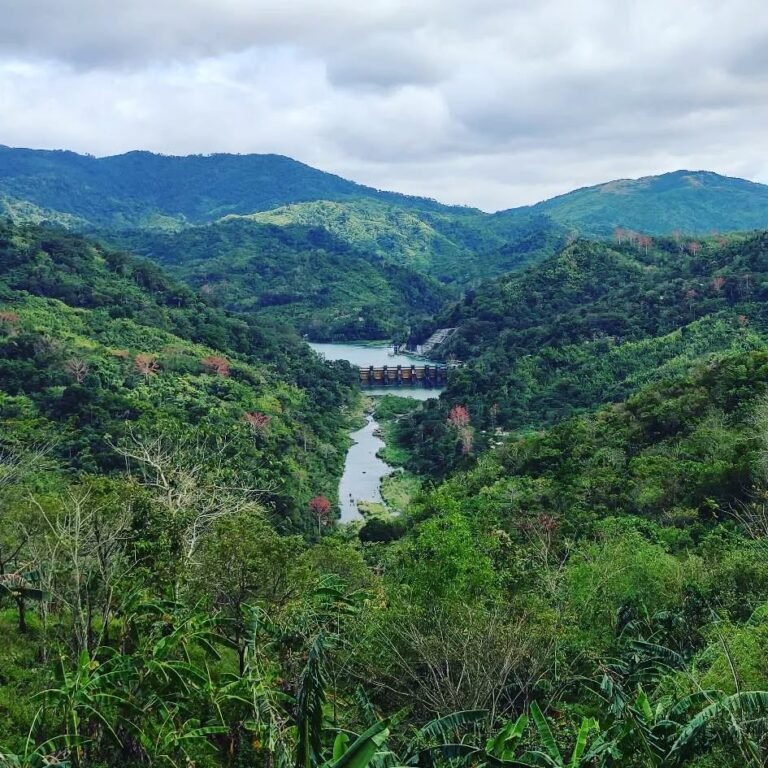
Angat Dam / Hilltop Viewpoint (Norzagaray)
What it is / why visit: Scenic viewpoint and dam landmark with strong photography appeal
Location: Norzagaray area
Access rules / fees: VERIFY LOCALLY
Best for: Couples, photographers, scenic drives, barkadas
Transport: Private car recommended
Time needed: ~1–2 hrs
Quick tip: Plan this as a scenic viewpoint stop unless a clearly permitted visitor area is confirmed
Risk/caveat: Access near dam facilities may be restricted; visitor rules and viewpoint permissions can change (VERIFY LOCALLY)
Bakas / Matictic river scenery (Norzagaray area)
What it is / why visit: River-side scenery and flexible nature stop potential
Location: Norzagaray / Matictic area
Hours / fees / access: VERIFY LOCALLY
Best for: Scenic drives, barkadas, nature-leaning travelers
Transport: Private car recommended
Time needed: ~30–120 mins
What to do here: Short scenic stop, photos, light local exploration (if conditions are safe)
Quick tip: Keep this flexible because conditions can change quickly
Risk/caveat: Weather-sensitive; ask locals about current safety
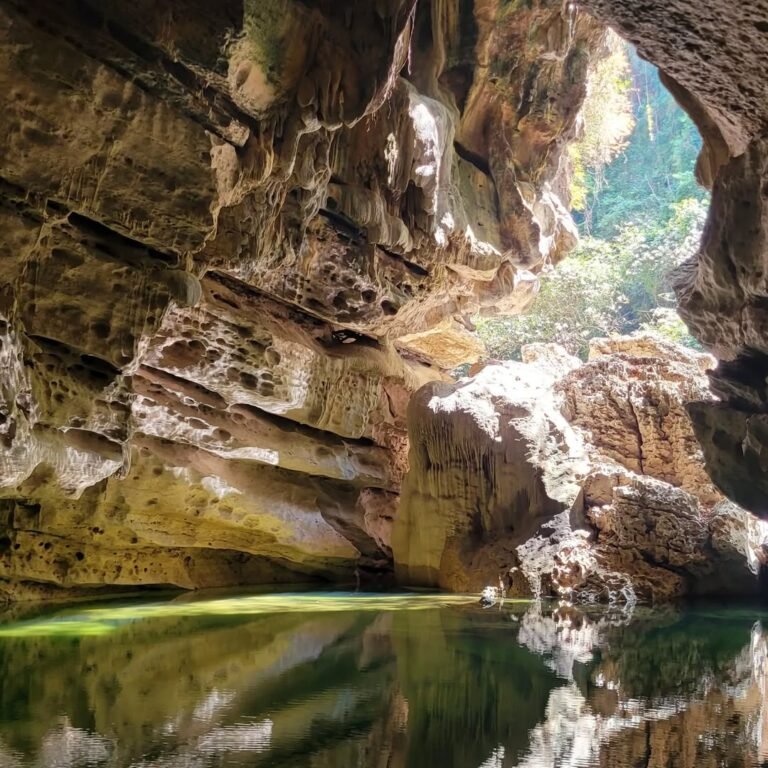
Pinagrealan Cave (Norzagaray)
What it is / why visit: Cave attraction with history-meets-adventure appeal
Location: Norzagaray
Guide / gear / fees: VERIFY LOCALLY
Best for: Adventure travelers, barkadas
Transport: Private car recommended
Time needed: ~1.5–3 hrs
What to do here: Guided cave visit (depending on access and current protocol)
Quick tip: Don’t do this without local coordination and proper gear
Risk/caveat: Not ideal for seniors or travelers with mobility limits
Safety reminders for this cluster
Check weather before leaving Manila
Use guides for cave routes
Wear proper footwear
Confirm access restrictions — VERIFY LOCALLY
Keep your schedule flexible enough to turn back safely
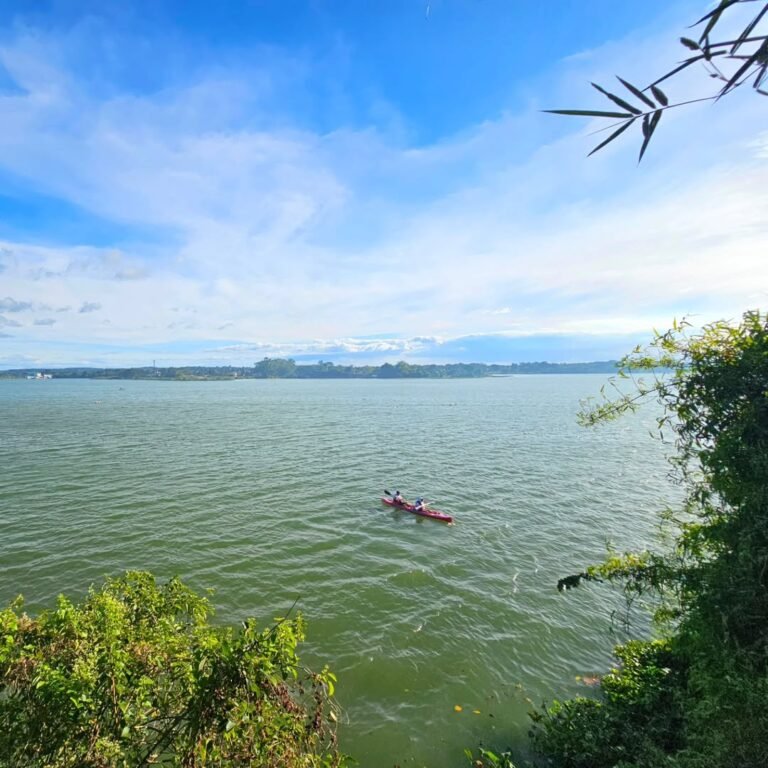
What can you see in the San Miguel–DRT adventure side?
San Miguel and DRT offer one of the strongest Bulacan nature-and-adventure combinations, but this route is where I become most conservative with planning. It’s best as a full-day or overnight-focused trip.
Biak-na-Bato National Park (San Miguel)
What it is / why visit: Major Bulacan nature + history destination with caves, river areas, and revolutionary significance
Location: San Miguel
Hours / fees / access rules: VERIFY LOCALLY
Guide/ranger coordination: VERIFY LOCALLY
Best for: Adventure travelers, history + nature travelers
Transport: Private car recommended
Time needed: ~4–8 hrs
What to do here: Nature-history day route (activity options vary by access and conditions)
Quick tip: Build your whole day around this if it’s your main target
Risk/caveat: “Biak-na-Bato” is a broad cluster; exact access points, activities, and protocols vary by site and current conditions—confirm your exact plan before leaving
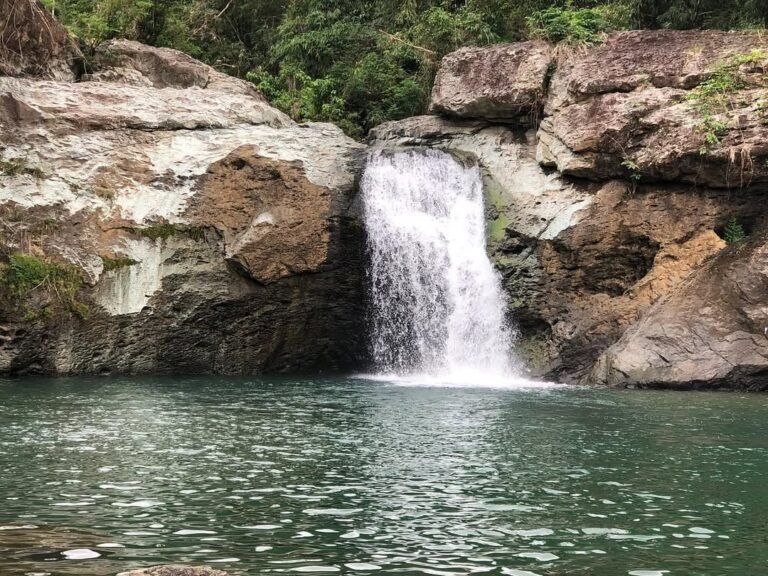
Verdivia Falls (DRT, Brgy. Talbak)
What it is / why visit: Eco-tourism waterfall route with strong adventure day-trip appeal
Location: Brgy. Talbak, Doña Remedios Trinidad (DRT)
Fees / access rules / hours: VERIFY LOCALLY
Best for: Barkadas, adventure travelers, nature lovers
Transport: Private car recommended
Time needed: ~2–4 hrs (conditions dependent)
What to do here: Waterfall visit/short outdoor route (if access is open and weather is safe)
Quick tip: Start early and treat weather as the main decision-maker
Risk/caveat: No-go in heavy rain; slippery conditions possible; bring dry bags and proper footwear
Critical safety warning
Flash-flood risk in river areas is real
Follow ranger/guide/barangay advice
Cancel or shorten plans if weather becomes unstable
Don’t force a route just because you already traveled far
Which Bulacan tourist spots are best for families, couples, pilgrims, and adventure travelers?
Bulacan gets much easier to plan when you filter by travel style instead of trying to visit everything. Different traveler types need different pacing, comfort levels, and route choices.
Best for families
Philippine Arena / Ciudad de Victoria
The Garden (VERIFY LOCALLY)
Museo ng Bulacan
Malolos heritage route (light pace)
Guiguinto garden/nursery stops
Best for couples and photographers
Malolos heritage façades (golden hour)
Guiguinto garden belt
Angat Dam / Hilltop viewpoint
Select Bocaue/Santa Maria landmark stops
Best for pilgrims
Lourdes Grotto (SJDM)
Barasoain Church
Malolos Cathedral
Kim Taegon Shrine
St. John the Baptist Church (Calumpit)
San Pascual Baylon Church (Obando, seasonal)
Best for history and culture travelers
Malolos Heritage Circuit
Casa Real Shrine
Museo ng Bulacan
Marcelo H. del Pilar Shrine
Battle of Quingua marker
Guiguinto Old Train Station
Best for barkadas / adventure groups
Biak-na-Bato
Pinagrealan Cave
Verdivia Falls
Norzagaray scenic/nature route
What Bulacan Tourist Spots routes should you avoid combining in one day?
Some combinations look possible in a list but become stressful or unsafe once you factor in traffic, heat, and route realities. I recommend avoiding these unless you’re doing a multi-day trip with a very specific plan.
Don’t Combine These in One Day
Malolos Heritage Circuit + DRT waterfall route
Biak-na-Bato + Bulakan Mangrove Ecopark
Arena event day + long Norzagaray/DRT detours
Malolos heritage + deep cave/waterfall “side trip”
Better rule
Choose one main cluster per day, then add only a nearby light stop if timing and conditions still look good.
What are the best one-day and two-day Bulacan itineraries?
The best Bulacan itineraries are cluster-based and buffer-friendly. I’d rather end the day with time to spare than spend the whole trip chasing delayed stops.
1-Day itinerary: Malolos Heritage + Guiguinto (best first-timer route)
Early arrival in Malolos
Barasoain Church
Malolos Cathedral
Casa Real Shrine
Museo ng Bulacan (VERIFY LOCALLY for hours)
Lunch
Heritage street/Kamistisuhan walk
Guiguinto garden/nursery stop
Pasalubong stop before heading back to Manila
Why this works: commute-friendly, strong heritage value, low backtracking
1-Day itinerary: Bocaue–Santa Maria family/event route
Philippine Arena / Ciudad de Victoria
The Garden (if open; VERIFY LOCALLY)
Optional Kim Taegon Shrine (if timing/traffic allows)
Meal stop
Return before evening congestion (or stay overnight if attending an event)
Why this works: family-friendly pacing, fewer moving parts than nature routes
1-Day itinerary: Norzagaray nature route (private car recommended)
Early departure from Manila
Angat Dam / Hilltop viewpoint
Scenic river/foothill stop (if safe and accessible)
Pinagrealan Cave (with local coordination; VERIFY LOCALLY)
Return
Why this works: scenic and rewarding, but only in good weather and with flexibility
2-Day itinerary: Heritage + Adventure
Day 1: Malolos + Guiguinto (heritage + food/pasalubong)
Day 2: Norzagaray or San Miguel/DRT (choose one adventure side only)
Why this works: better pacing, safer nature planning, less backtracking
How much budget do you need for a Bulacan trip?
Bulacan can be budget-friendly, but actual cost depends on route type, transport mode, and hidden local fees. Heritage routes are easier to control, while nature routes often add guide fees, environmental fees, and parking costs.
Budget planning rules I use
Budget by route cluster
Expect cash-only fees in some areas
Bring a buffer fund for delays and local fees
Treat volatile costs as VERIFY LOCALLY
Sample Budget Ranges (Planning Estimates Only)
(Use as planning ranges only — VERIFY LOCALLY before travel)
Malolos Heritage Day Trip (Commute)
Transport + local transfers: ₱300–₱900+ / person
Meals/snacks: ₱250–₱800+ / person
Museum/entry fees (if any): ₱0–₱300+ / person
Pasalubong (optional): ₱200–₱1,000+
Suggested total: ₱750–₱3,000+ / person
Malolos + Guiguinto Day Trip (Private Car)
Fuel + tolls: ₱800–₱2,500+ / vehicle
Parking: ₱0–₱300+ total
Meals/snacks: ₱500–₱2,500+
Pasalubong: ₱300–₱2,000+
Suggested total: ₱1,800–₱7,000+ / vehicle/group (excluding major shopping)
Bocaue–Santa Maria Family/Event Route
Transport / fuel / tolls: VERIFY LOCALLY
Parking (event days may differ): VERIFY LOCALLY
Meals/snacks: ₱800–₱3,500+ (family dependent)
Attraction/event costs: VERIFY LOCALLY
Suggested total: ₱1,500–₱8,000+ (event-dependent)
Norzagaray / San Miguel / DRT Adventure Route
Fuel + tolls: ₱1,200–₱4,000+ / vehicle
Environmental/barangay fees: VERIFY LOCALLY
Guide fees: VERIFY LOCALLY
Parking: VERIFY LOCALLY
Food/water/snacks: ₱500–₱2,500+
Buffer cash: ₱500–₱2,000+
Suggested total: ₱2,500–₱12,000+ / vehicle/group (route and group size dependent)
Hidden costs most travelers forget
environmental fees
guide fees
parking fees
tricycle fares
barangay-level collections
extra water/snacks due to heat and delays
Bring cash and small bills, especially for nature routes.
What travel tips and safety reminders should you know before visiting Bulacan tourist spots?
Bulacan is easy to enjoy when your route matches your time, energy, and transport setup. The biggest problems usually come from overpacking itineraries, underestimating heat, and forcing weather-sensitive routes.
Practical travel and safety reminders
Start early, especially in hot months
Bring water, sun protection, and small bills
Check for Arena events and festival traffic before finalizing your route
Keep a heritage backup plan during bad weather
Use local guides for caves and technical nature routes
Don’t force waterfalls/rivers in unstable weather
Check museum closures (especially Mondays/holidays) — VERIFY LOCALLY
Flash-flood warning (important)
Biak-na-Bato / river-area routes require serious weather awareness. Treat ranger/guide/barangay advisories as non-negotiable.
What should you verify locally before your Bulacan trip?
Bulacan is easier to enjoy when you recheck the few details that change fastest. I always do a quick verification pass before departure so I don’t lose time to closures, reroutes, or avoidable access issues.
Bulacan Pre-Departure VERIFY LOCALLY Checklist
Attraction access
Entrance/environmental/guide fees
Parking fees
Opening hours
Monday/holiday closures
Temporary closures/renovations
Nature/adventure safety
Weather forecast
River/waterfall/cave access status
Guide requirement and local protocol
Safety gear requirements
Barangay/ranger advisories
Transport and traffic
P2P/bus schedules (especially weekends/holidays)
Last trip times
Tricycle availability/fare ranges
Arena/festival traffic advisories
Route reroutes/road conditions
Special trips
Festival dates and procession routes
Church/shrine special schedules
Event venue entry/parking rules
Drone/photo permissions (if relevant)
What are the most frequently asked questions about Bulacan tourist spots?
Most Bulacan travel questions come down to route planning: what fits in a day, what needs a car, and what should be avoided during bad weather. These FAQs cover the most common planning concerns.
What is the best tourist spot in Bulacan for first-timers?
For most first-timers, I recommend the Malolos Heritage Circuit because it’s practical, commute-friendly, and has multiple high-value stops in one area.
Can I visit Bulacan tourist spots in one day from Manila?
Yes, but focus on one cluster only for best results.
Which Bulacan tourist spots are commute-friendly?
Malolos Heritage Circuit, Bocaue–Santa Maria, and some Plaridel–Guiguinto stops (with planning).
Which Bulacan tourist spots are best for families with kids?
Philippine Arena/Ciudad de Victoria, The Garden (VERIFY LOCALLY), Museo ng Bulacan, and light heritage routes.
What is the best time to visit Bulacan?
Dry season (roughly Dec–May) is generally easiest, but summer heat requires early starts and hydration.
Is Bulacan good for a weekend trip?
Yes—especially if you want to split heritage and nature into separate days.
Are Bulacan tourist spots safe during rainy season?
Some heritage and indoor routes are manageable, but river/cave/waterfall routes can become risky. Always check weather and local advisories.
Do I need cash for Bulacan tourist spots?
Yes. Bring cash and small bills for local fees, parking, and tricycles.
Are museums in Bulacan closed on Mondays?
Many may follow a Monday closure pattern, but schedules vary. VERIFY LOCALLY.
Which attractions should I verify before visiting?
Prioritize nature routes, museum schedules, The Garden, Arena-related access, and festival/event traffic setups.
How should you plan your Bulacan trip if you want the least stress and best value?
The lowest-stress Bulacan trip usually starts with one cluster, an early departure, and a realistic stop count. In my experience, route discipline beats attraction quantity every time.
Best low-stress first-timer route (recommended)
Early start from Manila
Malolos Heritage Circuit (core stops first)
Guiguinto garden/nursery stop (if time allows)
Pasalubong stop
Return before late-afternoon expressway congestion
Best value route for commuters
Malolos Heritage Circuit is usually the best balance of access, cultural value, and low transport complexity.
Best value route for private-car groups
Either:
Malolos + Guiguinto (low-stress and flexible), or
Norzagaray scenic route (if weather is good and the group wants nature)
When should you split the trip into an overnight?
San Miguel/DRT route
Arena event itinerary
Heritage + nature combo
Family/mixed-energy group
Photography-focused trip with early starts
If you plan Bulacan by route cluster, keep your schedule flexible, and verify the changing details before you leave, you’ll end up with a smoother trip—and a much better experience than trying to “collect” every spot in one day.
Related Luzon Travel Guides (Internal Links)
If you’re planning more road trips after Bulacan, these Luzon guides can help you build your next itinerary by region, province, and travel style.
Best Tourist Spots in Luzon (Central, North, and South) — A broader Luzon roundup if you want to compare destinations for your next weekend trip.
18 Must-Visit Zambales Tourist Spots Travel Guide — Great if you’re looking for beaches, coves, and a longer West Luzon road trip.
27 Must-Visit La Union Tourist Spot in Travel Guide — Ideal for a food + beach + surfing route in Northern Luzon.
10 Must-Visit Quezon Province Tourist Spots — A good next read if you want a Southern Luzon mix of beaches, mountains, and heritage stops.
Best Abra Tourist Spots Itinerary + Things to Do — Best for travelers planning a more offbeat North Luzon adventure with itinerary ideas.