
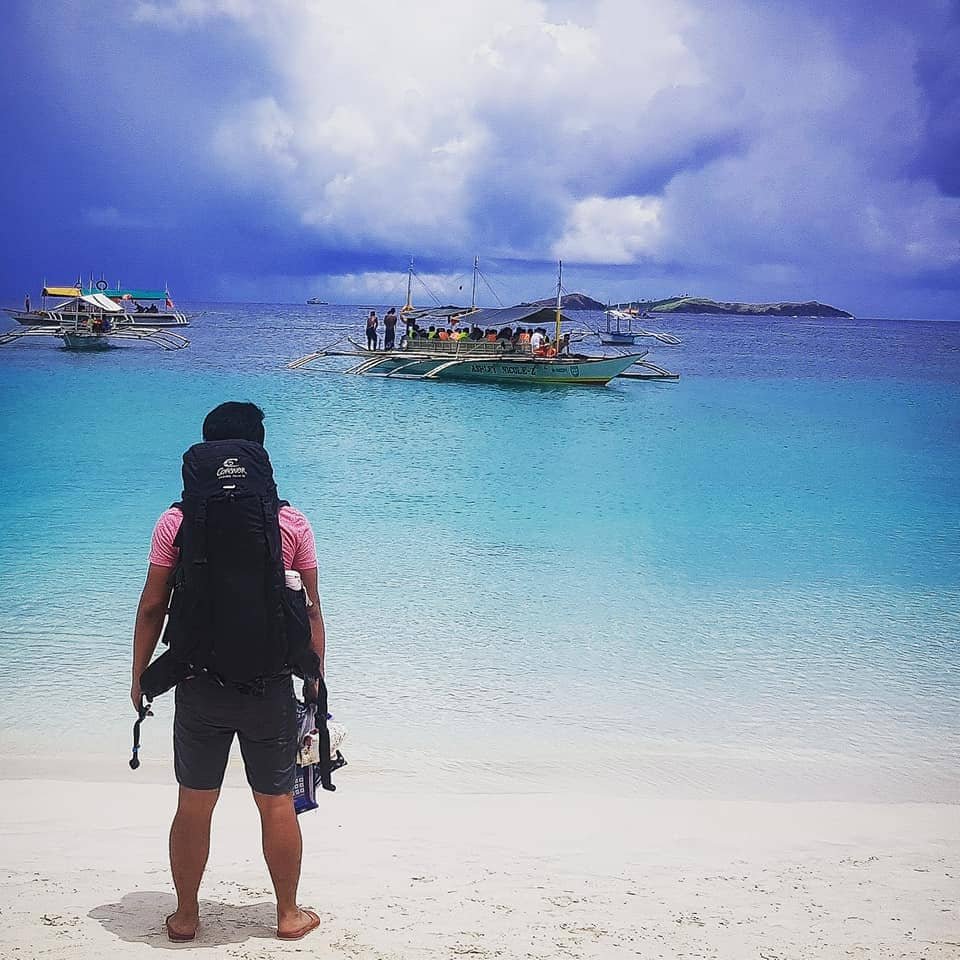
TL;DR Summary
If you are skimming for quick facts, here is the essential snapshot of what you need to know before booking your trip to Calaguas Island.
| Feature | Details |
| Quick Answer | Calaguas is a group of islands; the main destination is Mahabang Buhangin on Tinaga Island. |
| Best Time | February to June. Avoid “Ber” months due to rough Pacific waves. |
| Budget | ₱3,500 – ₱4,500 (DIY/Joiner) to ₱6,000+ (Comfort/Private). |
| Travel Time | 8–10 hours bus (Manila to Paracale) + 2 hours boat ride. |
| Connectivity | Zero to Spotty. Smart has weak signal; Globe is usually dead. |
| Top Tip | Bring a Dry Bag. The boat ride is wet and wild. |
| Verdict | The best place for a digital detox. Not for luxury seekers, but paradise for nature lovers. |
Why Calaguas Island is the Crown Jewel of Bicol
If you are looking for the short answer: Calaguas Island in Camarines Norte is the Philippines’ premier destination for travelers seeking an “unplugged” luxury experience. Unlike commercialized tourist hubs, it offers powdery white sands and crystal-clear waters comparable to Boracay’s White Beach, but without the hotels, malls, or reliable cellular signal. It is a raw, camping-centric paradise best suited for nature lovers and digital detox seekers.
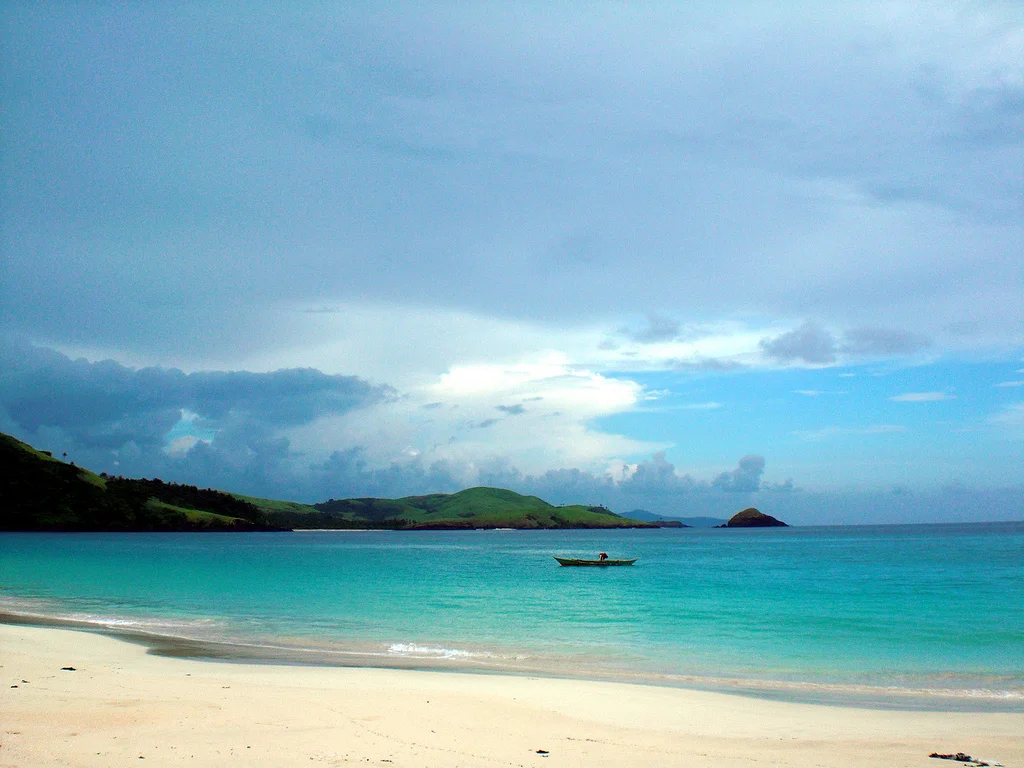
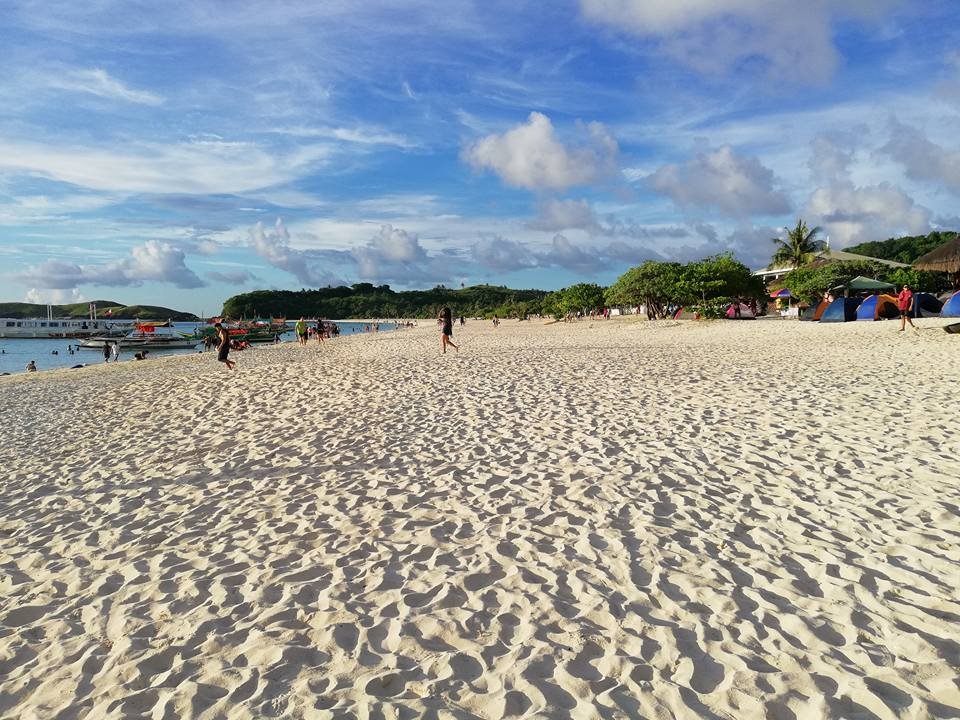
I still remember the first time my feet touched the sand of Mahabang Buhangin. It wasn’t just sand; it felt like walking on all-purpose flour—cool, incredibly fine, and blindingly white under the midday sun. For years, travel writers have tossed around the cliché “the next Boracay,” but Calaguas is different. It isn’t trying to be the next anything. It is defiantly itself: a remote sanctuary facing the Pacific Ocean that demands a bit of struggle to reach, but rewards you with one of the most pristine beachscapes in the archipelago.
Where is Calaguas Island Located?
To be geographically precise, the Calaguas Group of Islands falls under the jurisdiction of the municipality of Vinzons, though it is often accessed via the mining town of Paracale in Camarines Norte. Situated roughly 300 kilometers south of Manila, this is not a destination you can fly directly into. It requires a long land trip followed by a boat ride across the open Pacific. This isolation is exactly what has preserved its charm. While other destinations have succumbed to over-tourism, Calaguas Island remains a haven where the primary accommodation is a tent and the best luxury is the silence.
Why Visit in 2026?
As we move into 2026, the allure of Calaguas Island has shifted from a “backpacker secret” to a “must-visit classic.” Despite its growing popularity, the local government and stakeholders have managed to keep commercial structures at bay. You won’t find high-rise hotels blocking the view here. The island offers a rare balance: enough basic facilities (like decent toilets and water sources) to be comfortable, yet rugged enough to feel like a true adventure. If you are tired of the noise of city life and the notification pings of your phone, this is where you go to disappear for a weekend.
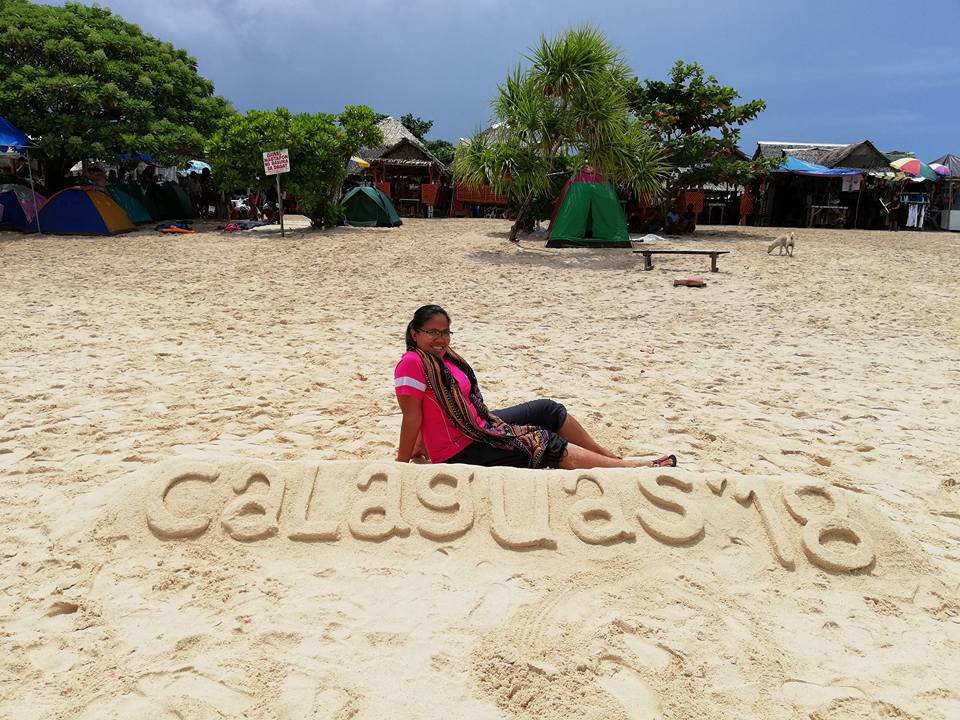
Lakbaypinas Tip: It is important to clarify that “Calaguas” is actually a group of islands. The main destination everyone talks about—the one with the long stretch of white sand—is specifically Mahabang Buhangin located on Tinaga Island. When you arrive, please strictly adhere to the local “Bawal Magkalat” (No Littering) policy. The locals take great pride in the cleanliness of their beach, and they will not hesitate to call out tourists who leave trash behind.
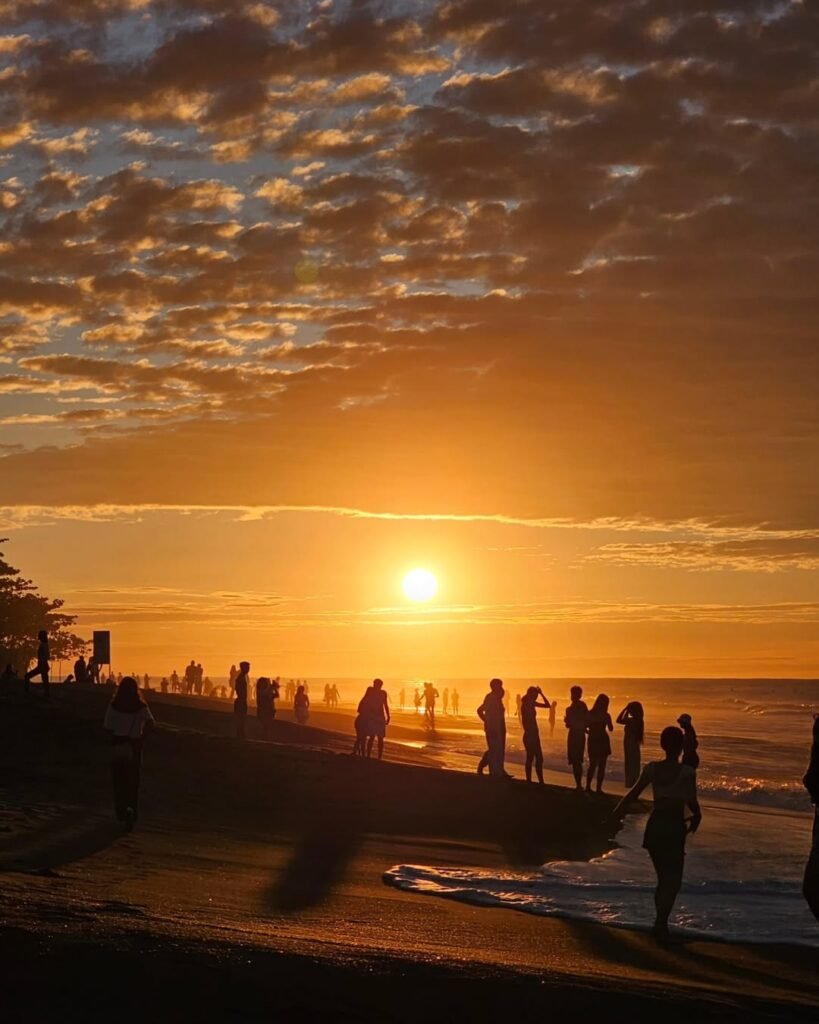
For a visual preview of what awaits you, take a look at our calaguas island photos in the gallery section below.
Table of Contents
Best Time to Visit Calaguas Island
Quick Answer: The ideal window to visit is February to June. This period guarantees the calmest seas (“flat” waters), the bluest skies, and the lowest risk of boat cancellations.
As someone who has been stranded at the port due to gale warnings, I cannot stress this enough: Calaguas Island faces the open Pacific Ocean. Unlike sheltered bays in other parts of the Philippines, the sea here is unforgiving. Your safety and enjoyment depend entirely on the weather, so timing is not just a suggestion—it is a requirement.
Weather Patterns: Dry vs. Wet Season
Dry Season (February – June): This is the sweet spot. The Amihan (Northeast Monsoon) winds start to die down in February, leaving the ocean glass-like and perfect for that two-hour boat ride. March to May is the peak of summer, offering the quintessential tropical experience: scorching sun, cool water, and star-filled nights.
Ber-Months (September – December): This is the “Risk Zone.” While you might get lucky with a sunny weekend, this period is dominated by the Amihan winds and frequent typhoons entering the Philippine Area of Responsibility. The waves here can turn “galawgaw” (choppy/rough) in an instant. It is not uncommon for the Philippine Coast Guard in Paracale or Vinzons to halt all boat travel abruptly if a gale warning is raised, leaving you stuck on the mainland (or worse, stranded on the island without supplies).
Peak Dates: Battling the Crowds
If solitude is your priority, avoid Holy Week (Maundy Thursday to Easter Sunday) and Labor Day (May 1). During these dates, the quiet Mahabang Buhangin transforms into a tent city. The line for the communal bathrooms can take hours, and the peaceful sound of the waves is often replaced by the hum of multiple generators and videoke machines.
For the best experience, aim for a weekday trip in March or April. You will likely have large stretches of the beach entirely to yourself.
Lakbaypinas Tip: The Sweetest Detour
If you schedule your trip in June, you can hit two birds with one stone. Daet, the capital of Camarines Norte, celebrates the “Pinyasan Festival” (Pineapple Festival) from June 15 to 24. It is a colorful celebration of the Formosa Pineapple, known as the sweetest variety in the country. My advice? Plan your island trip first, then spend your last day in Daet watching the street parades and buying boxes of these small, incredibly sweet pineapples as “pasalubong” before heading back to Manila.
How to Go to Calaguas Island (Manila to Camarines Norte)
Quick Answer: The journey involves an 8–10 hour bus ride from Manila to Camarines Norte, followed by a 2-hour boat ride across the Pacific Ocean. The two main jump-off points are the towns of Paracale and Vinzons.
For most DIY travelers, Paracale is the preferred gateway because it offers more flexibility with boat rentals and a slightly shorter sea travel time. However, larger tour groups often utilize the Vinzons port. Here is exactly how to navigate the route.
Step 1: Land Travel (Bus from Manila)
The first leg of your adventure starts at the major bus terminals in Metro Manila: PITX (Parañaque Integrated Terminal Exchange), Cubao, or Pasay. You have two main options for your drop-off point:
Direct to Paracale: Some bus lines offer direct trips to Paracale town proper. This is the most convenient option if you can catch the schedule, which is usually limited to evening departures.
Via Daet: This is the most frequent route. You take a bus bound for Daet, the capital of Camarines Norte. Once you arrive at the Daet Central Terminal, you will transfer to a van or jeepney that will take you to either Paracale (approx. 1 hour) or Vinzons (approx. 20 minutes).
Recommended Bus Companies:
Superlines and DLTB Co. are the most reliable operators for this route.
Philtranco is another solid option often found in Pasay.
I highly recommend taking a night trip (departing around 9:00 PM or 10:00 PM). You will sleep through the winding roads of Quezon province and arrive in Camarines Norte just as the sun is rising, maximizing your time on the island.
Step 2: Sea Travel (The Boat Ride)
Once you arrive at the port (either Paracale or Vinzons), the real adventure begins. You will board a motorized outrigger boat (banca) for the final leg.
Travel Time: 1.5 to 2 hours.
Sea Conditions: The calaguas island boat ride can be intimidating for first-timers. Because you are traversing the open Pacific, significant swells are common even on sunny days.
The “Wet Landing”: Be prepared to get your feet wet immediately upon arrival. There is no concrete pier or docking area at Mahabang Buhangin. The boat will stop a few meters from the shore, and you will have to jump off into knee-deep (sometimes waist-deep) water and wade to the beach. Wear shorts and easy-to-remove slippers.
Lakbaypinas Tip: If you are traveling via Paracale, take a moment to look around before boarding your boat. Paracale is historically known as the “Town of Gold.” You might spot locals panning for gold in the river mouths near the port—a practice that has sustained the town for centuries. It is a fascinating slice of local culture that most tourists rush past in their hurry to get to the beach.
Manila to Calaguas Island Transport Fares (2026 Estimates)
| Transport Mode | Route | Approx. Fare (One Way) | Travel Time |
| Bus (Aircon) | Manila to Paracale | ₱800 – ₱950 | 8–9 Hours |
| Bus (Lazyboy) | Manila to Daet | ₱1,100 – ₱1,300 | 7–8 Hours |
| Tricycle/Jeep | Daet to Vinzons/Paracale | ₱50 – ₱100/pax | 20–60 Mins |
| Boat Rental | Paracale to Island | ₱4,000 – ₱6,000 | 2 Hours |
| Joiner Boat | Roundtrip (Per Head) | ~₱1,500 (varies) | 2 Hours |

Where to Stay: Calaguas Island Resort & Camping Options
Quick Answer: Accommodation in Calaguas is primarily camping-based. “Resorts” here generally refer to beachfront areas with designated tent spaces and basic cottages. For those seeking comfort, Waling-Waling Eco Village offers the closest thing to a hotel experience, while I Love Calaguas Resort is the crowd favorite for campers.
Let me manage your expectations immediately: do not come here expecting 5-star room service or air-conditioning that runs 24/7. Staying in Calaguas Island is about returning to basics. The “luxury” is the location itself.
The Vibe: Glamping vs. Roughing It
Most accommodations sit right on the beachfront of Mahabang Buhangin. The setup is simple: a designated sandy area for tents, a few open-air cottages for dining, and a communal bathroom block at the back.
Top Accommodation Options
1. Waling-Waling Eco Village
If you cannot tolerate sleeping on the ground, this is your best (and practically only) option. It is the most developed property on the island.
The Experience: They offer “Kubanas” (native-style cabanas) and villas that actually have private bathrooms—a rare luxury here.
Best For: Families with kids, seniors, or travelers who want a roof over their heads and a proper bed.
Note: Even here, electricity is usually generator-powered and runs on a schedule (often off during the day).
2. I Love Calaguas Resort
This is often the busiest spot on the strip and serves as the main drop-off point for many joiner tours.
The Experience: It’s a lively campground atmosphere. You’ll see rows of colorful tents, smell grilled seafood in the air, and hear acoustic guitars at night.
Facilities: They have decent communal toilets and shower areas, though you will likely use the tabo (dipper) system.
Best For: Barkadas (friend groups) and solo joiners looking to socialize.
3. DIY Camping
For the purists, you can bring your own tent and pitch it at almost any resort area for a small fee.
The Experience: This is how I prefer to do it. You have total control over your spot (I suggest picking a spot under the tree line for shade).
Cost Saver: Bringing your own gear saves you rental fees and guarantees you know the quality of your shelter.
Facilities: The “Poso” Reality
Regardless of where you stay, water is gold. Most “showers” in the camping areas are powered by a poso (deep well hand pump). You pump your own water into a bucket and carry it to the stall. It’s a workout and a bath in one!
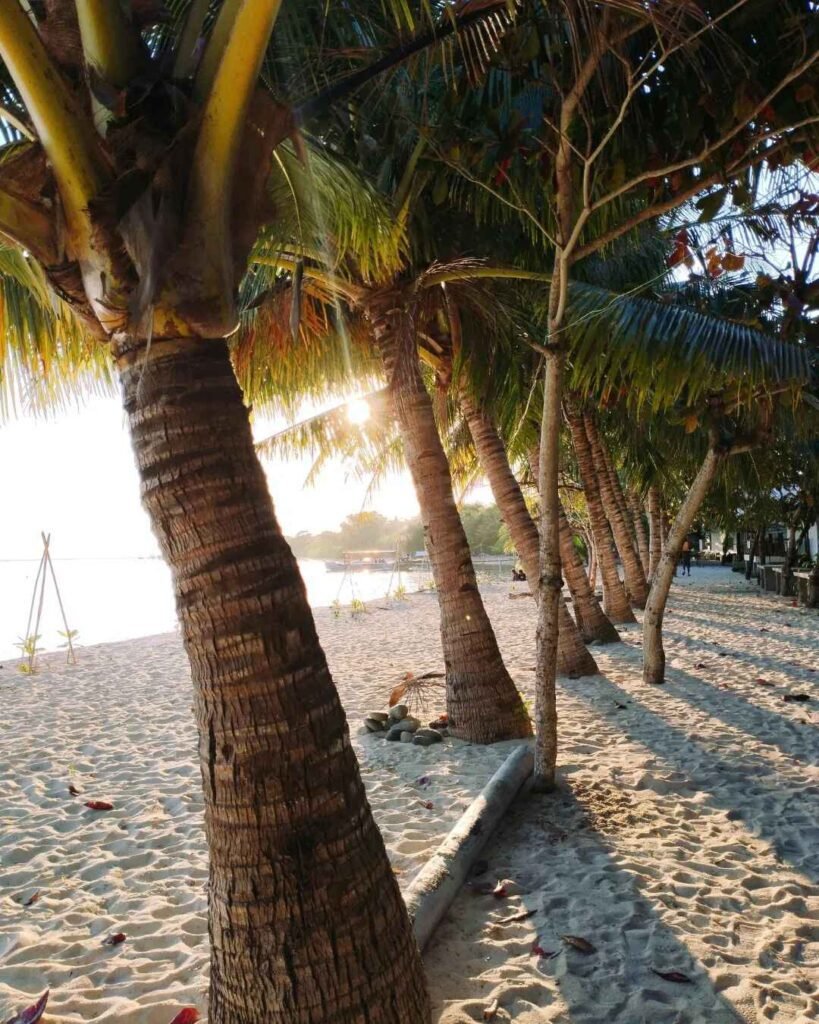
Lakbaypinas Tip: Bring a hammock (duyan). The coconut trees lining the beach are perfectly spaced for this. There is nothing quite like napping in the afternoon breeze while suspended between two palms. It beats any hotel bed.
Table 2: Estimated Accommodation Rates (2026)
| Accommodation Type | Approx. Cost (Per Night) | Inclusions |
| Entrance Fee | ₱150 – ₱200 | Environmental/Resort Access |
| Tent Pitching Fee | ₱100 – ₱150 | Use of space (Own tent) |
| Tent Rental | ₱400 – ₱600 | Good for 2-3 pax |
| Open Cottage | ₱500 – ₱1,000 | Day use/Picnic style table |
| Aircon Cabana | ₱3,500 – ₱5,500 | Waling-Waling (Private Room) |
Things to Do in Calaguas Island
Quick Answer: Beyond swimming, the top activities are trekking to the Tinago Hilltop for sunrise, island hopping to Balagbag Island for rock formations, and unparalleled stargazing thanks to zero light pollution.
While the main agenda in Calaguas is to do absolutely nothing, you would be missing out if you didn’t explore the island’s rugged edges. Here is how I recommend spending your energy.
1. Beach Bumming (The Art of Doing Nothing)
This is why you endured the 10-hour trip. The water in Mahabang Buhangin is a piercing turquoise that stays shallow for meters, making it safe for non-swimmers.
Best Spot: Walk to the far ends of the beach (away from the main drop-off area) where the crowd thins out.
Warning: The sun here is deceptive. The cool breeze masks the heat, so reapply sunblock every two hours or you will wake up with a “lobster” burn.
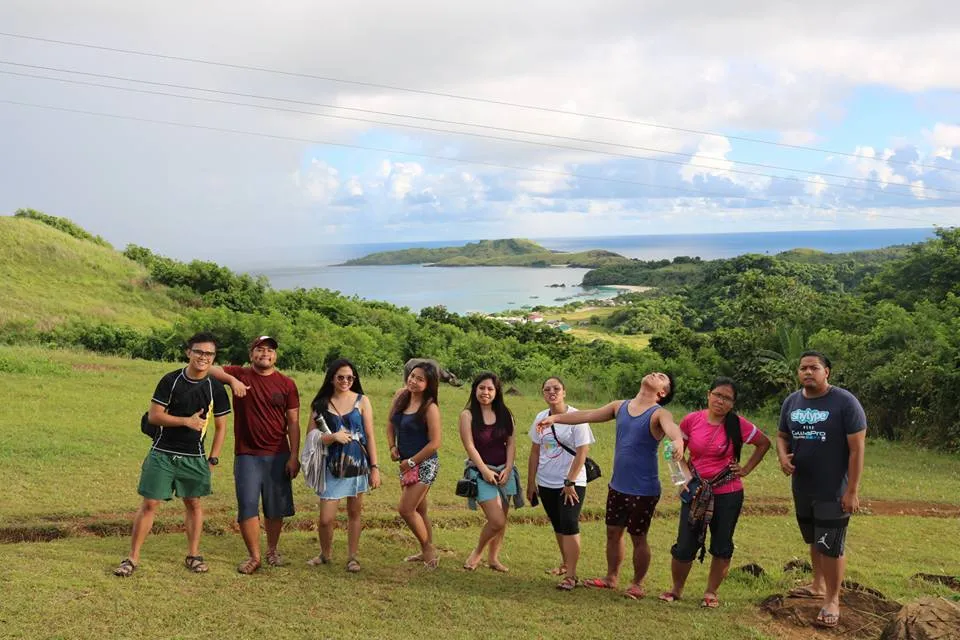
2. Trekking: Tinaga Island Hilltop
If you want that postcard-perfect shot of the curved cove, you need to gain some elevation.
The Trail: It is a beginner-friendly trek (approx. 20–30 minutes) through grassy slopes.
Best Time: Go at 5:00 AM to catch the sunrise. The way the light slowly floods the cove, turning the water from grey to brilliant blue, is a core memory waiting to happen.
Fee: Locals usually collect a small environmental fee (₱20–₱50) at the trail entrance.
3. Island Hopping: Balagbag Island
Rent a boat (or check if it’s included in your package) to visit the nearby Balagbag Island.
The Vibe: Unlike the powdery sand of Mahabang Buhangin, Balagbag is dramatic and rocky.
Highlight: The rock formations here are jagged and ancient. You can hike up the small hill for a view of the Pacific crashing against the cliffs. It feels like Batanes on a smaller scale.
4. Stargazing: The Milky Way
Calaguas has virtually zero light pollution. When the resort generators turn off (usually around midnight or 2 AM), look up.
What You’ll See: On a clear, moonless night, the Milky Way is visible to the naked eye. It is one of the few places left in Luzon where the sky looks like a spilled glitter box.
Photo Tip: If you have a camera with manual settings, set your shutter speed to 20-30 seconds and ISO to 1600–3200 to capture the galactic core.
Lakbaypinas Tip: Wake up early (around 6:00 AM) and wait for the local fishermen to dock. They often sell their fresh catch—usually Yellowfin Tuna or Blue Marlin—at “presyong kaibigan” (friendly prices). You can buy a whole fish for a fraction of Manila prices and have the resort staff cook it as Kinilaw (ceviche) or Sinugba (grilled) for lunch.
Calaguas Island Itinerary & Budget Breakdown
Quick Answer: For a hassle-free experience, Joiner Packages (approx. ₱3,500 – ₱4,500 all-in) are best for solos and couples. However, the DIY Approach is significantly cheaper and more fun for large groups (4+ pax), costing roughly ₱3,500 – ₱4,100 per head with better food control.
Choosing between a DIY trip and a package tour depends entirely on your “hassle tolerance.” I have done both, and here is the honest breakdown of how they differ.
Option A: The DIY Approach (For Groups of 4+)
This is the “adventure mode.” It requires coordination, but the payoff is that you own your time and, most importantly, your menu. You aren’t stuck eating standard tour group catering; you can grill premium liempo or fresh seafood.
Sample 2D/1N Calaguas Island Itinerary (DIY)
Day 0: Departure
09:00 PM: Board bus from Cubao/PITX to Paracale.
Day 1: Arrival & Island Life
06:00 AM: Arrive in Paracale. Take a tricycle to the wet market.
07:00 AM: Market run (Palengke). Buy fresh fish, meat, charcoal, water (lots of it), and ice.
08:00 AM: Boat ride to Calaguas Island.
10:00 AM: Arrival at Mahabang Buhangin. Pay fees and pitch tents.
12:00 PM: Lunch (cooked by your group or via “paluto” service).
04:00 PM: Trek to Tinaga Hilltop for sunset.
07:00 PM: Dinner & Socials.
Day 2: Departure
06:00 AM: Sunrise swim / coffee.
10:00 AM: Break camp and pack up.
11:00 AM: Boat back to Paracale.
01:00 PM: Late lunch in Paracale town / Wash up.
03:00 PM: Bus back to Manila.
Option B: The Travel Package (Joiner)
If you hate planning, this is for you. Most packages include roundtrip van transfers from Manila, boat rides, entrance fees, tents, and 3 hosted meals (Lunch, Dinner, Breakfast).
Pros: You just show up. No grocery shopping, no cooking, no washing dishes.
Cons: You have less legroom in a van than a bus, and you follow a strict time schedule.
Best For: Solo travelers (to split boat costs) and couples.
Lakbaypinas Tip: Whether you DIY or join a tour, do not leave the Bicol region without trying “Sinantol” (or Ginandastol). It is a local dish made of grated santol fruit cooked in coconut milk (gata) and chili. It is creamy, sour, and spicy all at once—perfect with rice. Many local caterers on the island serve this; if not, you can buy it in jars at the Paracale port.
Table 3: 2D/1N DIY Budget Estimate (Per Person for Group of 4)
| Expense Item | Cost (PHP) | Notes |
| Bus Fare (RT) | ₱1,800 | Manila-Paracale-Manila (Aircon) |
| Boat Share (RT) | ₱1,250 | Based on ~₱5k boat / 4 pax |
| Food/Supplies | ₱800 | Market buy (Paluto fees extra) |
| Fees (Env/Entry) | ₱200 | Terminal & Island ecological fees |
| Tent/Cottage Share | ₱300 | Rental or Pitching fee share |
| TOTAL | ~₱4,350 | Safe budget: ₱5,000 |
Essential Travel Tips (Read Before You Go)
Quick Answer: Calaguas Island is an “off-the-grid” destination. Bring enough cash (no ATMs), fully charged power banks (limited electricity), and accept that you will likely have no mobile signal for the duration of your stay.
After multiple trips to this island, I’ve learned that a little preparation prevents a lot of frustration. This isn’t a place where you can just run to a 7-Eleven if you forgot something. Here is your survival guide.
Power & Connectivity: The Digital Detox
Electricity: The island relies on generators. Most resorts only turn them on from 6:00 PM to 6:00 AM. If you need to charge your camera or drone, do it overnight or bring high-capacity power banks (20,000mAh recommended).
Mobile Signal: Prepare to go offline. Smart sometimes has a faint, fluctuating signal (enough for a text, rarely for data) in specific spots on the beach. Globe is almost non-existent. Tell your family beforehand that you will be unreachable so they don’t panic.
Cash is King
There are zero ATMs on the island. There are also no ATMs in the port area of Paracale. The last reliable place to withdraw cash is in Daet or Labo.
Budget accordingly: Bring smaller bills (₱20, ₱50, ₱100) for buying fresh coconuts, paying for toilet use (some public CRs charge ₱5-₱10), or tipping boatmen.
Water & Food Safety
Drinking Water: If you are on a DIY trip, buy 6-liter gallons of mineral water in Paracale before boarding the boat. Tap water on the island is for washing only—do not drink it.
Food Storage: Since there is no 24/7 electricity, there are no refrigerators. If you bring raw meat for grilling, cook it on the first day. For Day 2, rely on canned goods, dried fish, or non-perishables.
The “Coast Guard” Rule
This is non-negotiable. The Philippine Coast Guard in Paracale and Vinzons is very strict.
Gale Warnings: If a Public Storm Warning Signal or a Gale Warning is raised, boats will not be allowed to sail. Do not argue with the officials; it is for your safety. I have seen tourists stranded at the port for two days because they tried to push through during a typhoon. Always check the weather forecast for “Camarines Norte” before you pack your bags.
Lakbaypinas Tip: Pack a Dry Bag (Ocean Pack). The boat ride, especially the “wet landing,” can get very splashy. I once saw a tourist slip while wading to shore, dropping their non-waterproof bag (with their phone inside) into the saltwater. Don’t be that person. Keep your electronics and dry clothes sealed tight.
Frequently Asked Questions (FAQs)
Quick Answer: Most questions revolve around logistics. Yes, Calaguas is open; entrance fees are around ₱150–₱200; signal is weak to non-existent; and yes, it is generally safe for solo travelers.
Here are the specific answers to the most common questions I get in my inbox.
Is Calaguas Island open for tourists in 2026?
Yes, Calaguas Island is fully open. However, the local government of Vinzons and the tourism office in Paracale continue to implement strict environmental protocols. You may be required to pay an environmental fee at the port before departure. Always have your ID ready for the manifest.
How much is the entrance fee in Calaguas?
Entrance fees vary slightly depending on which resort area you enter, but generally, expect to pay between ₱150 and ₱200 per head. If you are on a joiner package, this is usually included in your fee. If you are DIY-ing, you pay this directly to the caretaker upon arrival.
Is there a signal in Calaguas?
I will be honest: barely. Smart users might get a bar or two of signal (enough for SMS) in specific spots near the hill or the back of the resorts, but data is painfully slow. Globe users usually have no signal at all. Treat this trip as a mandatory digital detox.
Can we cook on the island?
Absolutely. This is the heart of the DIY experience. You can bring your own butane stove and cooksets. If you buy fresh seafood but don’t want to cook it yourself, “Paluto” (cooking service) is available. Locals usually charge around ₱100–₱150 per kilo per dish (e.g., Sinigang, Grilled, or Adobo).
Is Calaguas safe for solo female travelers?
Yes. The local community relies heavily on tourism and is very protective of their reputation. The vibe is communal and friendly. However, as with any travel destination, standard safety applies: don’t leave valuables unattended in an open tent, and if it’s your first time, I highly recommend booking a Joiner Tour so you have a guide and a group to stick with.
Conclusion
Summary: Calaguas Island remains one of the few places in the Philippines that truly deserves the title “paradise.” It demands effort to reach—an exhausting bus ride and a sometimes rough boat trip—but the reward is a beach that still feels wild, vast, and untouched.
Final Verdict: Who is this for?
Calaguas is not for the traveler who needs a hot shower, a buffet breakfast, and high-speed Wi-Fi. If that is what you are after, book a flight to Boracay or Bohol instead.
Calaguas is for the traveler who doesn’t mind sand in their tent, who enjoys eating with their hands under the stars, and who finds luxury in the silence of nature. It is for the adventurer who understands that the best views often come after the hardest journeys.
Ready to Go?
If you are ready to trade your notifications for ocean waves, start planning now. Whether you brave the public bus for a DIY adventure or book a convenient package tour, Mahabang Buhangin is waiting.
Call to Action: Ready to experience the powder-white sands of Calaguas Island? Check out our recommended boat operators in the links below or share this guide with your travel barkada to start planning your 2026 summer escape!
🏝️ Explore More Philippine Adventures
If you enjoyed the raw, off-the-grid vibe of Calaguas, or if you are planning a longer road trip through the Bicol region, check out our other travel guides to complete your itinerary:
Explore the Region: Calaguas is just the beginning. Make the most of your long drive south by visiting other gems in the province. Read our guide on the Top 14 Must-Visit Bicol Tourist Spots.
More Beach Inspiration: Wondering how Mahabang Buhangin stacks up against El Nido or Boracay? See where it ranks in our curated list of the Best Beaches in the Philippines.
Similar Island Vibes: If you love camping and sandbars but want to try a different destination next summer, Marinduque offers a similar rustic charm. Check out our Maniwaya Island DIY Travel Guide.
Bucket List Goals: Looking for your next major travel target? Discover where else you should be booking tickets to in our roundup of the Top 10 Most Beautiful Places in the Philippines.


Pingback: Travel Guide: Explore the Beauty of the Philippines – BigBizStuff
Pingback: Travel Guide: Explore the Beauty of the Philippines with Exp – That AI Blog
Pingback: Travel Guide: Explore the Beauty of the Philippines with Exp – Small Biz Directory
Pingback: Travel Guide: Explore the Beauty of the Philippines with Exp – BizLinkBuilder
Pingback: Travel Guide: Explore the Beauty of the Philippines with Exp – BizBuildBoom
Pingback: Travel Guide: Explore the Beauty of the Philippines with Exp – BigBizStuff
thanks
If someone tries to fly to Naga he should be prepared to waste two days of his valuable time and spend overnight in Daet. You should stress that to foreigners like me, not leave it outside…
Anyways, taking the exhausting 9h bus trip is a one way necessity… congratulations to your National Tourism Officials!!!!