TL;DR: Quick Guide to Calayan Island (2026)
What is it?
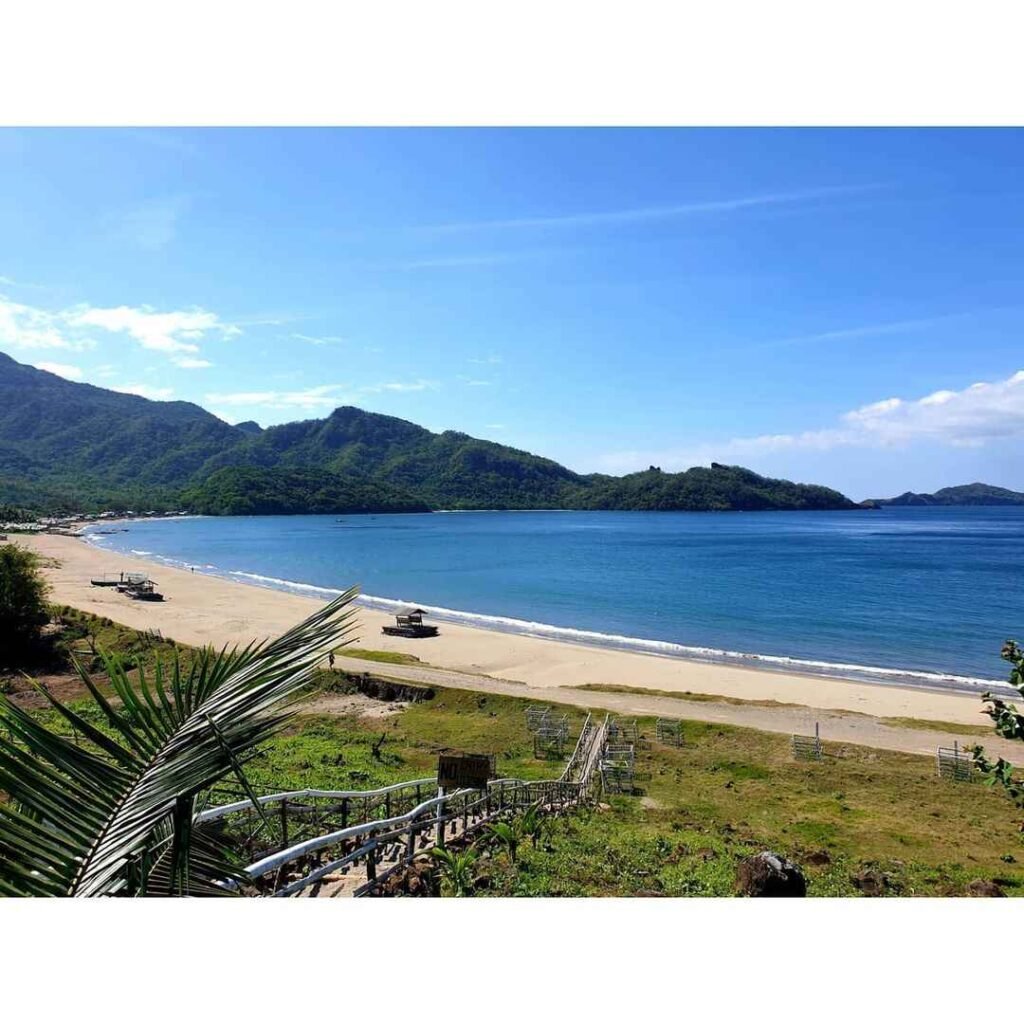
Calayan Island is the rugged, unpolished gem of the Babuyan Group of Islands in the Luzon Strait. It is defined by its raw landscapes—think Batanes-like rolling hills without the tourist crowds, combined with pristine white sand coves and ancient caves. It is not a luxury destination; it is an adventure.
Quick Stats & Logistics (2026 Estimates)
| Feature | Details |
| Best Time | April to May (Summer) – Crucial for calmer seas. |
| Budget (DIY) | Approx. ₱8,000 – ₱10,000 for a 4D3N trip (from Manila). |
| Main Port | Claveria Port (Cagayan) is the most reliable jump-off point. |
| Travel Time | 12-14 hrs Bus (Manila to Claveria) + 5-7 hrs Boat. |
| Connectivity | Limited. Smart/TNT has better signal; Starlink is appearing in some homestays. |
| ATM Availability | None/Unreliable. Bring 100% cash (small bills preferred). |
The “Need to Know” in 30 Seconds
The “Lampitaw” Reality: The only way to cross the Babuyan Channel is usually via a Lampitaw (a large, open-air motorized outrigger). The 5-hour ride is notorious for big swells. If you have a weak stomach, take Bonamine an hour before boarding and sit near the back where it’s more stable.
Electricity: While power availability has improved, expect it to be rotational or limited to 12 hours/day in some areas. Bring a high-capacity power bank.
Local Etiquette: Boat schedules are dictated by the Philippine Coast Guard (“Weather Permitting”). If the Coast Guard says “No Go,” do not argue. It’s for your safety.
If you are reading this, you are likely done with the manicured resorts of Boracay or the crowded streets of Siargao. You are looking for something raw. You are looking for the Philippines the way it used to be—wild, unpretentious, and slightly difficult to love, but impossible to forget. Welcome to Calayan Island.
Even in 2026, Calayan remains a destination reserved for the brave. While tourism infrastructure has improved slightly since the early 2020s, this island in the Babuyan Channel has stubborn retained its rugged charm. It is not a place where you sip margaritas by a pool; it is a place where you ride 10-foot swells to find a cove that looks like the beginning of the world.
I’ve traveled across the archipelago, and I can honestly say that Calayan hits differently. It offers the rolling hills and dramatic cliffs often associated with Batanes, but without the steep price tag or the tourist fanfare. It is quieter, harder to reach, and infinitely more rewarding for the serious adventurer. It is no surprise that it has steadily climbed the ranks of the Top 20 Tourist Destinations in the Philippines 2025 and continues to hold its ground this year as a top emerging spot for those willing to go the extra mile.
Where is Calayan Island Located?
Quick Answer: Calayan Island is the largest of the Babuyan Group of Islands, located in the Luzon Strait, north of the main island of Luzon and south of the Batanes Group of Islands. Politically, it falls under the jurisdiction of the province of Cagayan.
Lakbaypinas Tip: Regional Insight: Many travelers confuse Calayan with Batanes because of the similar “New Zealand-esque” landscapes. However, they are distinct provinces. Calayan is part of Cagayan, while Batanes is its own province further north. Knowing this difference is crucial for your logistics—you don’t fly to Basco to get here!
Geographically, Calayan island sits squarely in the path of the Pacific typhoons, which is why the landscape is so dramatic—carved by strong winds and powerful waves. It is approximately 24 miles south of the Batanes group and about 40 miles north of the Luzon mainland (Claveria/Aparri).
Because of its isolation in the middle of the channel, reaching it requires crossing open seas that are notorious for being rough. This isolation is its greatest defense; it keeps the crowds at bay and preserves the island’s culture and environment. It feels far, and frankly, it is. But standing on the edge of Nagudungan Hill, looking out at the endless blue where the Pacific Ocean meets the South China Sea, makes every mile of the journey worth it.
Table of Contents
How to Go to Calayan Island (2026 Updated Routes)
Quick Answer: The most reliable route for tourists is the land-and-sea combo: take a bus from Manila to Claveria, Cagayan (approx. 12-14 hours), then catch the morning Lampitaw boat to Calayan Island. If you are short on time, fly to Tuguegarao City or Laoag, then take a van to Claveria.
Lakbaypinas Tip: Travel Hack: The boat ride from Claveria to Calayan is not a typical ferry cruise; it crosses the Babuyan Channel, where the Pacific Ocean meets the West Philippine Sea. It will be rocky. If you are prone to seasickness, take Bonamine one hour before boarding—do not wait until you feel dizzy. Trust the local boatmen; they navigate these waves daily with surgical precision.
Option 1: Land Travel (The Budget Route)
For the budget-conscious traveler (and those who can sleep through anything), the direct bus is the way to go. GV Florida Transport remains the gold standard for this route, offering the most comfortable “Sleeper Buses” that allow you to lie down completely flat during the long haul.
Terminal: Sampaloc, Manila (GV Florida) or Cubao (Victory Liner/RCJ Lines).
Target Drop-off: Claveria, Cagayan (Poblacion or straight to the Port).
Travel Time: 12 to 14 hours. Depart Manila around 3:00 PM or 4:00 PM to arrive in Claveria by 5:00 AM, just in time for the boat manifest.
Table: Bus Fares to Claveria (2026 Projected)
| Bus Class | Amenities | Est. One-Way Fare |
| Sleeper Class | Bunk beds, blankets, restroom, non-stop. | ₱1,500 – ₱1,700 |
| Super Deluxe | Lazyboy seats (2×1), legroom, restroom. | ₱1,200 – ₱1,350 |
| Regular AC | Standard 2×2 seating, minimal stops. | ₱1,000 – ₱1,150 |
Option 2: Air Travel (The Faster Route)
If sitting on a bus for half a day sounds like torture, booking a flight is your best bet. However, there is no direct flight to Calayan. You will need to fly to a nearby city and transfer by land.
Fly to Tuguegarao City (TUG):
Airlines: Cebu Pacific or Philippine Airlines (approx. 1 hour flight).
Transfer: From Tuguegarao Airport, take a tricycle to the van terminal. Board a van or bus bound for Claveria (approx. 3-4 hours travel time, Fare: ~₱400).
Side Trip Idea: If you land early in Tuguegarao, you might have time to check out the Callao Cave in Peñablanca before heading north.
Fly to Laoag City (LAO):
Transfer: From Laoag, take a bus or van heading to Claveria (approx. 2-3 hours). This is often a smoother drive passing through the scenic Patapat Viaduct.
Boat Schedule in Calayan Island & Crossing the Babuyan Channel
Quick Answer: There are no online bookings for boats to Calayan. It is strictly “first-come, first-served.” The primary route is via Claveria Port, with boats departing daily between 5:00 AM and 7:00 AM, weather permitting.
Lakbaypinas Tip: Local Etiquette: “Weather Permitting” is the golden rule here. The Philippine Coast Guard (PCG) has absolute authority. If they say “No Go” due to a gale warning, do not argue. Stranded days are part of the Calayan experience. Be polite to the Captains and Coast Guard—they are prioritizing your life over your itinerary.
The “Lampitaw” Experience
Before you look at the schedule, you need to understand the vessel. You will likely be riding a Lampitaw—a large, motorized wooden outrigger built specifically to withstand the volatile swells of the Babuyan Channel.
It is not a ferry. It does not have air-conditioning or comfortable rows of seats. You will sit on wooden benches or cargo.
It is wet. You will get splashed. Waterproof everything (bags, gadgets, yourself).
It is loud. The engine roar is constant for 5 hours. Earplugs are a pro move.
Route 1: Claveria to Calayan (The Reliable Route)
This is the main artery for tourism and goods.
Departure: Taggat Lagoon/Port in Claveria.
Time: Assembly starts at 4:30 AM. Boats usually depart by 6:00 AM once the manifest is full and PCG clears the exit.
Frequency: Daily.
Contact: Specific boat numbers change often. Your best strategy is to ask your homestay host to reserve a slot for you the day before.
Route 2: Aparri to Calayan (The Cargo Route)
Boats here are larger but less frequent. They prioritize cargo (rice, cement, supplies) over passengers.
Departure: Aparri Port.
Time: Unpredictable. Usually late evening or very early morning.
Travel Time: Longer (6-8 hours).
Verdict: Only take this if you are already in Aparri or if Claveria boats are fully booked/cancelled.
Route 3: M/V Eagle Ferry (The “If You’re Lucky” Route)
As of 2026, the M/V Eagle Ferry (or similar steel-hulled vessels) operates intermittently from San Vicente Port (Sta. Ana) or Aparri.
Status: Often under maintenance or seasonal.
Advice: Do not build your itinerary around this ferry unless you have confirmed its operation within 24 hours of your trip. Stick to the lampitaw for reliability.
Boat Fares & Schedules (2026 Estimates)
| Route | Est. Departure | Est. Fare (One-Way) | Travel Time |
| Claveria ↔ Calayan | 5:00 AM – 7:00 AM | ₱650 – ₱800 | 4 – 6 Hours |
| Aparri ↔ Calayan | Irregular (Cargo) | ₱700 – ₱850 | 6 – 8 Hours |
| Sta. Ana ↔ Calayan | Seasonal (Ferry) | ₱850 – ₱1,000 | 4 – 5 Hours |
Top Tourist Spots in Calayan Island
Quick Answer: The star attractions of Calayan are Sibang Cove, famous for its raw, resort-free coastline, and Nagudungan Hill, which offers Batanes-like cliffside views. Most spots are accessible via tricycle (“land tour”) or boat (“island hopping”).
Lakbaypinas Tip: Photography Hack: Timing is everything here. For the best lighting, catch the sunrise at Sibang Cove where the sun emerges from the ocean horizon. Conversely, chase the sunset atop Nagudungan Hill—the golden hour hits the limestone cliffs and green grass perfectly, making for world-class drone shots or portraits.
Sibang Cove
If you have seen photos of Calayan Island, you have likely seen Sibang Cove. But photos do not do it justice. This is a stretch of pristine white sand backed by a dense wall of forest and limestone rock formations. What makes it special in 2026 is what is not there: no rowdy bars, no concrete resorts, and no umbrellas blocking the view. It is just you, the crushing waves, and the sand.
Best for: Camping, beach bumming, and soul-searching.
Note: The waves here can be treacherous. Swimming is often restricted to shallow areas or calm days. Always heed the locals’ warnings—the undercurrent is strong.
Nagudungan Hill
Often called the “Batanes of the South,” Nagudungan Hill is a sprawling plateau of rolling green grass dotted with grazing goats and wind-swept trees. A short trek leads you to the cliff’s edge, where you can look down at the churning blue waters crashing against massive rock formations.
The Highlight: Visiting the old lighthouse and the “Bangaan” (pots) rock formations.
Experience: It is windy! Secure your hats and hold onto your gadgets.
Lusok Cave
“Lusok” roughly translates to “pass through” or “enter,” fitting for this massive cave accessible by boat. As your boat maneuvers into the cave’s mouth, the water turns into a stunning, glowing emerald green.
Activity: You can jump off the boat and swim inside the cavern. The water is incredibly clear, and looking up, you will see swallows (birds) nesting in the stalactites.
Access: Best reached via the Island Hopping tour (South Tour).
Caanawan Falls & Bataraw Falls
When you are done with the salt water, head inland. The treks to these falls take you through Calayan’s lush jungles.
Caanawan Falls: A multi-tiered waterfall that requires a bit of a hike but rewards you with a deep, cold pool perfect for a freshwater dip.
Bataraw Falls: A smaller, more accessible cascade that is great for a quick rinse and a picnic.
Malansing Cave
This isn’t your typical spelunking cave. Malansing is famous for its exterior spectacle. Water cascades down from the rocks above the cave mouth, creating a constant mist that looks like rain, even on sunny days.
Fun Fact: The name comes from the word “lansing” or fishy smell/metallic smell, which locals sometimes associate with the guano or the mist, though the sight itself is pure magic.
Love island adventures? If you want to explore beyond Calayan, check out the Babuyan Island Ultimate Travel Guide for more exploration nearby, including the whaling town of Camiguin Norte.
IMAGE COURTESY: KUMANDER DAOT
Where to Stay in Calayan Island (2026)
Quick Answer: Accommodation in Calayan Island is almost exclusively homestays and small family-run inns. Do not expect 5-star hotels or hot showers. The most popular options are TPS Homestay, Villa Inocencia, and Pagdagusan Homestay. Rates range from ₱500 (fan room) to ₱1,500 (air-conditioned room) per night.
Lakbaypinas Tip: Community Support: Most accommodations here are effectively extensions of the owner’s home. Staying with locals helps the community directly. Expect basic amenities: electricity is usually rotational (often running from late afternoon to early morning), though many hosts are now installing solar panels or Starlink for better connectivity in 2026.
Recommended Homestays
In 2026, the homestay culture remains the heartbeat of Calayan tourism. Here are the top trusted spots:
TPS Homestay
The Backpackers’ Choice. Known for being budget-friendly and incredibly helpful with logistics (they often help secure boat tickets back to Claveria). It’s basic, clean, and right in the center of town.
Best for: Solo travelers and budget groups.
Pagdagusan Homestay
The “Foodie” Choice. Owned by the Hipol family, this place is legendary for its hospitality. Guests often rave about the food—fresh seafood, organic rice from their own farm, and “unlimited” coconut juice. They treat you like extended family.
Best for: Travelers who want a full-board meal plan and a homey vibe.
Villa Inocencia Inn
The “Resort” Vibe. If you want a bit more space and privacy, this is one of the more established structures on the island. They have a nice outdoor area and are located close to the beach.
Best for: Couples or families needing a bit more comfort.
Apollo Beach Resort
The Sunset Spot. Located near the Poblacion beach, this is the perfect place to end your day. You can watch the sunset right from their front yard.
Best for: Sunset lovers and those who want to be near the sea breeze.
Camping in Calayan
Can you camp? Yes.
Sibang Cove: This is the premier camping spot. While policies shift, as of 2026, you generally need to coordinate with the Municipal Tourism Office or your homestay to get a permit.
Gear: You must bring your own tent, cookset, and solar lamps. There are no facilities (toilets/showers) at the cove, so this is strictly for the hardcore “Leave No Trace” crowd.
Table: Accommodation Rates (2026 Estimates)
| Accommodation Type | Amenities | Est. Rate (Per Night) |
| Basic Fan Room | Shared CR, Fan, Bed | ₱500 – ₱700 |
| Air-Con Room | Private CR (Cold Shower), AC | ₱1,200 – ₱1,800 |
| Camping Fee | Pitching fee at designated spots | ₱150 – ₱250 |
| Homestay Meal Plan | Breakfast/Lunch/Dinner (Per Head) | ₱250 – ₱350 per meal |
IMAGE COURTESY: KUMANDER DAOT
Sample Calayan Island Itinerary (4 Days & 3 Nights)
Quick Answer: A 4D3N itinerary is the absolute minimum to make the long travel worth it. This schedule balances the “North Tour” (Land) and “South Tour” (Sea).
Lakbaypinas Tip: Foodie Alert: When planning your meals with your host, ask if they can source “Curacha” (Spanner Crab) or Lobster. In Calayan Island, these luxury items are significantly cheaper than in Manila—sometimes half the price!
Day 0: The Departure
15:00: Bus from Manila (Sampaloc/Cubao) to Claveria. Sleep on the bus.
Day 1: Arrival & The Town
05:00: Arrive in Claveria. Breakfast at the port.
06:00: Board the Lampitaw to Calayan.
11:00: Arrival in Calayan (Poblacion). Check-in at Homestay.
12:00: Lunch (Seafood!).
15:00: Tricycle to Calayan Lighthouse and Poblacion Beach for sunset.
19:00: Dinner and socialize with locals.
Day 2: The North Tour (Land Highlights)
05:00: Wake up early for sunrise.
06:00: Tricycle/Habal-habal to Sibang Cove. Spend the morning here.
10:00: Trek to Nagudungan Hill. Explore the lighthouse, the cliffs, and the goat trails.
12:00: Picnic Lunch at the hill or near the cove.
14:00: Visit Caniwara Cove (adjacent to Sibang).
16:00: Head back to town. Rest.
Day 3: The South Tour (Island Hopping)
07:00: Boat rental for Island Hopping.
08:00: Explore Lusok Cave. Jump off the boat and swim inside.
11:00: Visit Bataraw Falls or Caanawan Falls (requires a trek).
13:00: Lunch by the beach or near the falls.
15:00: Malansing Cave (viewing from the boat to see the mist).
17:00: Back to port. Final sunset viewing.
Day 4: Departure
05:00: Early check-out. Be at the port by 5:30 AM.
06:00: Boat back to Claveria.
12:00: Lunch in Claveria.
14:00: Bus back to Manila (or side trip to Palaui Island if you have extra days).
2026 Calayan Island Budget Breakdown
Quick Answer: For a comfortable DIY trip (4 Days, 3 Nights), budget approximately ₱11,000 to ₱13,000 per person (coming from Manila). This covers the sleeper bus, boat transfers, accommodation, full board meals, and shared island hopping fees.
Lakbaypinas Tip: Cash is King: There are NO reliable ATMs on the island. While some homestays accept GCash, the signal can be spotty. Always bring 30% more cash than your calculated budget to cover “stranded days” (which happen more often than you think) or emergency boat rentals.
Estimated Expenses Per Person (DIY Group of 4)
This breakdown assumes you are sharing tour and room costs with at least 3 other people. If you are solo, expect your tour and accommodation costs to double.
| Expense Item | Details | Est. Cost (PHP) |
| Transportation (Manila-Claveria) | Roundtrip Bus (Sleeper/Deluxe) | ₱3,200 |
| Transportation (Sea Crossing) | Roundtrip Lampitaw (Claveria-Calayan) | ₱1,500 |
| Port & Terminal Fees | Claveria & Calayan Ports | ₱150 |
| Accommodation (3 Nights) | AC Room Sharing (₱500/night/pax) | ₱1,500 |
| Food & Water | 3 Full Meals/Day x 4 Days (₱250/meal) | ₱3,000 |
| Island Hopping (Boat Rental) | Shared cost (Total boat rent ~₱4,500) | ₱1,125 |
| Land Tours (Tricycle) | 2 Days Rental (Shared) | ₱600 |
| Environmental/Tourism Fees | Entry fees for specific spots | ₱200 |
| Miscellaneous | Tips, toiletries, emergency cash | ₱1,000 |
| TOTAL ESTIMATED BUDGET | ~₱12,275 |
Note: Prices are projected for 2026. Fuel price surges may affect boat and tricycle rates instantly.
Frequently Asked Questions (FAQs)
Is it safe to travel to Calayan Island?
In terms of crime, yes, it is one of the safest places in the Philippines. The real “danger” is the weather. The Babuyan Channel is unpredictable. Always check the PAGASA weather forecast and trust the Coast Guard’s advice. Avoid traveling during the typhoon season (July-October) unless you are prepared to get stranded.
Is there internet and electricity in Calayan in 2026?
Electricity has improved but is still not 24/7 in all areas (often 12-16 hours/day). However, mobile data (Smart/TNT) is decent in the Poblacion. Many homestays have also installed Starlink, so digital nomads can technically work, but don’t rely on it 100% for heavy video calls.
Can I bring my car to Calayan?
No. The regular boats (lampitaw) are for passengers and light cargo only. There is no RORO (Roll-on/Roll-off) service for private vehicles. You can park your car at the secured parking areas in Claveria Port.
Do I need to book in advance?
Yes, especially for homestays during the summer (March-May). The island has limited capacity. For boats, while you can’t book online, having your host coordinate with the boat captain ensures you are on the manifest.
Conclusion
Calayan Island is not for the faint of heart. It demands patience, a strong stomach, and a willingness to disconnect from the modern world. But for those who brave the 12-hour bus ride and the 5-hour wave-battering journey, the reward is incomparable. You get to walk on beaches where your footprints are the only ones, stand on cliffs that rival New Zealand’s, and experience a community that treats you like family, not just a customer.
In 2026, as travel becomes more automated and commercialized, places like Calayan Island are the last frontier of genuine Philippine adventure.
Ready to brave the waves? Share this guide with your travel buddies and start planning your 2026 Calayan Island adventure today! Don’t forget to check our other Cagayan guides for a complete North Luzon loop.