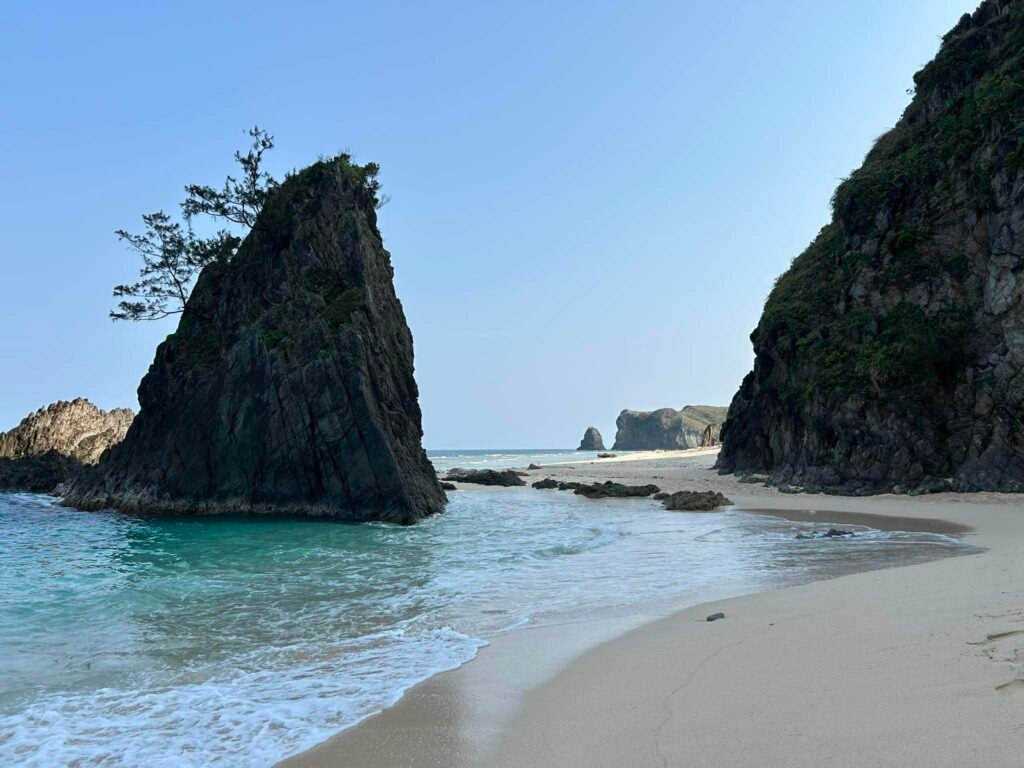
Calayan Island is a remote, rugged island in the Babuyan Group of Islands, Cagayan, located in the Luzon Strait between the Philippine mainland and the open Pacific. Getting there requires an overnight bus to northern Cagayan, a four-to-six-hour motorized outrigger crossing, and at least one buffer day in case the Philippine Coast Guard issues a no-sail order.
I visited in May 2026, covering 68 of 82 provinces since 2015, and this is among the most logistically demanding trips I have done in the country.
The reward is real:
- Cream-colored sand at Sibang Cove
- A coastline with no resort towers behind it
- An island that has not yet decided to make things easy for visitors
This guide is updated as of September 30, 2026.
Key Takeaways
- The jump-off port is Claveria, Cagayan (Taggat Norte Port), reached by a 12-to-14-hour overnight bus from Manila or a 1-hour flight to Tuguegarao plus a 3-to-4-hour van ride.
- Boat fare from Claveria to Calayan is ₱650–₱800 one-way (as of September 30, 2026). Boat fares here follow diesel prices, so when pump prices jump the rate at the jetty usually goes up with it.
- The best months to visit are March through May. The Northeast Monsoon from September through February makes crossings dangerous and can extend travel time to 7–9 hours.
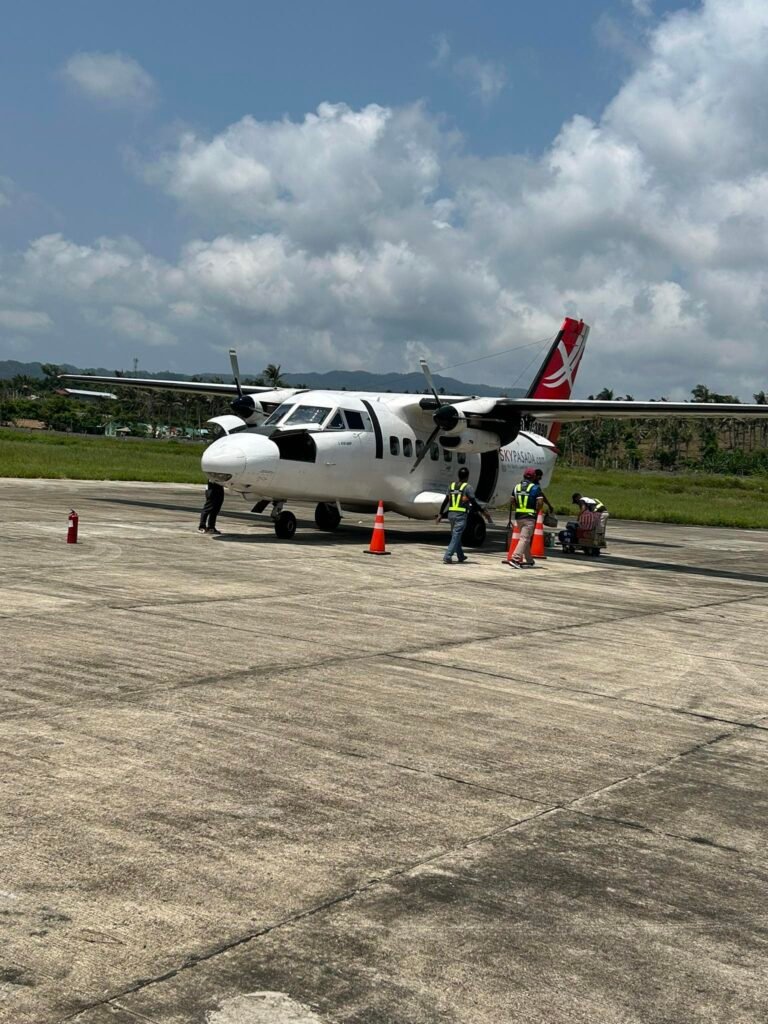
- Sky Pasada operates light-aircraft flights to Calayan Airport from Laoag and Tuguegarao, generally on Tuesdays and Fridays, but flights depend on visual flight rules and cancel for seasonal weather.
- Budget a minimum of 4 days and 3 nights on the island, excluding Manila transit. 5D4N with 1–2 buffer days is the practical standard.
- Calayan is a cash-only island. There are no ATMs. Bring a ₱3,000–₱5,000 emergency reserve on top of your planned budget, in case weather grounds the boat. (as of September 30, 2026)
- The LGU enforces a single-use plastic ban. Bring a reusable tumbler; plastic water bottles are an actionable offense at beaches and trails.
Table of Contents
Where Exactly Is Calayan Island, and How Far Is It?
Calayan Island sits at 19°15’43” N, 121°28’31” E, in the Luzon Strait between mainland Cagayan to the south and the open water toward Taiwan to the north. It is the administrative center of Calayan municipality, which covers 494.53 square kilometers across the Babuyan Group of Islands. The island itself spans 196 square kilometers, making it the largest landmass in the group.
By sea from Claveria, Cagayan, the crossing takes 4 to 6 hours under good conditions. From Aparri, also in Cagayan, the crossing is longer at 6 to 7 hours because those boats carry heavier cargo loads. Both ports are on the northern coast of mainland Luzon.
Calayan is not the same as the Calamian Islands in Palawan. The name confuses a lot of first-timers booking flights. Calayan, Cagayan is in the far north, and its isolation is the point.
The Babuyan Group also includes Babuyan Claro, Camiguin del Norte, and Fuga Island. If you are already planning a multi-island trip through northern Cagayan, the Palaui Island travel guide covers the other well-known remote island in the same province. The logistics there are easier to manage for a first visit to the region.
How Do You Get to Calayan Island from Manila or Aparri?
These fares follow diesel and gas prices, so what you pay can be a little higher or lower than the figures below.
Getting to Calayan Island from Manila means combining an overnight bus to Claveria with a morning boat crossing, or shortening the land ride by flying to Tuguegarao first. Most travelers use the bus-then-boat route because it lines up cleanly with the lampitaw departure window.
Option 1: Manila to Claveria by Overnight Bus
GV Florida Transport operates daily from two Manila terminals: Sampaloc (a short walk from LRT-2 Legarda Station) and Kamias, Quezon City. The direct route to Claveria takes 12 to 14 hours. Departing between 3:00 PM and 4:00 PM puts you in Claveria at dawn, in time for the morning boat.
Fares as of September 30, 2026:
| Bus Class | Estimated Fare (One-Way) |
|---|---|
| Deluxe | ₱800–₱1,150 |
| Super Deluxe | ₱1,000–₱1,150 |
| Sleeper / Executive Sleeper | ₱1,200–₱1,800 |
The sleeper class is worth it on this route. You arrive rested enough to board a boat at 5:00 AM and function for the rest of the day. Sitting upright for 14 hours and then immediately crossing a channel is a rougher start than it sounds.
From the Claveria bus drop-off, take a tricycle to Taggat Norte Port (also called Claveria Port). The ride takes 10 to 15 minutes. If you drove a private vehicle, open-air parking near the PCG detachment costs around ₱50–₱100 per night.
Option 2: Manila to Tuguegarao by Flight, Then Van to Claveria
Cebu Pacific and Philippine Airlines both fly Manila to Tuguegarao City in about 1 hour. From Tuguegarao, vans and buses run to Claveria in roughly 3 to 4 hours for around ₱100–₱300. Transport companies like GMW Trans cover this regional leg.
This route cuts the overnight bus but adds flight cost and still requires you to time your Claveria arrival against the morning boat. You also give up the flexibility of overnight bus departures on short notice.
Option 3: Aparri to Calayan Island
Aparri is a secondary staging point. The M/B Romina (0919 663 4954) and M/V Eagle Ferry (0947 773 3904) operate from Aparri Port, with crossings taking 6 to 7 hours.
The Aparri route is less reliable and slower, primarily because vessels carry commercial cargo. Most DIY travelers choose Claveria.
That said, if you are already in Aparri or routing through it from Tuguegarao, the crossing is workable. You follow the same PCG manifest procedure. The departure window is 6:00 AM to 7:00 AM.
Option 4: Flying Directly to Calayan Airport via Sky Pasada
Sky Pasada (under WCC Aviation) operates light aircraft to Calayan Airport, which commenced operations in 2019. Routes connect Calayan with Laoag International Airport and Tuguegarao Airport, generally on Tuesdays and Fridays.
Other connected points include:
- Baguio
- Cauayan
- Binalonan
- Basco
Flights operate under visual flight rules, meaning cancellations follow the weather the same way boats do. Baggage limits vary by aircraft, ranging from 5 to 25 kilograms.
Online check-in is not available; boarding is processed at the regional airport counter. This is the right option for time-poor travelers, but it does not remove the weather variable.
The Jomalig Island ferry and boat guide covers another northern Philippine island where the boat logistics are similarly unpredictable. It is worth reading if you want to compare how this kind of trip works before committing to Calayan.
What Is the Boat Schedule, Fare, and Crossing Time from Claveria?
The Claveria-to-Calayan crossing is done by lampitaw, a large motorized outrigger built for open-channel conditions. The primary vessel out of Claveria is the M/B Macarra (0927 3277 889 / 0921 477 9167). The M/V Eagle Ferry (0947 773 3904) also services this route.
Fares as of September 30, 2026. Boat fares here follow diesel, so when pump prices jump the rate at the jetty usually goes up with it.
| Port of Origin | Claveria (Taggat Norte) | Aparri Port |
|---|---|---|
| Primary Vessels | M/B Macarra, M/V Eagle Ferry | M/B Romina, MB Ocean Crown |
| Travel Time | 4–6 hours | 6–7+ hours |
| One-Way Fare | ₱650–₱800 | ₱650–₱800 |
| Departure Window | 5:00 AM–7:00 AM | 6:00 AM–7:00 AM |
There is no fixed daily schedule. Boats depart when conditions allow and when the PCG clears the manifest. Walk-in boarding is standard because weather makes advance ticketing impractical.
Your accommodation host on Calayan is your most reliable liaison for securing a slot, both going and returning. Contact them before you cross.
PCG No-Sail Orders and What Happens If You Are Stuck
The Philippine Coast Guard monitors sea state and enforces no-sail orders without notice. A suspension can keep you on the mainland or on the island for extra days. During the Northeast Monsoon season, crossing times can stretch to 7 to 9 hours, and cancellations are frequent.
Build 1 to 2 buffer days into every itinerary. On my May 2026 visit, the boat departure was pushed back by two hours on the return because of morning swells. That delay alone would have caused missed connections for anyone with a same-day flight from Manila.
The Coast Guard Station Calayan emergency hotline is 0999-924-3554.
How to Board: PCG Manifest and Registration
All passengers sign the PCG manifest at the port before departure. This is not optional and is enforced under MARINA regulations. Arrive at the port by 4:30 AM at the latest to complete registration and loading before the departure window.
Waterproof everything. The lampitaw is an open outrigger and sea spray is guaranteed.
Use a dry bag or line your pack with heavy plastic. Cameras, documents, and medications go in sealed bags.
If You Miss the Boat or the Boat Cannot Go
Coordinate with your homestay the night before your planned departure. They interface with the boat captain and know the next available slot.
There is no booking system to call. The answer comes from the port and from locals, not from any website.
When Is the Best Time to Go, and When Should You Stay Home?
March through May is the only reliable window for Calayan Island. These are the dry summer months when the prevailing winds ease, the Balintang Channel calms, and crossings run close to their standard 4-to-6-hour duration. May is the last reliable month before conditions shift.
From June onward, the Southwest Monsoon (Habagat) brings rain and rougher seas. The overlap period of June and July is manageable but unpredictable. From September through February, the Northeast Monsoon (Amihan) dominates this stretch of water.
Swells build, crossings lengthen to 7 to 9 hours, and PCG no-sail orders become routine. Traveling in these months is not just uncomfortable. This channel is dangerous.
This month-by-month breakdown summarizes the window:
| Month | Conditions | Recommendation |
|---|---|---|
| March–May | Calm, dry, reliable | Best window |
| June–July | Variable, early rains | Possible with buffers |
| August | Habagat peak | Risky |
| September–February | Amihan, rough seas | Avoid |
Book your bus and coordinate your boat contact in February or early March if you are targeting the heart of the season. The lampitaw has no ticket system, but your homestay needs advance notice to arrange your slot on the manifest, especially during the peak April crowd.
What Are the Best Places to Visit and Things to Do on the Island?
Calayan Island’s best sites run from coastal coves to inland waterfalls to a cliff viewpoint that will test your comfort with heights and strong wind. Local habal-habal (motorcycle taxi) handles most of the island transport, with a daily charter rate of ₱1,000–₱1,500.
Sibang Cove: Sand, Water, and Swimming Conditions
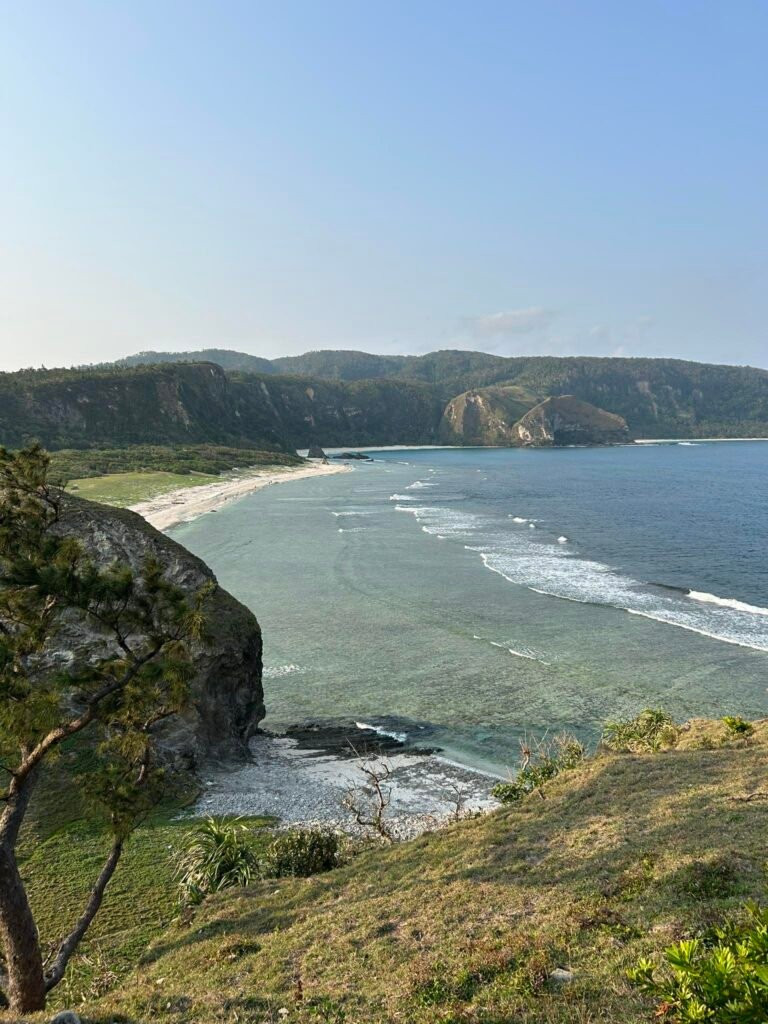
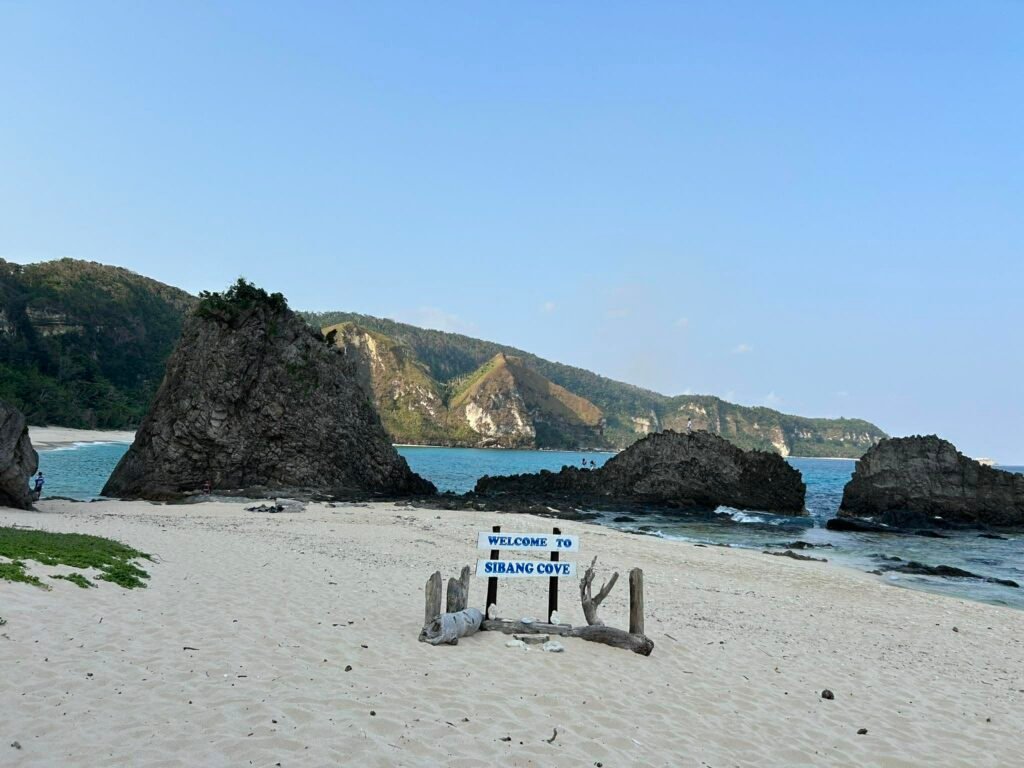
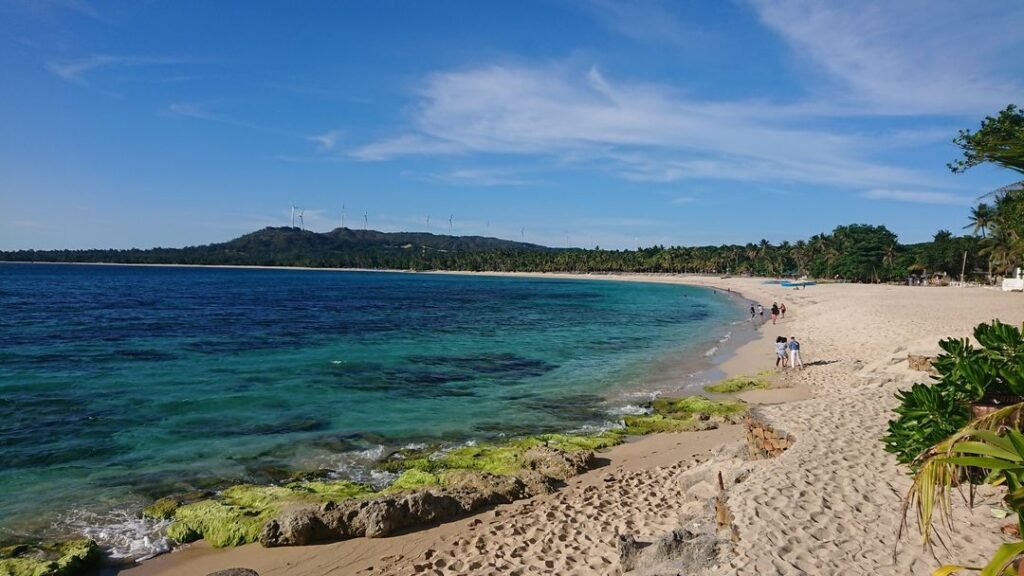
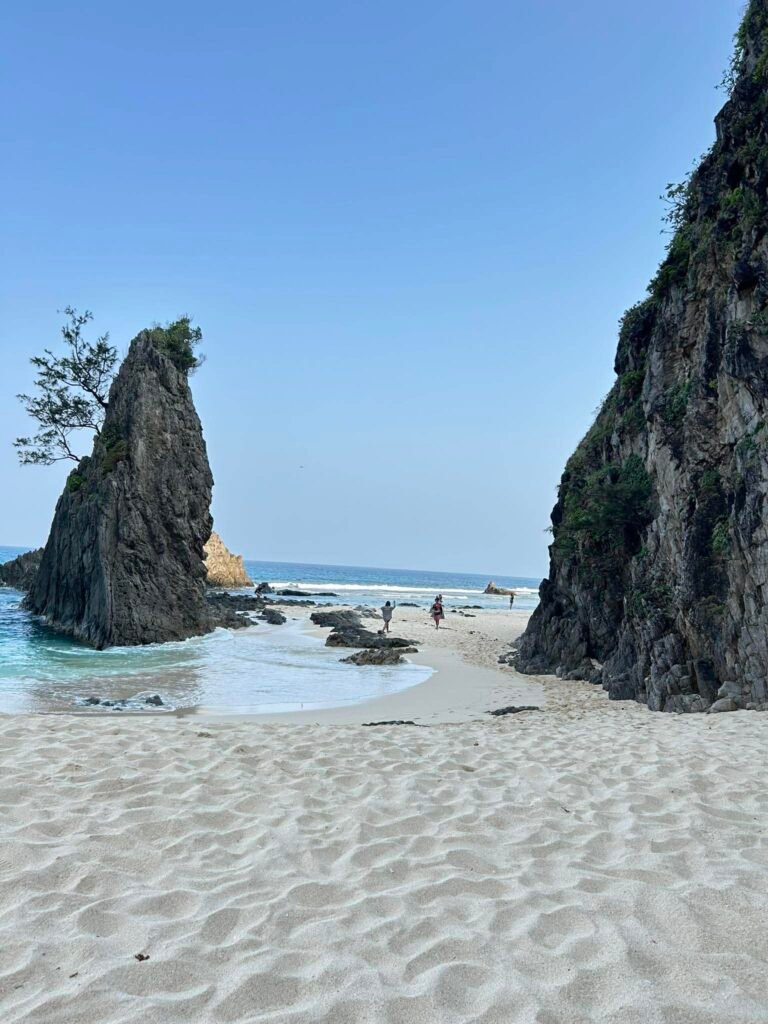
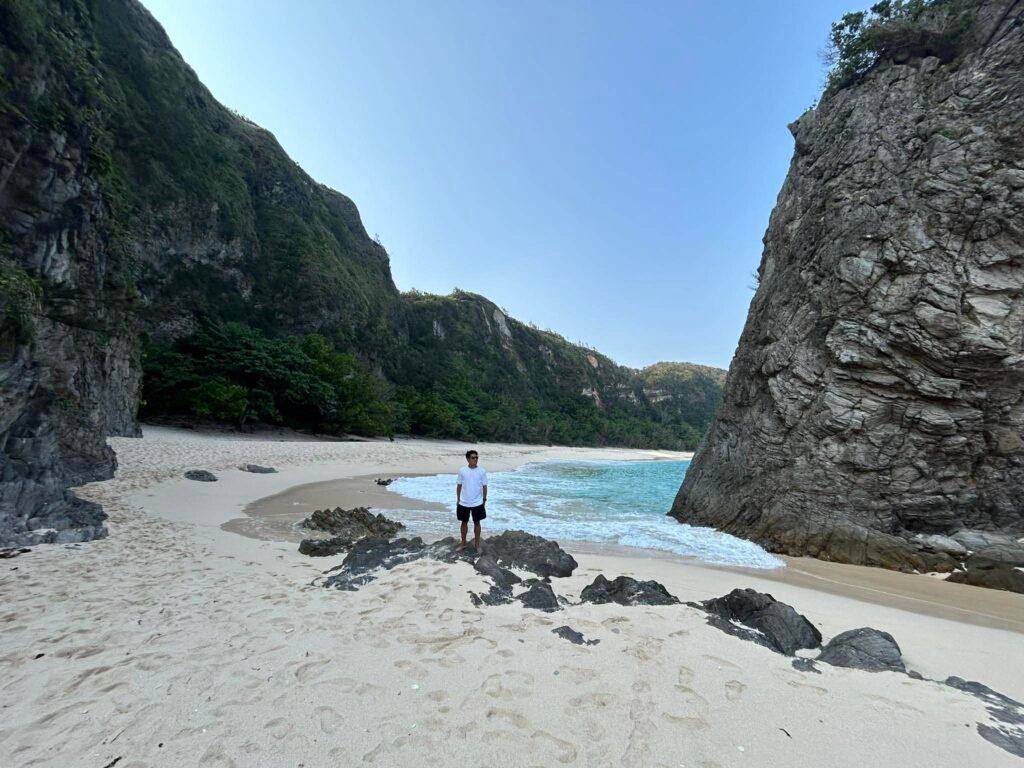
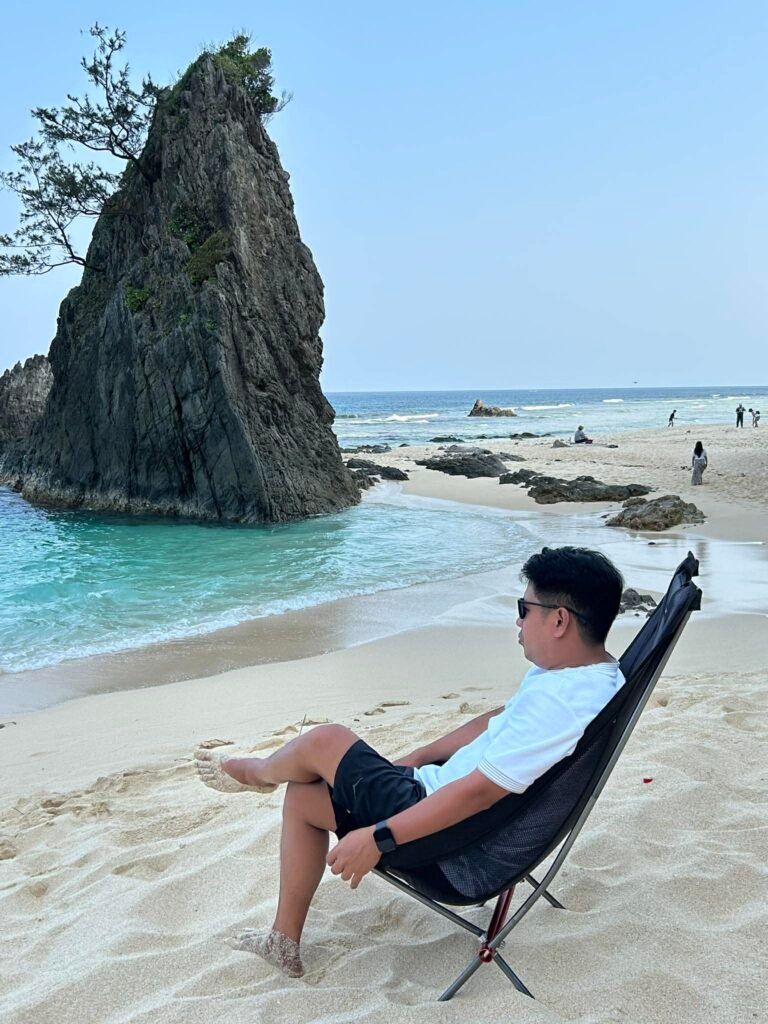
Sibang Cove is the main draw, and it earns the reputation. The beach is wide, the sand is cream-colored and fine, and the backdrop is jagged limestone with dense coastal growth. The water is a deep blue-green and looks swimmable from the shore.
Swim carefully. Rip currents form here, and there are no lifeguards. Listen to locals when they say conditions are not safe.
The water is clearest and calmest in the dry season. Snorkeling is possible along the rock formations at the edges of the cove, but this is not a reef-diving destination.
The coral coverage is modest compared to established dive sites. Bring a mask and fins for the rocks, not for a dedicated reef experience.
Access is by habal-habal then a short walk. During my May 2026 visit, entry was free or had a nominal barangay fee collected at the path. Caniwara Cove and Cababaan Cove sit nearby and are quieter alternatives if Sibang is crowded.
Sibang Cove is easier to reach and more rewarding than several similar-looking beaches on islands off Burias. The DIY guide to Burias Island documents a similar pattern of great sand undermined by difficult access.
Nagudungan Hill: The Best Viewpoint on the Island
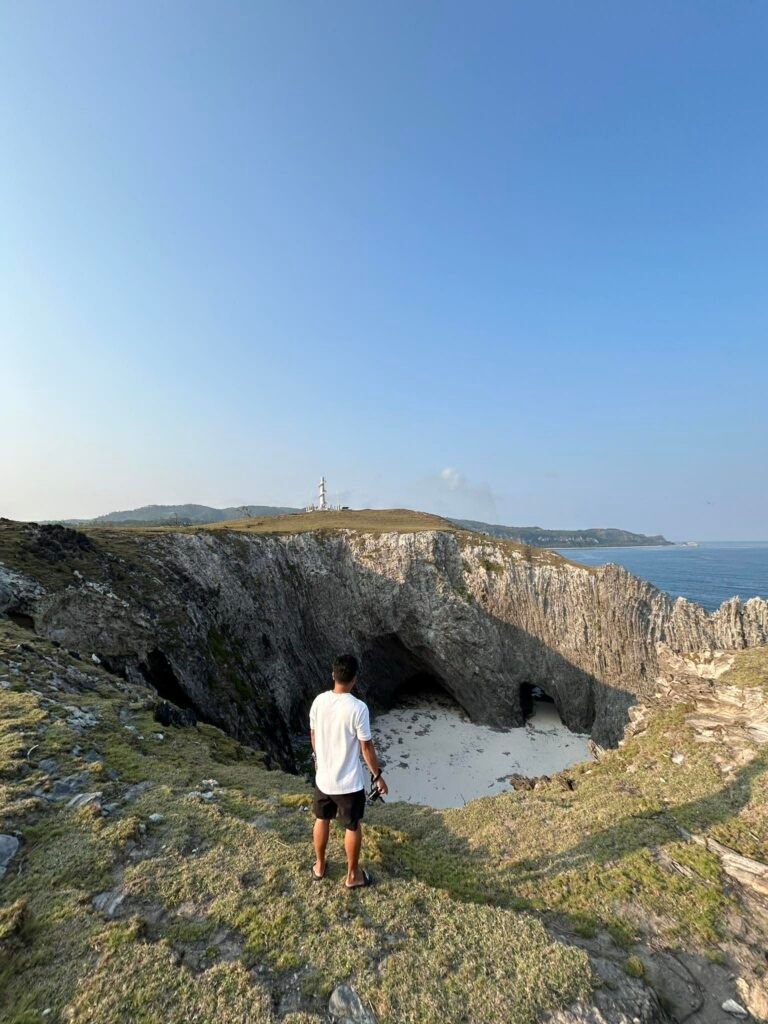
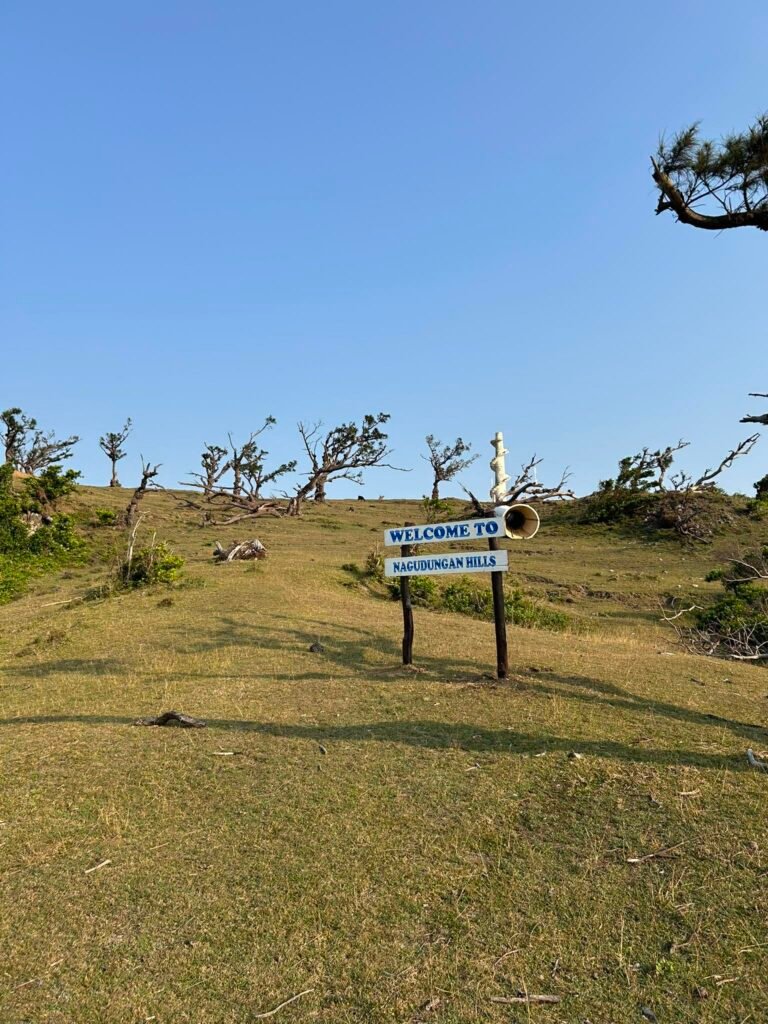
Nagudungan Hill sits adjacent to Sibang Cove and offers a 360-degree view of the Luzon Strait and Calayan’s rugged coastline. Goats and cows roam freely up here.
A defunct lighthouse marks the center. The wind is strong enough to push you sideways.
There are no guardrails on the cliff edge. Do not approach the edge for a photo. Drone pilots face the same warning doubled: a gust can push a lightweight drone into the sea before you can react.
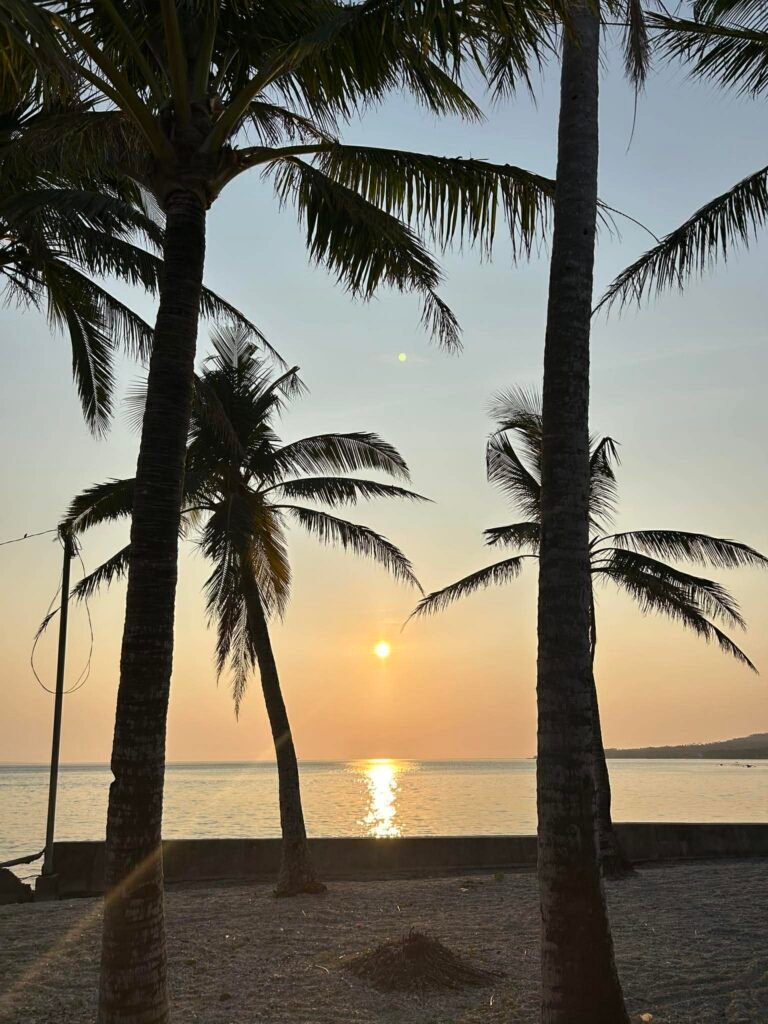
Sunset here is the right time to go. The light hits the strait from the west and the cliffs turn gold. Give yourself enough habal-habal time to get there before the sun drops.
Bangaan View Point
Bangaan View Point is closer to the Poblacion and is a gated site with a ₱50 entrance fee that includes an escort guide. The view covers the Calayan Airport and the surrounding ocean.
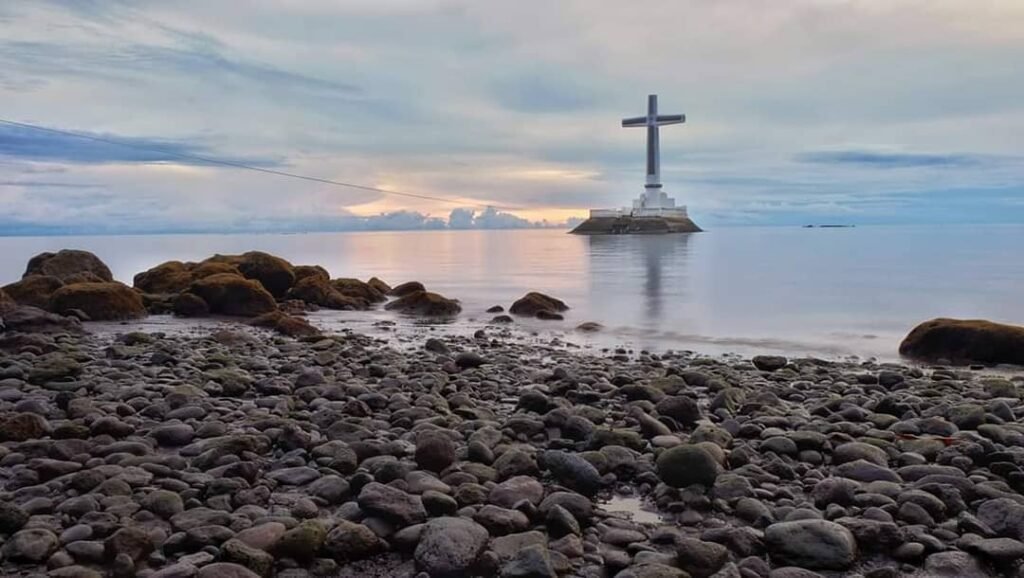
A cross marks the site, making it a landmark for sunrise photos. This is the accessible version of the island’s cliffside views, good for those who cannot make the Nagudungan trek.
Lusok Cave, Tapwakan Cliff, and Inland Falls
Lusok Cave is a sea cave accessible only by boat. The entrance opens from the ocean into a chamber with a natural pool formed by freshwater seepage mixing with tidal water.
Access depends entirely on swell conditions. If the sea is rough, this stop does not happen.
Tapwakan Cliff Diving Site involves either cliff-jumping or swimming around the rock face to reach a hidden cove behind it. A local guide is mandatory. The kuliglig (hand-tractor vehicle) or a short walk gets you there from town.
Bataraw Falls and Caanawan Falls are inland, inside dense forest, and require a hired guide. Bataraw is reachable with a short hike or a boat drop-off plus a 10-minute walk. Caanawan is deeper and the trail gets muddy.
Both require a local guide arranged through your homestay or the Municipal Tourism Office. Guide fees run ₱300–₱500 per day for a small group.
Kannaway Cave between Barangays Dilam and Dibay has a subterranean pool. It is less visited than Lusok and adds an inland caving option for those with extra days.
Island Hopping: Two Named Circuits and What They Cost
The LGU and local operators run two main island hopping circuits around Calayan.
The coastal circuit covers Sibang Cove, Caniwara, Cababaan, and typically Lusok Cave. The inland-and-falls circuit pairs Bataraw Falls and Caanawan Falls with a cave stop, sometimes including Malansing Falls and Cave. Both require chartered boats or habal-habal combinations with guide fees.
A chartered boat for island hopping around the immediate Calayan coastline costs ₱2,500–₱3,500 for the whole boat. Split across a group of four to six, the per-head cost becomes manageable. Solo travelers joining other guests at their homestay to share a boat is the practical approach.
The full Babuyan Islands Triangle Tour covers:
- Smith Volcano
- Babuyan Claro
- Chinteb a Wasay
Charter costs run ₱8,000–₱10,000 for the boat, requiring calm seas and a full planning day.
Environmental and Terminal Fees
Upon arrival at Calayan Port, all tourists register at the Municipal Tourism Office and pay an environmental and tourism fee. The local Tourism Officer is Eric (0947 893 9619). The LGU strictly enforces the single-use plastic ban under E.O.
17, series of 2025. Plastic water bottles, disposable cutlery, and styrofoam packaging are prohibited at all beaches and trails.
Bring a reusable tumbler. This is an enforceable rule, not a suggestion.
How Much Does a Calayan Island Trip Cost in Total?
A complete Calayan Island trip from Manila covers 5 days and 4 nights on the island plus transit days. On a basic DIY budget, it runs between ₱8,000 and ₱12,000 per person. That figure assumes fan-room accommodation, carinderya meals, and shared habal-habal costs.
When I reviewed my own spending against the posted rates in May 2026, the habal-habal charter came out at the lower end of the range. I shared it with two other guests from the homestay. Solo travelers who do not find companions to split costs should plan toward the higher end.
Fares as of September 30, 2026. These are the fixed transit costs each way:
| Transit Segment | Estimated Cost (PHP) |
|---|---|
| Manila to Claveria, bus (Deluxe) | ₱800–₱1,150 |
| Manila to Claveria, bus (Sleeper) | ₱1,200–₱1,800 |
| Claveria to Calayan, lampitaw (one-way) | ₱650–₱800 |
| Calayan to Claveria, lampitaw (one-way) | ₱650–₱800 |
| Claveria to Manila, bus (return) | ₱800–₱1,800 |
On-island variable costs run as follows:
| Category | Estimated Cost (PHP) | Notes |
|---|---|---|
| Environmental and tourism fee | ₱50–₱150 | Paid at arrival, Municipal Tourism Office |
| Accommodation, 4 nights | ₱1,000–₱2,000 | Fan room at ₱250–₱500 per person per night |
| Food and water, 5 days | ₱1,500–₱2,500 | ₱100–₱150 per meal at carinderias or homestay |
| Habal-habal daily charter | ₱1,000–₱1,500 | Shared across group |
| Inland guide fees | ₱300–₱500 per day | Required for waterfalls and caves |
| Coastal boat charter | ₱2,500–₱3,500 | Whole boat, split among group |
On top of the planned budget, carry a ₱3,000–₱5,000 emergency reserve in physical cash. There are no ATMs on Calayan Island, no credit card terminals, and GCash transfers only work when Smart signal holds in the Poblacion, which is not guaranteed. That reserve covers extra accommodation nights, a re-manifest fee, and food if the PCG grounds the boat.
Senior citizen and PWD discounts are not confirmed for the boat fare or the tourism fee. Before crossing, contact the Municipal Tourism Officer Eric at 0947 893 9619 to ask about applicable discounts and current registration requirements.
The trip to Calayan costs more in time than in money. The per-person spend is comparable to a budget weekend in Batangas.
What makes it expensive is the minimum four-day commitment, the risk of extended stays, and the complete absence of banking infrastructure. Travelers who approached a similar logistical profile on the DIY Limasawa Island trip in Leyte will recognize the pattern: ferry-dependent, cash-dependent, and unforgiving of tight itineraries.
Where Do You Stay, Eat, and Handle Basics on the Island?
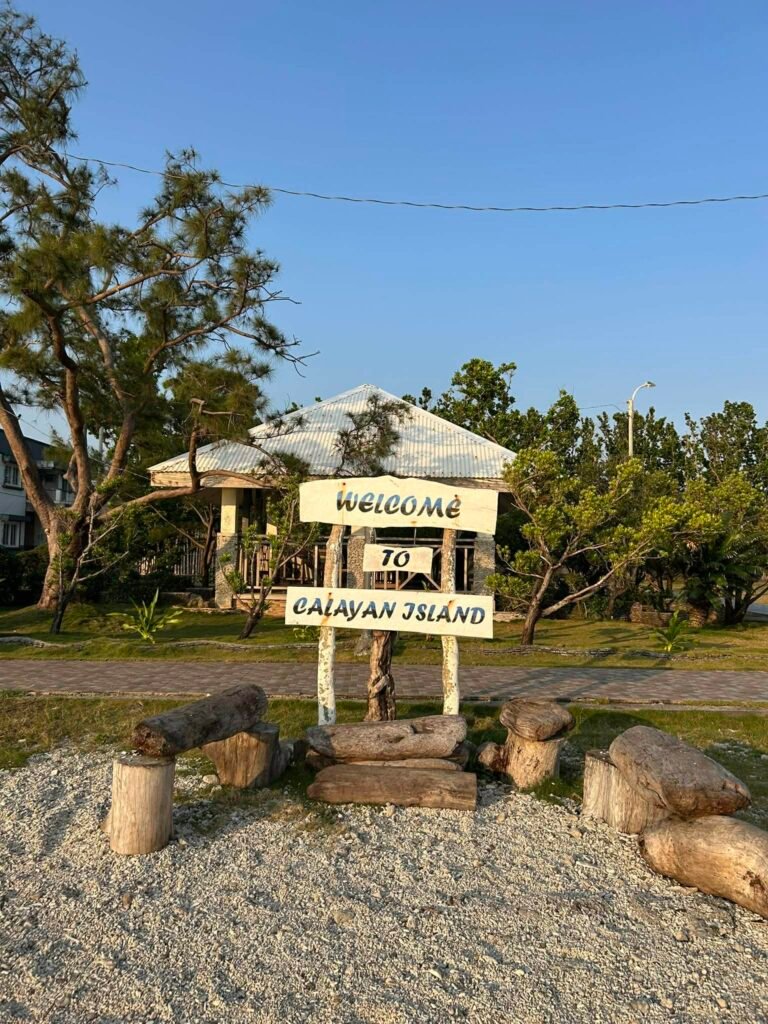
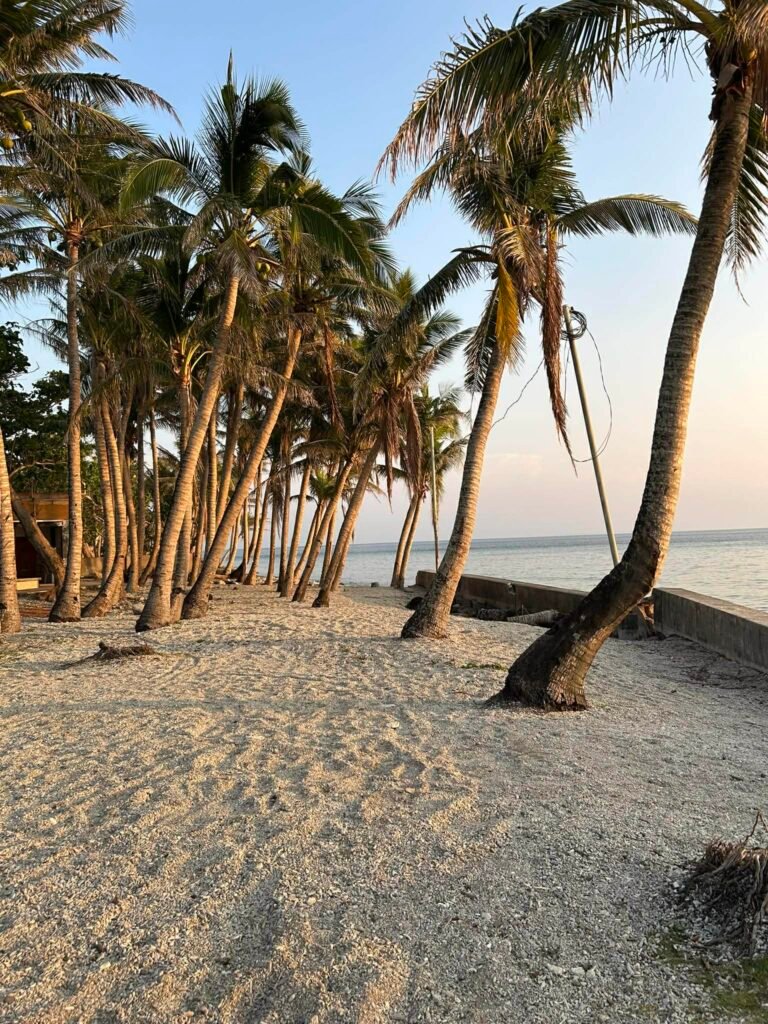
Calayan Island has no commercial resorts. Accommodation is entirely family-run homestays and small inns concentrated in the Poblacion and the nearby Dadao area. The LGU has kept it that way intentionally.
Where to Stay
These are the main options, with contact numbers where available:
| Accommodation | Location | Rate | Contact |
|---|---|---|---|
| TPS Homestay (Mommy Tessie) | JP Rizal St., Poblacion | ₱200–₱250/person | 0939 915 8667 |
| Pagdagusan Homestay | Poblacion | ₱250/person or ₱1,500/day with meals | – |
| Villa Inocencia Inn | Poblacion | ₱250/person | 0949 600 1931 |
| San Jose Inn | Town center | ₱250/person | 0921 534 9231 |
| Apollo Beach Resort | Dadao | ₱500/night | 0947 893 9619 |
Fan rooms generally run ₱300–₱500 per person per night. Air-conditioned rooms cost ₱1,500–₱2,000 per room when power is stable, but power stability is not guaranteed.
TPS Homestay is the most useful choice for DIY travelers because Mommy Tessie and her family coordinate return boat manifests for guests. That coordination matters more than room quality on an island with no booking system. Villa Inocencia suits groups who want meals arranged without fuss.
Book before you cross. The best homestays fill up during peak season in April and May. Your host also serves as your local contact for boat timing and guide arrangements.
Power and Signal
CAGELCO II now runs a solar hybrid system aimed at 24/7 power supply, an improvement from the older generator-only schedule that cut electricity from midnight to noon. Brownouts still happen, especially during rough weather or maintenance.
Outlets are Type A, B, and C at 220V, 60Hz. Bring a universal adapter and a power bank.
Globe has virtually no signal on the island. Smart provides poor to fair 4G/LTE in the Poblacion only. Signal drops to zero at Sibang Cove, Nagudungan Hill, and the inland waterfall trails.
Some homestays have Starlink satellite internet and offer access to guests for a small fee. Do not plan any work calls or live uploads from this island.
Food and Water
Carinderias in town serve meals at around ₱100–₱150. Homestay meals run about the same.
The practical setup is to buy fresh seafood at the local market early in the morning and pay your homestay a modest fee to cook it. This produces better food than most carinderias at a similar price.
The undisputed meal worth seeking out is Miki at Olen’s Miki House. Miki is a flat-noodle soup in annatto-tinted pork or chicken broth, topped with bagnet, fried garlic, and egg.
A basic bowl runs ₱40 and the Atom Miki Special runs ₱150. If a PCG delay grounds you for an extra day, Olen’s and Cafe Flora (₱30 pancakes, board games) are where you will spend those hours.
Purified water is available in the Poblacion. Bring a reusable tumbler from the mainland. The plastic ban means single-use water bottles cannot be brought into beaches and trails, and the rule is enforced.
ATM, Cash, and Practical Limits
There are no ATMs on Calayan Island. Withdraw everything you need before leaving Claveria.
Some homestays and merchants accept GCash, but only when Smart signal holds, which makes it unreliable as a primary payment method. Treat every transaction as cash-only.
The complete guide to Immuki Island in La Union covers a much more accessible island day trip if you want a contrast:
- Same raw-beach appeal
- Full signal
- No multi-day commitment required
What Should You Pack, and How Many Days Do You Need?
Five days and four nights on the island is the practical standard, not counting the travel days to and from Claveria. That gives you two full exploration days, one inland day for the falls, and a buffer day for weather. The absolute floor is 4D3N, but with no buffer, one no-sail order wipes out your itinerary.
Do not attempt Calayan Island as a weekend trip. The boat alone takes four to six hours each way, and boats do not run on a fixed schedule.
What to Bring
Pack specifically for Calayan’s conditions, not for a generic beach trip:
- Dry bag or heavy plastic liners for your pack (sea spray on the lampitaw is not optional)
- Reusable tumbler (mandatory under the plastic ban)
- Power bank (brownouts are real; charge everything on the mainland)
- Physical cash in full, including the ₱3,000–₱5,000 emergency reserve
- Complete personal medications (the Rural Health Unit carries basics only)
- Reef-safe sunscreen, rashguard, and water shoes for rocky cove entry
- Trekking sandals or trail shoes for muddy inland waterfall routes
- Snacks, instant coffee, and comfort items (island supply depends on cargo boat arrivals)
- Light layers for the lampitaw (the crossing can be cold at 5:00 AM even in May)
What Not to Bring
Single-use plastic bottles, disposable cutlery, and styrofoam packaging are banned at eco-tourism zones. Bringing them means leaving them in town or facing enforcement at the beach entrance. Travel light on the outbound bus because the return crossing with wet gear and market finds always weighs more than you expect.
DIY, Tour, or Local Arrangement?
DIY is the standard approach and works well if you contact your homestay before crossing and let them coordinate your boat slot, guide, and habal-habal. Organized tours to Calayan exist but are expensive and rare, and most of the logistics are the same regardless.
A local arrangement through your homestay host gives you the flexibility of DIY with the coordination safety net of a tour. It is what most experienced visitors to this island actually do.
Frequently Asked Questions About Calayan Island
Is there a last boat back from Calayan Island, and how do I book it?
There is no fixed return schedule. Return crossings follow the same walk-in, manifest-based system as the outbound trip. Your homestay host coordinates your slot with the boat captain, usually the night before departure.
Confirm your return plan with your host on Day 1. The departure window from Calayan is the same early morning window, around 5:00 AM to 7:00 AM.
Can you do Calayan Island in a weekend?
No. The minimum stay is 4 days and 3 nights on the island, not counting the transit days from Manila. The overnight bus takes 12 to 14 hours each way, the boat crossing takes 4 to 6 hours each way, and boats do not run on a daily schedule. A weekend trip is not logistically possible from Manila.
What happens if the PCG suspends sailings while I am on the island?
You wait. There is no workaround when the Coast Guard issues a no-sail order. Your homestay coordinates your rebooking on the next available vessel.
This is why the ₱3,000–₱5,000 cash reserve is essential, not optional. It covers the extra nights, meals, and any additional transport costs while you are grounded. Build 1 to 2 buffer days into your itinerary from the start.
Does the Calayan Airport accept commercial flights?
Sky Pasada (WCC Aviation) operates light aircraft to Calayan Airport on Tuesdays and Fridays from Laoag and Tuguegarao. Service also connects to:
- Baguio
- Cauayan
- Binalonan
- Basco
These are small aircraft with baggage limits of 5 to 25 kilograms depending on the plane. No commercial jet service operates to Calayan.
Flights must meet visual flight rules and cancel in bad weather the same way boats do. Online check-in is not available; board at the regional airport counter.
Is a local guide required, or can you explore solo?
Guides are mandatory for inland routes: the waterfalls and cave systems require a licensed local guide arranged through the Municipal Tourism Office or your homestay. The daily guide fee is ₱300–₱500 for a small group.
Coastal sites like Sibang Cove and Nagudungan Hill do not require a guide, but habal-habal drivers know the routes and functionally guide you through the terrain. Solo exploration of the interior without a guide is not permitted by the LGU.
Is there jellyfish season at Sibang Cove?
Jellyfish presence at Sibang Cove and the surrounding waters is seasonal and variable. No fixed jellyfish window has been documented in the available reporting for this island.
Ask locals at the port or your homestay on arrival about current water conditions. The same applies to checking rip current status before entering the water at Sibang Cove.
Who should I contact before crossing to Calayan Island?
Contact the Municipal Tourism Officer Eric at 0947 893 9619 for registration requirements and guide arrangements. For your return boat slot, contact the M/B Macarra at 0927 3277 889 or 0921 477 9167 (Claveria departure) or the M/B Romina at 0919 663 4954 (Aparri departure).
Coast Guard Station Calayan emergency line is 0999-924-3554. For wildlife tracking at the Longog Sanctuary, contact guide Jam Reynon at 0921 524 9680.
Is Calayan Island safe for solo travelers?
Calayan is safe in the ordinary sense. The island community is small and locals are accustomed to independent travelers. The real safety considerations are maritime: solo travelers are more exposed if a no-sail order strands them with no travel companions to share costs.
Coordinate closely with your homestay, keep your emergency cash separate, and register properly at the Municipal Tourism Office on arrival. Those steps cover the main risks.
Is Calayan Island Worth the Effort and Expense?
Calayan Island is worth it for travelers who want a raw, off-grid island experience in the Philippines. You need to commit to five or more days and an unpredictable return date.
The island delivers on what it promises:
- Sibang Cove is as good as the photos
- Nagudungan Hill is more dramatic than almost any viewpoint I have reached after an easier trip
- The complete absence of resort infrastructure keeps the place feeling like it belongs to the people who live there
The trip does not suit everyone, and that is not a complaint about the island. If you want fixed schedules, reliable signal, ATM access, or a guaranteed return day, Calayan will frustrate you.
The channel crossing alone rules out travelers who are prone to seasickness or who cannot handle physical discomfort on a moving outrigger at 5:00 AM. Anyone with tight leave days who cannot absorb a weather delay should not attempt this in a first trip.
For comparison, Jomalig Island runs on a similar boat-dependent, cash-only model, but the crossing is shorter and the logistics are gentler. Calayan is a harder version of that trip and requires more preparation.
What I paid versus what is posted: the lampitaw fare posted at the port matched the range given. What surprised me was how far ₱150 goes at Olen’s Miki House. The Atom Miki Special is a full meal and one of the better bowls of noodles I have had after a boat crossing anywhere in the country.
Go in March, April, or May. Book your homestay before you board the bus.
Carry enough cash for an extra two nights. Everything else, the island handles on its own terms.