
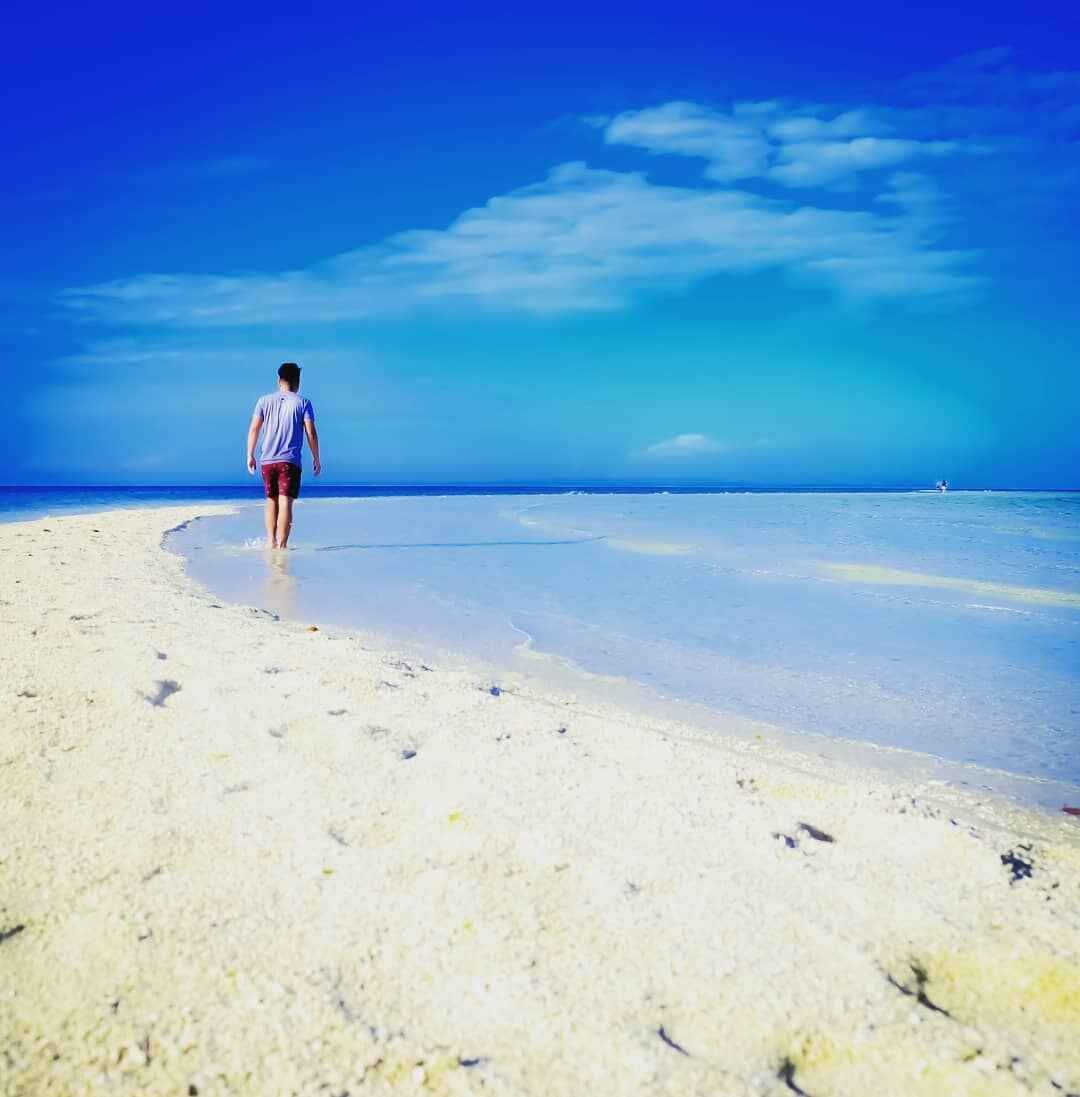
TL;DR: Executive Summary
Kalanggaman Island in 2026 operates under a strict “High-Value, Low-Volume” eco-tourism model enforced by the Local Government Unit (LGU) of Palompon, Leyte. Visitors must adhere to a daily cap of 500 individuals, a mandatory “Trash-in, Trash-out” policy, and a complete ban on chemical usage (soap and shampoo) to preserve the island’s pristine sandbar and marine sanctuary. Advance coordination with the Palompon Eco-Tourism Office (PETO) is required; walk-in guests are generally denied entry.
| Category | 2026 Operational Status & Guidelines |
| Tourism Model | High-Value, Low-Volume (Daily Carrying Capacity: 500 Pax). |
| Access Protocol | Strictly by Reservation. Walk-ins are discouraged. Manifest submission to PETO required 1-3 weeks in advance. |
| Conservation Fee | PHP 300.00 (Non-Palompon Domestic) / PHP 1,000.00 (International). |
| Key Restrictions | No Shampoo/Soap allowed on the island (chemical ban). No grid electricity. No potable water source. |
| Primary Gateway | Palompon, Leyte. Accessible via Tacloban City (Land) or Cebu City/Bogo (Sea). |
| Best For | Eco-conscious travelers, landscape photographers, and campers willing to forego modern amenities for solitude. |
| Est. Budget (DIY) | PHP 1,800.00 – PHP 3,300.00 per person (depending on group size and transport route). |
| Critical Gear | Power banks, reef-safe sunscreen (applied beforehand), 2-3 liters of drinking water, and trash bags. |
The “High-Value” Eco-Model
By 2026, Kalanggaman Island has successfully transitioned from a viral social media sensation to a premier example of sustainable “high-value, low-volume” tourism in the Philippines. Located approximately 15 kilometers off the western coast of Palompon, this slender sandbar is no longer just a destination for casual beachgoers; it is a strictly regulated marine sanctuary designed for travelers who value preservation over convenience. If you are planning a visit this year, understand that you are entering an eco-tourism zone where the primary goal is not commercial expansion, but the protection of one of the Visayan Sea’s most fragile ecosystems.
Geographical Significance: The Bird of the Visayan Sea
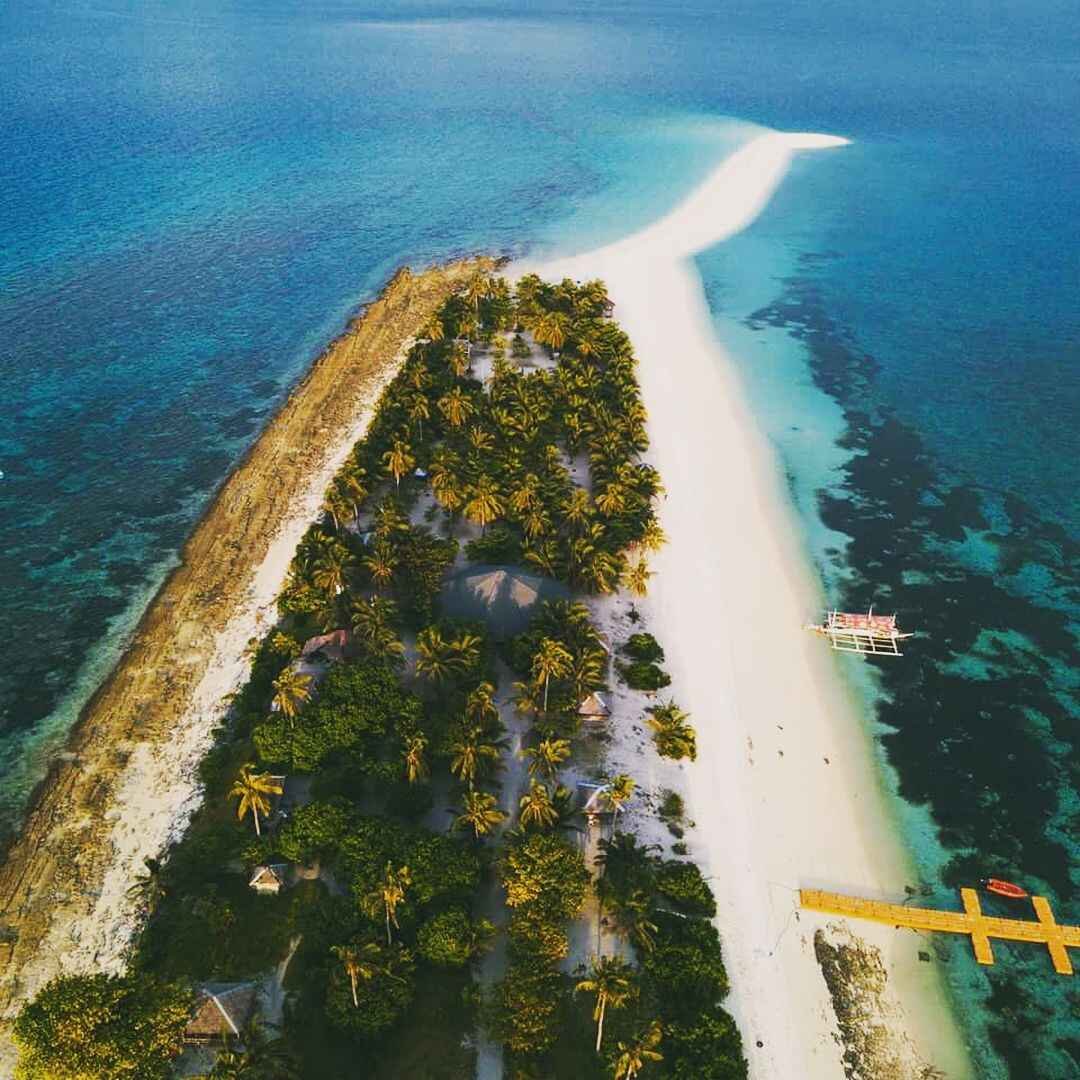
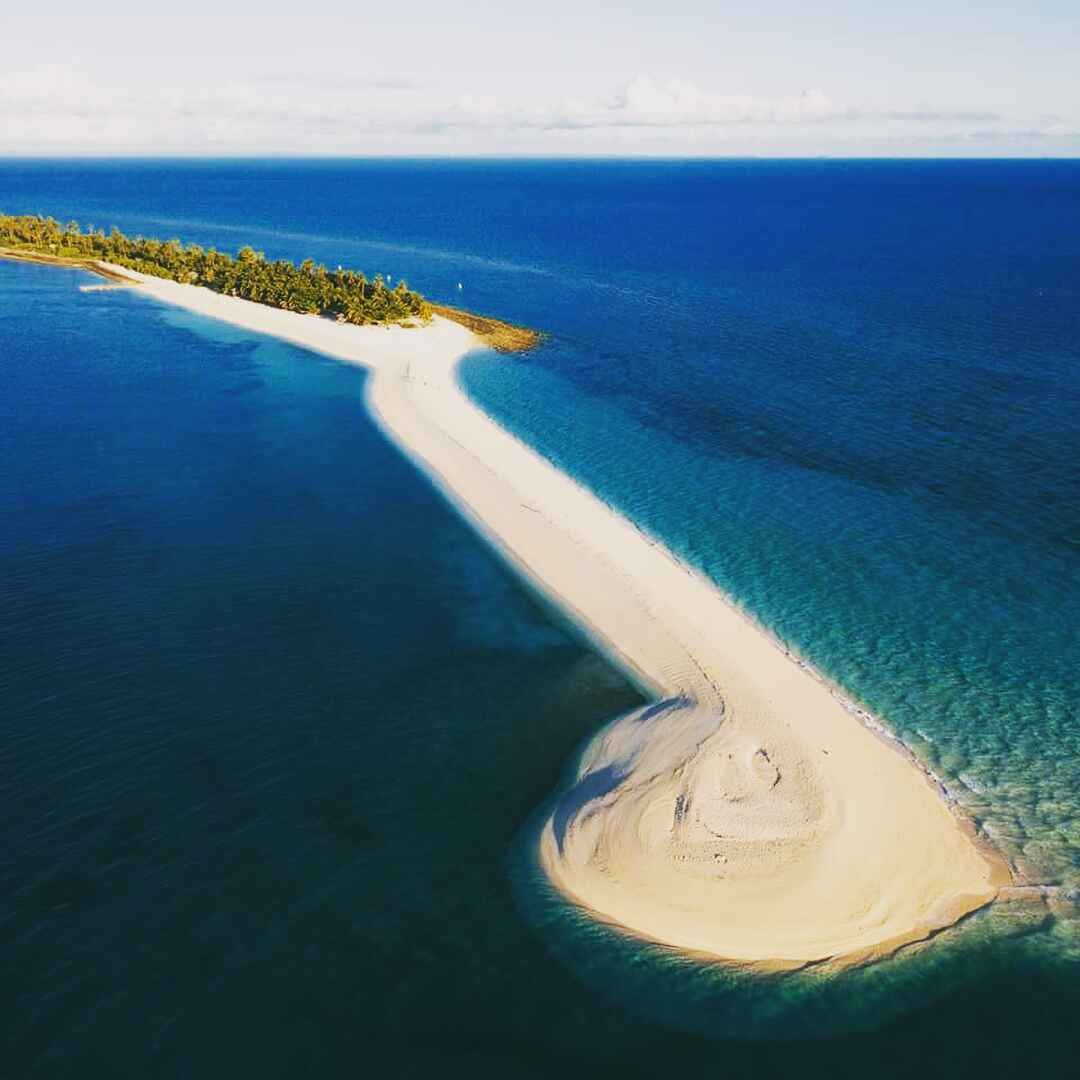
The island’s name is derived from the Visayan word Langgam, meaning “bird,” a reference to its distinct topographical formation. When viewed from the air, the central islet flanked by two shifting sandbars resembles the wings of a bird in flight. Geographically, Kalanggaman Island Leyte serves as a critical biological and economic node, bridging the provinces of Leyte and Cebu.
Its location in the heart of the archipelago makes it a strategic jumping-off point for exploring other Visayas Tourist Spots. Unlike the volcanic terrain of nearby Biliran or the limestone cliffs of Palawan, Kalanggaman is a flat, coralline landform. The eastern sandbar, which extends nearly a kilometer into the sea, is the island’s defining feature. Its shape changes with the shifting tides and monsoon seasons (Amihan and Habagat), serving as a dynamic reminder of the ocean’s power.
The 2026 Tourism Landscape: 500 Visitors Per Day
The most significant operational update for 2026 is the rigid enforcement of the carrying capacity model. The Local Government Unit (LGU) of Palompon limits access to 500 individuals per day. This policy, rooted in Municipal Ordinance No. 476-080523, effectively ends the era of mass tourism that threatened to erode the sandbar and degrade the surrounding coral reefs.
For the traveler, this means Kalanggaman Island is now an exclusive experience. The crowds are controlled, and the noise pollution is minimal. However, this exclusivity comes with a “logistical cost.” You cannot simply show up at the port; the reservation system acts as a necessary filter, ensuring that only those committed to the island’s ecological rules—such as the “Trash-in, Trash-out” policy—gain entry.
Infrastructure: Rustic by Design
Do not expect the commercial comforts found in Boracay or Panglao. There are no hotels, no resorts with swimming pools, and no electricity grid on the island. This lack of infrastructure is a deliberate feature, not a bug. The absence of bright lights protects nesting turtles, and the lack of a sewage system necessitates the strict “No Chemical” (no soap/shampoo) ban. Visiting Kalanggaman in 2026 is an exercise in returning to basics—a rare opportunity to disconnect from the digital world and reconnect with a raw, unpolished environment.
Lakbaypinas Cultural Tip: “While Kalanggaman is the star, it is part of a broader Visayan heritage trail. Treat the island as a sacred sanctuary—locals view it as a barometer for the health of the Visayan Sea.”
Table of Contents
2026 Administrative Requirements & Fees
To sustainably manage the influx of visitors, the Local Government Unit of Palompon strictly enforces Municipal Ordinance No. 476-080523. This regulatory framework establishes the kalanggaman island entrance fee structure, which utilizes a tiered pricing model. The rationale is economic redistribution: higher fees for international and non-local tourists directly subsidize the heavy logistical costs of maintaining a marine sanctuary, funding the Bantay Dagat (Sea Patrol), and managing waste transport back to the mainland.
Understanding this kalanggaman island information is crucial before you arrive at the Eco-Tourism Office. There are no ATMs on the island or at the port terminal, so all fees must be settled in cash upon registration.
Comprehensive Fee Schedule (2026)
The following rates apply to all visitors. Note that the kalanggaman island entrance fee differs significantly depending on your residency status and whether you intend to stay overnight.
| Visitor Category | Day Tour Rate (PHP) | Overnight Rate (PHP) | Requirements |
| International / Foreign Tourist | 1,000.00 | 1,500.00 | Passport / ID |
| Non-Palompon Resident (Domestic) | 300.00 | 450.00 | Valid ID |
| Non-Palompon Senior Citizen | 240.00 | 360.00 | Senior ID |
| Non-Palompon College Student | 80.00 | 120.00 | Valid Student ID |
| Non-Palompon High School Student | 60.00 | 90.00 | Valid Student ID |
| Palompon Resident | 100.00 | 150.00 | Cedula / Brgy Cert |
Facility and Equipment Rentals
Since the island has no permanent hotels, shelter is limited to open-air cottages and tents. You can bring your own camping gear (subject to a pitching fee) or rent directly from the local cooperative.
| Facility / Item | Rate (PHP) | Specification |
| Cottage (Small) | 250.00 | 15 Pax Capacity (Day Use) |
| Cottage (Medium) | 500.00 | 25 Pax Capacity (Day Use) |
| Cottage (Large) | 750.00 | 30 Pax Capacity (Day Use) |
| Tent Rental (2-Pax) | 250.00 | Sleeping capacity only |
| Tent Rental (4-Pax) | 300.00 – 400.00 | Sleeping capacity only |
| Pitching Fee | ~50.00 – 100.00 | If bringing own tent |
| Tipi House | 1,000.00 | Private Room (2 Pax) w/ Breakfast |
Maritime Transport Rates (Pump Boats)
Transportation is standardized. You cannot hire random fishermen; you must utilize the accredited pump boats dispatching from the Tourism Office. The rates below are for the entire boat (round trip), meaning the cost per person decreases as your group size increases.
| Boat Capacity | Total Rate (PHP) | Ideal For |
| 15 Passengers | 3,000.00 – 3,500.00 | Small groups / Families |
| 20 – 25 Passengers | 3,500.00 – 4,000.00 | Medium tour groups |
| 30 – 40 Passengers | 4,000.00 – 5,000.00 | Large excursions |
| Joiner Rate (Est.) | ~250.00 – 450.00 | Solo travelers (Wait-time required) |
Lakbaypinas Travel Tip: “Budgeting for the Philippines? Conservation fees are standard for premium spots. Keep small bills handy for incidental environmental fees often found in Leyte’s municipalities.”
This tiered fee structure is not unique to Kalanggaman; similar environmental models are applied to other premium destinations found in our Travel Guide to the Philippines, ensuring that tourism revenue directly aids ecological preservation.
Logistics: How to Go to Kalanggaman Island
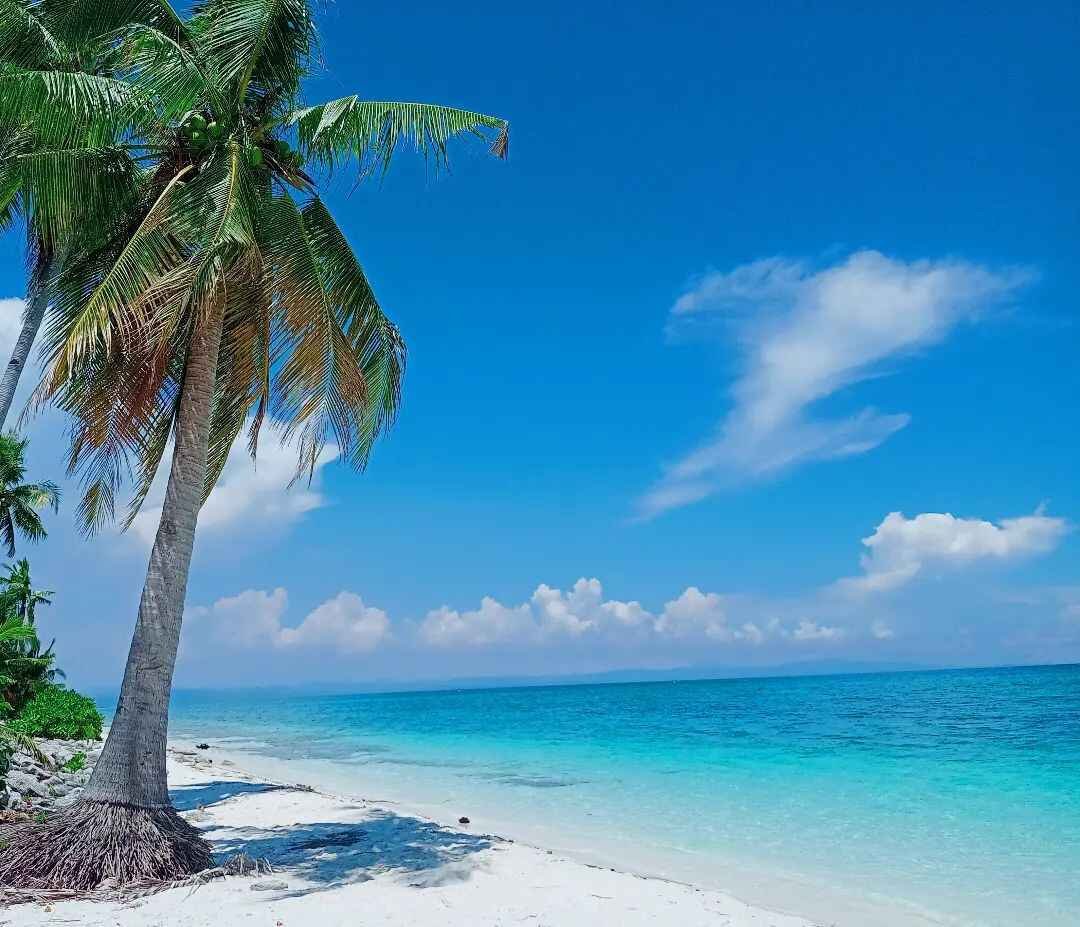
Reaching this remote sandbar requires a bit of strategic planning, as there are no direct commercial flights to the municipality itself. Understanding where is Kalanggaman Island located is the first step: it sits in the Visayan Sea, west of Leyte and east of Cebu. Consequently, your journey will involve a combination of air, land, and sea travel.
Here are the three most efficient routes to navigate the 2026 transport network.
Route A: The Primary Corridor (Via Tacloban City)
For most travelers, especially those asking how to go to Kalanggaman Island from Manila, the Tacloban route is the most reliable.
Air Segment: Fly from Manila (NAIA) to Daniel Z. Romualdez Airport (TAC) in Tacloban City. Major carriers like Cebu Pacific and Philippine Airlines operate daily flights (approx. 60-75 minutes).
Land Segment: From the airport or the New Transport Terminal in Abucay, take a UV Express van bound for Palompon.
Cost: ~PHP 200.00 – 300.00 per person.
Travel Time: 3.5 to 4 hours.
Tip: Try to catch the first trip (around 4:00 AM – 5:00 AM) to arrive in Palompon before the heat peaks.
Route B: The Maritime Bridge (Via Cebu)
Travelers coming from the Central Visayas hub have two distinct options:
Option 1: The Overnight Ferry (Budget & Time Saver) This is a popular “hack” to save on one night’s accommodation.
Vessel: Cokaliong Shipping Lines or Medallion Transport.
Route: Cebu Pier 1/3 to Palompon Port.
Schedule: Typically departs Cebu at 8:00 PM or 9:00 PM, arriving in Palompon at dawn (approx. 3:00 AM).
Cost: Economy bunks start at ~PHP 500.00 – 700.00.
Option 2: The Fastcraft (Via Ormoc City)
Sea Segment: Take a SuperCat or OceanJet from Cebu to Ormoc City (2.5 – 3 hours).
Land Segment: From Ormoc, take a van or bus to Palompon (1.5 hours). This is faster than the overnight ferry but requires a transfer.
Route C: The Diver’s Crossing (From Malapascua)
For those already diving with Thresher Sharks in Malapascua, Cebu, you can charter a boat directly to Kalanggaman.
Method: Private boat charter or organized “Day Trip” by dive shops.
Travel Time: 1.5 to 2 hours depending on sea swells.
Note: This is often the most expensive route unless you join a large group tour.
The Final Leg: Palompon to the Island
Regardless of your arrival route, the final step is the boat ride from the Palompon Eco-Tourism Office. The Palompon to Kalanggaman Island travel time is approximately 1 hour aboard the official pump boats. The ride can be smooth in the morning but often gets choppy by late afternoon, so plan your exit strategy accordingly.
Lakbaypinas Logistics Tip: “If traveling via Tacloban, you will cross the iconic San Juanico Bridge. It is highly recommended to stop for a photo op before heading west to Palompon.”
Accommodation: Where to Stay in Kalanggaman Island
Deciding where to stay in Kalanggaman Island requires a choice between two distinct travel philosophies: the raw, “castaway” vibe of sleeping on the sandbar, or the convenience of a mainland hotel with air conditioning and running water. Since the island operates off-grid, your accommodation choice will dictate your entire logistical plan.
The Primitive Experience (On-Island)
If you choose to stay overnight on the island, expect a rustic engagement with nature. There is no electricity (save for solar lamps) and no freshwater showers.
Camping (Tents): This is the most popular option. You can bring your own tent and pay a nominal pitching fee (~PHP 50 – 100), or rent one from the local cooperative.
Rental Rates: PHP 250 (2-Person) to PHP 400 (4-Person).
Tipi Houses: For a slight upgrade, “Glamping” Tipi Houses are available. These wooden A-frame structures offer a mattress and privacy but still lack en-suite bathrooms.
Rate: PHP 1,000 per night (Good for 2 Pax, often includes breakfast).
JeTer Resort: Located on the western end, this is the only private concessionaire. It offers open cottages and Teepee huts with a dedicated dining area, but it strictly adheres to the eco-zone’s ban on heavy concrete infrastructure.
The Comfort Option (Mainland Palompon)
Travelers who prefer a proper shower and Wi-Fi should base themselves in Palompon town and treat Kalanggaman as a day trip.
Liezel’s Bed and Breakfast: widely regarded as the most reliable option for cleanliness and modern amenities.
PACCI House: A cooperative-run hotel located near the municipal hall, offering basic but secure rooms.
Booking Protocol & Contact Info
Because of the 500-person daily limit, you cannot simply show up. You must secure your slot—especially for overnight cottage rentals—weeks in advance. The official Kalanggaman Island contact number for the Palompon Eco-Tourism Office (PETO) is essential for this coordination.
Primary Booking Line: +63 926 816 4005
Alternative Mobile: +63 926 816 4007 / +63 998 555 1421
Landline: (053) 555-9731
Lakbaypinas Stay Tip: “For a multi-day itinerary, consider pairing your Kalanggaman camping trip with a stay at Sambawan Island in Biliran for a contrasting volcanic island experience.”
Ecological Rules & The “Shampoo Ban”
The beauty of Kalanggaman Island Palompon Leyte is not accidental; it is the result of stringent environmental engineering. Visitors often find the regulations strict compared to other Philippine beach destinations, but these rules are critical defenses against the degradation that has plagued places like Boracay in the past. Understanding these protocols is mandatory before you board your boat.
The Scientific Rationale: No Soap, No Shampoo
One of the most distinct—and often contested—regulations is the complete prohibition of soap, shampoo, and detergents on the island. This is not a bureaucratic whim but an ecological necessity. The island lacks a commercial sewage treatment facility, and the porous sandy substrate means that greywater from showers seeps directly into the water table or runs off into the marine sanctuary.
The phosphates and nitrates found in common hygiene products act as fertilizers for algae. If introduced into the water, they can trigger algal blooms that suffocate the surrounding coral reefs, killing the vibrant marine life that attracts divers in the first place. Visitors are advised to rinse off with fresh water (if available) or sea water while on the island, and wait until they return to the mainland to use chemical products.
“Trash-in, Trash-out” Protocol
Kalanggaman operates on a zero-waste philosophy. Upon registration at the tourism office, groups are often issued specific trash bags. The policy is simple: whatever non-biodegradable waste you bring to Kalanggaman Island Palompon Leyte—plastic bottles, snack wrappers, soda cans—must be packed into these bags and brought back with you to the mainland. Boatmen and local rangers strictly monitor this, ensuring that the island remains free of the plastic debris that clogs other tourist sites.
Aerial Regulations: Drone Usage
For content creators, the good news is that drones are generally permitted, making it a haven for aerial photography. However, pilots must exercise extreme caution. The winds sweeping across the sandbar can be deceptively strong and sudden, leading to lost equipment. Furthermore, while there are no specific “drone fees” codified in the 2026 ordinance, pilots are expected to adhere to standard privacy laws—avoiding low passes over crowded areas or open cottages.
Lakbaypinas Eco-Tip: “The Visayan Sea is fragile. Compliance isn’t just about avoiding fines; it’s about ensuring this sandbar survives for the next generation, much like the protected marine sanctuaries in Samar’s Tourist Spots.”
Itinerary & Activities: Things to Do
Planning your schedule is critical because the island’s best features—the sandbar and the solitude—are time-sensitive. Whether you are on a day trip or camping overnight, knowing the right kalanggaman island itinerary ensures you don’t miss the changing tides or the perfect light.
Here is a breakdown of the top things to do in Kalanggaman Island, structured around the optimal flow of a visit.
The Day Tour Timeline: Racing the Tide
For day-trippers, efficiency is key. You have limited hours before the boat returns to the mainland.
06:00 AM: The Market Run. Before heading to the tourism office, visit the Palompon Public Market adjacent to the port. Since there are no restaurants on the island, you must buy your lunch here. Stock up on fresh liempo (pork belly), seafood, charcoal (uling), and “hanging rice” (puso).
09:00 AM: Sandbar Photography. Upon arrival, head immediately to the eastern sandbar. This is usually the window for low tide when the white sand creates a perfect path into the sea. If you wait until afternoon, the high tide may submerge parts of the bar, ruining the “walking on water” visual.
10:30 AM: Sanctuary Snorkeling. Swim to the southern side of the island where the coral sanctuary is located. The water here is calmer and teeming with marine life compared to the rip-current prone tip of the sandbar.
12:00 PM: The Island Grill. Utilize the designated grilling stations to cook your market haul. There is something uniquely satisfying about eating grilled squid with your hands under the shade of coconut palms.
The Overnight Timeline: Chasing the Milky Way
Staying overnight unlocks a different set of things to do in Kalanggaman Island that day-trippers never see.
05:30 PM: Golden Hour & Sunset. As the day-trip boats depart, the island quiets down. The sunset over the Visayan Sea turns the sky into a canvas of violet and orange. This is the prime hour for landscape photography.
08:00 PM: Stargazing. Without the light pollution of a mainland city, Kalanggaman offers a front-row seat to the cosmos. On clear nights, the Milky Way is visible to the naked eye, making it a favorite spot for astrophotography.
05:00 AM (Next Day): Sunrise Walk. Wake up early to witness the sunrise on the eastern side. You will often have the entire sandbar to yourself before the first wave of boats arrives at 8:30 AM.
Seasonality: Best Time to Visit Kalanggaman Island
To ensure a safe crossing, the best time to visit Kalanggaman Island is during the dry summer months of March to May. During this period, the Visayan Sea is generally flat, ensuring a smooth boat ride and crystal-clear water.
Travelers should be cautious during the Amihan season (November to February). While the island is open, the northeast monsoon can create rough seas, leading to sudden boat cancellations by the Coast Guard. Always check the weather forecast for Palompon before booking your flight.
Lakbaypinas Itinerary Tip: “History buffs should extend their trip south. After Kalanggaman, head to Limasawa Island in Leyte to visit the site of the First Mass in the Philippines.”
Budget Breakdown (2026 DIY Guide)
One of the most critical aspects of planning your trip is understanding the financial landscape, as Kalanggaman operates on a purely cash-based economy. There are no ATMs on the island, and the last reliable place to withdraw cash is in Palompon town proper. However, even the town’s ATMs can be offline or empty during peak weekends. A prudent Kalanggaman Island DIY guide always recommends bringing sufficient cash in smaller denominations (PHP 20, 50, 100) to pay for environmental fees, market goods, and local transport without hassle.
The following table provides a comparative estimate of expenses based on different travel styles. Note that these figures cover the core logistics: transport from Tacloban (or equivalent distance), boat fees, entrance fees, simple accommodation, and food.
Comparative Budget Models (Per Person)
| Cost Component | Solo Traveler (Joiner) | Couple (Private/DIY) | Group of 4 (Barkada) |
| Land Transport (Roundtrip Tac-Pal) | PHP 600.00 | PHP 600.00 | PHP 600.00 |
| Boat Rental | ~PHP 350.00 (Share) | ~PHP 1,500.00 (Share*) | PHP 750.00 (Share) |
| Entrance Fee (Domestic) | PHP 300.00 | PHP 300.00 | PHP 300.00 |
| Accommodation | PHP 250.00 (Tent) | PHP 500.00 (Tipi/Tent) | PHP 100.00 (Share) |
| Food & Supplies | PHP 300.00 | PHP 400.00 | PHP 300.00 |
| TOTAL ESTIMATE | ~PHP 1,800.00 | ~PHP 3,300.00 | ~PHP 2,050.00 |
*Note on Couple Rate: The significantly higher estimate for couples assumes renting a private boat (Standard practice for privacy or schedule control). Couples can lower this to approx. PHP 1,800-2,000 per person by waiting at the tourism office to join other groups (“Joiners”) to split the PHP 3,000 boat fee.
This breakdown confirms that traveling in a group of four or more optimizes the shared costs of the pump boat and cottage rentals, offering the best value.
Lakbaypinas Money Tip:
“To maximize your budget, buy ‘puso’ (hanging rice) and fresh seafood at the Palompon Public Market before boarding. It’s cheaper and fresher than anything pre-packed.”
FAQ: Essential 2026 Travel Intel
Even with a perfect itinerary, logistical hiccups can occur. Based on current on-the-ground reports, here are the answers to the most critical questions regarding safety, connectivity, and the kalanggaman island boat schedule.
Is the island safe for children and senior citizens?
Yes, but with significant caveats regarding comfort. The boat ride can be bumpy, and the island experiences intense heat with no air-conditioned refuge.
For Seniors: It is highly recommended to rent a roofed cottage to provide shade and a place to sit.
For Children: Strict supervision is mandatory. The water deepens quickly near the sandbar’s edge, and currents can be strong. Ensure they stay within the designated shallow swimming zones near the main islet.
What happens if it rains or there is a storm?
The kalanggaman island boat schedule is entirely dictated by the Philippine Coast Guard. If a Gale Warning is issued due to a typhoon or strong monsoon surge (common during Amihan), all trips are automatically cancelled—no exceptions.
Protocol: The LGU will usually advise tourists at the office if the sea state is “boardable” but rough. It is always wise to have a “Plan B” destination on the mainland (like Lake Danao in Ormoc) in case of sudden cancellations.
Is there a mobile signal on the island?
Connectivity is available but unreliable. Both Smart and Globe networks have intermittent 4G/LTE coverage in specific spots on the island (usually near the ranger station). Do not rely on it for video calls or heavy data usage; treat it as sufficient for sending text updates or uploading a few photos, but expect dead zones.
How do I handle food safety without electricity?
Since there is no electricity for refrigerators, food spoilage is a real risk.
Storage: Bring a cooler with plenty of ice (buy ice at the Palompon market).
Cooking: Cook your meat (pork/chicken) immediately upon arrival for lunch. For dinner, stick to pre-cooked meals or non-perishables. Ensure all seafood is grilled thoroughly.
What is the standard boat schedule?
Boats do not run on a fixed hourly clock like a city bus; they depart when they hit capacity or when a private group is ready. However, the operational window is strict:
First Trip: Usually departs between 6:00 AM – 7:00 AM.
Last Trip (Day Tour Return): Boats typically start ferrying day-trippers back by 3:00 PM to avoid the larger waves that form in the late afternoon.
Note: Always confirm the return time with your specific boatman upon arrival to ensure you aren’t left behind.
Lakbaypinas Safety Tip: “Always respect the ‘No Swimming’ zones at the tip of the sandbar. The rip currents there are notorious in the region.”
Conclusion: Is It Worth It?
In an era of convenience-first travel, Kalanggaman Island presents a deliberate challenge. The journey is long—involving planes, vans, and boats—and the stay is undeniably rustic. There are no air-conditioned retreats to escape the midday heat, and the “shampoo ban” forces a level of discomfort that filters out the casual tourist.
However, the answer to “is it worth it?” is an unequivocal yes, provided you understand what you are signing up for. The very regulations that make the island “difficult” are what preserve its magic. By limiting daily foot traffic and banning commercial infrastructure, the LGU has successfully maintained a sanctuary where the sand remains powder-white and the waters teeming with life.
The high “effort cost” buys you something increasingly rare in Southeast Asia: true isolation. Standing on the tip of the sandbar at sunrise, with nothing but the sound of the Visayan Sea and the shifting tides, offers a profound reset that luxury resorts simply cannot replicate.
Final Call to Action
Do not leave your visit to chance. With the strict 500-person daily limit, “walk-ins” are a gamble you will likely lose.
Plan Ahead: Secure your reservation with the Palompon Eco-Tourism Office at least 3 weeks in advance, especially for weekend or summer travel.
Pack Right: Bring your trash bags, reef-safe sunscreen, and a sense of adventure.
Ready to expand your itinerary beyond the sandbar? Explore more of the region via our comprehensive Travel Guide to the Philippines to discover the hidden gems that await in the rest of the archipelago.


lolomo
Pingback: Explore Leyte: Enchanting Islands, Crystal Shores, and Hidden Wonders – Site Title