
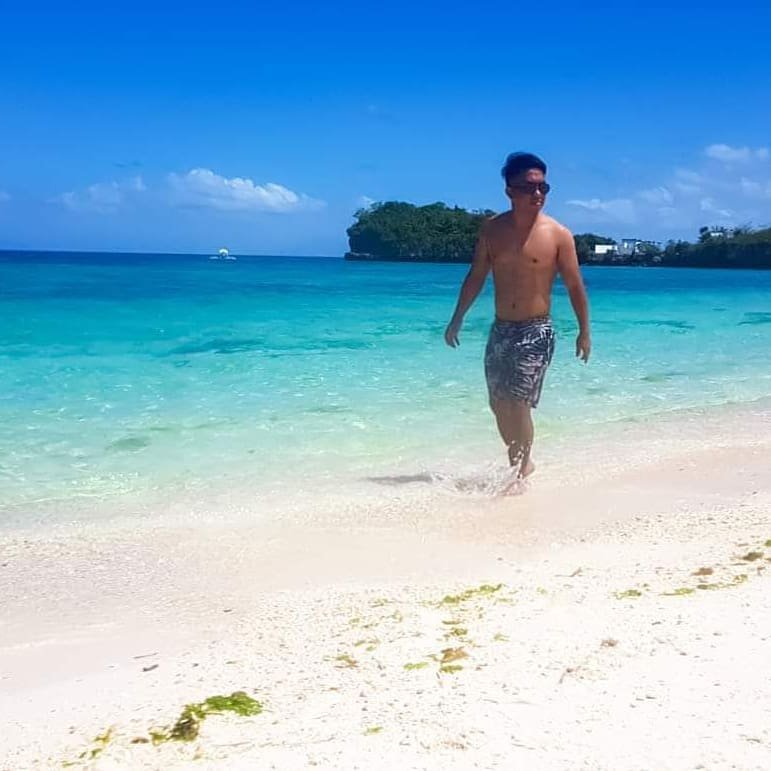
Malapascua Island is worth visiting if you want a small Cebu island with serious diving value, simple beach life, and access to thresher shark encounters. But it is not for everyone. The trip from Cebu City to Maya Port is long, the boat schedule is weather-dependent, cash is mandatory, and the island still feels rural in many ways.
For divers, Malapascua is one of the most important dive destinations in the Philippines. For non-divers, it can still be enjoyable if you like beach walks, slow mornings, sunset dining, snorkeling, and quiet island life. If you expect luxury convenience, stable Wi-Fi, easy ATMs, wide roads, and perfect swimming beaches everywhere, Bantayan Island may fit you better.
Malapascua Island Quick Facts
| Category | Details |
|---|---|
| Location | Daanbantayan, Cebu |
| Region | Central Visayas |
| Destination type | Diving island, beach destination, backpacker island |
| Main jump-off | Maya Port |
| Boat fare | ₱200 per person |
| Environmental fee | ₱140 per person at Maya Port tourism desk |
| Boat duration | 30–45 minutes |
| Boat operation | Around 5:00 AM to 5:00 PM |
| Best for | Divers, backpackers, couples, slow travelers |
| Famous for | Thresher shark diving at Kimud Shoal |
| Best beach for swimming | Langob Beach / North Beach |
| Main tourist beach | Bounty Beach |
| ATM | None on the island |
| Internet | Unreliable cellular data and Wi-Fi |
| Power | Rotational brownouts common in 2026 |
| Minimum stay | 3D2N for non-divers |
| Better stay for divers | 4D3N |
| 2D1N | Not recommended |
Table of Contents
What Is Malapascua Island Known For?
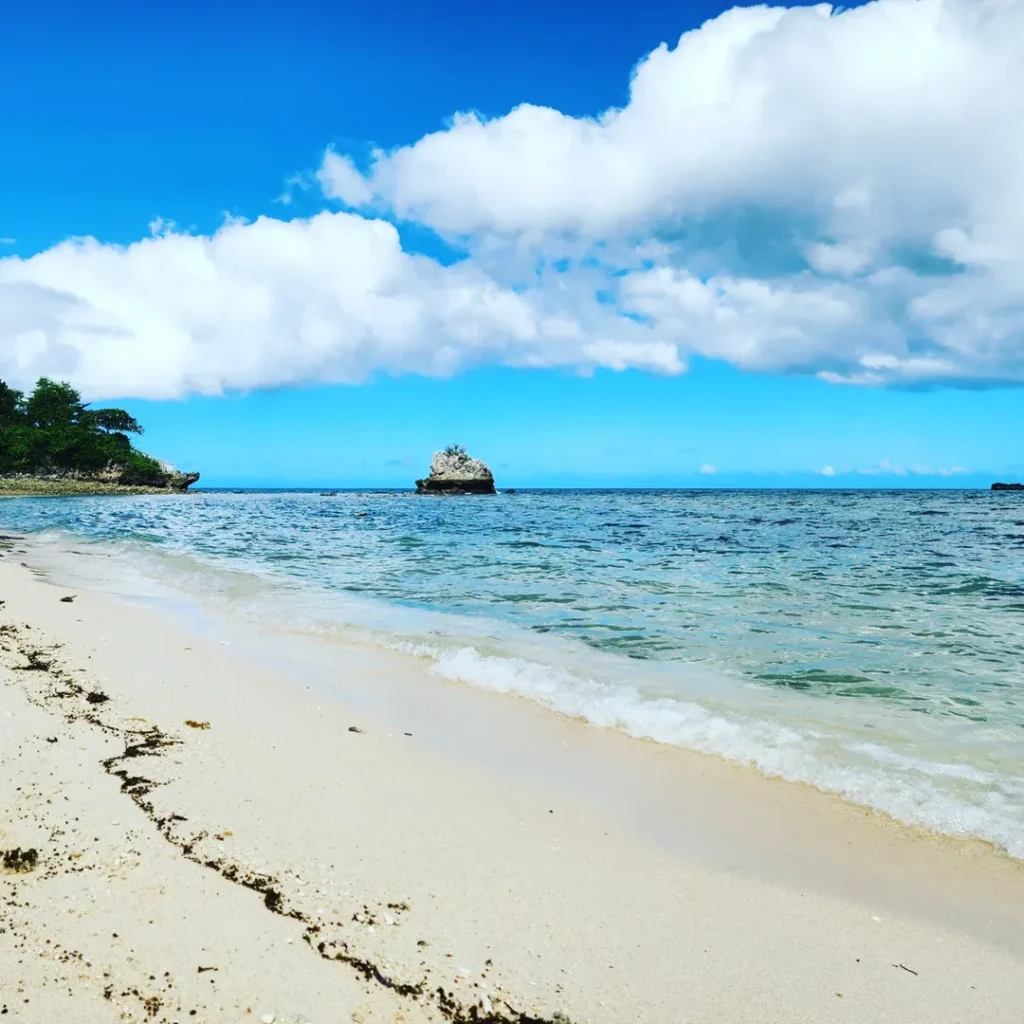
Malapascua Island is best known for thresher shark diving, dive resorts, Bounty Beach, and its small-island backpacker atmosphere. It is located off the northern tip of Cebu and is reached by land travel to Maya Port, followed by a short boat ride to the island.
The island became famous because of its access to thresher shark encounters. As of my May 2026 notes, the current thresher shark dive site is Kimud Shoal, with dives starting around 12 meters deep. Daily pre-dawn departures usually happen around 4:30 AM to 5:00 AM, which is why the island has a diver-centric rhythm. Nights are generally quieter because many divers sleep early.
But Malapascua is not only for divers. Non-divers can still enjoy Bounty Beach, Langob Beach, local island hopping, snorkeling at the Japanese WWII landing craft near Lighthouse Beach, sunsets, local food, and slow island walks. Just manage expectations. Malapascua is not a polished resort island. It has no paved highways, no four-wheeled automobiles, no ATMs, unstable internet, and frequent power interruptions.
Where Is Malapascua Island Located?
Malapascua Island is in Daanbantayan, Cebu, in the northern part of Cebu Province. From Cebu City or Mactan-Cebu International Airport, you first travel by land to Maya Port, then take a public outrigger boat to Malapascua.
This is not a quick city beach stop. From Cebu City, the trip to Maya Port alone usually takes 4.5 to 6 hours by bus, depending on traffic and stops. After that, the boat ride to Malapascua takes around 30 to 45 minutes.
The island can be paired with other Northern Cebu destinations like Bantayan Island or with a side trip to Kalanggaman Island, but you need enough time. A rushed itinerary can turn Malapascua into more transit than actual island experience.
What Is the Malapascua Island Experience Actually Like?
The Malapascua experience starts long before you reach the beach. The road trip from Cebu City to Maya Port is part of the reality. If you take the Ceres air-conditioned bus, expect around ₱300 to ₱350 fare and 4.5 to 6 hours of travel. The first trips are usually between 1:00 AM and 3:00 AM, while the last trips leave around 6:00 PM to 6:30 PM.
From Mactan-Cebu Airport, you can take MyBus for around ₱50 or a taxi/Grab for around ₱150 to ₱300 to reach the North Bus Terminal area. If you have heavy dive luggage, a taxi or private transfer is easier. A private vehicle from Cebu City to Maya costs around ₱4,500 to ₱7,500, while shared V-hire vans cost around ₱350 to ₱400, but they have very limited space for bags and dive gear.
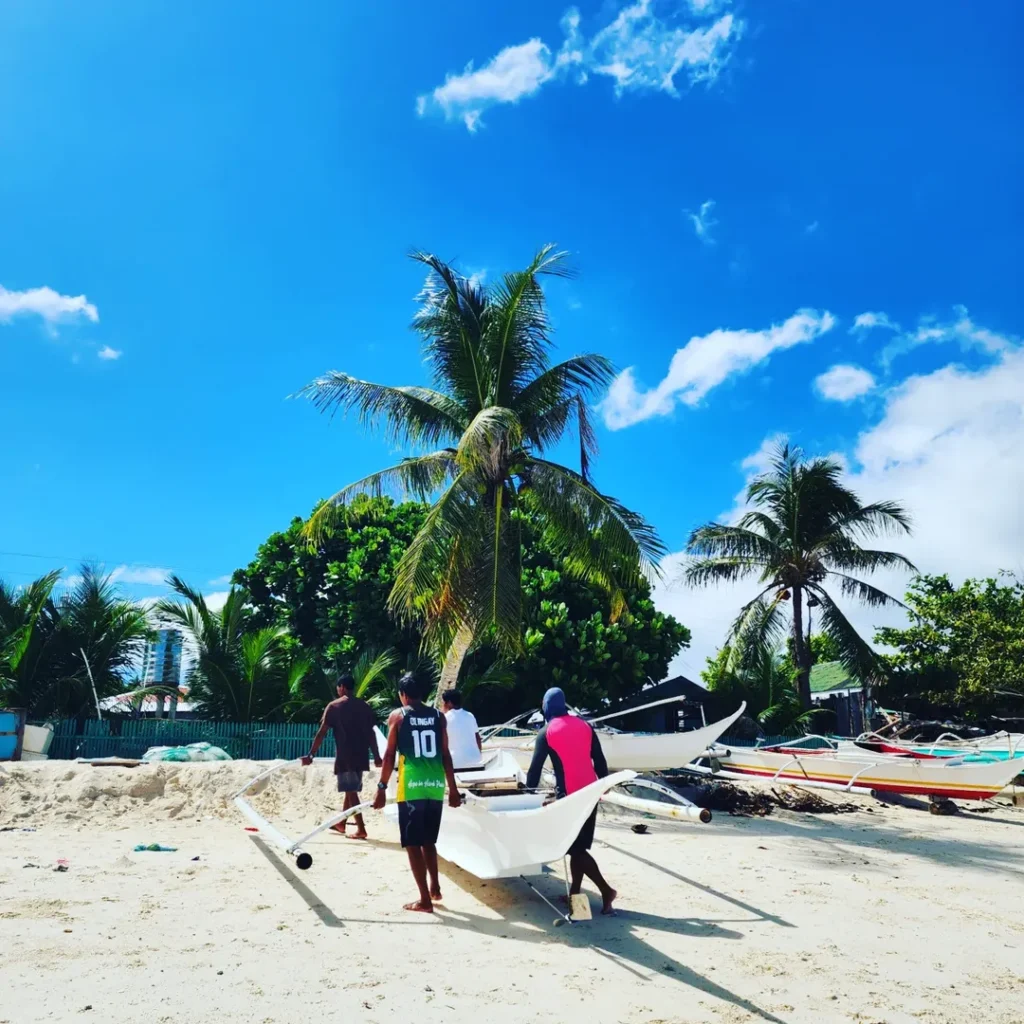
At Maya Port, you pay the required fees and wait for the public boat. The public bangka costs ₱200 per passenger and operates on a fill-and-go system, usually waiting for around 15 to 30 passengers. The Government Environmental Fee is ₱140 per person at the Maya Port tourism desk. During low tide, feeder boats may cost another ₱20 to ₱50, and porters usually charge ₱20 to ₱50 per bag.
The crossing itself is short, but it is still weather-controlled. The Philippine Coast Guard strictly enforces no-sail rules during localized squalls, gale warnings, low-pressure systems, and unsafe sea conditions. Night crossings are heavily restricted. Do not assume you can arrive anytime and still cross.
Once on Malapascua, the island feels small and simple. There are no paved highways and no four-wheeled automobiles. You move around by walking or habal-habal, which usually costs ₱30 to ₱100 per ride. This gives the island a slower, more local feel, but it also means you should pack light and choose your accommodation location carefully.
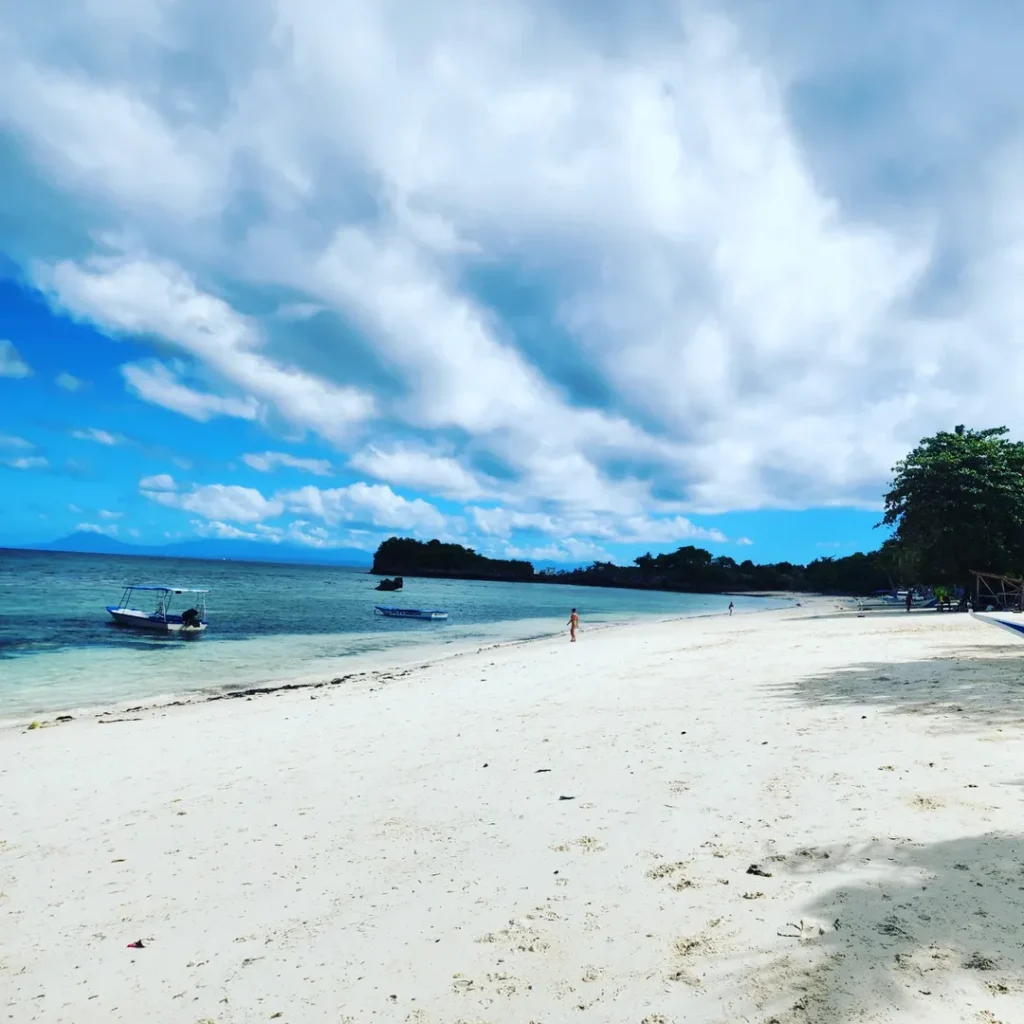
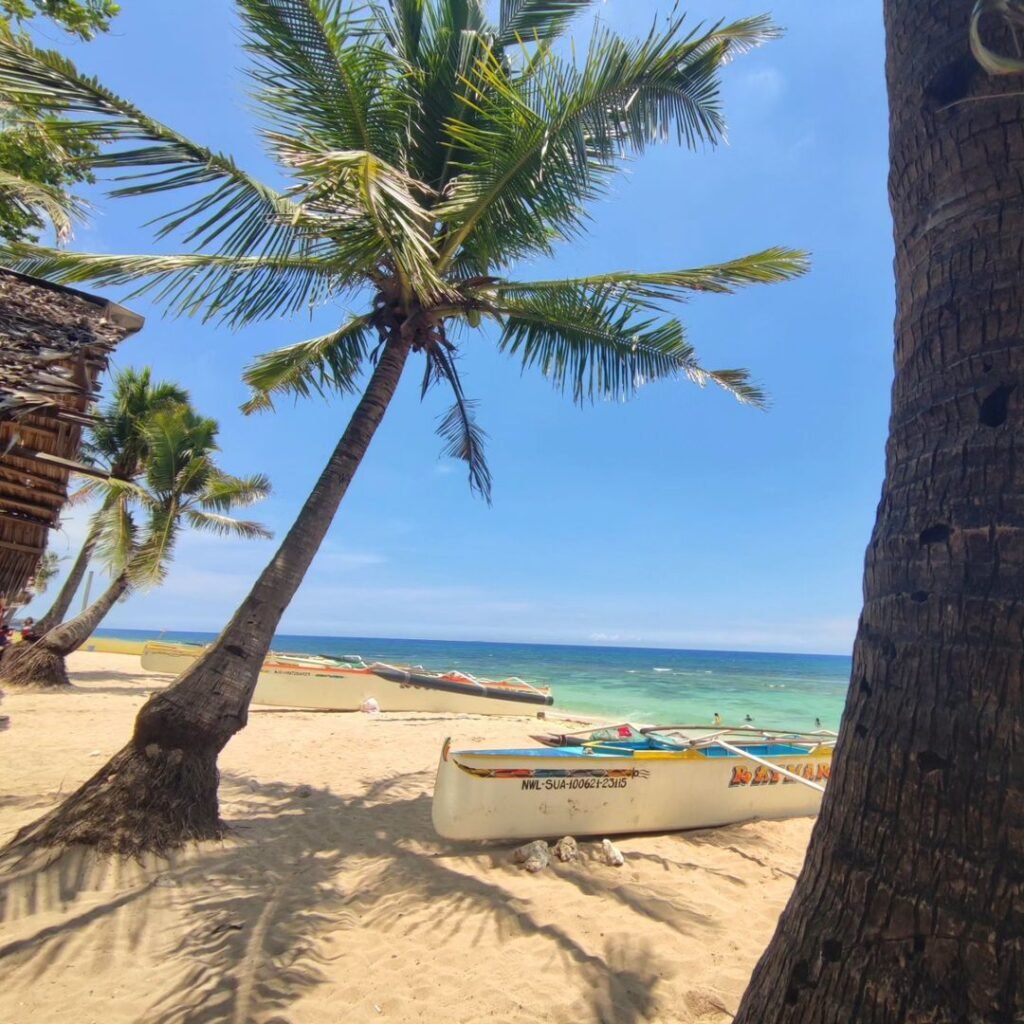
Bounty Beach is the main tourist area. It has white sand, restaurants, dive shops, resorts, and sunset energy. However, it also has heavy boat traffic and obstructed swimming lanes, so it is not the best beach for relaxed swimming. For better natural swimming, Langob Beach / North Beach is stronger because it has powdery sand, deeper boat-free waters, and a quieter feel.
What may disappoint first-timers is the infrastructure. There are no ATMs. Digital payments can fail. Wi-Fi and mobile data are unreliable. In 2026, the Visayas grid crisis also caused daily rotational brownouts, so accommodations without strong backup generators may lose aircon, fans, or running water.
Is Malapascua Island Only for Divers?
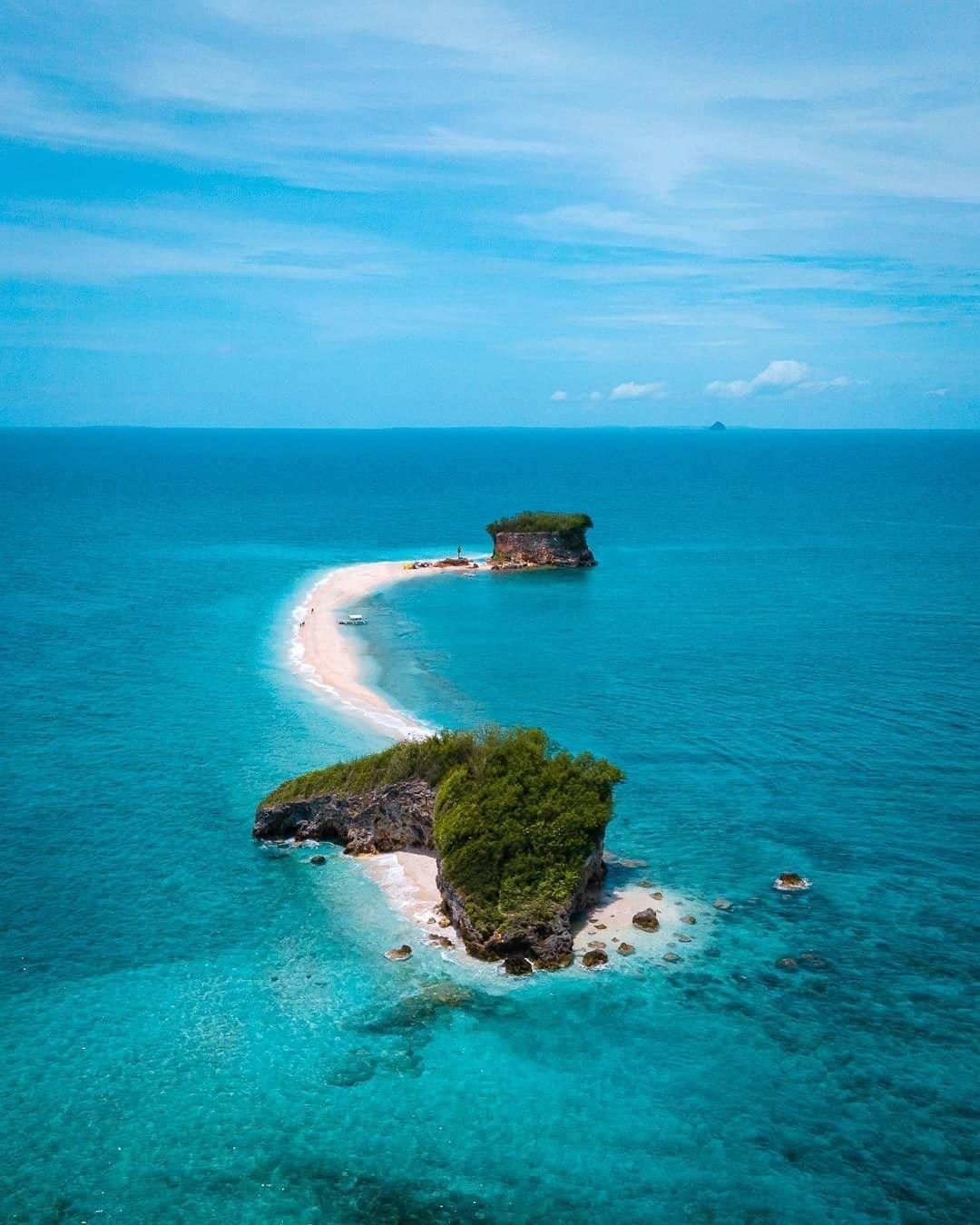
No, Malapascua Island is not only for divers, but divers will get the most value from the trip. The island is built around dive culture, early wake-ups, dive boats, and marine life. If you are a certified diver, Malapascua is one of the strongest Cebu destinations to include in your itinerary.
Non-divers can still enjoy Malapascua if they want a slow island stay. You can walk along Bounty Beach, visit Langob Beach, join local island hopping, snorkel around nearby sites, eat at local carinderias or beachfront restaurants, and take a Kalanggaman side trip if the sea condition allows.
| Traveler Type | Is Malapascua Worth It? | Honest Note |
|---|---|---|
| Certified diver | Yes | Best match for the island |
| Beginner diver | Yes, with limits | PADI Discover Scuba is available |
| Non-diver | Yes, if expectations are right | Stay at least 3D2N |
| Digital nomad | Not ideal | Power and internet are unreliable |
| Luxury traveler | Not ideal | Infrastructure is simple |
| Family with kids | Possible | Choose accommodation carefully |
If your goal is wide beaches, scooter roads, easier facilities, and more food/nightlife choices, Bantayan Island may be a better fit.
Thresher Shark Diving in Malapascua
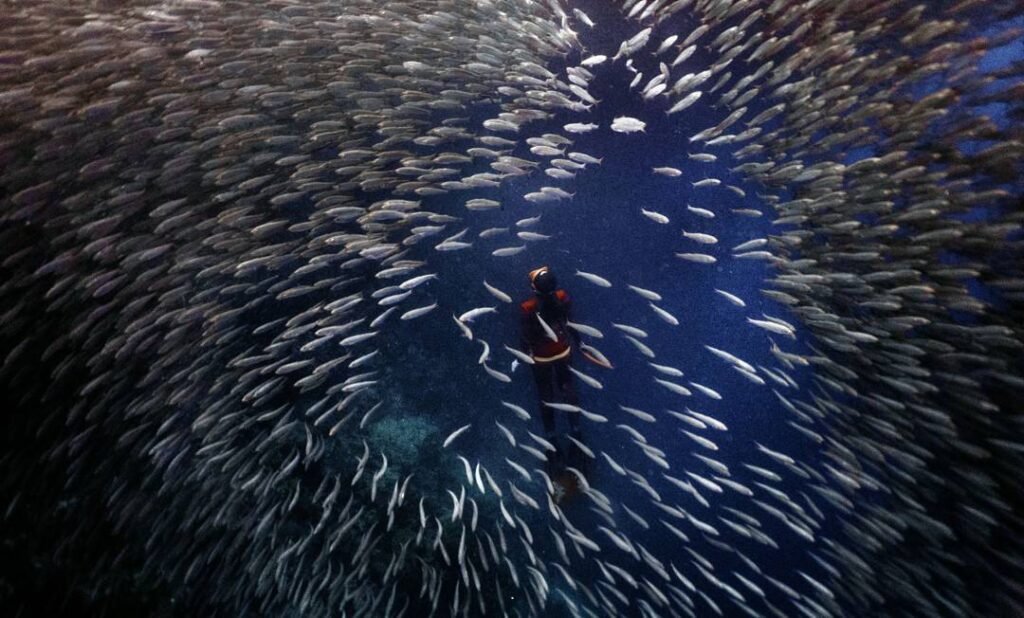
Thresher shark diving is the main reason many travelers visit Malapascua. As of May 2026, the current encounter site is Kimud Shoal, with dives starting around 12 meters deep. Boats usually leave before sunrise, around 4:30 AM to 5:00 AM.
A minimum Open Water certification is required. Open Water divers must be tethered or supervised by an instructor, while Advanced Open Water is strongly recommended. If you are not certified, you cannot simply join the thresher shark dive like a snorkeling trip. Beginners can try PADI Discover Scuba, but that is different from joining the shark dive.
Typical verified dive costs:
| Dive Expense | Cost |
|---|---|
| Thresher shark package | Around ₱6,000 including transit fuel |
| Local fun dive | ₱1,800–₱2,300 |
| Equipment rental | ₱400 per dive |
| Marine park taxes | ₱150–₱700 per day |
Important dive reminders:
- Thresher shark sightings should never be guaranteed.
- Flash photography, strobes, and continuous lighting are prohibited.
- A strict no-touch policy is enforced.
- Stay within your certification and comfort level.
- Follow dive briefings carefully.
- Allow proper surface interval before flying.
For divers, a 4D3N itinerary is better because you need time for early dives, possible weather delays, and pre-flight safety intervals.
Best Time to Visit Malapascua Island
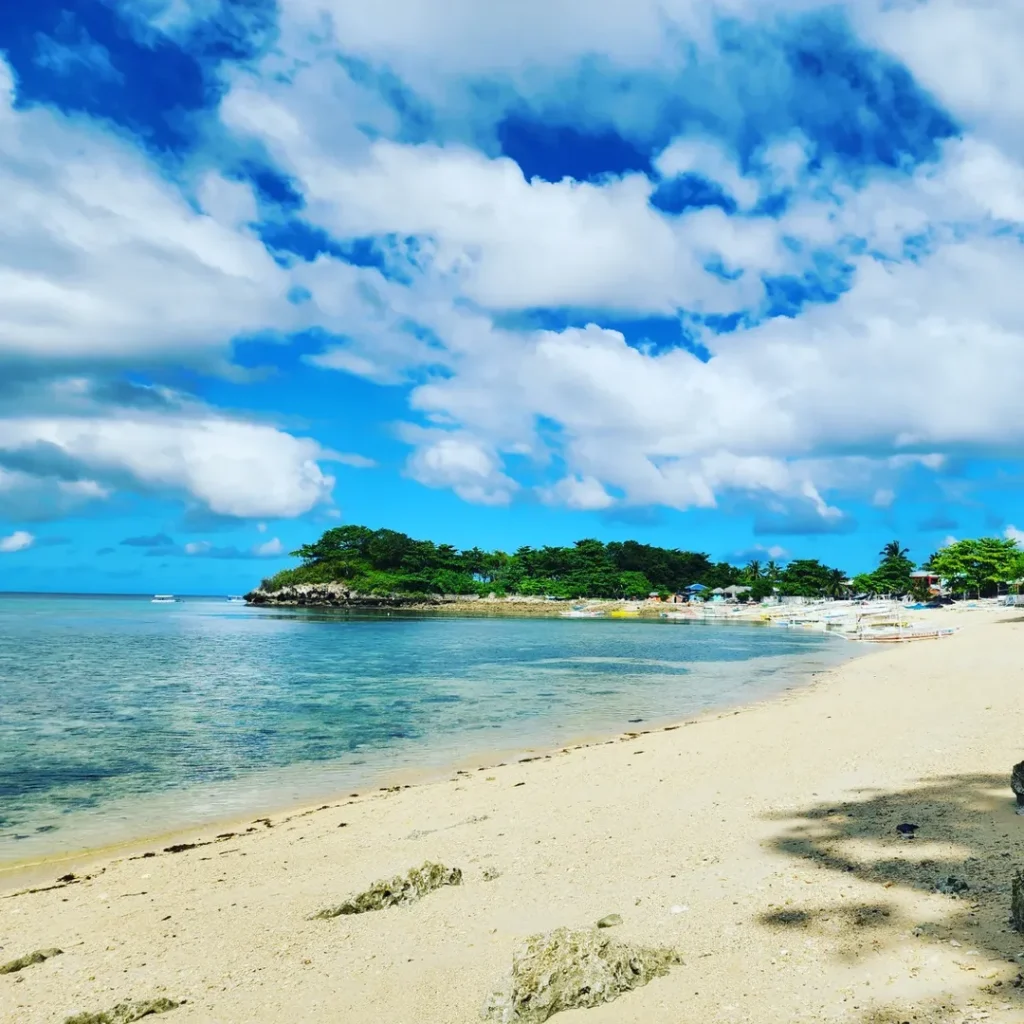
The best time to visit Malapascua Island is usually the dry season, especially March to June, when seas are flatter, water temperature is around 28°C to 30°C, and visibility can reach around 20 to 30 meters. This is also a good period for diving, snorkeling, and smoother boat crossings.
Amihan season from November to February can still be possible, but surface conditions may be choppier and water can feel cooler at around 24°C. Thresher sharks are present year-round, but sightings should never be promised.
| Situation | What to Expect | Best Move |
|---|---|---|
| Calm boat crossing | More likely in dry season | Travel early |
| Thresher shark diving | Year-round possibility | Book with a dive shop |
| Beach swimming | Better in calmer months | Choose Langob/North Beach |
| Summer peak | More crowds and higher demand | Book early |
| Rainy weather | Possible boat delays | Add buffer day |
| Rough sea risk | Coast Guard may suspend trips | Do not force crossing |
| Long weekends | Crowded transport and rooms | Reserve ahead |
How to Go to Malapascua Island
From Cebu City to Malapascua Island
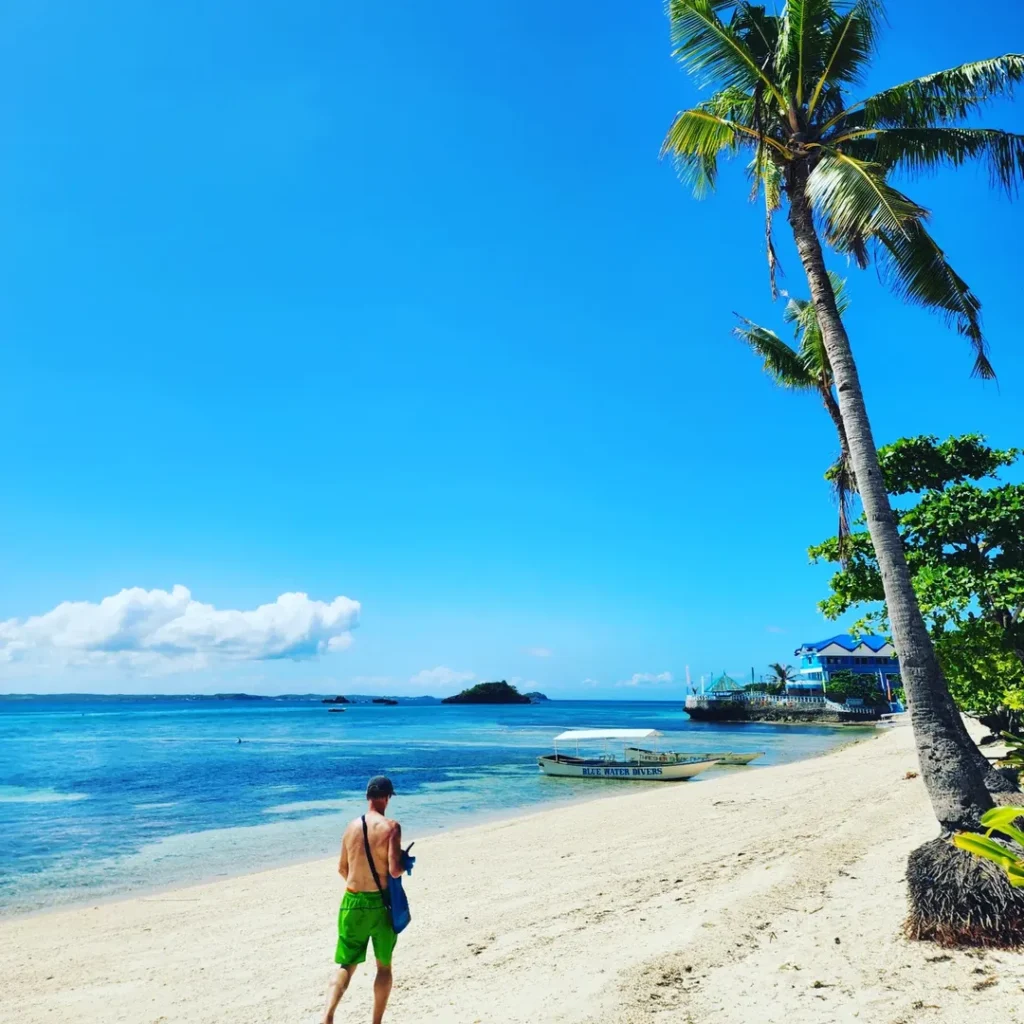
From Cebu City, go to the North Bus Terminal area and ride a Ceres air-conditioned bus to Maya Port. Fare is around ₱300 to ₱350, and travel time is 4.5 to 6 hours. Leave early, preferably around 3:00 AM to 5:00 AM, to avoid missing the afternoon boat window.
You can also take a shared V-hire van for around ₱350 to ₱400. It can be faster at around 4 hours, but space is tight, especially if you have big luggage or dive gear.
From Mactan-Cebu Airport to Malapascua Island
From the airport, take MyBus for around ₱50 or a taxi/Grab for around ₱150 to ₱300 to reach the North Bus Terminal area. If your flight arrives late, do not force same-day Malapascua transfer. Since boat operations usually end around 5:00 PM, you should land in Cebu by around 12:30 PM if you want a realistic chance of reaching the island that day.
From Manila to Malapascua Island
Fly from Manila to Mactan-Cebu International Airport, then continue by land to Maya Port and boat to Malapascua. The safest plan is to book a morning Cebu arrival. If your flight lands in the afternoon or evening, stay overnight in Cebu City or near Maya and cross the next day.
From Maya Port to Malapascua Island
At Maya Port, pay the ₱140 environmental fee, then ride the public bangka for ₱200 per person. Boats operate roughly 5:00 AM to 5:00 PM and follow a fill-and-go system. Private emergency charters cost around ₱1,500 to ₱2,500, but they are still subject to daylight and weather.
From Bantayan Island to Malapascua Island
Bantayan and Malapascua can be paired in one Cebu itinerary, but this route needs careful planning. Bantayan is better for general beach leisure, while Malapascua is stronger for diving. Check the current transfer route before committing because direct boat options can be limited and weather-dependent.
DIY Trip vs Private Transfer vs Dive Resort Package
| Option | Best For | Honest Note |
|---|---|---|
| DIY bus + public boat | Budget travelers | Cheapest but tiring |
| Shared van + public boat | Light packers | Limited luggage space |
| Private vehicle | Families, couples, divers | Faster but expensive |
| Dive resort transfer | Divers | More convenient if booking dives |
| Tour package | First-timers | Less flexible but easier |
DIY is fine if you are comfortable with long land travel, public boats, and early departures. Private transfer is better if you have dive gear, limited time, or a group sharing the cost. Dive resort coordination is useful because dive schedules often start before sunrise.
Malapascua Island Budget and Travel Costs
| Expense | Estimated Cost | Notes |
|---|---|---|
| Airport to North Bus Terminal | ₱50 MyBus / ₱150–₱300 taxi or Grab | Depends on baggage and comfort |
| Cebu City to Maya bus | ₱300–₱350 | Ceres AC bus |
| Cebu to Maya V-hire | ₱350–₱400 | Limited luggage space |
| Private Cebu to Maya | ₱4,500–₱7,500 | Best for groups or dive gear |
| Maya to Malapascua boat | ₱200 | Public bangka |
| Environmental fee | ₱140 | Paid at Maya Port |
| Low-tide feeder boat | ₱20–₱50 | If needed |
| Porter | ₱20–₱50 per bag | Optional |
| Habal-habal | ₱30–₱100 per ride | Island transport |
| Local meal | ₱70–₱150 | Carinderia/backpacker meal |
| Beachfront dining | ₱350–₱800+ | Premium resort-style meal |
| Bottled water | ₱50–₱100 | Refills are better if available |
| Local fun dive | ₱1,800–₱2,300 | Per dive |
| Equipment rental | ₱400/dive | If not included |
| Thresher shark package | Around ₱6,000 | With transit fuel |
| Island hopping joiner | ₱400–₱600 | Local snorkeling route |
| Kalanggaman joiner | ₱1,800 | With lunch/fees |
| Kalanggaman private | From ₱7,000 | Group charter |
A non-diver 3D2N trip can be budget-friendly if you use public transport, eat local meals, and avoid premium beachfront dining. A diver’s budget is much higher because of dive packages, gear rental, marine fees, and extra nights.
Where to Stay in Malapascua Island
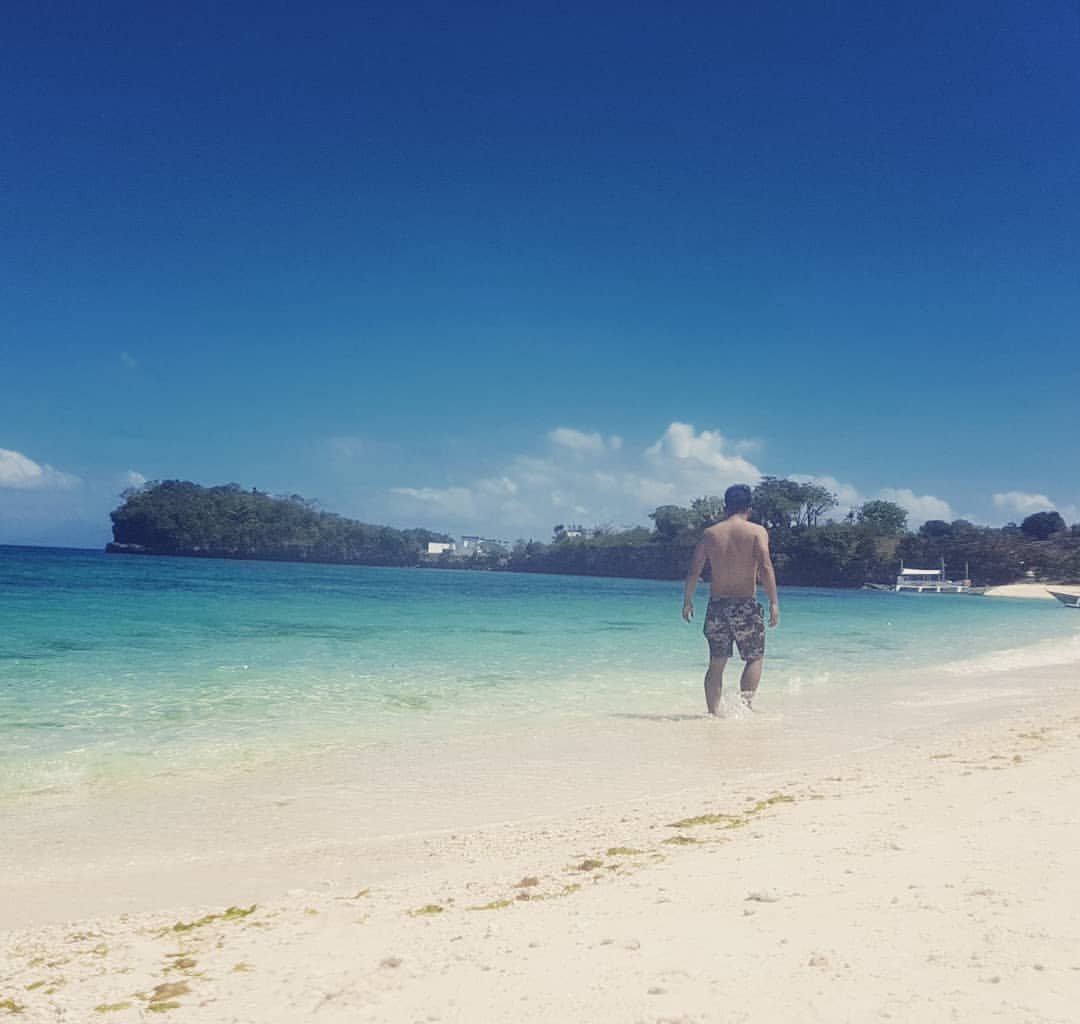
The best place to stay in Malapascua depends on your travel style. First-timers and divers usually stay near Bounty Beach because it is close to dive shops, restaurants, resorts, and the main tourist area. It is convenient, but it can be busier because of boats and activity.
Budget travelers can look for guesthouses or hostels away from the beachfront. Couples and slow travelers may prefer quieter areas closer to Langob or North Beach, but they should consider distance from food, dive shops, and boat access.
In 2026, the most important accommodation question is not just price. Ask about power backup. Because of rotational brownouts, accommodations should have a heavy-duty generator. Without one, you may experience no aircon, no fan, and even water interruptions.
Before booking, ask:
- Do you have a generator?
- Is aircon available during brownouts?
- Is water supply stable?
- Is Wi-Fi working?
- Are you near Bounty Beach or Langob Beach?
- Can you help arrange Maya transfer or dive schedules?
Best Beaches and Places to Visit in Malapascua
Bounty Beach
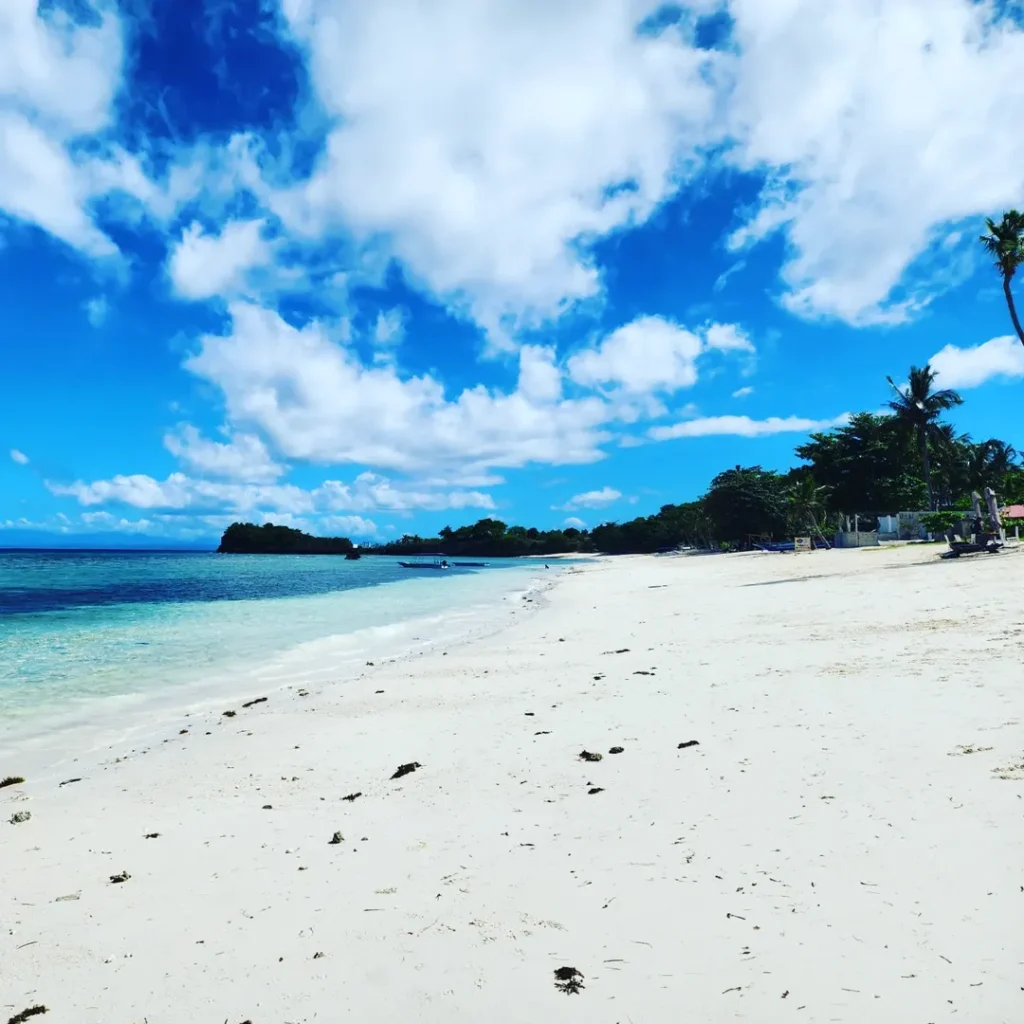
Bounty Beach is the main tourist beach in Malapascua. It is best for dive shops, beachfront dining, sunset walks, and first impressions. However, it has heavy boat traffic, so it is not the best swimming area.
Langob Beach / North Beach
Langob Beach, also called North Beach, is the better choice for swimming. It has powdery sand, deeper water, and fewer boats. The water can get deep quickly, so swimmers should still be careful.
Lighthouse Beach and Japanese WWII Landing Craft
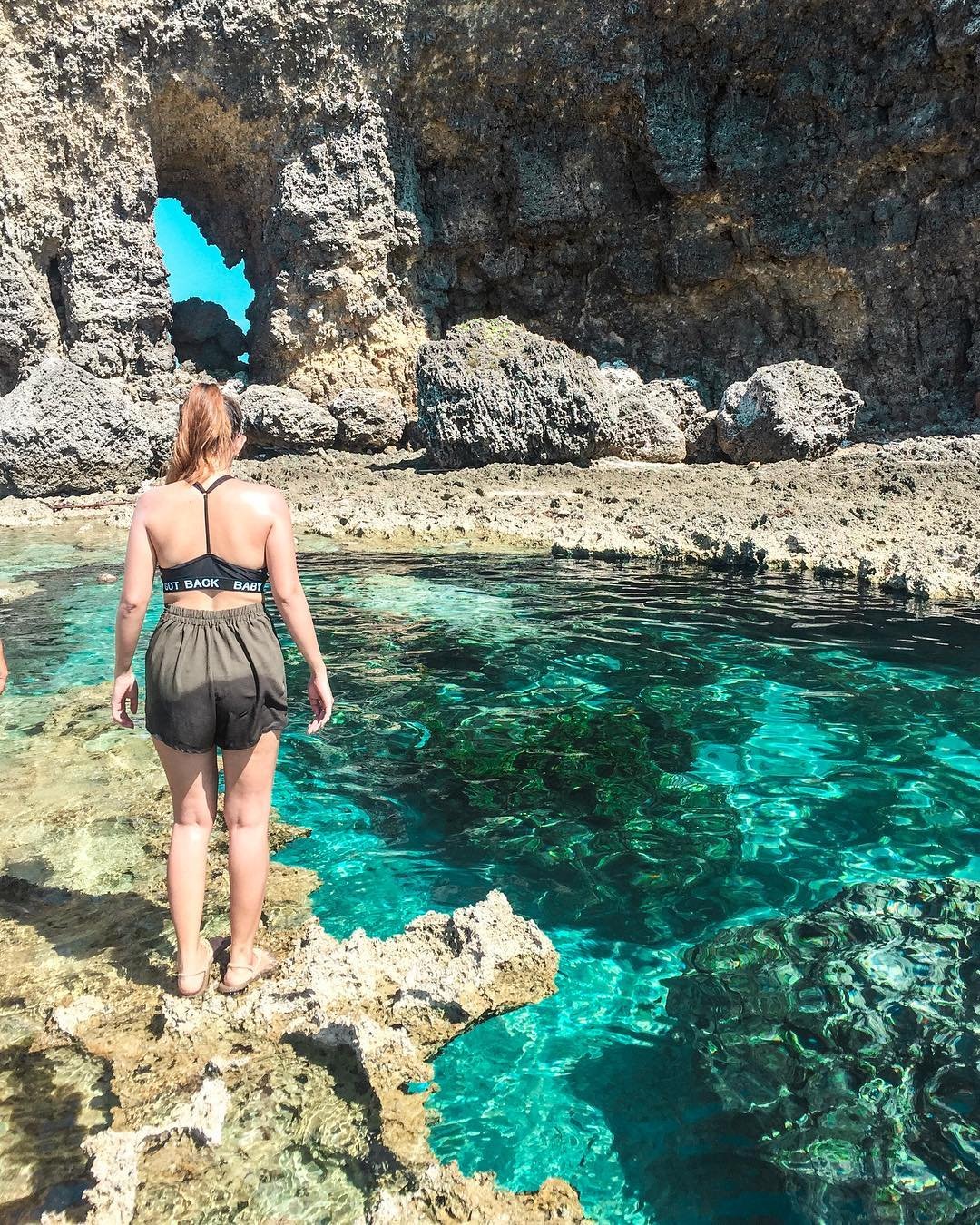
The Lighthouse Beach area is known for snorkeling near a Japanese WWII landing craft in around 3 to 5 meters of water. It is a good option for non-divers when visibility and sea condition are favorable.
Dakit-Dakit Islets and Coral Garden
These are common stops for local island hopping and snorkeling. Joiner tours usually cost around ₱400 to ₱600, depending on route and inclusions.
Nearby Places to Pair with Malapascua Island
| Destination | Why Pair It | Honest Note |
|---|---|---|
| Kalanggaman Island | Beautiful sandbar day trip | ₱1,800 joiner; open-ocean crossing |
| Bantayan Island | Better wide beaches and scooter roads | Needs careful transfer planning |
| Cebu City | Good start/end point | Best for overnight before or after trip |
| Daanbantayan mainland | Practical stop near Maya | Useful if arriving late |
| Gato Island | Strong dive site | Better for certified divers |
Kalanggaman is operational as a side trip from Malapascua at around ₱1,800 joiner rate, including lunch and fees. The crossing takes 1.5 to 2 hours, so it is weather-sensitive.
Sample 3D2N Malapascua Itinerary
| Time / Day | Activity | Notes |
|---|---|---|
| Day 1, 3:00–5:00 AM | Leave Cebu City | Bus or private transfer to Maya |
| Day 1, Morning | Arrive at Maya Port | Pay fees, wait for boat |
| Day 1, Late morning/noon | Boat to Malapascua | ₱200 public boat |
| Day 1, Afternoon | Check in and Bounty Beach walk | Easy first day |
| Day 1, Sunset | Dinner near Bounty Beach | Bring cash |
| Day 2, Morning | Langob Beach / North Beach | Best swimming beach |
| Day 2, Afternoon | Snorkeling or island hopping | ₱400–₱600 joiner |
| Day 2, Evening | Local food or beachfront dinner | Expect quiet island nights |
| Day 3, Morning | Slow breakfast and pack | Check boat/weather |
| Day 3, Late morning | Boat back to Maya | Leave early |
| Day 3, Afternoon/Evening | Return to Cebu City | Allow 4.5–6 hours |
For divers, add one or two extra nights and schedule the thresher shark dive early in the trip.
What to Wear and Bring
Bring:
- Cash in small bills
- Valid ID
- Swimwear and rash guard
- Aqua shoes
- Dry bag
- Waterproof phone pouch
- Power bank
- Motion sickness medicine
- Basic medicine
- Reef-safe sunscreen
- Hat and sunglasses
- Light jacket for boat rides
- Reusable water bottle
- Toiletries
- Insect repellent
- Trash bag
- Dive certification card
- Logbook if diving
- Underwater camera, but follow dive rules
Do not rely on buying everything on the island. Prices are higher, choices are limited, and supply depends on boat access.
Safety Tips Before Visiting Malapascua
- Call or check with the Coast Guard if weather looks bad.
- Philippine Coast Guard Maya Port Station: 0939-255-8160.
- Do not force a boat crossing during squalls, gale warnings, or LPAs.
- Wear a life vest during boat transfers.
- Arrive at Maya Port early.
- Do not assume private boats can cross at night.
- Bring enough cash before leaving the mainland.
- Avoid swimming in boat lanes.
- Watch kids closely at Langob because the water gets deep.
- Dive only within your certification level.
- Do not touch marine life.
- Follow the no-flash/no-strobe rule during shark dives.
- Bring basic medicine.
- For serious emergencies, evacuation to Cebu City is needed.
Emergency contacts:
| Contact | Number |
|---|---|
| ERUF Cebu City | 161 or (032) 233-9300 |
| Cebu City Fire and Rescue | 160 |
| PCG Maya Port Station | 0939-255-8160 |
There is no hospital or advanced trauma center on the island. Decompression sickness or severe trauma requires evacuation to Cebu City.
Mistakes to Avoid
Avoid these common Malapascua mistakes:
- Arriving in Cebu too late for the last boat.
- Underestimating the Cebu City to Maya Port travel time.
- Bringing too little cash.
- Depending on GCash, Maya, cards, or island ATMs.
- Booking accommodation without asking about generator backup.
- Expecting strong Wi-Fi.
- Treating Bounty Beach as the best swimming beach.
- Assuming thresher shark sightings are guaranteed.
- Booking shark dives without checking certification rules.
- Planning 2D1N and spending most of the trip in transit.
- Ignoring Coast Guard or weather advisories.
- Flying too soon after diving.
- Leaving trash behind.
Malapascua vs Bantayan Island: Which Is Better?
| Category | Malapascua | Bantayan |
|---|---|---|
| Best for | Diving, marine life, backpackers | Beaches, scooters, general leisure |
| Main draw | Thresher sharks | Wide white beaches |
| Swimming | Best at Langob/North Beach | Easier beach swimming overall |
| Roads | Dirt paths, motorbikes only | Paved roads, scooter-friendly |
| Food/nightlife | Diver-centric, quiet | More restaurants and bars |
| Digital nomad fit | Poor | Better |
| Family travel | Possible but less convenient | Easier |
| Overall vibe | Dive island | Beach vacation island |
Choose Malapascua if diving is your priority. Choose Bantayan if you want wider beaches, easier transport, better food choices, and a more relaxed general vacation.
Final Verdict: Is Malapascua Island Still Worth It?
Yes, Malapascua Island is still worth visiting in 2026, especially if you are a certified diver, underwater photographer, backpacker, or slow traveler who accepts rural island infrastructure. Its strongest value is the thresher shark diving at Kimud Shoal, but non-divers can still enjoy the island with the right expectations.
The island is not seamless. No ATMs, unstable internet, rotational brownouts, simple roads, weather-dependent boats, and limited emergency care are part of the planning reality. But if you prepare well, bring enough cash, travel early, and stay long enough, Malapascua can still be one of the most memorable island trips in Cebu.
Frequently Asked Questions About Malapascua Island
Is Malapascua Island worth visiting?
Yes, Malapascua Island is worth visiting for divers, backpackers, and slow travelers. It is especially worth it for thresher shark diving. Non-divers can enjoy it too, but they should expect simple facilities, unreliable internet, and a quiet island atmosphere.
Where is Malapascua Island located?
Malapascua Island is located in Daanbantayan, Cebu, in the northern part of Cebu Province. Travelers usually reach it by taking land transport from Cebu City or Mactan-Cebu Airport to Maya Port, then riding a boat to the island.
How do you get to Malapascua Island from Cebu City?
From Cebu City, ride a bus or van to Maya Port, then take a public boat to Malapascua. The Ceres air-conditioned bus costs around ₱300 to ₱350 and takes about 4.5 to 6 hours.
How much is the boat from Maya Port to Malapascua?
The public boat from Maya Port to Malapascua costs ₱200 per passenger. It usually takes 30 to 45 minutes and operates from around 5:00 AM to 5:00 PM, depending on weather and Coast Guard clearance.
Is there an environmental fee in Malapascua?
Yes. As of May 2026, travelers pay a ₱140 Government Environmental Fee at the Maya Port tourism desk before crossing to Malapascua Island.
Is Malapascua only for divers?
No. Malapascua is famous for diving, but non-divers can still enjoy beaches, snorkeling, island hopping, cafés, sunsets, and slow island life. However, divers get the strongest value from the destination.
Where can you see thresher sharks in Malapascua?
As of May 2026, thresher shark encounters are done at Kimud Shoal. Trips usually leave before sunrise around 4:30 AM to 5:00 AM. Sightings are common enough to make Malapascua famous, but they are never guaranteed.
Do you need to be certified to dive in Malapascua?
Yes, certification is required for thresher shark dives. Open Water divers must be supervised or tethered to an instructor, while Advanced Open Water certification is strongly recommended. Beginners can try PADI Discover Scuba separately.
Is Malapascua good for swimming?
Malapascua is good for swimming in selected areas. Langob Beach or North Beach is better for natural swimming. Bounty Beach is more useful for sunset, dining, walking, and dive-shop access because of boat traffic.
How many days do you need in Malapascua?
You need at least 3D2N for a non-diver trip. Divers should stay 4D3N to allow time for early dives, possible weather delays, and safe surface intervals before flying.
Are there ATMs in Malapascua?
No. There are no ATMs on Malapascua Island. Bring enough cash before crossing from Maya because GCash, Maya, cards, mobile data, and Wi-Fi can be unreliable.
Can you visit Kalanggaman Island from Malapascua?
Yes, Kalanggaman side trips from Malapascua are operational. Joiner trips cost around ₱1,800 including lunch and fees, with a 1.5 to 2-hour open-ocean crossing. Trips depend on weather and sea condition.


This travel blog is incredibly informative and well-researched, offering valuable tips and insights for both first-time and seasoned travelers. The detailed itineraries and personal experiences make it easy to plan trips with confidence.