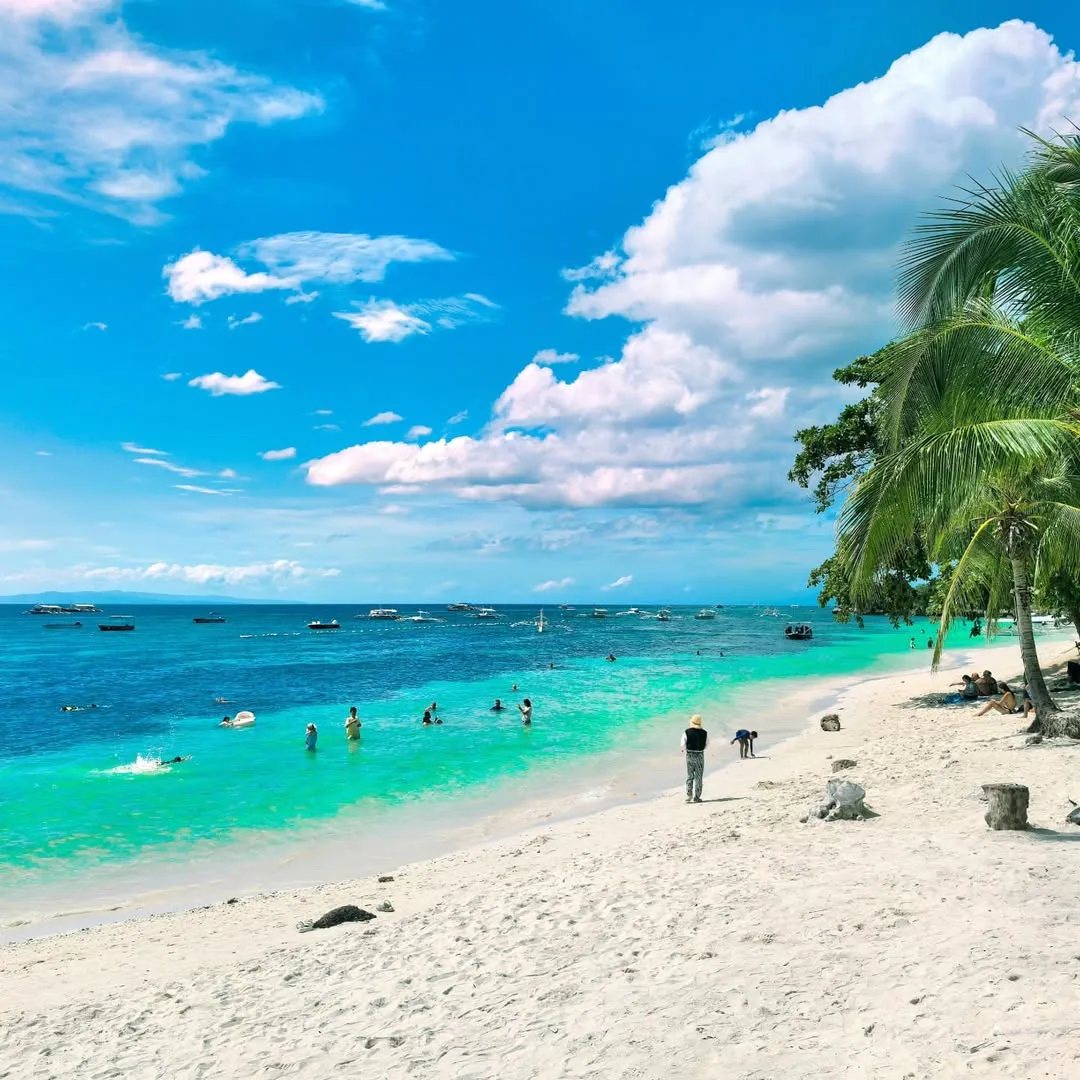
Alona Beach, Bohol: The Complete First-Timer’s Travel Guide
Last updated: July 2026
Alona Beach is the most commercially developed and logistically convenient beach on Panglao Island, Bohol, with direct land access from Tagbilaran City via bus or tricycle. It is the main launching point for island hopping to Balicasag marine sanctuary and Virgin Island sandbar, and it draws travelers who want action, nightlife, and marine access in one place.
Alona Beach Quick Guide
| Detail | Info |
|---|---|
| Destination | Alona Beach |
| Location | Panglao Island, Bohol |
| Province | Bohol |
| Type | White Sand Beach — Highly Commercialized Hub |
| Access | Mainland / Drive-up — reachable by land from Tagbilaran City |
| Entrance / Env Fee | Varies by activity (see fee table below) |
| Best Season | November to May (Amihan / dry season) |
| Swimming | Suitable for most swimmers; no designated lifeguard zones |
| Island Hopping | Daily departures to Balicasag, Virgin Island, Pamilacan Channel |
| Travel Time from Tagbilaran | 20–60 minutes depending on transport type |
Table of Contents
Where Is Alona Beach Located?
Alona Beach sits on the southern coast of Panglao Island, a small island connected to Bohol’s mainland by two concrete bridges. The beach is part of Barangay Tawala in the municipality of Panglao. Tagbilaran City, Bohol’s provincial capital, is roughly 25 kilometers away by road.
The beach itself is compact — a short, curved stretch of white sand that is dense with resort infrastructure on all sides. Unlike larger Philippine beaches, Alona Beach functions more as a commercial corridor than an open shoreline. That density is the point: everything you need, from boat bookings to beer, is within walking distance.
How to Get to Alona Beach
Getting to Alona Beach by land is straightforward once you clear either the Bohol-Panglao International Airport or the Tagbilaran Seaport.
From the Bohol-Panglao International Airport (BIA)
The airport sits directly on Panglao Island, which makes this the most convenient entry point. You are already on the right island.
- Southern Star Bus: Air-conditioned tourist buses wait outside the arrivals exit and head toward the Alona Beach area. Cost: ₱50–₱100 per person. Travel time: 40–50 minutes.
- Shared Van: Commuter vans fill up and depart as full loads, dropping passengers at resorts along the Alona strip. Cost: ₱100 per person. Travel time: 20–30 minutes.
- Tricycle or Grab: Metered taxis and Grab cars are the fastest option. Unregulated tricycles at the exit may quote high flat rates — use the Pedi App or Grab for fair pricing. Cost: ₱110–₱150 per vehicle. Travel time: 15–20 minutes.
From Tagbilaran Seaport (Via Ferry from Cebu)
Travelers coming from Cebu City take a fast-craft ferry — OceanJet, SuperCat, or Lite Shipping — departing from Cebu Pier 1 or Pier 4. The crossing takes exactly two hours. Ferry fares run ₱500 (economy) to ₱1,200 (business class), plus a ₱30 Cebu departure fee and a ₱25 Tagbilaran terminal fee.
Once you dock at Tagbilaran, here is the most reliable sequence:
- Step 1 — Port to Dao Terminal: Walk across the road from the port exit and take a tricycle to the Dao Integrated Bus Terminal. Ignore van touts at the exit. Cost: ₱40–₱50 per person. Time: 10–15 minutes.
- Step 2 — Bus to Alona: At Dao Terminal, board a Panglao-bound Southern Star Bus or jeepney. These run every 15–20 minutes from 5:00 AM to 9:00 PM, passing through Dauis and continuing to Alona. Cost: ₱70–₱100 per person. Time: 45–60 minutes.
- Direct Tricycle Option (heavy luggage): Negotiate a direct tricycle from the port to Alona Beach. Settle the price before you get in. Cost: ₱250–₱400 per vehicle. Time: 30–45 minutes.
- Taxi or Grab: Climate-controlled and predictable. Cost: ₱440–₱550 per vehicle. Time: 20–30 minutes.
The bus is the best value if you are traveling light. Grab or a metered taxi is worth paying for if you have large bags and want no stress.
Driving and Parking at Alona Beach
Panglao Island’s road network connects to Tagbilaran City via the Dauis Causeway. Road signage toward Alona Beach is present along the main highway, though signage closer to the beach itself is inconsistent in places. A navigation app is strongly recommended for the final stretch.
Parking is available near the beach entrance, though spaces fill quickly on weekends and during peak season — arriving before 9:00 AM improves your chances significantly. Resorts may charge non-guests for beachfront access or parking, so confirm before leaving your vehicle.
Entrance Fees, Environmental Fees, and Permits at Alona Beach
Alona Beach itself does not charge a single flat entrance fee. Instead, fees are layered by activity and destination.
| Fee Item | Cost (PHP) | Notes |
|---|---|---|
| Alona Beach Walk-in Access | ₱0 | No general beach entrance fee |
| Shared Island Hopping Tour | ₱800–₱1,500 per person | Often excludes marine fees and lunch |
| Private Boat Rental | ₱3,000–₱5,000 per group | Best for groups of 4 or more |
| Balicasag Environmental Fee | ₱250–₱300 per person | Mandatory LGU reef conservation fee |
| Balicasag Paddleboat + Guide | ₱250 per person | Motorized boats cannot enter the reef zone |
| Snorkel Gear Rental | ₱150–₱200 per person | Skip this if you bring your own |
| Virgin Island Entrance | ₱100 per person | Paid on arrival at the sandbar |
| Napaling Reef (optional) | ₱300 total (entrance + environmental + guide) | Hire a tricycle roundtrip for ~₱300 extra |
Balicasag Island has a hard cap of 150 divers per day. This fills fast. If you arrive at the beach after 6:30 AM without a confirmed boat slot, you risk being turned away.
Getting Around Alona Beach
The beach strip itself is walkable end to end in under ten minutes. Most resort, dining, and boat booking activity is concentrated along this one stretch.
For moving beyond the beach, tricycles are the primary option. Short hops within Panglao cost ₱50–₱150 per vehicle depending on distance. Walk to the main road to hail passing units rather than hiring from directly outside your resort, as roadside rates are lower. The Pedi App and Grab offer transparent fare calculations and are useful for avoiding inflated tourist quotes.
Scooter rentals are widely available and cost ₱300–₱500 per 24 hours (fuel excluded). This is the most flexible option if you want to explore Dumaluan Beach, Libaong Beach, or the Hinagdanan Cave at your own pace.
Beaches and Things to Do at Alona Beach
Alona Beach is not a destination for quiet solitude. It is a logistical and social hub that delivers excellent marine access.
The Beach Itself
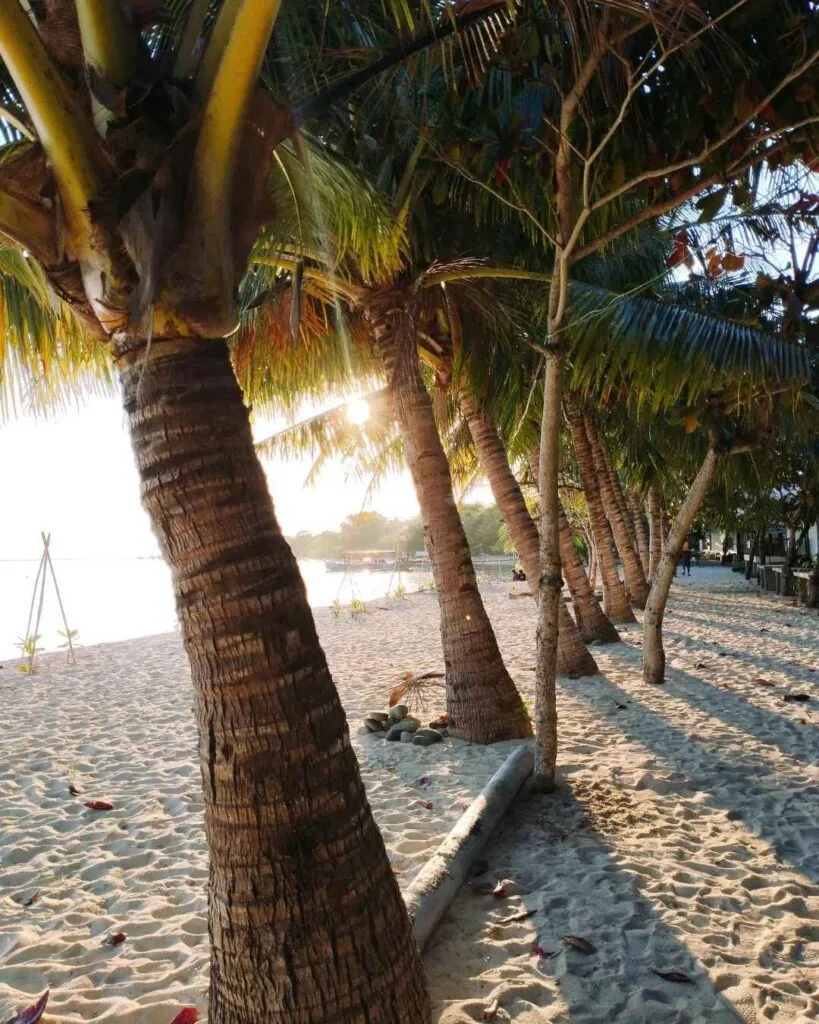
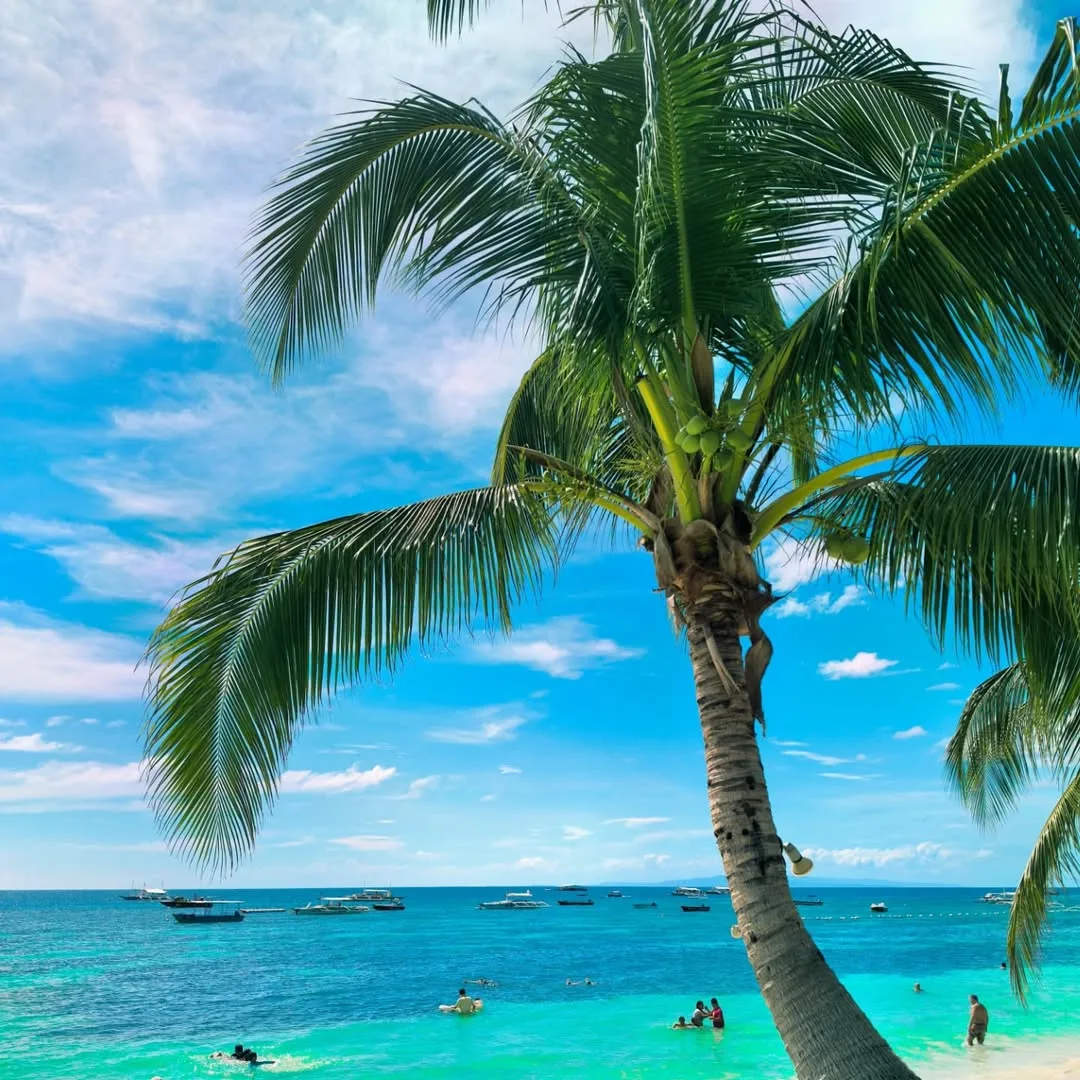
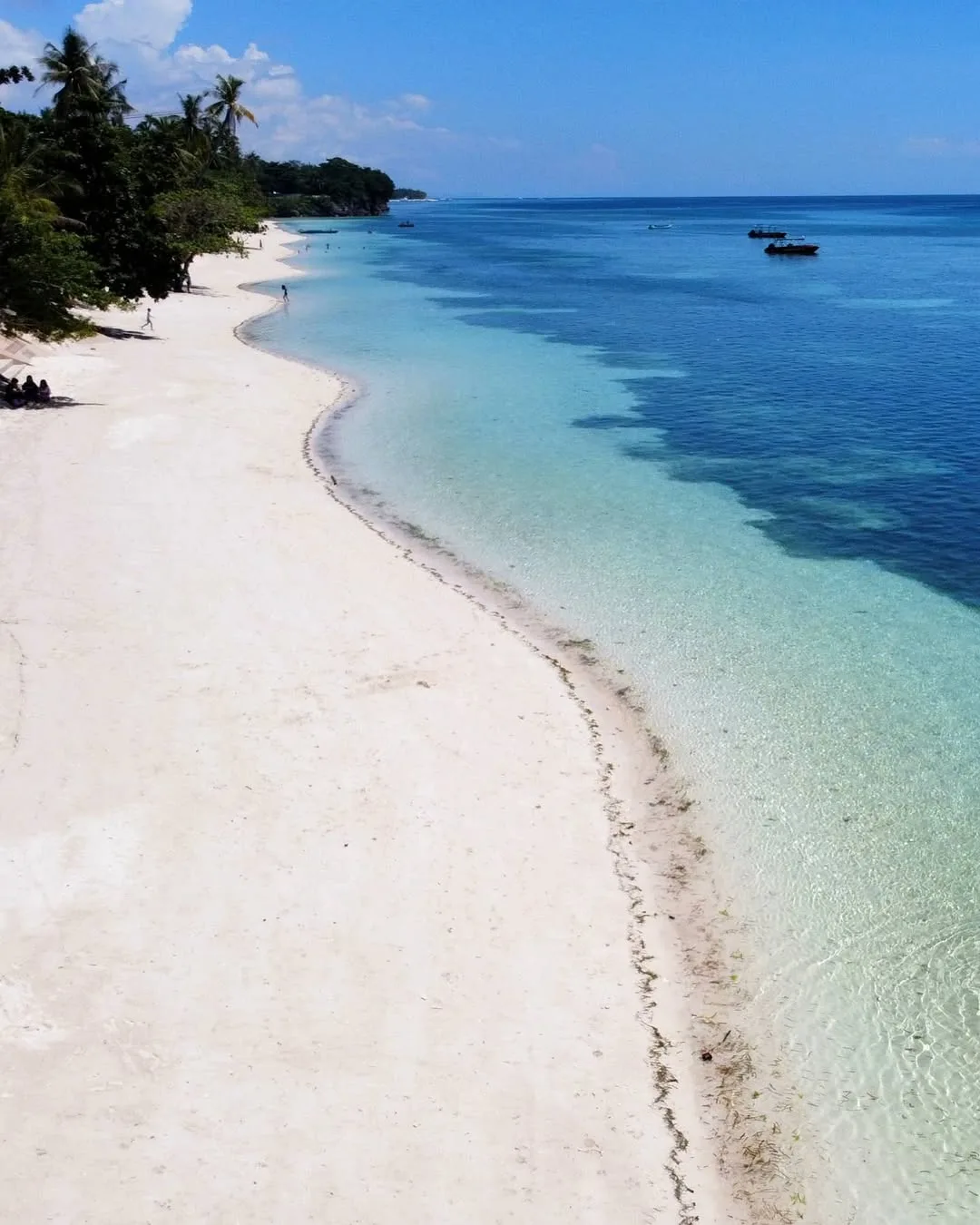
The sand is fine and white, lighter than most Visayan beaches. At high tide, the strip narrows and water pushes closer to the resort fronts, so the most comfortable walking and lounging happens in the early morning or late afternoon when tide levels are lower. The water close to shore is shallow and generally calm, making it accessible for most swimmers. Boat traffic runs through designated lanes near the beach, so swim within the flagged zones where they exist.
Beach Score: 3.5 out of 5 — The sand is genuinely good, but boat traffic, density, and narrowing at high tide limit the pure beach experience.
Island Hopping: Balicasag and Virgin Island
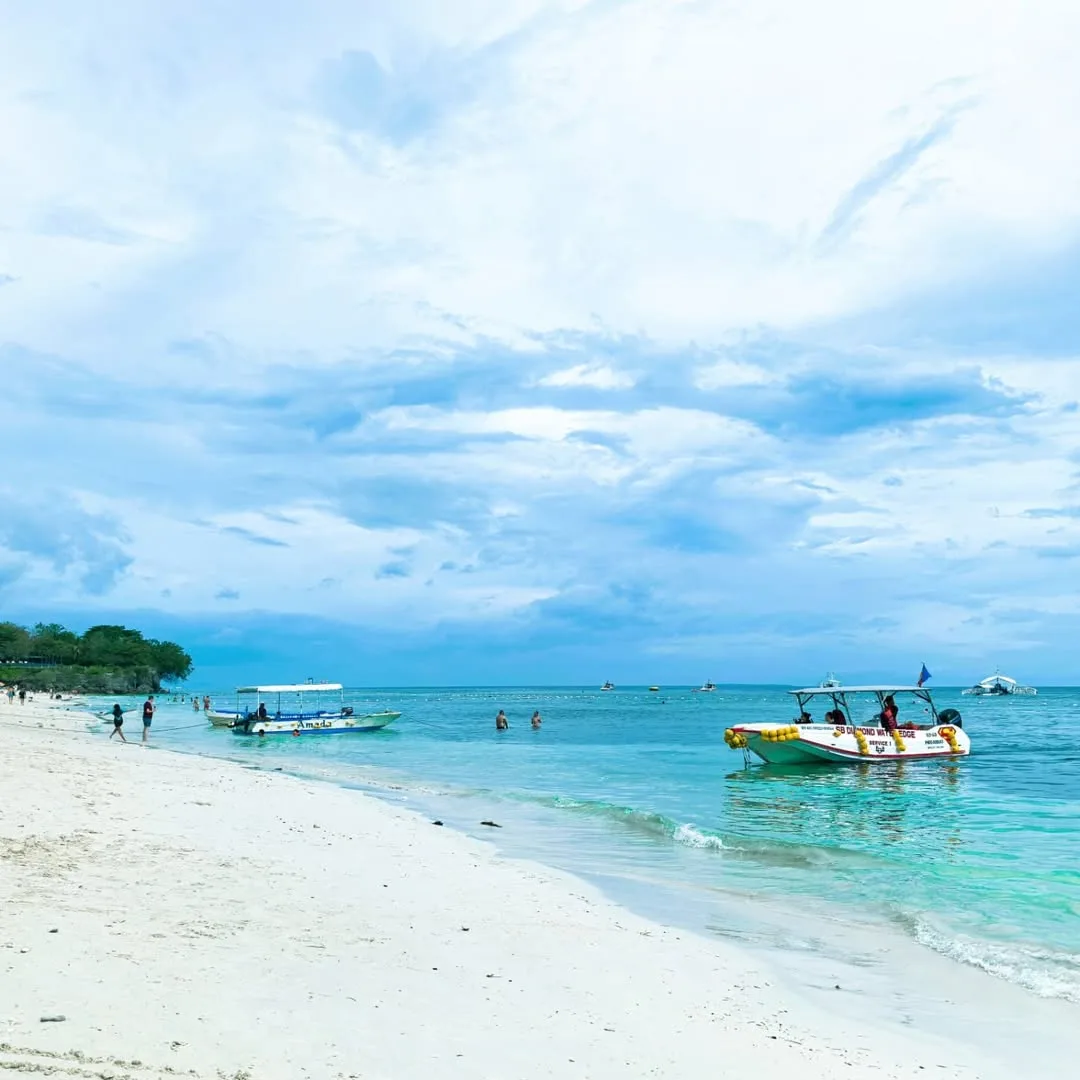
This is where Alona Beach earns its reputation. Most boats depart by 6:00–6:30 AM. A standard shared joiner tour covers dolphin watching in the Pamilacan Channel (around 6:30 AM), reef snorkeling at Balicasag (around 8:00 AM), and a stop at the Virgin Island sandbar (around 11:00 AM).
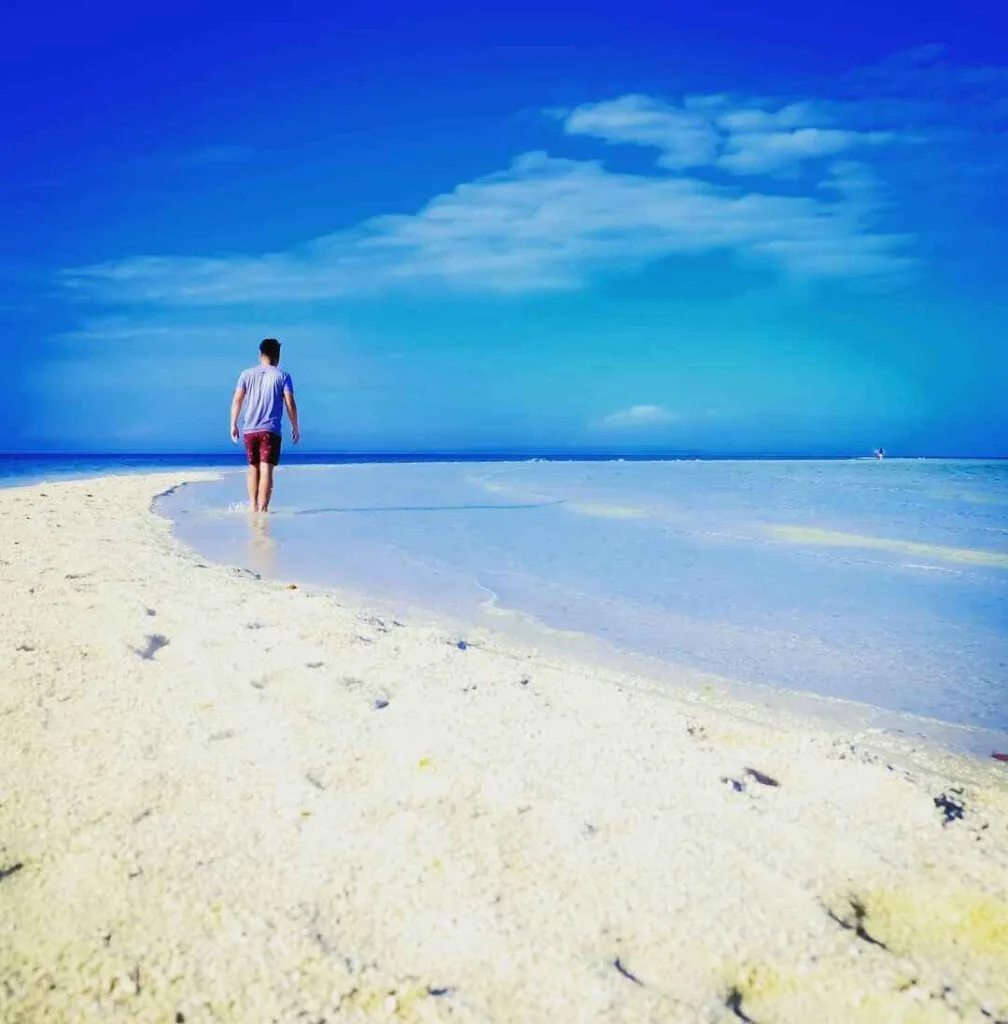
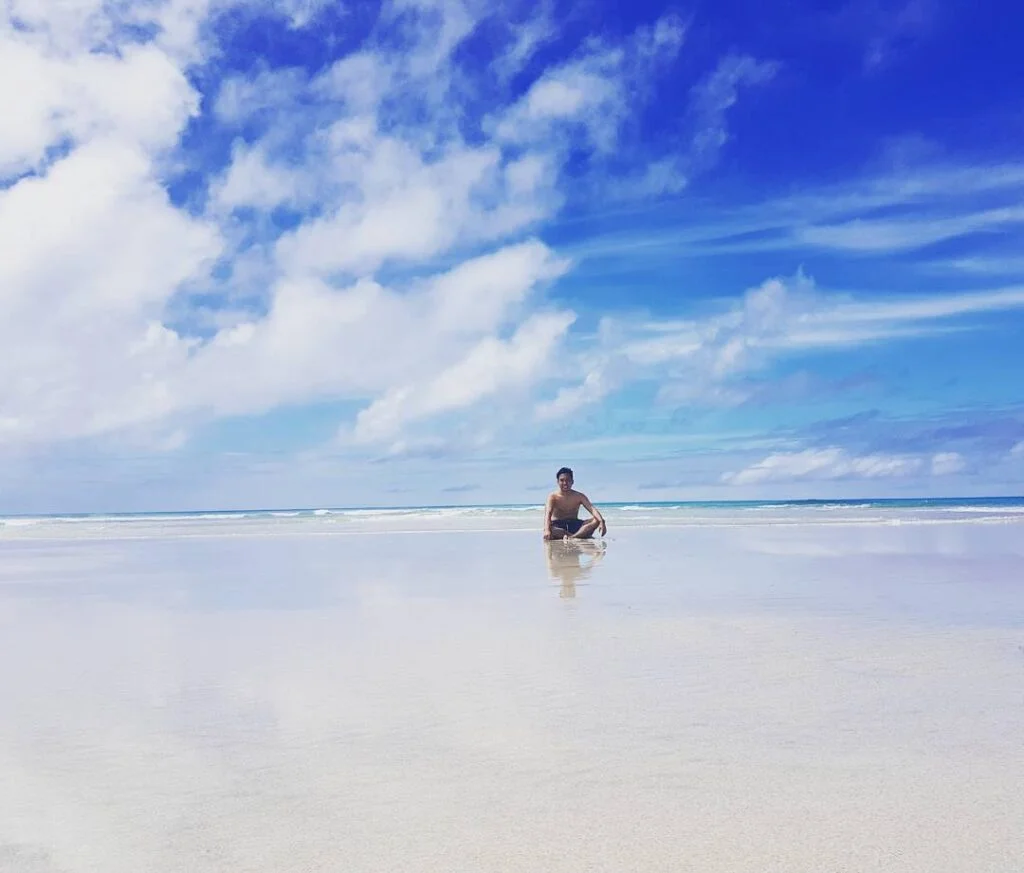
At Balicasag, you transfer from the motorized bangka to a small paddleboat (₱250 guide fee) to access the coral drop-offs without disturbing the reef. Resident sea turtles move through the area regularly. At Virgin Island, low tide is the right window — the sandbar is wide and walkable, with vendors selling fresh sea urchins for ₱50–₱100 and grilled seafood for ₱200–₱500.
Land-arriving visitors can book boat tours directly on the beach on the morning of departure. Walk-up booking the evening before is more reliable for securing a seat in the early boat.
Island Hopping Score: 5 out of 5 — The Balicasag reef and Virgin Island sandbar combination is among the best single-day marine itineraries in the Visayas.
Napaling Sardine Run
This is the underrated activity on this itinerary. Hire a tricycle to Napaling Reef for a ₱300 roundtrip and pay the stacked fees at the entrance — ₱100 entrance, ₱100 environmental, ₱100 guide. You free-dive into a massive, swirling school of sardines immediately offshore. There are no tanks, no equipment setup delays. You jump in and the sardines close around you.
Napaling Score: 4.5 out of 5 — Spectacular for the price, though the stacked fee system feels bureaucratic.
Bohol Countryside Day Tour
Alona Beach also works as a base for the classic Bohol mainland circuit. The most efficient sequence covers the Loboc River Cruise (₱850–₱1,200 per person, including a buffet lunch on the water), the Bilar Man-Made Mahogany Forest for a temperature-drop photo stop, the Philippine Tarsier Sanctuary in Corella (₱80–₱150 per person, with a mandatory quiet guided walk), and the Chocolate Hills Complex in Carmen (₱150 for non-Bohol residents, 214 steps to the viewing deck).
A hired private vehicle for this circuit costs ₱2,500–₱3,500 per vehicle for 8 hours. A rented scooter at ₱350 per day works if you are confident navigating inter-municipal roads. The countryside circuit and the island hopping tour should be done on separate days — each fills a full day.
If you time your Bohol trip around late January, the [Sandugo Festival](https://lakbaypinas.com/ultimate-guide-to-sandugo-festival-in-bohol-2025/) in Tagbilaran City is worth factoring into your dates.
Alona Beach Nightlife
I visited in May 2026, and the strip at night was the most memorable part of the stay. By 7:00 PM, the beachfront transforms. Open-air bars push tables onto the sand, fire dancers perform along the shoreline, and the noise level rises sharply. It runs late and it runs loud.
Compared to Boracay’s White Beach, the Alona Beach nightlife scene is smaller and less polished, but it is also less crowded and more approachable. You can hold a conversation at a table six meters from a fire show, which is not always possible on Boracay’s busiest nights. For a beach that is often compared to Boracay as an alternative, it delivers a similar energy at a noticeably lower price point.
Best Time to Visit Alona Beach
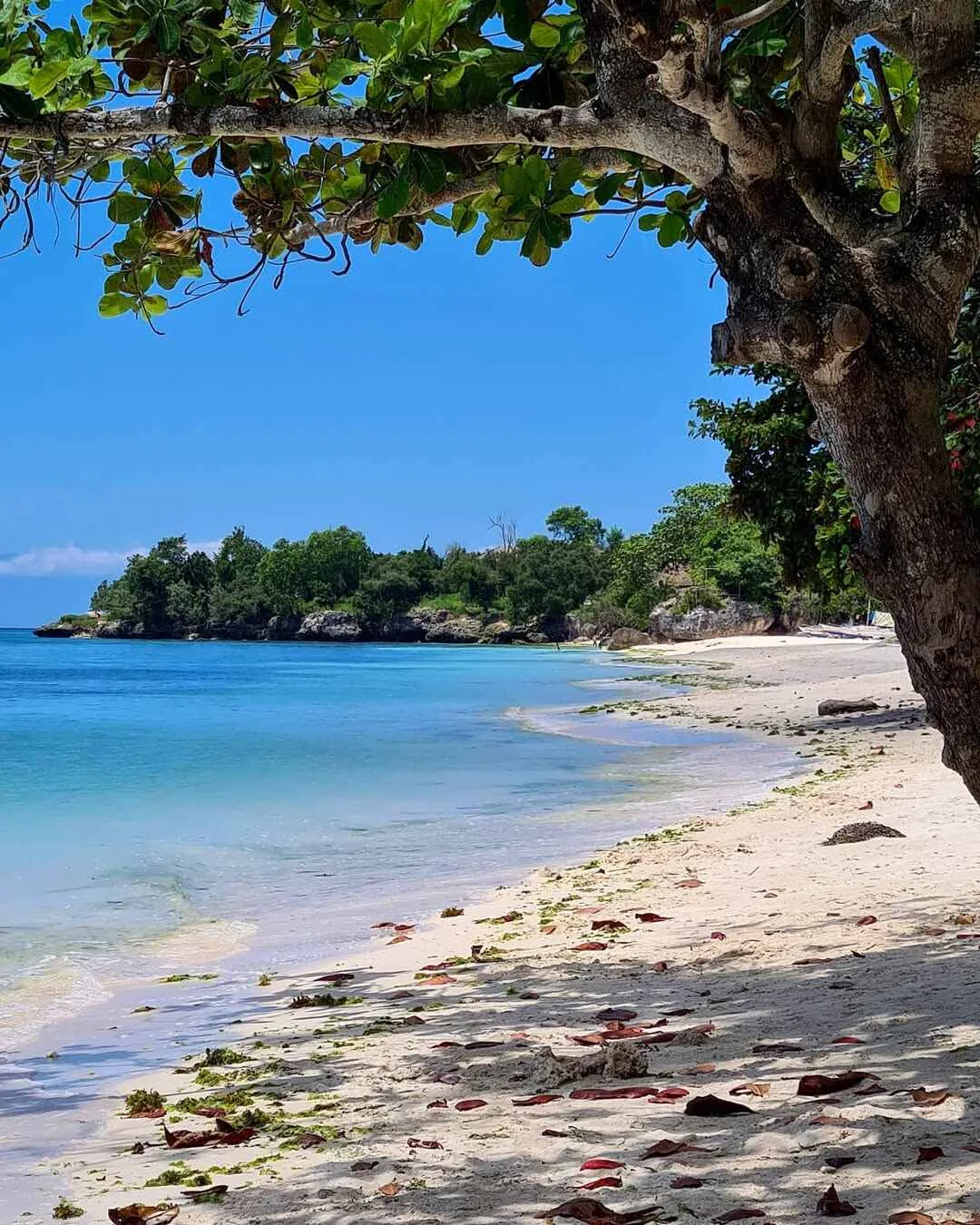
The best time to visit Alona Beach is between November and May, which covers the Amihan (northeast monsoon) dry season. During this window, the sea is calm, visibility for snorkeling is high, and boat tours run without weather-related cancellations.
June through October is the Habagat (southwest monsoon) season. Rain is frequent, seas can get rough, and boat operators regularly cancel island hopping tours when swells exceed safe thresholds. The peak typhoon window runs from July to September. Bohol is not the most typhoon-prone province in the Visayas, but rough weather during these months can strand you and eliminate most marine activities.
March, April, and the Holy Week period are the busiest weeks of the year. Balicasag’s diver quota fills before 7:00 AM, accommodations need booking weeks in advance, and beachfront prices spike. If your schedule is flexible, November through January gives you dry weather with significantly fewer crowds.
Where to Stay at Alona Beach
Alona Beach has three clear tiers of accommodation.
Budget (₱500–₱1,500 per bed/night): Hostels like Moon Fools operate close to the beach and cater to solo travelers and backpackers. Dorm beds are available. These fill fast on weekends.
Mid-range (₱2,000–₱6,000 per room/night): Most resorts fall here. Beachfront rooms at the higher end of this tier give you direct sand access. Rooms set back from the beach — some only 50 to 100 meters inland — cost significantly less for similar quality.
Day-trip option: If you are based in Tagbilaran or Panglao town and just want a beach day, there is no entrance fee for walking onto Alona Beach. Some beachfront restaurants allow you to use their chairs and shade if you eat or drink there.
Book accommodation at least two weeks in advance for peak season stays. Cash payment is standard for smaller guesthouses — have ₱1,000 bills or smaller ready.
Budget Breakdown for Visiting Alona Beach
| Expense | Estimated Cost (PHP) |
|---|---|
| Cebu to Tagbilaran Ferry (economy, one-way) | ₱500–₱1,200 per person |
| Cebu Port Departure Fee | ₱30 per person |
| Tagbilaran Terminal Fee | ₱25 per person |
| Tagbilaran to Alona Beach (Southern Star Bus) | ₱70–₱100 per person |
| Tricycle (short Panglao distances) | ₱50–₱150 per vehicle |
| Scooter Rental (24 hours, fuel excluded) | ₱300–₱500 per vehicle |
| Private Car Hire (8 hours) | ₱2,500–₱3,500 per vehicle |
| Budget Hostel (per night) | ₱500–₱1,500 per bed |
| Mid-range Beachfront Resort (per night) | ₱2,000–₱6,000 per room |
| Carinderia Meal (inland road) | ₱80–₱250 per person |
| Beachfront Restaurant Meal | ₱300–₱600+ per person |
| Shared Island Hopping Tour | ₱800–₱1,500 per person |
| Balicasag Environmental + Guide + Gear | ₱650–₱750 per person |
| Virgin Island Entrance | ₱100 per person |
| Loboc River Cruise | ₱850–₱1,200 per person |
| Tarsier Sanctuary Entry | ₱80–₱150 per person |
| Chocolate Hills Entry | ₱150 per person |
ATMs on Alona Beach run low on cash during peak weekends. Withdraw from BDO or BPI in Tagbilaran City before crossing to Panglao Island. Bring small bills — ₱20, ₱50, and ₱100 denominations — for fees, guides, and tricycle fares.
What to Pack for Alona Beach
| Item | Essential? |
|---|---|
| Reef-safe (mineral-based) sunscreen | Yes — required at marine sanctuaries |
| Personal snorkel mask and fins | Recommended — saves ₱150–₱200 rental |
| Rash guard or UV-protective shirt | Yes — long sun exposure on boats |
| Waterproof dry bag | Yes — for phones and documents on boat tours |
| Water shoes or swim fins | Useful — reef entries have sharp coral and sea urchins |
| Small cash in mixed denominations | Yes — fees, guides, and vendors are cash-only |
| Power bank | Recommended — outlets vary by accommodation tier |
| Light rain jacket (June–October visitors) | Yes if traveling in Habagat season |
| Biodegradable insect repellent | Recommended for evening beach time |
| Reusable water bottle | Yes — hydration on boats, where vendor prices spike |
Safety Tips for Visiting Alona Beach
Alona Beach is not a high-risk beach, but several specific hazards apply.
Jellyfish and sea lice appear intermittently, most commonly during warmer months from April through June. Local boatmen usually know which areas are affected on a given day — ask before entering the water.
Sun and dehydration are underestimated risks on boat tours. You are on open water for 5–6 hours with no shade except a roof canopy. A rash guard, reef-safe sunscreen, and at least 1.5 liters of water per person are the minimum. Vendors on boats sell drinks at inflated prices — pack your own.
Tide awareness: At Virgin Island sandbar, low tide extends the visible sand significantly. As tide rises, the sandbar shrinks. Boats will signal departure — do not stay past the boat’s schedule to avoid being stranded on a disappearing sandbar.
What Other Guides Get Wrong About Alona Beach
Most guides position Alona Beach purely as a peaceful, scenic destination alongside its practical information. That framing sets the wrong expectations.
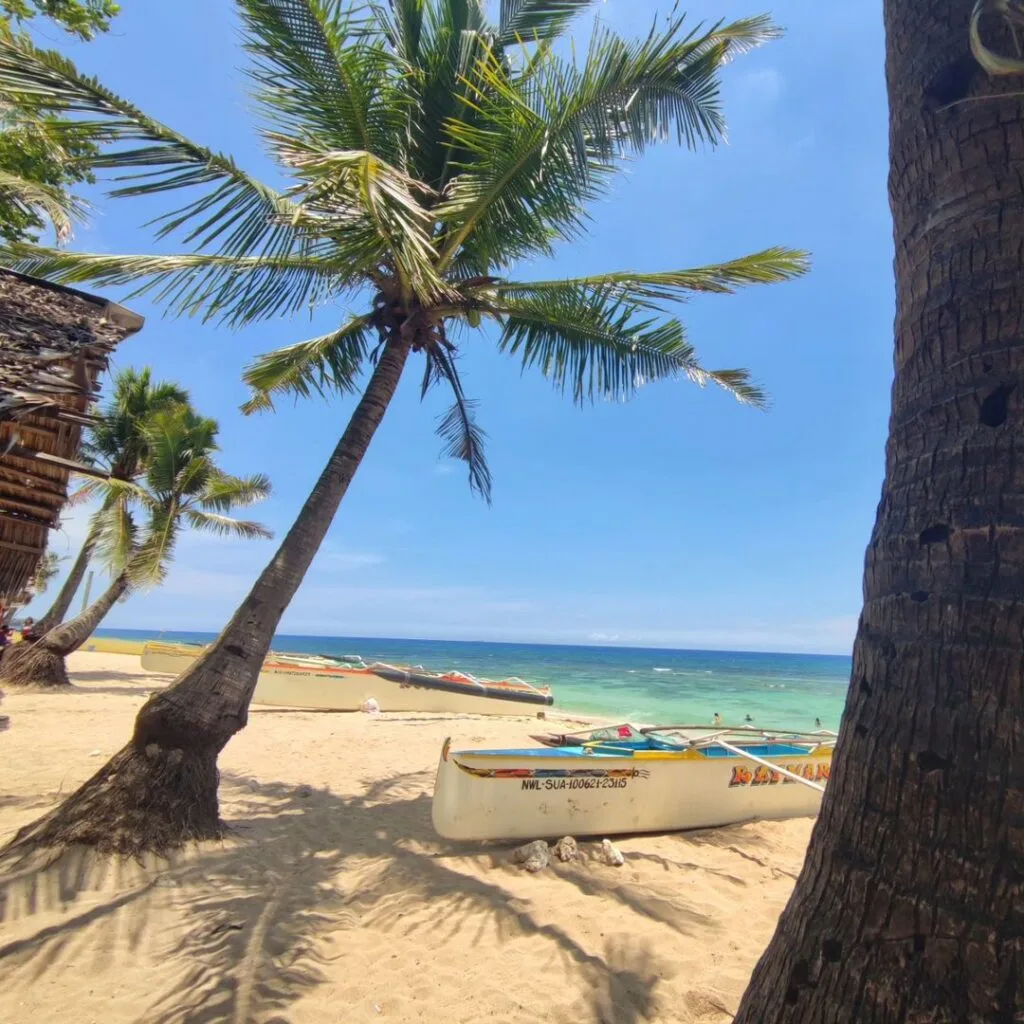
Alona Beach is loud, commercial, and boat-heavy by mid-morning. The beachfront functions as an active boat terminal from before sunrise until mid-afternoon. If you arrive expecting a serene swim at 9:00 AM, you will be navigating around departing and returning bangkas. The correct mindset is to treat it as an operational hub — excellent for logistics, dining, and nightlife, and a launch point for the actual quiet and beauty that exists at Balicasag and Virgin Island.
The Balicasag diver cap is real and strictly enforced. Several guides mention the 150-diver limit as a footnote. It should be the first logistical priority in any honest itinerary. If you do not have a confirmed early boat slot, you may travel to Balicasag and be turned back at the entrance. This is not a rare edge case.
Dining on the sand costs two to three times more than eating 200 meters inland. The price gap between beachfront restaurants and main-road carinderias is not a minor convenience premium — it is a meaningful budget variable. A full meal on the strip runs ₱300–₱600+. The same meal inland costs ₱80–₱150.
Frequently Asked Questions About Alona Beach
1. How do I get to Alona Beach from Cebu?
Take a fast-craft ferry — OceanJet, SuperCat, or Lite Shipping — from Cebu Pier 1 or Pier 4 to Tagbilaran Port. The ferry takes two hours. From Tagbilaran, take a tricycle to Dao Terminal (₱40–₱50), then board a Panglao-bound Southern Star Bus to Alona Beach (₱70–₱100, 45–60 minutes). Alternatively, a direct taxi or Grab from the port costs ₱440–₱550 and takes 20–30 minutes. provincial tourism office page for Bohol transport updates
2. Is there an entrance fee for Alona Beach?
There is no general entrance fee to walk on or swim at Alona Beach. Fees apply to specific activities: island hopping tours, the Balicasag marine sanctuary (₱250–₱300 environmental fee), Virgin Island landing (₱100), and Napaling Reef (₱300 stacked fees). Some resorts may charge non-guests for access to beachfront chairs or shade.
3. What is the best time to visit Alona Beach?
Visit between November and May for dry weather, calm seas, and reliable boat tour conditions. The peak crowd period is Holy Week (March–April), when Balicasag’s quota fills before 7:00 AM and accommodation prices rise sharply. November through January offers dry conditions with lighter crowds.
4. How does Alona Beach compare to Boracay?
Alona Beach is smaller, more affordable, and less polished than Boracay’s White Beach. The nightlife is active but contained. The real advantage of Alona Beach over Boracay is marine access — Balicasag reef and the Pamilacan dolphin channel are genuinely world-class snorkeling and diving destinations with no Boracay equivalent nearby. Boracay has better sand and more resort variety. Alona Beach wins on underwater experience and overall cost.
5. Can I book island hopping on the day of the tour without advance reservation?
Yes, you can walk up to boat operators on the beach and book for the following morning. However, for Balicasag Island, the 150-diver daily cap means the early boats fill first. Booking the evening before your intended departure is more reliable than arriving at the beach at dawn and hoping for a slot. Joiner tours cost ₱800–₱1,500 per person; private boats run ₱3,000–₱5,000 per group.
Final Verdict: Is Alona Beach Worth Visiting?
4 out of 5 for active travelers and first-time Bohol visitors who want marine access, a lively beach scene, and a convenient base for countryside day tours. Alona Beach delivers on every practical level — transport, food, nightlife, and the best island hopping launch point in Bohol — even if the beach strip itself is too crowded and boat-heavy for pure relaxation. Come for the reef, the sardines, and the fire shows at night; step away to Dumaluan or Libaong if you want sand without the crowd.