
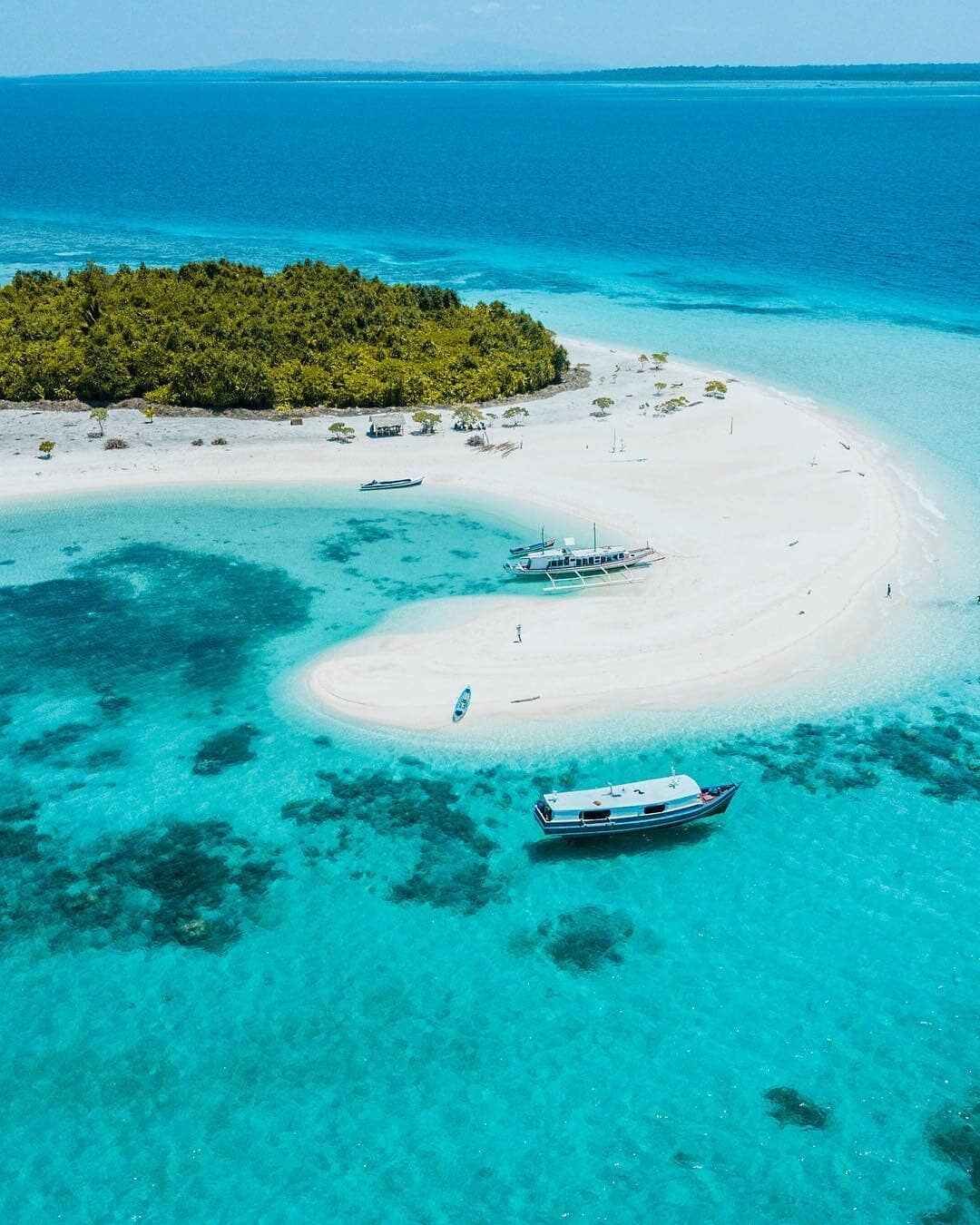
Balabac Island Palawan Travel Guide
Balabac Island is one of the most beautiful but logistically demanding island-hopping destinations in Palawan. I traveled to Balabac in May 2026 to verify the route, jump-off point, port process, tour setup, accommodation style, fees, safety notes, and realistic comfort level for first-time travelers. What I found is simple: Balabac is stunning, but it is not an easy beach trip. It is a remote Southern Palawan adventure that requires early transfers, accredited operators, weather awareness, cash, patience, and realistic expectations.
If you are looking for white sandbars, turquoise shallows, raw island scenery, and a quieter Palawan experience, Balabac Island can be unforgettable. But if you expect strong mobile signal, hotel-style toilets, nightlife, luxury resorts, and easy DIY logistics, this destination may feel too remote. This Balabac Island travel guide explains how to go, where the current jump-off is, how much to budget, which islands to visit, what to expect from food and accommodation, and what safety reminders matter before you book.
Is Balabac Island Worth Visiting?
Yes, Balabac Island is worth visiting if you want remote island hopping, long sandbars, clear shallow water, and a raw Southern Palawan experience that feels very different from El Nido, Coron, or Puerto Princesa. The scenery is the main reason to go: Onuk/Onok Island, Punta Sebaring, Candaraman Island, Mansalangan Sandbar, Starfish Sandbar, Patawan, Sicsican, and Tangkahan all give Balabac its reputation as one of the most scenic island-hopping areas in Palawan.
But Balabac is not for everyone. The trip starts with a very early Puerto Princesa transfer, usually around 2:00 AM to 4:00 AM, then a long ride to Buliluyan Port in Bataraza. Once you reach the islands, expect limited power, shared tabo-style toilets, no mobile signal, cash-only payments, basic glamping tents, and weather-dependent boat schedules. If you are ready for that, Balabac can be one of the most memorable trips in Palawan.
Balabac Island Quick Facts
| Category | Details |
|---|---|
| Location | Southern Palawan, Philippines |
| Province | Palawan |
| Region | MIMAROPA |
| Municipality | Balabac |
| Main gateway | Puerto Princesa |
| Current tour jump-off | Buliluyan Port, edge of Bataraza |
| Public passenger boat route | Rio Tuba to Balabac Poblacion |
| Destination type | Remote island hopping, sandbars, snorkeling, glamping, expedition-style beach trip |
| Best for | Adventurous travelers, photographers, barkadas, couples on private tours, backpackers |
| Not ideal for | Luxury travelers, people needing signal, seniors with mobility issues, families with infants |
| Best time to visit | December to May; March to May for clearer sandbar photos |
| Ideal trip length | 4D3N for most first-timers |
| DIY or tour? | Organized accredited tour is best for first-timers |
| Accommodation style | Heavy-duty glamping tents, limited kubos, basic DIY rooms in some areas |
| Power | Generator usually 6:00 PM to 10:00 PM only |
| Mobile signal | Total blackout across islands, marine channels, and Buliluyan Port |
| ATM / cards | No ATM or credit card terminals; bring cash |
| Safety notes | Weather, PCG clearance, crocodile-risk zones, sand flies, no night swimming |
| Verify locally | Tour rates, boat dispatch, island access, PCG/PAGASA advisories, Onuk rules, accommodation availability |
Balabac is officially a municipality in Palawan. The Philippine Statistics Authority lists Balabac’s barangays including Bancalaan, Bugsuk, Indalawan, Mangsee, Melville, and others, which is useful when understanding why Balabac is not just one island but a wider island municipality in far Southern Palawan.
Table of Contents
What Is Balabac Island Known For?
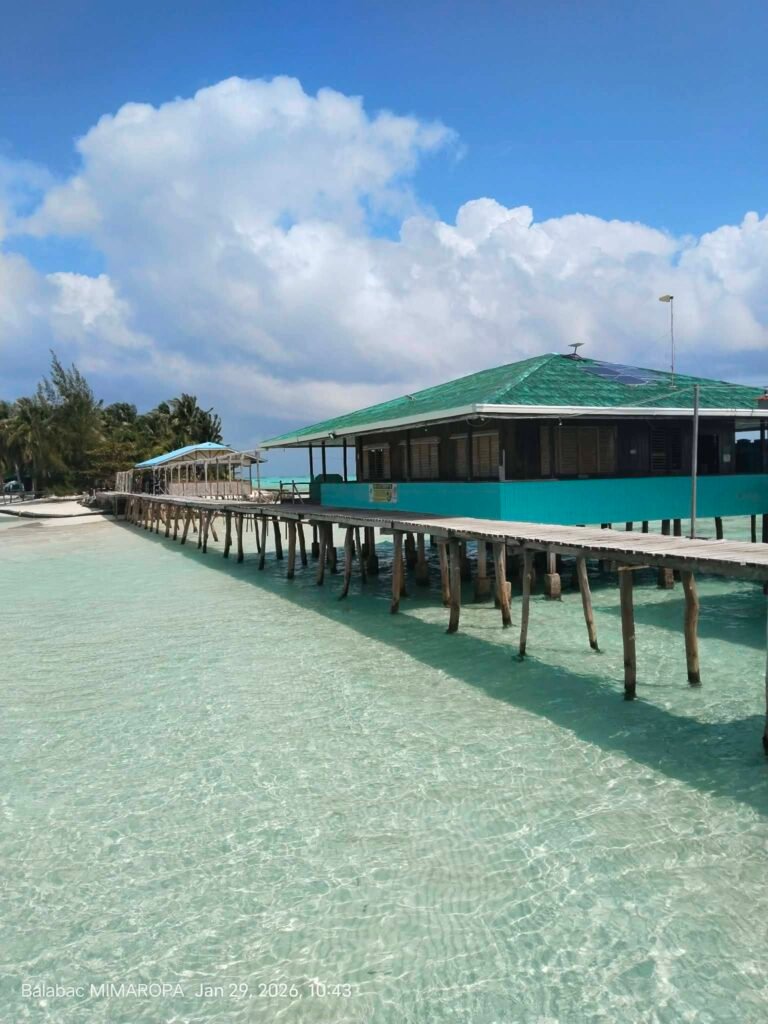
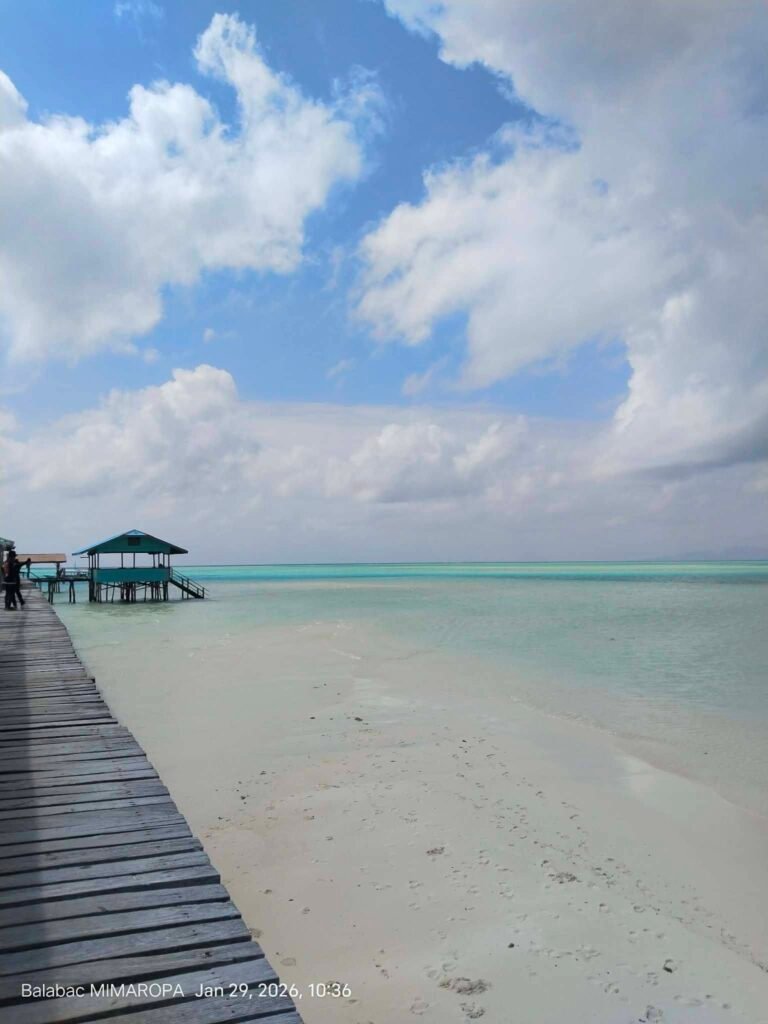
Balabac Island is known for remote Palawan island hopping, pale sandbars, shallow turquoise water, reef stops, raw beaches, and off-grid camping-style travel. It is not a single-beach destination where you arrive, check into a resort, and walk to restaurants. The real Balabac experience is moving between islands, sandbars, and camps by boat while adjusting to tide, weather, and local access rules.
The most searched highlights are Onuk Island, Onok Island, Candaraman Island, Punta Sebaring, Mansalangan Sandbar, Starfish Sandbar, Patawan Island, Sicsican Island, and Tangkahan Island. Many travelers visit because Balabac still feels more raw than mainstream Palawan destinations. Instead of limestone cliffs and busy tour towns, the attraction here is open sea, long shallow flats, quiet camps, and sandbars that look best when sun and tide cooperate.
Where Is Balabac Island Located?
Balabac Island is located in Southern Palawan, Philippines. For travelers, the practical route is usually:
Manila or other city → Puerto Princesa → Buliluyan Port in Bataraza → Balabac island-hopping area
Balabac is far south of Puerto Princesa, and that distance affects everything: travel time, cost, comfort, safety, itinerary length, and whether DIY makes sense. From Puerto Princesa, travelers need a long early-morning land transfer toward Bataraza before reaching the current accredited tour jump-off at Buliluyan Port.
What Is the Balabac Island Experience Actually Like?
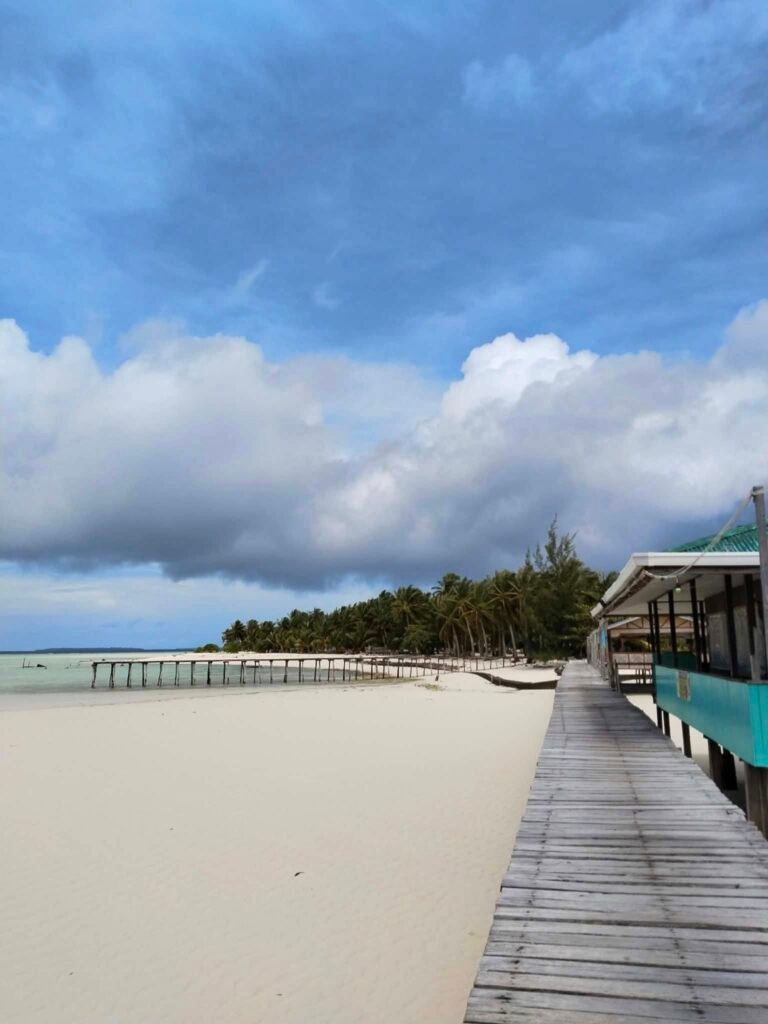
Balabac feels like a remote island expedition more than a casual vacation. The beauty is real, but so is the effort. A first-timer should expect a long travel day, a strict port process, basic accommodation, simple meals, limited utilities, and island-hopping routes that can change depending on weather and tide.
The Long Transfer from Puerto Princesa to Southern Palawan
The Balabac trip usually starts before sunrise. In May 2026, accredited tour vans from Puerto Princesa were leaving between 2:00 AM and 4:00 AM, with 3:00 AM as the industry standard. This early timing matters because travelers need to reach Buliluyan Port, complete registration, settle requirements, and catch the day’s boat dispatch.
The road transfer is tiring because it happens while most travelers are still half-asleep. If you arrive in Puerto Princesa late the night before, you will feel it. That is why I recommend arriving in Puerto Princesa one day early, buying last-minute supplies, charging your devices, withdrawing cash, and sleeping near your pickup point.
For first-timers, this is the first reality check: Balabac is not an easy “after breakfast” island-hopping tour. The land transfer is part of the destination.
The Jump-Off and Boat Transfer Experience
As of my May 2026 verification, the current accredited tour jump-off is Buliluyan Port, located at the edge of Bataraza municipality. The port process starts with queuing around 8:00 AM to 9:00 AM, followed by passenger manifest endorsement, fee settlement, ID logging, and maritime dispatch to the assigned tour boat.
One important detail: Buliluyan Port is a total telecommunications dead zone. Do not expect to message your operator, call your groupmates, load mobile data, or check maps once you are there. Everything should be coordinated before leaving Puerto Princesa.
Passenger boats are different from accredited tour boats. Public passenger boats operate out of Rio Tuba, not Buliluyan. The Rio Tuba passenger boat to Balabac Poblacion is fluid and demand-driven, with one departure between around 9:00 AM and 12:00 NN, and return from Balabac Poblacion around 6:00 AM. Fare is around ₱450 to ₱500 per person per way.
For accredited tours, primary transit now relies mostly on high-horsepower fiberglass speedboats. Traditional wooden outriggers are now more commonly used for shallow reef snorkeling rather than the main transfer.
Island-Hopping Around Balabac
Balabac island hopping is slow, scenic, and weather-dependent. Do not expect to control every stop like a city itinerary. The route depends on sea condition, tide, private island rules, fee settlement, PCG clearance, and operator judgment.
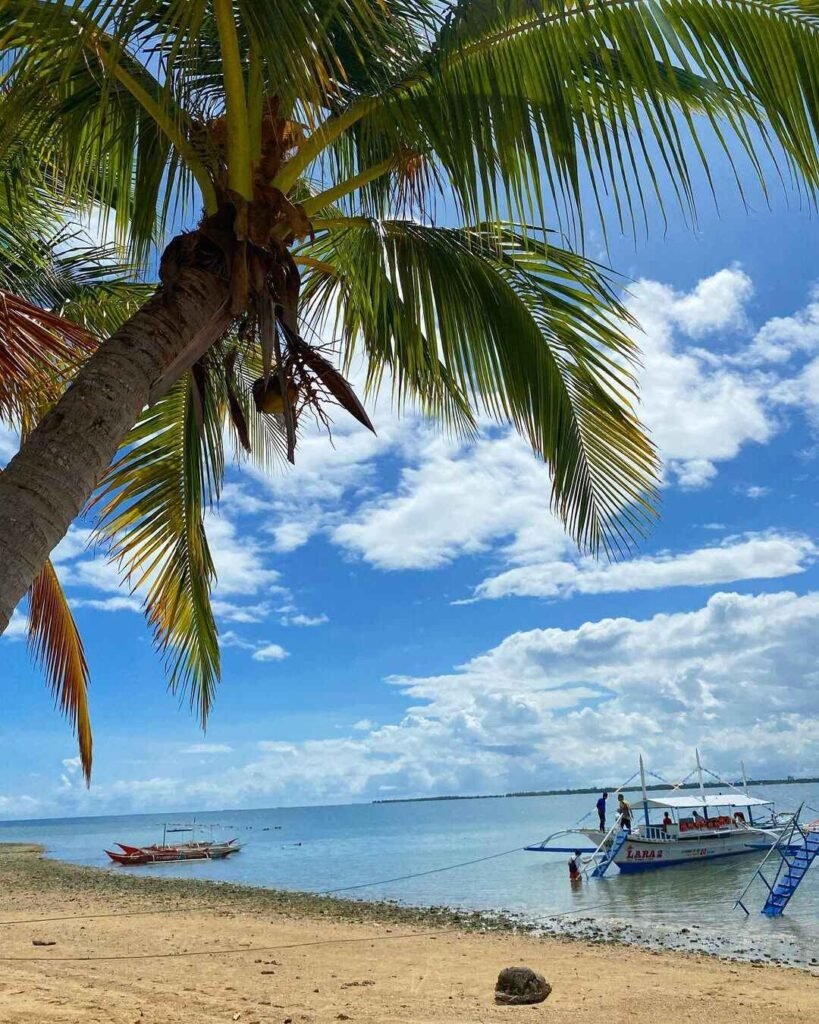
On a good day, the rhythm is beautiful: boat rides across open water, sudden sandbars appearing in the distance, shallow turquoise areas glowing under the sun, and quiet islands where the scenery feels wider and more open than crowded Palawan beach towns. But if the weather changes, routes can be adjusted or stops can be skipped.
This is why a 4D3N Balabac itinerary is better than a rushed 3D2N plan. More days give you more room for island-hopping changes and better tide timing.
Sandbars, Shallow Water, and Beach Scenery
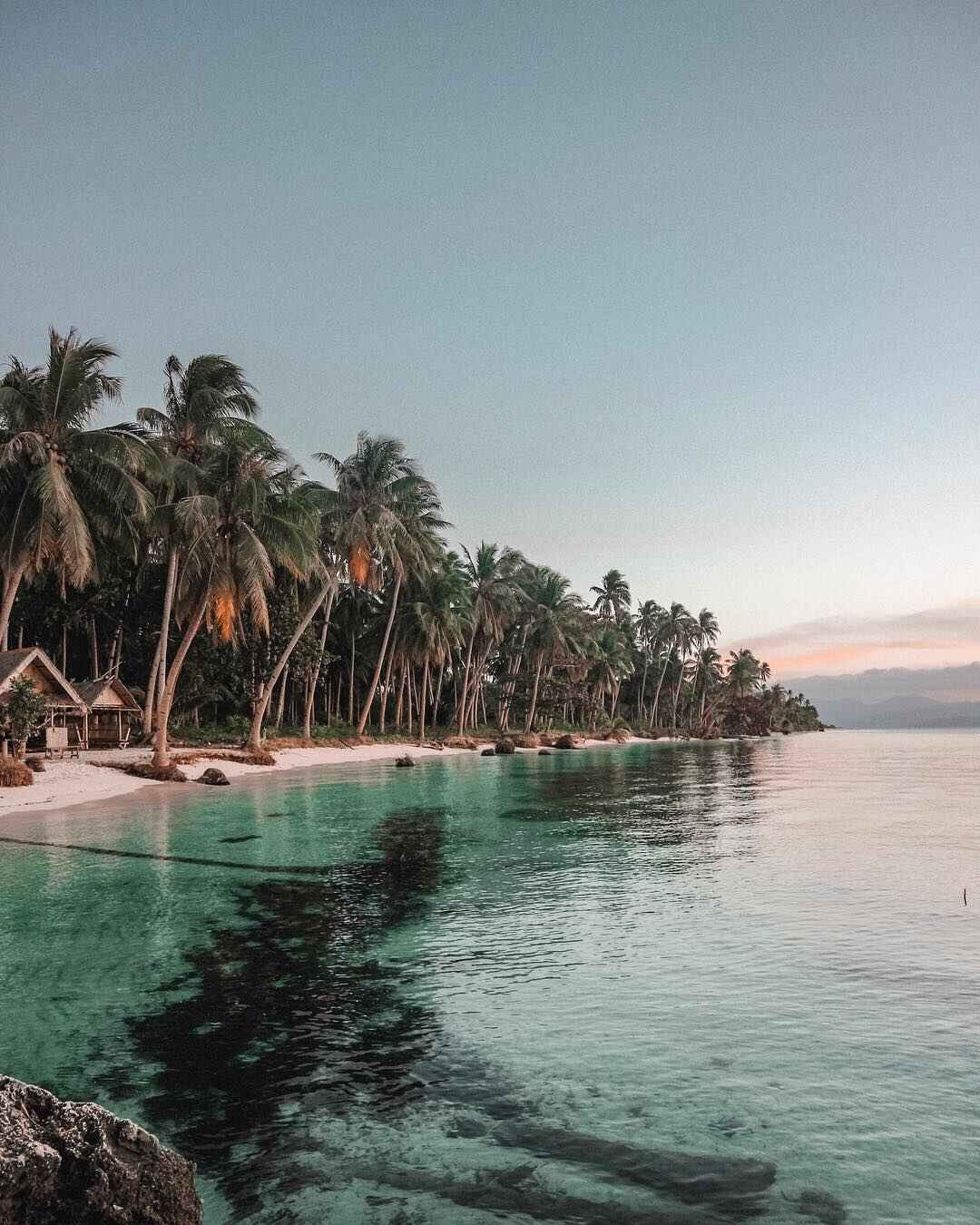
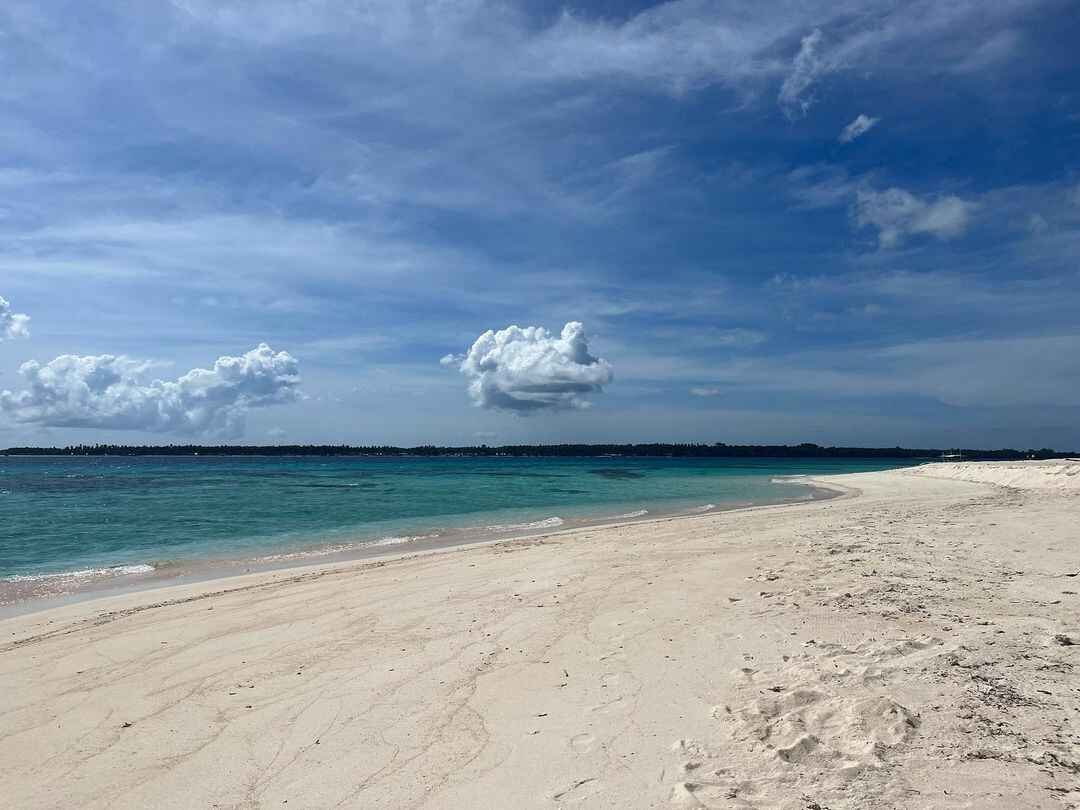
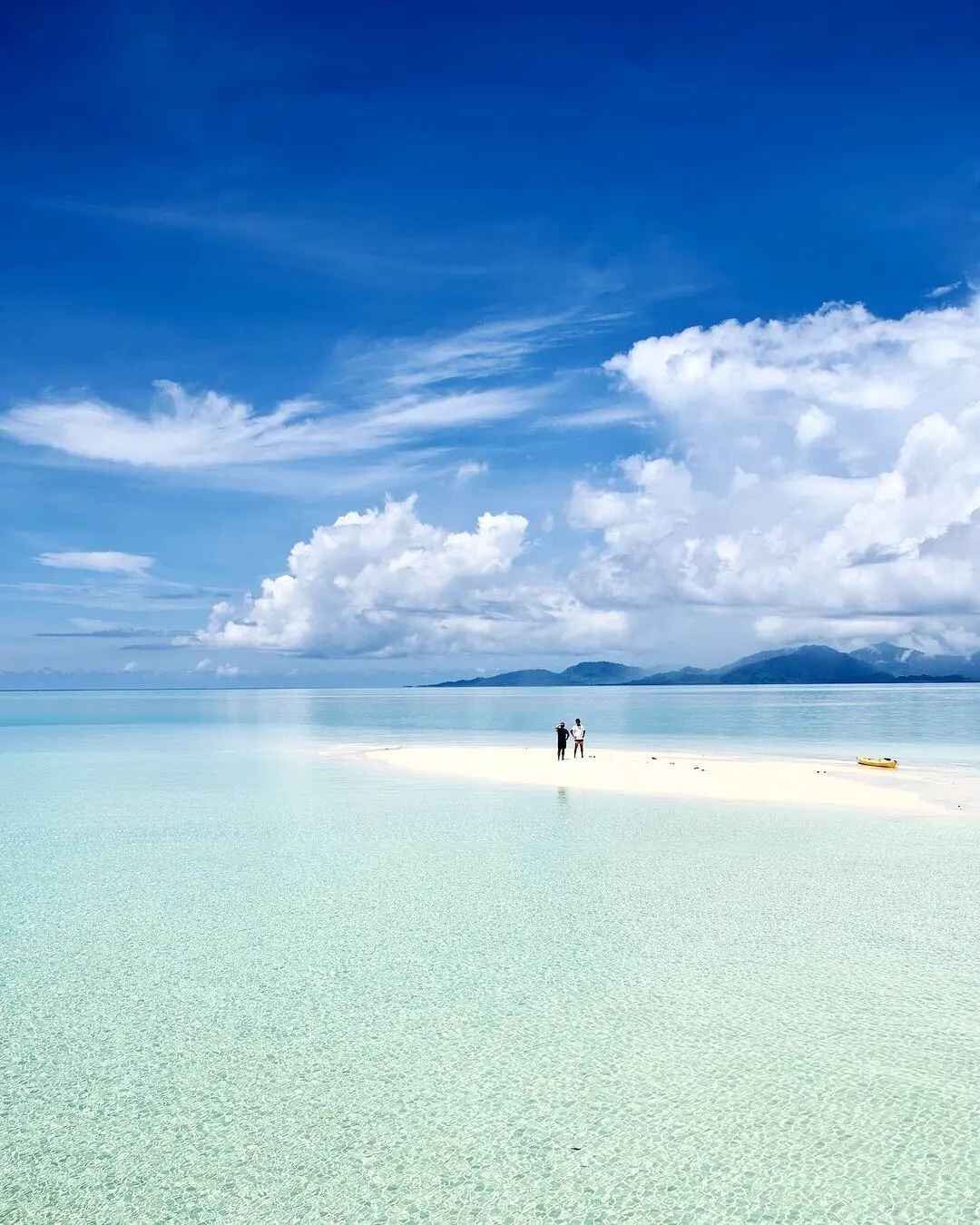
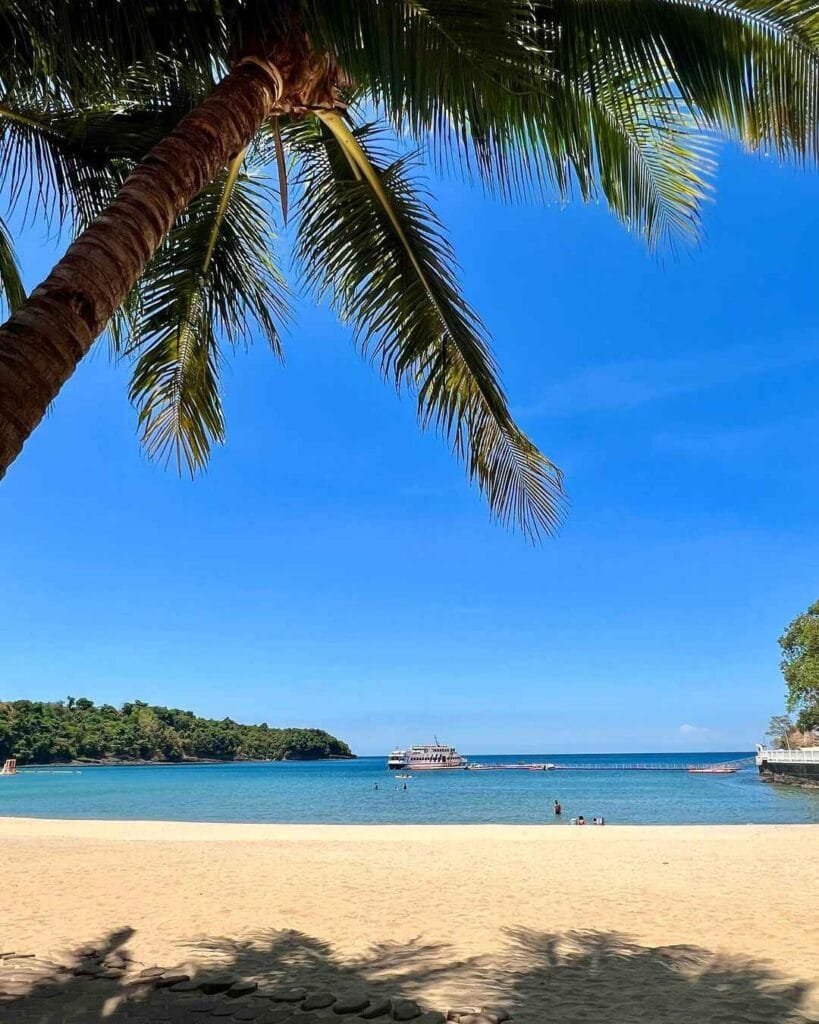
Balabac’s sandbars are one of its biggest strengths. Mansalangan Sandbar, Starfish Sandbar, Punta Sebaring, and the shallow areas around Onuk/Onok and Candaraman are the kind of places that look best when low tide, clear sky, and calm water meet.
But the scenery is not fixed. Sandbars change with tide. Water color changes with sun and cloud cover. Snorkeling visibility changes with wind, current, and sea condition. If you visit expecting every stop to look exactly like social media photos, you may feel disappointed. If you visit with the right conditions and realistic expectations, the scenery can be spectacular.
Accommodation, Food, and Basic Island Living
The standard tour accommodation in Balabac is now heavy-duty glamping tents. Upgraded nipa huts or kubos are very limited, first-pay-first-served, and can be fully booked months ahead. DIY accommodations exist in some areas, but they are basic: Sicsican A-houses around ₱500/head, basic rooms around ₱200/head, tent space around ₱200, Candaraman basic lodging around ₱600/night good for 3 pax, and Punta Sebaring simple kubo around ₱250 good for 3 pax.
Food on tours is usually full-board, with seafood, meat, vegetables, unlimited rice, water, and fruit. Strict vegan, vegetarian, and allergy-specific requests can be difficult because supplies depend heavily on the local daily catch and what is available before the trip.
Power is limited. The generator window is usually 6:00 PM to 10:00 PM, then camps shift to low-wattage solar. Charging is done through shared high-voltage outlets and extension cords during generator hours only. Mobile signal is essentially zero across the islands, marine channels, and Buliluyan Port. Select premium camps, such as Camp Andong, may offer complimentary Starlink Wi-Fi in the evening only.
What May Disappoint First-Time Visitors
Balabac may disappoint travelers who expect El Nido or Coron-style convenience. The most common disappointment points are:
- long travel time,
- expensive private logistics,
- early pickup,
- port queuing,
- basic toilets and showers,
- no en-suite plumbing,
- no mobile signal,
- limited power,
- no ATM or cards,
- sand flies,
- route changes,
- strict safety rules,
- no Onuk/Onok overnight stay,
- no nightlife,
- no luxury resort atmosphere.
This does not make Balabac bad. It simply means Balabac is for the right traveler.
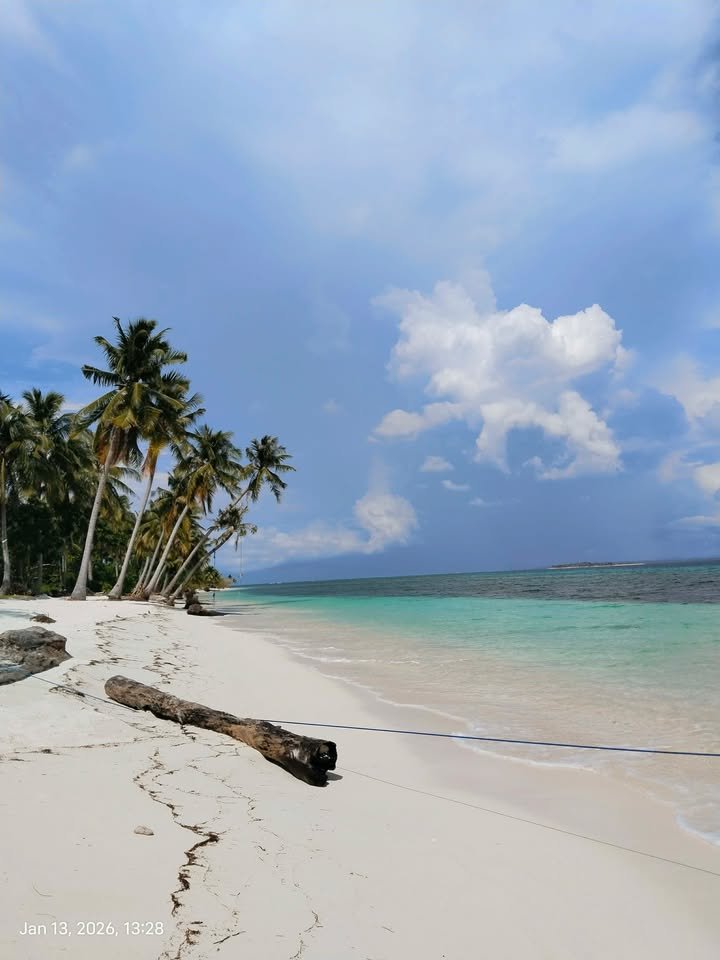
Is Balabac Safe for Tourists?
Balabac can be safe for tourists when you travel with legitimate local operators, follow approved routes, respect weather advisories, and avoid restricted areas. The main risks are not ordinary city-crime concerns; they are remote-island risks: sea condition, weather, limited emergency access, crocodile-prone mainland/mangrove areas, sand flies, night-swimming restrictions, and total signal blackout.
PCG and PAGASA control maritime safety in practice. If there is a gale warning, low-pressure area, or unsafe sea condition, tours can be suspended even when the sky looks fine from the camp. PAGASA’s gale-warning products specifically warn that sea travel can be risky for small sea craft and that mariners may need to remain in port or seek safe harbor depending on conditions.
Balabac Island Crocodile Safety
The Balabac Island crocodile topic should be handled seriously but not sensationalized. Indo-Pacific saltwater crocodiles are present near mainland, mangrove, and marsh areas. In my May 2026 notes, mainland Balabac poblacion/marshes, Melville Lighthouse, and Timbayan Rock Formation were treated as high-risk zones and avoided.
A 2026 PIA report also confirmed that a 10-foot-9-inch “problem” crocodile captured in Barangay Sebaring, Balabac had a recorded attack case and was brought to the Palawan Wildlife Rescue and Conservation Center.
For tourists, the rule is simple: do not swim anywhere your guide or boatman has not cleared. Do not swim at night. Do not wander into mangrove or mainland marsh areas. Follow the operator’s route.
Other Safety Notes
- Night swimming is universally prohibited.
- Use life vests during boat transfers.
- Bring motion-sickness medicine if you are prone to seasickness.
- Protect yourself from nik-nik or sand flies, especially in Punta Sebaring.
- Bring Picaridin, rash guard, and light long sleeves.
- Avoid colorum operators.
- Keep a buffer before your return flight.
- Do not insist on sailing during red-flag conditions.
Best Time to Visit Balabac Island
The best time to visit Balabac Island is generally during the dry season, especially December to May, with March to May often giving the best chance for clearer sandbar photos, sunny island-hopping days, and better water color.
That said, Balabac is still controlled by real-time sea condition. Even during the dry season, PCG and PAGASA advisories matter. During the rainy season from around June to November, expect a higher chance of rain, low-pressure areas, rougher seas, and itinerary disruption.
| If you want… | Best strategy | Honest note |
|---|---|---|
| Sandbar photos | Visit during sunny dry-season days and check tide timing | Sandbars look different depending on tide |
| Island hopping | Choose 4D3N instead of rushing 3D2N | Routes can change due to sea condition |
| Calmer boat rides | Avoid bad-weather months and check PAGASA/PCG updates | No month guarantees calm water |
| Budget group tour | Join a fixed 4D3N joiner date | Minimum 6 pax may apply |
| Private tour | Go with 5–10 pax for better per-head cost | Small groups pay more |
| Couple trip | Consider joiner or private if budget allows | Private gives better comfort |
| Barkada trip | Private group tour is ideal | Easier cost-sharing |
| Photography trip | Stay longer if possible | Sun, tide, and weather control the shots |
| Family trip | Choose private tour and older kids only | Not ideal for infants or seniors |
| Fewer crowds | Avoid peak holiday dates | Weather still matters more than crowding |

How to Go to Balabac Island from Puerto Princesa
The most practical way to get from Puerto Princesa to Balabac Island is through an accredited tour van to Buliluyan Port, then a coordinated boat transfer to the Balabac island-hopping route.
Puerto Princesa to Buliluyan by Tour Van
Accredited tour vans usually leave Puerto Princesa between 2:00 AM and 4:00 AM, with 3:00 AM as the standard. The shared tour van is commonly bundled into the overall Balabac tour package.
You should be ready the night before:
- withdraw cash,
- buy snacks,
- charge power banks,
- pack dry bags,
- download booking details,
- sleep early,
- confirm pickup time,
- confirm operator accreditation.
Private Transfer Option
Private transfer is useful for families, private groups, photographers, and travelers who want more control.
| Private Transfer | May 2026 Rate |
|---|---|
| 1–5 pax | ₱9,750 per vehicle, per way |
| 6–10 pax | ₱9,900–₱11,300 per vehicle, per way |
Private transfer is more comfortable, but it adds cost. For groups of 5 to 10, it can make sense because the cost is shared.
Public Transport Option
Public transport is possible but less convenient. The public Cherry Bus from Puerto Princesa departs in the afternoon, around 1:00 PM to 4:00 PM, and costs around US$12 / ₱850 per seat. This route requires an overnight stay before boat transit, so it is not ideal if you want a smooth tour start.
Independent shared minivans cost around ₱900 to ₱1,150 per seat, but schedules and availability should be verified before travel.
What to Verify Before Leaving Puerto Princesa
Before you leave Puerto Princesa, confirm:
- pickup time,
- driver/coordinator contact,
- operator accreditation,
- whether Buliluyan is still the jump-off,
- PCG clearance,
- PAGASA weather update,
- package inclusions,
- island access rules,
- Onuk/Onok status,
- generator/charging setup,
- food restrictions,
- return timing.
Jump-Off Point, Boat Ride, and Return Trip Tips
The current accredited tour jump-off for Balabac is Buliluyan Port, located at the edge of Bataraza. This is different from the public passenger boat route, which operates from Rio Tuba to Balabac Poblacion.
Buliluyan Port Process
- Arrive and queue around 8:00 AM to 9:00 AM.
- Coordinator endorses passenger manifest.
- Fees and ID details are logged.
- Travelers wait for maritime dispatch.
- Assigned tour boat begins the route.
Practical Boat Tips
- Use a dry bag for clothes, gadgets, and documents.
- Keep your phone protected even if there is no signal.
- Wear a rash guard for sun and sand flies.
- Keep motion-sickness medicine accessible.
- Do not overpack because boat loading is limited.
- Listen to boatmen about swimming areas.
- Do not demand a stop if conditions are unsafe.
- Keep your return flight flexible.
If sea travel is suspended, expect rescheduling or itinerary adjustment. This is why Balabac rewards travelers who have patience and buffer days.
DIY vs Tour Package: Which Is Better for Balabac?
For most first-timers, a Balabac tour package is better than DIY because the logistics are complicated. A good operator handles van transfers, manifest, boat dispatch, guide/crew, meals, island fees, glamping setup, life vests, and route adjustments.
| Option | Best for | Honest note |
|---|---|---|
| Joiner tour | Solo travelers, couples, small groups | Cheapest practical option, but minimum 6 pax often applies |
| Private tour | Barkadas, families, photographers | Best comfort and flexibility if budget allows |
| DIY | Experienced backpackers | Possible, but harder due to boat, permit, safety, and schedule issues |
| Semi-private | Small groups | Good balance if operator offers it |
DIY may work if you have flexible time, strong local contacts, and experience with remote Philippine island logistics. But for a first Balabac trip, I would choose an accredited tour.
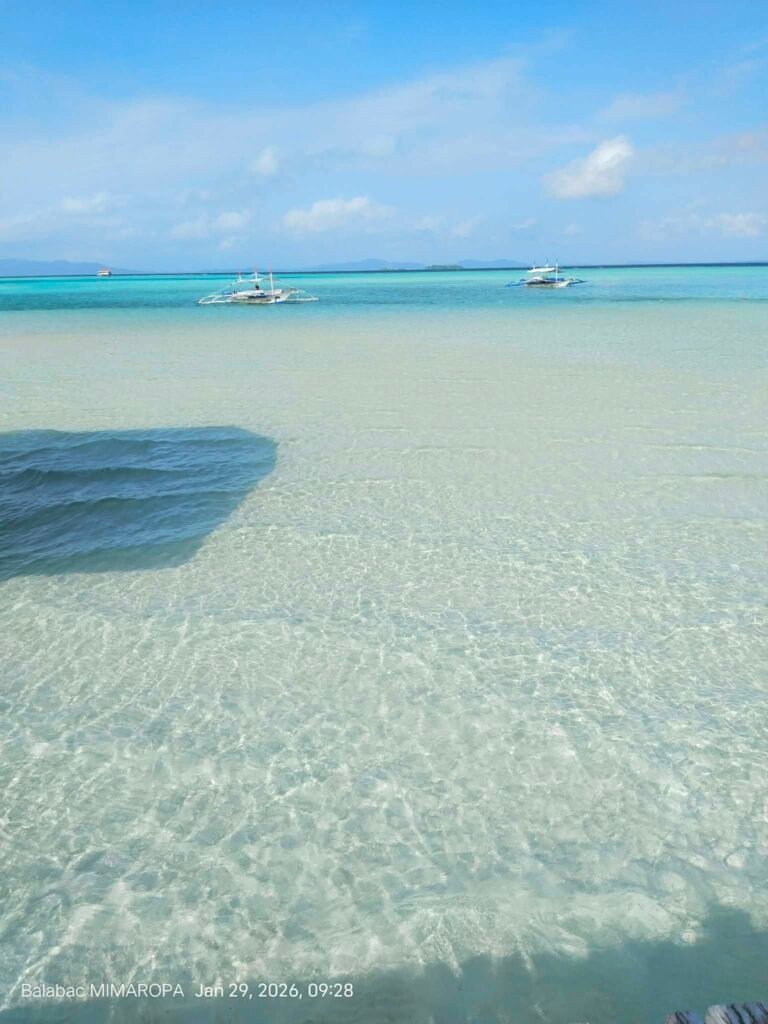
Best Islands, Beaches, and Sandbars in Balabac
Balabac island hopping is not always fixed. The route can change depending on weather, tide, PCG clearance, and private island rules. Still, these are the main highlights travelers usually ask about.
Onuk Island / Onok Island
Onuk or Onok Island is one of the most iconic stops in Balabac. It is known for premium turquoise water, white sand, shallow areas, and postcard-like scenery. As of May 2026, Onuk/Onok is a strict daytime excursion only. Boats must evacuate by 4:00 PM, and overnight stays are prohibited due to ecological collapse, lack of freshwater, and degraded sanitation.
Entrance fee is around ₱1,500/person, and access is limited to DOT-accredited operators.
Candaraman Island
Candaraman is known for beach scenery, basic lodging, and access to starfish areas. The entrance fee is around ₱100/person. DIY basic lodging was around ₱600/night good for 3 pax, but availability should still be verified before travel.
Punta Sebaring
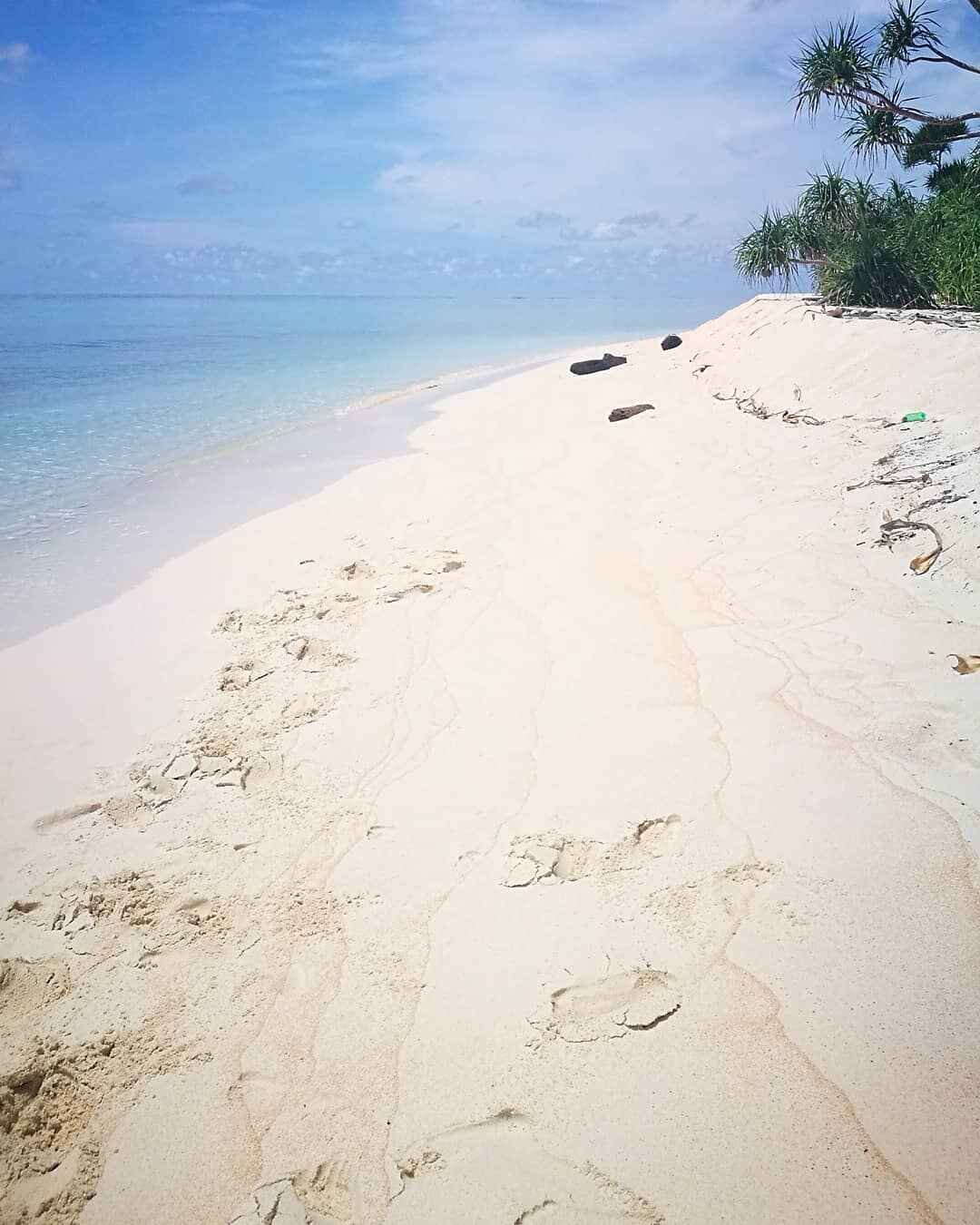
Punta Sebaring is known for its long pale beach, raw camping feel, and wide open scenery. It is one of the most photogenic Balabac stops, but it also has a real sand fly issue. Bring Picaridin and rash guards. A simple kubo was around ₱250 good for 3 pax, but conditions and access should be verified.
Mansalangan Sandbar
Mansalangan Sandbar is best for sandbar photos and shallow-water scenes. Timing matters here. Visit during the right tide window, and the sandbar can look incredible. Visit during the wrong condition, and the shape or visibility may not match expectations.
Starfish Sandbar
Starfish Sandbar is popular for shallow-water viewing and starfish sightings. The most important rule is not to touch, lift, or move starfish. Take photos respectfully and let marine life stay where it is.
Patawan Island
Patawan is a small photogenic island and swimming/photo stop. Entrance fee is around ₱100/person. It is often included in tour routes, but stops still depend on sea condition and operator planning.
Sicsican Island
Sicsican is a snorkeling or island stop with basic DIY stay options. Entrance fee is around ₱100/person. May 2026 accommodation anchors include A-houses at around ₱500/head, basic rooms around ₱200/head, and tent space around ₱200.
Tangkahan Island
Tangkahan is often used as a beach stop in some routes. Entrance fee is around ₱50/person. It is not always the biggest highlight, but it adds variety to the island-hopping route.
Canabungan / Canibungan
Canabungan, also spelled Canibungan in some tour references, appears in several Balabac route lists. Treat spelling and access as something to verify with your operator.
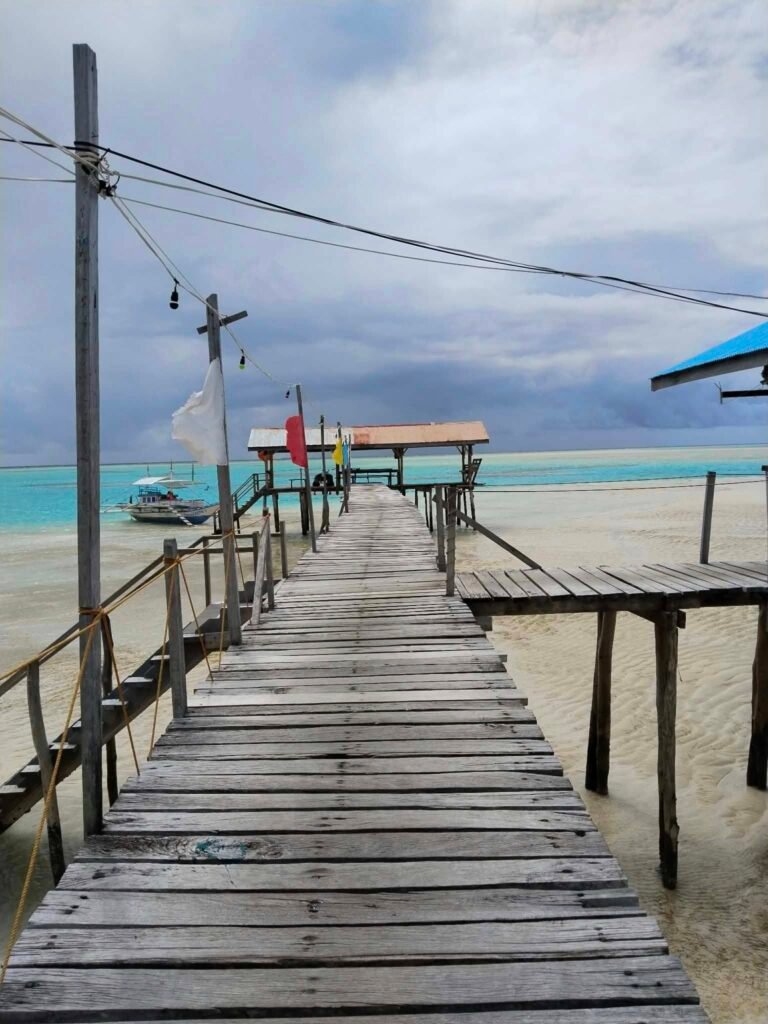
Fees, Budget, and Expected Expenses
Balabac is not the cheapest Palawan trip, especially if you go private or as a small group. The cost is higher because of the long land transfer, remote boat logistics, island fees, food transport, campsite setup, and operator coordination.
| Expense | Estimated Cost | Notes |
|---|---|---|
| Public bus from Puerto Princesa | Around US$12 / ₱850 | Requires overnight before boat transit |
| Independent shared minivan | ₱900–₱1,150/seat | Verify schedule |
| Private transfer, 1–5 pax | ₱9,750/vehicle/way | Puerto Princesa to Buliluyan |
| Private transfer, 6–10 pax | ₱9,900–₱11,300/vehicle/way | Better for groups |
| Rio Tuba passenger boat | ₱450–₱500/person/way | To Balabac Poblacion |
| Small wooden DIY charter | ₱5,000–₱6,000/day | Boat and crew only |
| Informal boat sharing | ₱1,500–₱2,000/head | Minimum 6 pax |
| 4D3N joiner tour | ₱12,899–₱17,850/person | Many 2026 rates add ₱1,000 fuel surcharge |
| 4D3N private, 4 pax | Around ₱18,000/person | Higher per head |
| 4D3N private, 5–10 pax | Around ₱16,000/person | Better cost-sharing |
| Onuk / Onok entrance | ₱1,500/person | Daytime only |
| Candaraman / Patawan / Sicsican | ₱100/person | Per island |
| Tangkahan | ₱50/person | Per person |
The Wanderwalkers’ public 2026 private tour page also shows a 3:00 AM Puerto Princesa pickup and Buliluyan passenger boat timing, while its group-tour page describes fixed 4D3N joiner tours for solo, couple, and small-group travelers.
For most first-timers, a 4D3N joiner tour is the cleanest budget option because it already bundles transfers, boat, meals, guide, life vests, entrance/environmental fees, and accommodation. Private tours become more reasonable when you have 5 to 10 people.
Where to Stay in Balabac Island
Most Balabac travelers stay in basic homestays, guesthouses, camps, glamping tents, or tour-arranged accommodations, not large luxury resorts.
The standard 2026 setup for organized tours is heavy-duty glamping tents. These are more comfortable than ordinary camping tents, but they are still part of a basic island setup. Do not expect en-suite toilets, strong water pressure, air-conditioning, or hotel-style service.
Accommodation Options
| Stay Type | Best for | Honest note |
|---|---|---|
| Glamping tent | Most joiner/private tour guests | Standard baseline |
| Nipa hut / kubo | Couples or small groups wanting upgrade | Limited and often fully booked |
| Sicsican A-house | DIY travelers | Around ₱500/head |
| Sicsican basic room | Budget DIY travelers | Around ₱200/head |
| Candaraman basic lodging | Small groups | Around ₱600/night for 3 pax |
| Punta Sebaring simple kubo | Very basic stay | Around ₱250 for 3 pax |
Before booking, ask about toilet setup, generator hours, charging system, food inclusions, Wi-Fi, water supply, sand fly situation, and whether the camp is near approved swimming areas.

Food, Water, Power, Signal, ATM, and Basic Facilities
This section may decide whether Balabac is right for you.
Food
Tour meals are usually full-board and include seafood, meat, vegetables, unlimited rice, water, and fruit. The food is simple but filling. If you have strict vegan, vegetarian, or allergy needs, tell the operator early and manage expectations because supplies depend on the local daily catch and available market items.
Drinking Water
Tour packages usually include unlimited purified water. Still, bring your own reusable bottle and extra water for the transfer.
Toilets and Showers
Expect shared communal toilets and showers using the Filipino tabo or bucket-and-dipper system. There is no en-suite plumbing and no water pressure. This is one of the biggest comfort adjustments for travelers used to hotels.
Power and Charging
Generator power usually runs from 6:00 PM to 10:00 PM. After that, camps shift to low-wattage solar. Charge everything during the generator window: phone, camera batteries, drone batteries, power banks, and lights.
Mobile Signal and Wi-Fi
Expect total mobile blackout across the islands, marine channels, and Buliluyan Port. Select premium basecamps may have Starlink Wi-Fi in the evening, but do not depend on it for work, emergency coordination, or real-time travel planning.
ATM and Payments
Balabac is cash-only. There are no ATMs or credit card terminals on the islands. Bring small bills from Manila or Puerto Princesa.
How Many Days Do You Need in Balabac?
For most travelers, 4D3N is the best standard Balabac Island itinerary. A 3D2N trip is possible, but it feels rushed because the access chain is long and island-hopping depends on weather and tide.
| Trip Length | Best for | Honest note |
|---|---|---|
| 3D2N | Travelers with limited time | Possible but rushed |
| 4D3N | First-timers, photographers, barkadas | Best standard choice |
| 5D4N+ | Content creators, slow travelers | More buffer but more off-grid discomfort |
A 4D3N trip gives you better chances to enjoy Onuk/Onok, Punta Sebaring, Candaraman, Mansalangan Sandbar, Starfish Sandbar, Patawan, Sicsican, or Tangkahan without forcing everything into one exhausting day.
Balabac Island Sample Itinerary
This is a sample only. Exact order depends on weather, tide, PCG clearance, island access, and operator planning.
| Day / Time | Activity | Notes |
|---|---|---|
| Day 0 | Arrive in Puerto Princesa | Buy supplies, withdraw cash, overnight near pickup point |
| Day 1, 2:00–4:00 AM | Van pickup | 3:00 AM is the usual standard |
| Day 1, 8:00–9:00 AM | Buliluyan Port registration | Queue, manifest, fee settlement, ID logging |
| Day 1 late morning | Boat dispatch | Assigned tour boat / transit |
| Day 1 afternoon | First island stops | Possible Patawan, Tangkahan, or route-dependent stops |
| Day 1 night | Camp / glamping tent | Generator 6:00 PM–10:00 PM |
| Day 2 | Full island hopping | Onuk/Onok, reef stop, or operator-approved route |
| Day 3 | Sandbar-focused day | Candaraman, Starfish Sandbar, Mansalangan, Punta Sebaring depending conditions |
| Day 4 | Return transfer | Boat back, land transfer to Puerto Princesa |
| Day 4 late afternoon | Puerto Princesa arrival | Avoid tight same-day flights |
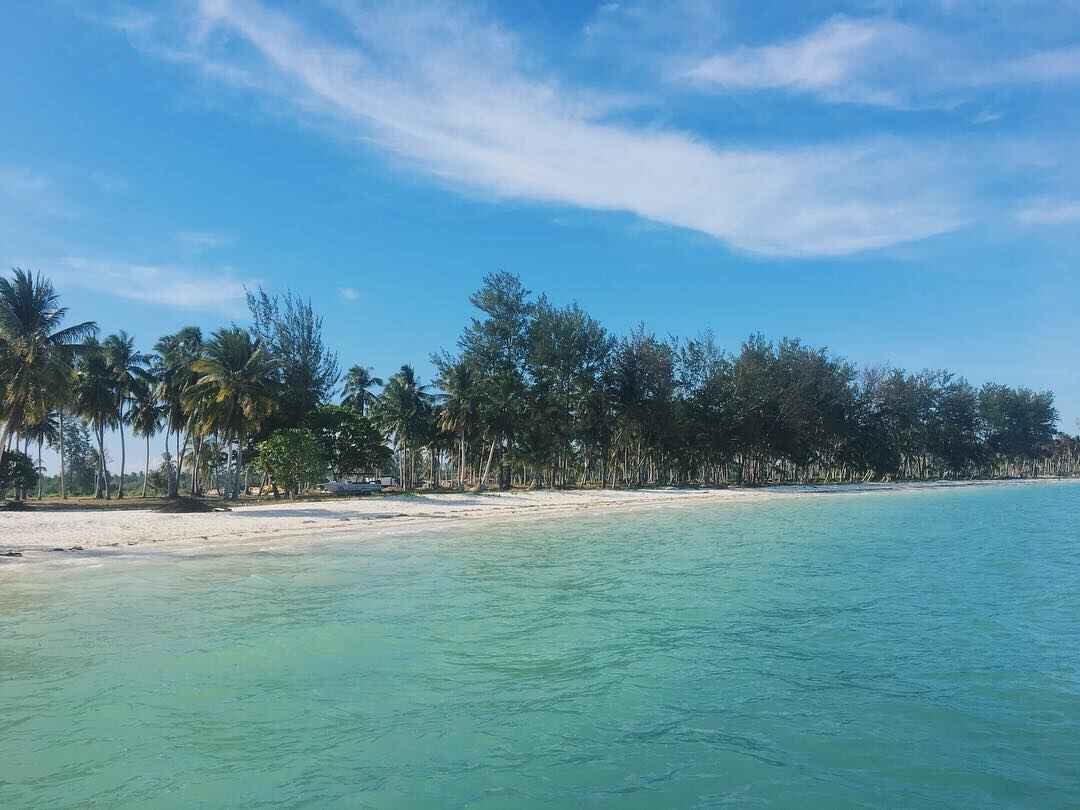
Who Is Balabac Island Best For?
Balabac is best for travelers who value scenery over comfort.
| Traveler Type | Fit |
|---|---|
| Photographers | Excellent |
| Barkadas | Excellent |
| Backpackers | Good |
| Couples | Good, especially private tour |
| Solo travelers | Good with joiner tour |
| Families with older kids | Possible with private tour |
| Seniors | Usually not ideal |
| Infants / toddlers | Not recommended |
| Luxury travelers | Poor fit |
Balabac is for travelers who can handle heat, early call times, basic facilities, boat rides, and no signal. If your group is easygoing and prepared, the experience can be amazing. If your group needs comfort, strong Wi-Fi, private bathrooms, and fixed schedules, choose a more developed Palawan destination.
What to Wear and Bring to Balabac
Pack for an off-grid island-hopping trip.
Must-Bring Items
- cash in small bills,
- valid ID,
- dry bag,
- waterproof phone pouch,
- power bank,
- extra batteries,
- headlamp or flashlight,
- rash guard,
- swimwear,
- aqua shoes,
- beach sandals,
- light jacket,
- towel,
- toiletries,
- sunblock,
- hat,
- sunglasses,
- Picaridin insect repellent,
- personal medicine,
- motion-sickness medicine,
- small first-aid kit,
- snacks,
- reusable water bottle,
- trash bag,
- downloaded booking details,
- emergency contacts.
A rash guard is not just for sun protection. It also helps with sand flies in areas like Punta Sebaring. Aqua shoes are useful for boat landings and shallow reef areas. A dry bag is essential because boat transfers can get wet.
Mistakes to Avoid When Visiting Balabac
Do not make these first-timer mistakes:
- treating Balabac like a quick Puerto Princesa side trip,
- booking a tight return flight,
- bringing too little cash,
- assuming there is mobile signal,
- expecting hotel-style toilets,
- ignoring sand fly protection,
- booking colorum operators,
- assuming every island stop is guaranteed,
- expecting Onuk/Onok overnight stays,
- forgetting motion-sickness medicine,
- not using a dry bag,
- overpacking for boat transfers,
- ignoring PAGASA and PCG advisories,
- expecting El Nido or Coron convenience.
The biggest mistake is expecting Balabac to be easy. It is beautiful because it is remote, and it is difficult for the same reason.
Final Verdict: Is Balabac Island Still Worth It?
Balabac Island is still worth visiting in 2026, but only for the right kind of traveler. Go if you want remote island hopping, white sandbars, raw beaches, turquoise water, and an off-grid Palawan adventure. Skip it if you want polished resorts, nightlife, reliable Wi-Fi, easy transfers, and fixed schedules.
For first-timers, I recommend a 4D3N accredited tour instead of pure DIY. The logistics are too sensitive: early Puerto Princesa pickup, Buliluyan Port registration, boat dispatch, island fees, weather decisions, safety zones, food, water, tents, and return timing. A good operator makes the trip smoother and safer.
Balabac is not the easiest Palawan destination, but that is exactly why it feels different. If you prepare properly, bring cash, protect your gadgets, manage expectations, and respect safety rules, Balabac can become one of the most memorable island-hopping trips in the Philippines.
Frequently Asked Questions About Balabac Island
Is Balabac Island worth visiting?
Yes, Balabac Island is worth visiting if you want remote island hopping, sandbars, turquoise water, and a raw Southern Palawan experience. It is not ideal for travelers expecting luxury resorts, strong mobile signal, easy transfers, or hotel-style comfort.
Where is Balabac Island located?
Balabac Island is located in Southern Palawan, Philippines. For tourists, the usual access route is through Puerto Princesa, then a long land transfer to Buliluyan Port in Bataraza, followed by boat transit to the island-hopping area.
How do you get to Balabac Island from Puerto Princesa?
From Puerto Princesa, accredited tour vans usually leave between 2:00 AM and 4:00 AM, with 3:00 AM as the standard. Travelers go to Buliluyan Port, complete registration, and board the assigned tour boat after manifest processing.
How do you get to Balabac Island from Manila?
From Manila, fly to Puerto Princesa first. Stay overnight in Puerto Princesa, then join the early morning van transfer to Buliluyan Port. From there, accredited operators coordinate registration, boat dispatch, island fees, meals, and accommodation.
Is Balabac DIY-friendly?
Balabac is possible for experienced DIY travelers, but it is not very first-timer friendly. Public passenger boats operate from Rio Tuba on fluid schedules, while boat sharing and island access require local coordination. For most travelers, an accredited tour is easier.
How much is the budget for Balabac Island?
A 4D3N Balabac joiner tour usually ranges around ₱12,899 to ₱17,850/person, with many 2026 rates adding a ₱1,000 fuel surcharge. Private 4D3N tours can be around ₱18,000/person for 4 pax or ₱16,000/person for 5–10 pax.
How many days do you need in Balabac?
You need at least 3D2N, but 4D3N is the better standard itinerary for Balabac Island. The longer plan gives more time for the Puerto Princesa transfer, port process, island hopping, weather changes, and sandbar timing.
What are the best islands in Balabac?
The best-known Balabac stops include Onuk/Onok Island, Punta Sebaring, Candaraman Island, Mansalangan Sandbar, Starfish Sandbar, Patawan Island, Sicsican Island, and Tangkahan Island. Exact stops depend on tide, weather, PCG clearance, and island access rules.
Is Balabac Island safe for tourists?
Balabac can be safe for tourists who use legitimate operators, follow approved routes, and respect weather and wildlife advisories. Avoid restricted mainland and mangrove areas, do not swim at night, and always follow the guide or boat crew.
What is the best time to visit Balabac Island?
The best time to visit Balabac Island is usually December to May, especially March to May for sunnier sandbar photos. Still, weather and sea conditions must be checked before travel because PAGASA and PCG advisories can affect boat movement.
Where can you stay in Balabac Island?
Most travelers stay in glamping tents, basic camps, homestays, guesthouses, or simple kubos. Large luxury resorts are not the main accommodation style in Balabac. Expect shared toilets, limited power, and basic island living.
Is there electricity and signal in Balabac?
Electricity is limited. Generator power usually runs from 6:00 PM to 10:00 PM, then shifts to low-wattage solar. Mobile signal is essentially zero across the islands, marine channels, and even Buliluyan Port. Some premium camps may have evening Starlink Wi-Fi.
Is Balabac family-friendly?
Balabac can work for adventurous families with older children, especially on a private tour. It is not ideal for infants, seniors with mobility issues, or travelers who need comfortable toilets, stable electricity, reliable internet, and easy medical access.
What should I bring to Balabac?
Bring cash, valid ID, dry bag, waterproof pouch, power bank, rash guard, aqua shoes, sunblock, hat, Picaridin insect repellent, motion-sickness medicine, personal medicine, flashlight, snacks, reusable bottle, and downloaded travel details.
Is Balabac better than El Nido or Coron?
Balabac is not necessarily better than El Nido or Coron; it is different. Balabac is more remote, raw, and sandbar-focused, while El Nido and Coron are easier for hotels, restaurants, tours, transport, and first-time Palawan convenience.
Do you need a tour operator for Balabac?
A tour operator is strongly recommended for first-timers. Balabac requires early transfers, port registration, boat coordination, island access, meals, campsite setup, weather monitoring, and safety judgment. DIY is possible, but it is better for experienced travelers with flexible time.
Related Travel Guides You Can Read Next
If you are planning Balabac Island as part of a bigger Palawan or beach-hopping trip, these guides can help you compare routes, destinations, and travel styles:
- If you want more beach options closer to Manila, check this guide to the best beaches near Manila. It is useful if you want white-sand beach ideas without flying all the way to Southern Palawan.
- For travelers comparing Balabac with a more developed Palawan destination, read this list of must-visit El Nido Palawan tourist spots. El Nido is easier for hotels, restaurants, and organized island tours, while Balabac feels more remote and raw.
- If you are choosing between Coron and Balabac, this Kayangan Lake Coron Palawan guide gives you a good look at Coron’s famous limestone lake and island-hopping experience.
- Since Puerto Princesa is the main gateway to Balabac, this guide to Puerto Princesa Palawan tourist spots can help you plan a pre-tour or post-tour stay before heading to Buliluyan Port.
- For broader trip planning around the country, you can also read this roundup of the top tourist destinations in the Philippines and compare Balabac with other major beach, island, and nature destinations.



Hello, can you please send me where I can book the itinerary, activities and accommodation to go to Balabac? thank you