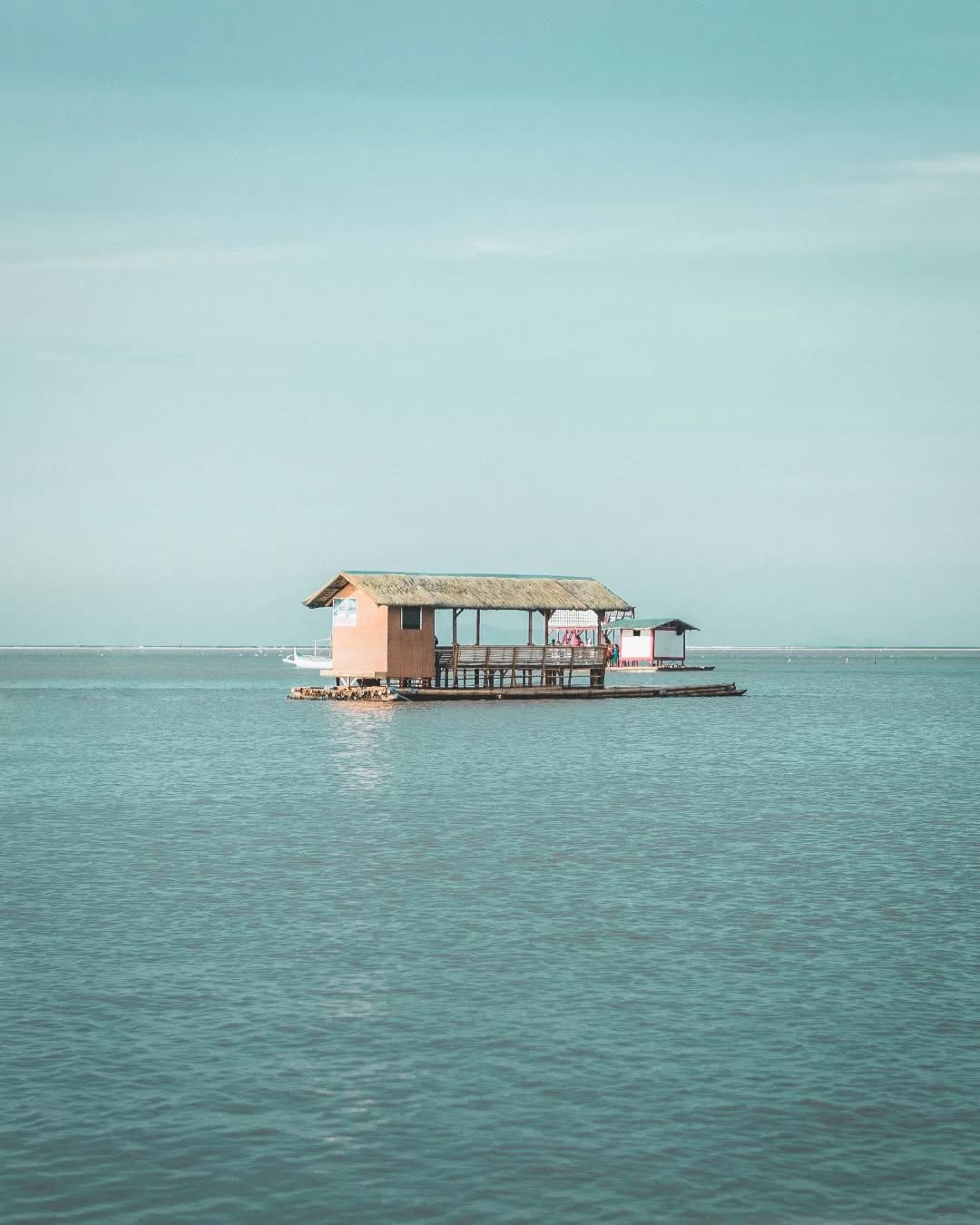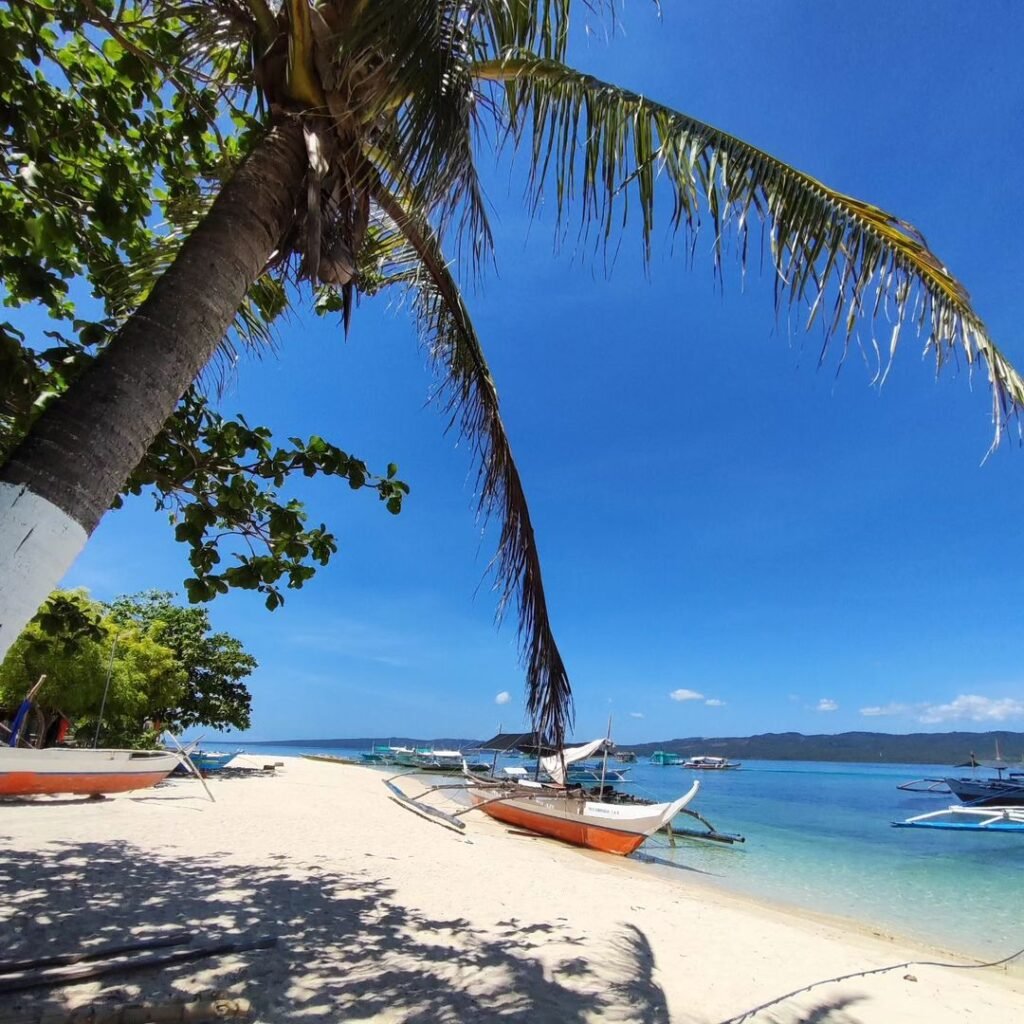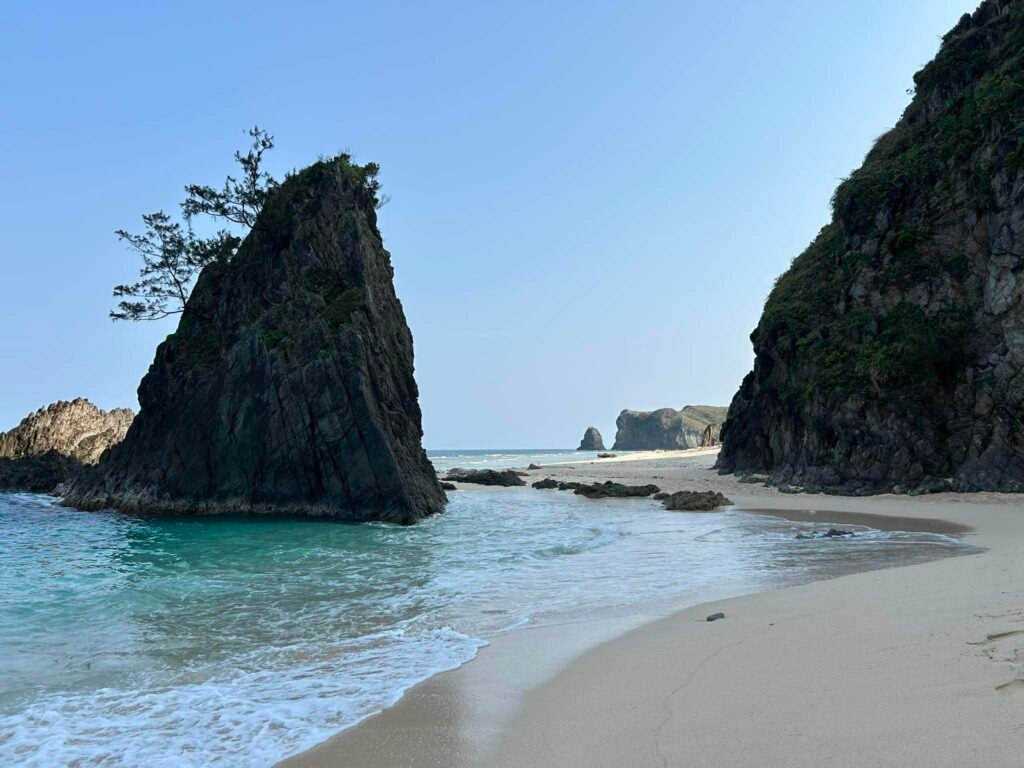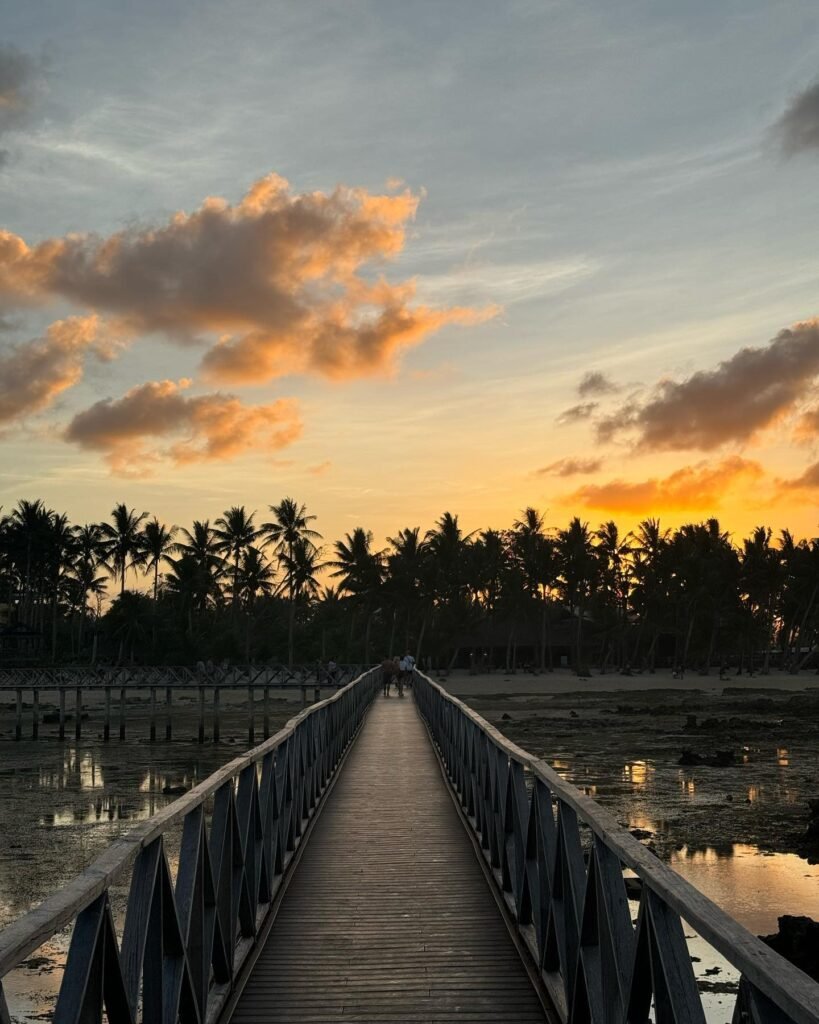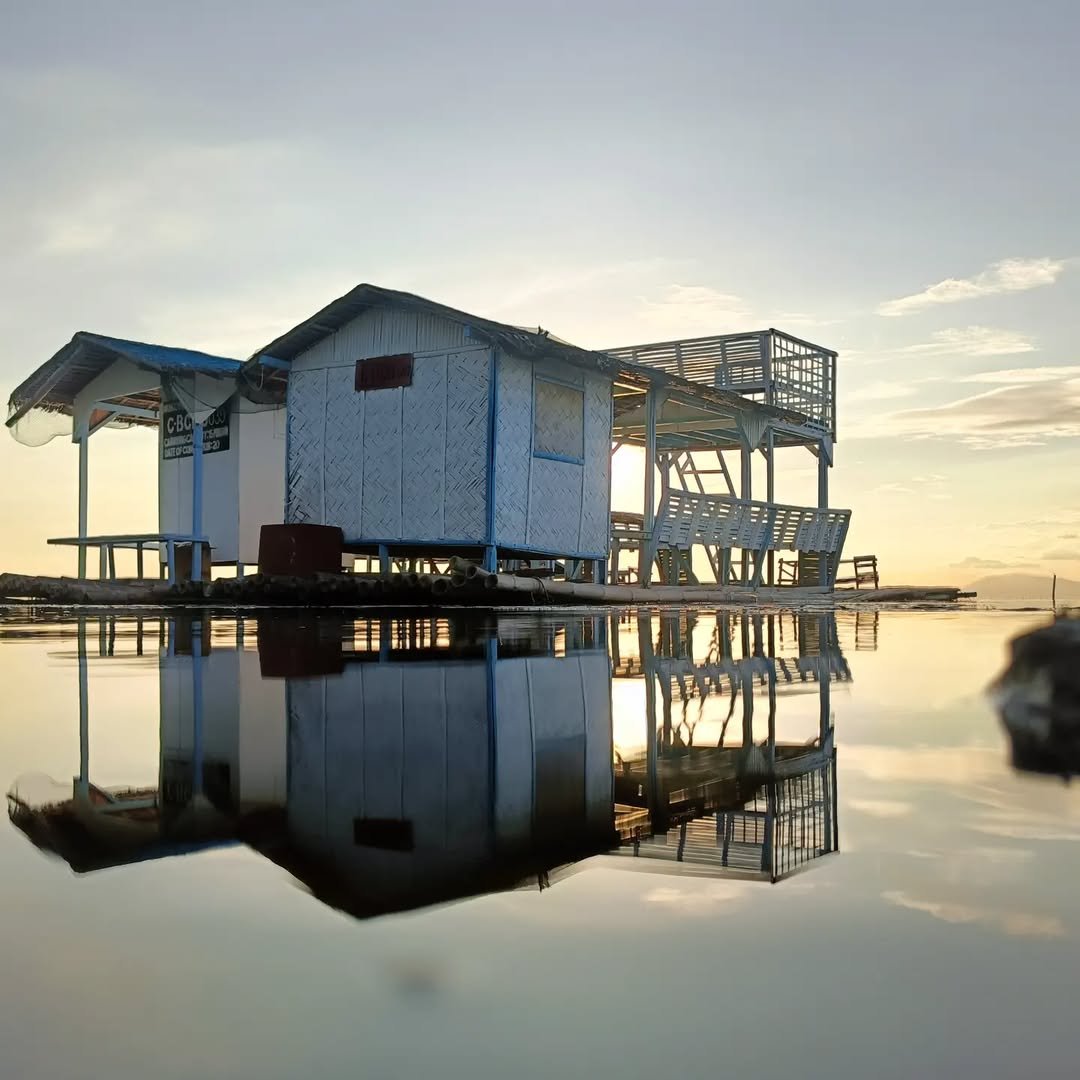
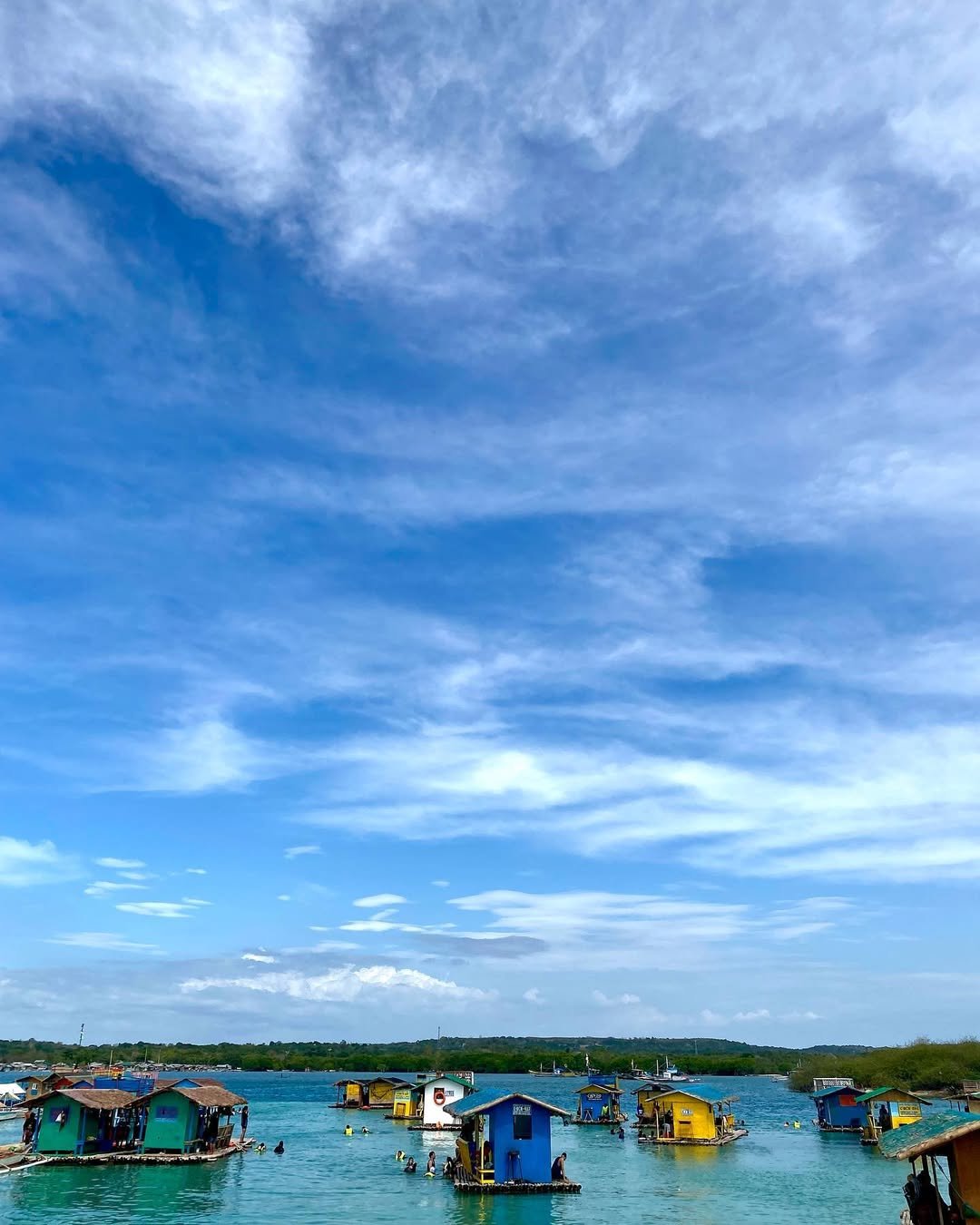
Little Boracay in Calatagan, Batangas is a tide-dependent sandbar destination. Groups rent a floating bamboo cottage and grill their own seafood over the water. You wade out onto a white sandbar that only surfaces at low tide.
On a Saturday visit in September 2026, the water was calm, the crowd was thin, and the whole day cost well under ₱1,200 per person in a group of ten.
The sandbar sits off the coast of Calatagan municipality, about 115 kilometers south of Metro Manila on the southwestern tip of Batangas province. It is not a separate island. It emerges from shallow coastal water during low tide.
The entire experience depends on one variable most first-timers ignore: what time low tide falls on the day you go.
- The balsa (floating cottage) rents for ₱4,000 per day at standard rate, or up to ₱8,000 during Holy Week and peak summer weekends.
- The sandbar is only visible at low tide. From November to March, low tide falls in the morning, which is the ideal window. From April onward, low tide shifts toward late afternoon.
- Bus fare from Manila runs ₱220 to ₱294 one way; travel time is 3 to 4 hours depending on traffic.
- Standard balsas are day-tour only, with operations ending by 5:30 PM. Overnight stays require a separate floating house, which is a different product entirely.
- A group of ten going DIY can cover the full day, including the balsa, fees, and food, for around ₱1,100 per person.
- Anyone who gets seasick easily or needs solid ground underfoot after a few hours should skip this one. The balsa rocks noticeably, and there is nowhere to walk once the sandbar submerges.
Table of Contents
How Much Does Little Boracay Calatagan Cost?
The total cost of a day at Little Boracay Calatagan depends on group size and on joining a packaged tour or going DIY. For groups of six or more, DIY is the cheaper and more flexible option every time.
| Fee | Amount |
|---|---|
| Municipal environmental fee | ₱30 per person |
| Beach access / docking fee | ₱50 – ₱150 per person |
| Banlaw (shower on return) | ₱20 – ₱30 per person |
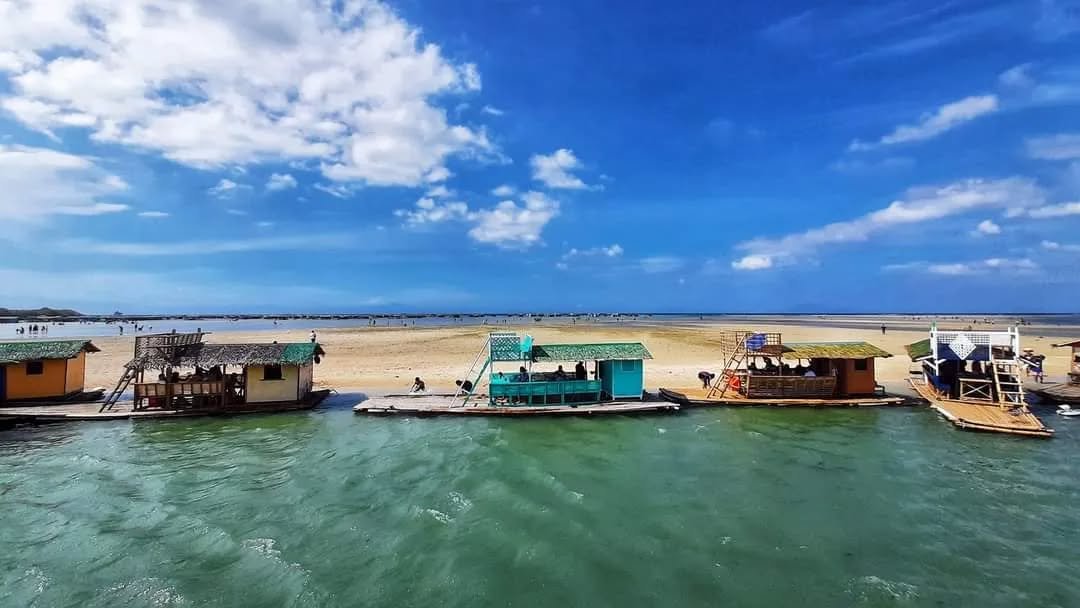
The single largest cost is the balsa rental. A standard balsa holds 10 to 15 passengers and rents for ₱4,000 per day off-peak. That rate climbs to ₱8,000 during Holy Week, long weekends, and the April to May summer peak.
Premium double-decker balsas with elevated viewing decks accommodate up to 20 passengers and are priced above the standard rate.
Some operators, including the group at Kuya Rey’s Floating Cottage, price large groups on a per-head basis:
- ₱350 per adult
- ₱270 per senior citizen
- Free for children 12 and under
This model works better than splitting a flat balsa fee when your headcount is uncertain.
Here is how a full DIY day breaks down for a group of ten at standard rates:
| Expense | Group Total | Per Person |
|---|---|---|
| Balsa rental | ₱4,000 | ₱400 |
| Environmental + access fees | ₱800 | ₱80 |
| Food from the market | ₱4,000 | ₱400 |
| Banlaw / shower | ₱200 | ₱20 |
| Round-trip transport (private car) | ₱2,000 | ₱200 |
| Total | ₱11,000 | ₱1,100 |
Solo travelers and pairs are better served by a joiner tour, priced at ₱1,399 to ₱1,699 per person, which includes van transfer, balsa rental, and a life vest. These packages depart from hubs like Mall of Asia or Trinoma but exclude entrance fees, food, and the shower. A pair booking an exclusive tour pays far more, roughly ₱5,600 per person, which makes no financial sense against the DIY math.
All transactions at the jump-off points are cash only. There are no card terminals or e-wallet readers at the water’s edge. Carry enough small bills: ₱20, ₱50, and ₱100 notes cover every micro-transaction.
The rate board at the registration desk lists the current docking fee for that operator, and that posted number is the one you pay.
For optional add-ons, the going rates are:
| Activity | Rate |
|---|---|
| Snorkeling gear rental | ₱200 – ₱300 |
| Kayak rental | ₱300 – ₱500 per hour |
| Crystal kayak (photo session) | ₱250 – ₱300 |
| Banana boat (5–8 pax, 15 min) | ₱2,500 |
| Hurricane boat (6 pax) | ₱2,500 |
| Jet ski (30 min) | ₱3,500 |
How Do You Get to Little Boracay Calatagan from Manila?
Little Boracay Calatagan is accessible by public bus with no transfers required, as long as you board at the right terminal and pick the right operator.
By Bus
Two terminals in Metro Manila serve direct Calatagan routes. The earliest buses leave before 4:00 AM, which you will need to catch if you want to hit morning low tide.
| Terminal | Operator | First Trip | Fare | Travel Time |
|---|---|---|---|---|
| PITX, Parañaque | San Agustin | 3:30 AM | ₱280 | 3.5 – 4 hrs |
| PITX, Parañaque | Batman Starexpress (BSC) | ~3:30 AM | ₱224 – ₱280 | 3.5 – 4 hrs |
| Pasay Taft / Buendia | BSC | 2:30 AM | ₱224 – ₱280 | 3 – 4 hrs |
| Lawton / One Ayala | San Agustin | ~6:00 AM | ₱200 – ₱250 | 4 hrs |
| Starmall Alabang | Local vans | 5:00 AM | ₱180 – ₱200 | 3 hrs |
DLTB Co. used to run reliably from Buendia to Calatagan, but direct service from that terminal has become unreliable in 2026. If you are departing from Pasay, Batman Starexpress is the dependable direct option now.
Some BSC units route through Nasugbu first. Confirm at the counter that your unit goes direct to Calatagan. Otherwise you will need a jeepney transfer at Nasugbu (about ₱60 to ₱100, 45 minutes extra).
Students, senior citizens, and persons with disabilities are entitled to a 20% discount on the base fare under the law. Present your valid ID at the ticket window.
The bus drops you at Calatagan Public Market, which is exactly where you want to be. Buy your seafood here before heading to the coast.
Tricycle from the Market to the Jump-off
From the public market, charter a tricycle to your jump-off point. The ride takes 20 to 30 minutes and costs ₱150 to ₱300 per tricycle one way, or roughly ₱400 round trip.
The main jump-off points are Bagong Silang, Pirasan, and Hernandez Docking. Confirm with your balsa operator beforehand which one to use, because the three are not interchangeable.
By Private Car
For groups of four or more, driving beats the bus on both time and per-person cost once fuel and tolls are split.
Route 1 (via Tagaytay): Manila → SLEX → CALAX → Tagaytay → Nasugbu → Calatagan. Scenic, but Saturday morning traffic through Tagaytay adds significant time.
Route 2 (via STAR Tollway): Manila → SLEX → STAR Tollway → Balayan → Calatagan. Faster, fewer stops, slightly higher toll.
Travel time by private car is 2.5 to 3.5 hours. Fuel runs ₱1,400 to ₱2,000 round trip for a standard sedan or SUV; tolls add ₱350 to ₱450. Split four ways, that is roughly ₱437 to ₱612 per person, close to the bus round-trip fare of around ₱560.
Parking at the jump-off points is standardized: ₱100 for passenger cars and vans, ₱200 for buses, and ₱50 for motorcycles.
If you are parking at PITX to catch a bus instead, the fee is ₱60 for the first three hours, with a flat ₱300 overnight rate between 1:30 AM and 5:00 AM.
When Is the Best Time to Visit?
December to May is the reliable window. The right month depends on what you want from the trip. The time of day you arrive matters just as much as the season.
The Tide Timing Problem Most Visitors Miss
The sandbar only surfaces during low tide. What the travel articles almost never explain is that the tidal pattern inverts across the year.
From roughly November to March (amihan season), low tide falls in the morning, typically between 7:00 AM and 10:00 AM. Arriving early gives you the sandbar at full exposure, cooler temperatures, and the best light. This is the window that works.
From April onward, the tidal pattern shifts. Low tide moves toward late afternoon or evening. A group that arrives at 8:00 AM in May may find the sandbar still submerged.
If you are going during summer peak, check the PAGASA tide prediction page for your exact travel date. Plan your boat departure time around low tide, not around your bus schedule.
Check the PAGASA tide prediction page before booking your date.
Season by Season
December to February brings temperatures of 22 to 25°C at night, stable seas, and the clearest water of the year for snorkeling. Crowds are manageable. This is the most comfortable time to visit.
March to May is summer peak: temperatures hit 29 to 32°C, zero rain, and maximum water clarity. Balsa demand surges. Secure a reservation weeks in advance for March through May weekends.
During Holy Week, balsas fill entirely. The kuya at the registration desk will tell you what is left on the day, but on peak weekends the answer is often nothing by 9:00 AM.
June to November (habagat) brings heavy rain, typhoon risk, and murky water. August averages around 315mm of rainfall. Balsa cancellations are common.
I went in September 2026 on a Saturday and found uncrowded waters and calm conditions. Off-season is not impossible, but you need to be flexible. Check the weather the day before.
What to Expect at the Sandbar and on the Balsa
Little Boracay is not a beach resort day. It is a floating-cottage day with a sandbar stop, and the sequence matters.
The Sandbar
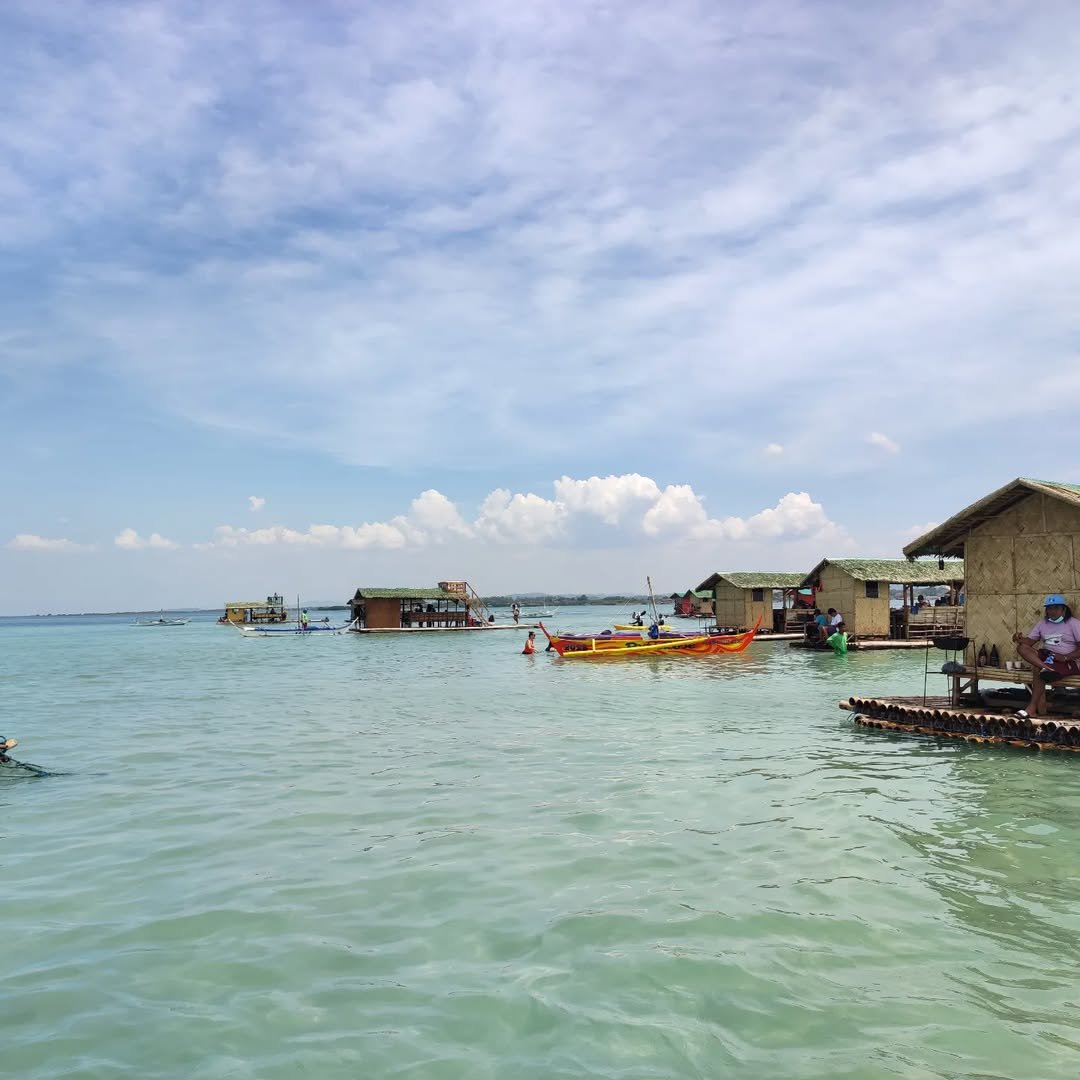
The sandbar is a shallow, calcareous strip that breaks the surface at low tide. The water around it stays knee to hip deep for a long distance from the edge. You can wade far without swimming, which makes it genuinely good for kids and non-swimmers.
The sand is white and fine in the dry months, though there are patches of seagrass and broken coral underfoot that make aqua shoes non-negotiable.
Standing on what looks like a strip of land in the middle of open water, with the balsa anchored right at the edge, is the moment that earns the trip its name. It does not look like Boracay, but the visual is unlike anything else in Batangas.
Island Hopping Stops
The boatman handles all movement. The standard sequence covers three stops:
- The Little Boracay Sandbar for low-tide wading and photos
- Starfish Island, a shallow sandy zone with a dense concentration of large sea stars on the seabed
- Snorkeling zones over coral formations in slightly deeper water nearby
Do not touch or lift the sea stars at Starfish Island. The boatmen enforce this rule, and removing them from the water causes lethal stress. The area gets congested on peak weekends; go early.
Snorkeling
Snorkeling gear rents for ₱200 to ₱300 from balsa operators. Water clarity is best during amihan (December to February). During habagat months, visibility drops with increased turbidity.
If snorkeling is the main reason you are coming, bring your own mask. Rental equipment is functional but well-worn. The recovering coral at Quilitisan and Buntong Gasang is genuinely worth seeing, but do not come expecting Tubbataha-grade visibility.
The Boodle Fight
The highlight for most groups is eating, not swimming. Balsas come equipped with a charcoal grill. Groups buy raw seafood at the Calatagan Public Market in the morning, then cook it on the water.
Banana leaves go down on the table, rice and grilled seafood go on top, everyone eats with their hands. No restaurant replicates that.
Operators do not provide food, charcoal, or water. Bring your own charcoal and fire starters. Carry at least one 5-gallon water dispenser per group, because there is no potable water at the balsa and the sun on open water dehydrates faster than people expect.
Overnight Rates: Can You Stay on the Balsa?
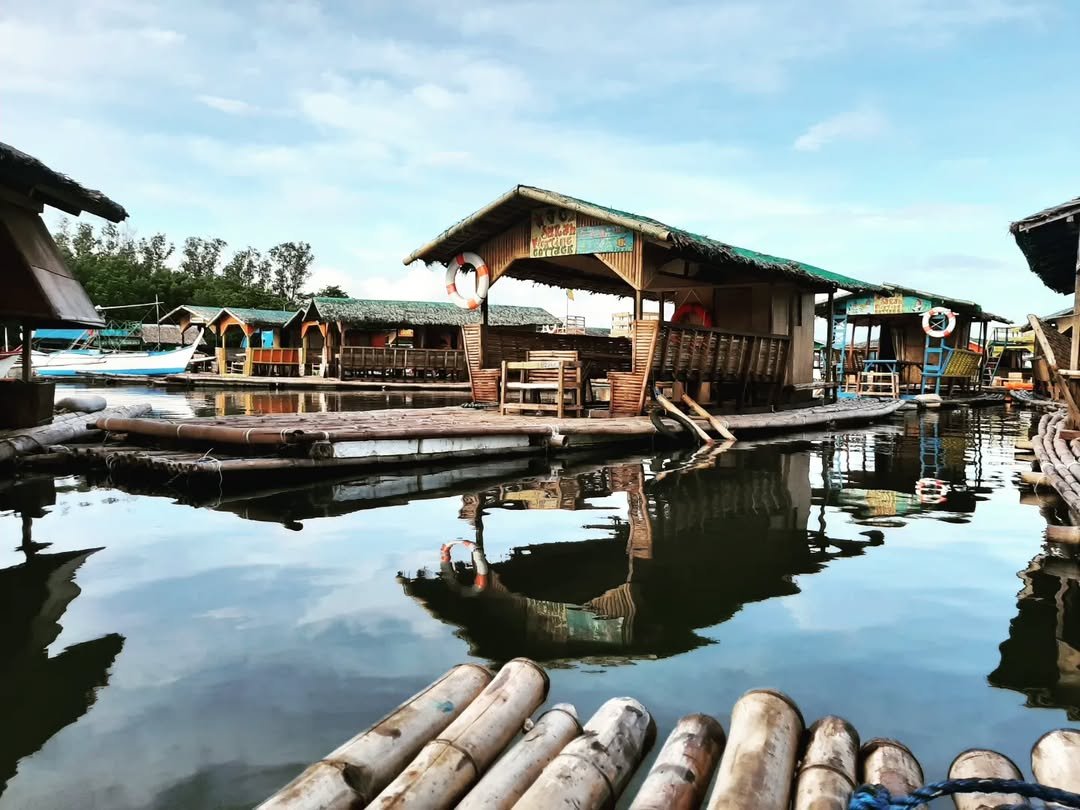
Standard floating cottages at Little Boracay Calatagan are day-tour only. Operations end by 5:30 PM, and groups are expected to return to the mainland before that. There is no overnight option on a standard balsa.
Overnight stays are possible through a separate product: floating houses, which are distinct from the day-tour balsas and are offered by a smaller number of operators. Floating house rates are not standardized and depend on the specific operator and season. To get current overnight rates, contact balsa operators directly at the Bagong Silang, Pirasan, or Hernandez jump-off points, or ask the barangay tourism office in Calatagan.
For a Batangas overnight that includes open-water boat access and a completely different kind of coastal landscape, Fortune Island in Nasugbu offers cliff ruins and deeper-water snorkeling with overnight camping options.
Other Things to Do in Calatagan Batangas
Little Boracay dominates the day, but Calatagan has enough on the peninsula to justify staying an extra night.
Stilts Calatagan Beach Resort
Stilts is a private, manicured resort on 24 hectares of shoreline, built around overwater architecture. It operates as a day-tour and overnight destination under a strict fee structure.
| Period | Entrance Fee | Notes |
|---|---|---|
| Off-peak (July–February) | ₱700 per person | Excludes structure rental |
| Peak (March–June, December, holidays) | ₱800 per person | Excludes structure rental |
| Children 6 and below | Free | No entrance fee |
Structure rentals are separate and range from a ₱500 to ₱600 cozy nook for 5 to 10 people up to a ₱2,400 peak-season big pavilion for 50. Overnight floating cottages run ₱8,540 to ₱18,800 per night.
Camping pitches cost ₱700 to ₱770 per head, plus tent rental:
- ₱1,500 for a small tent
- ₱4,500 for a 12-man tent
Bringing your own food draws a corkage of ₱200 per head for cooked meals, ₱300 per case of soft drinks, and up to ₱500 per case of alcohol.
Pre-nuptial and photoshoots cost an additional ₱2,500 flat, on top of the per-head entrance.
Manuel Uy Beach Resort
Manuel Uy is the no-frills counterpart to Stilts: a raw campsite with no private rooms, no cabanas, and no permanent structures. It suits backpackers and anyone who wants to combine island hopping with a night under canvas.
| Access | Adult | Senior Citizen |
|---|---|---|
| Day tour | ₱100 | ₱71 |
| Overnight | ₱200 | ₱142 |
Campsite fees are charged separately and scale by tent footprint, from ₱150 for a small 4-pax tent up to ₱800 for a large 16 to 20-person setup. The resort rents 4-person tents for ₱500 flat. Grilling is allowed at the designated stations; fires directly on the sand are prohibited under local ordinance.
From the Manuel Uy shoreline, you can charter outrigger boats to hit the same Starfish Island and sandbar circuit:
- ₱1,000 for one hour
- ₱1,500 for two hours
- Accommodates up to 5 persons
For a small group, this is a practical way to see the marine highlights without paying for a full balsa.
For a harder-to-reach Batangas beach with similar DIY energy but even fewer crowds, the Masasa Beach in Tingloy is worth comparing. The boat transfer is longer, but the snorkeling is cleaner.
Cape Santiago Lighthouse
The Cape Santiago Lighthouse was commissioned in 1890 under Spanish rule. It stands 51 feet tall, octagonal and brick-built, and shares its architects with the Cape Bojeador Lighthouse in Ilocos Norte. The Philippine Coast Guard took over preservation in 2021.
Open daily, 8:00 AM to 5:00 PM (sometimes 5:30 PM). Entrance is ₱50 for tourists and ₱25 for Calatagan residents. The spiral staircase to the lantern room is closed indefinitely for structural repairs, but the grounds offer unobstructed views of the Verde Island Passage and the West Philippine Sea.
The original keeper’s quarters have been converted into a small maritime museum.
Aquaria Water Park
For a break from the sea, Aquaria Water Park runs a standard day pass at ₱285. It is a practical option for families with young children or anyone who has had enough sun exposure on the water.
Practical Rules and What to Bring
The marine environment around Calatagan falls under the Comprehensive Sustainable Tourism Plan (2025–2035). Seven Marine Protected Areas, including Pulong Bato and the Quilitisan MPA, are actively enforced. These rules are not posted suggestions.
The key rules that apply to balsa visitors:
- Do not touch, lift, or remove sea stars at Starfish Island.
- Use only reef-safe sunscreen. Products containing oxybenzone or octinoxate accelerate coral bleaching. The rule applies across the MPAs.
- Stay within the zones your boatman designates. Jet skis and motorized watercraft operate outside swimmer and snorkeler areas.
- The LGU imposes carrying capacities that the barangay Bantay Dagat (sea patrol) enforces on the water.
Bring everything you need before you leave the market. The jump-off points cannot supply:
- Charcoal and fire starters for the grill
- Potable water (5-gallon dispenser is the standard unit groups carry)
- Aqua shoes or strapped sandals (sea urchins and broken coral on the seabed around the sandbar)
- High-SPF reef-safe sunscreen (the thatched balsa roof gives partial shade, not full cover)
- Small bills: ₱20, ₱50, and ₱100 notes for every micro-transaction
- Any fresh produce or marinades if you want to cook on the balsa
Calatagan’s 48 kilometers of coastline includes dense seagrass beds and extensive coral reefs. The reef recovery here is real. Recent surveys found coral cover of 52.3% at Buntong Gasang and 49.7% at Quilitisan, strong numbers for a site that experienced mass bleaching in 2020 and 2021.
Keeping the reef healthy is the reason this destination exists.
If you are planning a broader Batangas itinerary around multiple coastal stops, the 36 Batangas tourist spots guide covers the full range from caves to hot springs to cliff beaches.
Frequently Asked Questions
What time should I arrive at Little Boracay Calatagan?
Arrive at the jump-off point by 7:00 to 8:00 AM on most visits. During amihan (November to March), morning low tide falls between 7:00 AM and 10:00 AM, which is the ideal sandbar window. During the April to May summer peak, low tide shifts toward late afternoon, so check the PAGASA tide chart for your specific date before deciding what time to leave Manila.
Can you stay overnight at Little Boracay Calatagan?
Standard day-tour balsas end operations by 5:30 PM and do not permit overnight stays. Floating houses are a separate overnight product offered by select operators. To get current overnight rates and availability, contact the operators directly at the Bagong Silang, Pirasan, or Hernandez jump-off points.
How do you book a balsa at Little Boracay Calatagan?
Most balsa operators accept reservations by phone or through Facebook. There is no centralized booking platform. Contact jump-off points directly or ask the barangay tourism office in Calatagan for current operator contacts.
For Holy Week and long weekends in March to May, book at least two to three weeks in advance or arrive to find the fleet fully booked.
What is the difference between a floating cottage and a floating house?
A floating cottage (balsa) is a day-use structure: bamboo decking, thatched roof, built-in grill, anchored near the sandbar for the duration of your visit. A floating house is a separate, enclosed overnight accommodation. The two are not interchangeable, and most balsa operators only offer day tours.
Is Little Boracay Calatagan suitable for non-swimmers and children?
Yes. The sandbar area stays knee to hip deep over a large distance, and the balsa is anchored in calm, shallow water. Life vests are included in joiner packages and should be requested from your balsa operator on a DIY trip.
Children 12 and under enter free under the per-head pricing system at select operators. Aqua shoes are essential for kids because of seagrass and broken coral underfoot.
What is the Little Boracay Calatagan entrance fee in 2026?
Every visitor pays a ₱30 municipal environmental fee plus a ₱50 to ₱150 beach access fee charged by the docking area operator. Both are collected at the jump-off point before you board. Add a ₱20 to ₱30 banlaw fee when you return for the shower facilities.
There is no ticket gate on the sandbar itself.
Is there a senior citizen or PWD discount at Little Boracay Calatagan?
The 20% senior citizen and PWD discount applies to the public bus fare from Manila. Present a valid senior or PWD ID at the ticket window. At the jump-off, per-head pricing at some operators (including Kuya Rey’s group) lists ₱270 for seniors against ₱350 for regular adults, and children 12 and below enter free.
The discount application varies by operator; confirm at the desk when you register.
What do I need to buy at Calatagan Public Market before going?
Buy your raw seafood and produce at the market:
- Squid
- Shrimp
- Crab
- Tilapia
Prices depend on the day’s catch. Pick up banana leaves for the boodle fight if the market has them. Also get your charcoal and fire starters here.
The market is your last practical supply stop before the coast.
Is Little Boracay Calatagan worth it outside of summer?
Yes, with the right expectations. The September 2026 revisit landed on a Saturday with thin crowds, calm water, and no queues at the registration desk. Off-season conditions are inconsistent, especially from July to September, but a dry Saturday during habagat can be one of the quietest and cheapest days you will have there.
Check the weather 48 hours out, keep your return trip flexible, and have a backup plan if the balsa operator calls a cancellation.
Is Little Boracay Calatagan Worth the Trip?
Little Boracay Calatagan is worth it for the right group and the wrong choice for everyone else. Having covered 69 of the 82 provinces since 2015, I can say the floating boodle fight is one of the few Filipino beach experiences that is genuinely hard to replicate anywhere else.
Not because the snorkeling is exceptional or the sandbar competes with Boracay proper. The combination of cooking on the water, eating with your hands, and wading out onto a tide-exposed strip of sand produces a specific kind of day that groups remember.
It suits groups looking for a distinct experience:
- Families with young children (shallow, calm, no undertow)
- Barkadas who want a food-centered day trip rather than a resort pool
- Anyone doing a Batangas coastal loop who has already done the standard cliff-and-cove circuit at Masasa Beach in Tingloy. Travelers building a longer coastal itinerary beyond Batangas may also want to compare the experience against the Sabang Beach DIY trip in Baler, Aurora, which pairs surf culture with a similarly low-budget, self-organized format.
Skip it if you are coming purely for snorkeling. Water clarity is seasonal and ranks well below what you would find at Burias Island or Calaguas on a comparable budget. Skip it if you need solid ground after a few hours, because once the sandbar submerges, the balsa is your only option. And skip it if you cannot go in a group: the per-person cost as a solo or pair on an exclusive joiner tour is hard to justify.
For the 25 best beaches accessible from Manila across different price points, the 25 Best Beaches Near Manila guide puts Calatagan in useful context against the other Batangas options. If you want something more remote and completely different in character, Immuki Island in La Union is worth the extra travel time.
Go with a full group, leave Manila before 4:00 AM, buy your seafood at the market, and check the tide chart the night before. Get those four things right and the day runs itself.
Last updated: September 2026