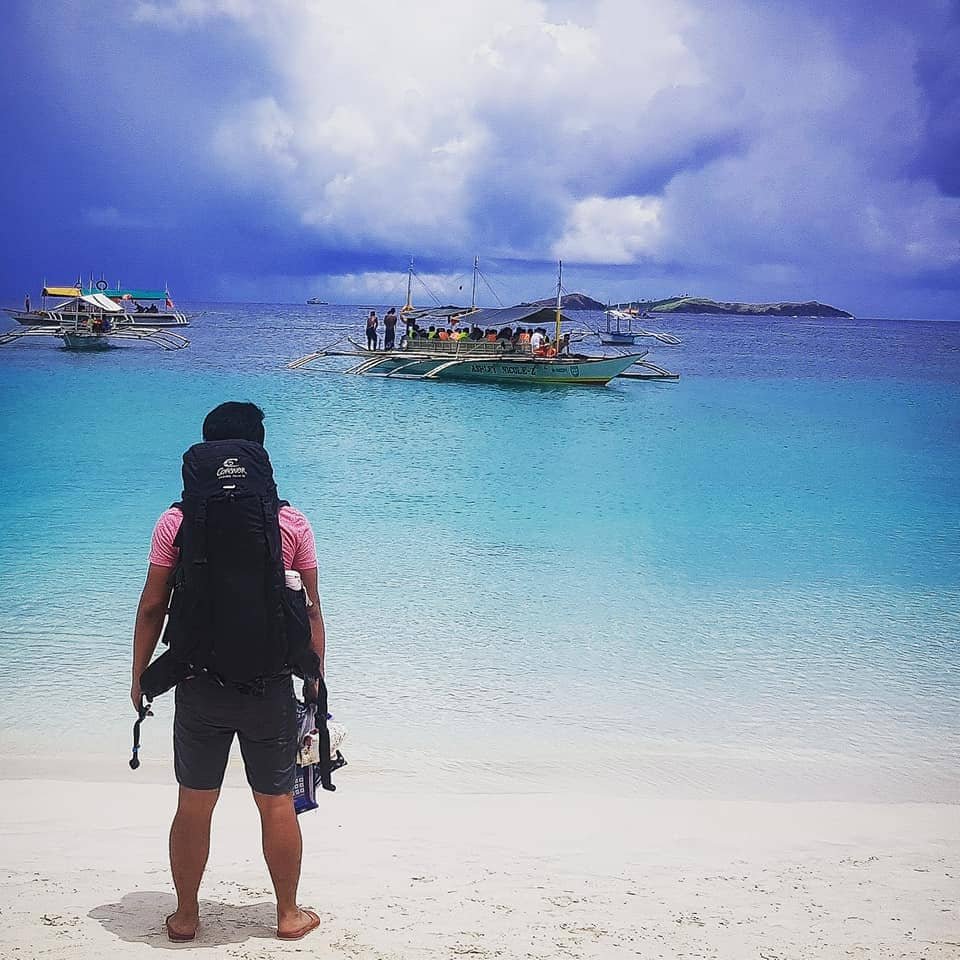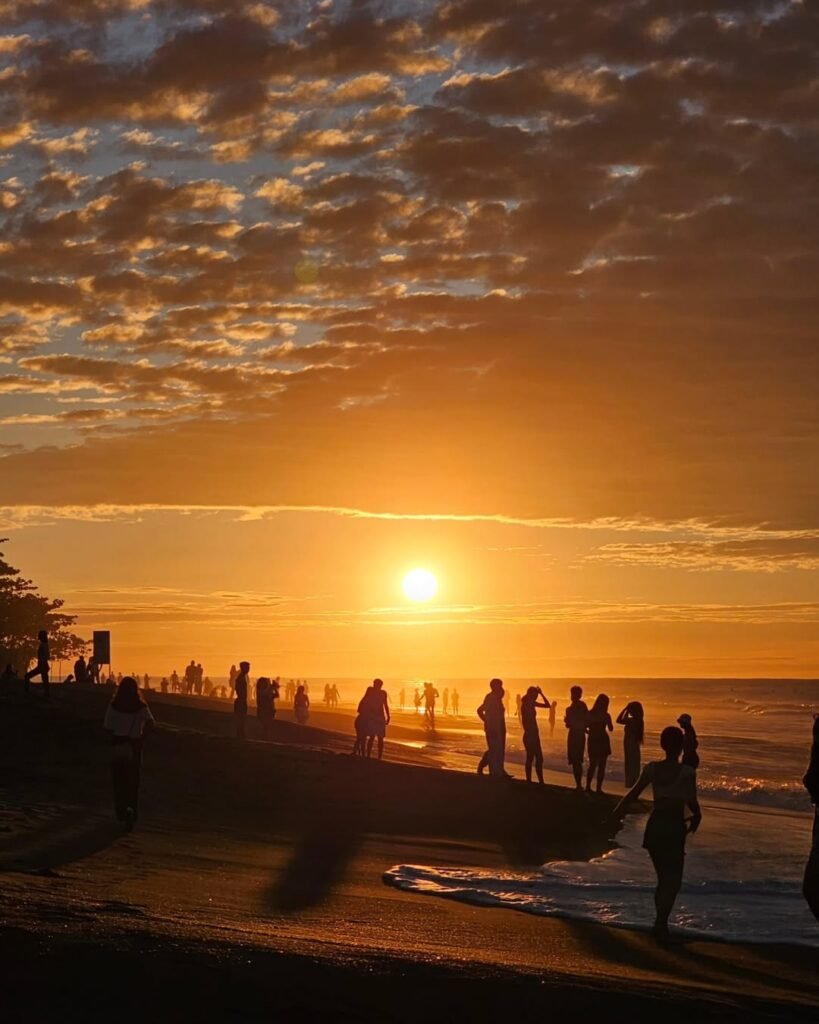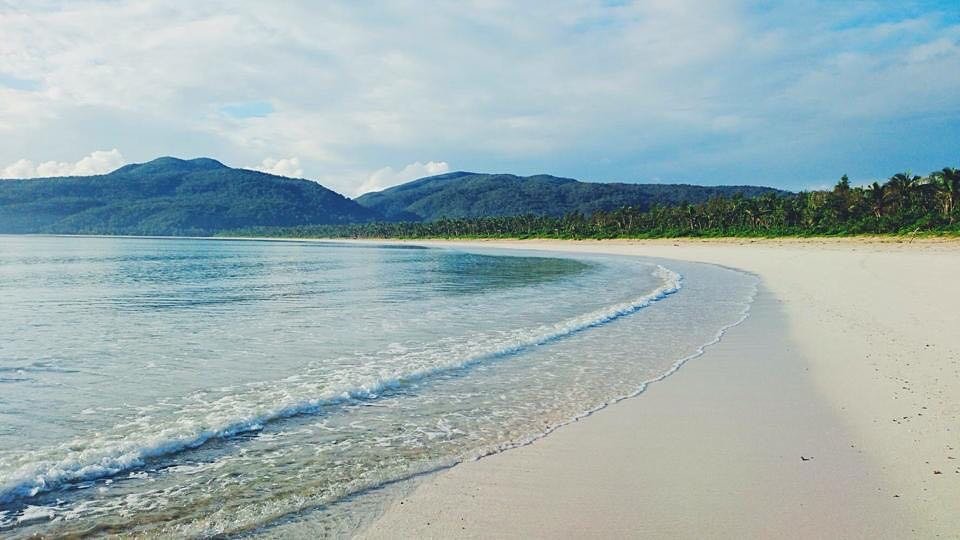
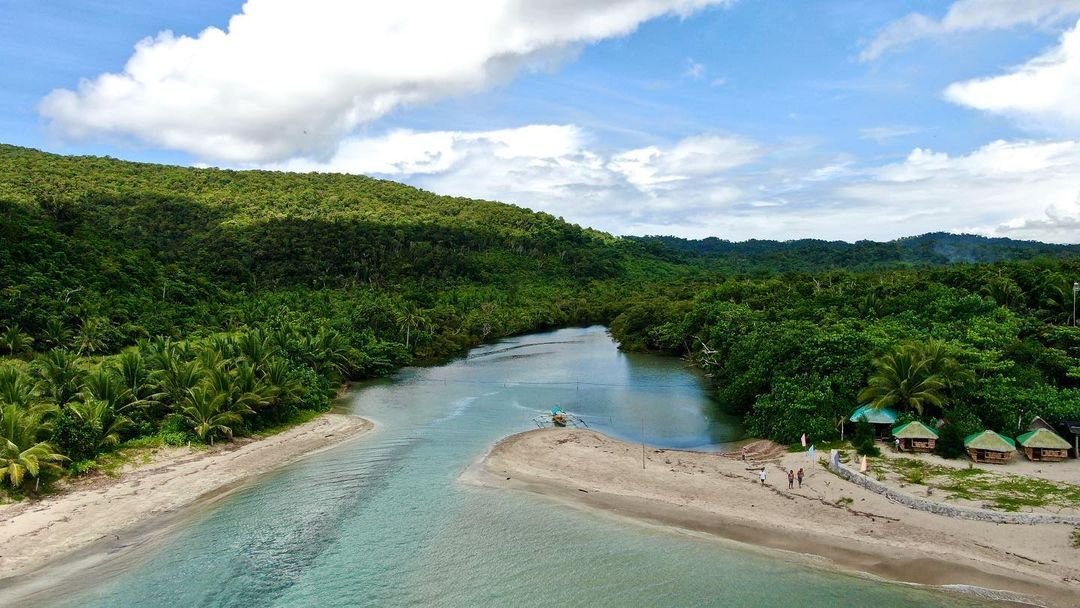
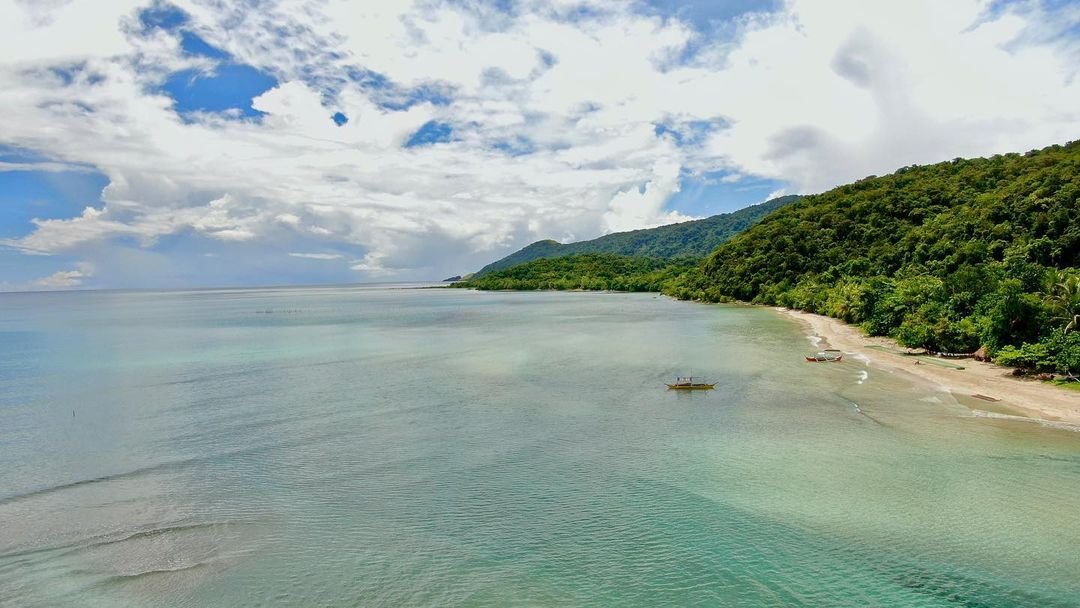
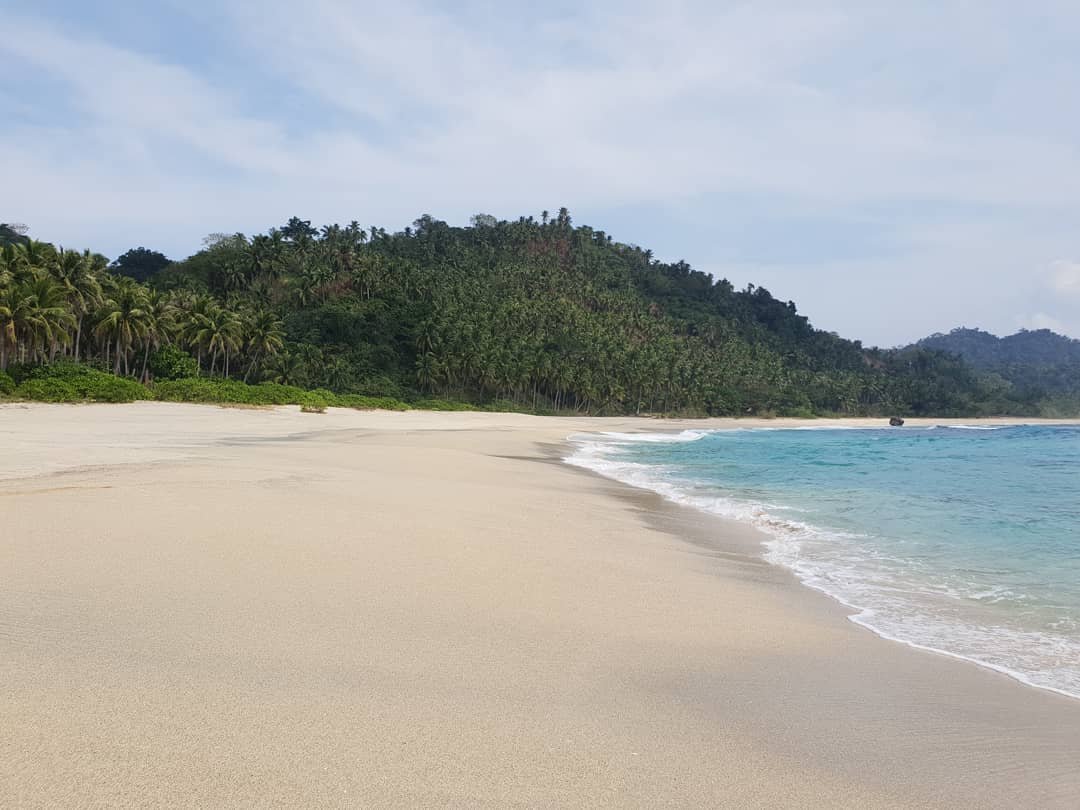
Casapsapan Beach is a 2.5-kilometre gray-sand crescent on the Pacific coast of Casiguran, Aurora, sheltered by reefs and backed by the Sierra Madre. Having covered 69 of the country’s 82 provinces since 2015, I can say this is one of the few beach destinations in Luzon that still rewards the effort. The effort is real.
The trip takes 7 to 9 hours from Manila by land. The road is partly gravel, the signal is poor, and the accommodation options are rustic.
None of that is a reason to skip it. It is a reason to plan properly, which is what this guide is for.
This update is based on a return visit in September 2026.
Key Takeaways
Five fast facts before you commit to the trip:
- Casapsapan Beach is in Barangay Culat, Casiguran, Aurora, facing Casapsapan Bay on the Pacific side, not the Baler side of the province.
- Total travel time from Manila is roughly 7 to 9 hours by land, via Baler or Cabanatuan.
- A realistic budget for a two-night DIY trip runs ₱2,500 to ₱7,000 per person, depending on camping or staying in a cottage.
- The best months are December to early May. Avoid June through November due to typhoon risk and high surf on this exposed coast.
- Accommodation at Casapsapan is rustic. Casapsapan Eco Park Resort (formerly Benimark Eco Park) suffered structural damage from Typhoon Uwan in November 2025 and is undergoing rehabilitation as of the September 2026 visit. Confirm its status directly before booking. JoyBus Manila-to-Baler fares are approximately ₱700 to ₱850 (as of September 29, 2026).
Table of Contents
Where Exactly Is Casapsapan Beach?
Casapsapan Beach sits in Barangay Culat (also referenced alongside Barangay Calabgan) on the northeast coast of Casiguran municipality, Aurora province. It faces Casapsapan Bay, which opens directly onto the Pacific, and the shoreline is sheltered by a reef that runs along the bay’s edge.
It has a small market, a district hospital, and a few eateries. It is the last place to stock up on supplies before heading to the coast.
For reference, the nearest regional centres are Baler, Aurora’s capital, 55 kilometres to the south, and Cabanatuan City in Nueva Ecija, about 150 kilometres to the southwest. Neither is close. Most visitors treat Baler as a transfer stop, not a base, which is the right call.
Casiguran is also distinct from the more popular Aurora beach destinations that cluster around Baler. If you have been to Dinadiawan Beach in Dipaculao, Aurora and are looking for somewhere even further off the circuit, Casiguran is the logical next step north.
The coastal orientation matters for planning. Casapsapan faces east-northeast, which means it catches Pacific swells and is exposed to the same storm tracks that hit Quezon and Aurora’s Atlantic-facing shores during the habagat months.
How Do You Get to Casiguran from Manila?
Getting to Casiguran from Manila means chaining at least two legs of transport, and the transfers require timing. The most common route is Manila to Baler by bus, then Baler to Casiguran by van or local bus. A less common option is a direct bus from Manila, and there is now a small airport in Casiguran if you prefer to fly.
Fares as of September 29, 2026. Bus and van fares in Aurora follow diesel prices, so when pump prices climb, the fare at the terminal usually climbs with it.
Manila to Baler
Genesis Transport’s JoyBus is the standard choice for the Manila-to-Baler leg. Departures from Cubao run several times daily, with overnight trips at around 12:30 am, 3:00 am, and 6:30 am.
Travel time is 5 to 6 hours. The JoyBus Deluxe and Executive services are the more comfortable options for a long overnight ride.
Victory Liner offers an alternative via Cabanatuan: take Victory Liner from Manila to Cabanatuan (roughly 5 hours), then connect by local van to Baler (roughly 2 more hours). This route costs less but adds a transfer.
Baler to Casiguran
From Baler, local buses and shared vans continue north to Casiguran. Buses on this route, sometimes called D’Linea or Victory Liner routes, typically depart around 6 to 7 am and again around 1 to 2 pm. Vans run on roughly the same schedule.
Travel time is 4 to 5 hours, with a stop in Dingalan. If you arrive in Baler too late for the morning departure, you lose half a day.
For the Baler-to-Casiguran van, you can request to be dropped near the Casapsapan trailhead rather than riding all the way to the Casiguran terminal. Confirm this with the driver when you board.
The Sabang Beach area in Baler is a popular overnight base before an early onward departure north. If you want background on that end of the province, the Sabang Beach Baler DIY travel guide covers it in full.
Direct and Alternative Options
Judilaine Bus offers a Manila-to-Casiguran direct service, with a travel time of around 9 hours and fares in the ₱800 to ₱1,000 range. Schedules are limited, so confirm with the bus company directly before building your itinerary around it.
By air, Casiguran Airport (airport code CGG) now has limited commercial service, including Cebu Pacific flights from Manila and Clark. One-way fares run approximately ₱2,500 to ₱3,000. Check Cebu Pacific’s schedule directly, as this is a thin route and availability changes.
By private vehicle, the standard approach is via SCTEX, Tarlac, Nueva Ecija, then the Pantabangan road to Casiguran. Roads up to Casiguran are generally paved. A 2WD car manages this in dry season.
If rain is in the forecast, the final gravel stretch is harder and a 4WD is the safer call. The Baler-Bongabon route is steeper and more exposed to landslide risk; the Pantabangan road is the better default.
This table covers the main options from Manila to Casiguran town.
| Leg | Mode | Est. Time | Est. Fare (as of Sep 29, 2026) |
|---|---|---|---|
| Manila to Baler | JoyBus Deluxe / Executive | 5-6 h | ₱700 to ₱850 |
| Manila to Cabanatuan + van to Baler | Victory Liner + local van | ~7 h | ₱400+ bus, ₱200+ van |
| Manila to Casiguran direct | Judilaine Bus (limited) | ~9 h | ₱800 to ₱1,000 |
| Manila to Casiguran by air | Cebu Pacific via CGG | ~1 h flight | ₱2,500 to ₱3,000 |
| Baler to Casiguran | Local bus | 4-5 h | ₱100 to ₱150 |
| Baler to Casiguran | Shared van | 4-5 h | ₱300 to ₱400 |
| Manila to Casiguran | Private van or 4×4 charter | 7-9 h | ₱4,000 to ₱6,000/day |
Leave Manila on an overnight departure. Arriving in Baler by 5:30 am lets you catch the 6:30 am van north and reach Casiguran by late morning, which means you can be at the beach by noon.
How Do You Get from Casiguran Town to the Beach?
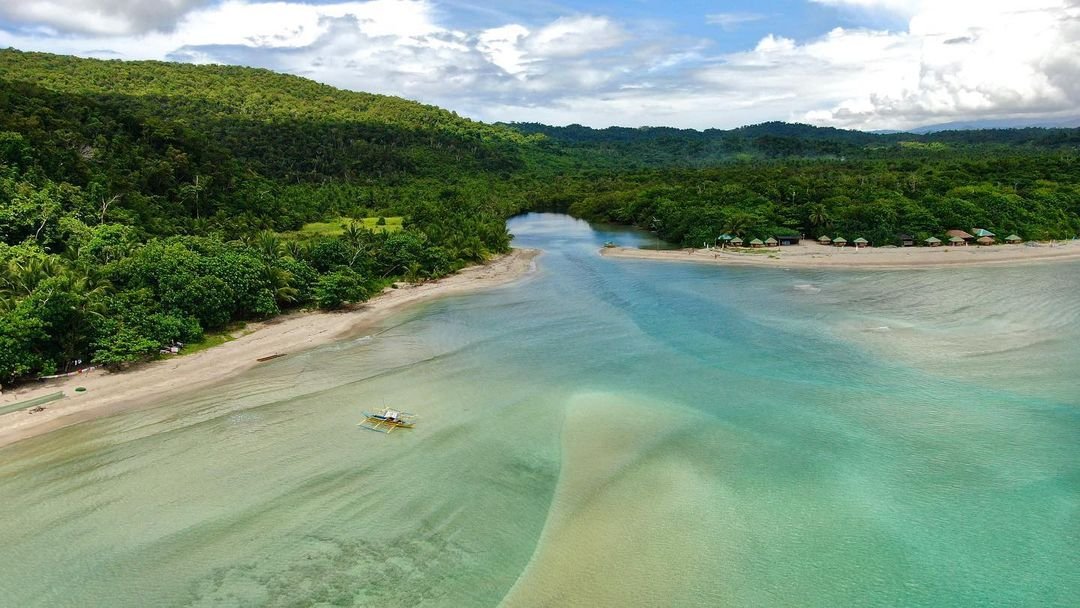
Casapsapan Beach is 11 kilometres from Casiguran town proper, and the last leg is by tricycle or habal-habal (motorcycle taxi). The ride takes 15 to 20 minutes. Tricycle fare is approximately ₱150 to ₱200 one way (as of September 29, 2026).
The road from town to the beach is paved up to a point, then transitions to a gravel surface for the final stretch. In dry season, a 2WD car handles it without issue. In wet season or after heavy rain, the gravel section becomes significantly rougher, and if you are in a rented vehicle, a 4WD is the less stressful choice.
If you are arriving by bus or van and want to skip the Casiguran terminal entirely, ask your driver to drop you at the Casapsapan trailhead or junction when booking the Baler-to-Casiguran leg. Not all drivers agree to this, but many do.
Arrange your return tricycle before you settle in. Tricycles serving this route are limited, and if you wait until the last minute, you may be stuck waiting longer than expected. The kuya at the resort or campsite can usually help flag one down, but do not assume one will appear when you need it.
For groups of four or more, a private van charter from Casiguran town to the beach can make more sense than four separate tricycle fares, especially with luggage. The same charter logic applies if you are continuing to another Aurora destination afterward, like the coastal stretch around Dinadiawan in Dipaculao.
Where Do You Stay Near Casapsapan Beach?
Accommodation near Casapsapan Beach is rustic across the board. There are no large hotels, no card machines, and no guarantee of 24-hour electricity. Plan for generator hours and bring cash for everything.
Important note on Casapsapan Eco Park Resort (formerly Benimark Eco Park): this property suffered structural damage from Super Typhoon Uwan in November 2025 and was documented as undergoing rehabilitation as of the September 2026 visit. Do not assume it is operating. Contact the Municipal Tourism Office at +63 909-278-7060 or email tourism.casiguranaurora@yahoo.com to confirm current status before building your trip around it.
The properties that were confirmed operating in September 2026 are listed below. All require advance booking by phone or Facebook message, since walk-in availability is not guaranteed.
Dianao Beach Club and Resort
- Type: Resort with pool
- Location: Sitio Dianao, Brgy. Diniog, Dilasag
- Contact: Ask local tourism office
- Rate Range: From ₱3,000/night for 2 guests
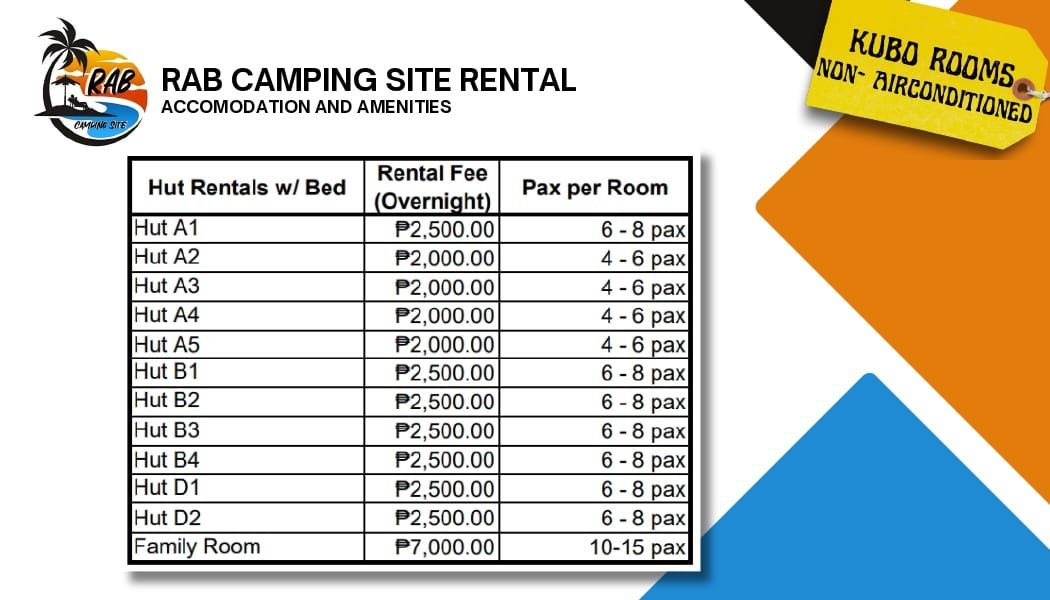
RAB Camping Site (Casapsapan Beach Resort)
- Type: Beach resort and campsite
- Location: Brgy. Culat, Casiguran
- Contact: 0927-413-1634
- Rate Range: Tent camping ₱150/person
Karonsa Beach and Nature Park
- Type: Eco-campground and glamping
- Location: Casapsapan area
- Contact: 0951-998-4468
- Rate Range: ₱500 to ₱1,000/cabin (enquire)
Paradiso de Casiguran
- Type: Beach camp with huts
- Location: Brgy. Diniog, Casiguran coast
- Contact: FB: ParadisoCasiguran
- Rate Range: Enquire directly
Mayrani Hotel and similar town inns
- Type: Budget guesthouse
- Location: Casiguran town proper
- Contact: Local listings
- Rate Range: ₱800 to ₱1,500/night
Blue Reef Casiguran, J&R Beach Resort
- Type: Basic beach cabins
- Location: Casiguran barangays
- Contact: Enquire locally
- Rate Range: ₱1,500+ for basic cabin
Karonsa and RAB are the names most visitors searching for “casapsapan beach accommodation” will encounter. Both are worth contacting first:
- Karonsa
- RAB
They are directly adjacent to the beach.
Nonato and TMB Lodging are also referenced in local tourism listings; reach out to the Casiguran Municipal Tourism Office for current contact details on those.
Tent pitching at RAB at ₱150 per person is the most affordable overnight option if you bring your own gear. For a barkada of four splitting a shared space, this is also the easiest way to keep the whole trip under ₱3,000 per head.
For couples or solo travelers who want a solid wall and a fan, the town inns in Casiguran proper are the backup. The trade-off is the 11-kilometre gap from the beach.
Anyone who needs reliable air-conditioning, fast Wi-Fi, or an ATM on-site should skip the overnight entirely and plan Casapsapan as a long day trip from Baler instead. The comparison that comes to mind is Laki Beach in Bataan: similarly remote, similarly rewarding, and similarly unforgiving of travelers who arrive expecting resort-grade facilities.



What Can You Do at Casapsapan and Nearby?
Casapsapan Beach is safe for swimming in calm conditions, but table corals and rocks are exposed at low tide, and water shoes are required. The LGU requires a local guide to be present for all in-water activities, including snorkeling. Bring your own snorkel gear; rental availability on-site is not reliable.
The reef close to shore holds colorful fish, wrasse and angelfish among them, and the water is warm year-round, typically 24 to 32 degrees Celsius. Snorkeling is best at mid-tide, when the coral is covered and the current is manageable.
Outside the reef, rip currents can develop. Stay inside the reef line unless your guide clears you to go further.
Beginner surfing is possible from April to July, when the southwest corner of the bay picks up enough swell for learning. There is no formal surf school at the beach. Ask at your resort whether boards are available; otherwise bring one or hire a guide who can source one locally.
Kayaking and paddleboarding through the mangrove inlet are the most underrated activity here. The mangrove corridor is calm at high tide and connects to inland creeks.
Some resorts have boats or can arrange access; confirm when booking. Guide fees for water activities run roughly ₱500 to ₱1,000 per day, payable informally to your assigned local guide.
Jellyfish can appear in the water between July and September. The September 2026 visit was outside the heaviest window, but ask your guide on arrival, especially if you are planning to snorkel.
Beyond the water, Bulawan Falls is the most popular land-based excursion from Casiguran. A day hike there costs around ₱300 in guide fees. The trail passes through Sierra Madre foothills and takes most of the morning.
Tibu tidal pool is a shorter walk and worth timing to low tide. The Kaletket Trek is a community-managed route through Dumagupo indigenous farmland and forest, offered year-round; contact the tourism office to arrange it.
Casiguran sits within Aurora province, which ranks consistently among the top Aurora province tourist spots in search. It offers:
- Pacific-facing beaches
- Accessible waterfalls
- Sierra Madre access
All are within a single municipality.
The range of activities here is wider than most first-time visitors expect. For comparison, the beach and reef at Gumasa in Sarangani is warmer and the sand is finer, but it has none of this terrain variety.
Birdwatching is viable near the Kasawak River and along Dangkalan Beach, with terns, herons, and kingfishers common between November and March. Bring binoculars and ask the tourism office for a local birder guide.
When Is the Best Time to Visit?
The best months for Casapsapan Beach are December to early May, when seas are calmer and rain is lighter on this Pacific-facing coast. Late January through April is the most consistent window for beach days, snorkeling visibility, and passable road conditions on the gravel stretch to the beach.
The Pacific side of Aurora does not behave like Baler’s amihan-versus-habagat split in a simple way. Because Casapsapan faces east-northeast, it is exposed to the northeast monsoon (amihan) from October through February.
This can bring swells and rough seas during that window, even in otherwise “dry” months. The calmest sea conditions generally fall between late February and May, once the amihan weakens.
April to July is the surfing window, when swell arrives consistently enough for beginner lessons at the southwest corner of the bay.
This overlaps partially with the best overall visit window. April and May are arguably the strongest all-around months:
- Surf season has started
- The beach is swimmable
- The rainy season has not arrived
Avoid June through November. The wet season peaks in September and October, with monthly rainfall exceeding 600 millimetres. Typhoons hit the northeast Aurora coast regularly between July and September.
Super Typhoon Uwan made this concrete in November 2025, damaging infrastructure at the beach. Travel during active typhoon warnings is not advisable on a route this remote, where road closures and flooding can strand you for days. Check PAGASA advisories before finalising any travel dates in this window.
December can work, but the amihan is picking up and seas can be choppy. If December is the only window you have, it is manageable with realistic expectations for the water.
How Much Does a Casapsapan Trip Cost?
A solo budget traveler spending two nights at Casapsapan can get through the trip for roughly ₱2,500 to ₱3,000, not counting gear. A midrange couple staying two nights in a cabin and doing one guided activity will spend closer to ₱7,000 per person. The transport chain is the largest fixed cost; the local spending is surprisingly manageable once you are there.
Fares as of September 29, 2026. Transport costs here follow diesel, so when pump prices move, the fare board at the terminal moves with it.
The entrance and environmental fee structure at Casapsapan is set by the barangay, not a national office. The barangay councils of Culat and Calabgan may collect a one-time environmental fee for beach access, and a separate guide fee applies for water activities.
Contact the barangay offices or the Municipal Tourism Office for the current figures before you go; the tourism office number is +63 909-278-7060. There is no national park fee.
There are no ATMs at Casapsapan Beach. The nearest ATMs are in Casiguran town.
Bring enough cash for the full stay before you leave town. Card readers do not exist at the resorts or camps.
Senior citizen and PWD discounts at local transport and accommodation have not been confirmed for this route. Contact the Municipal Tourism Office for current policy on those.
The only honest comparison I can draw on cost: Alona Beach in Bohol costs roughly twice as much per day once you factor in the island ferry and the resort premium. Casapsapan is cheaper, but a trip to Alona Beach delivers more amenities per peso. Which you choose depends on what you are actually after.
Here is a sample cost breakdown per person for a two-night DIY trip.
| Item | Budget Option | Midrange Option |
|---|---|---|
| Manila to Baler (JoyBus, one way) | ₱700 | ₱850 |
| Baler to Casiguran (bus, one way) | ₱150 | ₱350 (van) |
| Casiguran to Casapsapan tricycle (one way) | ₱150 to ₱200 | ₱150 to ₱200 |
| Return transport (same legs reversed) | ₱1,000 | ₱1,200 |
| Tent camping (2 nights) | ₱300 | — |
| Cabin or cottage (2 nights) | — | ₱4,000 to ₱5,000 |
| Food (town stock-up plus meals) | ₱400 | ₱800 |
| Local guide for water activities | ₱500 to ₱1,000 | ₱500 to ₱1,000 |
| Environmental or barangay fee | 20 | 20 |
| Approximate total | ₱2,500 to ₱3,000 | ₱7,000 to ₱8,500 |
Stock up on food, bottled water, and cash in Casiguran town before heading to the beach. There are no stores at Casapsapan itself outside of resort shops, which are expensive and limited.
The Casiguran public market opens early and sells fresh fish, vegetables, and basic dry goods. Bottled water at the beach costs around ₱20 to ₱30 per litre; a filter or purifier cuts that cost on a multi-night stay.
Frequently Asked Questions
Is there mobile signal at Casapsapan Beach?
Signal at Casapsapan is poor. Expect little to no data coverage at the beach itself.
There is intermittent signal in Casiguran town, stronger near the municipal hall. Download offline maps, confirm your accommodation booking in town, and leave your emergency contacts a copy of your itinerary before you head out to the coast.
Can you do Casapsapan as a day trip?
A day trip is possible but tight. Arriving at the beach by noon via the Manila overnight bus route leaves roughly four to five hours. After that, you need to start heading back to catch an afternoon departure from Casiguran.
It works better for travelers coming from Baler who are already based there, since the Baler-to-Casiguran leg alone takes four to five hours. Staying one night is the more comfortable call.
Is the road to Casapsapan Beach paved?
The road from Manila to Casiguran town is generally paved. The final 11 kilometres from Casiguran town to the beach transitions to a gravel surface for part of the way.
In dry season, a standard 2WD car or van handles it. In wet season or after rain, that gravel stretch becomes significantly rougher, and a 4WD is the safer option.
Do you need a guide at Casapsapan?
The LGU requires a local guide for all in-water activities, including snorkeling and swimming beyond the reef. This is not optional.
Guide fees are paid informally and run roughly ₱500 to ₱1,000 per day. For land activities like the Bulawan Falls hike or the Kaletket Trek, a local guide is also required and strongly advised given the terrain.
Are there ATMs in Casiguran?
ATMs exist in Casiguran town, but not at the beach. Withdraw everything you need before heading to Casapsapan.
There are no card readers at any of the beach camps or resorts. Budget for the full stay, plus extra for unexpected transport or guide fees, and keep it in cash.
What should I bring to Casapsapan?
Bring the following for this trip:
- Enough cash for the full stay plus buffer
- Bottled water or a water filter (no potable tap water at the beach)
- Snorkel gear (rental on-site is not reliable)
- Water shoes (table coral is exposed at low tide)
- Mosquito repellent (sandflies at dusk are aggressive)
- Reef-safe sunblock
- A basic first aid kit
- Offline maps downloaded before you leave Casiguran town
- Food and snacks stocked up from the Casiguran market
How far is Casapsapan from Baler?
Baler is roughly 55 kilometres south of Casiguran town. By local bus or shared van, the trip takes 4 to 5 hours because of the mountain road condition and stops along the way, including Dingalan.
Do not measure this distance by the map. The actual travel time is what matters for planning.
What are the tourist spots near Casapsapan and Casiguran?
Beyond the beach itself, the main Casiguran tourist spots within reach are Bulawan Falls, the Tibu tidal pool, the Casapsapan mangrove kayak corridor, and the Kasawak River birding area. The Kaletket Trek through Dumagupo indigenous community land is a half-day cultural and forest hike. All require local guides arranged through the barangay or the Municipal Tourism Office.
Is Casapsapan Worth the Trip?
Casapsapan Beach is worth the trip if you want a Pacific-facing beach with reef snorkeling, beginner surf, and genuine quiet. You should be able to tolerate variable road conditions, weak signal, and accommodation that is more campsite than resort.
The gray sand is coarser than the white-sand beaches you see in Palawan or Visayas marketing. The infrastructure is thin enough that something will go slightly sideways on most trips.
On the September 2026 visit, the main resort was still closed from Typhoon Uwan damage and I had to confirm alternatives by phone from Casiguran town before heading out. That kind of contingency planning is part of what this destination asks of you.
Who this trip suits:
- Travelers who have already done the Baler circuit and want a harder trip for a greater reward
- Barkadas who want to camp and are self-sufficient with food and gear
- Anyone chasing beginner surf outside the crowded breaks
Who should skip it: anyone who needs reliable power, strong signal, or resort-grade comfort. Families with young children should also weigh the road conditions and the limited medical access carefully. The nearest hospital is in Casiguran town, and serious emergencies require Baler, two hours away.
If the combination of remote Pacific coast, mangrove paddling, and Sierra Madre hiking sounds right, Casapsapan delivers all three in one municipality with very little competition for the space. That is the honest case for the trip.