
TL;DR: The 2026 Snapshot
Malapascua Island is the undisputed global capital for reliable Thresher Shark encounters, but by 2026, it has evolved into a sophisticated “barefoot luxury” destination that rivals Boracay’s powdery sands without the commercial noise. While it remains a rustic, unpaved paradise where “island time” rules, significant upgrades like Starlink internet have finally made it viable for digital nomads. However, it remains a “Cash is King” economy with a strict logistical curfew: if you miss the afternoon boat, you are stranded on the mainland.
| Vital Stat | 2026 Status & Advice |
| Best For | Advanced Divers (Threshers/Macro), Couples, and Off-Grid Seekers. |
| Internet | Reliable. Starlink is now standard in most mid-range to luxury resorts, making remote work stable. |
| ATM / Cash | High Risk. ATMs exist but are frequently offline or empty. Bring 100% of your budget in cash from Cebu City. |
| Logistics | Critical Warning: Public boats from Maya Port strictly stop running at 17:00 (5:00 PM). Plan flight arrivals before 1:00 PM. |
| Vibe | Rustic, diving-centric, and unpaved. Don’t expect clubs; expect bean bags on the sand. |
Where is Malapascua Island Located?
For travelers plotting their course through the Visayas, the exact answer to where is Malapascua Island located is often a surprise—it is a tiny, slender limestone outcrop situated approximately 6.8 kilometers northeast of the Cebu mainland’s northernmost tip. Geographically, it falls under the jurisdiction of the municipality of Daanbantayan. Unlike the sprawling mainland, this island is incredibly compact, measuring just 2.5 kilometers in length and about 1 kilometer in width.
Malapascua Island Philippines sits directly in the path of the Visayan Sea, a strategic position that blesses it with nutrient-rich currents—the very secret behind its thriving pelagic marine life. While the southern corridor of the province is famous for the Top 10 Tourist Destinations in Cebu like the sardine runs of Moalboal or the canyoneering trails of Badian, the North holds the crown for raw, unmanicured biodiversity.
The island’s layout is a study in contrasts. The southern sector, specifically around Logon and the famous Bounty Beach, serves as the commercial heartbeat. This is where you will find 90% of the dive centers, beach bars, and resorts. In stark comparison, the northern reaches remain a stronghold of traditional fishing village life, offering winding sand paths, crowing roosters, and secluded coves that feel miles away from the dive boats.
Lakbaypinas Tip: The “Sitio” System Don’t look for street names here; they don’t really exist. Malapascua is divided into hamlets called ‘sitios’.
Sitio Logon: The busy port area and main beach. Stay here if you want to be 5 minutes from your dive boat.
Sitio Guimbitayan: The northernmost village near the lighthouse. Stay here if you want total silence and local interaction. Knowing your Sitio manages your expectations regarding noise levels and walking distances.
Table of Contents
How to Get to Malapascua Island (2026 Logistics)
Planning how to get to Malapascua Island requires more strategic foresight than almost any other destination in Cebu. The journey is a “natural filter,” weeding out casual tourists and preserving the island’s charm for those willing to commit to the trek. The trip involves a three-step relay: a flight, a long drive from Cebu City, and a potentially tricky sea crossing.
1. Arrival and The “Cinderella” Rule
The most critical rule of Malapascua travel is timing. Public boats from the mainland port stop operating strictly at 5:00 PM (17:00) due to Philippine Coast Guard regulations.
If your flight lands at Mactan-Cebu International Airport (MCIA) after 1:00 PM, you are statistically unlikely to make the land journey in time for the last boat. In this scenario, do not rush. Instead, book a hotel in the city for the night. You can spend the afternoon exploring heritage sites like the Ultimate Guide to Magellan’s Cross in Cebu City or enjoying the views at the Cebu Taoist Temple before heading north fresh the next morning.
2. Land Travel: Cebu City to Maya Port
To reach the jump-off point, you must travel north to Daanbantayan. You have two primary options from Cebu City:
Option A: Public Bus (The Budget Route)
Head to the Cebu North Bus Terminal (CNBT). Look for the bright yellow Ceres Liner buses marked “Maya via Bagay” or “Maya Kawit.”
-
Frequency: Buses depart roughly every 30 minutes, 24 hours a day.
-
Cost: Approximately ₱350 for an air-conditioned bus.
-
Duration: 4 to 6 hours, depending on traffic in Mandaue and Consolacion.
Option B: Private Transfer (The Comfort Route)
For groups or those with heavy dive gear, a private van or taxi is faster and offers door-to-door service.
-
Cost: Expect to pay between ₱4,000 – ₱7,000 depending on the vehicle size.
-
Duration: 3 to 4 hours.
3. Sea Travel: The Maya Port Crossing
The road ends at the New Maya Port, a dedicated facility with a tourism office and waiting area. This is where the final leg of how to get to Malapascua Island begins.
Upon arrival, head to the ticket booth. Do not entertain fixers outside the gate; proceed directly to the official counter.
The 2026 Maya Port Fees & Schedule
| Fee Type | Cost (PHP) | Notes |
| Bus Fare | ₱350 | Ceres AC (Estimate) |
| Porter | ₱50 | Per bag (Optional but recommended) |
| Environmental Fee | ₱120 | Mandatory Municipal Fee |
| Terminal Fee | ₱20 | Port usage fee |
| Public Boat | ₱200 | Runs 06:30 AM – 04:30 PM |
| “Tunda” Transfer | ₱20 | Low tide dinghy fee |
The “Low Tide” Struggle
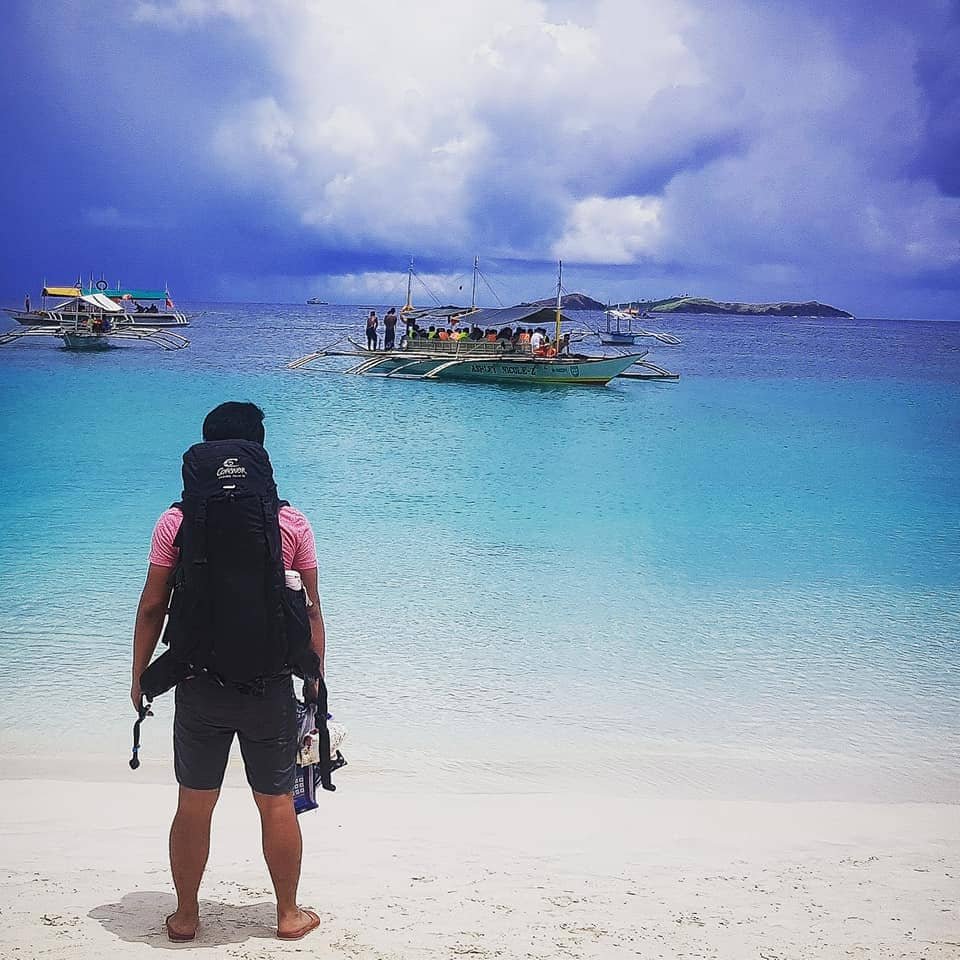
Maya Port is notoriously shallow. During low tide, the large passenger bancas (outrigger boats) cannot dock at the concrete pier. You will be asked to board a small flat-bottomed boat called a tunda to transfer you to the main vessel. This incurs a small extra fee (₱20) and often involves getting your feet wet, so wear sandals.
[Image: A photo of the “Tunda” transfer at Maya Port, showing travelers stepping from a small boat onto the larger Banca ferry.]
Lakbaypinas Tip: The “Pakyaw” Option If you arrive at Maya Port after the public boats have stopped (post-5:00 PM), you are not entirely stranded. Local boatmen will offer a “Special Trip” or Pakyaw.
Cost: ₱1,500 – ₱2,500 (per boat, not per person).
Safety Warning: While tempting, we strongly advise against crossing at night if the weather is rough. Most local boats lack proper navigational lights, and the route has shallow reefs. If the Coast Guard has raised a gale warning, stay on the mainland.
Malapascua Island Diving: The Thresher Shark Phenomenon
The primary economic engine of this island is a single, predictable biological event: the daily rise of the Pelagic Thresher Shark (Alopias pelagicus). While you can find these sharks in other oceans, Malapascua Island diving is unique because it is the only place on Earth where recreational divers can reliably observe them every single day.
For decades, Monad Shoal was the undisputed stage for this show. However, by 2026, a significant shift in marine behavior has occurred.
Monad Shoal vs. Kimud Shoal: The 2026 Shift
Monad Shoal is a submerged seamount with a flat top at approximately 20–25 meters. It functions as a cleaning station where sharks ascend from the deep to have parasites removed by cleaner wrasse.
However, recent years have seen a migration. The Thresher Sharks have increasingly moved their morning ritual to the nearby Kimud Shoal.
Why the shift? Marine biologists and local guides cite the increased presence of Tiger Sharks at Monad Shoal as a competitive pressure that has pushed the shy Threshers to Kimud.
The Benefit: This is actually good news for divers. Kimud Shoal is shallower (the top starts at ~12–16 meters), allowing for better light, longer bottom times, and sightings that are often friendlier to Open Water divers (though Advanced certification is still preferred).
Dive Profiles & Strategy
To witness this phenomenon, you must embrace the “Alpine Start.” Boats depart at 4:30 AM – 5:00 AM.
Depth: Dives typically range from 20m to 30m.
Nitrox: Because you are staying at depth to wait for the sharks, diving on Nitrox (Enriched Air) is highly recommended to extend your bottom time.
No Touching: Threshers are extremely sensitive to light and bubbles. Strobes are strictly prohibited by local ordinance.
Recommended Dive Operators
The island’s safety standards are generally high, but these operators stand out for their facilities and technical expertise:
Thresher Shark Divers (TSD): A PADI 5-Star CDC center. They are the most established shop and excellent for professional-level training.
Evolution Diving: The choice for technical divers. They specialize in deep tech profiles and have expert guides for macro photography (finding rare nudibranchs).
Devocean Divers: A PADI 5-Star IDC resort known for small group ratios and a relaxed atmosphere.
The Cost of Diving (2026 Estimates)
Budgeting for Malapascua Island diving is straightforward. Most shops have standardized rates to prevent price wars.
| Item | Est. Cost (PHP) | Notes |
| Fun Dive | ₱1,800 – ₱2,000 | Includes tank, weights, boat |
| Nitrox Upgrade | ₱350 | Per tank (Highly Recommended) |
| Marine Park Fee | ₱150 – ₱300 | Daily government fee |
| Fuel Surcharge | ₱200 – ₱500 | Applies to far sites like Gato/Kimud |
| Equipment Rental | ₱300 – ₱500 | Per dive (if you don’t bring your own) |
Day Trip: Kalanggaman Island
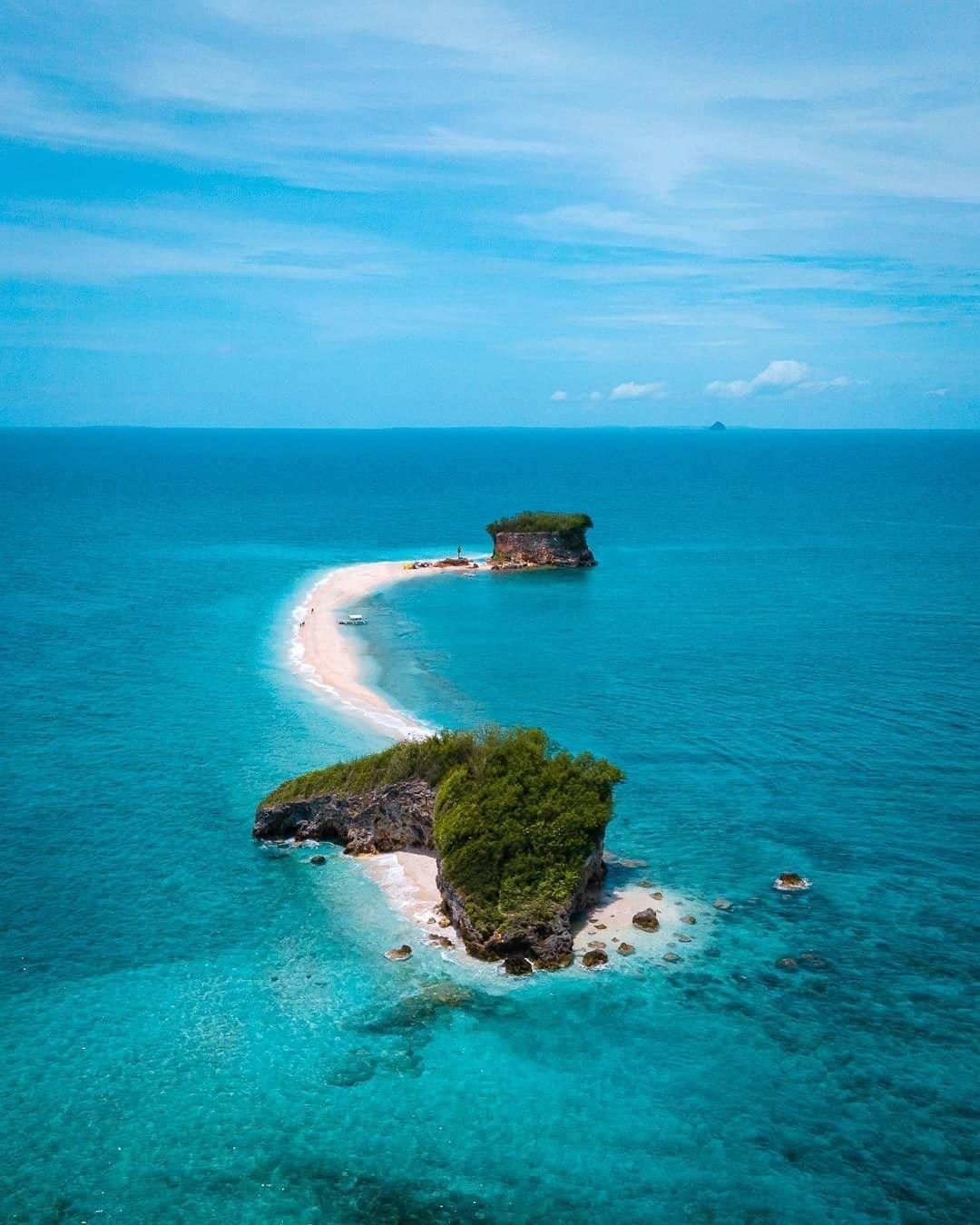
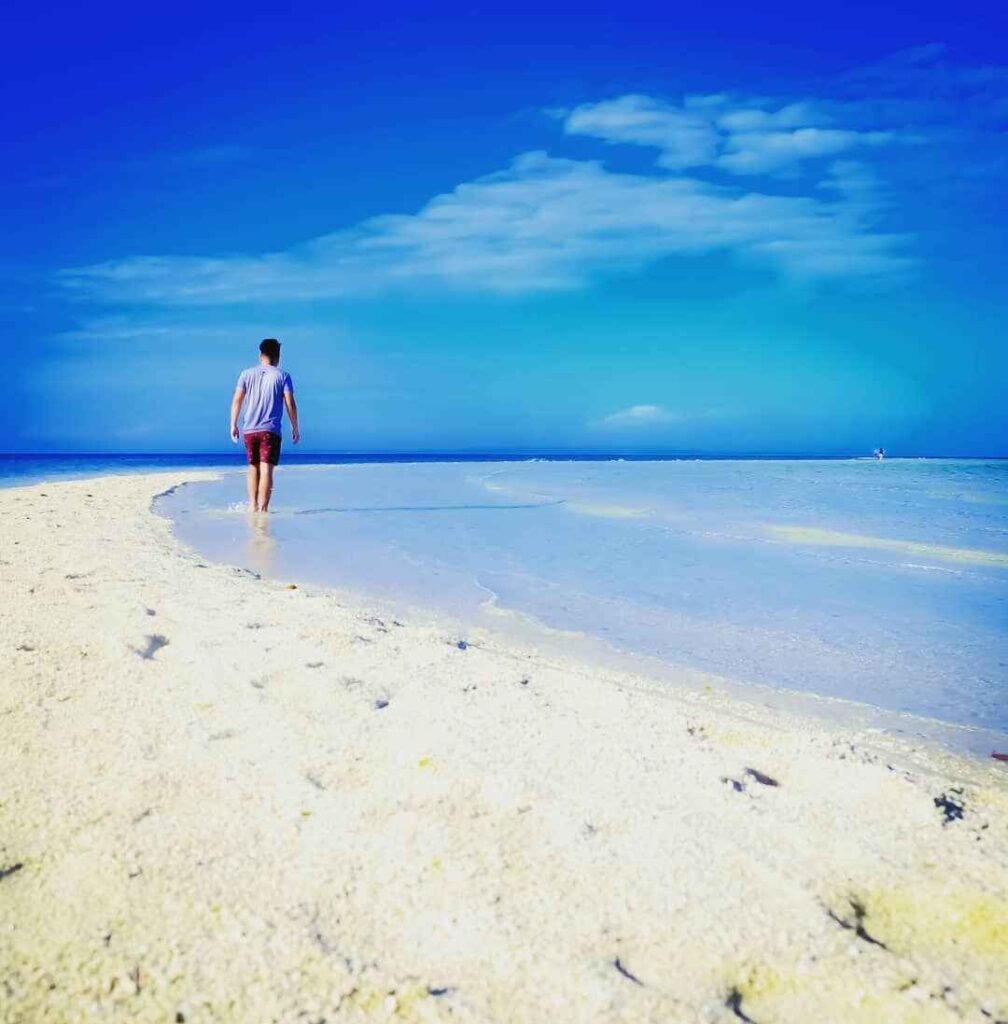
While technically located in the province of Leyte, Kalanggaman Island is the most popular day-trip excursion for travelers based in Malapascua. Famous for its magnificent white sandbar that stretches far into the cerulean sea, this uninhabited island offers a stark, photogenic contrast to the dive-centric routine of Malapascua.
Logistics & The Crossing The journey from Kalanggaman back to Malapascua takes approximately 1.5 to 2 hours, depending on sea conditions. Because the crossing traverses open water, boats typically depart early in the morning (around 9:00 AM) and return by mid-afternoon to avoid rougher seas.
2026 Fees & Tour Costs Most dive shops and resorts organize “joiner” tours, which is the most cost-effective way to visit.
Joiner Tour Rate: Expect to pay between ₱800 – ₱1,500 per person. This usually includes the boat transfer and a grilled BBQ lunch on the island.
Entrance Fees:
International Tourists: ₱500
Local Tourists (Filipinos): ₱150
Where to Stay in Malapascua Island
Deciding where to stay in Malapascua Island depends heavily on your tolerance for rustic living versus your need for modern creature comforts. By 2026, the island’s hospitality landscape has matured, offering distinct tiers ranging from high-end boutique resorts to basic backpacker hostels.
Luxury & Boutique (₱4,500 – ₱9,000+)
Ocean Vida Beach & Dive Resort: The undisputed market leader on Bounty Beach. It sits right in the center of the action with modern rooms, a popular beach bar, and reliable amenities.
Blanco Beach Resort: For those seeking aesthetic perfection, this resort features striking white Mediterranean architecture and highly Instagrammable interiors.
Mid-Range (₱2,000 – ₱4,000)
Tepanee Beach Resort: Perched on a private rocky headland, Tepanee offers secluded cottages and its own small private beach. It is renowned for its eco-friendly practices.
Hippocampus Beach Resort: A staple of the island’s social scene. It strikes a balance between comfort and atmosphere, often featuring live acoustic music at night.
Budget & Backpacker (₱800 – ₱1,800)
Slam’s Garden Dive Resort: Located slightly inland, Slam’s offers a rare budget luxury: a swimming pool.
Malapascua Budget Inn: The go-to for solo travelers and long-stay divemaster trainees offering dormitory beds and basic private rooms.
If you are looking for more budget-friendly nature trips in Cebu after your island hop, check out Inambakan Falls in Ginatilan for a multi-level waterfall adventure that costs a fraction of a resort stay.
Lakbaypinas Tip: Water Reality Check Fresh water is gold on this island. The tap water in most budget and mid-range accommodations is brackish (slightly salty). Only top-tier luxury resorts typically have full desalination plants.
Hack: Bring “reef-safe” soap and shampoo that lathers well in hard water.
Warning: Never drink from the tap. Always use the filtered water stations provided by your hotel to refill your reusable bottle.
Where to Eat & Nightlife
The culinary landscape of Malapascua is surprisingly cosmopolitan, a delicious side effect of the European expatriate community that helped build the local dive industry.
Dining: From Plastic Stools to Linen Tablecloths
Angelina (Sitio Logon): The undisputed queen of dining on the island. Owned by an Italian family, this is where you go for authentic wood-fired pizza and homemade pasta that rivals Manila’s best. It is “High End” for the island, so expect to pay ₱500–₱800 per main dish.
Ging-Ging’s Restaurant: The legendary backpacker staple. It’s not fast food—it’s “island time” food—but the Chicken Adobo and Breakfast Silogs are unbeatable value at ₱150–₱250. It is the best place to meet other solo travelers.
Ocean Vida: The default social hub on Bounty Beach. Their nightly buffet is popular, but the real draw is the “bean bag” lounge area on the sand.
Happy Hour: 4:00 PM – 6:00 PM (2-for-1 Cocktails).
Nightlife: Chill vs. Chaos Malapascua is not a party island; divers need to wake up at 4:30 AM. Nightlife usually consists of acoustic bands and San Miguel beers on the beach. However, there is one exception.
Lakbaypinas Tip: The Saturday Night Disco If you are on the island on a weekend, follow the bass to the village basketball court. Every Saturday (and sometimes Sunday), it transforms into a massive open-air disco. It is loud, sweaty, and incredibly fun.
Entrance Fee: Usually ₱20 – ₱50.
Vibe: Local families, kids, and tourists all dancing to remixed pop hits. It is the most authentic community experience you can have.
3-Day Malapascua Island Itinerary & Budget
Whether you are here to hunt Threshers or just hunt for the perfect tan, these itineraries optimize your time and wallet.
Option 1: The Diver (High Budget)
Target Audience: Advanced Open Water divers seeking maximum pelagic interaction.
Day 1: Arrival. Check-in at Ocean Vida. Sunset drinks. Dinner at Angelina.
Day 2:
04:30 AM: Kimud Shoal (Thresher Sharks/Hammerheads).
09:00 AM: Monad Shoal (Tiger Shark potential).
14:00 PM: Gato Island (White Tip Sharks & Tunnel).
18:00 PM: Night Dive at Lighthouse (Mandarin Fish mating).
Day 3: Morning macro dive at Deep Slope. 12:00 PM Departure to Maya Port.
Estimated Cost (3 Days): ₱18,000 – ₱22,000+
(Includes high-end accommodation, 5-6 dives with Nitrox & fuel surcharges, and private transfers.)
Option 2: The DIY Explorer (Low Budget)
Target Audience: Snorkelers, couples, and backpackers.
Day 1: Arrival. Check-in at Malapascua Budget Inn. Dinner at Ging-Ging’s.
Day 2:
Morning: Joiner tour to Kalanggaman Island (Snorkeling & Sandbar).
Afternoon: Walk to North Beach (Guimbitayan) for sunset.
Day 3: Rent a motorcycle (Habal-habal tour) to cliff jump at Los Bamboos. 12:00 PM Ferry to Maya.
Estimated Cost (3 Days): ₱6,000 – ₱8,000
(Includes fan room, public bus/ferry, cheap eats, and shared tours.)
Daily Expense Breakdown (2026 Estimates)
This table helps you calculate your “Safe Cash” allowance.
| Expense Category | Budget / Backpacker | Mid-Range / Flashpacker | Luxury / Diver |
| Accommodation | ₱800 – ₱1,200 (Fan) | ₱2,500 – ₱4,000 (AC) | ₱6,000+ (Beachfront) |
| Food (Daily) | ₱500 (Carenderia) | ₱1,200 (Restos) | ₱2,500+ (Resort Dining) |
| Transport (One Way) | ₱550 (Bus + Ferry) | ₱700 (Van + Ferry) | ₱4,500 (Private Taxi) |
| Activities | ₱500 (Snorkel Gear) | ₱1,500 (Kalanggaman) | ₱8,000+ (Dive Package) |
| Fees & Surcharges | ₱200 (Env. Fees) | ₱500 (Env. + Tips) | ₱1,500 (Fuel/Nitrox) |
If this budget fits your wallet, you might also enjoy the Ultimate Travel Guide to Oslob for a cheaper, though more crowded, marine experience in South Cebu.
Inter-Island Connectivity: Bantayan & Beyond
A common misconception among travelers is that there is a daily public ferry connecting Malapascua directly to Bantayan Island. There is not.
To hop between these two northern jewels, you have two choices: the cheap, circuitous public loop or the expensive, direct private charter.
Option 1: The “Mainland Loop” (Public Route) This is the standard route for budget travelers. It consumes a full travel day (approx. 6–8 hours).
Boat: Malapascua to Maya Port (30 mins).
Bus/Trike: Maya Port to Bogo City (1 hour).
Transfer: From Bogo City, take a bus or tricycle to Hagnaya Port (45 mins).
Ferry: Hagnaya Port to Santa Fe, Bantayan (1.5 hours).
Option 2: Private Boat Charter (Direct) Local boat captains offer direct crossings, but this is weather-dependent. The Visayan Sea can get rough.
Cost: ₱3,500 – ₱5,000 (good for 1–4 pax).
Duration: 2 – 3 hours.
Warning: Do not attempt this during the Amihan (monsoon) peak winds if you get seasick easily.
Lakbaypinas Tip: The “Visayan Loop” Don’t backtrack to Cebu City if you don’t have to. A popular itinerary flow is Malapascua → Bantayan → Bacolod/Iloilo. From Bantayan, you can take a ferry to Cadiz City (Negros Occidental) to continue your journey into the Western Visayas without returning to the traffic of Cebu.
Essential FAQ
Is there an ATM on Malapascua Island?
No. (Technically, there might be one standalone machine that is perpetually offline or out of cash). Cash is King. You must withdraw your entire budget in Cebu City or Bogo City before boarding the boat. Major resorts accept credit cards but often add a 3–5% surcharge.
Is Malapascua safe for solo travelers?
Yes, very. The island community is small, tight-knit, and protective of its tourism reputation. Violent crime is virtually non-existent. Standard precautions apply: don’t leave valuables unattended on the beach while swimming.
Is there a hospital on the island?
No. There is only a small Barangay Health Center for basic first aid (cuts, scrapes). The nearest full-service hospital is in Cebu City, which is 4–5 hours away. Dive safely and within your limits to avoid decompression sickness, as evacuation is slow and expensive.
Can I fly a drone?
Yes, generally. The Philippines is drone-friendly. However, Kalanggaman Island has stricter rules; you may need to secure a permit from the Palompon LGU or pay a specific “drone fee” upon arrival. Always respect privacy in resorts.
How is the internet in 2026?
Surprisingly good. The widespread adoption of Starlink by resorts and dive shops has revolutionized connectivity. Digital nomads can now reliably take Zoom calls from their beachfront balconies, a feat that was impossible just a few years ago.
Conclusion: Is Malapascua Worth the Journey?
Is the four-hour bus ride and the wet boat transfer worth it? If you demand 5-star paved roads and Starbucks, probably not. But if you value world-class marine encounters and a community that still operates on “island time,” the answer is a resounding yes.
Malapascua remains the “Wild North” of Cebu—a rustic counterweight to the manicured, traffic-heavy south. It is one of the few places left where you can start your day with a Thresher Shark and end it with a ₱50 beer on a bean bag, with nothing but the sound of waves in between.
After conquering the North, you might want to head South to change the scenery. Trade the ocean blue for the vibrant blooms of the Ultimate Guide to Sirao Flower Garden or pay your respects at the miraculous Simala Shrine.

This travel blog is incredibly informative and well-researched, offering valuable tips and insights for both first-time and seasoned travelers. The detailed itineraries and personal experiences make it easy to plan trips with confidence.