Quick Facts about Mt. Kimat
| Detail | Information |
|---|---|
| Mountain Name | Mt. Kimat |
| Alternate Names | Mt. Kimat Patil-ao, Mt. Kimat Patil-aw |
| Meaning of Kimat | Lightning in Ilocano |
| Province | Ilocos Sur |
| Municipality | Cervantes |
| Barangay | Malaya |
| Trail Type | Traverse |
| Jump-off | Bessang Pass Natural Monument |
| Exit Point | Zigzag road / Zigzag Pines Elementary School area |
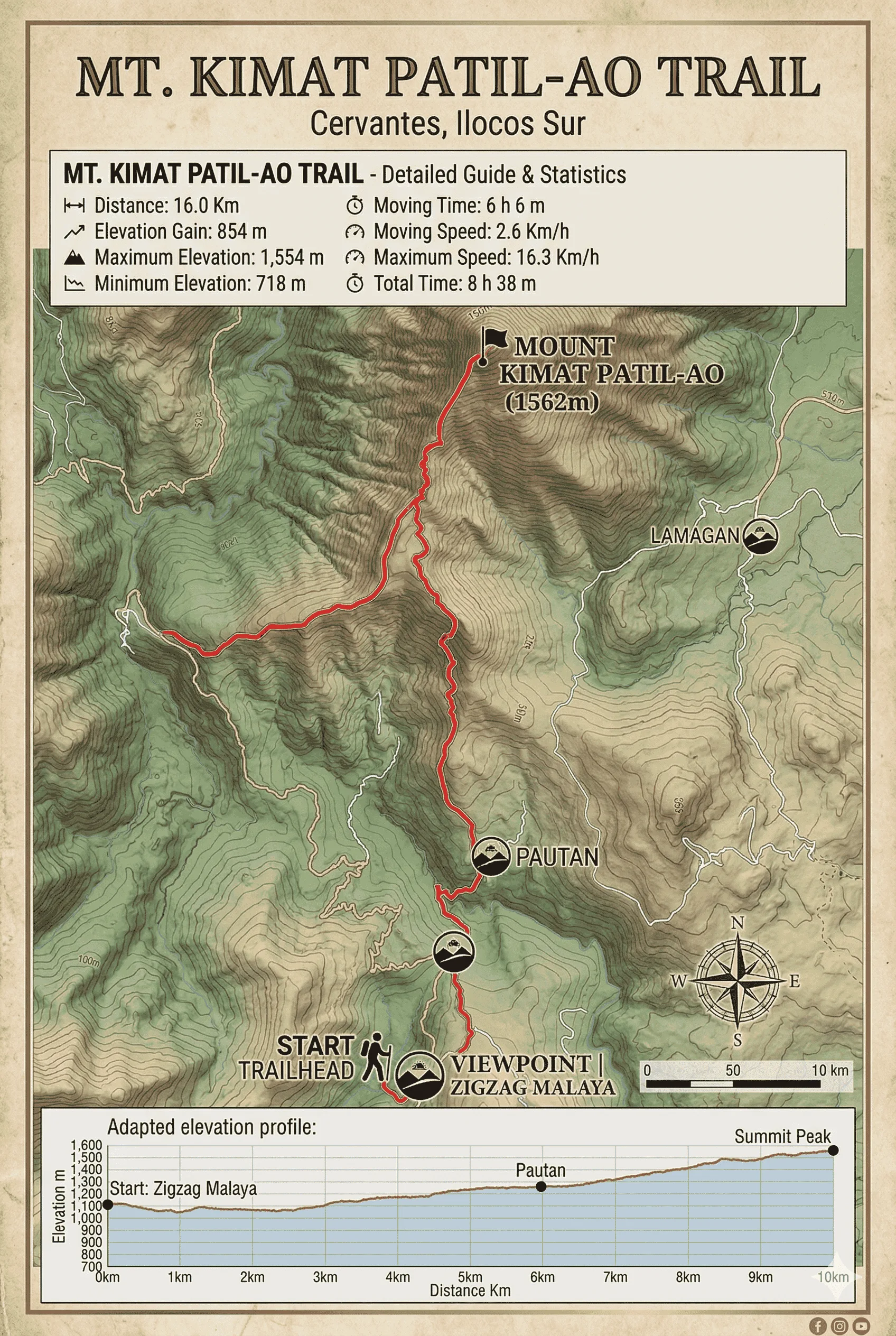
| Distance | Around 16 km |
| Elevation | Around 1,500–1,554 MASL |
| Elevation Gain | Around 854 meters |
| Difficulty | 6/9 |
| Usual Format | Day hike |
| Overnight Option | Yes, via Mangga Campsite |
| Moving Time | Around 6 hours |
| Realistic Total Time | Around 8–12 hours |
| Water | Seasonal and inconsistent |
| Guide | Treat as mandatory |
| Best For | Experienced hikers and strong intermediates |
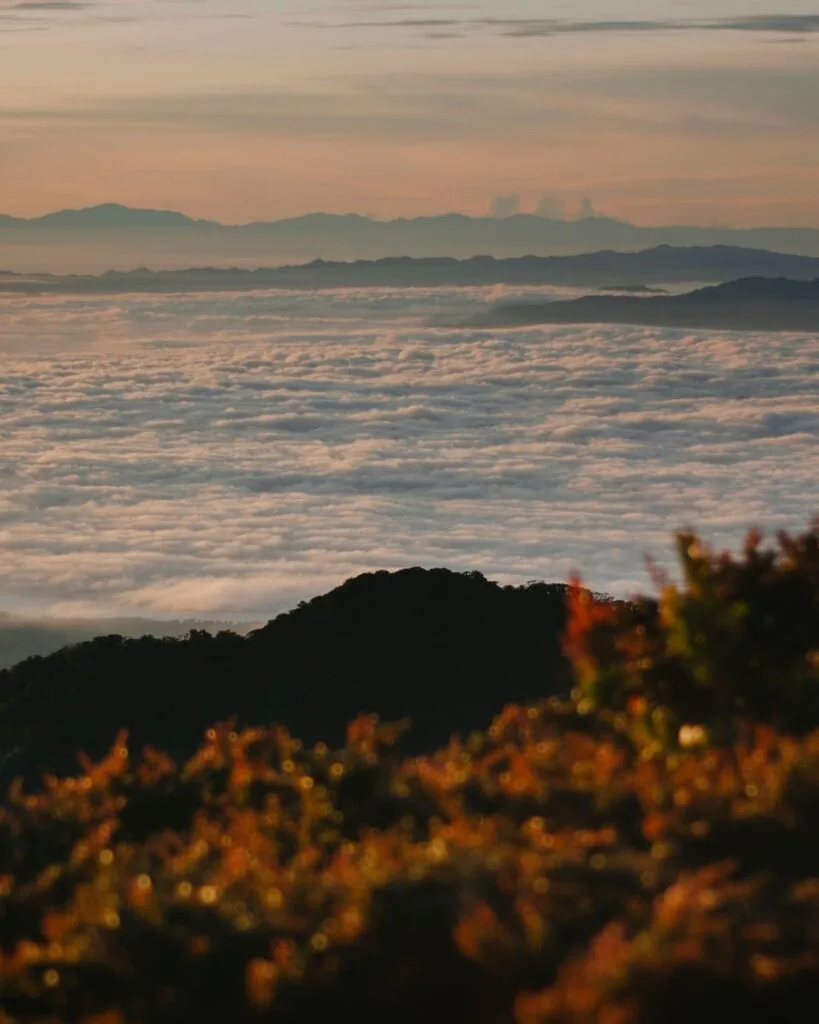
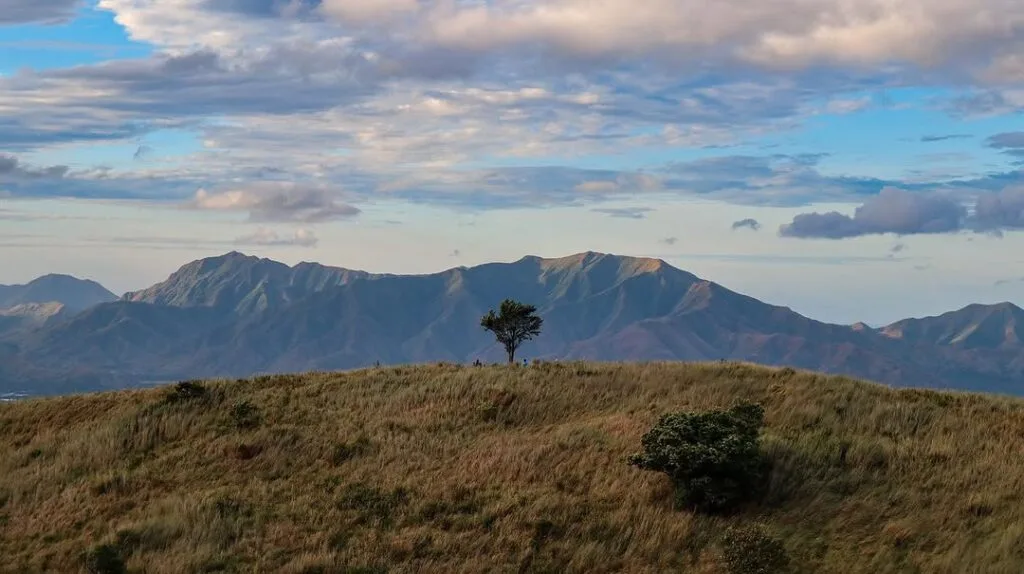
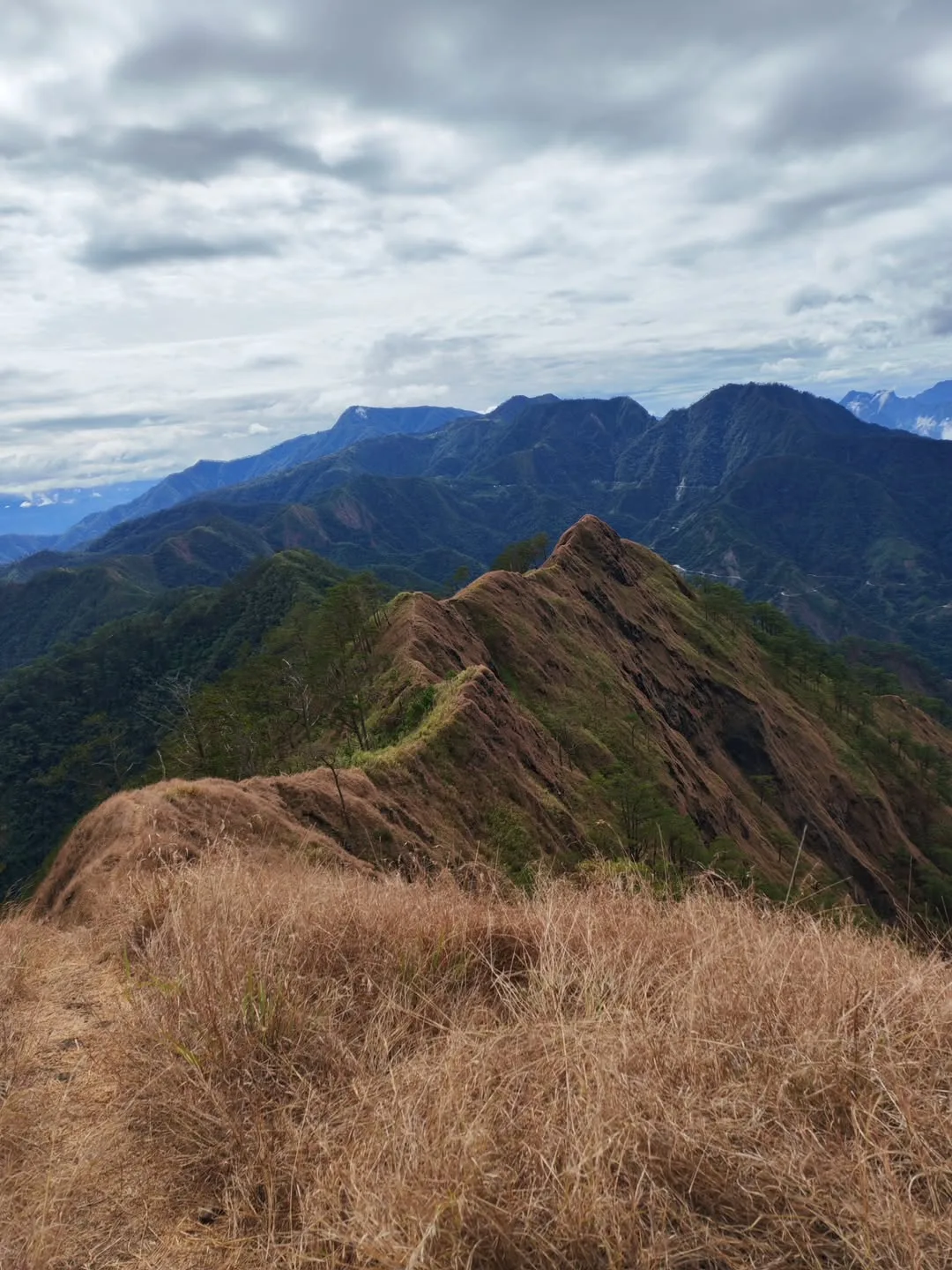
Mt. Kimat in Cervantes, Ilocos Sur is one of those mountains that rewards strong hikers with a raw, exposed, and memorable trail experience. I would not treat this as a casual scenic climb. It is a serious day-hike traverse with long trail hours, ridge exposure, and technical sections that demand steady pacing, careful footing, and respect for weather.
Also known as Mt. Kimat Patil-ao and sometimes written as Mt. Kimat Patil-aw, this mountain is steadily becoming one of the more talked-about climbs in Northern Luzon. If you are looking for a clear, practical guide that helps you plan the hike from Manila, understand the difficulty, estimate the budget, and know who to contact before going, this is the version I would want to read myself.
Table of Contents
Where is Mt. Kimat Located
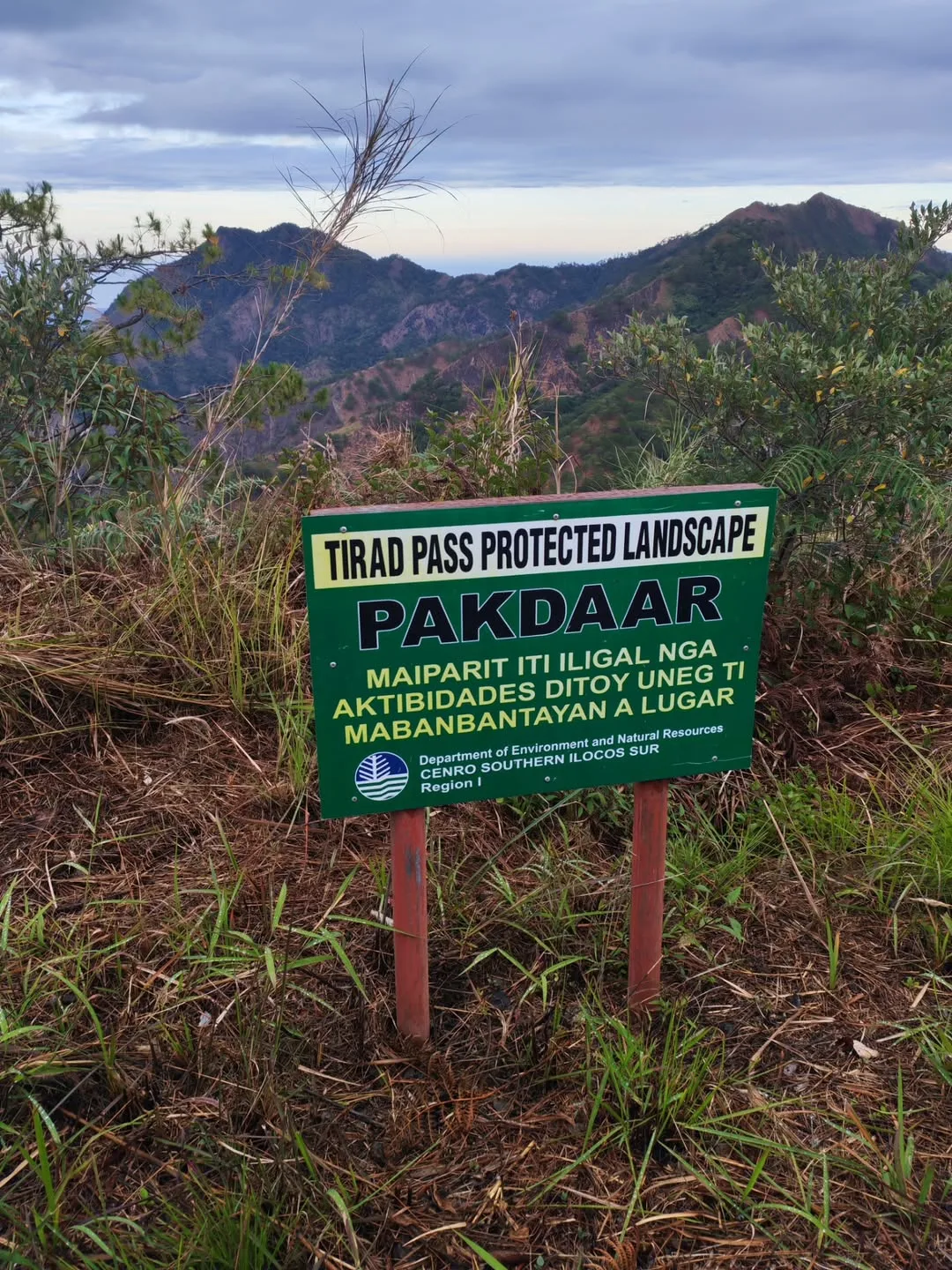
Mt. Kimat is located in Barangay Malaya, Cervantes, Ilocos Sur. For hikers, the most practical location reference is the Bessang Pass side, since that is the common jump-off and coordination point used for the climb. This location matters because transport, lodging, guide setup, and weather planning all depend on reaching Cervantes properly.
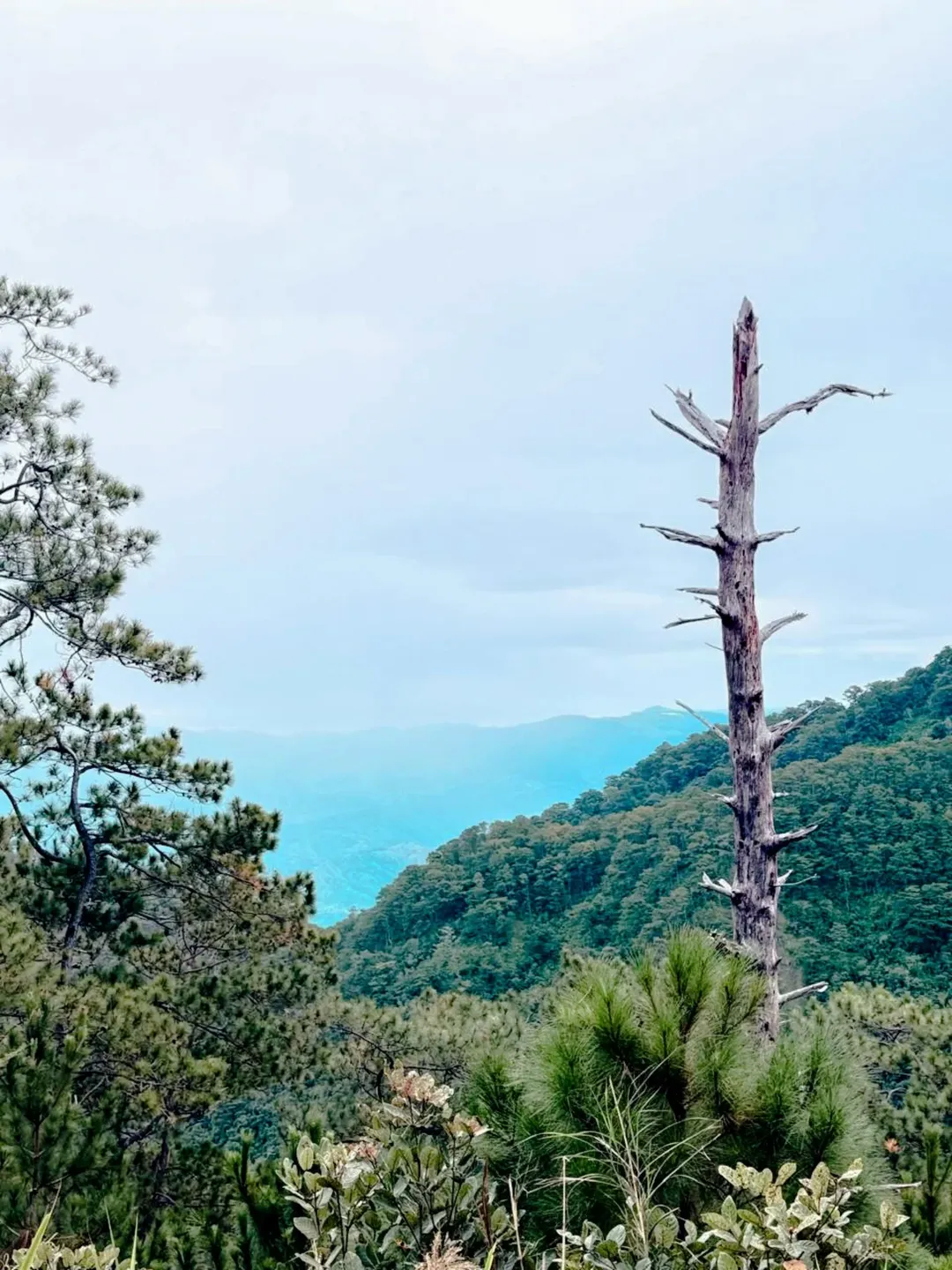
When I plan this mountain, I treat Cervantes as the main base point. It is the town I need to reach before climb day, whether I am commuting from Manila, joining an organizer, or driving privately. The Bessang Pass corridor also helps explain the mountain’s terrain character: open ridges, changing weather, and a more rugged Northern Luzon feel than easier beginner hikes.
If you are building a mental map of the route, the simplest version is this:
Cervantes, Ilocos Sur → Bessang Pass side jump-off → traverse route → Zigzag-side exit
MASL and Difficulty level of Mt. Kimat
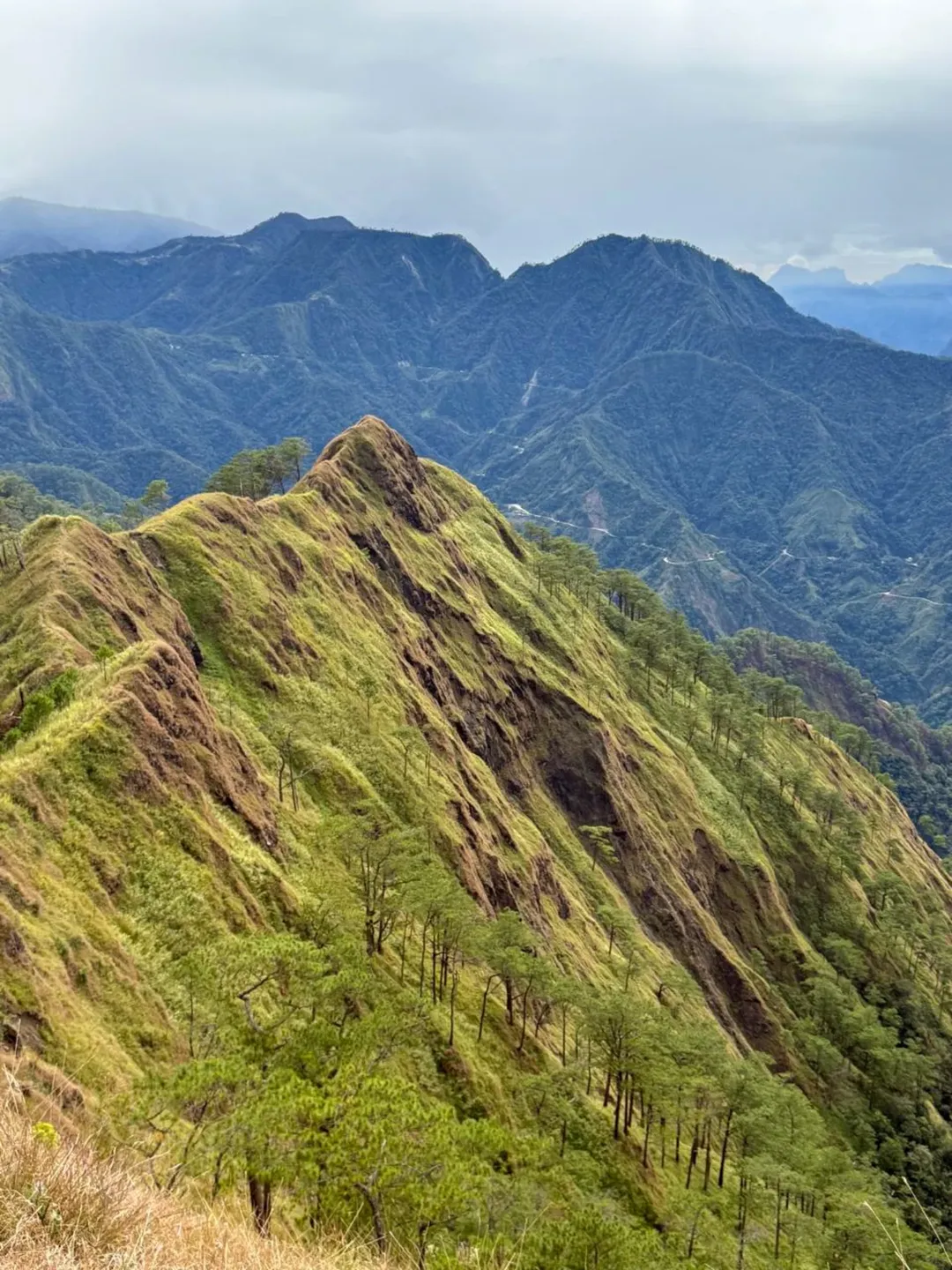
Mt. Kimat stands at around 1,500 to 1,554 MASL and carries a working difficulty of 6/9. On paper, that may look manageable for regular hikers, but the real challenge comes from the mountain’s exposure, side-slopes, loose terrain, and long day-hike demands rather than elevation alone.
I think 6/9 is a fair starting rating, but I would not underestimate the climb. This is not difficult just because it is long. It is difficult because the trail asks for stamina, body control, and mental steadiness all at once.
Here is what makes the mountain feel harder than the rating might suggest:
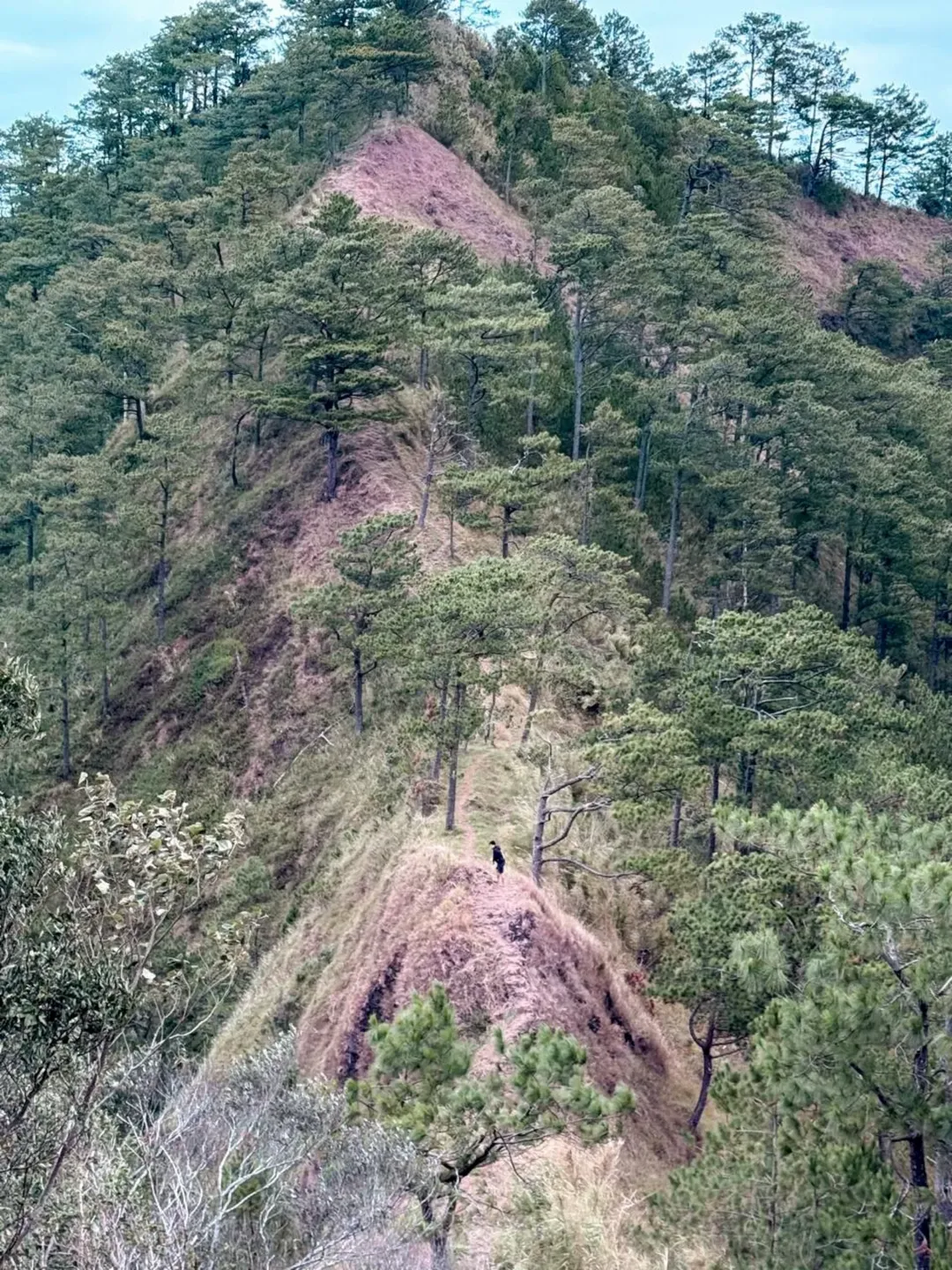
exposed ridge sections
steep summit push
loose soil and technical footing
side-slopes or “patagilid”
a descent that can feel sketchier than the ascent
long effort across a full traverse
If someone asked me whether this is beginner-friendly, my answer would still be no. I would recommend it more for:
experienced hikers
strong intermediate hikers with prior ridge exposure
day hikers who already know how they handle steep descents and long trail hours
Hiking Trail of Mt. Kimat
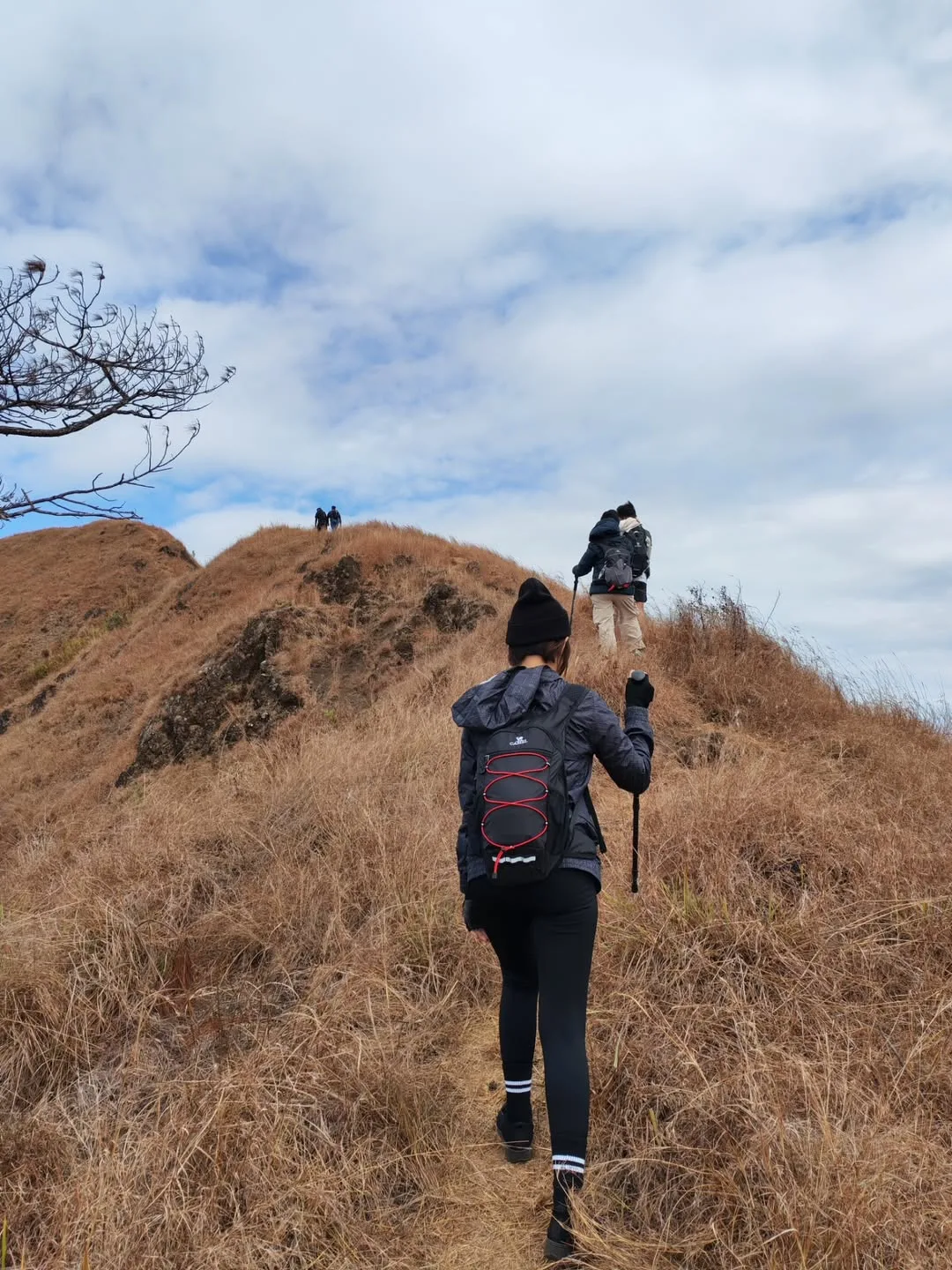
The trail is best understood as a traverse that starts from the Bessang Pass side, passes through forest and campsite sections, moves into exposed ridges and summit terrain, then exits toward the Zigzag road area. The mountain’s difficulty is defined more by trail character than by statistics, so route awareness matters.
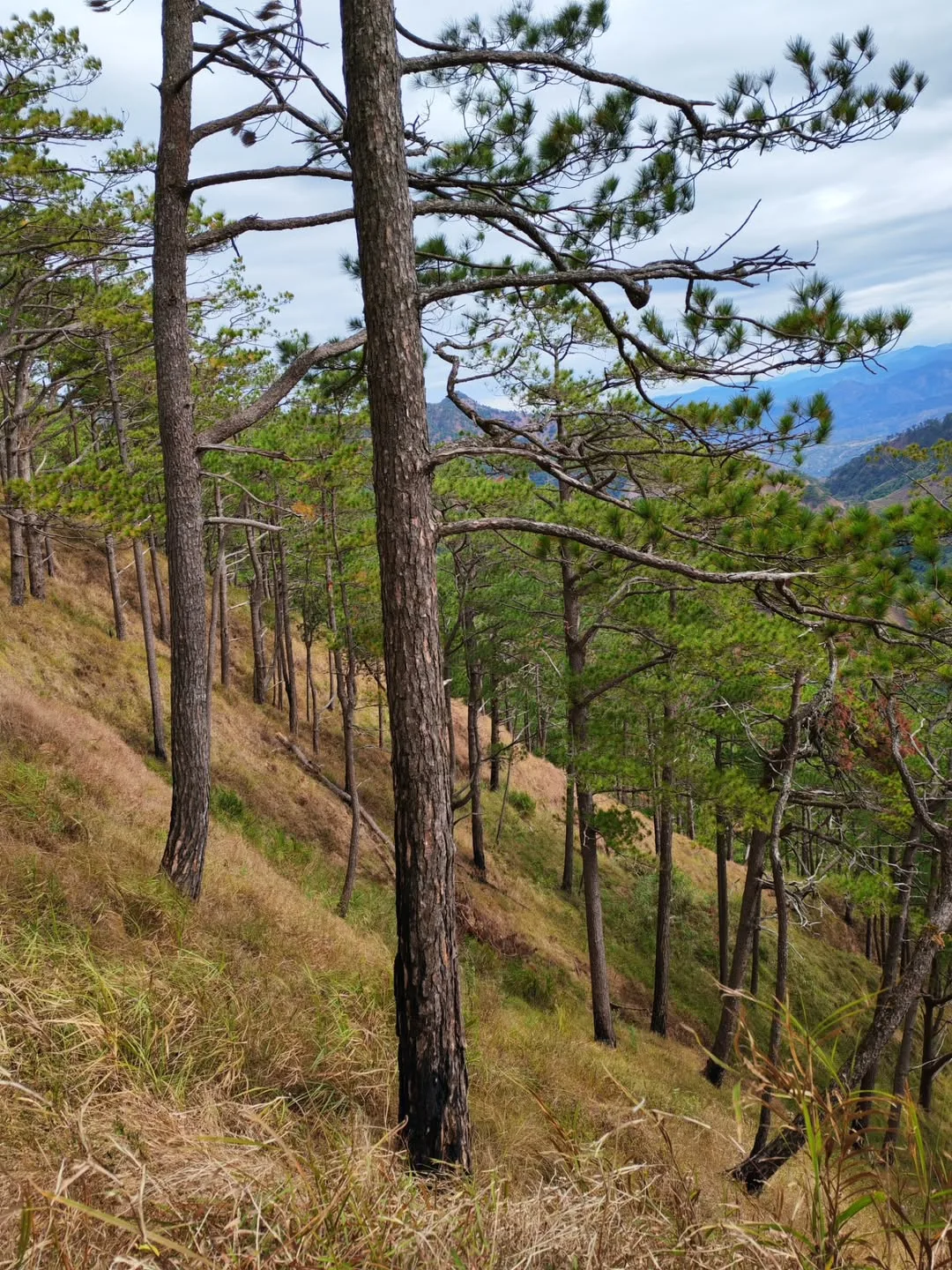
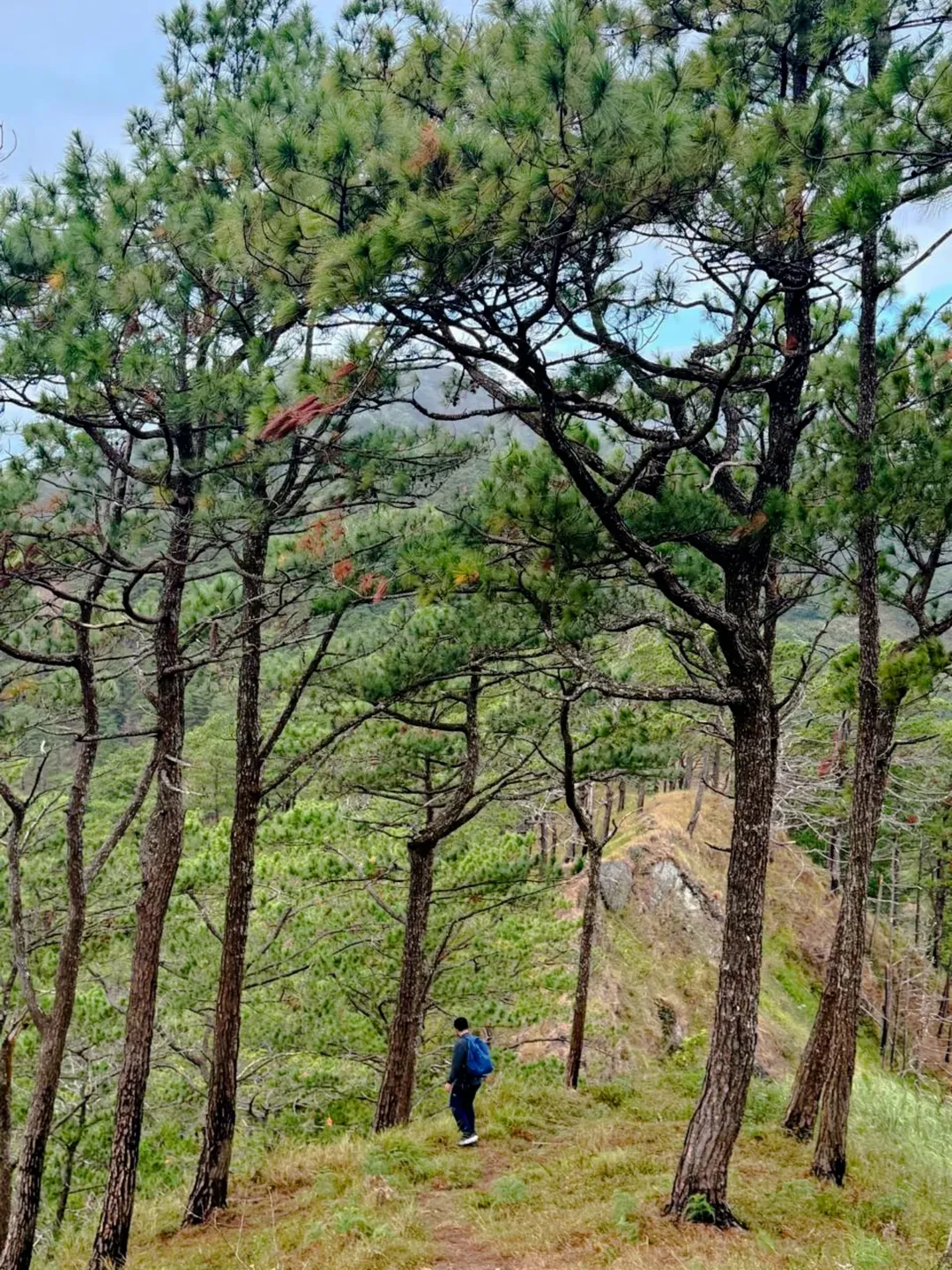
The day usually begins with registration and guide coordination near the Bessang Pass area. From there, the early part of the hike feels more forgiving, with forested or pine-character sections that can trick hikers into thinking the mountain is easier than advertised. I would not relax too early here. The more serious terrain comes later.
One of the most important anchors on the route is Mangga Campsite. This is useful not just for overnight planning, but also for pacing and hydration. After that, the mountain starts to reveal its real character. The open trail, exposed ridges, and summit push are where the climb shifts from manageable to serious.
The route typically includes:
early forest movement
Mangga Campsite
first water-source zone
open ridge sections
summit push
descent through technical terrain
exit toward the Zigzag road area
The descent deserves just as much respect as the ascent. On a mountain like this, tired legs plus loose soil plus side-slopes can make the way down more dangerous than the way up.
How to go to Mt. Kimat from Manila
The most practical way to reach the mountain from Manila is to get to Cervantes first, then continue to the Bessang Pass side for registration and the trail start. For most hikers, arriving the day before is the smartest move because this is not a climb I would pair with a stressful same-day commute.
The common access options are:
via Tagudin
via Baguio
via San Fernando, La Union
Commute guide from Manila
If I am commuting, I would plan the trip in two parts:
Manila to a major transit point such as Baguio, San Fernando, or Tagudin
Transit point to Cervantes, then rest overnight before climb day
Common fare benchmarks
Manila to San Fernando: around ₱370
San Fernando to Cervantes: around ₱160–₱200
Manila to Baguio: around ₱455
Baguio to Cervantes: around ₱180–₱200
Tagudin to Cervantes: around ₱120
Private vehicle notes
If I were driving, I would prepare for:
multiple hairpin curves
steep road sections near Cervantes
possible falling rocks in rainy weather
early departure if climbing the next day
For me, the smartest move is simple: sleep in Cervantes the night before. That gives me more energy, less stress, and a much safer start on climb day.
Best time to Hike Mt. Kimat
The best time to hike the mountain is during a dry and stable weather window, ideally between November and April. This matters because the route becomes much riskier in rain, especially on exposed ridges, loose descent sections, and side-slopes where footing can quickly deteriorate.
I would never treat this as a mountain to “push through” in uncertain weather. The route has enough exposure that a bad forecast should be taken seriously.
If I were choosing a climb date, I would prioritize:
dry-season weekends
stable morning weather
no thunderstorm forecast
no heavy rain the night before if the trail is known to get slick
This is also one of those mountains where an early start is part of the safety system. My ideal timing would be:
05:00 AM registration
05:30 AM trail start
If weather turns unstable or the team is clearly behind pace early in the day, I would reassess immediately instead of forcing the summit.
Sample Itinerary of Mt. Kimat (From Manila)
A practical Manila-based itinerary works best when I arrive in Cervantes the day before, sleep nearby, then start the traverse early the next morning. This setup is safer, less stressful, and much more realistic than trying to combine a long commute and a demanding climb in one stretch.
Day 0: Manila to Cervantes
Leave Manila by bus or private vehicle
Travel via Tagudin, Baguio, or San Fernando route
Arrive in Cervantes
Check in to a lodge or homestay
Confirm guide, registration, and assembly time
Rest early
Day 1: Climb day
05:00 AM registration at the Bessang Pass side
05:30 AM trail start
08:00 AM Mangga Campsite
09:00 AM first water-source zone
09:30 AM open trail
11:30 AM summit area and lunch
12:30 PM start descent
02:30 PM water-source zone on descent
03:40 PM road segment
04:30 PM exit point
Return to town or continue onward travel depending on setup
Day 2: Return to Manila
Breakfast in Cervantes
Travel back to Manila by chosen route
For slower groups, an overnight setup through Mangga Campsite is possible, but most hikers still do this as a long day hike.
Budget Breakdown
The cleanest way to estimate the cost is to separate organizer package pricing from direct trail expenses. The most useful on-ground anchors right now are the ₱100 registration fee and ₱500–₱1,000 guide fee, while the total budget depends on transport, lodging, and whether I go DIY or join a package.
| Cost Item | Estimated Cost | Notes |
|---|---|---|
| Organizer package | ₱3,000 | Common event-style benchmark |
| Downpayment | ₱1,000 | Usually deducted from total package cost |
| Registration fee | ₱100 | Common working local rate |
| Environmental fee | VERIFY LOCALLY | May be bundled or separate |
| Guide fee | ₱500–₱1,000 | Depends on current local setup and group size |
| Porter fee | VERIFY LOCALLY | Not consistently listed |
| Campsite fee | VERIFY LOCALLY | Relevant for overnight climb |
| Parking fee | VERIFY LOCALLY | For private vehicle groups |
| Shower / CR fee | Personal expense | Usually separate |
| Lodging in Cervantes | VERIFY LOCALLY | Depends on chosen inn or lodge |
| Local transfer / extraction | VERIFY LOCALLY | May apply depending on route setup |
My practical budget take
If I were joining an organized climb, the ₱3,000 package is a useful benchmark, but I would still ask what is included. Some organizers bundle transport and coordination, while others leave out shower fees, meals, or other small expenses.
If I were planning a DIY trip, I would budget separately for:
bus fares or fuel
lodging
registration
guide fee
food and water
emergency cash
shower or small local expenses after the hike
Who to contact before hiking Mt. Kimat
Before climbing, I would confirm the latest registration process, guide setup, weather conditions, and access status directly with the local tourism side in Cervantes. That is much safer than relying only on older organizer posters or random social posts.
Tourism contact
Mobile: +63 919 005 0237
Email: cervantespadre05@gmail.com
Facebook: Cervantes Tourism
What I would ask before the hike
Before finalizing the trip, I would confirm:
whether the mountain is currently open
pre-registration steps
current guide fee and guide requirement
registration and environmental charges
jump-off and exit arrangement
weather-related trail advisories
campsite setup if planning to stay overnight
current road condition updates
If the tourism office does not directly manage mountain bookings, I would still start there because they can usually point hikers to the current local coordinator or guide contact.
FAQ’s
1) Where is Mt. Kimat located?
The mountain is in Barangay Malaya, Cervantes, Ilocos Sur, with the usual jump-off linked to the Bessang Pass side.
2) How hard is Mt. Kimat?
It has a working difficulty of 6/9, but it can feel harder because of ridge exposure, loose footing, side-slopes, and a long day-hike traverse format.
3) Is Mt. Kimat beginner friendly?
No. I would not recommend this as a beginner mountain. It is better suited to experienced hikers or strong intermediates with prior ridge exposure.
4) How many hours is the Mt. Kimat hike?
Most hikers should plan for around 8 to 12 hours total, depending on pace, weather, and trail condition.
5) How many kilometers is Mt. Kimat?
A good working benchmark is around 16 kilometers.
6) What is the elevation of Mt. Kimat?
The safest planning figure is around 1,500 to 1,554 MASL.
7) Do you need a guide for Mt. Kimat?
Yes. I would currently plan on local guide coordination being required.
8) How much does Mt. Kimat cost?
Useful on-ground anchors are ₱100 registration and ₱500–₱1,000 guide fee, but the total trip cost depends on transport, lodging, and final setup.
9) What is the jump-off for Mt. Kimat?
The usual jump-off is the Bessang Pass Natural Monument side.
10) Is Mt. Kimat a day hike or overnight hike?
It is most commonly done as a day hike, though an overnight setup through Mangga Campsite is possible.
Final thoughts
This Cervantes climb is one of the more exciting emerging mountain guides I have worked on because it has real trail character, meaningful terrain variety, and enough difficulty to demand proper planning. At the same time, it is still underdeveloped online, which means many hikers are piecing together their trip from scattered posts instead of one complete guide.
If I had to summarize it simply, I would say this:
The mountain is a serious Northern Luzon traverse that rewards strong hikers with a raw, exposed, and memorable trail day—but only if they respect the route, weather, water, and time.
That is the version I would trust enough to plan around.
Read more hiking and travel guides
If you are planning this climb, it also helps to read a few related guides before finalizing your trip. These articles can help you compare difficulty, build a bigger Ilocos Sur itinerary, or understand where this route fits among other mountains in the Philippines.
Aw-Asen Falls in Sigay, Ilocos Sur DIY Travel Guide – A good side trip if you want to explore more of inland Ilocos Sur after your hike.
19 Must-Visit Ilocos Sur Tourist Spot 2025 Guide – A broader Ilocos Sur guide if you want to turn your climb into a longer provincial trip.
Beginner-Friendly Hikes in the Philippines – Helpful if you want to compare this route against easier mountains before deciding if it fits your current level.
Major Climb Mountain Philippines Difficulty 5–8 – A useful reference if you want to understand where this mountain sits in the major-climb range.
Mountains in the Philippines Travel Guide – A broader roundup for hikers building a longer mountain bucket list across the country.