
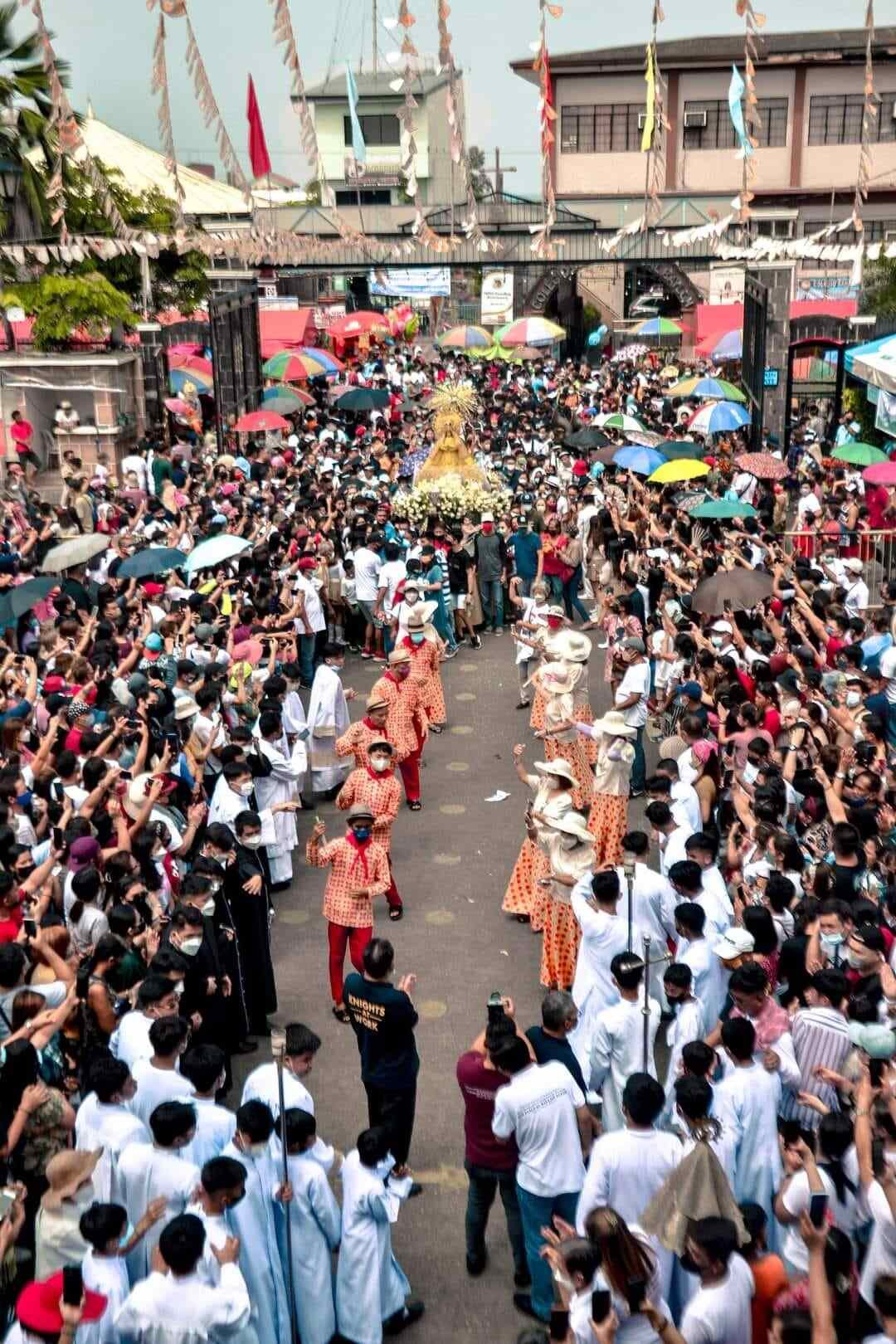
Obando Fertility Rites 2026 is worth attending if you want a meaningful cultural and devotional experience, not just a colorful street show. Held in Obando, Bulacan, the event is centered around Obando Church, also known as San Pascual Baylon Parish, where devotees gather for prayer, Mass, music, procession, and the famous Obando fertility dance.
The core Obando Festival 2026 schedule runs from May 17 to 19, 2026, with each day connected to one of the three revered figures of the celebration: San Pascual Baylon, Santa Clara, and Our Lady of Salambao. The festival is especially known as a prayerful dance for fertility, but that is not the only reason people attend. Some come to pray for a spouse, family blessings, good health, livelihood, thanksgiving, or a long-held personal intention.
What makes Sayaw sa Obando memorable is the way faith, movement, music, and community blend in one compact town setting. It can be hot, crowded, emotional, and physically tiring, but if you arrive early and attend respectfully, Obando Fertility Rites 2026 can be one of the most meaningful cultural festivals in Bulacan. Current event listings place Obando Festival 2026 on May 17–19 at Obando Church / San Pascual Baylon Parish, with free attendance noted.
Obando Fertility Rites 2026 Quick Facts
Obando Fertility Rites 2026 is best planned as a half-day cultural-pilgrimage trip from Metro Manila or nearby Bulacan towns. The biggest planning factors are not only the date and schedule, but also your arrival time, heat tolerance, crowd patience, and respect for the devotional nature of the event.
Obando Fertility Rites 2026 Quick Facts
| Category | Details |
|---|---|
| Event name | Obando Fertility Rites 2026 / Sayaw sa Obando |
| Common names | Obando Festival, Obando Fertility Dance, Obando Fiesta |
| Location | Obando Church / San Pascual Baylon Parish |
| Town / Province | Obando, Bulacan |
| Event type | Religious festival, cultural rite, pilgrimage-linked celebration |
| Main dates | May 17–19, 2026 |
| Best for | Devotees, couples, cultural travelers, respectful observers |
| Ideal trip style | Half-day Bulacan cultural-pilgrimage trip |
| Main highlight | Dance-and-prayer procession around the church and streets |
| Best time to arrive | 6:00–7:00 AM or earlier for Mass |
| Best time to observe | Morning procession / post-Mass activity |
| Crowd level | High near Mass and procession windows |
| Heat exposure | High because the event happens in May |
| Etiquette level needed | High; this is prayer-centered, not just entertainment |
| Family-friendliness | Better for older kids; difficult for toddlers/strollers |
| Photography value | High, but requires sensitivity |
| Day trip or overnight | Day trip for most visitors |
| Budget level | Low to moderate |
| Walking / standing level | Moderate to heavy |
Table of Contents
What Is Obando Fertility Rites?
Obando Fertility Rites is a dance-and-prayer devotion held every May in Obando, Bulacan. It is widely known as Sayaw sa Obando, Obando Fertility Dance, or Obando Fertility Rites Festival, and it is one of the most distinct religious-cultural traditions in the Philippines.
At the heart of the event is a simple but powerful idea: people dance as a form of prayer. For many devotees, the movement is not performance. It is a petition, a vow, or thanksgiving carried through the body while moving with the crowd, music, and church procession.
The three-day Obando fiesta honors three figures: San Pascual Baylon, Santa Clara, and Our Lady of Salambao. The Provincial Government of Bulacan describes the May 17–19 celebration as an occasion where childless couples appeal for heavenly intercession, maidens and bachelors pray for partners, and farmers give thanks for bountiful harvests.
What stood out to me about the meaning of Sayaw sa Obando is that the dance may look festive from the outside, but for many people it is a private prayer being carried in public. Some couples arrive with quiet hopes. Some families come back in thanksgiving. Some visitors simply observe and try to understand the devotion without getting in the way.
That is why the Obando fertility dance should not be treated as a gimmick. It is a mix of Catholic devotion, local heritage, folk memory, town fiesta energy, and personal faith. It is religious, cultural, emotional, and communal all at once.
When Is Obando Festival 2026? Schedule and Feast Days
Obando Festival 2026 is scheduled from May 17 to May 19, 2026 in Obando, Bulacan. These are the core dates for the Obando fertility dance schedule 2026, and each day is connected to a specific saint or Marian title. Event listings for 2026 identify May 17–19 as the festival dates at Obando Church, with the three-day celebration honoring the saints in succession.
For simple planning, remember this breakdown:
- May 17, 2026 – San Pascual Baylon
This is the first day of the celebration and is commonly associated with prayers connected to fertility, family intentions, and the opening energy of the three-day rites. - May 18, 2026 – Santa Clara
This day is especially meaningful for many couples and devotees because Santa Clara is strongly connected in Obando devotion with fertility petitions and personal prayer intentions. - May 19, 2026 – Our Lady of Salambao
The final day honors Our Lady of Salambao, connected with abundance, thanksgiving, and the town’s religious identity.
If I could only pick one window to experience Obando Festival 2026, I would prioritize the morning. The event feels most alive when Mass, procession, music, dancing, and church-area movement begin to overlap. Regular church schedule references show an 8:00 AM Sunday Mass with fertility dance after Mass, but festival-day Mass and procession times should still be checked close to the date because schedules can shift for the actual fiesta program.
Where Is Obando Festival Held?
Obando Festival is held in Obando, Bulacan, centered around Obando Church / San Pascual Baylon Parish, also associated with the National Shrine of Our Lady of Salambao. This is not the kind of event where you enter a closed festival ground, sit in one place, and watch everything like a staged show. The church, plaza, and surrounding streets become part of the experience.
For navigation, the most useful pin is Obando Church or San Pascual Baylon Parish. During the Obando fertility rites in Bulacan, the church area becomes the emotional and practical center of the celebration. People move between Mass, prayer, procession, vendors, candle areas, and street-side viewing spots.
Expect narrow streets, crowd movement, umbrellas, heat, music, and people shifting between devotion and daily town fiesta life. In normal conditions, some routes may bring you close to the church area, but during Obando Festival 2026, do not expect door-to-door convenience. Road restrictions, crowd control, and pedestrian flow can affect where you get dropped off.
This is why I would treat the last part of the trip as a walking approach. Even if you commute or drive, prepare to walk through the event area slowly and respectfully.
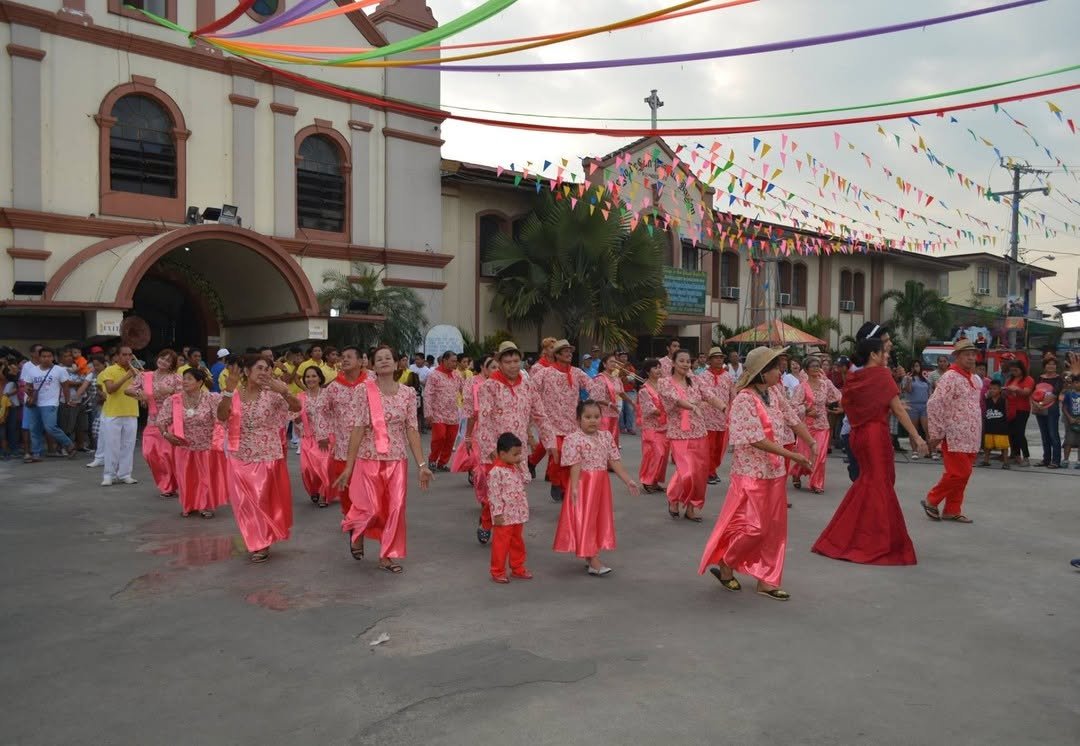
What Is Obando Fertility Rites 2026 Actually Like on the Ground?
Arriving in Obando During the Rites
Arriving in Obando during the rites feels different from arriving at a normal town church. The closer you get to the parish area, the more the town starts to feel like it is moving toward one center. People arrive in small groups, some dressed for church, some carrying umbrellas, some already looking for a good place to stand before the crowd thickens.
The early morning is the best time to feel the event without being immediately overwhelmed. Around the church, there is a mix of prayerful silence, local chatter, vendors preparing, and the slow build-up of music and movement. This is also when the heat is still manageable.
Early arrival changes everything. It gives you time to orient yourself, find shade, attend Mass if that is part of your plan, and observe how people move before the streets become more crowded.
Watching or Joining the Dance-and-Prayer Flow
The most recognizable part of Obando Fertility Rites 2026 is the dance-and-prayer flow. Devotees move with the procession, often to music, while praying for fertility, a spouse, family blessings, health, livelihood, or thanksgiving. From the outside, the Obando fertility dance may look cheerful and festive, but the meaning behind it is much deeper.
If you are a first-timer, I suggest observing first. Stand to the side, give space to the procession, and watch how locals and devotees follow the rhythm. The dance is not something to join just for fun or content. Joining feels more personal when you understand that many people are carrying serious intentions.
For respectful observers, the experience is still meaningful. You do not need to dance to appreciate the event. Sometimes, watching quietly from the side helps you understand the difference between a performance and a devotion.
Understanding the Devotional Meaning Behind the Movement
The meaning of Sayaw sa Obando becomes clearer when you pay attention to the people, not just the dance. Some couples attend because they are praying for a child. Some singles pray for a life partner. Some families come to give thanks after an answered prayer. Some devotees simply return because the yearly rite has become part of their spiritual life.
This is where the event feels emotionally charged. The music may be lively, and the movement may be public, but many intentions are private. That is why the atmosphere can shift quickly from festive to solemn. You might see smiles, but you may also notice quiet faces, clasped hands, candles, and people moving with focus.
This is also what makes the fertility dance Philippines tradition in Obando different from a typical festival. The dance is a language of prayer. It is not just choreography. It is faith expressed through movement.
Handling the Crowds, Heat, and Physical Pace
Obando is not a relaxed sightseeing stop during the festival. The event can be hot, crowded, and standing-heavy, especially near Mass and procession windows. Since the celebration happens in May, the heat and humidity can build quickly after the early morning hours.
Expect to stand for long periods, walk slowly with the crowd, and adjust your pace depending on the procession. If you are sensitive to heat, the late morning can feel draining. This is why water, a fan, a towel, and sun protection matter more than people expect.
The crowd itself is part of the experience, but it can also be tiring. Give yourself space, do not force your way into tight areas, and avoid carrying a large backpack. The more lightly you move, the better the day feels.
Attending Respectfully as a First-Timer
First-timers are welcome, but respect is important. The safest approach is to observe first, understand the flow, and avoid getting in the way of devotees, processional images, churchgoers, and local organizers.
Do not block people who are praying or dancing. Do not take intrusive close-up photos of couples, crying devotees, or people making private petitions. If you want portraits, ask permission. If you are unsure whether to join the dance, stay on the side and watch quietly.
Inside or near the church, keep the tone modest and prayerful. This is still a religious space. Even when the street atmosphere feels festive, the heart of the Obando fertility rites festival remains devotional.
Why Obando Feels Different From a Normal Town Festival
Obando feels different because it is not only about color, music, and crowd energy. It is about hope. The whole town becomes a setting where personal prayers are carried into public space.
A normal town fiesta can be fun, loud, and food-focused. Obando Festival 2026 has those elements too, but the deeper pull is the devotion. The church, the saints, the music, the movement, the crowd, and the private intentions all come together.
For me, that is what makes Obando memorable. It may not be the most comfortable festival to attend, but it is one of those cultural experiences that reminds you how faith and local tradition can still shape a whole town’s rhythm.
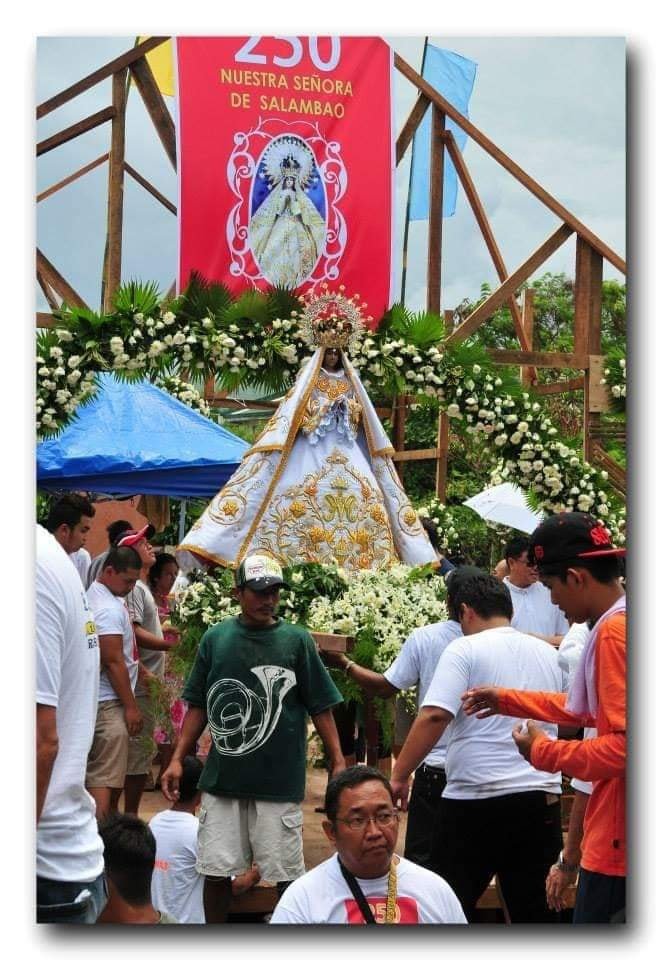
Is Obando Fertility Dance Only for Couples?
No, Obando Fertility Dance is not only for couples trying to conceive. Couples are a major part of the event’s popular identity, but they are not the only people who attend or participate.
Many people visit Obando Fertility Rites 2026 for different intentions. Some couples pray for a child. Some singles pray for a future spouse. Some families ask for health, protection, or blessings. Some farmers and workers give thanks for livelihood and abundance. Others return as part of a panata, or personal vow, especially after a prayer has been answered.
This is why the event should not be described only as a fertility festival in the narrow sense. It is also a prayer tradition for family life, relationships, health, thanksgiving, and hope.
Respectful observers can also attend. You do not need to be a couple, and you do not need to have a specific petition to witness the event. What matters is how you behave while you are there. If you come with curiosity, humility, and respect, you can still experience the meaning of Sayaw sa Obando without joining the dance.
The best way to understand it is this: the dance is open to many intentions, but it should never be treated lightly. For some people, it represents years of waiting, longing, gratitude, or faith.
Is Obando Fertility Rites 2026 Worth Attending?
Yes, Obando Fertility Rites 2026 is worth attending if you appreciate cultural traditions that are deeply tied to faith, community, and personal devotion. It is especially worth it for travelers who want to understand a different side of Philippine festivals beyond food fairs, street performances, and photo spots.
For me, the value of Obando is not comfort. It is the rare chance to see how faith, hope, and town tradition move together. The event can be crowded and hot, but it also feels sincere in a way that polished festivals sometimes do not.
Best for:
- Couples praying for a child or family blessing
- Catholic devotees and pilgrims
- Cultural travelers
- First-timers interested in Philippine religious festivals
- Respectful observers
- Photographers who know how to keep distance
- Manila day-trippers who can start early
Not ideal for:
- Travelers who dislike crowds
- Visitors expecting a staged performance
- People who need air-conditioned comfort
- Toddlers in strollers
- Frail seniors who struggle with standing or heat
- Content creators who only want dramatic close-up shots
Observation alone is meaningful if you approach it properly. You can stand quietly, watch the procession, attend Mass, light a candle, or simply absorb the atmosphere without dancing. What may disappoint some visitors is that the event is not built around tourist convenience. Parking can be stressful, the streets can feel tight, and the weather can be tiring.
Still, if you arrive early, dress properly, and give people space, Obando Fertility Rites 2026 can feel more meaningful than many bigger festivals.
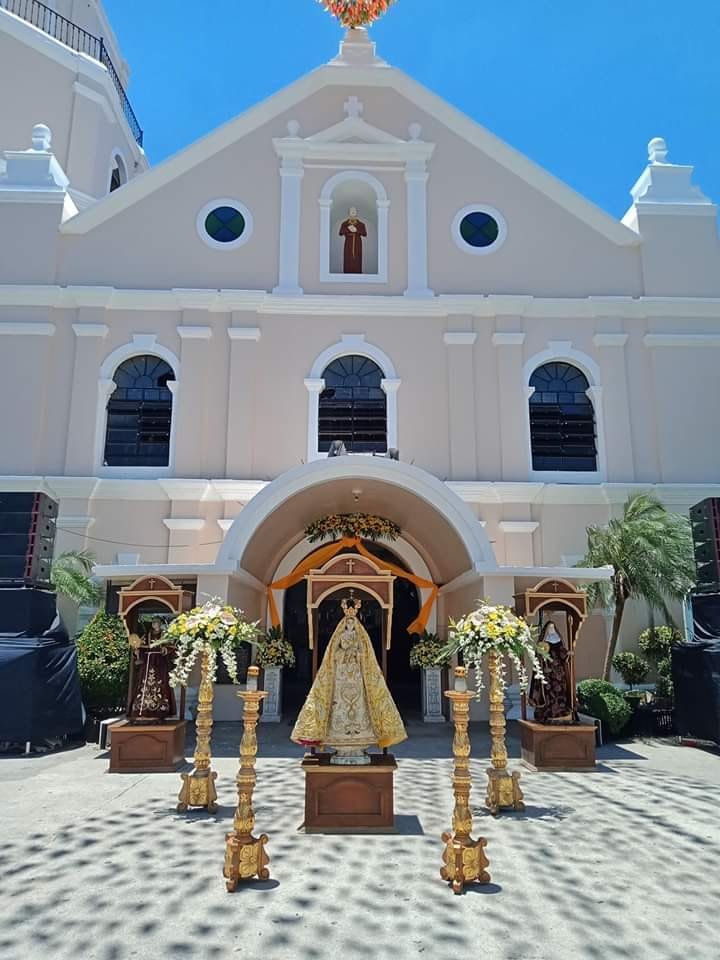
Best Time to Visit Obando Fertility Rites
The best time to visit Obando Fertility Rites is early morning, ideally around 6:00–7:00 AM. If you want to attend Mass or find a calmer position near the church, arrive even earlier. Morning is when the event feels active but still more manageable compared with the hotter late-morning hours.
The biggest mistake is arriving casually late, especially if you are coming from Manila. By late morning, the heat is stronger, streets feel tighter, and the crowd can become more tiring. If you are only observing, the best experience is usually from early morning until late morning, then you can leave before exhaustion and return-trip pressure build up.
My recommended timing is simple: leave Manila early, reach Obando before the main crowd thickens, observe or join respectfully during the morning flow, rest after the main activity, then decide whether to stay longer or exit before midday heat becomes too much.
Obando Fertility Rites Visit Strategy Table
| Time Block | Best Strategy |
|---|---|
| 6:00–7:00 AM | Arrive, orient yourself, find the church area, and prepare for Mass or observation. Crowd is active but still more manageable. |
| 7:00–9:30 AM | Best window to observe or join the dance-prayer flow. Expect the event to feel meaningful, busy, and devotional. |
| 9:30–11:30 AM | Rest, hydrate, eat, light candles, or continue observing from the side. Heat and crowd levels become more tiring. |
| Midday onward | Leave or slow down. Transport and walking may feel harder, so exit before exhaustion hits if you are on a day trip. |
How to Go to Obando Festival from Manila
The easiest way to commute to Obando Festival from Manila is to go to Monumento first, then ride a jeepney or public transport route going toward Paco / Obando. For many Manila-based travelers, LRT-1 Monumento or the Caloocan-Malabon side is the most practical jump-off point.
Rome2Rio currently lists a Monumento to Obando Church public-transport option from the Lapu-Lapu / Samson Road intersection in Malabon to Simbahan ng Church, Osmeña Street, Obando, with an estimated fare of ₱20–₱30 and travel time of around 45 minutes in normal conditions. It also lists the driving distance from Monumento to Obando Church at about 9 km.
DIY Commute Route from Manila
- Ride the LRT-1 or public transport to Monumento.
- From the Monumento / Caloocan-Malabon side, look for jeepney routes going toward Paco / Obando.
- Tell the driver you are going to Obando Church or the church area.
- During the festival, expect to walk if the road near the church is restricted.
Moovit also shows jeepney transit serving the Obando area, with a nearby stop at J.P. Rizal / Pantay-Bituin Intersection, around a short walk from its mapped Obando church-area destination.
Private Car Route
If you are driving, the trip can be short from northern Metro Manila in normal traffic, but Obando Festival 2026 is not a normal traffic day. Expect rerouting, tight streets, possible parking restrictions, and walking from your drop-off or parking area.
Return Trip Tips
The return trip can feel more tiring than the arrival because of heat, crowd buildup, and limited movement around the church zone. If you are commuting, leave before you are completely exhausted. If you are driving, do not rely on parking right beside the church.
Parking, Traffic, and Return Trip Reality
Parking and traffic are two of the biggest stress points during Obando Festival 2026. Because the rites happen around the church and surrounding streets, do not expect a smooth door-to-door drop-off. Roads near the church may be closed, narrowed, or controlled depending on the day’s procession route and crowd situation.
If you are bringing a private car, treat parking as VERIFY LOCALLY close to the event date. Look for current parish or LGU advisories before going. The safest mindset is to park farther away, walk patiently, and avoid forcing your vehicle into the most crowded church-side streets.
Ride-hailing may also be affected. Even if the app allows you to pin Obando Church, the driver may not be able to enter the exact area during peak activity.
For commuters, the same rule applies: be ready to walk. Wear comfortable footwear and avoid carrying heavy bags. If you want a less stressful exit, leave before the crowd gets tired and transport demand builds up.
What to Wear and Bring to Obando Fertility Rites
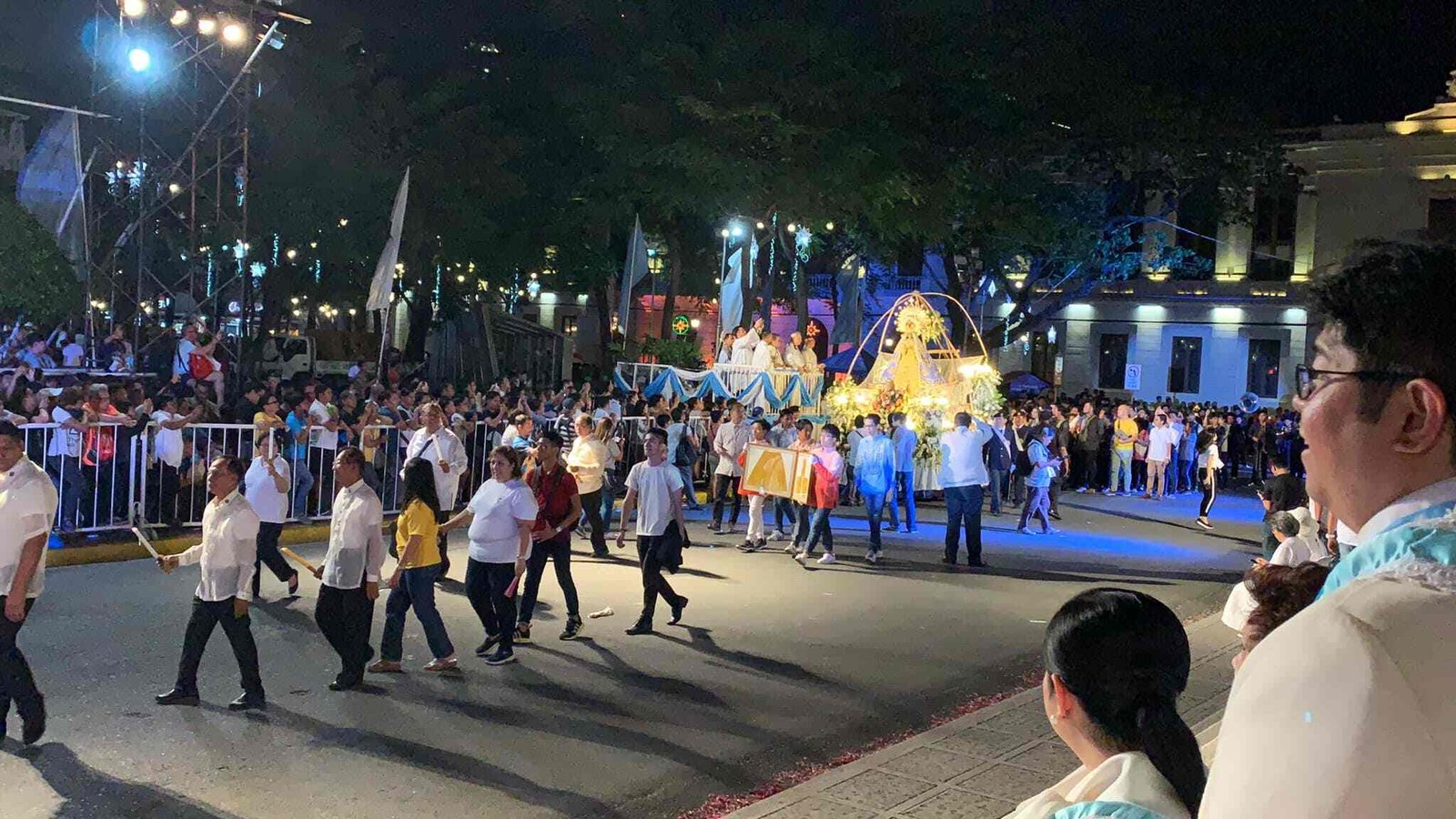
For Obando Fertility Rites 2026, wear something modest, breathable, and comfortable for walking. Remember that you are attending both a festival and a church-centered devotion. The outfit should handle May heat, but it should also feel appropriate around Mass, prayer, and religious processions.
Light shirts, breathable pants, modest dresses, or comfortable casual clothing work well. Shorts may be practical in the heat, but avoid anything too revealing, especially if you plan to enter the church. Footwear matters a lot. Choose comfortable shoes or sandals with grip because you may stand and walk for hours.
Bring these essentials:
- Water
- Small towel or handkerchief
- Portable fan
- Umbrella or cap
- Power bank
- Small bills and coins
- Tissue and wet wipes
- Alcohol or hand sanitizer
- Light snacks
- Front-body bag or small sling bag
- Extra shirt if you sweat heavily
I would avoid bringing a large backpack unless necessary. The streets can feel crowded, and a bulky bag makes it harder to move respectfully.
For families, a stroller is not ideal near the church or procession area. If you are bringing kids, make sure they can walk, tolerate heat, and follow simple crowd instructions. For seniors, prioritize shade, early arrival, and a shorter visit.
How to Attend Obando Fertility Rites Respectfully
The most important thing to remember is this: for many attendees, the Obando fertility dance is prayer. It may happen in public, with music and movement, but the intention behind it can be deeply personal. Some people are praying for a child after years of waiting. Some are fulfilling a vow. Some are returning in thanksgiving.
To attend respectfully, follow these simple rules:
- Observe first before joining the dance.
- Do not laugh at or make jokes about fertility petitions.
- Do not block the procession path.
- Give way to devotees, elders, families, and church volunteers.
- Keep your voice low inside and near the church.
- Dress modestly.
- Avoid pushing toward the altar or saint images.
- Ask permission before taking close-up portraits.
- Do not take intrusive photos of people praying or crying.
- Do not treat the event like a viral content opportunity.
If you are unsure whether to join, stay on the side and watch quietly. That is perfectly acceptable. You can still appreciate Sayaw sa Obando without becoming part of the dance.
Respect also means understanding that the event is not designed only for tourists. It belongs first to the devotees, the parish, and the town. Visitors are welcome, but the best way to experience it is to move gently, give space, and remember that this is devotion before entertainment.
Is Obando Festival Okay for Kids, Seniors, Solo Travelers, and First-Timers?
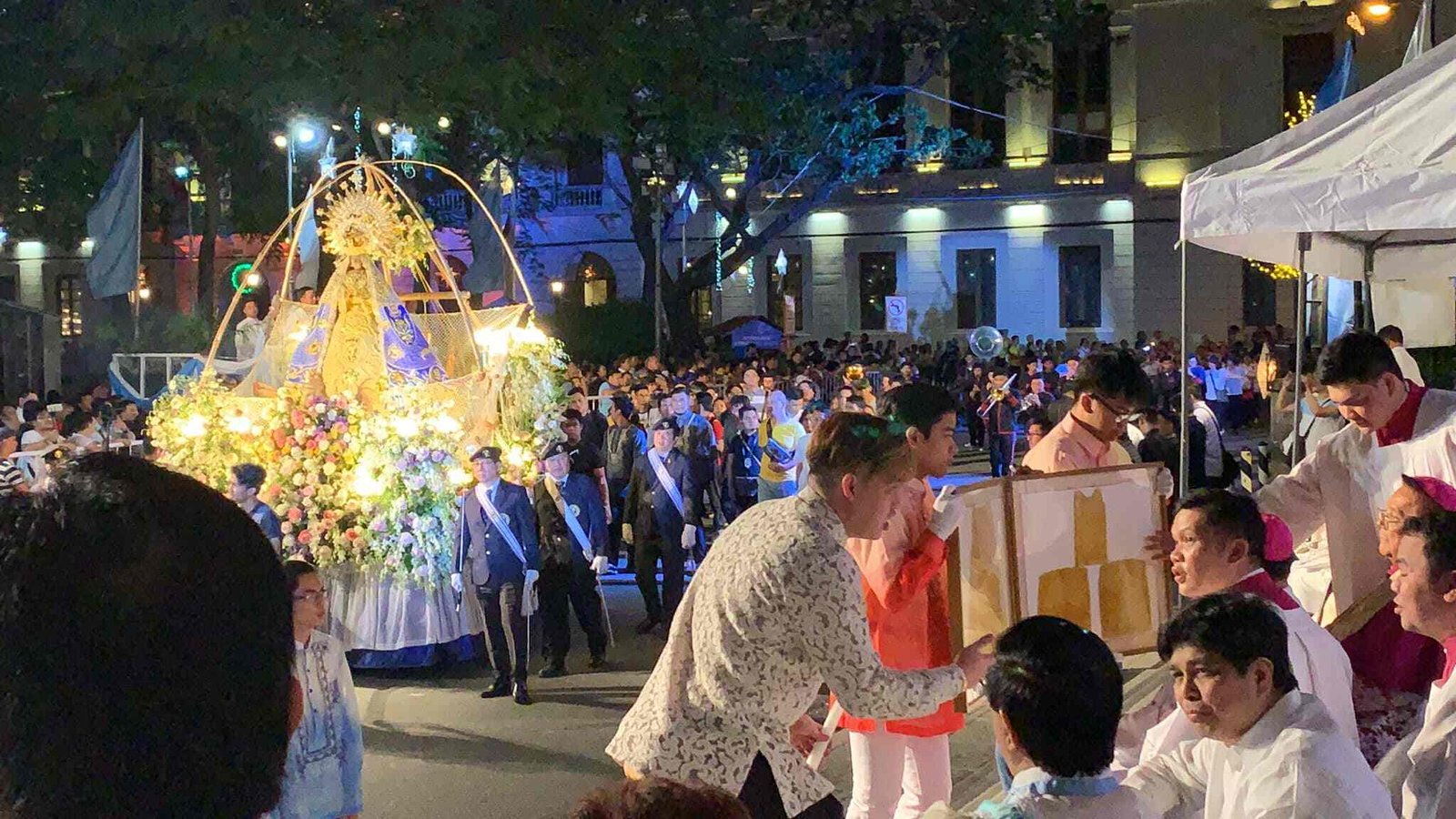
Obando Festival 2026 is okay for first-timers, but it is not equally easy for every type of traveler. The main challenges are heat, crowding, walking, standing, and limited personal space near the church and procession areas.
For couples:
This is one of the strongest visitor fits, especially for couples attending with sincere prayer intentions or cultural interest. The event is widely known for fertility petitions, but couples should still attend with respect and patience.
For devotees:
This is the strongest fit overall. If your purpose is prayer, thanksgiving, or panata, the crowd and heat may feel more bearable because the event has personal meaning.
For solo travelers:
Solo travelers can attend comfortably if they are used to crowds and commuting. Arrive early, keep valuables secure, and avoid getting trapped in tight crowd areas.
For families:
Families with older kids can manage the event. Younger children may struggle with heat, noise, and long standing periods.
For toddlers and strollers:
Not ideal. The church and street areas can become too tight and crowded.
For seniors:
Mobile seniors may still attend, especially with early arrival and a shorter route. Frail seniors or those sensitive to heat may find the event difficult.
For photographers:
The event has strong visual value, but respectful distance is non-negotiable.
FAQs About Obando Fertility Rites 2026
What is Obando Fertility Rites 2026?
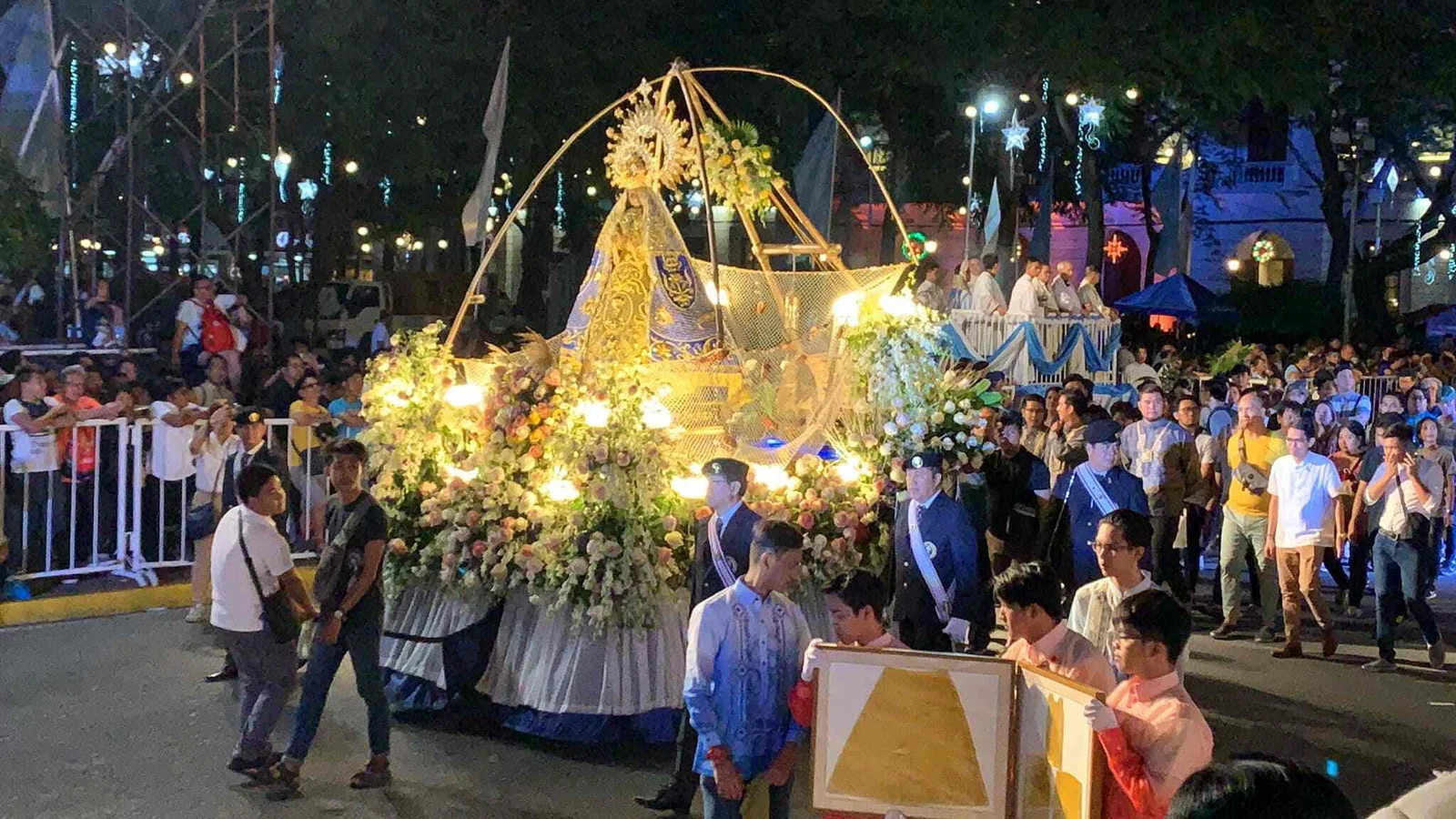
Obando Fertility Rites 2026 is a three-day religious and cultural festival in Obando, Bulacan, known for the Obando fertility dance or Sayaw sa Obando. Devotees dance as a form of prayer for fertility, a spouse, family blessings, health, livelihood, or thanksgiving.
When is Obando Festival 2026?
Obando Festival 2026 is scheduled from May 17 to May 19, 2026. These three days honor San Pascual Baylon, Santa Clara, and Our Lady of Salambao, with Masses, processions, music, prayer, and fertility dance traditions centered around Obando Church.
Where is Obando Festival held?
Obando Festival is held in Obando, Bulacan, mainly around Obando Church / San Pascual Baylon Parish. The celebration is not limited to the church interior because the surrounding streets also become part of the dance, procession, and town fiesta movement.
What is the meaning of Sayaw sa Obando?
Sayaw sa Obando means the dance devotion of Obando. It is a prayer expressed through movement. While it is popularly connected with fertility, people also dance or pray for a spouse, family blessings, healing, livelihood, thanksgiving, and other personal intentions.
Is Obando Fertility Dance only for couples?
No. The Obando fertility dance is strongly associated with couples praying for children, but it is not only for couples. Singles, families, devotees, farmers, thanksgiving pilgrims, and respectful observers also attend the event.
What do people pray for at Obando Fertility Rites?
People commonly pray for fertility, children, a spouse, good health, family blessings, livelihood, good fortune, and thanksgiving. Some also attend as part of a vow or panata after receiving what they believe was an answered prayer.
Is Obando Festival free to attend?
Yes, Obando Festival is generally free to attend. You should still prepare money for transportation, food, drinks, candles, offerings, and comfort items. If you are driving, also prepare a parking and fuel buffer.
What time should I arrive at Obando Festival?
Arrive around 6:00–7:00 AM, or earlier if you want to attend Mass or avoid the worst crowd and heat. Morning is the best time to experience Obando Fertility Rites 2026 because the event feels most active and meaningful before midday fatigue sets in.
What should I wear to Obando Fertility Rites?
Wear modest, breathable clothes and comfortable footwear. Choose an outfit that works for May heat but still feels appropriate for a church-centered event. Bring water, a fan, towel, umbrella or cap, small cash, tissue, wipes, and a power bank.
How do you get to Obando Festival from Manila?
The easiest commute is to go to Monumento first, then ride a jeepney or public transport route toward Paco / Obando. During festival days, expect possible walking from the drop-off point because roads near the church may be restricted.
Is Obando Fertility Rites too crowded?
It can be crowded, especially during Mass, procession, and peak morning activity. The crowd is manageable if you arrive early, travel light, and avoid forcing yourself into tight areas. Late morning usually feels hotter and more tiring.
Is it okay for kids, seniors, or first-timers?
It is okay for first-timers and older kids, but it can be challenging for toddlers, strollers, and frail seniors. Heat, walking, standing, and crowding are the main concerns. Mobile seniors should arrive early and keep the visit short.
Final Tips Before Visiting Obando Fertility Rites 2026
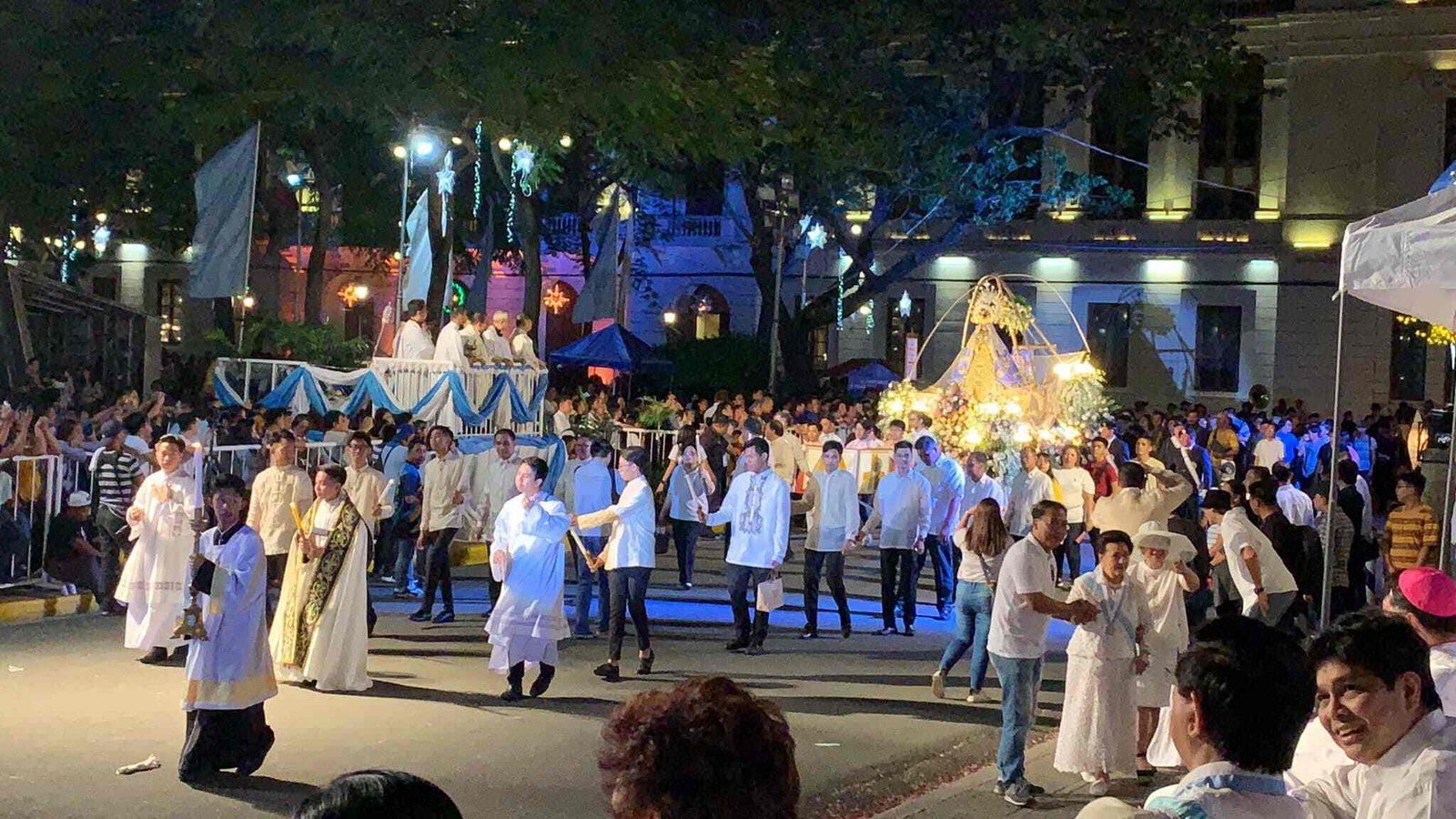
Before visiting Obando Fertility Rites 2026, remember that this is not just a festival to watch. It is a living devotion. The best experience comes when you arrive early, move slowly, and give people space.
Check the final Obando Festival 2026 schedule close to the event date, especially Mass times, procession routes, road closures, parking rules, and any church or LGU advisories. These details can change every year and should be treated as VERIFY LOCALLY before your trip.
Bring water, sun protection, small cash, and patience. Dress modestly. Observe before joining. Avoid intrusive photography. Do not block devotees, processions, or church entry points.
Most of all, remember why people are there. Some are praying for a child. Some are giving thanks. Some are carrying hopes they may not say out loud. Obando is easiest to appreciate when you slow down, give people space, and remember that the dance is prayer before it is a photo opportunity.
Related Travel Guides You Might Also Like
If you are planning to visit Obando Fertility Rites 2026, you can also explore more cultural, historical, and festival-focused destinations around the Philippines. These guides can help you build a wider itinerary, especially if you want to combine Obando with other Bulacan heritage sites or more Philippine festival trips.
For a broader travel-planning list, start with this guide to the best tourist spots in the Philippines. It gives you a wider view of the country’s beaches, mountains, heritage towns, churches, islands, and cultural destinations.
If you want to explore more places near Obando, check this complete guide to 34 must-visit Bulacan tourist spots. Bulacan has many historical churches, heritage landmarks, nature spots, food stops, and quick day-trip destinations that pair well with an Obando visit.
For another meaningful Bulacan church destination, read this Barasoain Church in Malolos, Bulacan travel guide. It is one of the most important historical churches in the Philippines and works well for travelers interested in faith, history, architecture, and heritage tourism.
If you are building a bigger Luzon itinerary, this guide to the best tourist spots in Luzon can help you compare destinations across Central Luzon, Northern Luzon, and Southern Luzon.
For readers who want to discover more cultural celebrations like Sayaw sa Obando, this guide to the best festivals in the Philippines is a good next read. It can help you compare Obando Festival with other religious, cultural, harvest, and street festivals around the country.

Thank you for your guide! Will surely use it next month🙂
From Cebu City♥️
Thanks jane. Enjoy Obando Festival, may your wish do come true. 🙂