

TL;DR: The Quick Guide to Anawangin Cove
If you are in a rush and need the logistics immediately, here is the snapshot of what you need to know before packing your bags for Zambales.
| Feature | Details |
| What is it? | A crescent-shaped cove in San Antonio, Zambales, famous for volcanic ash sand and Agoho forests. |
| Best For | Campers, backpackers, nature photographers, and those seeking a total “Digital Detox.” |
| Connectivity | Zero. No signal for Globe, Smart, or DITO. No WiFi. |
| Electricity | None. Generator sets usually run from 6:00 PM to 10:00 PM only. |
| Key Costs (2026) | Boat: ₱1,500 – ₱2,000 (1-4 pax)
Bus: ₱400 – ₱500 (per way)
Entrance: ₱130 (Overnight) |
| Must-Do | Trek the hill for the iconic panoramic view, island hop to Capones, and camp under the stars. |
| Quick Tip | Bring cash. The last ATM is in San Antonio town proper, and there are absolutely no card terminals at the cove. |
From Disaster to Paradise
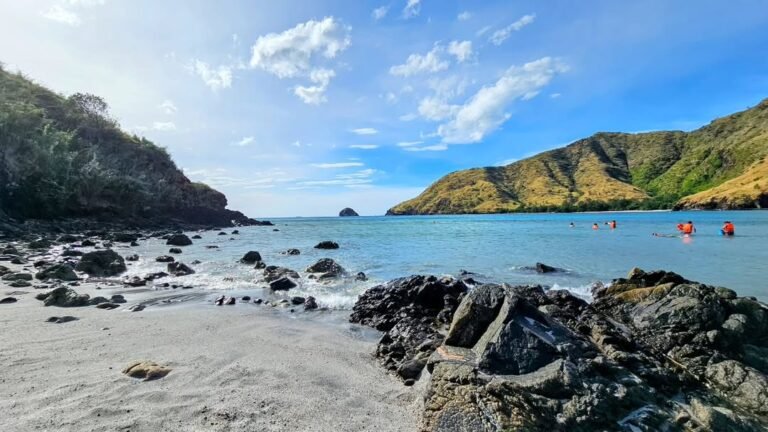
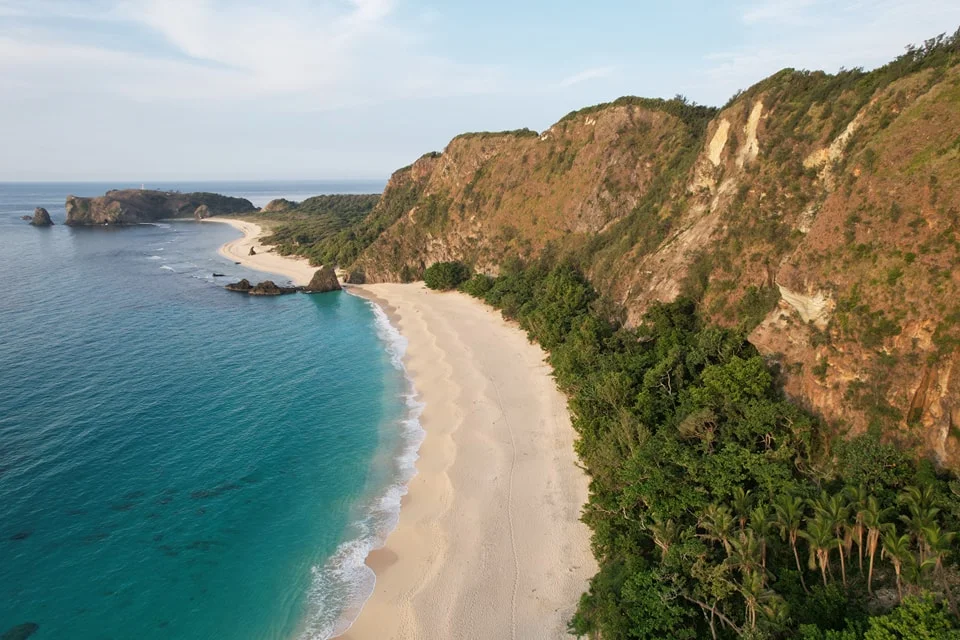
When I first stepped off the outrigger boat and onto the shores of Anawangin Cove, my brain had a hard time processing the landscape. To my left, the ocean was a brilliant, inviting turquoise. To my right, a forest of tall, needle-leafed trees swayed in the wind, looking like a scene ripped straight out of a Baguio postcard. But beneath my feet wasn’t the powdery white silica of Boracay or the golden grains of La Union. It was gray—ash gray—hot to the touch and glittering slightly under the sun.
Anawangin Cove is one of the most confusingly beautiful places in the Philippines, and its origin story is born from catastrophe. Before 1991, this area was a rocky coastline, largely ignored by tourists. When Mt. Pinatubo erupted—the second-largest volcanic eruption of the 20th century—it spewed billions of tons of ash and pyroclastic material into the air.
That ash settled here, dumping tons of volcanic debris onto the rocky shore. Over the years, Agoho seeds (often mistaken for pine trees) were carried by the wind or waves, finding a perfect home in the loamy, volcanic soil. The result is what we see today: a unique fusion of a tropical beach and an alpine forest.
However, the real allure of Anawangin in 2026 isn’t just its geology; it is its ability to force you to stop. In a world where we are perpetually notified, pinged, and emailed, Anawangin offers a rare luxury: silence. There is no cell signal here. When I visit, I don’t check my emails because I can’t. I don’t scroll through TikTok because it won’t load. For 24 to 48 hours, you are forced to look at the ocean, talk to your friends, and listen to the crackle of a campfire. It is a raw, rugged experience that isn’t for everyone, but for those who need to unplug, it is paradise.
Lakbaypinas Tip: Did you know? The “pine trees” here are actually Agoho trees (Casuarina equisetifolia). While they look identical to pines with their needle-like branchlets, they are a species of hardwood native to the Philippines that thrives in high-salinity environments (like sandy beaches), unlike the Benguet pines which require high altitude and cool weather.
Table of Contents
Pre-Trip Planning: Essential Need-to-Knows
Before you book that bus ticket, I need to manage your expectations. I have seen too many tourists arrive in Anawangin rolling hard-shell suitcases, expecting air-conditioned villas, only to be horrified that they have to sleep on the ground. Anawangin is not a resort destination; it is a wilderness camping destination.
Best Time to Visit
The golden window for visiting Anawangin is during the Dry Season (October to late May). The absolute peak months are March and April, where the cove gets crowded with summer breakers. Personally, I prefer visiting in February or late May. The weather is stable, the heat is manageable, and the crowds are thinner.
Avoid the monsoon season (June to September). The waves in Zambales can get notoriously rough, making the boat ride from Pundaquit dangerous. The Coast Guard frequently cancels trips during this period.
The “Digital Detox” Reality
I cannot stress this enough: You will have no signal. It doesn’t matter if you have the latest iPhone or a satellite roaming plan; the cove is geographically shielded by mountains that block cell towers. Inform your family beforehand that you will be unreachable for the duration of your stay to prevent panic.
Electricity and Amenities
-
Power: There is no grid electricity. The caretakers run diesel generators usually from 6:00 PM to 10:00 PM to power the lights in the common areas and perhaps charge a few devices for a fee. Once the generator cuts off, it is pitch black.
-
Water: Water is pumped from the ground using a “Poso” (hand pump). It is fresh and generally clean for bathing, but do not drink it. You must bring your own drinking water (gallons are available for purchase in Pundaquit).
-
Restrooms: Do not expect hotel-standard bathrooms. The CRs (Comfort Rooms) are communal, concrete stalls. You will likely use a bucket and dipper (tabo) to flush.
What to Bring Checklist
Since there are no convenience stores in the cove (only small sari-sari stores selling overpriced chips and soft drinks), you need to pack smart. Here is what is in my backpack:
-
Power Banks: Bring at least two 20,000mAh banks if you plan to take a lot of photos.
-
Headlamp/Flashlight: Essential for navigating the campsite after 10 PM.
-
Cash: Everything is cash-basis. Bring smaller bills (₱20, ₱50, ₱100) for easy transactions.
-
Wet Wipes & Toilet Paper: The restrooms rarely stock these.
-
Dry Bag: Protect your electronics during the boat ride. You will get splashed.
-
Trash Bags: Follow the “Leave No Trace” principle. Pack your trash out.

How to Go to Anawangin Cove (2026 Guide)
Getting to Anawangin is an adventure in itself. Whether you are commuting or driving, your goal is to reach Barangay Pundaquit in San Antonio, Zambales, which serves as the jump-off point for the boats.
Option A: Public Transport (The Commuter’s Route)
This is the most common method for budget travelers.
Bus from Manila: Head to the Victory Liner terminals in Cubao, Pasay, or Caloocan. Look for a bus bound for Iba, Zambales or Santa Cruz, Zambales.
Pro Tip: Ask for a bus that passes through SCTEX (Subic-Clark-Tarlac Expressway) for a faster trip.
Drop-off: Tell the conductor to drop you off at the San Antonio Public Market. Do not fall asleep; the trip takes about 4 to 5 hours depending on traffic.
Tricycle to Pundaquit: Once you alight at the market (this is where you buy supplies—more on that later), take a tricycle to Barangay Pundaquit. The ride takes about 20 minutes.
The Boat Ride: At Pundaquit beach, you will be swarmed by boatmen offering their services. The boat ride to Anawangin takes 30 to 45 minutes, passing by stunning rock formations.
Option B: Private Vehicle
If you are driving, the route is straightforward thanks to modern expressways.
Route: NLEX (North Luzon Expressway) > SCTEX > Subic-Tipo Expressway > Subic Town > Castillejos > San Antonio.
Navigation: Waze or Google Maps works perfectly until Pundaquit.
Parking: There are numerous secure parking lots in Pundaquit. Residents convert their yards into parking spaces. Rates in 2026 average around ₱150 – ₱200 per night.
Transport Rates (2026 Estimates)
| Route Segment | Transport Mode | Cost (Approx) | Travel Time |
| Manila to San Antonio | Bus (Victory Liner) | ₱400 – ₱500 | 4-5 Hours |
| San Antonio to Pundaquit | Tricycle | ₱60 – ₱80/pax | 20 Mins |
| Pundaquit to Anawangin | Boat (Small, 1-4 pax) | ₱1,500 – ₱2,000 | 30-45 Mins |
| Pundaquit to Anawangin | Boat (Medium, 5-9 pax) | ₱2,500 – ₱3,000 | 30-45 Mins |
Lakbaypinas Tip: Before heading to Pundaquit, stop by the San Antonio Public Market. It is your last chance to buy fresh seafood, pork, vegetables, and charcoal at local prices. Buying “paluto” (cooking service) inside the cove is possible, but it is significantly more expensive. Buy your ice blocks here too; they last longer than cubes.
Accommodation: Camping and Cottages
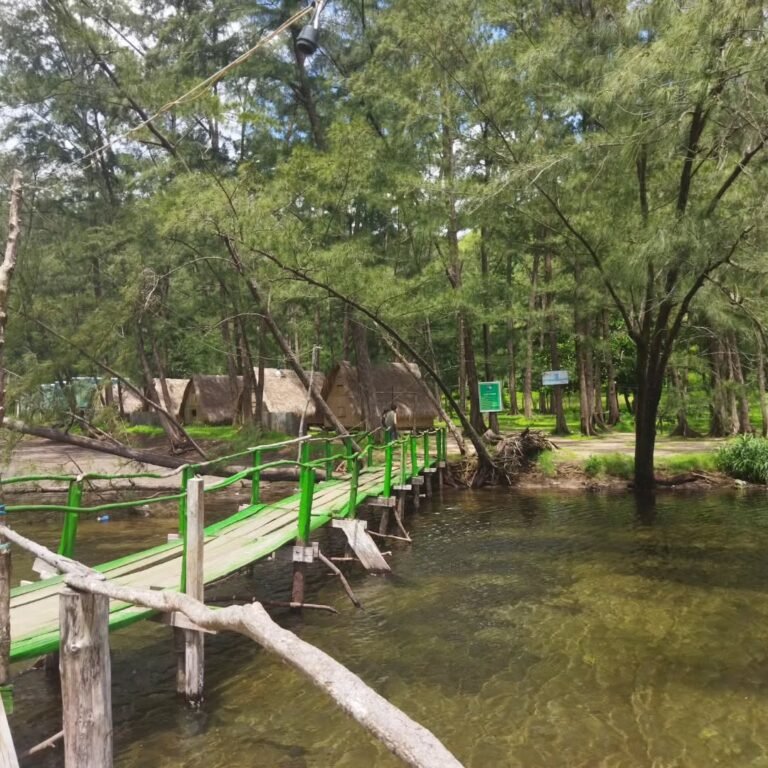
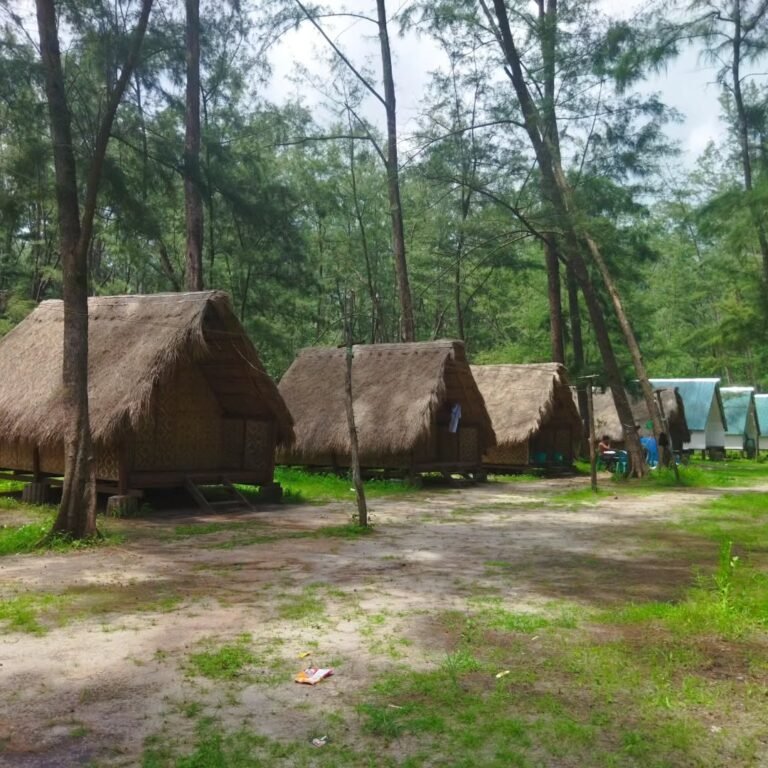
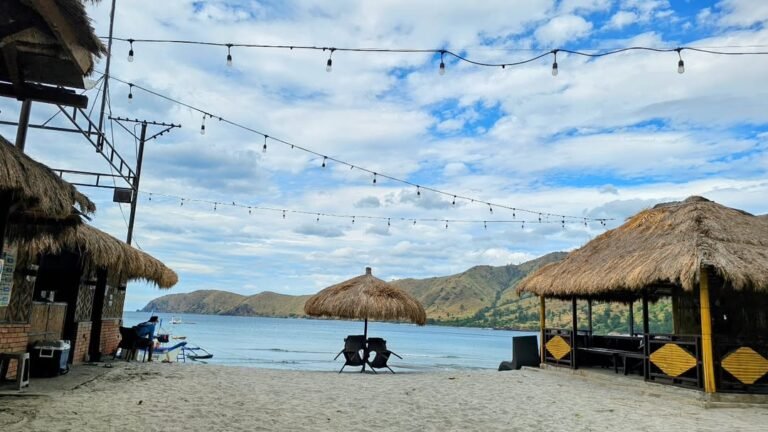
I want to clarify the word “Accommodation.” When you Google “Anawangin Cove Beach Resort,” do not expect a lobby and a concierge. The entire cove is essentially a massive campground divided into different sections managed by local families.
Tent Rental vs. Bring Your Own
Renting: If you don’t own gear, you can rent tents upon arrival. A standard dome tent for two usually costs ₱500. However, rental tents can sometimes be musty or have broken zippers due to wear and tear.
Bringing Your Own: This is my recommendation. You only pay a Pitching Fee (around ₱150 – ₱200). Bringing your own tent guarantees you have a waterproof, clean shelter.
Expert Advice: Bring a portable fan. The cove is surrounded by mountains, which blocks the wind. It can get incredibly humid inside a tent at night.
Cottages and Huts
There are open-air cottages (Bamboo tables with roofs) available for rent, ranging from ₱350 to ₱500. These are essential for dining and keeping your bags off the sand.
There are a very limited number of closed “Kubo” huts (fan rooms), but these are rare, often fully booked months in advance, and frankly, detract from the experience.
Hammocks
Between the Agoho trees, you will find plenty of sturdy trunks perfect for hammocks. If you have a trekking hammock, set it up. Sleeping suspended in the air is often cooler and more comfortable than sleeping on the ground, provided you have a mosquito net.
Accommodation Costs Table
| Item | Rate (Estimated) | Note |
| Entrance Fee (Day Tour) | ₱80 | Per Person |
| Entrance Fee (Overnight) | ₱130 | Per Person |
| Tent Rental (2 pax) | ₱500 | Includes setup |
| Pitching Fee (Own Tent) | ₱150 – ₱200 | If bringing own gear |
| Open Cottage (Table) | ₱500 | For dining use |
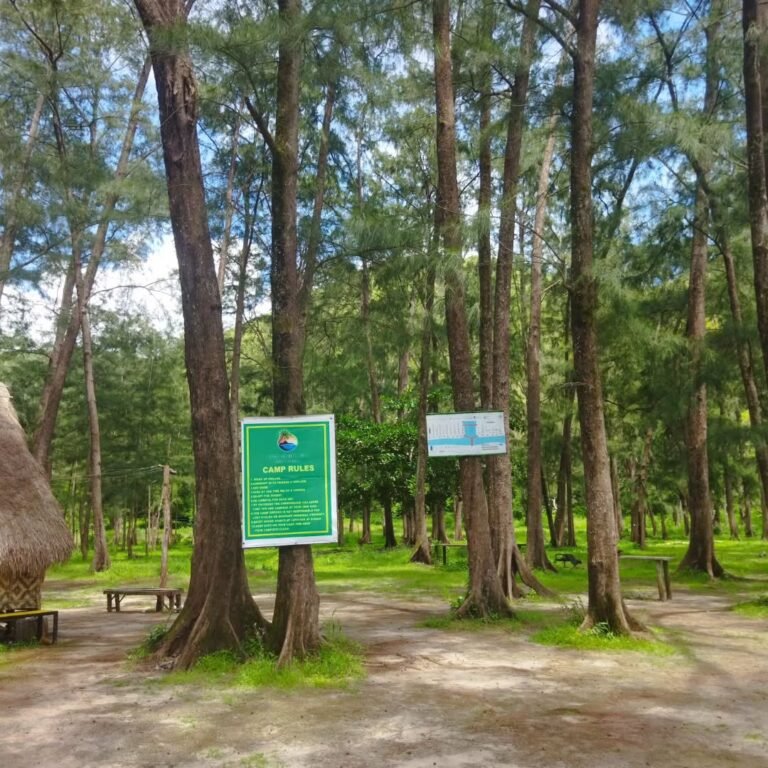
Lakbaypinas Tip: Respect the “Bawal Magkalat” (No Littering) culture. Zambales locals are fiercely protective of their shores. Do not bury your trash in the sand; the dogs or the tide will dig it up. Bring heavy-duty trash bags and bring your garbage back to Pundaquit for proper disposal.
Top Activities in Anawangin
While swimming is the obvious choice, Anawangin offers more than just a dip in the ocean. Here is how I spend my time there.
Trek to the Hilltop View Deck
You have seen this photo on Instagram. The view of the cove from above, showing the crescent shape and the river winding into the sea, is spectacular.
The Trail: It is located on the left side of the beach (facing the ocean).
Difficulty: Easy to Moderate. It takes about 15-20 minutes.
Terrain: The path is rocky and sandy. Do not do this in flip-flops if you can avoid it; trekking sandals are best.
Best Time: Go at sunrise (5:30 AM) or sunset (5:00 PM). Mid-day trekking is punishing because there is no shade on the hill.
Island Hopping (The Pundaquit Loop)
Most boat packages include a side trip to nearby islands. Do not skip this.
Capones Island: Famous for its white sand beaches and jagged rock walls. It feels totally different from Anawangin.
Camara Island: A smaller island that is essentially a large sandbar connecting two rock formations. It’s great for a quick swim and photo op.
Camping and Stargazing
Because there is zero light pollution (once the generators turn off), the sky above Anawangin is dazzling. On a clear night, you can see the band of the Milky Way with the naked eye. I recommend downloading a stargazing app (like Star Walk 2) before you lose signal, so you can identify constellations offline.
Skimboarding
The shoreline of Anawangin drops relatively quickly, and depending on the tide, the shore break is perfect for skimboarding. You can rent boards from locals if you didn’t bring one.
Lakbaypinas Tip: While island hopping, ask your boatman to drop you off or guide you to the Capones Lighthouse (Faro de Punta Capones). Built in 1890 during the Spanish colonial era, this lighthouse still stands (though the original mechanism is gone) and offers a hauntingly beautiful view of the West Philippine Sea. It requires a bit of a trek from the beach, so coordinate with your boatman regarding time.
Sample Itinerary & Budget Breakdown
To help you plan, here is a tried-and-tested 2-Day, 1-Night DIY itinerary that balances adventure with relaxation.
2D1N DIY Itinerary
Day 1: The Arrival
03:00 AM: Depart Manila via Victory Liner.
07:00 AM: Arrive at San Antonio. Breakfast at town proper.
08:00 AM: Market run. Buy fish, charcoal, water, rice, and ice.
09:00 AM: Tricycle to Pundaquit.
09:30 AM: Boat ride to Anawangin Cove.
10:15 AM: Arrive at Anawangin. Pay entrance fees. Pitch tent.
11:30 AM: Prepare lunch (Grilled Liempo/Fish).
01:00 PM: Siesta / Swim / Read a book.
04:30 PM: Trek to the View Deck for sunset.
07:00 PM: Dinner. Bonfire (in designated pits only) and socials.
10:00 PM: Lights out / Stargazing.
Day 2: Island Hopping & Departure
06:00 AM: Wake up. Coffee by the beach.
07:00 AM: Breakfast.
08:00 AM: Break camp. Pack up trash.
09:00 AM: Board boat for Island Hopping (Capones & Camara).
11:30 AM: Arrive back at Pundaquit. Wash up at local shower houses (₱50 fee).
01:00 PM: Lunch in San Antonio / Catch bus back to Manila.
Estimated Budget (Per Person for a Group of 4)
Travel is cheaper in groups. Here is the math for a “Barkada” of 4.
| Expense Item | Cost Per Person (PHP) | Notes |
| Bus (Roundtrip) | ₱900 | Manila-San Antonio-Manila |
| Tricycle (Roundtrip) | ₱60 | Shared cost |
| Boat (Roundtrip + Island Hop) | ₱500 | Based on ₱2,000 boat / 4 pax |
| Entrance Fee | ₱130 | Overnight rate |
| Food Contribution | ₱300 | Buying raw ingredients at market |
| Tent Pitching/Cottage Share | ₱150 | Shared cost |
| Shower in Pundaquit | ₱50 | Use of clean bathroom |
| TOTAL | ~₱2,090 | Safe budget: ₱2,500 |
Lakbaypinas Tip: Try the local “Mangga at Bagoong” sold by roaming vendors or near the San Antonio market. Zambales produces some of the sweetest mangoes in the world (Dinamulag variety), and eating them by the beach is a core memory you need to unlock.
Frequently Asked Questions (FAQs)
I get asked these questions constantly, so here is the honest truth.
Is there electricity in Anawangin Cove?
No, there is no commercial power line. Campsites use generator sets, but they only run for a few hours at night (usually 6 PM to 10 PM). Bring high-capacity power banks.
Can we cook in Anawangin Cove?
Yes! In fact, you should. You can bring your own portable stove (butane) or use charcoal grills provided by the campsite (you might need to rent the grill mesh). Campfires are allowed, but strictly in designated fire pits to protect the sand and trees.
Are there restrooms/toilets?
Yes, but manage your expectations. They are common CRs. Some have flush mechanisms, but most require you to scoop water from a bucket (timba). The water is pumped from the ground (poso). It is rustic, but functional.
How much is the boat ride to Anawangin?
For 2026, the standard rate is around ₱1,500 to ₱2,000 for a small boat (good for 1-4 people). If you want to include Island Hopping (Capones/Camara), the boatmen usually add ₱500 to the total boat fee. Always agree on the price before you board.
Is Anawangin child-friendly?
Yes, many families bring children. However, you must be prepared for the rough sleeping conditions. If your child requires air-conditioning or specific sterilized food, this might not be the best trip. Also, the waves can get strong, so keep an eye on them at all times.
Lakbaypinas Tip: Support the local boatmen (bangkero). Many of them are former fishermen who shifted to tourism after the fish population declined in the area. They are the lifeblood of this destination. A small tip or sharing your food with them is highly appreciated.

Conclusion
Anawangin Cove is not just a destination; it is a reset button. In a time where we are constantly bombarded by notifications, deadlines, and digital noise, the ash-gray sands of Zambales offer a sanctuary of silence. It is one of the few places left where you can sit under a tree, look at the ocean, and simply be.
Sure, you might wake up with sand in your sleeping bag and your hair might be sticky from the salt air, but that is the price of admission for raw, unfiltered beauty.
Ready to disconnect to reconnect? Share this guide with your travel squad, file that leave of absence, and book your bus tickets to Zambales today. The mountains and the ash are waiting.
Explore More of Zambales & Beyond
If you enjoyed the raw, off-the-grid vibe of Anawangin Cove, Zambales has plenty more hidden gems waiting for you. Whether you are looking for another camping adventure, a surfing trip, or a challenging hike, here are my personal recommendations to complete your itinerary:
For the Campers & Nature Lovers: If you loved the “pine tree” aesthetic of Anawangin, you have to check out Mapanuepe Lake in San Marcelino. It’s often called the “New Zealand of Zambales” and offers a serene lakeside camping experience that rivals the cove.
For the Surfers & Soul Searchers: Want a beach vibe with a bit more electricity and surf culture? Head over to Liwliwa Beach in San Felipe. It’s the perfect place to grab a board, ride the waves, and enjoy a vibrant nightlife.
For the Island Hoppers: If you want pristine sands and starfish-filled waters further north, Magalawa Island in Palauig is a must-visit. It’s quieter and perfect for those seeking tranquility.
For the Hardcore Hikers: Did the Anawangin trek feel too easy? Challenge yourself with the “Poor Man’s Pulag.” Read my guide on Mt. Tapulao for the ultimate 36km trekking challenge.
For the Off-the-Beaten-Path Explorer: Dive deep into the province’s history and rugged landscapes with a trip to the Coto Mines.
Plan Your Full Trip: Don’t miss a single spot. Check out my Ultimate Zambales Travel Guide 2025 and the list of 18 Must-Visit Zambales Tourist Spots.
Beach Lovers: Still deciding on where to go? Browse through my top picks for the 10 Must-Visit Zambales Beaches or expand your search with these 25 Best Beaches Near Manila for a quick weekend escape.



Hello, can I talk to someone regarding Anawagin tour?