Nagsasa Cove Travel Guide: Boats, Fees, Camping, and What No One Tells You
Last updated: July 2026
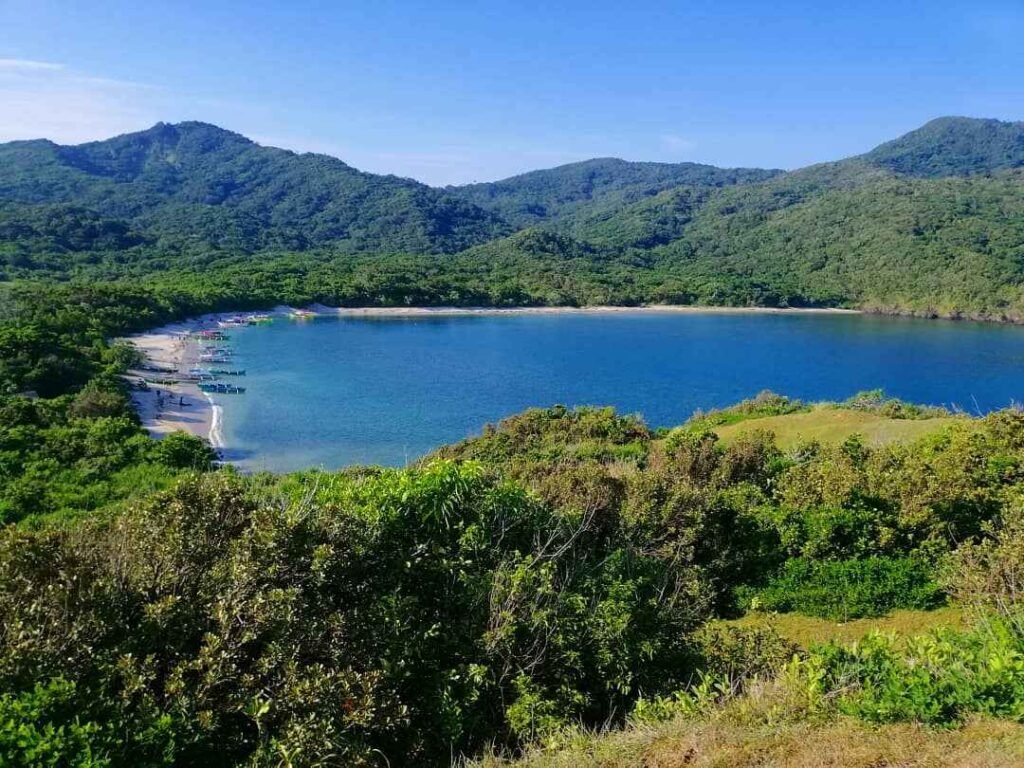
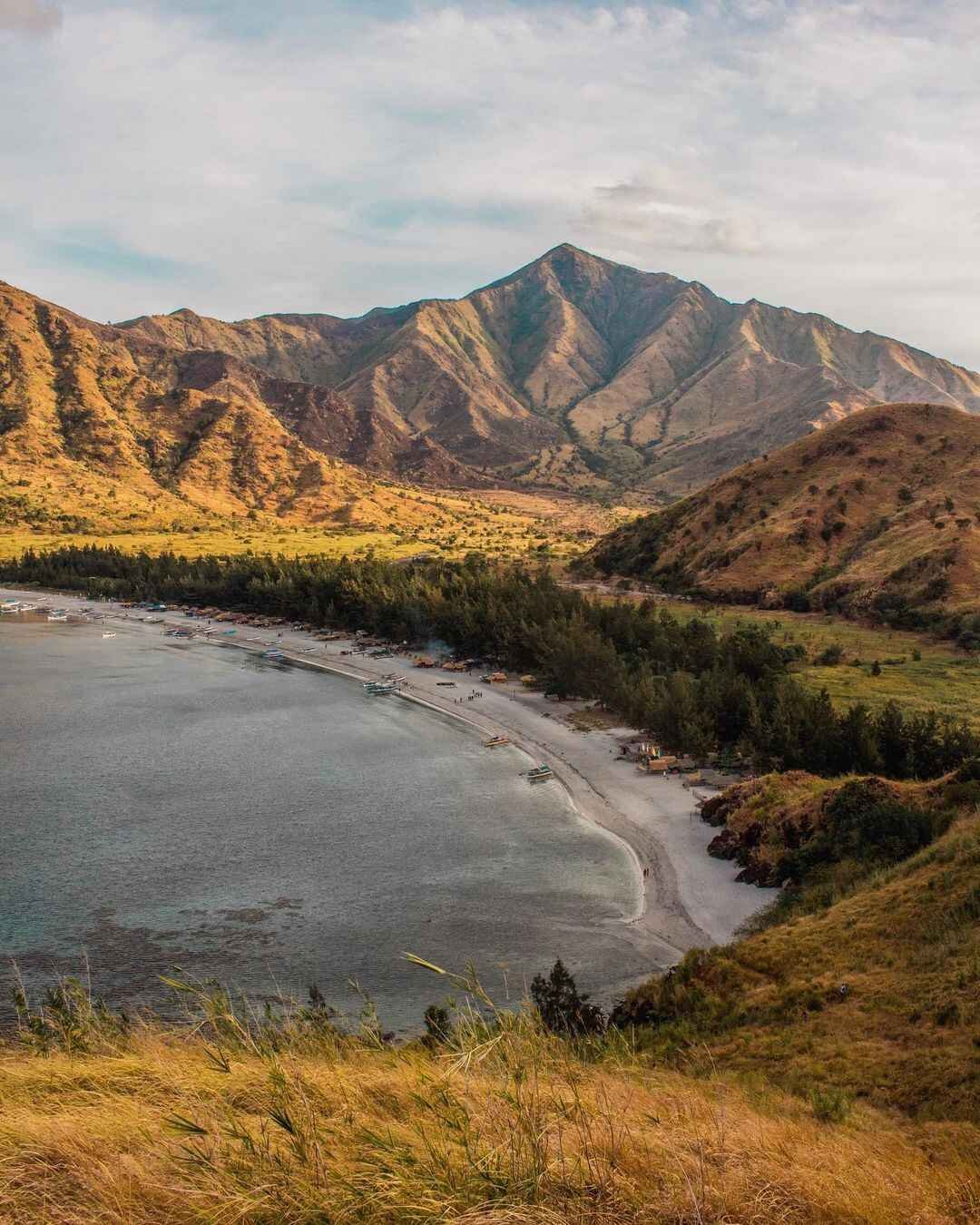
Nagsasa Cove is a remote, off-grid cove in San Antonio, Zambales, about a 45–60 minute boat ride from the coastal village of Pundaquit. It has no cell signal, no running water, and no commercial power, but the ash-gray volcanic shoreline, forested hillsides, and genuinely quiet atmosphere make it one of the most rewarding overnight trips within reach of Manila.
Nagsasa Cove Quick Guide
| Detail | Info |
|---|---|
| Destination | Nagsasa Cove |
| Location | Barangay Pundaquit jump-off, San Antonio, Zambales |
| Province | Zambales |
| Type | Cove with river inlet and open shoreline |
| Access | Short boat ride (45–60 min) from Pundaquit |
| Entrance / Environmental Fee | PHP 20 (environmental) + PHP 100–150 (cove & camping) |
| Best Season | November to February (amihan) |
| Swimming | Yes — calm cove water, river inlet available |
| Island Hopping | Yes — Capones and Camara Islands as add-ons |
| Travel Time from Manila | Approximately 6–8 hours total transit |
Table of Contents
Where Is Nagsasa Cove Located?
Nagsasa Cove sits along the western coastline of Luzon, inside the municipality of San Antonio in Zambales Province. It faces the South China Sea and is accessible only by boat from Barangay Pundaquit, the small coastal village that serves as the departure point for all coves in the area.
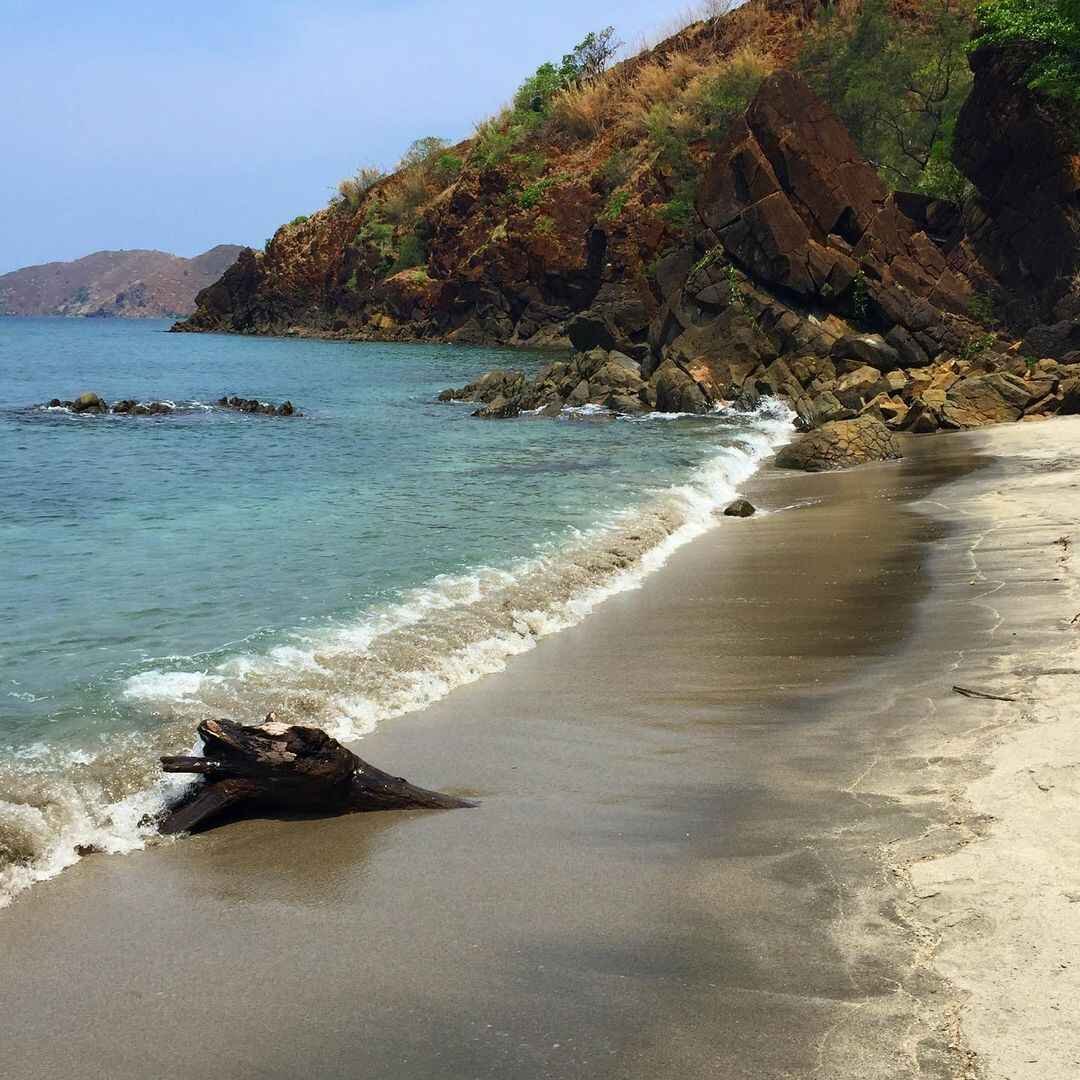
The cove itself was shaped by the 1991 eruption of Mount Pinatubo. Volcanic ash and lahar deposits settled along the shoreline, creating the distinctive dark gray sand that makes the beach look unlike anything else in the country. The surrounding forest is dominated by agoho trees — tall, wispy conifers that line the back of the beach and provide shade during the heat of the day.
San Antonio is roughly 150 kilometers northwest of Manila, making it a manageable overnight trip for most travelers from the capital. For a broader look at Zambales destinations worth combining with your trip, this guide to Zambales tourist spots covers the full range of options in the province.
How to Get to Nagsasa Cove
Getting to Nagsasa Cove from Manila requires three separate legs of travel, and each one needs a bit of planning to run smoothly.
Step 1: Bus from Manila to San Antonio, Zambales
Take a Victory Liner bus from their terminals in Cubao, Pasay, or Caloocan. Board any bus bound for Iba or Santa Cruz, Zambales — not Olongapo, which puts you on the wrong route and forces a second transfer. Tell the conductor your stop is the San Antonio Public Market. The ride takes 3.5 to 5 hours depending on traffic.
Early morning departures work best. Aim to board between 3:00 and 5:00 AM so you reach Pundaquit before mid-morning, when ocean swells tend to pick up. One-way bus fare runs PHP 450–550 per person.
Before leaving the market, buy everything you need for the trip: raw meat or seafood, charcoal, ice, snacks, and a 5-gallon container of mineral water per four people. There is no reliable, affordable drinking water at the cove itself. [OUTBOUND LINK: Victory Liner official website for schedules and fares]
Step 2: Tricycle from San Antonio to Pundaquit
Right outside the San Antonio Public Market, you will find a tricycle terminal. Hire one to take your group to Barangay Pundaquit, which is a 15–20 minute ride. Shared rides run PHP 60–100 per person. A private charter is a flat PHP 200.
Pay the PHP 20 municipal environmental fee as you enter the Pundaquit boundary. This is separate from the cove entrance fee you will pay upon arrival.
Step 3: Bangka Boat from Pundaquit to Nagsasa Cove
From the Pundaquit shoreline, you charter a motorized outrigger boat directly to Nagsasa Cove. The crossing takes 45 to 60 minutes depending on sea conditions and the motor capacity of the boat. Round-trip boat rental rates are as follows:
- Small boat (1–4 pax): PHP 2,500–3,000
- Medium boat (5–9 pax): PHP 3,500–4,000
- Large boat (10+ pax): PHP 5,000+ (averages PHP 400–500 per head)
Before departing, confirm a specific pickup time with your boatman for the following day. Write it down. Once you are at the cove, there is no cell signal on any network — Globe, Smart, or DITO — so you cannot call to adjust plans. Set a firm time and stick to it.
For travelers driving their own vehicles, Pundaquit is reachable via NLEX and SCTEX, exiting at Subic and proceeding through Castillejos and San Marcelino. Secure parking lots in Pundaquit charge PHP 200 per night for a car and PHP 100 for motorcycles.
This complete Zambales travel guide has additional details on driving routes and side trips you can combine along the way.
Entrance Fees, Environmental Fees, and Permits at Nagsasa Cove
Two separate fees apply to every visitor. The PHP 20 environmental fee is collected at the Pundaquit boundary before you board the boat. The PHP 100–150 cove entrance and camping fee is collected by local caretakers when you arrive at Nagsasa.
There is no DENR permit or additional coastal environment clearance required for a standard visit. Just carry your receipt from the environmental fee payment in case it is checked during the crossing.
Caretakers may also collect a garbage deposit of up to PHP 600 upon arrival. This is refunded in full when you depart with all your trash properly bagged. Take it seriously — the Leave No Trace rule at Nagsasa is not performative. The cove’s condition depends on every visitor following through.
Getting Around Nagsasa Cove
Once you arrive, all movement within the cove is on foot. There are no tricycles, roads, or vehicles of any kind.
The main beach stretches several hundred meters and is walkable end to end in under ten minutes. A shallow river inlet sits at the back of the cove — you reach it by walking through the agoho tree line behind the campsite. The water is calm and cool, and wading here in the late afternoon is one of the better ways to spend the second half of your first day.
The viewpoint hill is on the southern end of the cove. A PHP 20 per person trail fee is collected by local caretakers at the base. The path takes about 20–30 minutes to climb and opens up to a full view of the bay and surrounding mountains. I visited in June 2026 and the view at the top was the clearest moment of the entire trip — the whole cove spread out below, mountains on three sides, and nothing but open sea ahead. It was worth every step.
Beaches and Things to Do at Nagsasa Cove
The beach at Nagsasa Cove is the main event, but the activities available here go beyond swimming. Here is an honest breakdown of what the cove offers.
The Main Beach and Swimming
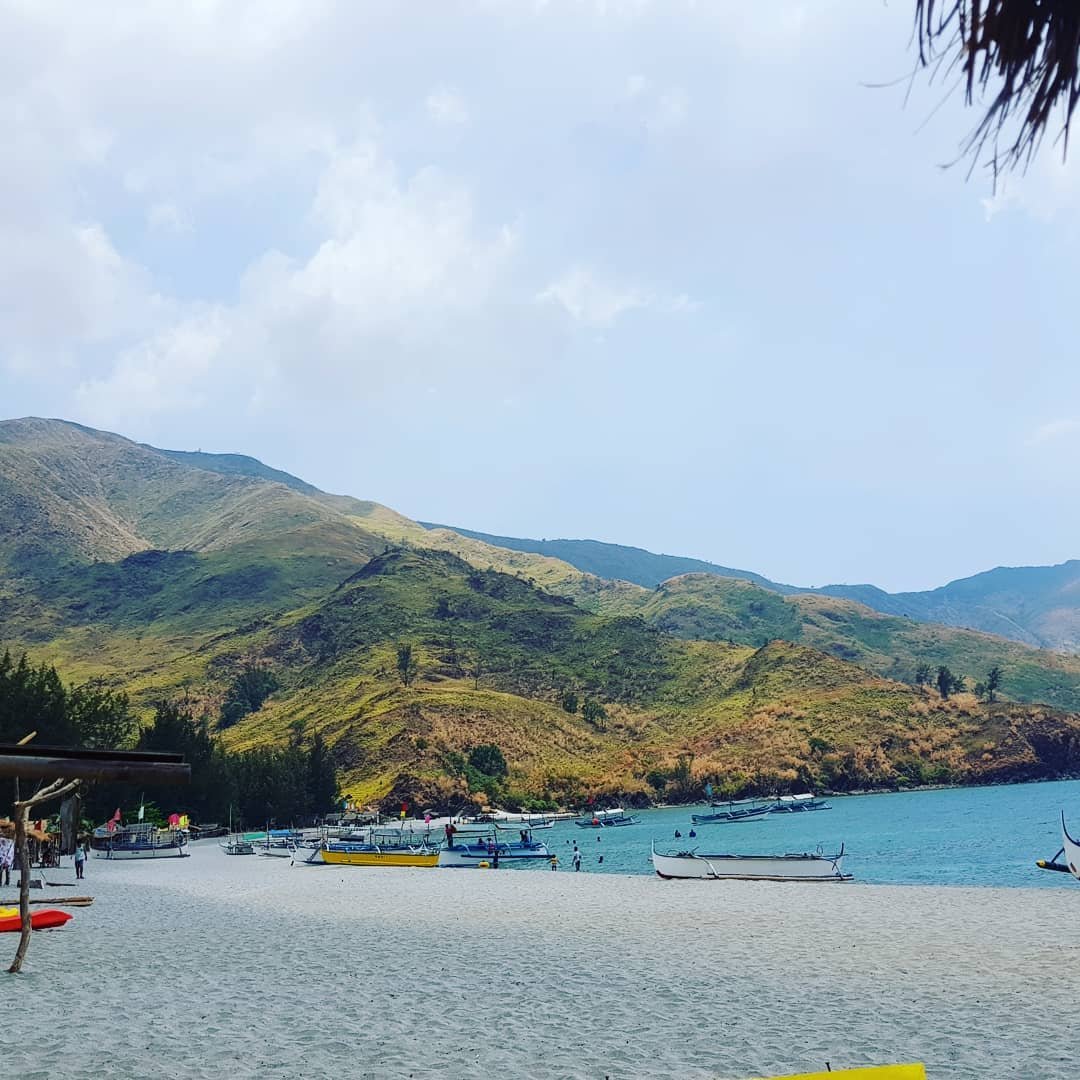
The gray sand shoreline is wide and firm underfoot. Contrary to what the dark color might suggest, the sand is not coarse — it is compact and smooth, almost packed-down, and it does not cling to wet skin the way white sand does. Swimming in the cove is generally calm, especially in the morning before wind picks up.
Beach experience: 4.5 out of 5 — The gray volcanic sand and the agoho tree backdrop make this beach visually one of a kind in the Philippines. The main reason it does not score a full five is the mid-afternoon sun, which hits the open sand with full intensity and has no natural shelter unless you are under the trees.
River Inlet Wading
Behind the campsite, a shallow freshwater river runs into the cove. Walking in the cool current after a morning swim is refreshing, and the trees provide enough cover to make it genuinely pleasant. It is not deep enough to swim in, but it is a good spot to cool down and explore.
River inlet: 4 out of 5 — Clean, peaceful, and underrated. Most visitors skip it, which means you often have it to yourself.
Viewpoint Hill Trek
The short climb up the southern hill is accessible through a clearly marked trail. The PHP 20 trail fee goes to local caretakers who maintain the path. Bring water and wear shoes with grip — the trail is dry and uneven in spots. Sunset from the top is the standard draw, but early morning provides better light for photography and cooler temperatures for the climb.
Viewpoint: 5 out of 5 — No hesitation. The panoramic view of the cove, the South China Sea, and the inland mountain range from the top is the single most rewarding thing you can do here.
Nagsasa Falls Trek
A guided trek to Nagsasa Falls departs from the far end of the beach and covers roughly 30–45 minutes of flat, sun-exposed terrain. You need a local Aeta guide, and the standardized guide fee is PHP 300 per group. The falls are a series of small freshwater drops, not a dramatic plunge pool — but after a night of camping and a morning of swimming, they feel like a genuine reward. Do not skip the guide, as the trail is not self-explanatory in the later stretches.
Nagsasa Falls trek: 3.5 out of 5 — Worth doing if you have the time on Day 2. The walk there is hot and exposed, so start early. The falls themselves are modest but the freshwater dip at the end is satisfying.
Snorkeling
The rocky edges of the cove and the areas around the point hold coral patches and reef fish. Visibility depends heavily on water conditions. Bring your own gear — equipment rental availability on-site is unreliable, and bringing your own mask and fins adds minimal weight to your pack.
Snorkeling: 3 out of 5 — Decent rather than spectacular. Worth an hour, but not the main reason to come here.
Island Hopping Add-On
Boats can extend your return route to include a stop at Capones Island, which has a Spanish-era lighthouse and rugged rock formations worth exploring. The add-on costs PHP 500–1,000 extra per boat. Camara Island can also be included in the same circuit. This is best organized the evening before your return while you can still speak directly to your boatman at the cove.
For a comparison of nearby coves you could combine in a trip, see this guide to Anawangin Cove and the broader Zambales beaches guide.
Nagsasa Cove vs. Anawangin Cove: Which Should You Choose?
This is the most common question travelers ask when planning a trip to San Antonio, and the answer depends on what you want from the trip.
Anawangin Cove is closer — about 20 minutes by boat from Pundaquit — and consequently costs less to reach. It is also significantly more crowded, particularly on weekends and during peak summer months. Campsites fill up quickly, and the communal atmosphere skews louder and more festive. If you want a social trip with more activity around you, Anawangin is the easier choice.
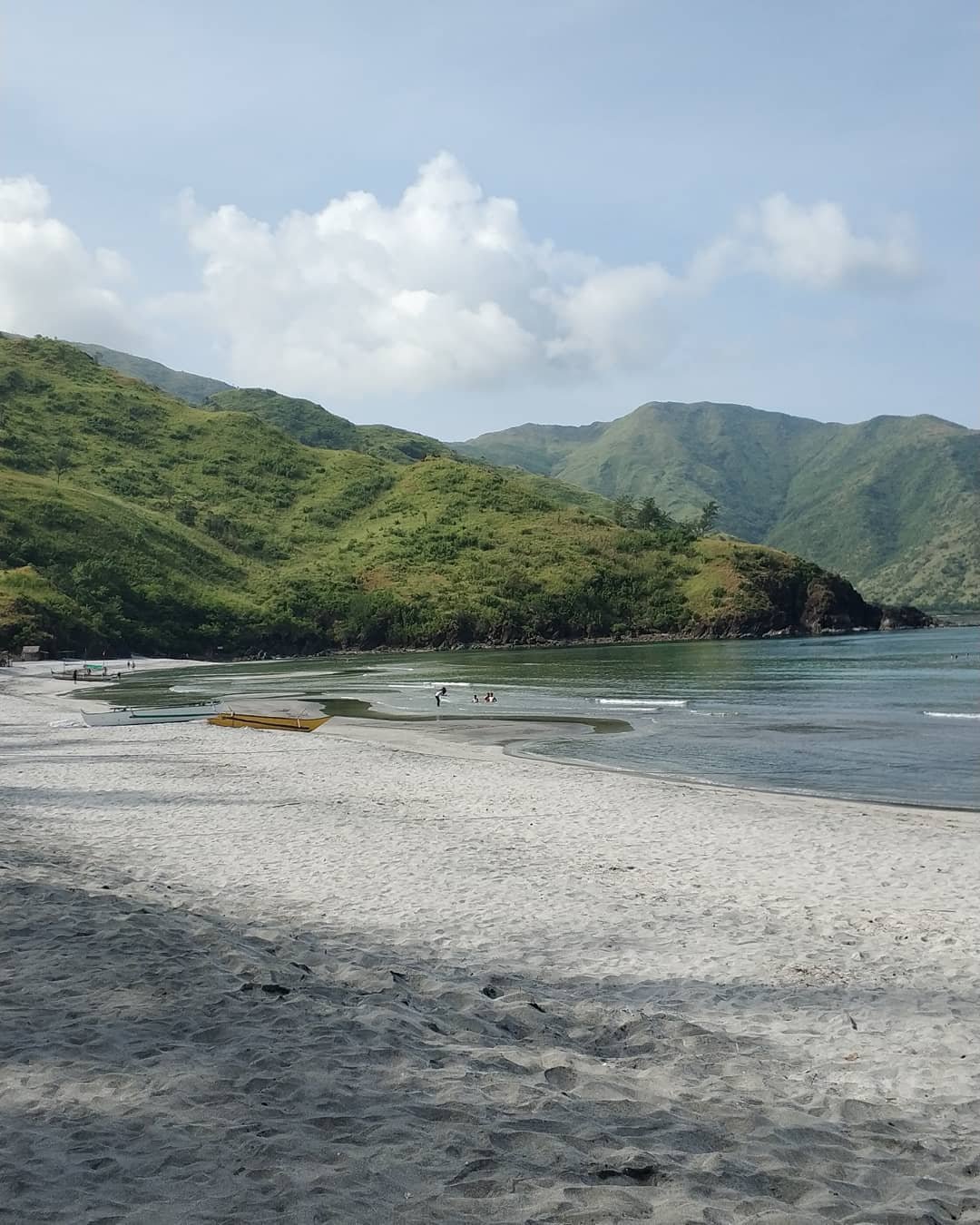
Nagsasa Cove requires a longer boat ride of 45–60 minutes and commands a higher charter fee. That extra distance filters out casual day-trippers. The result is a noticeably quieter camp, a larger and less congested shoreline, and a cleaner river inlet. Nagsasa also has the falls trek and the viewpoint hill, which add structure to the second day. If you are coming specifically for the quiet, the scenery, or the off-grid experience, Nagsasa is the better destination. provincial tourism office page for San Antonio Zambales
Best Time to Visit Nagsasa Cove
November through February is the best window, when the amihan (northeast monsoon) brings cool breezes and stable sea conditions. These months offer the most comfortable camping temperatures and the calmest crossing from Pundaquit.
March through May is peak summer season. The cove is popular and the heat is intense, but sea conditions are generally safe. Expect more campers sharing the shoreline. Bring more water than you think you need and plan for full sun exposure with very little natural shade outside of the agoho tree line.
July through September is habagat (southwest monsoon) season, and travel during these months carries real risk. Swells between Pundaquit and Nagsasa can become dangerous for small outrigger boats. The Philippine Coast Guard regularly suspends small vessel operations during this period.
My own June visit sat right at the edge of this transition — conditions were sunny during the day, but anyone arriving a few weeks later in the heart of July should consult local boatmen and check weather advisories before committing to the crossing. Avoid July to September unless you have confirmed with local operators that conditions are safe.
For other options during the rainy months, this guide to beach destinations near Manila covers alternatives with calmer access conditions year-round.
Where to Stay at Nagsasa Cove
Accommodation at Nagsasa Cove falls into three tiers, and you should decide before you go which suits your group.
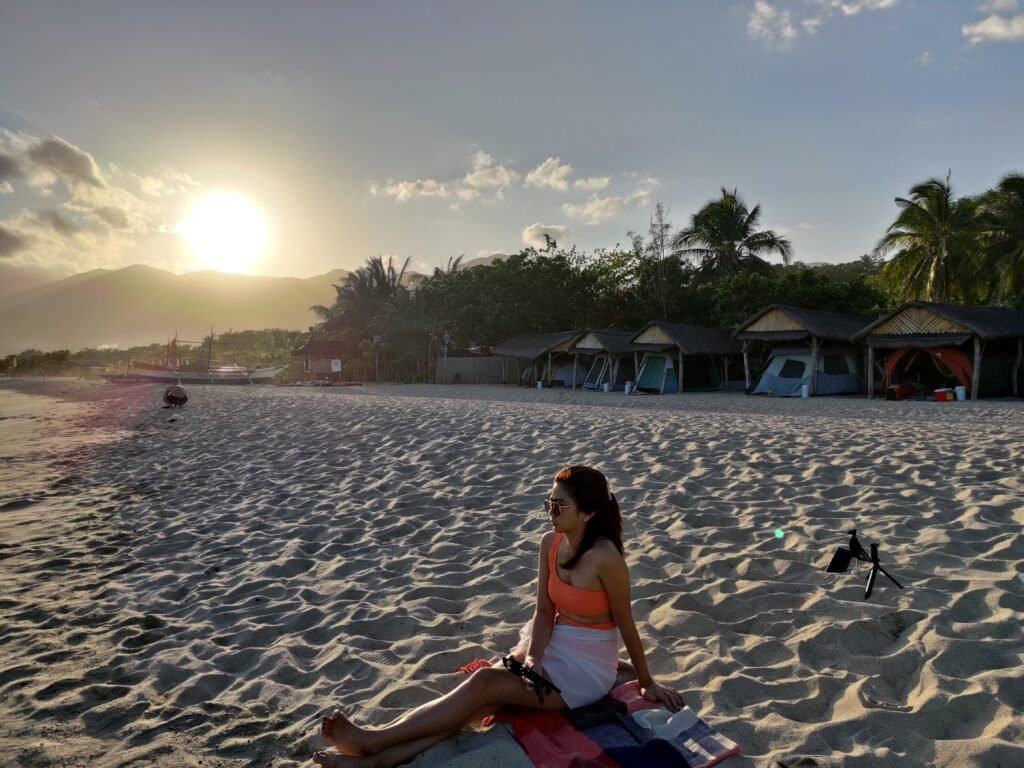
Tent camping (budget): Pitch your own tent under the agoho trees for free, beyond paying the cove entrance fee. Tent rental is available on-site at PHP 300–500 per night for a tent sleeping 2–4 people. Bathrooms are basic — bucket and dipper, groundwater pumped manually. Bring your own toiletries and toilet paper.
Open-air cottage / kubo (mid-range): Shared open-air cottages cost PHP 500–1,000 per night and serve primarily as a covered dining and rest area for your group. They are worth it for groups of four or more who want a shaded communal space to cook and eat without cooking in direct sun.
Glamping (elevated): Private operators like Marahuyo Cove offer structured glamping tents and teepee-style fan rooms at PHP 4,188–7,688 per night, as well as air-conditioned beachfront rooms powered by private generators. This is a viable option for families or anyone not comfortable with the full off-grid setup. Book these well in advance, especially for peak season weekends.
There are no hotels, resorts with full amenities, or reliable Wi-Fi options anywhere at the cove. If those are non-negotiable, Nagsasa is not the right trip for you. For island accommodations in Zambales that include proper resort facilities, Magalawa Island is a strong alternative.
Budget Breakdown for Visiting Nagsasa Cove
All figures below are 2026 estimates for a 2-day, 1-night trip.
| Expense | Cost (PHP) |
|---|---|
| Bus — Manila to San Antonio (roundtrip) | PHP 900–1,100 / pax |
| Tricycle — San Antonio to Pundaquit (roundtrip) | PHP 120–200 / pax |
| Boat — Small (1–4 pax), roundtrip | PHP 2,500–3,000 / boat |
| Boat — Medium (5–9 pax), roundtrip | PHP 3,500–4,000 / boat |
| Boat — Large (10+ pax), roundtrip | PHP 5,000+ / boat |
| Island hopping add-on (optional) | PHP 500–1,000 / boat |
| Environmental fee | PHP 20 / pax |
| Cove entrance + camping fee | PHP 100–150 / pax |
| Tent rental (optional) | PHP 300–500 / night |
| Cottage / kubo rental (optional) | PHP 500–1,000 / night |
| Groceries + water (raw food, charcoal) | PHP 300–500 / pax |
| Local paluto (cooking fee) | PHP 50–100 / pax |
| Viewpoint trail fee | PHP 20 / pax |
| Nagsasa Falls guide fee | PHP 300 / group |
| Pundaquit shower on return | PHP 50 / pax |
| Parking (if driving) | PHP 200 / night (car) |
Solo traveler total estimate: PHP 4,800–5,200. Traveling in a group of four cuts the per-head cost to roughly PHP 2,200–2,500. A group of ten brings it down further to around PHP 2,100 per person. The boat charter fee is the single biggest driver of cost, which is why solo travel to Nagsasa is significantly more expensive than group travel.
Carry all cash in small denominations — PHP 20, 50, and 100 bills. There are no ATMs past San Antonio, and boatmen and vendors regularly cannot make change for PHP 1,000 notes.
What to Pack for Nagsasa Cove
| Item | Essential? |
|---|---|
| 5-gallon mineral water (1 per 4 pax) | Yes |
| All food and cooking supplies | Yes |
| Charcoal and fire starter | Yes |
| Cash in small bills | Yes |
| Tent or sleeping gear | Yes (or rent on-site) |
| Power bank (20,000mAh recommended) | Yes |
| Offline maps downloaded before leaving San Antonio | Yes |
| Headlamp or flashlight | Yes |
| Dry bags for gear during the boat ride | Yes |
| Sunscreen (SPF 50+) | Yes |
| Insect repellent | Yes — specifically for NikNik insects (see below) |
| Toilet paper and personal toiletries | Yes |
| Trash bags | Yes |
| Snorkeling gear | Recommended |
| Trekking sandals or grip shoes | Recommended |
| Light rain jacket | Recommended |
| Extra clothes in a sealed bag | Yes |
A note on NikNik insects: these are tiny biting midges that are active near the shoreline, particularly in the early morning and late afternoon. They are small enough to pass through regular mosquito nets and their bites cause intense itching that can last days. Standard insect repellent with DEET helps but is not a complete solution. Long sleeves and pants at dusk are more effective than repellent alone. This was my honest disappointment from the June 2026 visit — the NikNik bites were more disruptive than expected and I was underprepared. Pack accordingly.
Safety Tips for Visiting Nagsasa Cove
Boat crossing safety: Wear your life vest for the entire crossing without exception. Legitimate boat operators carry life vests — confirm this before loading gear. The sea between Pundaquit and Nagsasa is open water and can become choppy quickly, particularly in the afternoon. If a boatman says conditions are too rough to cross, that is not a negotiation. Take it seriously.
Sea urchins and sharp coral: Reef areas near the rocky edges of the cove have sea urchins. Water shoes or reef-safe fins prevent most injuries. If you step on an urchin, do not try to dig the spines out — soak the affected area in hot water and seek medical attention at the mainland. The coral is alive and fragile — stand on sand, not reef.
Dehydration and sun exposure: The beach faces west and receives direct afternoon sun with minimal shade outside the agoho tree line. Drink water consistently throughout the day rather than waiting until you feel thirsty. Dehydration at a site with no medical facilities and no cell signal is a serious situation.
Tides: The beach changes character significantly at low tide, exposing more flat sand and shifting where the safest swimming zones are. Observe water behavior when you arrive and ask the caretaker about the tide schedule for your stay.
Frequently Asked Questions About Nagsasa Cove
1. How do I get to Nagsasa Cove via public transit from Manila?
Take a Victory Liner bus from Cubao, Pasay, or Caloocan bound for Iba or Santa Cruz, Zambales, and alight at the San Antonio Public Market after roughly 3.5–5 hours. From there, hire a tricycle to Barangay Pundaquit (15–20 minutes, PHP 60–100 per person) and charter a bangka boat to the cove (45–60 minutes, PHP 2,500–5,000+ depending on boat size). Pay the PHP 20 environmental fee at the Pundaquit boundary and the PHP 100–150 cove entrance fee upon arrival.
2. What is the Nagsasa Cove entrance fee, and are there other fees to prepare for?
The entrance and camping fee at the cove is PHP 100–150 per person, collected by local caretakers. Separately, a PHP 20 environmental fee is collected at the Pundaquit boundary before boarding your boat. You may also be asked for a garbage deposit of up to PHP 600, which is refunded when you leave with your trash properly packed out. The viewpoint trail fee is PHP 20 per person, and the Nagsasa Falls guide fee is PHP 300 per group.
3. Is Nagsasa Cove better than Anawangin Cove?
They serve different types of travelers. Anawangin is closer (20 minutes by boat) and cheaper to reach, but considerably more crowded, especially on weekends. Nagsasa takes 45–60 minutes and costs more in boat fare, but offers a larger, quieter beach, a cleaner river inlet, a falls trek, and a viewpoint hill. If solitude, scenery, and a full 2-day itinerary are your priorities, Nagsasa is the stronger choice.
4. What is there to do at Nagsasa Cove aside from swimming?
The main activities are swimming in the cove, wading in the freshwater river inlet, climbing the viewpoint hill (PHP 20 trail fee, 20–30 min), trekking to Nagsasa Falls with an Aeta guide (PHP 300 per group, 30–45 min), snorkeling near the rocky cove edges, and an optional island hopping extension to Capones and Camara Islands on the return (PHP 500–1,000 extra per boat). A beach bonfire using purchased local firewood is a standard evening activity.
5. When is the best time to visit Nagsasa Cove, and when should I avoid it?
November through February offers the best conditions — cool weather, calm seas, and stable crossing conditions. March through May is peak season with safe seas but intense heat. July through September is habagat monsoon season, when ocean swells can make the crossing dangerous and the Philippine Coast Guard may suspend small vessel operations entirely. Avoid this window unless local boat operators confirm conditions are safe for the crossing.
Final Verdict: Is Nagsasa Cove Worth Visiting?
Nagsasa Cove is a 5 out of 5 for campers, nature seekers, and anyone who genuinely wants to disconnect from the city for 48 hours. The gray volcanic beach, agoho tree canopy, freshwater river, falls trek, and viewpoint hill combine into an experience that no beach resort can replicate. It requires real preparation — cash, food, gear, and zero expectation of comfort — but every logistical inconvenience is part of what keeps the cove as good as it is.