
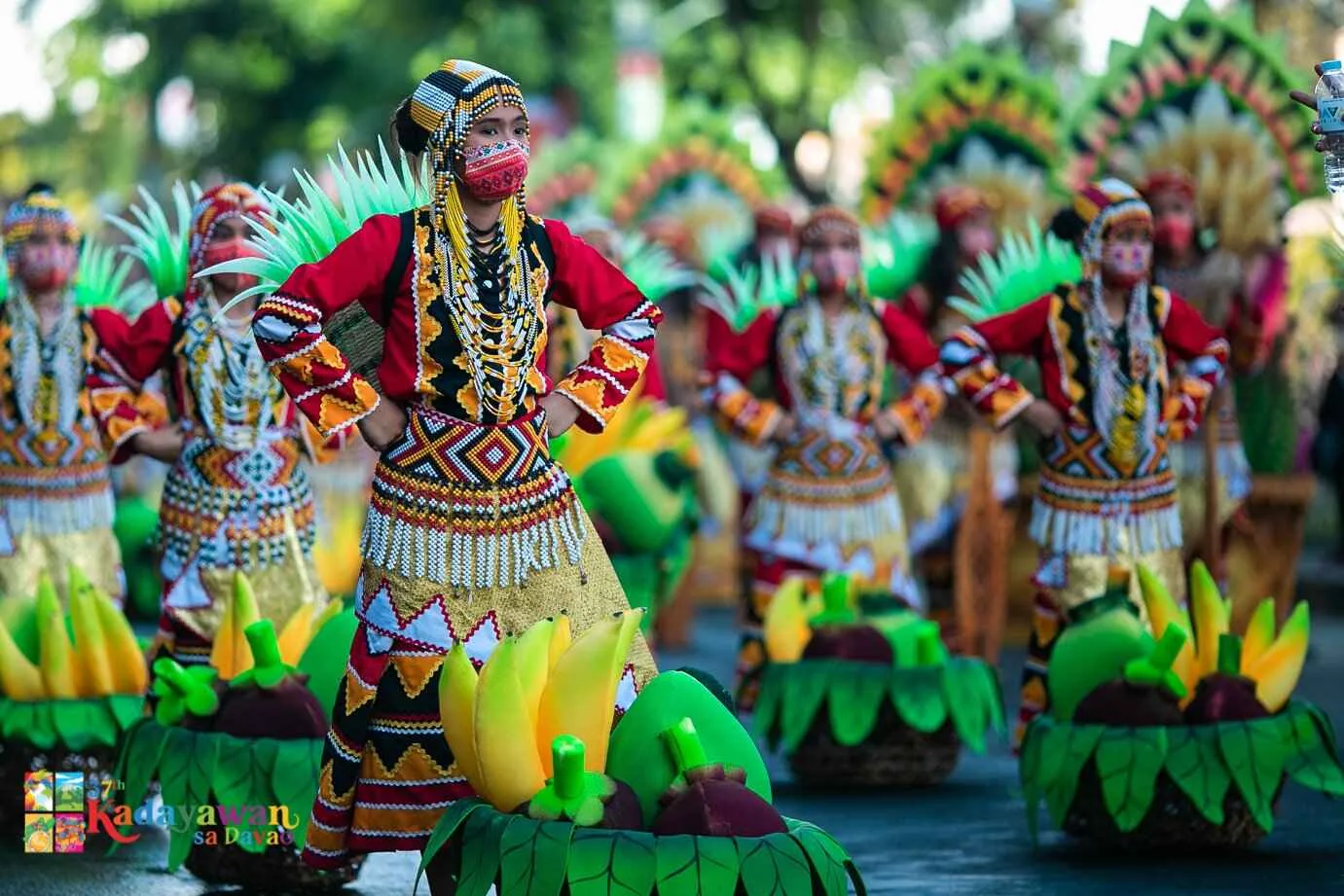
Kadayawan Festival 2026 runs from August 6 to August 16, 2026, in Davao City, with the grand parade happening on August 16. The main street events, including the merged Indak-Indak and Pamulak parade, are completely free to watch from the roadside. Paid tickets are only needed for grandstand seating and select evening shows.
Kadayawan Festival Quick Guide
| Festival | Kadayawan Festival 2026 |
|---|---|
| Location | Davao City, Davao del Sur, Mindanao |
| Festival Dates | August 6–16, 2026 |
| Main Event Day | August 16, 2026 (Grand Parade) |
| Type | Street Dance / Floral Float Parade / Cultural Festival |
| Cost to Attend | Free (parade) + Paid (grandstand and select events) |
| Trip Length Needed | 3 days minimum; 5 days for full program |
| Best Home Base | Downtown Davao / Poblacion (walking distance to parade route) |
Table of Contents
When Is Kadayawan Festival?
Kadayawan Festival 2026 runs from August 6 to August 16, 2026, with the single biggest day being August 16, when the merged Pamulak ug Indak-Indak Grand Showdown takes the streets. The Davao City Tourism Operations Office (CTOO) typically announces the official dates and full schedule in the first quarter of each year, so following their channels in early 2026 will give you the most precise lineup before you book anything.
This year’s condensed format is a deliberate shift. The CTOO packed everything into a tight eleven-day window instead of spreading events across a full month. That’s actually good news for anyone flying in from Manila or abroad. You can catch the entire peak program without burning a week of leave.
What Is Kadayawan Festival About?
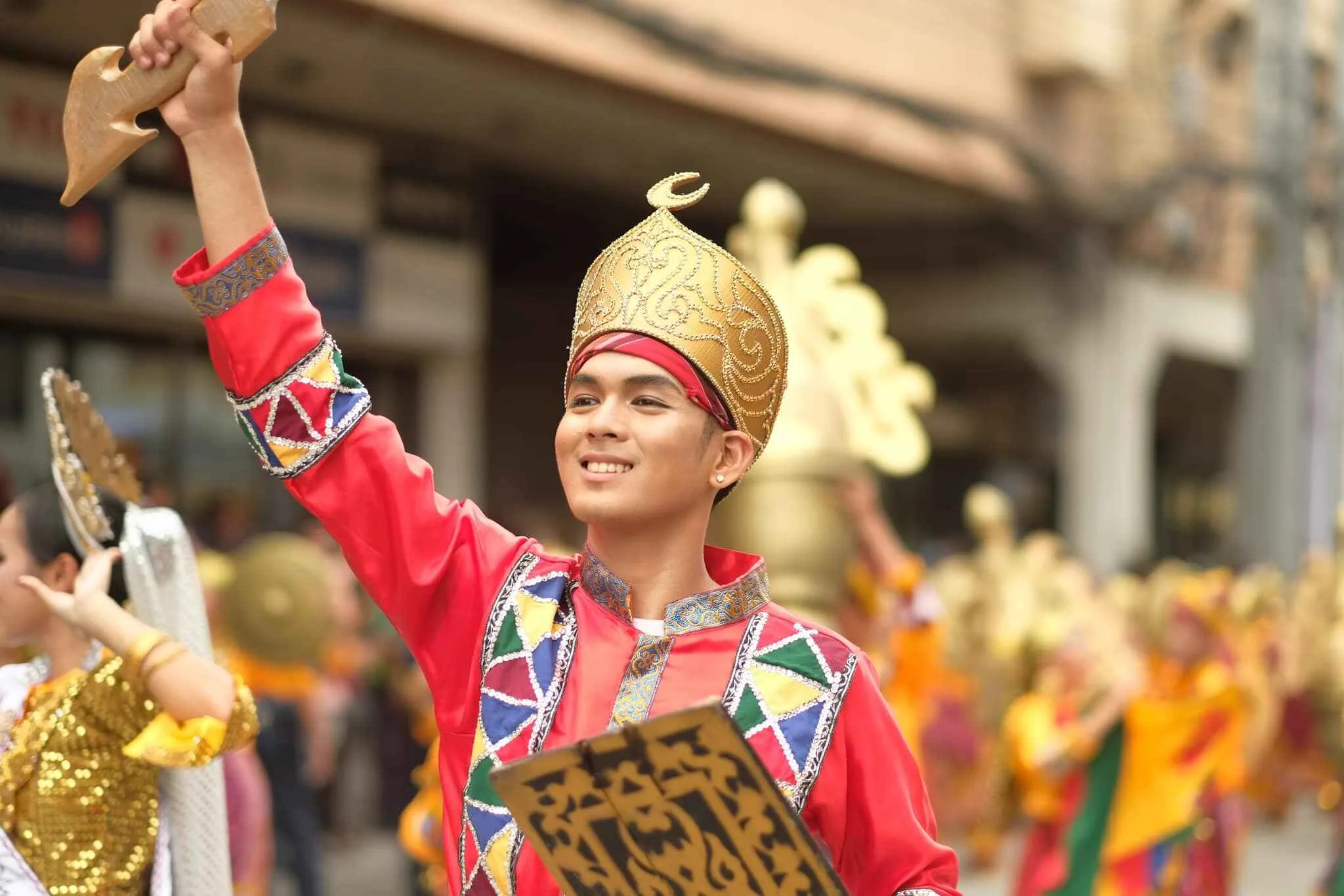
Kadayawan is Davao City’s annual thanksgiving celebration, honoring the harvest and the 11 indigenous ethnolinguistic communities of the region: the Ata, Bagobo-Tagabawa, Klata, Obu-Manuvu, Matigsalug, Iranun, Kagan, Maranao, Maguindanaon, Sama, and Tausug. The word “kadayawan” comes from the Obu-Manuvu term for all things good, beautiful, and valuable in life.
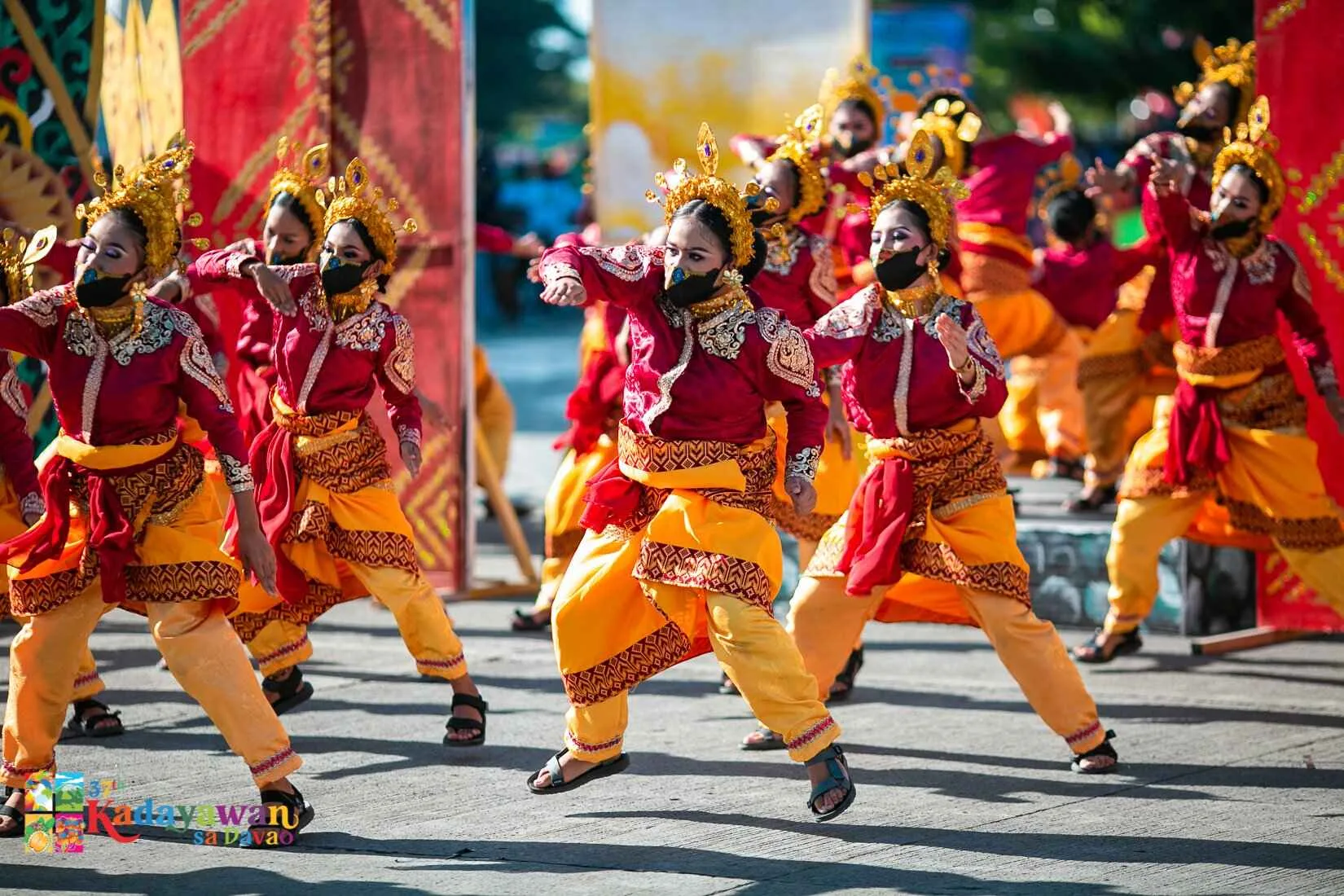
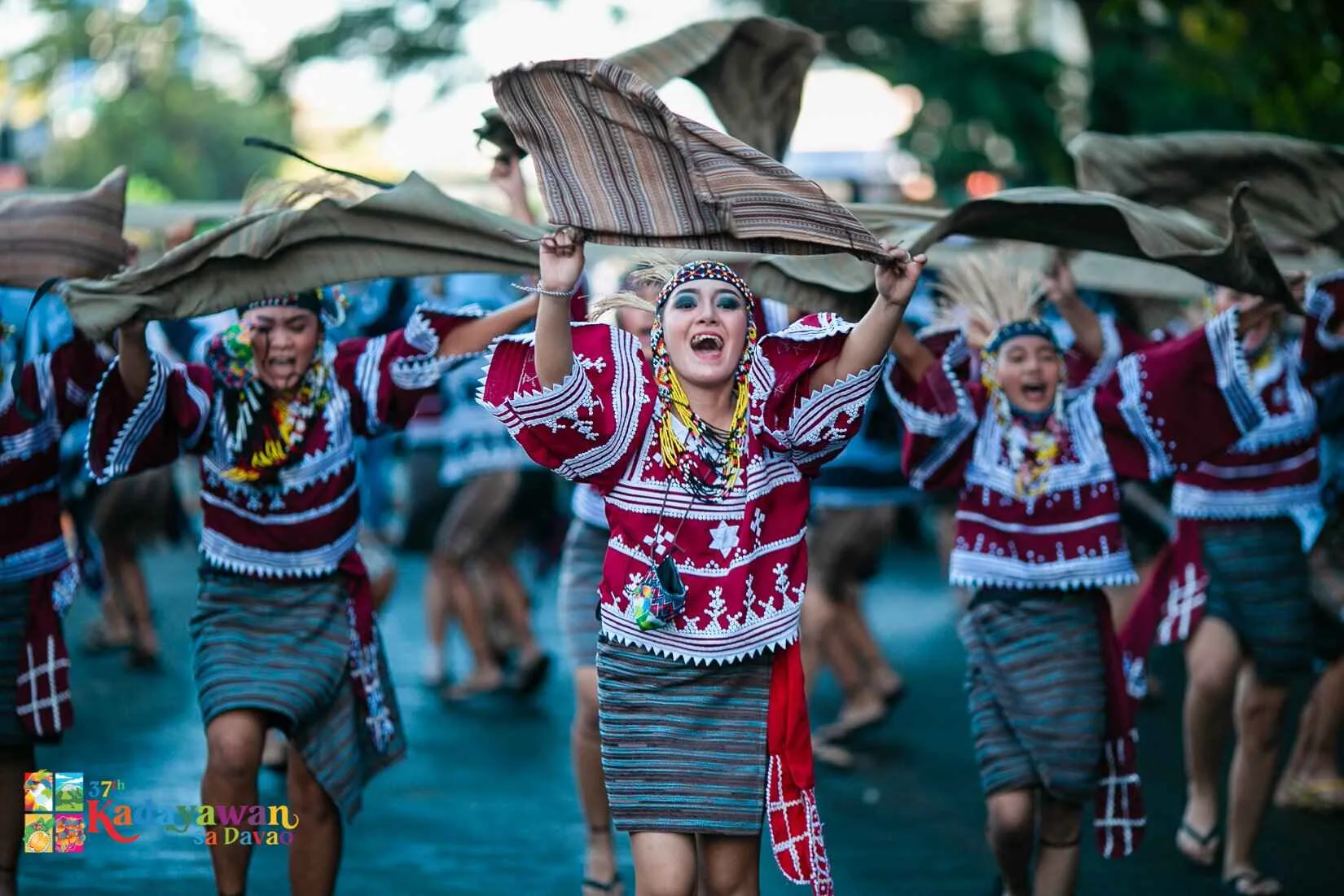
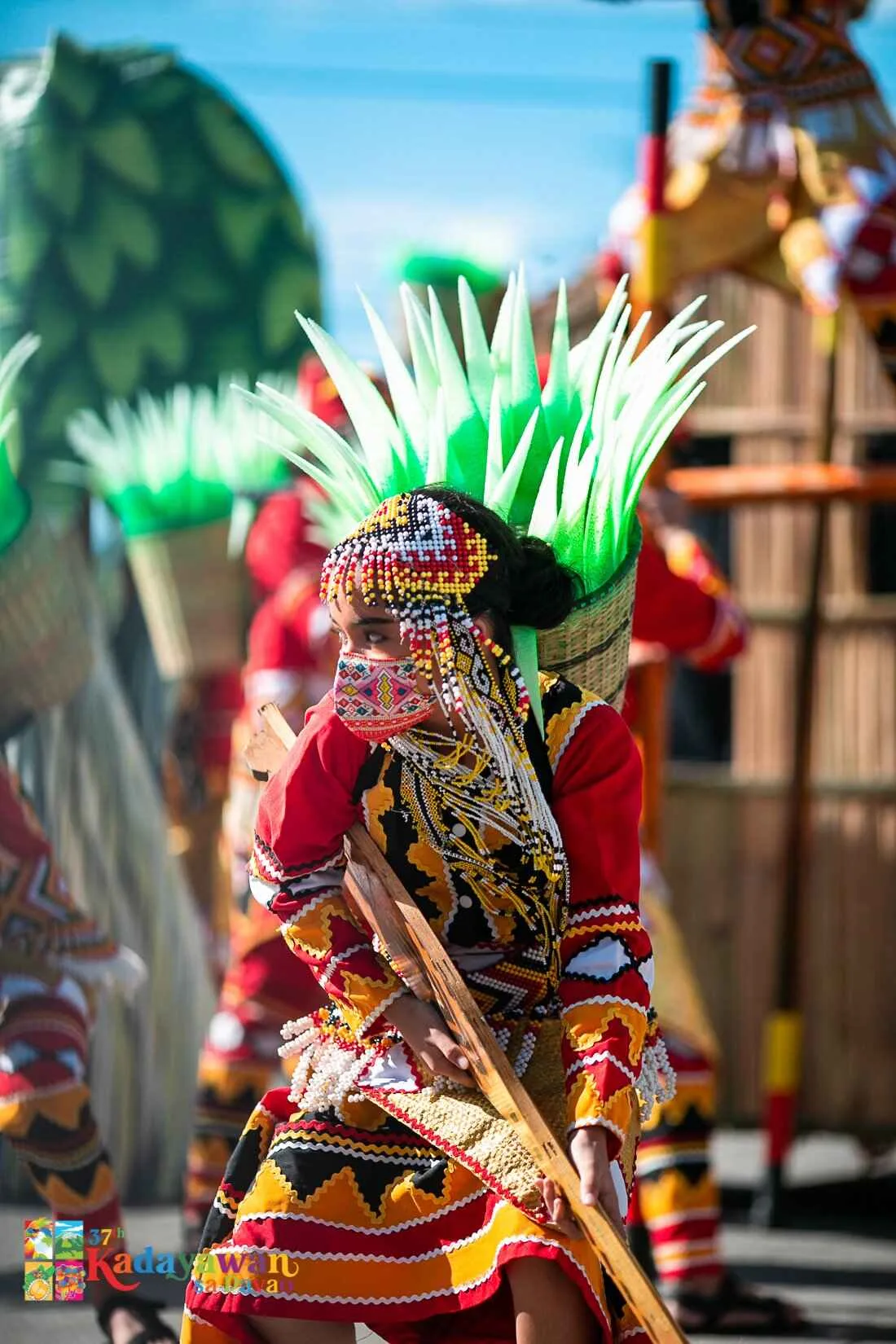
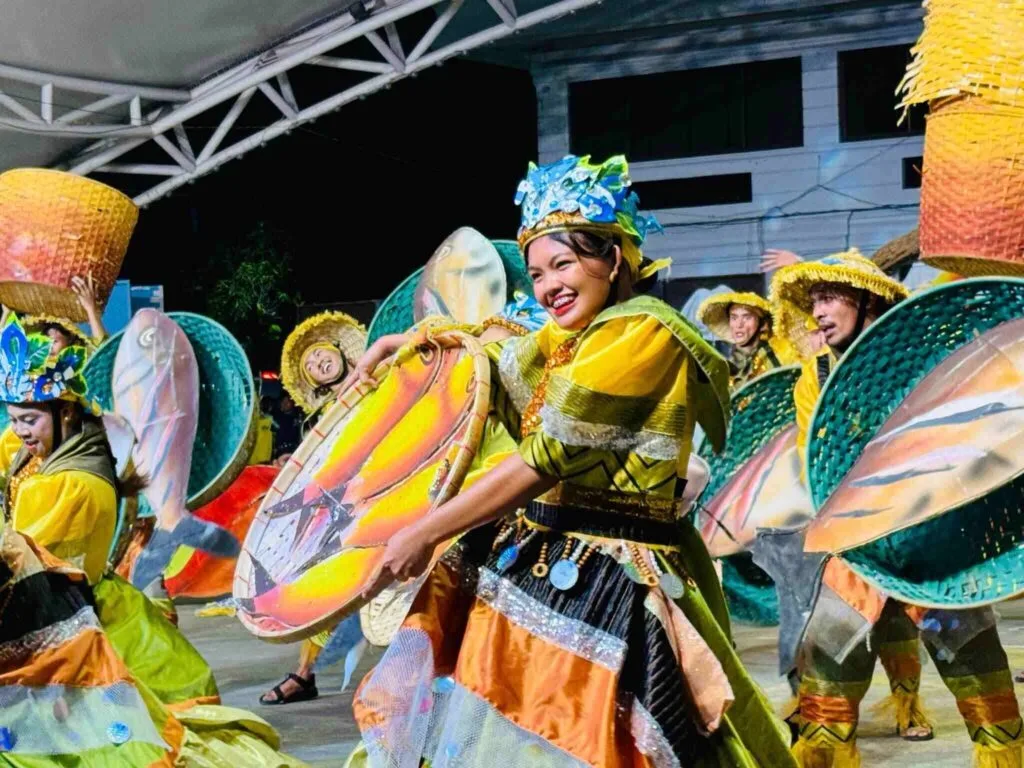
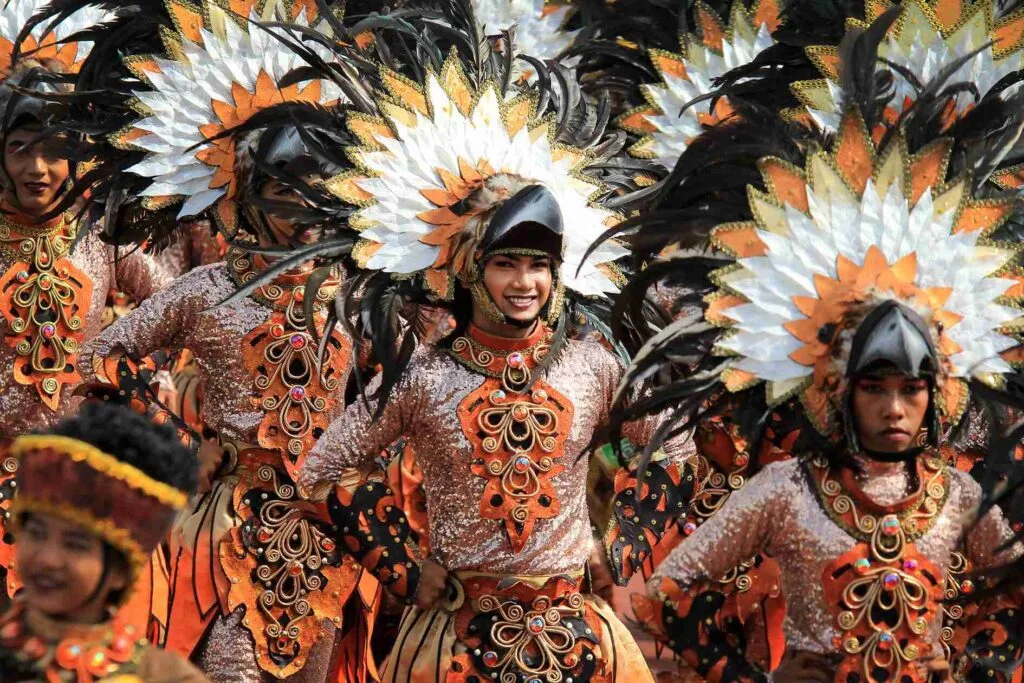
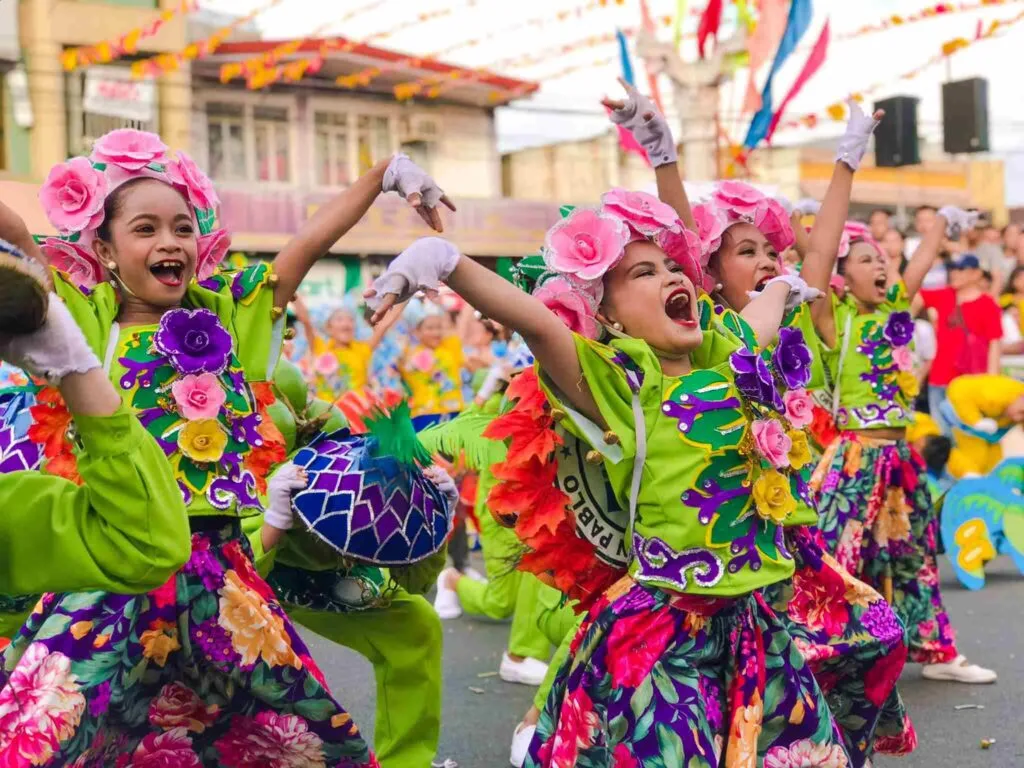
The festival opens with the Misa Pasasalamat, a Thanksgiving Mass held at San Pedro Cathedral, which grounds the celebration in both indigenous gratitude and the city’s Catholic faith. From there, each tribe presents its culture through competitive street dancing, floral floats, traditional instrument performances, and the Hiyas sa Kadayawan pageant. It is not a generic harvest parade. Each contingent tells a specific tribal story through every element of costume, choreography, and ritual movement.
The 2026 theme is “We are one, KadayaONE!” with the promotional tagline “KadayaONE All Over the City: Best Kadayawan Experience.” You can also read more about the broader culture of Philippine fiestas.
How to Get to Kadayawan Festival
Francisco Bangoy International Airport in Davao City is your entry point, and most major Philippine airlines fly direct from Manila, Cebu, and other hubs during August. Book flights at least two months out because August seats fill quickly and festival-week fares spike sharply.
From the airport, the cheapest option is a metered taxi or a ride-hailing app, which costs roughly PHP 150 to PHP 250 to most downtown hotels depending on traffic. Airport habal-habal (motorcycle taxis) can bring the fare down further, around PHP 80 to PHP 120, but that only works for solo travelers with light bags. If you’re staying in Lanang, the airport is only ten to fifteen minutes away on a clear road, though getting downtown from Lanang on parade day will require an early start on foot or by motorela before road closures kick in.
If you’re coming from Cagayan de Oro or General Santos by bus, Davao’s Ecoland Bus Terminal is your drop-off point. From Ecoland, a jeepney headed downtown costs around PHP 13 to PHP 20, or a taxi runs PHP 80 to PHP 120. For tips on other major Philippine destinations to pair with this trip is a good reference.
Kadayawan Festival 2026 Schedule of Events
The Kadayawan Festival 2026 schedule of events builds daily toward the August 16 grand finale. Below is the full official calendar from the CTOO.
| Date | Event | Venue / Location |
|---|---|---|
| July 26 | Davao City Trail Ultra | Pre-festival athletic event |
| August 1–31 | Big KadayaONE Sale | City-wide retail establishments |
| August 6 | Misa Pasasalamat | San Pedro Cathedral |
| August 7 | Pag-Abli sa Kadayawan and Agri-Trade Fair | Downtown Davao (Fair runs until August 23) |
| August 8 | Tunog Kadayawan and Salida Kadayawan | TBA |
| August 8–15 | Dayaw Festival (Arts, Culture, and Film) | City-wide |
| August 8–9 | Pananam sa Kadayawan | Indigenous food and product fair |
| August 10–12 | Bantawan Cultural Showcase | Magsaysay Park |
| August 12 | Sayaw Kadayawan | TBA |
| August 13 | Hiyas sa Kadayawan Grand Coronation | TBA |
| August 14 | Agong ug Kulintangan | TBA |
| August 15 | Dula Kadayawan and Singlife Marathon | People’s Park / SM City Lanang |
| August 16 | Pamulak ug Indak-Indak Grand Showdown | Roxas Ave, C.M. Recto, Bonifacio St, San Pedro Square |
Tickets and Grandstand Prices at Kadayawan Festival
The Indak-Indak and Pamulak parade on August 16 is completely free to watch from the street. No ticket, no registration, no wristband. You just show up and find a spot along the route. The same applies to the Misa Pasasalamat, the Agri-Trade Fair, the Bantawan Cultural Showcase at Magsaysay Park, Dula Kadayawan at People’s Park, and the tribal processions throughout the week.
Paid events are limited to grandstand seating sections for the August 16 Grand Showdown and select evening concerts and special shows such as the Hiyas sa Kadayawan pageant and Konsierto Kadayawan. The CTOO and the city government of Davao release the official grandstand ticket tiers and pricing in the weeks leading up to the festival through the official city tourism page. Grandstand tickets sell out faster than general admission, and sections closer to the judging zones go first.
Regarding senior citizen and PWD discounts, the standard 20% discount mandated by Philippine law applies to all paid ticketed events. Bring a valid OSCA card for seniors or a PWD ID for persons with disabilities. Present it at the gate when purchasing or claiming your ticket.
For evening concert shows, cash is the safest option to bring, though GCash and Maya are increasingly accepted at official ticket booths in Davao. Card payments are less reliable at outdoor festival counters.
| Ticket / Area | Price (PHP) | What It Covers |
|---|---|---|
| Street Parade (Roxas Ave, C.M. Recto, San Pedro Square) | FREE | Full Pamulak ug Indak-Indak parade, unreserved standing |
| Grandstand Seating (August 16 Grand Showdown) | Announced by CTOO pre-event | Reserved seated view of parade and judging zones |
| Hiyas sa Kadayawan Coronation | Announced by CTOO pre-event | Seated cultural pageant event |
| Konsierto Kadayawan (evening concert) | Announced by CTOO pre-event | Evening concert at San Pedro Square |
| Agri-Trade Fair, Magsaysay Park, People’s Park events | FREE | All daytime cultural and agricultural exhibits |
Best Viewing Spots at Kadayawan Festival
The best free view of the Indak-Indak street dance competition is along C.M. Recto Avenue, specifically around the judging area where dance contingents perform their full routines for the panel. Arrive by 5:00 AM if you want a front-row standing spot without a ticket.
The official parade originates on Roxas Avenue, moves through C.M. Recto Avenue, turns onto Bonifacio Street, then through Pelayo, and ends at San Pedro Square. Each segment offers a different experience.
What Other Guides Get Wrong About Kadayawan Festival
Most guides tell you to head straight to Roxas Avenue and stay there. That is fine for the opening stretch, but Roxas is where the contingents are still warming up and spacing out. The real performances, where tribes execute their full synchronized routines with maximum intensity, happen at the judging zones along C.M. Recto. That is where choreography gets tightest and costumes get the closest look.
A second thing guides consistently miss: San Pedro Square at the tail end of the route is underrated. By the time contingents reach the square, the crowd is thinner, you can move freely, and you get to see each group’s closing performance in a more open space. It’s also where the Konsierto Kadayawan happens in the evening, so you can hold your position for the concert without relocating.
Here is a breakdown of each major viewing spot with a worth-it score:
Roxas Avenue (starting stretch) — 3 out of 5. Great energy and crowd atmosphere, but contingents are still separated and haven’t hit full stride. Ideal if you want to see the sheer scale of the procession.
C.M. Recto Avenue (judging zone) — 5 out of 5. This is where the competition actually plays out. Every tribe performs its best here. Grandstand seats are available with tickets, but free standing spots on the flanks still offer a clear sightline. Get here before sunrise.
Bonifacio Street to Pelayo — 3 out of 5. A good middle-ground spot if C.M. Recto is too packed. Less intense, but you still get the full costumes and drumlines up close.
San Pedro Square (finale) — 4 out of 5. Thinner crowd, full view, and doubles as the evening concert venue. If you can only hold one position all day, this one is the most comfortable.
What to Wear and Bring to Kadayawan Festival
August in Davao is peak rainy season. Temperatures sit between 27°C and 32°C (80°F to 90°F) with high humidity. The parade runs rain or shine.
| Item | Needed? |
|---|---|
| Lightweight, breathable clothing | Yes, essential |
| Rain poncho or compact umbrella | Yes, non-negotiable |
| Sunscreen (SPF 50 or higher) | Yes |
| Comfortable closed shoes or sandals | Yes, you will stand for hours |
| Small backpack or belt bag | Yes, keep hands free |
| Portable phone charger / power bank | Yes, battery drain is fast |
| Cash (PHP 500 to PHP 1,000 per day for food and incidentals) | Yes |
| Water bottle (refillable) | Yes |
| Earplugs | Optional, but the drumlines are loud |
| Valuables (jewelry, extra cards) | No, leave these at the hotel |
Where to Stay for Kadayawan Festival
Book your hotel two to three months before August 16 or accept that your preferred property will be full. Mid-August in Davao is not just busy, it is the city’s peak tourism weekend. Walk-in availability near the parade route is essentially zero by late July.
Downtown Davao and Poblacion is the single best area for festival-goers. You can walk to Roxas Avenue, C.M. Recto, and San Pedro Square without touching a vehicle. That matters enormously when road closures make motorized transport useless downtown on August 16.
Lanang works well if you prefer larger hotel chains and proximity to the airport, but you need to be on foot toward downtown before closures begin on the morning of the 16th. Budget extra time. Matina and Ecoland suit travelers watching costs, with more affordable guesthouses, but the commute during parade hours is significantly harder.
Rates in downtown hotels routinely surge during Kadayawan week. Expect to pay noticeably more than any off-peak weekend in Davao. Mid-range hotels near Roxas Avenue that normally run PHP 2,500 to PHP 3,500 per night can go to PHP 4,500 to PHP 6,000 or higher during the culmination weekend.
Getting Around During Kadayawan Festival
On August 16, the downtown core of Davao City is essentially closed to motor vehicles. The parade route covering Roxas Avenue, C.M. Recto, Bonifacio Street, Pelayo, and San Pedro Square will have enforced road closures throughout the day. Ride-hailing apps will not reach you inside that perimeter, and jeepneys reroute away from the parade corridor.
The Public Safety and Security Office deploys approximately 14,000 security and safety personnel across festival zones for the culmination weekend. Bag inspections are standard at grandstand entry points.
Your practical strategy is simple. Walk. If you are staying downtown, you have already won the logistics battle. If you are coming from Lanang or Matina, leave your hotel before the closures begin (early morning) and plan to walk in from the perimeter. Motorelas can still operate on side streets outside the closure zone, so they remain useful for bridging the last kilometer or two before the restricted area begins.
For everything outside the grand parade, jeepneys and habal-habal operate normally across the city during the rest of the festival week. The Agri-Trade Fair, People’s Park, and Magsaysay Park are all reachable by regular city transport on non-parade days.
Full Budget Breakdown for Kadayawan Festival
This is a realistic per-person budget for a three-day trip focused on the August 14 to 16 culmination window.
| Expense | Cost (PHP) |
|---|---|
| Round-trip airfare (Manila to Davao, booked early) | 3,000 to 6,000 |
| Hotel per night (Downtown / Poblacion, 3 nights) | 2,500 to 6,000 per night |
| Airport to hotel transfer | 150 to 250 |
| Grandstand ticket (if purchasing) | Announced pre-event |
| Daily food budget (street food and casual dining) | 300 to 600 per day |
| Local transport (non-parade days, jeepney/motorela) | 50 to 150 per day |
| Pasalubong and souvenirs | 300 to 1,000 |
| Realistic 3-day total per person | 10,000 to 22,000 |
The lower end of that range is achievable if you book flights and hotels early, eat at the Roxas Night Market and food stalls rather than restaurants, and stick to the free parade events. The upper end applies to last-minute hotel bookings and grandstand tickets.
Festival Etiquette and Safety at Kadayawan Festival
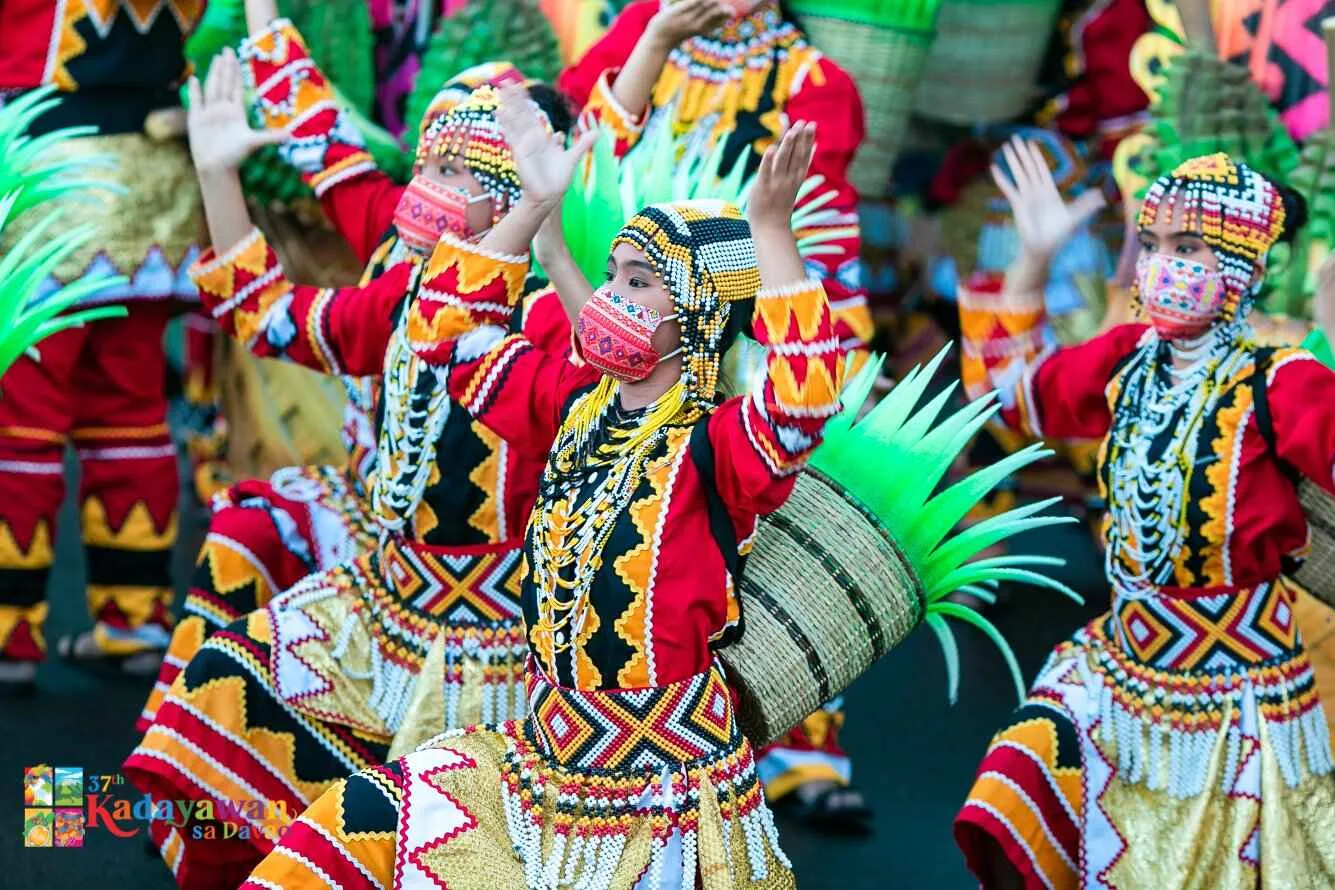
Respect for the 11 tribes is the baseline expectation at Kadayawan. These are not costume performances for tourists. Each contingent’s dress, movements, and musical instruments represent living cultural identity. Do not touch performers, props, or tribal instruments without explicit permission. Do not block the performance corridor to get a photo.
Photography of dancers and floats along the parade route is welcomed and expected. Flash photography aimed directly at performers during nighttime shows is disruptive. Use it sparingly.
Dress modestly if you are attending the Misa Pasasalamat at San Pedro Cathedral or any of the tribal cultural exhibits at Magsaysay Park. Shorts and sleeveless tops are fine for the street parade. Avoid wearing anything that mimics tribal regalia or headdresses.
Keep your bag zipped and your phone in your front pocket in dense crowd sections, particularly around the judging zones on C.M. Recto. Pickpocketing in large festival crowds is a real risk anywhere, not specific to Kadayawan, but worth staying aware of. Do not carry your daily cash limit in one pocket.
Stay hydrated. Heat exhaustion in the August sun is a genuine concern, especially if you have been standing on asphalt since dawn. Eat before you leave the hotel and carry water.
Frequently Asked Questions About Kadayawan Festival
What is the exact date of the Indak-Indak and Pamulak parade for Kadayawan Festival 2026?
The merged Pamulak ug Indak-Indak Grand Showdown is scheduled for August 16, 2026. This is the first time both events have been combined into a single day, which is the major operational change for the 2026 edition.
Do you need to buy tickets to watch the Kadayawan Festival 2026 grandstand events?
The street parade itself is free for anyone standing along the route. Grandstand seats with reserved viewing along the judging zones require a separate paid ticket. The Hiyas sa Kadayawan pageant and Konsierto Kadayawan evening concert are also separately ticketed. The CTOO releases official grandstand prices in the weeks before the event through the official city tourism page.
Where are the best spots to watch the Kadayawan 2026 parade in Davao City?
The judging zone along C.M. Recto Avenue is where tribes perform their most competitive routines, making it the highest-value spot for watching the Indak-Indak. San Pedro Square is the best option for a relaxed view at the tail end of the route with more space to move. Both are free to access from the street.
What is the theme of Kadayawan Festival 2026?
The official theme is “We are one, KadayaONE!” with the promotional tagline “KadayaONE All Over the City: Best Kadayawan Experience.” The theme reflects the city’s push to unite all 11 indigenous tribes and the wider Davao community under a single, consolidated festival identity.
How early should I book a hotel in Davao City for Kadayawan Festival 2026?
Book two to three months in advance, meaning by May or June 2026 at the latest if you want a downtown property within walking distance of the parade. Hotels near Roxas Avenue and C.M. Recto are the first to fill. Waiting until July significantly limits your options and pushes prices higher.
Final Verdict: Is Kadayawan Festival Worth It?
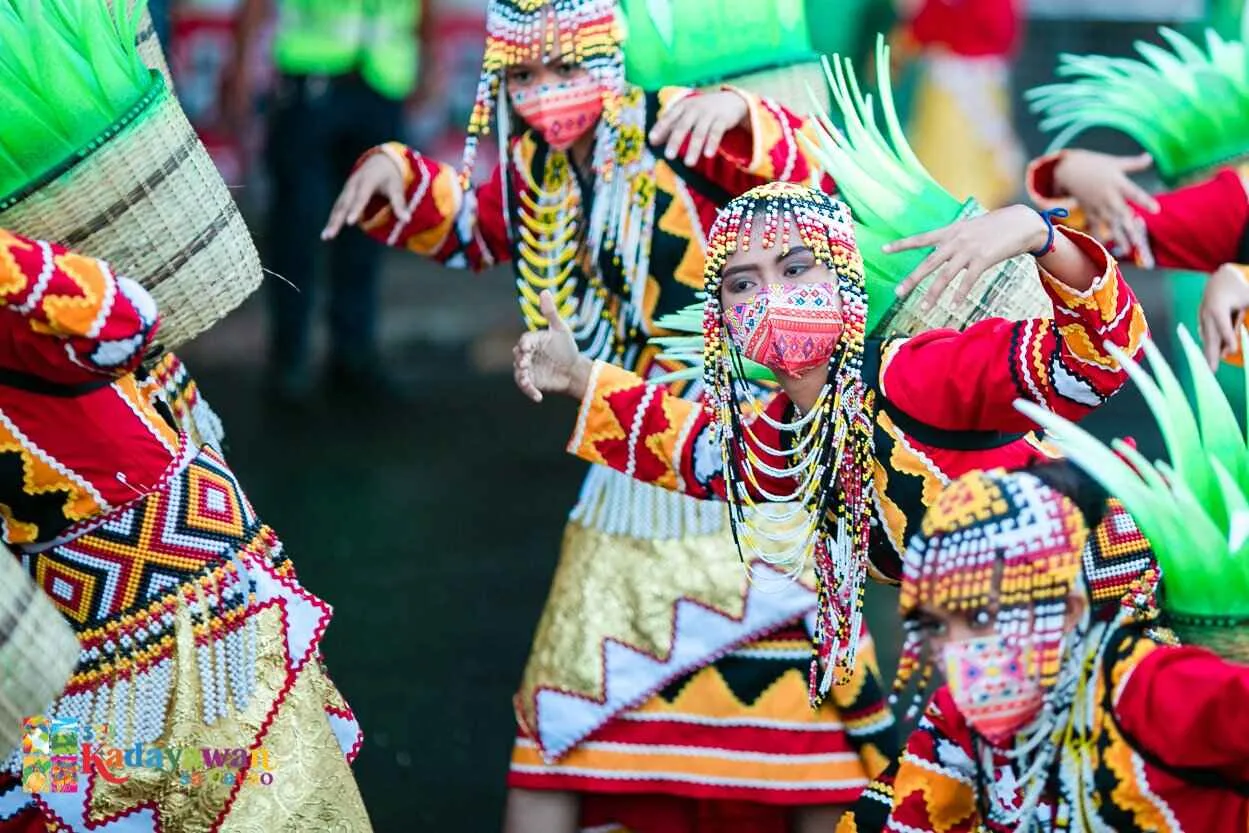
Kadayawan Festival 2026 earns a 5 out of 5 for any traveler who wants to see Philippine indigenous culture presented at genuine competition-level production, not a sanitized tourist showcase. I attended in 2025 and the Indak-Indak alone justified the entire trip, and the 2026 merged format with the Pamulak floats running the same day raises the stakes even further. For first-timers wondering whether the logistics are manageable, they are, as long as you book early, stay downtown, and get to C.M. Recto before the sun does.
For a broader look at Philippine festivals worth planning around and the top 10 tourist destinations in the philippines are useful starting points for building out the rest of your itinerary.

Can you be more specific about the content of your article? After reading it, I still have some doubts. Hope you can help me.