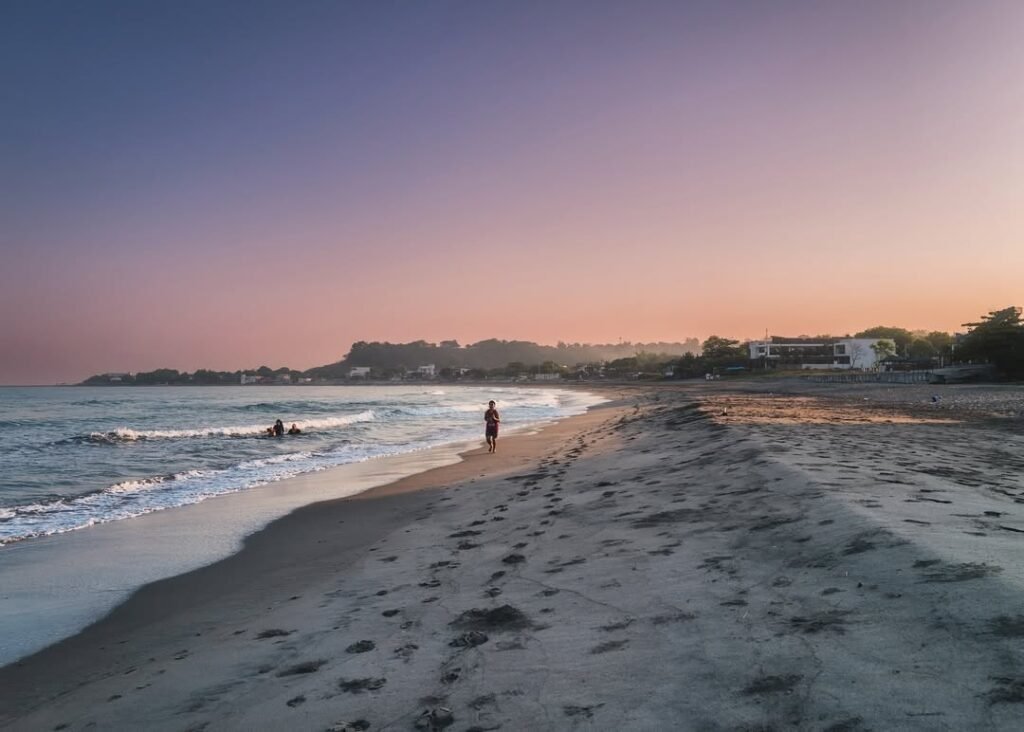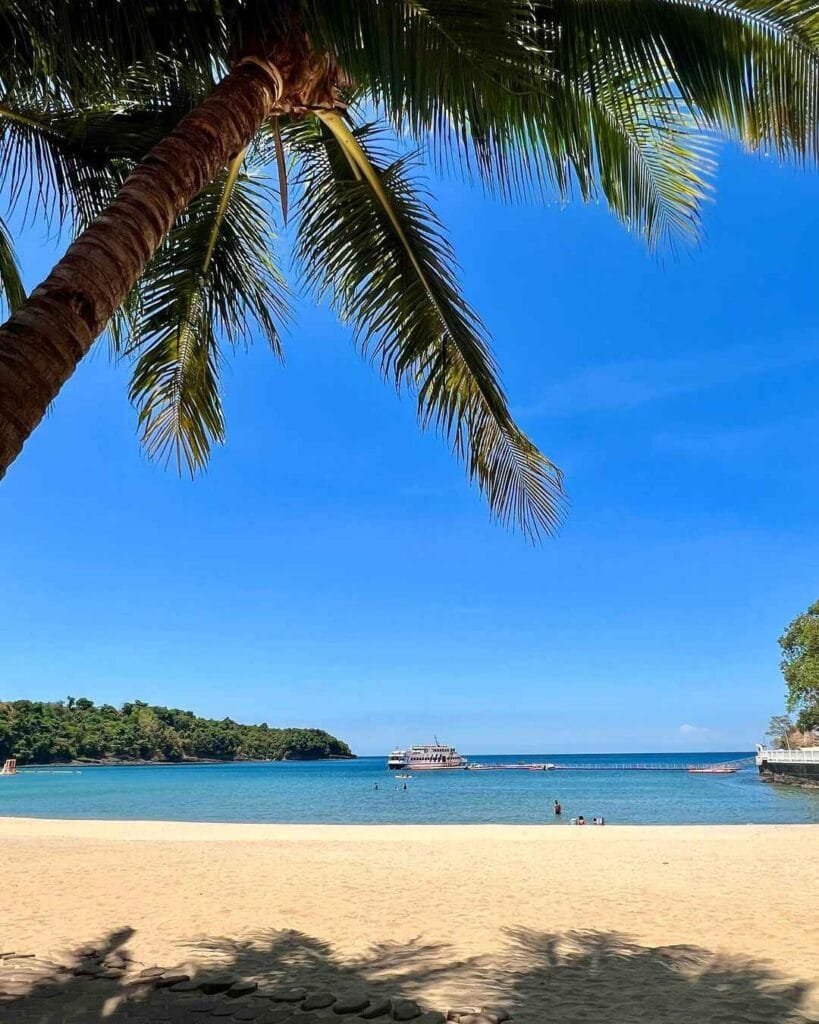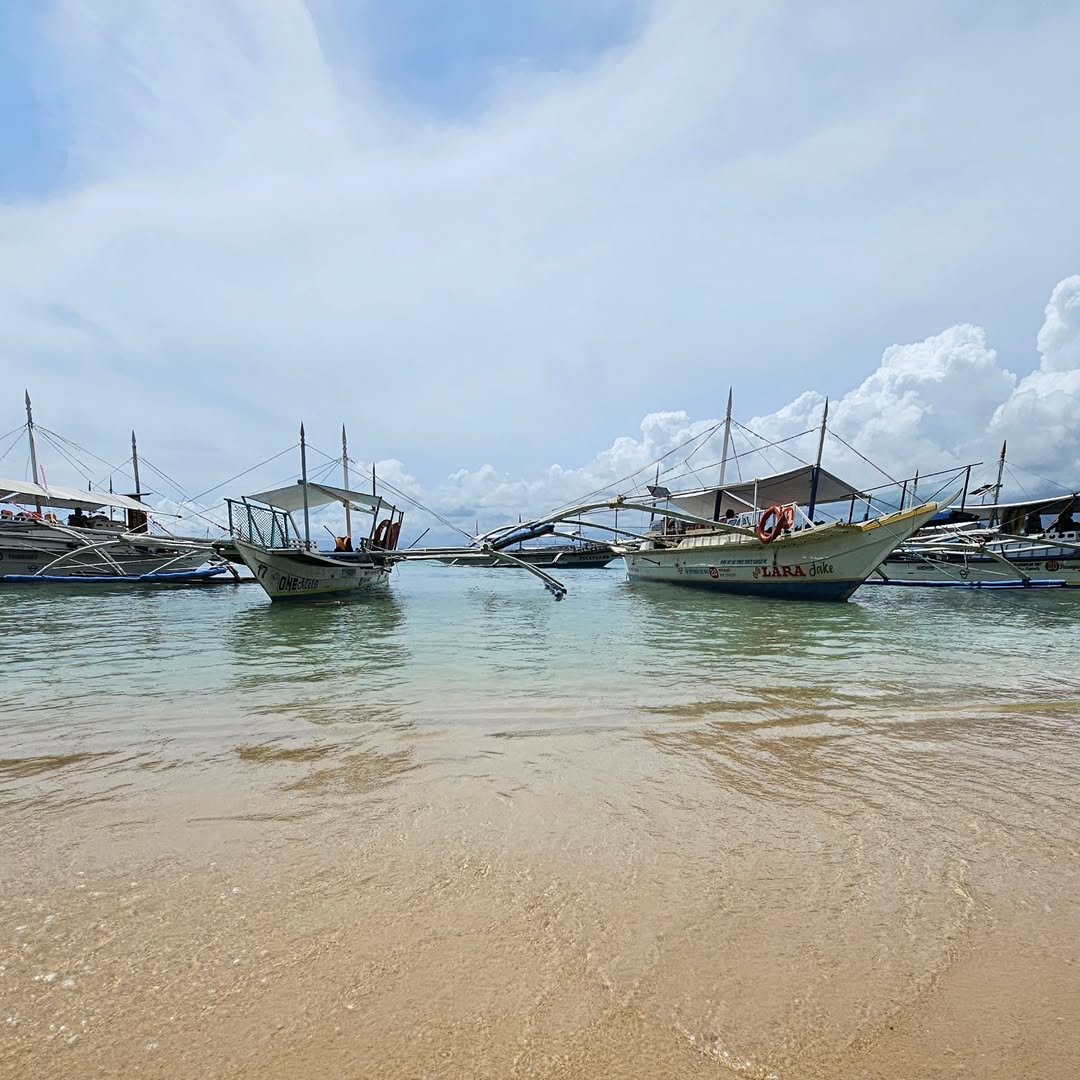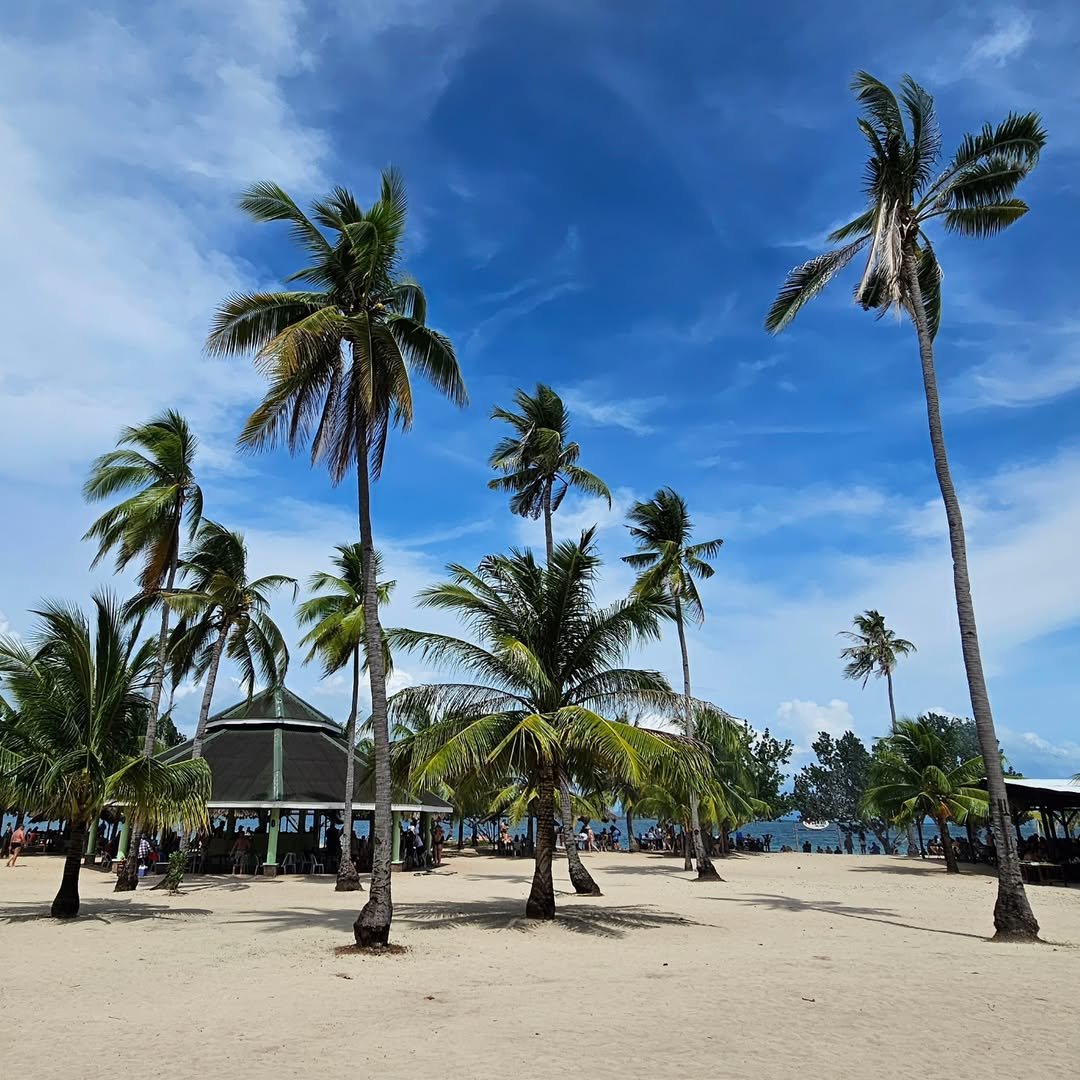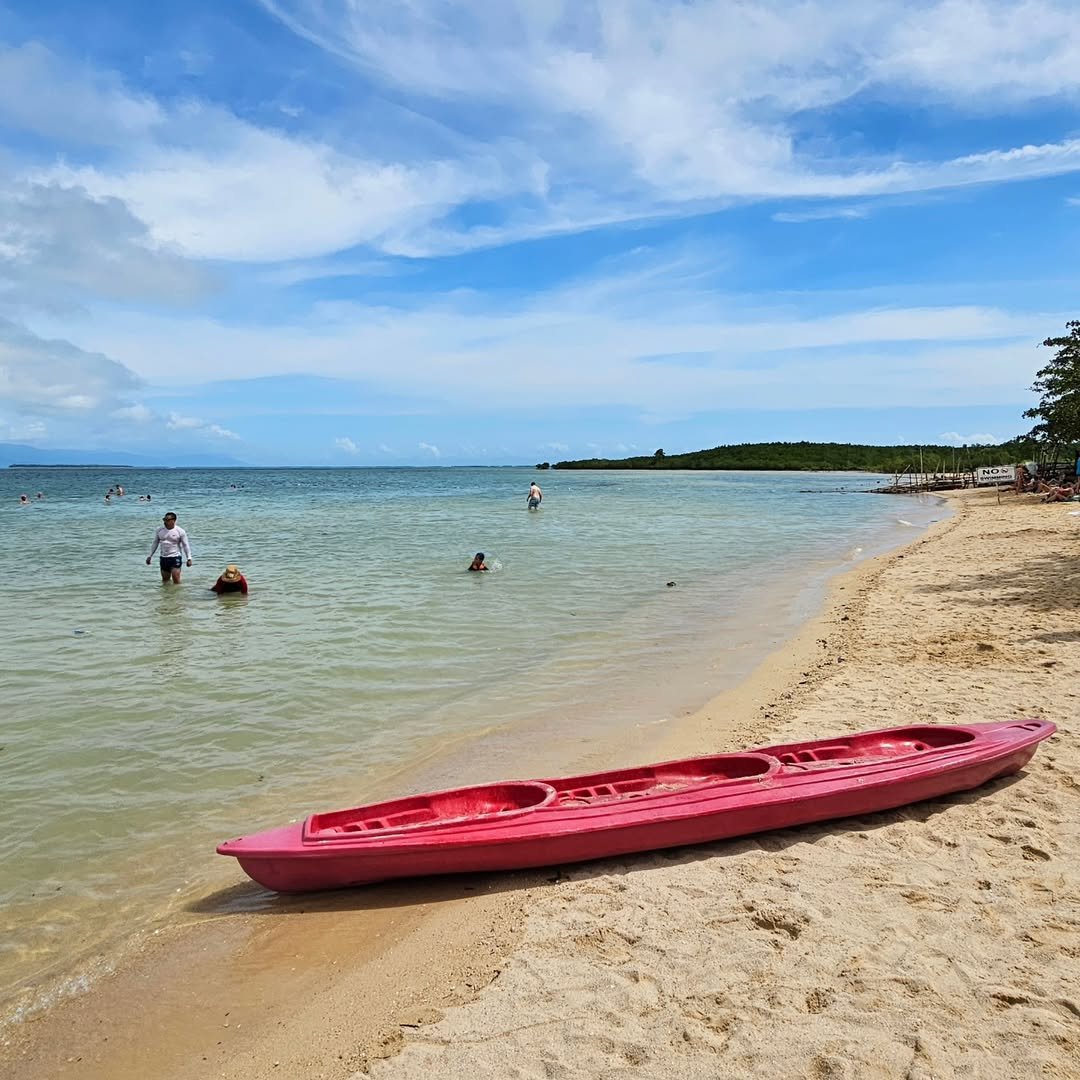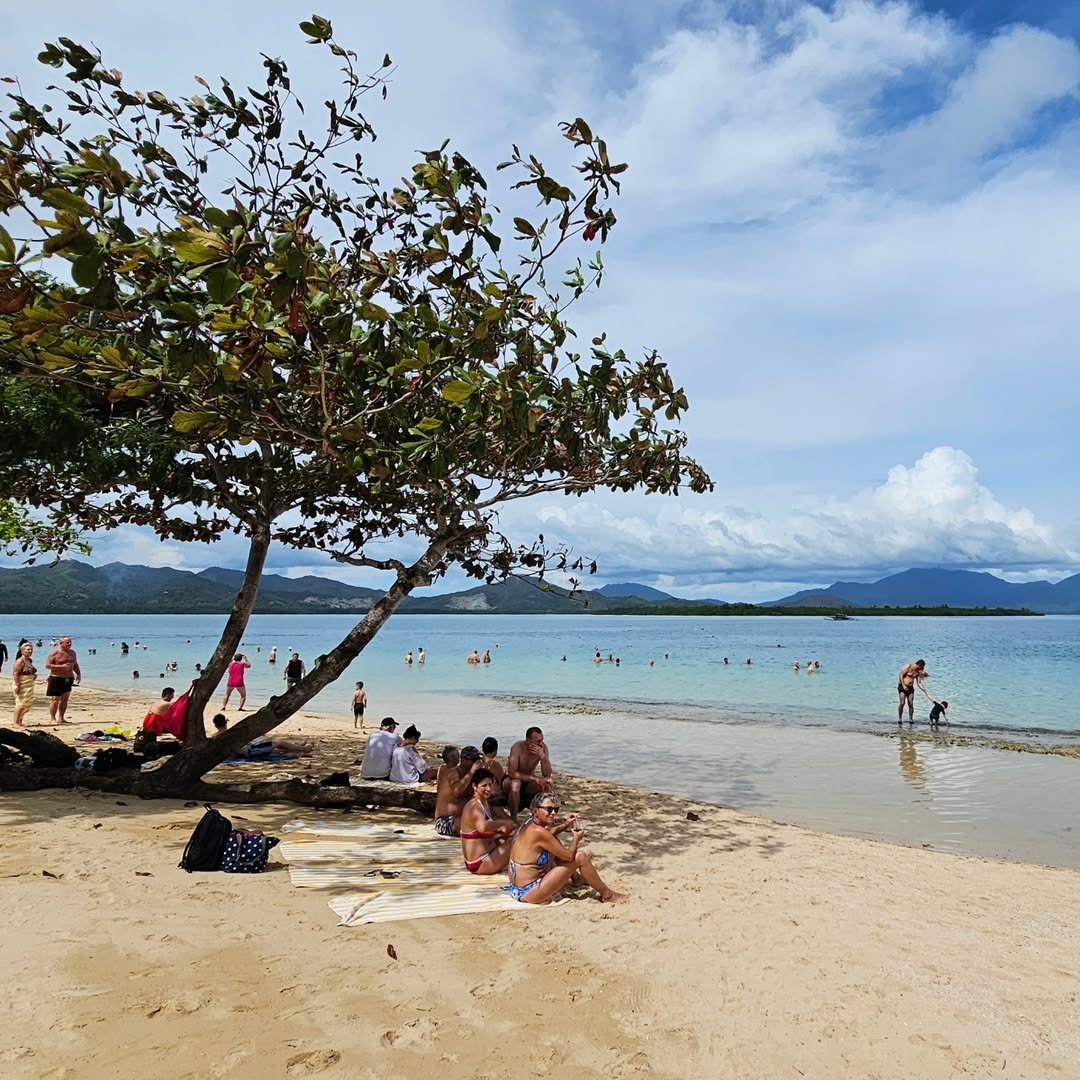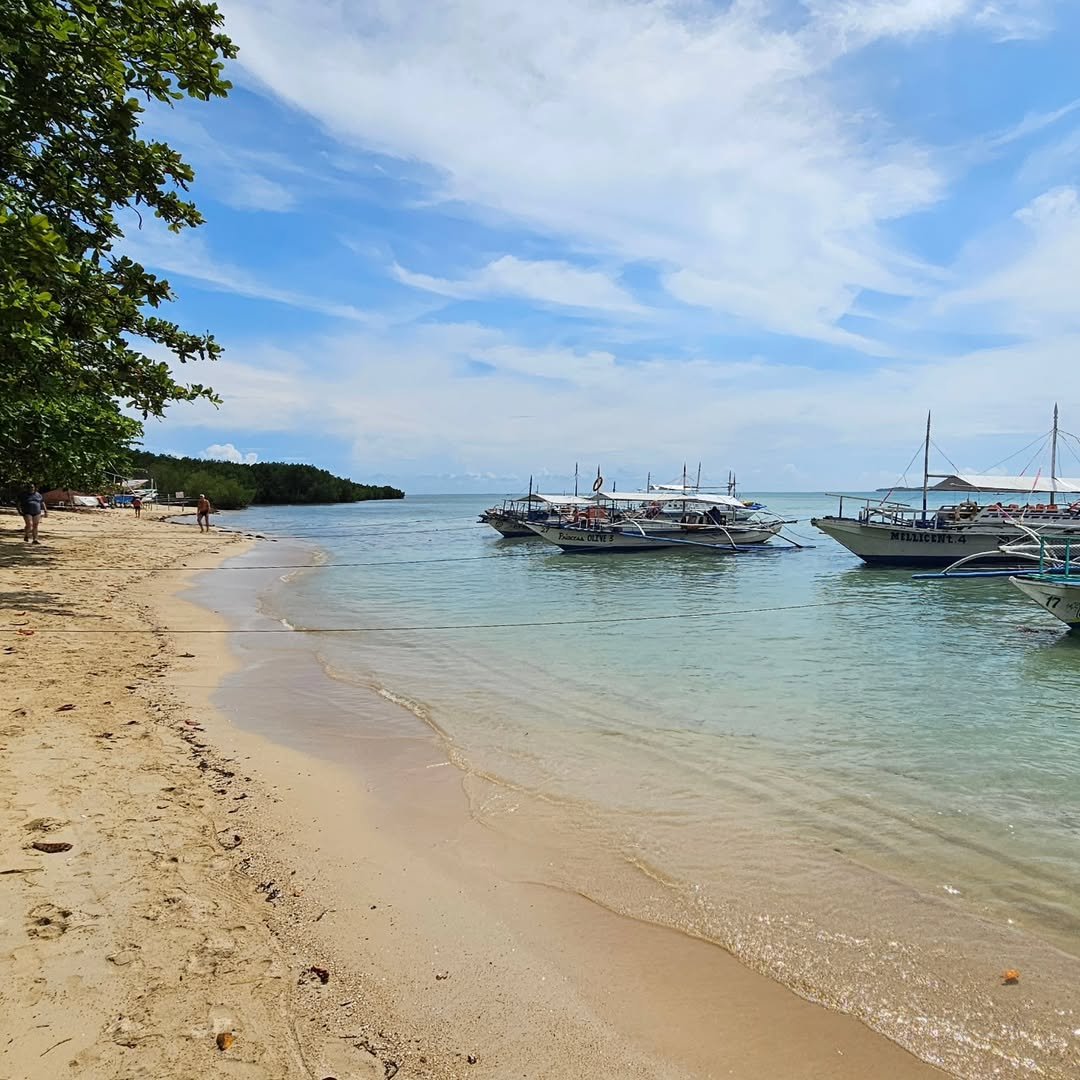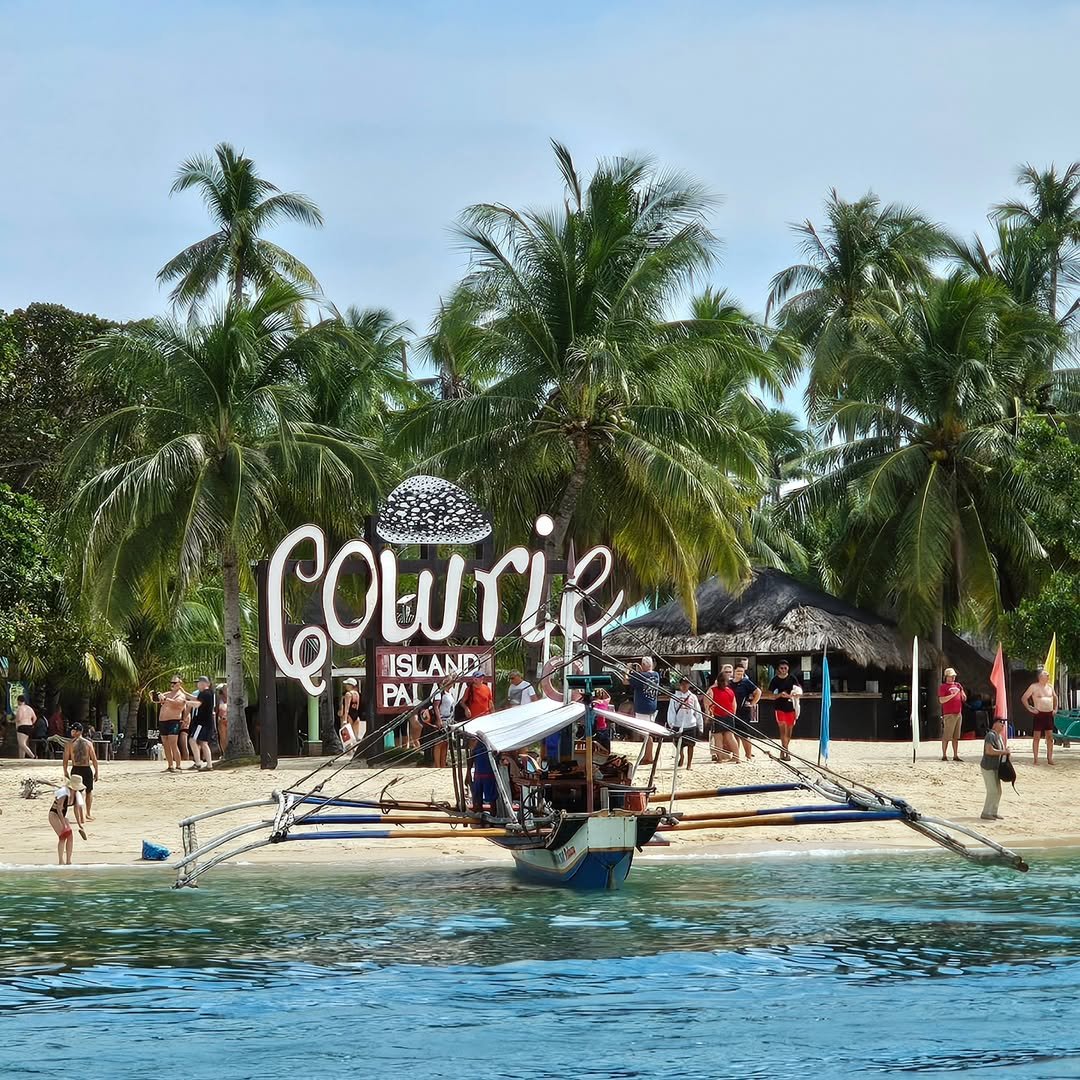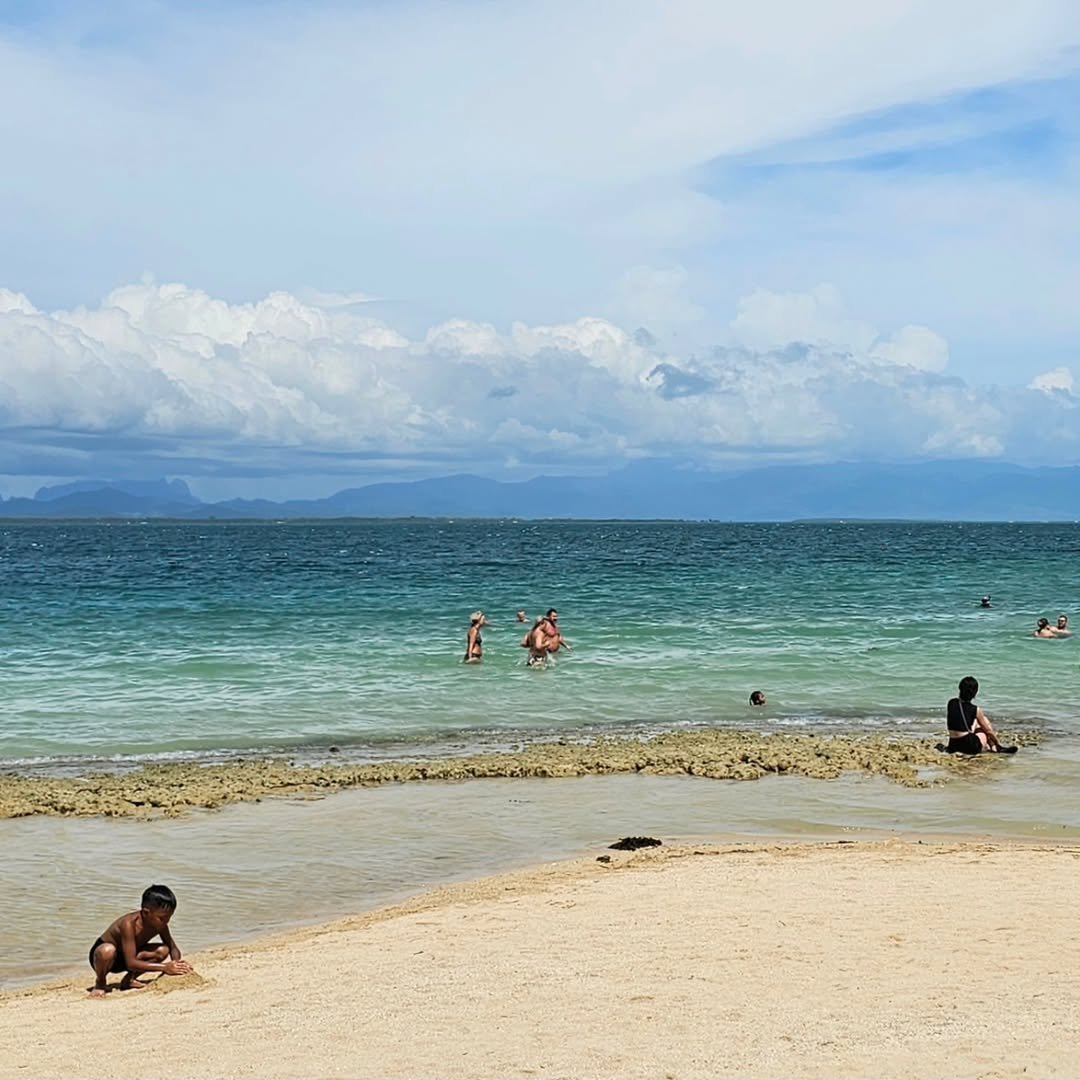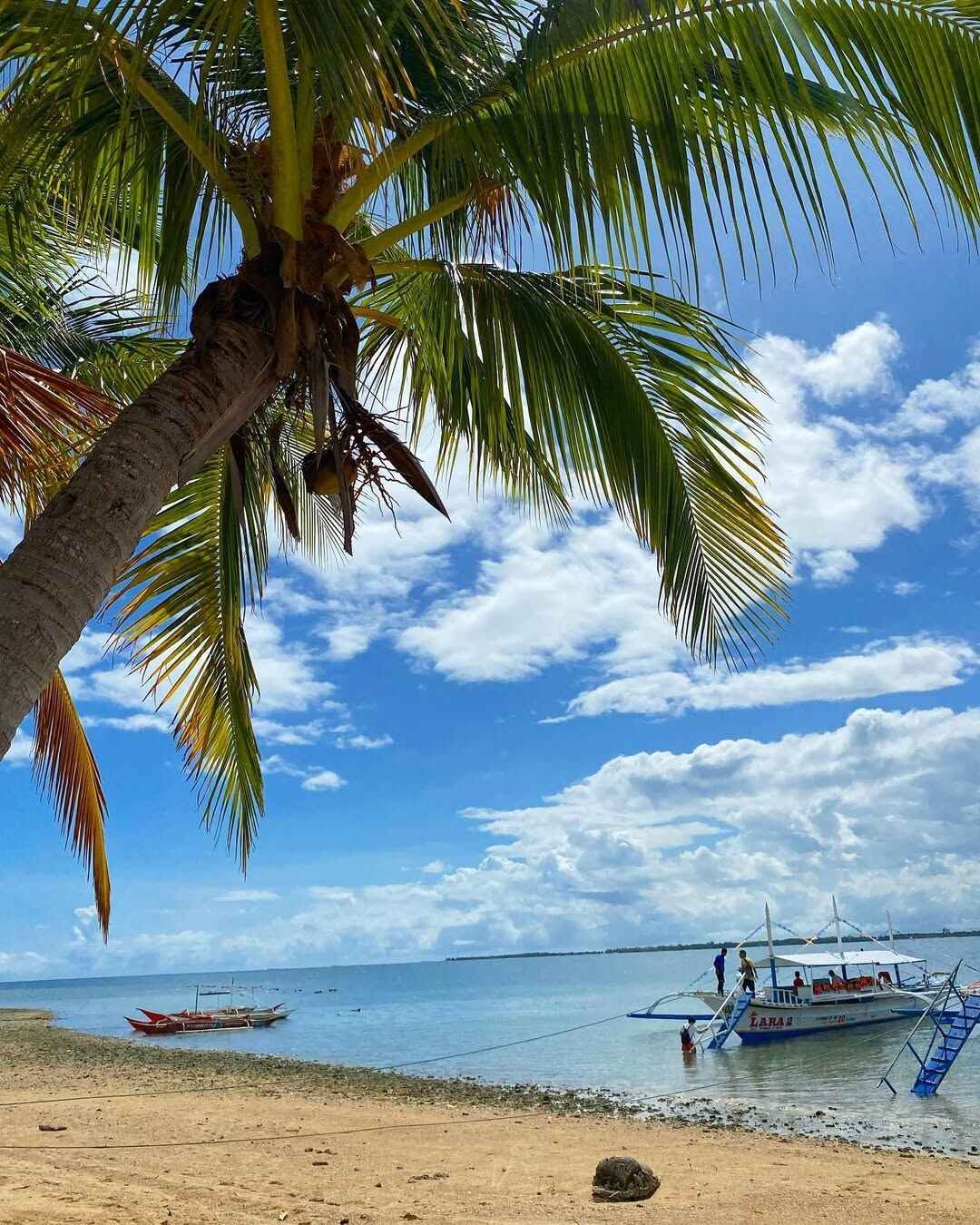
Honda Bay is a family-friendly island hopping destination located about 30–45 minutes north of Puerto Princesa City in Palawan. You’ll island-hop to spots like Starfish, Luli, and Cowrie Islands via registered outrigger boats from Sta. Lourdes Wharf. A full day trip costs roughly PHP 1,500–2,500 per person when expenses are split across a group.
Honda Bay in Puerto Princesa Quick Guide
| Category | Details |
|---|---|
| Destination | Honda Bay |
| Location | Sta. Lourdes, Puerto Princesa City |
| Province | Palawan |
| Type | White Sand Beach / Island Hopping Hub |
| Access | Mainland drive-up via Sta. Lourdes Wharf |
| Environmental Fee | PHP 150 / person |
| Best Season | November to May (Amihan season) |
| Swimming | Calm, shallow; no designated lifeguard zones |
| Island Hopping | Yes — Starfish, Luli, Cowrie, Pambato Reef |
| Travel Time from City Center | 25–45 minutes by van or tricycle |
Table of Contents
Where Is Honda Bay in Puerto Princesa Located?
Honda Bay sits along the northeastern coast of Puerto Princesa City, Palawan, roughly 30 to 45 minutes by road from the city center and international airport. The bay faces a cluster of small islands that you reach entirely by boat — but the jump-off point is completely on the mainland. There’s no ferry crossing or inter-island connection needed just to get to the departure area, which makes it one of the most logistically straightforward day trips on the island.
The official departure point is Sta. Lourdes Wharf, a government-managed port terminal with boat registration, fee collection, and gear rental shops all in one compact area. The surrounding barangay is quiet, functional, and built around tourism — you’ll find everything you need within walking distance of the wharf entrance.
For a broader look at other destinations worth visiting while you’re in Palawan, check out this guide to Puerto Princesa tourist spots.
How to Get to Honda Bay in Puerto Princesa
Getting to Honda Bay from Puerto Princesa requires no boat, no overnight logistics, and no complex routing — it’s a straightforward road trip north of the city center.
Option A — Multicab or Jeepney (Budget Route)
Flag down a northbound blue multicab along Rizal Avenue or the Puerto Princesa North Road. Look for signs that say “Sta. Lourdes” or “Honda Bay.” The fare runs PHP 25–35 per person, but travel time stretches to 40–50 minutes because of frequent stops. The multicab drops you at the Sta. Lourdes highway junction, not the wharf itself. From there, you’ll walk 1–2 kilometers or take a short tricycle ride to the actual terminal.
Option B — Private Tricycle (Best for 1–3 People)
A private tricycle hired directly from your hotel or the city center delivers you straight to the Sta. Lourdes Wharf registration counter. The one-way fare is PHP 300–500 per vehicle, and the ride takes about 30 minutes without stops. Negotiate a round-trip rate upfront and lock in a specific afternoon pick-up time — mid-afternoon is ideal. Empty tricycles don’t queue reliably at the wharf, so pre-arranging your return is critical.
Option C — Private Air-Conditioned Van (Best for 4+ People)
This is the option I’d recommend without hesitation for groups. A round-trip van costs PHP 1,300–1,500 total, the driver waits at the wharf parking area all day, and you get door-to-door service in 25–30 minutes each way. When split among four to six people, it’s actually cheaper per head than a tricycle — and far more comfortable on Palawan’s heat.
I took a private van in April 2026 with a small group departing at 7:30 AM, which put us at the wharf before the morning rush. That timing made a real difference in securing a boat quickly without waiting in line.
Honda Bay | Credits to Owner: @wayneshadrach | Instagram
Entrance Fees, Environmental Fees, and Permits at Honda Bay in Puerto Princesa
The Honda Bay tour fee structure is layered but completely predictable once you understand the system.
Mandatory fees paid at the wharf:
| Fee | Cost | Notes |
|---|---|---|
| Environmental Fee | PHP 150 / person | Valid for 6 months across multiple PPS sites — keep the receipt |
| Wharf Terminal Fee | PHP 5–40 / person | Paid at Sta. Lourdes Wharf counter |
HOBBAI boat rental rates (per group):
| Route | Engine | Pax Limit | Total Boat Cost |
|---|---|---|---|
| Route A (Pambato, Luli, Cowrie) | 3-cylinder | 1–6 | PHP 1,500 |
| Route A | 4-cylinder | 1–6 | PHP 1,800 |
| Route B (Starfish, Luli, Cowrie) | 3-cylinder | 1–6 | PHP 1,800 |
| Route B | 4-cylinder | 1–6 | PHP 2,100 |
| Large Capacity (7–10 pax) | Any | +supplement | Base + PHP 300 |
| Extra Large (11–15 pax) | Any | +supplement | Base + PHP 600 |
Island entrance fees (paid on arrival at each island):
| Island | Entrance Fee |
|---|---|
| Starfish Island | PHP 50–100 / person |
| Luli Island | PHP 70–120 / person |
| Cowrie Island | PHP 100–150 / person |
All boat rentals are managed by the Honda Bay Boatowners Association (HOBBAI), which means rates are standardized and non-negotiable. This is actually a good thing — no haggling, no inflated quotes for foreigners.
Puerto Princesa City Tourism Office official site
Getting Around Honda Bay in Puerto Princesa
Once you’re at Sta. Lourdes Wharf, your primary transport between islands is the HOBBAI-registered outrigger boat assigned to your group for the entire day. The boat and boatman stay with you from island to island — you don’t rebook or re-queue at each stop.
Typical movement between islands:
- Wharf → Starfish Island: approximately 20 minutes by boat
- Starfish → Luli Island: approximately 10–15 minutes
- Luli → Cowrie Island: approximately 10 minutes
- Cowrie → Wharf: approximately 20–25 minutes
On each island, you move entirely on foot. The islands are small enough that you can walk the full perimeter of most of them in under 10 minutes. There are no motorized vehicles on any of the Honda Bay islands.
Honda Bay | Credits to Owner: @wayneshadrach | Instagram
Beaches and Things to Do at Honda Bay in Puerto Princesa
Honda Bay’s appeal is variety packed into a compact geography. Each island has its own character, and the morning-to-afternoon sequence the boatmen follow is calibrated to catch the best conditions at each stop.
Starfish Island — Snorkeling and Sea Stars
Starfish Island is your first stop on Route B, and the morning timing is intentional. The water is calmest before 10 AM, which gives you clean, flat conditions for snorkeling along the designated boundary lines. When I waded out here in April, the water was calm and clear enough to see the bottom from knee depth without a mask.
The island’s real draw is its density of sea stars in the shallows. They’re large, varied in color, and close enough to the surface that even non-swimmers can see them clearly from the shoreline. Snorkeling reveals even more — coral formations, small schools of fish, and the occasional sea cucumber resting on the sandy patches between coral heads.
Snorkeling score: 4 out of 5 — Excellent for beginners, genuinely impressive sea star density, though the reef health varies between sections.
Cottage rental here costs PHP 50–150 for a kubo that fits up to 10 people. Bring your own food — there’s no kitchen or restaurant on the island itself, though the paluto (cook-your-own seafood) arrangement is popular with groups who buy fresh fish at the Puerto Princesa market beforehand.
Honda Bay Snorkeling at Pambato Reef
Pambato Reef is included on Route A and stands apart as the dedicated snorkeling stop in the bay. It’s not a beach island — it’s a submerged reef with a floating platform anchored above it. You enter the water directly from the platform and drop into the reef almost immediately.
The coral coverage here is noticeably denser than the shoreline snorkeling at Starfish Island. Fish life is more active too — during our April visit, the water was calm and clear, which made the difference between seeing a reef and actually reading it. Shallow enough for beginners, interesting enough for people who’ve snorkeled before.
Pambato Reef score: 5 out of 5 — The single best snorkeling stop in the bay; the floating platform setup makes entry easy for all skill levels.
Luli Island — The Disappearing Sandbar
Luli Island gets its name from the Tagalog words lulubog (to sink) and lilitaw (to surface) — the sandbar literally disappears at high tide and re-emerges as the tide drops. Arriving mid-morning, as most itineraries do, gives you the best chance of seeing the sandbar exposed enough to walk on.
The island also has a series of diving boards and platforms set up over the deeper water on its far side, which draws the more energetic part of any group. The bottom here includes sharp coral and rocks, so aqua shoes are not optional at Luli — they’re the difference between a fun stop and a cut foot that ruins the rest of your day. Rent them at the wharf before boarding.
Luli Island score: 4 out of 5 — The sandbar timing adds a novelty that’s genuinely satisfying; cliff jumping draws a crowd for a reason.
Cowrie Island — Lunch and the Long Afternoon
Cowrie Island is the most developed stop in the bay and functions as the group’s base for lunch and afternoon leisure. The island has proper cottage rentals (PHP 200–500 depending on size), a buffet lunch option (PHP 250–300 per person), kayak and paddleboard rentals, and enough shade that the midday heat becomes manageable.
This is where the pace slows down intentionally. Most groups arrive at Cowrie around noon, eat, and spend the afternoon in the water or under a cabana before the 2:30 PM return window. The beach here is wider and better maintained than Starfish or Luli, with calmer swimming conditions close to shore.
Cowrie Island score: 3 out of 5 — Well-organized and comfortable, but the commercial setup feels more resort-lite than raw island. Worth it for the rest and food access, less so for scenery alone.
For context on how Honda Bay compares to other beach destinations across the archipelago, this guide to the best beaches in the Philippines covers the full spectrum.
Honda Bay | Credits to Owner: @wayneshadrach | Instagram
Best Time to Visit Honda Bay in Puerto Princesa
November through May is the best window for visiting Honda Bay, and within that range, January through April is the clear sweet spot.
This period falls within the Amihan season — the northeast trade winds that bring dry weather, flat seas, and consistent visibility to the Palawan coastline. Morning boat rides during Amihan are smooth enough that even people prone to motion sickness handle the inter-island crossings without trouble.
June through October marks the Habagat season — southwest monsoon winds that push weather systems across Palawan from the South China Sea. Boat tours still operate during this period on clear days, but sea conditions can shift quickly in the afternoon, and the HOBBAI’s 5:00 PM hard cut-off for all boats exists partly for this reason. August and September carry the highest typhoon risk and are the months to avoid for any sea-based activity in Palawan.
April sits on the drier end of the Amihan season, which matched my experience — calm water the full day, no rain, and enough visibility underwater to make the snorkeling genuinely worthwhile.
Where to Stay at Honda Bay in Puerto Princesa
Honda Bay is a day trip destination. There are no overnight resort options directly at the wharf or on the islands themselves, and the practical approach is to base yourself in Puerto Princesa City and drive out for the day.
Budget (PHP 800–1,500/night): Guesthouses and hostels in Puerto Princesa City center, near Rizal Avenue, put you within easy tricycle range of the wharf. This tier works well for solo travelers or couples doing the joiner tour route.
Mid-range (PHP 1,500–3,500/night): Midscale hotels with air conditioning and breakfast near the airport or city hall area. These properties often have concierge staff who can arrange private van transport to Honda Bay directly, which simplifies the morning logistics considerably.
Upscale (PHP 3,500+/night): Boutique hotels in Puerto Princesa. At this tier, bundled Honda Bay tour packages are commonly available and usually include transfers, environmental fees, and lunch — which offsets the cost for smaller groups.
If you’re planning to spend more time exploring Palawan beyond Honda Bay, Port Barton and Balabac Island are worth adding to the itinerary.
Honda Bay | Credits to Owner: @wayneshadrach | Instagram
Budget Breakdown for Visiting Honda Bay in Puerto Princesa
| Expense | Cost (PHP) |
|---|---|
| Van transport (round-trip, per vehicle) | PHP 1,300–1,500 |
| Tricycle transport (round-trip, per vehicle) | PHP 600–1,000 |
| Environmental Fee (per person) | PHP 150 |
| Wharf Terminal Fee (per person) | PHP 5–40 |
| HOBBAI Boat — Route B, 3-cyl (per group, 1–6 pax) | PHP 1,800 |
| Starfish Island entrance (per person) | PHP 50–100 |
| Luli Island entrance (per person) | PHP 70–120 |
| Cowrie Island entrance (per person) | PHP 100–150 |
| Snorkel & mask rental (per person) | PHP 150 |
| Aqua shoes rental (per person) | PHP 150 |
| Cowrie buffet lunch (per person) | PHP 250–300 |
| Cottage rental — Cowrie (per group) | PHP 200–500 |
| Estimated Total Per Person (group of 4–6) | PHP 1,500–2,500 |
The DIY route only beats package tours economically when three or more people split the boat and transport costs. Solo travelers and couples almost always get better value from a joiner tour (roughly PHP 1,800–2,000 per person all-in with transfers and lunch).
What to Pack for Honda Bay in Puerto Princesa
| Item | Essential? |
|---|---|
| Dry bag (10L minimum) | Yes — boat spray is constant |
| Reef-safe sunscreen | Yes — enforced on most islands |
| Aqua shoes | Yes — sharp coral at Luli and reef edges |
| Snorkel and mask | Optional — available for rent at wharf |
| Rash guard or UV shirt | Strongly recommended |
| Reusable water bottle | Yes — plastic ban is enforced |
| Packed lunch or snacks | Optional — saves money vs. island food |
| Cash (PHP) | Yes — no ATMs at the wharf or islands |
| Waterproof phone case | Recommended |
| Environmental Fee receipt | Yes — keep it for future PPS tour use |
| Change of dry clothes | Yes — for the return van ride |
Puerto Princesa strictly enforces Ordinance No. 993, which bans single-use plastics including plastic bags, straws, and styrofoam containers. Environmental officers check at the wharf. Bring reusable containers and bags before you even leave your hotel.
Honda Bay | Credits to Owner: @wayneshadrach | Instagram
Safety Tips for Visiting Honda Bay in Puerto Princesa
Honda Bay has no lifeguards on any of the islands or at the mainland wharf. Safety here is personal responsibility, and a few specific hazards are worth knowing before you go.
Rip currents are uncommon inside Honda Bay due to the natural protection of the surrounding islands, but they can develop during Habagat season or when afternoon winds pick up quickly. If you’re caught in a current, don’t swim directly against it — angle toward the shore at 45 degrees and let the current carry you sideways until you’re clear of its pull.
Sharp coral and sea urchins are the most common cause of injuries in the bay. Aqua shoes solve the coral problem at Luli Island and along reef edges. Stay off the coral entirely — standing on it damages the reef and sea urchin spines can puncture thin rubber soles. Watch where you put your hands if you’re snorkeling near the reef floor.
Sea lice and jellyfish are more prevalent during the Habagat months (June–October). If you visit during this period, a rash guard provides meaningful protection. If you feel a stinging sensation in the water, exit calmly and rinse the area with seawater — not fresh water, which can worsen the sting.
Life vest availability on HOBBAI boats is standard, but confirm this when you board. Children and non-swimmers should wear vests for the full inter-island transit, not just when the water looks rough.
The 5:00 PM hard return deadline exists for practical safety reasons — afternoon winds increase choppiness significantly, and smaller outrigger boats handle rough water poorly. Don’t push the boatman to stay at Cowrie past 2:30 PM if you have any interest in a smooth return crossing.
Tides at Luli Island change the experience entirely. The sandbar is best visited mid-morning before high tide. At peak high tide, the sandbar submerges and the island shrinks considerably — still swimmable, but the signature feature disappears.
What I’d Do Differently Next Time
Skip renting snorkel gear at the wharf. The rental masks available there are functional but worn — the silicone seals on most of them are soft enough that they leak intermittently, which disrupts your time in the water. Bringing your own mask, even a basic travel-grade one, makes a noticeable difference at Pambato Reef where the snorkeling is detailed enough to reward clear, unfogged vision.
I’d also book Route A instead of Route B on a second visit. Pambato Reef is the most genuinely interesting underwater stop in the bay, and Route B skips it entirely. The Starfish Island snorkeling on Route B is accessible and enjoyable, but Pambato is a different category of experience. The PHP 300 difference in boat cost between routes is not the deciding factor — the reef is.
Finally, I’d pack a full lunch from the Puerto Princesa market rather than defaulting to the Cowrie Island buffet. The buffet is fine — standard Filipino spread, filling and reasonably priced — but buying fresh fish and having it grilled paluto-style on Starfish Island is the more interesting meal and usually costs less.
Honda Bay | Credits to Owner: @wayneshadrach | Instagram
Honda Bay | Credits to Owner: @wayneshadrach | Instagram
Frequently Asked Questions About Honda Bay in Puerto Princesa
1. How do I get to Honda Bay from Puerto Princesa City center?
Take a northbound multicab marked “Sta. Lourdes” along Rizal Avenue for PHP 25–35 per person, or hire a private tricycle for PHP 300–500 one-way. Groups of four or more will save money and time with a private round-trip van at PHP 1,300–1,500 total. All routes end at Sta. Lourdes Wharf, the official jump-off point.
2. Which islands are included in a Honda Bay tour?
The two standard routes are Route A (Pambato Reef, Luli Island, Cowrie Island) and Route B (Starfish Island, Luli Island, Cowrie Island). Route A includes Honda Bay snorkeling at Pambato Reef, which is the bay’s most detailed underwater experience. Route B covers Starfish Island, known for its dense sea star population and shallow snorkeling.
3. What is the environmental fee at Honda Bay and where do I pay it?
The environmental fee is PHP 150 per person, paid at the Sta. Lourdes Wharf registration counter before boarding your boat. Keep the physical receipt — it’s valid for up to six months across multiple Puerto Princesa tourist sites, including the Underground River.
4. Is Honda Bay island hopping suitable for non-swimmers or children?
Yes. The bay’s islands are specifically suited to beginners and families. Cowrie and Starfish Islands have shallow, calm swimming areas. Life vests are available on HOBBAI boats. Aqua shoes are recommended for children at Luli Island due to sharp coral and rocks along the sandbar edge.
5. What is the best time to visit Honda Bay in Palawan?
The best window is November through May, during the Amihan (northeast monsoon) season, when seas are calm and weather is dry. January through April offers the most reliable conditions for both boat crossings and snorkeling visibility. Avoid August and September, which carry the highest typhoon probability for the region.
Final Verdict: Is Honda Bay in Puerto Princesa Worth Visiting?
Honda Bay earns a 4 out of 5 for first-time Palawan visitors — it’s the single most logistically accessible island hopping experience in the province, delivers genuine underwater highlights at Pambato Reef and Starfish Island, and fits cleanly into a one-day itinerary without complex planning. If you’re short on time or new to island travel, Honda Bay in Puerto Princesa is the right call before committing to the longer, more demanding routes across Palawan.
For more inspiration on planning your Philippines travel, this list of the top tourist destinations in the Philippines and this roundup of the most beautiful places in the Philippines are worth bookmarking. If you’re heading further into Palawan afterward, the Kayangan Lake guide for Coron is an excellent next reference.