Quick Summary
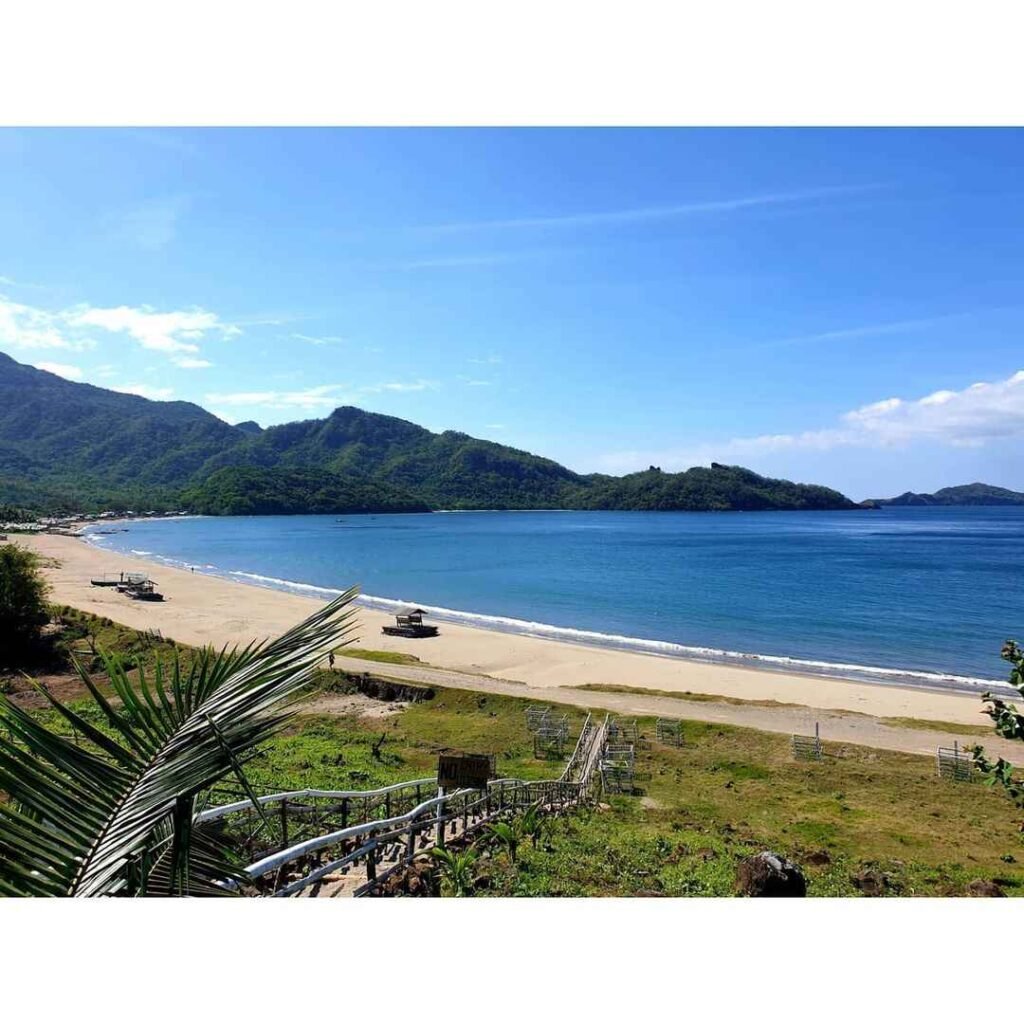
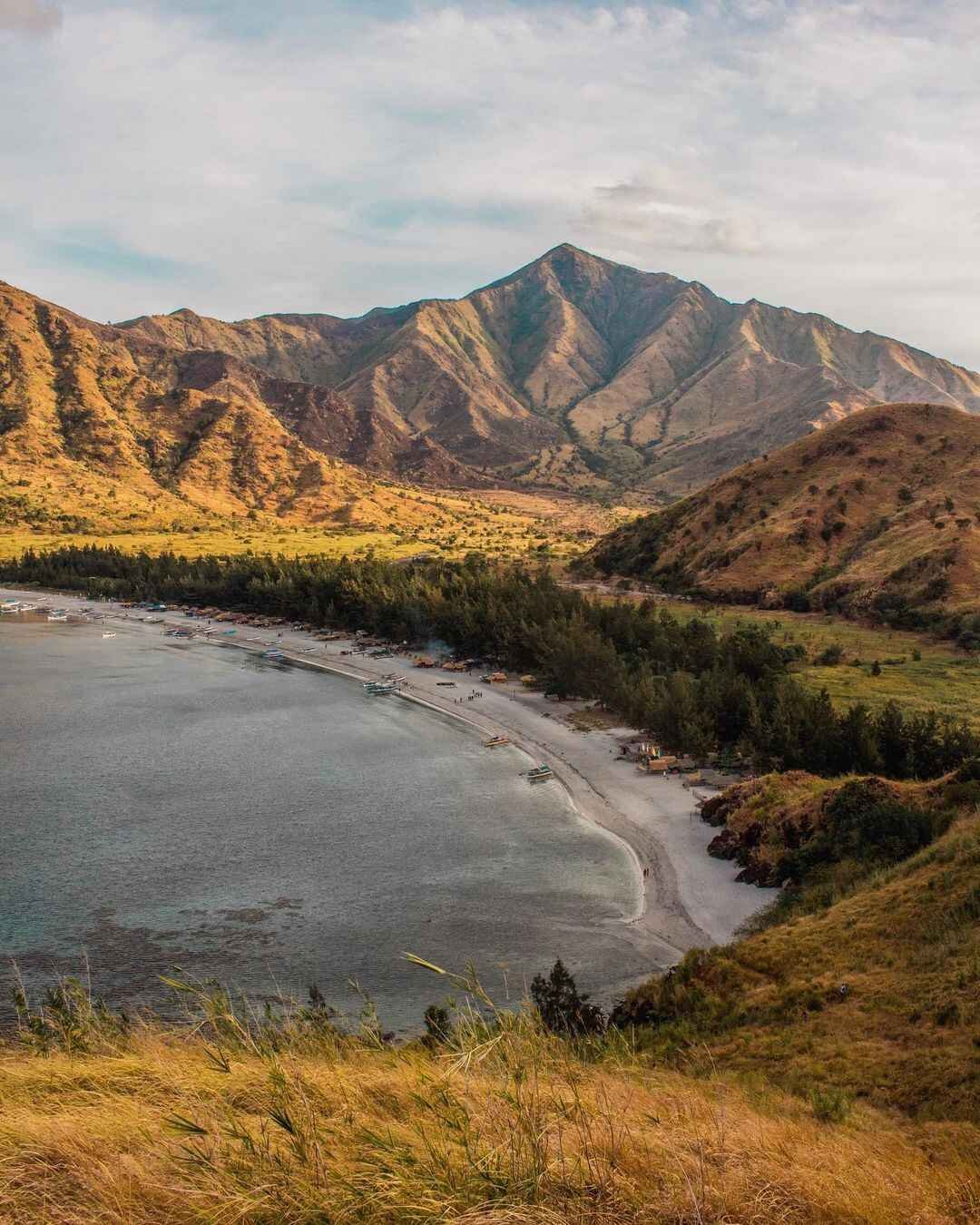
What is it: A secluded, crescent-shaped cove in San Antonio, Zambales, defined by ash-gray sand (from Mt. Pinatubo) and a forest of Agoho trees.
Best For: Campers, hikers, solo travelers, and groups seeking a “digital detox” (there is zero cellular signal).
Quick Route: Bus to San Antonio → Tricycle to Pundaquit → Boat to Nagsasa Cove (45–60 mins).
Budget: Approx. ₱2,000 – ₱3,000 per person for a DIY group of 4.
Key Insight: Nagsasa is significantly quieter, larger, and more scenic than the popular Anawangin Cove.
Must-Do: Trek the hill viewpoint at sunset and stargaze at night.
The Serene Ash-Gray Paradise
When I first stepped off the boat onto the shores of Nagsasa Cove, the first thing that struck me was the silence. Unlike the busy beaches of Batangas or the party vibe of Boracay, Nagsasa offers a distinct auditory landscape: just the wind whistling through the trees and the rhythmic crashing of the West Philippine Sea.
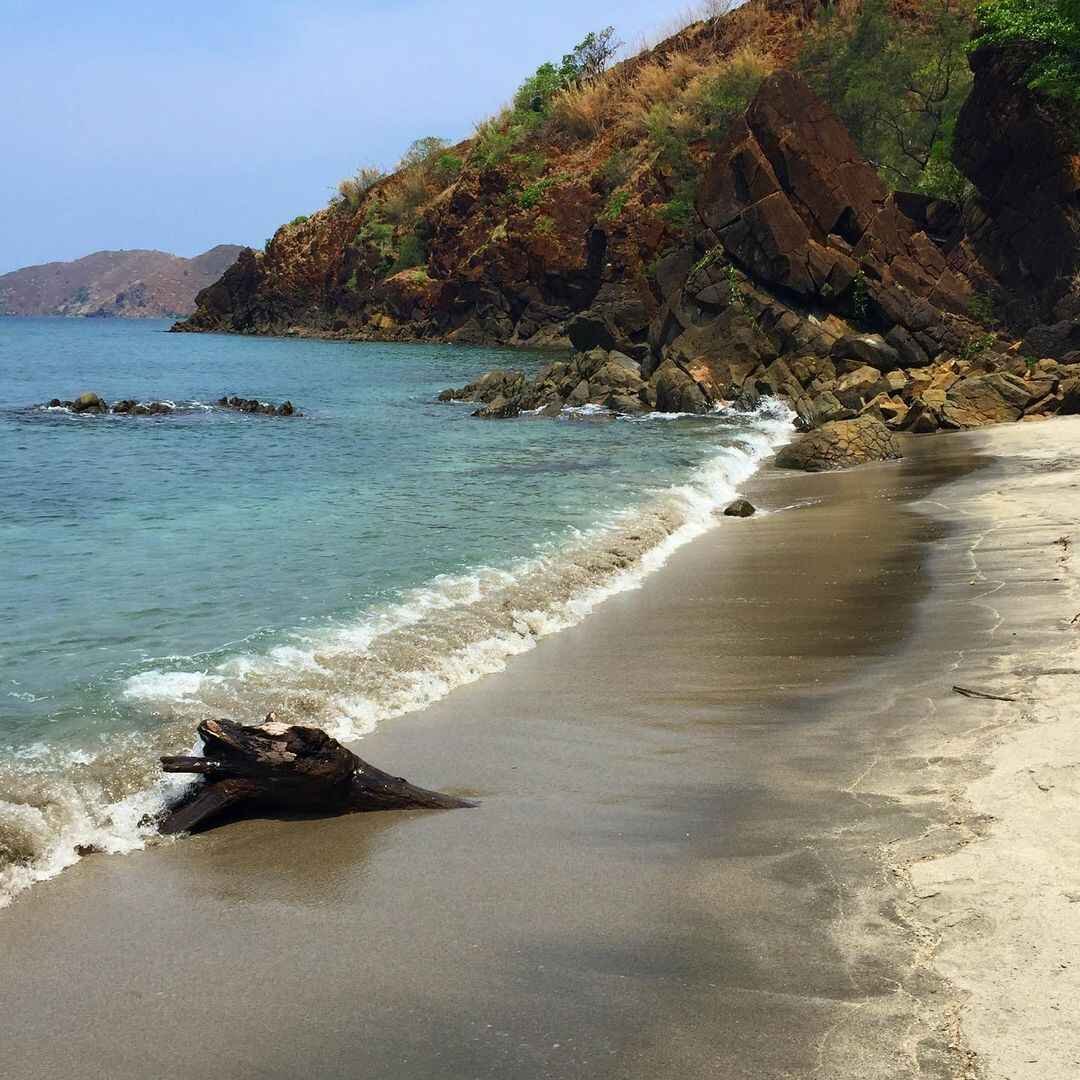
The landscape here is a beautiful, accidental masterpiece born from disaster. The eruption of Mt. Pinatubo in 1991 dumped tons of volcanic ash across Zambales, transforming the rocky coast into the ash-gray beaches we see today. Over the years, Agoho trees—often mistaken for pine trees—thrived in this volcanic soil. To set the record straight: these are Casuarina equisetifolia, a hardwood species that looks like a pine but is actually a flowering tree native to the Philippines’ sandy coasts.
Why choose Nagsasa? I call it the “introvert’s alternative.” While Anawangin Cove gets the bulk of the tourist traffic, Nagsasa remains spacious and calm. It is vast enough that even on a weekend, you can find a spot to pitch your tent where you feel like you have the entire beach to yourself. The backdrop of the Zambales mountains, turning golden during the magic hour, creates a surreal contrast against the turquoise waters.
Lakbaypinas Tip: Nagsasa is the perfect venue for “Muni-muni.” In Filipino culture, this refers to deep contemplation or reflection. Because there is no electricity and zero cell signal, you are forced to disconnect. Bring a journal, a book, or just your thoughts. This isn’t just a vacation; it’s a mental reset.
Table of Contents
How to Go to Nagsasa Cove from Manila (2026 Guide)
Getting to Nagsasa Cove is a rite of passage for many Manila-based weekend warriors. The journey involves land and sea travel, and while it takes a bit of effort, the destination is well worth the commute. Here is how I navigate the route, updated for 2026.
Step 1: Bus from Manila to San Antonio
Head to a Victory Liner terminal in Cubao, Pasay, or Caloocan. You need to board a bus bound for Iba, Zambales or Santa Cruz, Zambales. Do not take the bus to Olongapo, as that will require another transfer. Tell the conductor to drop you off at the San Antonio Public Market.
Travel Time: 3 to 5 hours (depending on traffic and departure time).
First Trip: Usually around 4:00 AM (Check schedules as they change seasonally).
Step 2: Tricycle to Pundaquit
Once you drop off at the San Antonio town proper (usually near the market and municipal hall), you will be greeted by tricycle drivers. You need to take a tricycle to Barangay Pundaquit, which is the coastal jump-off point for the boats.
Travel Time: 15 to 20 minutes.
Note: You can arrange for the driver to pick you up on your return date.
Step 3: Boat Ride to Nagsasa Cove
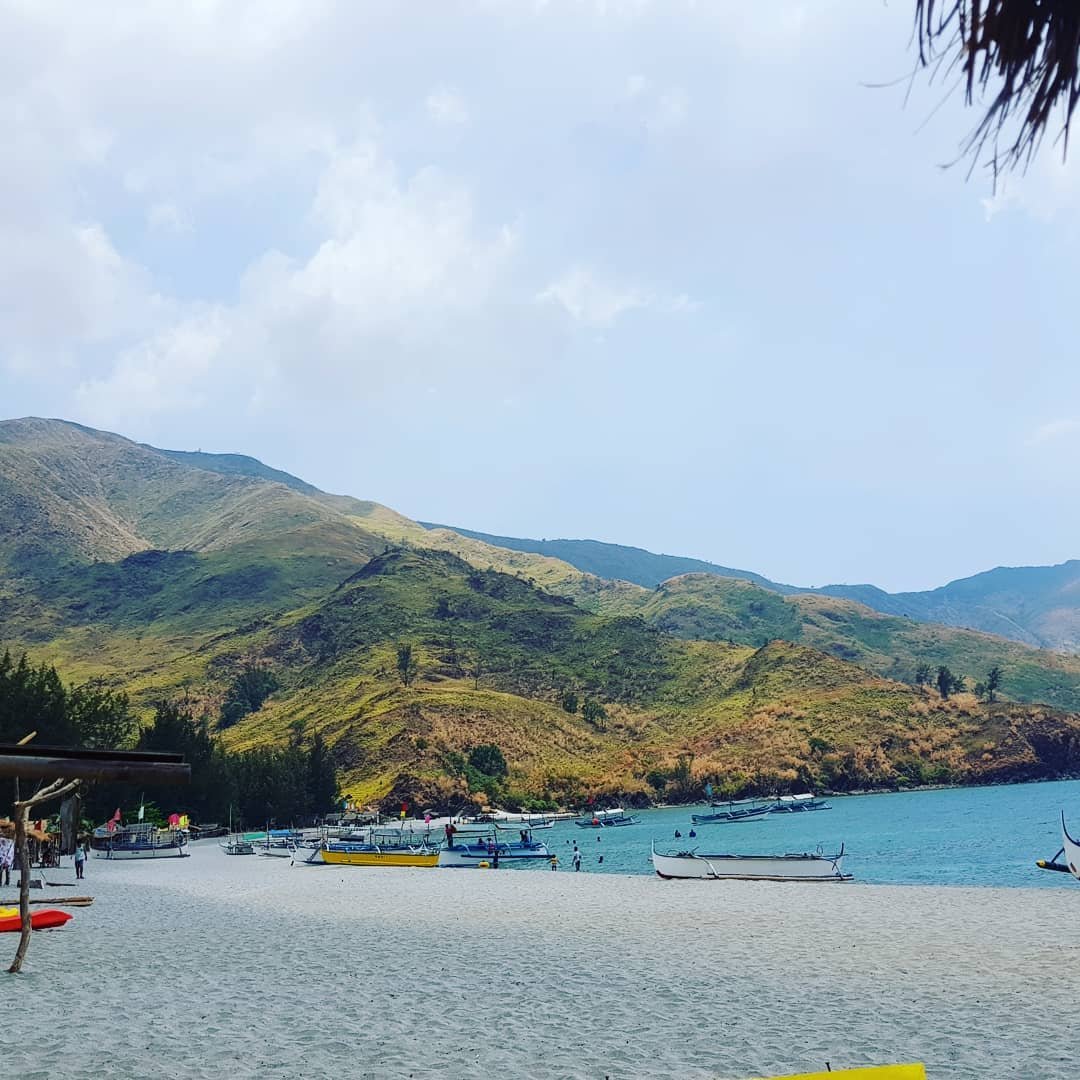
At Pundaquit beach, boatmen will approach you. If you haven’t pre-booked, you can negotiate on the spot. The boat ride is an adventure in itself, passing by the jagged cliffs of the Zambales coast.
Travel Time: 45 minutes to 1 hour (Nagsasa is further than Anawangin).
Private Car Route
If you are driving, take the NLEX (North Luzon Expressway) and exit at SCTEX (Subic-Clark-Tarlac Expressway) bound for Subic. From Subic, pass through the towns of Castillejos and San Marcelino until you reach San Antonio. Waze or Google Maps works perfectly until Pundaquit. There are secure parking lots in Pundaquit for a fee (usually ₱100-₱150 per night).
Transportation Rates Table (2026 Estimates)
| Transport Type | Route | Estimated Cost | Notes |
| Bus | Manila to San Antonio | ₱450 – ₱550 | Per person, one way |
| Tricycle | San Antonio to Pundaquit | ₱60 – ₱100 | Per person (or ₱200/trike special trip) |
| Boat (Small) | Pundaquit to Nagsasa | ₱2,500 – ₱3,000 | Good for 1-4 pax (Roundtrip) |
| Boat (Medium) | Pundaquit to Nagsasa | ₱3,500 – ₱4,000 | Good for 5-9 pax (Roundtrip) |
| Boat (Large) | Pundaquit to Nagsasa | ₱5,000+ | Good for 10+ pax (Roundtrip) |
| Parking | Pundaquit Parking Lot | ₱150 – ₱200 | Per vehicle, overnight |
Lakbaypinas Tip: Do not skip the San Antonio Public Market. Before you hop on that tricycle to Pundaquit, buy your supplies here. I personally buy my fresh tilapia, squid, liempo (pork belly), and charcoal here. The prices at the Pundaquit beachfront are tourist-trap levels, and there are no stores in Nagsasa selling fresh meat—only canned goods and instant noodles at triple the price.
Nagsasa Cove vs. Anawangin Cove: Which is Better?
This is the most common question I get asked by first-timers to Zambales. Both coves share the same volcanic DNA—ash sand and Agoho trees—but the vibe is completely different.
Distance and Accessibility Anawangin is the closest cove to Pundaquit, taking only 20 to 30 minutes by boat. Nagsasa requires a 45-minute to hour-long boat ride. Because Nagsasa is further, the boat fare is naturally more expensive. However, that extra distance acts as a filter, keeping the casual day-trippers and large party crowds away.
The Vibe and Crowd Anawangin is often crowded, festive, and loud. It is not uncommon to hear karaoke machines or bluetooth speakers blasting late into the night. It feels closer to civilization. Nagsasa, on the other hand, is laid-back. The shoreline is significantly longer and wider, meaning tents are spaced far apart. The mountains surrounding Nagsasa are also steeper and more dramatic, giving it a “Lost World” atmosphere.
Water Source One distinct advantage of Nagsasa is its river inlet. While Anawangin has a stream, the inlet in Nagsasa is generally cleaner and flows more freely into the ocean. It serves as a fantastic shallow pool for relaxing if the ocean waves are too rough.
Verdict
Choose Anawangin if you are on a tight budget, short on time, or enjoy a social, party atmosphere.
Choose Nagsasa if you want relaxation, photography, nature, and a true escape from the city noise.
Lakbaypinas Tip: Nagsasa has a reputation among the mountaineering community. It is the endpoint of the “Mt. Balingkilat Traverse,” a major climb in Zambales. You will often see hikers descending from the mountains in the afternoon, looking exhausted but happy. This adds an adventurous, rugged energy to the cove that Anawangin lacks.
Where to Stay: Nagsasa Cove Resorts & Camping
When we talk about a “Nagsasa Cove Resort,” please manage your expectations. We are not talking about air-conditioned rooms, room service, or infinity pools. In Nagsasa, a resort is essentially a designated camping area that provides cottages, a water source, and a bathroom.
Camping (The DIY Way)
This is the most authentic way to experience the cove. You can bring your own tent to save money (camping fees are usually around ₱100-₱150 per head). If you don’t own gear, locals rent out tents for approximately ₱300 to ₱500 per night, depending on the size. I highly recommend bringing your own if possible; rental tents have seen better days and may not be fully waterproof if it rains.
Cottages and Kubos
If sleeping on the ground isn’t your thing, you can rent an open-air cottage or kubo. These are wooden structures with a roof and bamboo benches. They cost between ₱500 and ₱1,000 per night. They are great for dining and storing gear, but you will still likely need a tent for sleeping unless you are comfortable sleeping on a bamboo bench exposed to the wind.
Glamping Options
In recent years, newer operators like “Marahuyo Cove” have started offering glamping (glamorous camping) experiences. These packages include sturdy tepees, mattresses, pillows, and even curated meals. It costs significantly more but removes the hassle of hauling gear.
Facilities
Be prepared for the rustic life. Bathrooms are communal. There are no showers; you will use the tabo (dipper) and timba (bucket) system. Water is pumped manually from a poso (deep well hand pump). It’s part of the charm!
Lakbaypinas Tip: Practice “Bayanihan” (communal unity). The winds in Nagsasa can get strong, especially in the afternoon. If you see a neighbor struggling to pitch their tent, offer a hand. I’ve made some of my best travel friends just by helping hold down a tent flysheet during a sudden gust. It is the unwritten camper’s code in the Philippines.
Top Activities in Nagsasa Cove
You might think that without a cell signal, you’ll get bored. I assure you, that won’t happen. Here is how I spend my time in the cove.
Camping & Stargazing
Without electricity, light pollution is non-existent. On a clear night, the sky puts on a show that you will never see in Manila. You can see the Milky Way with the naked eye. I suggest laying a generic tarp on the sand, turning off all flashlights, and just looking up.
Trekking to Nagsasa Falls
There is a small waterfall tucked away in the mountains behind the cove. It requires a 30 to 45-minute trek inland. The trail is relatively flat but open to the sun, so bring a hat. The falls aren’t massive, but the cold fresh water is refreshing after a salty swim. You will need to hire a local guide (usually an Aeta) to take you there for a small fee.
Hiking the Viewpoint
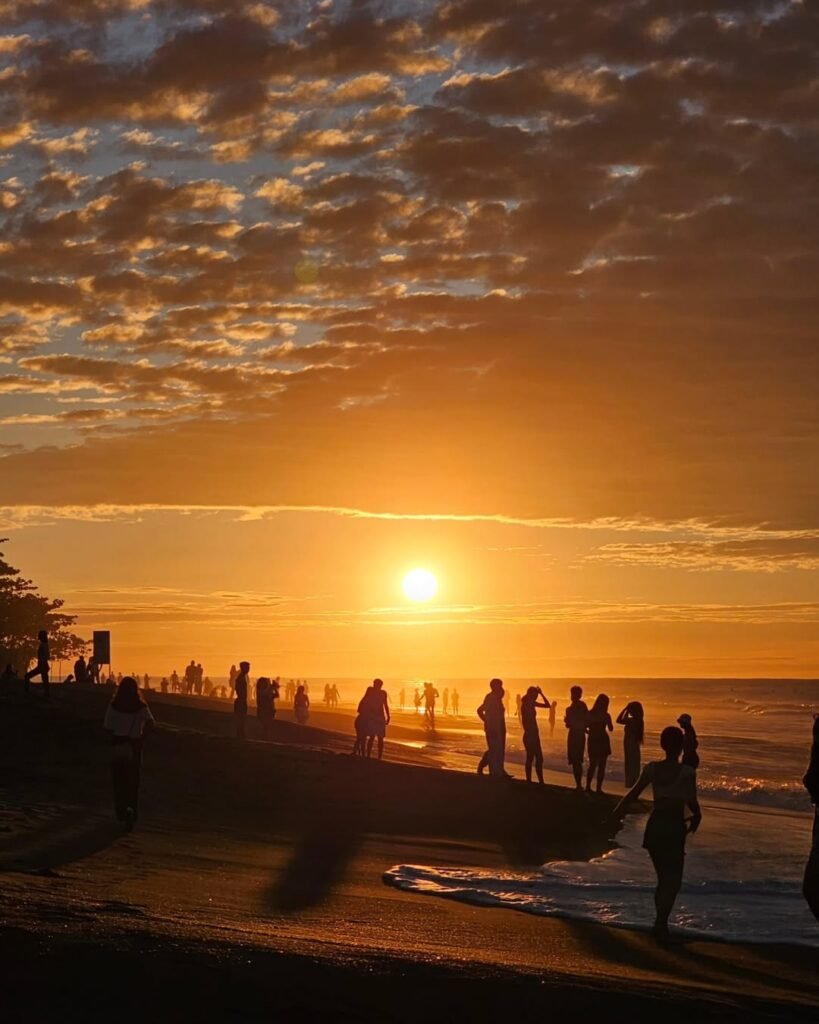
For the best photo of your trip, hike up the hill on the side of the cove. It’s a short but steep assault (about 15-20 minutes). From the top, you get a 360-degree view of the cove, the river inlet, and the open sea. This is the spot to be during sunset.
Swimming in the Inlet
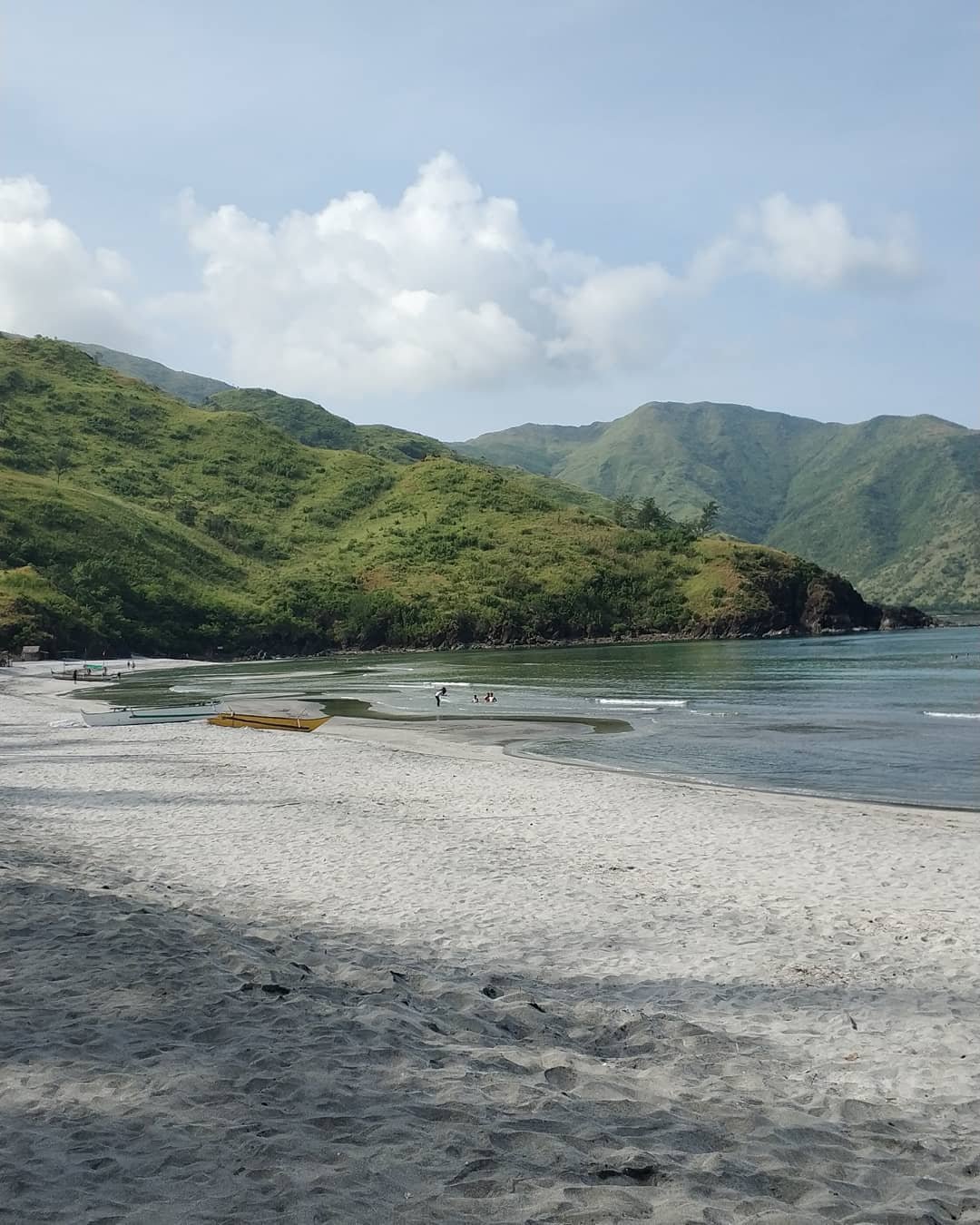
Where the river meets the sea, a shallow inlet is formed. The water here is calm, brackish, and generally warmer than the ocean. It’s perfect for kids or non-swimmers who are intimidated by the strong waves of the West Philippine Sea.
Island Hopping Side Trips
On your boat ride back to Pundaquit, ask your boatman to stop at Capones Island to see the Spanish-era lighthouse, or Camara Island for its rock formations. Most boat rates include these stops, but clarify this before you board.
Lakbaypinas Tip: Respect the Aeta community. The indigenous Aeta people are the original stewards of this land. Many of them work as guides to the falls or caretakers of the resorts. Treat them with the utmost respect. Hire them as guides to support their livelihood directly. If you want to take their photo, please ask for permission first—it’s basic human decency.
Sample 2 Days 1 Night DIY Itinerary
To maximize your weekend, I recommend leaving Manila late Friday night or very early Saturday morning. Here is a battle-tested itinerary that balances adventure and rest.
Day 0: The Departure
23:00: Meet up at Victory Liner Cubao. Buy ticket to San Antonio/Iba.
Day 1: Arrival and Island Life
| Time | Activity |
| 04:00 | Arrival at San Antonio, Zambales. |
| 04:30 | Shop at San Antonio Public Market (Buy food, charcoal, ice, water). |
| 05:30 | Tricycle to Pundaquit. |
| 06:00 | Boat ride to Nagsasa Cove. |
| 07:00 | Arrival at Nagsasa. Pay entrance/camping fees. Pitch Tent. |
| 08:00 | Breakfast (Silog meals or bread). |
| 09:00 | Free time: Swimming, Photo ops at the Agoho forest. |
| 12:00 | Lunch: Grilled Liempo and Ensaladang Talong (Eggplant Salad). |
| 14:00 | Siesta / Muni-muni. |
| 16:00 | Trek to the Viewpoint for sunset. |
| 19:00 | Dinner: Boodle Fight! Socials and Stargazing. |
Day 2: Trekking and Side Trips
| Time | Activity |
| 06:00 | Wake up. Coffee by the beach. |
| 07:00 | Trek to Nagsasa Falls with a local guide. |
| 09:00 | Back at camp. Breakfast and final swim. |
| 10:30 | Wash up and pack up. Clean your area (Leave No Trace). |
| 11:00 | Boat pickup. Side trip to Capones Island (Lighthouse). |
| 13:00 | Arrival at Pundaquit. Wash up at local shower areas (₱50 fee). |
| 14:00 | Late lunch in San Antonio town proper. |
| 15:00 | Bus back to Manila. |
| 20:00 | Arrival in Manila (Estimated). |
Lakbaypinas Tip:For dinner, organize a “Boodle Fight.” Buy banana leaves at the market in San Antonio. Lay out the rice, grilled fish, pork, hotdogs, and salted eggs on the leaves. Eating kamayan style (with your hands) by the beach with only a bonfire or lamp for light is the quintessential Filipino beach experience.
Budget Breakdown (2026 Estimates)
Traveling solo to Nagsasa is possible, but it is expensive because you shoulder the full cost of the boat and tricycle. Traveling in a barkada (group) of 4 is the sweet spot for budget efficiency.
Cost Per Person Table
| Expense Item | Solo Traveler | Group of 4 (Per Person) |
| Bus (Roundtrip) | ₱1,000 | ₱1,000 |
| Tricycle (Roundtrip) | ₱200 (Special trip) | ₱50 |
| Boat Rental | ₱2,500 (Small boat) | ₱625 (Share of ₱2,500) |
| Entrance/Camping Fee | ₱150 | ₱150 |
| Food Contribution | ₱500 | ₱300 (Buying in bulk is cheaper) |
| Tent Rental | ₱400 | ₱100 (Share of tent) |
| Shower Fee (Pundaquit) | ₱50 | ₱50 |
| TOTAL | ₱4,800 | ₱2,275 |
Lakbaypinas Tip:Bring loose change (coins and ₱20/₱50 bills). Locals often run out of change for large bills like ₱1,000. You will need small bills for environmental fees, paying for the use of CRs (Comfort Rooms), buying ice, or tipping the boatmen and guides.
Essential Travel Tips (The “No Fluff” List)
To ensure your trip doesn’t turn into a survival scenario, keep these essentials in mind.
Connectivity: I cannot stress this enough—there is Zero Signal for both Globe and Smart. Tell your family you will be unreachable for 24 hours. Download offline maps (Google Maps) and your Spotify playlists while you still have data in Manila.
Electricity: There is limited to no electricity. Some caretakers run generators from 6 PM to 9 PM, but don’t rely on it. Bring high-capacity Power Banks (20,000mAh is ideal) to keep your cameras charged.
Water: There is no potable water on the island. The water from the pump is for washing only. We usually bring one 5-gallon blue container (slim) of mineral water per 4 people.
Trash: Strictly practice “Leave No Trace” (LNT). Whatever you bring to the cove, you must bring back to Pundaquit. Do not leave your empty bottles or plastics in the cove.
First Aid: Bring your personal meds. The nearest pharmacy is an hour-long boat ride away.
Lakbaypinas Tip: Bring “Katol” (mosquito coils) or high-strength citronella lotion. The Agoho trees are beautiful, but they can harbor sand mites (niknik) and mosquitoes, especially at dusk. A niknik bite is notoriously itchy and can last for weeks. Prevention is better than the cure!
Frequently Asked Questions (FAQ)
Is there electricity in Nagsasa Cove?
Generally, no. It is an off-grid experience. Some resorts might turn on a generator for lights in the evening, but there are no outlets to charge your phone in the cottages. Bring your own power source.
Is Nagsasa Cove kid-friendly?
Yes, it is. The beach is flat, and the river inlet is very shallow and safe for children. However, consider the travel time. The 45-minute boat ride can be rough if the waves pick up, which might be scary for younger children.
Can I drive my car to Nagsasa Cove?
No. Nagsasa Cove is isolated by mountains. There are no roads leading directly to the beach. You must park your car at a secured lot in Pundaquit and take the boat.
What is the best time to visit?
The best time is during the dry season, from November to May. The sea is calmer, and the sand is dry. Avoid the monsoon season (July to September) as the waves in the West Philippine Sea can get dangerous, and the Coast Guard often cancels boat trips.
Are there toilets in Nagsasa?
Yes, there are basic, rustic toilets. Do not expect flush toilets or bidets. It is the “buhos” (pour) system using a bucket and dipper. It is highly recommended to bring your own toilet paper and hygiene supplies.
Conclusion
Nagsasa Cove is more than just a beach destination; it is a sanctuary for those of us who feel suffocated by the concrete jungle. It reminds us that we don’t need 5G signals or air conditioning to find comfort. Sometimes, all we need is a tent, a campfire, good friends, and the sound of the ocean.
Ready to unplug? Share this guide with your travel barkada and start planning your weekend escape to Zambales today! Have you been to Nagsasa recently? Tell us about your experience or drop your own tips in the comments below. Happy travels!
Explore More of Zambales & Beyond
If Nagsasa Cove has sparked your wanderlust, don’t stop there. Zambales is a province teeming with hidden gems, surf spots, and pine-filled beaches. Check out our other comprehensive guides to help you plan your next DIY adventure.
The Master Guide: Planning a full provincial tour? Read our Zambales Ultimate Travel Guide 2025: Complete Blog for a breakdown of every town and top attraction.
The Rival Cove: Still undecided between the two famous coves? Dive deeper into the details with our Ultimate Guide to Anawangin Cove Zambales 2025 to see if the party vibe suits you better.
Surf’s Up: If you prefer surfing over camping, head to the surf capital of San Felipe. Our Ultimate Guide to Liwliwa Zambales 2025 covers the best hostels and surf breaks.
Beach Hopping: Want to see more than just ash sand? We’ve ranked the 10 Must-Visit Zambales Beaches and the specific Guide to Crystal Beach Resort for a more comfortable stay.
Sightseeing: Beyond the beaches, discover other landmarks with our list of 18 Must-Visit Zambales Tourist Spots.
Near Manila Options: If you only have a quick weekend and Zambales feels too far, check out our list of the 25 Best Beaches Near Manila for quick, budget-friendly getaways.