
Is Strawberry Farm Baguio Worth Visiting?
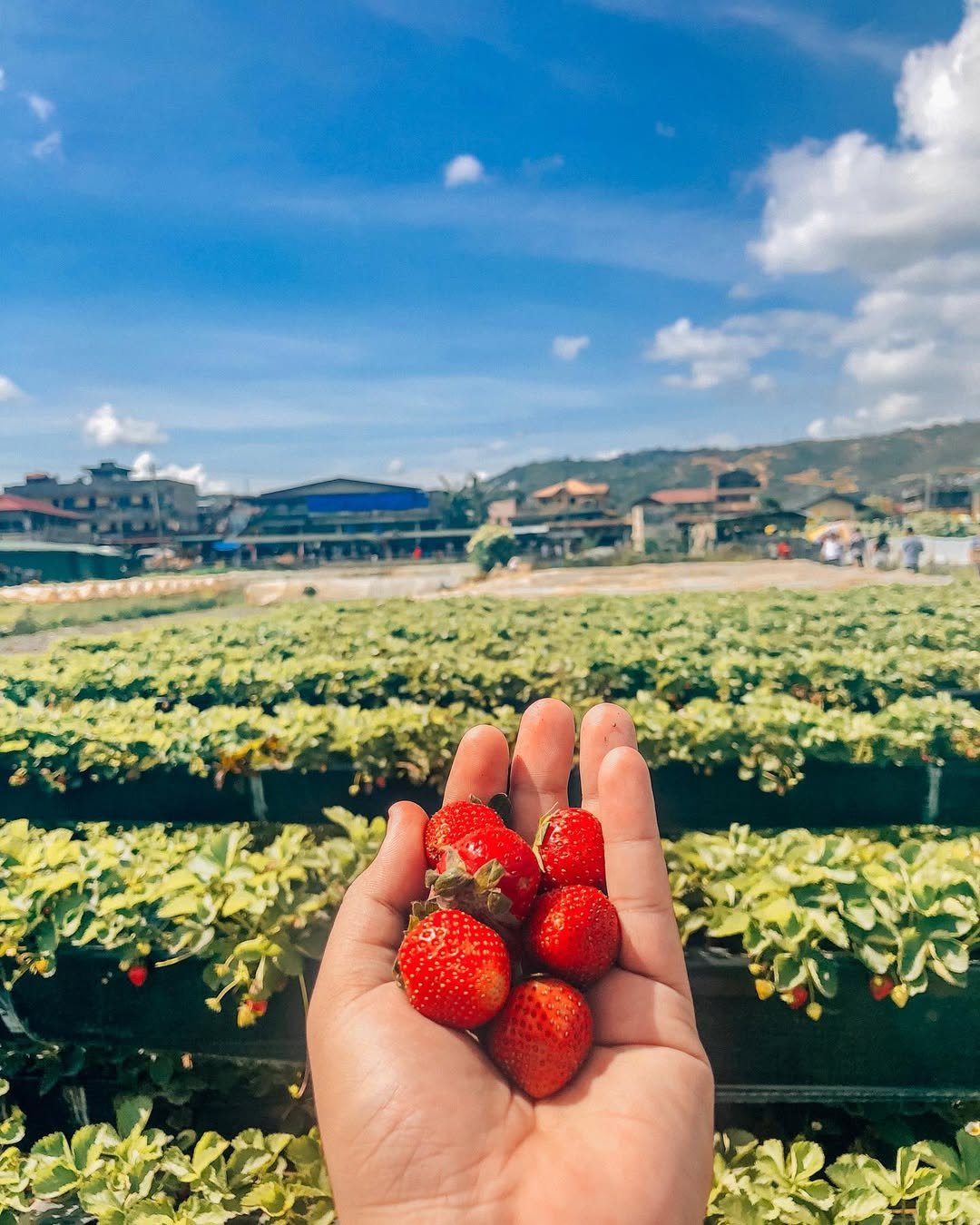
Yes — if you time it right, Strawberry Farm is one of the easiest and most practical side trips from Baguio, especially during the cooler months when the fields are more active and the picking experience actually feels worth it. Even though many travelers search for strawberry farm baguio, the actual destination is in La Trinidad, Benguet, just a short ride from the city.
Entrance is free, strawberry picking is optional, and the place works best as a quick stop or half-day side trip rather than a full-scale attraction. During peak strawberry season, it feels lively, colorful, and genuinely rewarding. In the rainy months, it can still work as a casual food-and-market stop, but not always as the dreamy strawberry-picking visit people expect. For me, the biggest factor here is timing. Go early, go during the better months, and treat it as a short experiential stop instead of an all-day destination.
Best for:
- Families with kids who want a light agri-tourism activity
- First-time Baguio and Benguet visitors
- Couples and barkadas who like quick photo stops
- Travelers who want fresh produce, strawberry taho, and easy side trips
- DIY visitors looking for something low-effort from Baguio
Quick Guide Table
| Field | Details |
|---|---|
| Destination name | La Trinidad Strawberry Farm |
| Type of destination | Agri-tourism attraction / farm destination |
| Exact location | Barangay Betag, La Trinidad, Benguet |
| Municipality / province | La Trinidad, Benguet |
| Travel time from Baguio | Around 15 to 45 minutes depending on traffic |
| Travel time from Manila | Manila to Baguio plus short transfer to La Trinidad |
| Best time to visit | February to April |
| Strawberry season | Generally November to May |
| Entrance fee | Free |
| Strawberry picking fee | Around ₱600 to ₱1,000 per kilo |
| Opening hours | Around 7:00 AM to 6:00 PM |
| Best for | Families, couples, foodies, photographers, first-timers |
| Time needed | Around 1.5 to 2 hours |
| Family-friendly | Yes, but muddy and uneven |
| Commute practicality | Very easy from Baguio |
| Food and souvenir availability | Strong |
| Parking | Available, around ₱50, with limited slots |
What and Where Is Strawberry Farm in La Trinidad?
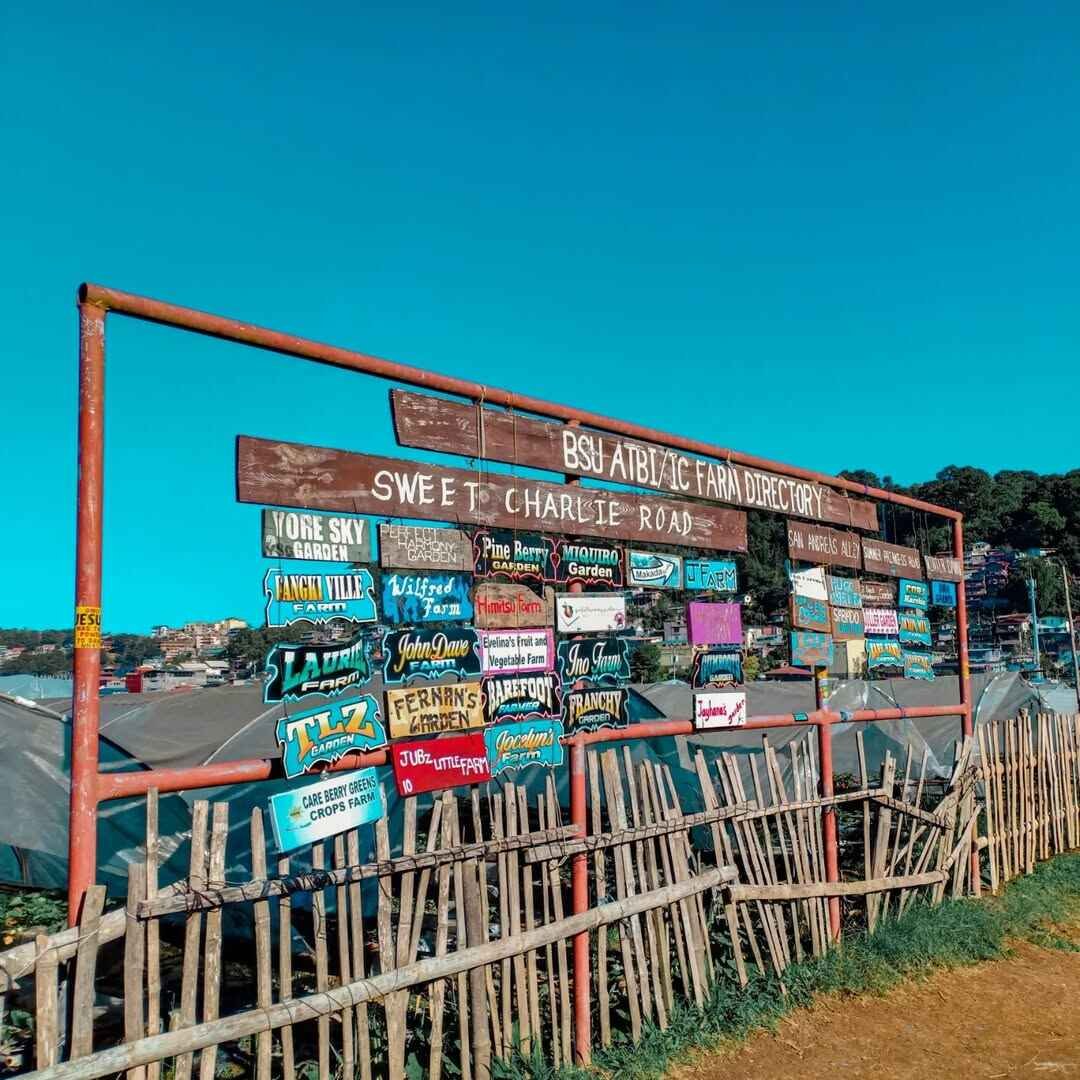
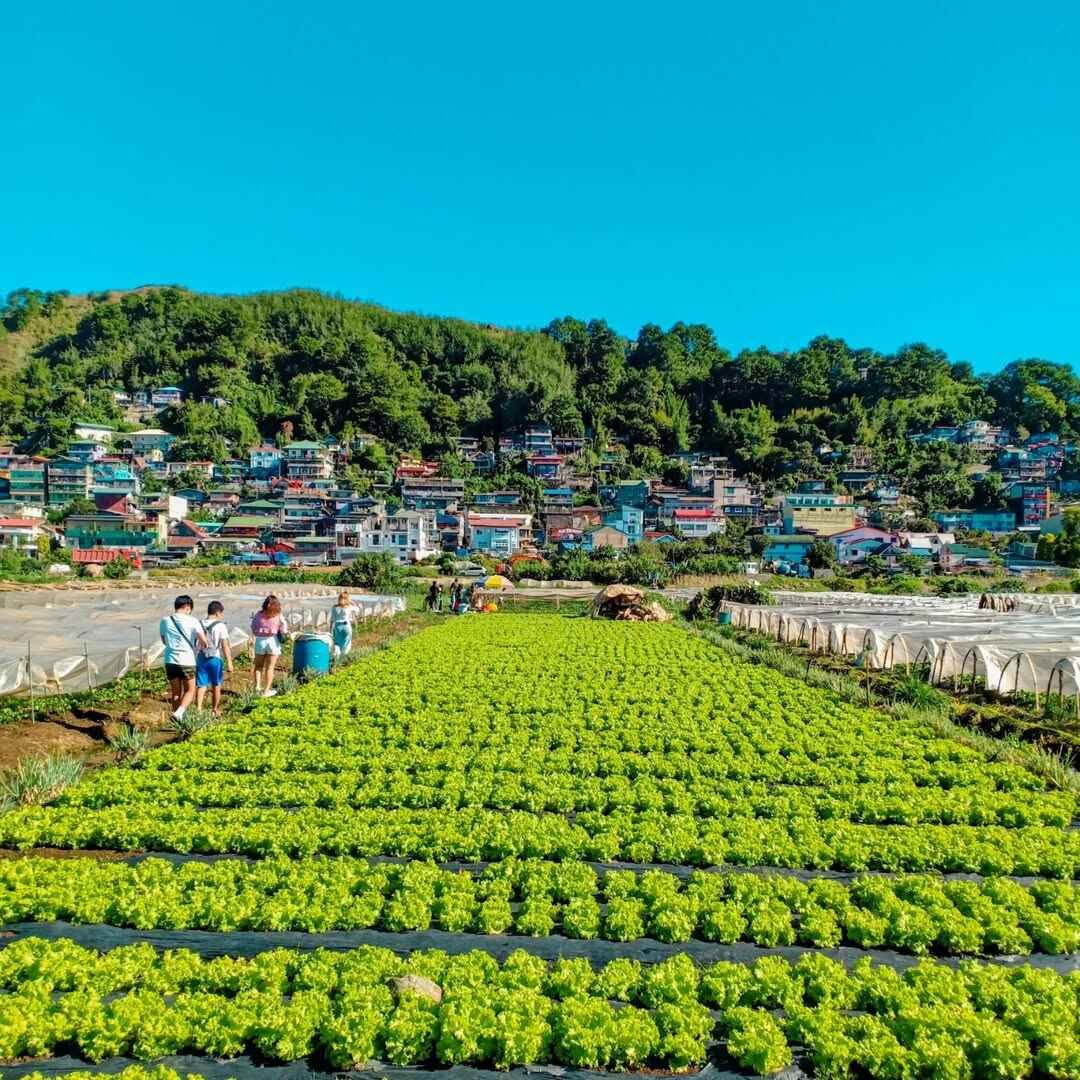
The destination most people call Strawberry Farm Baguio is actually in Barangay Betag, La Trinidad, Benguet, not inside Baguio City itself. It sits across Benguet State University and covers about 79.49 hectares, which is why the place feels more open and agricultural than many first-timers expect. If you are searching for where is strawberry farm located, the more accurate answer is that it is part of the La Trinidad valley, just outside Baguio and easy enough to reach as a quick side trip.
Fast location facts:
- Located in Barangay Betag, La Trinidad, Benguet
- Directly across Benguet State University
- Frequently mislabeled online as strawberry farm baguio city
- Best understood as a La Trinidad agri-tourism stop
- Easy to combine with other nearby Benguet and Baguio side trips
Table of Contents
How Strawberry Picking Works at La Trinidad Strawberry Farm
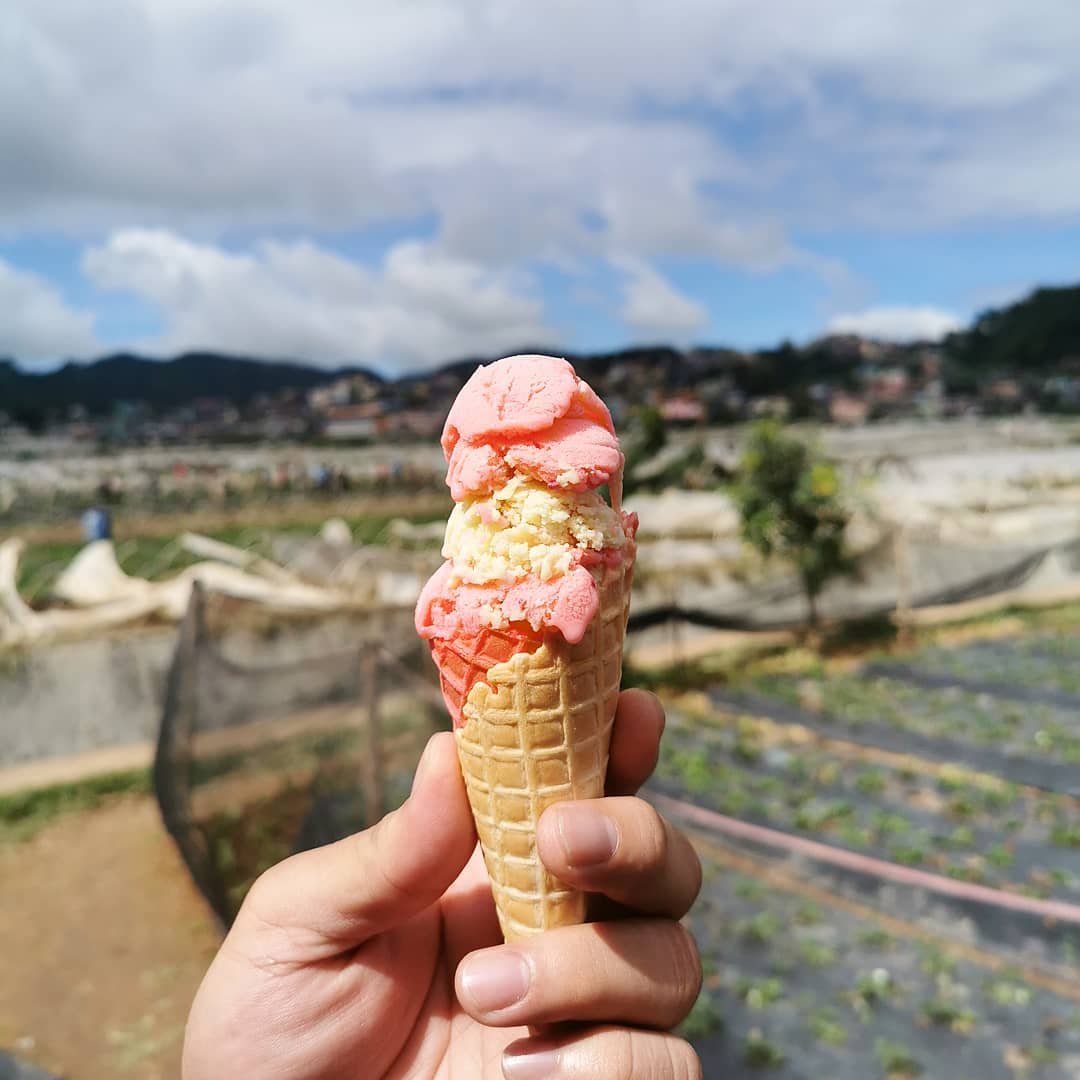
Yes, strawberry picking is optional. You can absolutely visit the farm, walk around, take photos, buy snacks, and shop for fresh berries without joining the picking activity. That is important to know early, especially for travelers who assume the whole stop revolves around harvesting. At La Trinidad Strawberry Farm, entry itself is free. The paid part starts only if you want the actual pick-your-own experience, which is why the price surprises some first-timers.
Typical picking flow:
- Choose a plot
- Ask if picking is open
- Get a basket
- Pick with guidance
- Weigh and pay
Picking usually costs around ₱600 to ₱1,000 per kilo, and many plots follow a 1 kilo minimum. Meanwhile, pre-packed strawberries sold nearby are usually much cheaper at normal market rate pricing. For me, the easiest way to explain the higher picking fee is that you are paying for the experience, the farmer’s time, and the risk of crop damage from casual visitors. In other words, it is not just a fruit purchase. It is part agricultural experience and part guided activity.
Best Time to Visit Strawberry Farm in La Trinidad
The best time to visit Strawberry Farm is during the dry season, especially from February to April, when the fields are more photogenic, the picking setup feels more rewarding, and the overall stop looks closer to what most travelers expect. The broader strawberry season usually runs from November to May, but if you want the strongest chance of seeing active plots, better-looking rows, and a more satisfying agri-tourism experience, late winter to early summer is the sweet spot. Public access is commonly treated as around 7:00 AM to 6:00 PM, but in practical terms, the more important detail is what time you arrive, not just what time the place opens.
Best months to visit:
- February to April for peak harvest feel, better visuals, and cooler weather
- November to January for decent season timing with slightly less peak energy
- March if you want the stronger seasonal atmosphere around festival season
Months to temper expectations:
- June to October, when rain, mud, fewer berries, and crop rotation can change the experience a lot
This is one of those places where the difference between arriving at 7:30 AM and arriving at 11:00 AM really changes the whole experience. Early in the morning, the light is softer, the air feels cooler, traffic is still manageable, and the fields are simply more pleasant to walk through. By late morning, the exposed areas feel hotter, the crowd flow gets heavier, and the charm drops faster than people expect.
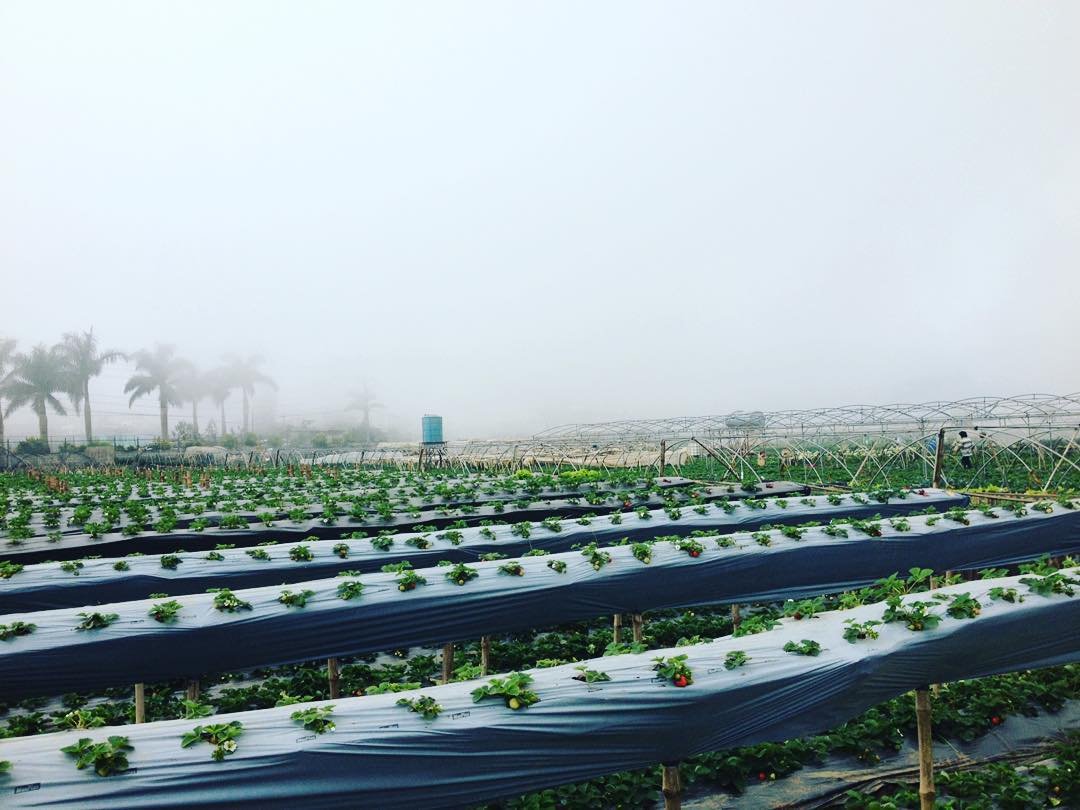
During the rainy season, the farm can still be worth a short stop, but I would frame it differently. This is when the muddy off-season reality becomes obvious. Some plots may have fewer strawberries, some areas may shift to other crops, and the visit can feel more like a produce-and-snack stop than a full strawberry-picking experience. If your main goal is harvesting and photos, go in the dry months. If you are just after a quick side trip from Baguio, food, and fresh produce, the farm can still work with the right expectations.
Entrance Fee, Picking Fee, Parking, and Other Costs
The good news is that the Strawberry Farm Baguio entrance fee is basically free. You do not need to pay just to enter the area, walk around the main pathways, or browse the stalls. The cost only starts to build once you add optional spending like strawberry picking, snacks, parking, and pasalubong. This is the kind of stop that can stay budget-friendly if you just want photos and taho, but it can climb quickly once you start buying berries and souvenirs.
The fixed costs are simple. Entrance is free, and parking is commonly around ₱50 if you are bringing a private vehicle. From there, the rest of the budget depends on how much of the experience you want to turn into shopping or food. The biggest optional cost is the picking fee, which usually runs around ₱600 to ₱1,000 per kilo. If that feels high, remember that pre-harvested strawberries sold near the farm are much cheaper, often around ₱150 to ₱500 per kilo depending on season and supply.
Free vs optional expenses:
- Free: farm entry, casual walking, basic viewing, photo-taking
- Around ₱50: parking for private cars
- ₱600 to ₱1,000/kg: strawberry picking
- ₱150 to ₱500/kg: pre-packed strawberries
- ₱40 to ₱60: strawberry taho
- Around ₱100: strawberry ice cream
- ₱100 to ₱500+ or more: jams, produce, souvenirs, and pasalubong
For most travelers, the smartest approach is to decide ahead of time whether the goal is a cheap scenic stop or a fuller food-and-picking experience. That one decision changes the budget quickly and helps avoid the usual price shock once you are already standing in front of the berry stalls.
Budget Breakdown Table
The cost guide below focuses on the usual Baguio to La Trinidad side trip setup rather than a full Manila-to-Baguio trip.
| Expense Item | Solo / DIY Estimate | Couple Estimate | Family / Small Group Notes |
|---|---|---|---|
| Jeepney from Baguio to La Trinidad | ₱10–₱40 | ₱20–₱80 | Multiply by group size |
| Taxi from Baguio to Strawberry Farm | ₱150–₱200 per cab | ₱150–₱200 | Good value when split |
| Entrance fee | Free | Free | Free |
| Parking | ₱50 | ₱50 | Private car only |
| Strawberry picking | ₱600–₱1,000 | ₱600–₱1,000+ | Usually 1 kg minimum |
| Pre-packed strawberries | ₱150–₱500 | ₱150–₱500 | Depends on season |
| Strawberry taho | ₱40–₱60 | ₱80–₱120 | Easy snack budget |
| Strawberry ice cream | Around ₱100 | Around ₱200 | Optional |
| Souvenirs / jams / produce | ₱100–₱500+ | ₱200–₱1,000+ | Depends on shopping habits |
| Estimated quick DIY total | ₱50–₱700+ | — | No picking version can stay cheap |
| Estimated pick-and-snack total | ₱700–₱1,700+ | ₱900–₱2,200+ | Rises fast with extras |
How to Go to Strawberry Farm from Manila
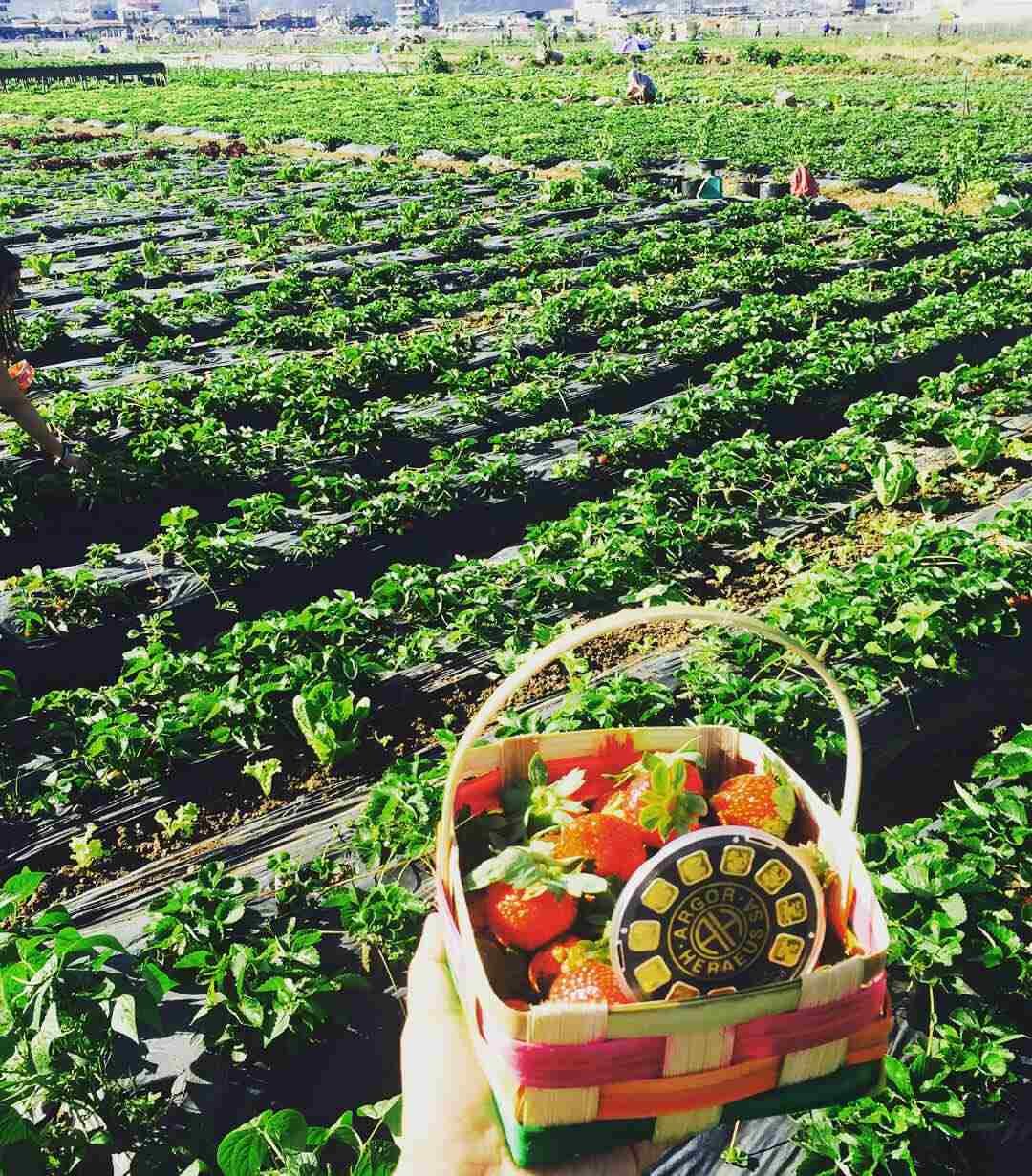
If you are coming from Manila, the realistic plan is simple: go to Baguio first, then continue to La Trinidad Strawberry Farm from there. Even though many people search for strawberry farm baguio, this is not the kind of place I would treat as a stand-alone Manila trip on its own. It works much better as an easy stop once you are already in Baguio, or as part of a wider Benguet itinerary.
The most practical route is:
- Manila to Baguio
- Baguio to La Trinidad
- Short transfer to Strawberry Farm
- Optional nearby side trips before returning to Baguio
Once you reach Baguio, the farm is one of the easiest side trips to arrange. Travel time from the city is usually around 15 to 45 minutes, depending on traffic, and you can continue by jeepney or taxi. Because of that, I would usually recommend visiting either as an arrival-day stop if you get to Baguio early enough, or more comfortably as a next-morning side trip when you can leave early and catch the farm at its best.
If your schedule is tight, the smarter move is to sleep in Baguio first, then head to the farm between 7:00 AM and 8:30 AM the next day. That gives you cooler weather, better light, and a much better chance of enjoying the stop before the traffic and crowd buildup start to change the mood of the visit.
Food Stalls, Strawberry Products, and Souvenir Shopping
One thing I like about La Trinidad Strawberry Farm is that it still works even if you skip the picking. The stop has enough food, fresh produce, and casual shopping around the perimeter that you can still enjoy it as a snack-and-market side trip. That matters for families, first-timers, and anyone who just wants a lighter strawberry farm baguio experience without paying the higher picking cost.
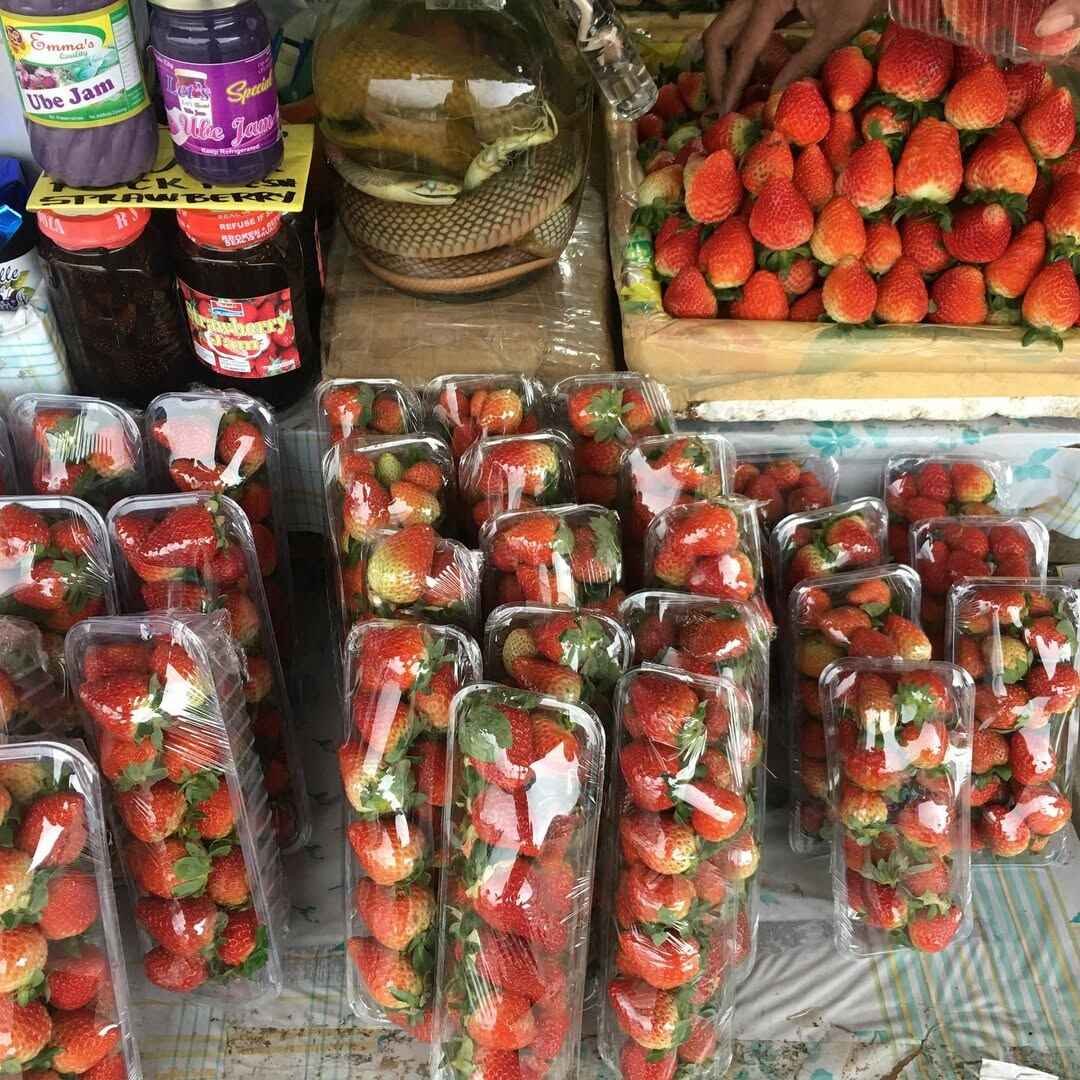
The easiest thing to try first is strawberry taho. In the cool Benguet air, that warm cup of taho with sweet strawberry syrup feels like the most natural snack to start with. Strawberry ice cream is another easy buy, especially if you want something more dessert-like after walking around the fields. Beyond that, the area usually has plenty of fresh strawberries, processed products, and produce stalls that give the whole stop a very strong pasalubong feel.
You will usually see:
- Fresh strawberries
- Strawberry taho
- Strawberry ice cream
- Jams and preserves
- Strawberry wine and other processed products
- Benguet vegetables and other fresh produce
For me, this food-and-shopping side is one of the reasons the farm stays worth visiting even when picking is limited. It gives the place a more complete travel-stop feel instead of making everything depend on whether the fields are active that day.
Best quick buys:
- Strawberry taho for an easy snack
- Fresh strawberries if you do not want to pick
- Jams and preserves for pasalubong
- Benguet vegetables if you like market-style shopping
- Strawberry ice cream for a quick dessert before leaving
Nearby Side Trips You Can Pair with Strawberry Farm
If I only had half a day, I would not stop at Strawberry Farm alone. I would pair it with at least one scenic stop and one food stop, because that is what makes the whole La Trinidad circuit feel more complete instead of ending up as a very short farm visit. The good thing is that there are several nearby places that actually make sense geographically, so you do not need to force awkward detours just to make the trip feel fuller.
Best nearby side trips in easiest pairing order:
- Stobosa Valley of Colors – This is one of the easiest add-ons because it sits along the main route between Baguio and the farm. It works well as a fast photo stop and adds a strong visual contrast to the farm visit.
- Bell Church – Right beside the Stobosa area, this is the calmest pairing if you want a quick temple stop after the busier market-and-farm atmosphere. It gives the itinerary a quieter cultural break without needing a long detour.
- Mt. Kalugong Eco Park – This is the best option if you want a proper valley view after seeing the farm from ground level. It adds a more scenic, elevated perspective to the morning and works especially well for photo-focused visitors.
- Kai Cafe – This is the most natural coffee stop after walking around the fields. It is a good choice if you want to slow down, freshen up, and shift from farm energy to a more relaxed morning vibe.
- Dap-ayan Restaurant – If you want to turn the trip into a more filling half-day, this is the strongest lunch stop option. It makes the side trip feel more substantial, especially for families and groups.
For me, the smartest combinations are simple. Quick stop travelers should do Strawberry Farm plus Stobosa and Bell Church. Couples can pair the farm with Kai Cafe and Mt. Kalugong. Families will get more out of Strawberry Farm plus Bell Church and a proper lunch stop. Photo-focused visitors will probably enjoy the farm, Stobosa, and Mt. Kalugong the most.
Sample Itinerary Table
Strawberry Farm works best as a morning stop, especially if you want cooler weather, better light, lighter traffic, and a more relaxed pace before the busier part of the day kicks in.
Option A: Quick Half-Day Side Trip from Baguio
| Time | Activity | Notes |
|---|---|---|
| 6:30 AM | Leave Baguio | Best to beat traffic and get cooler weather |
| 7:00 AM | Arrive at Strawberry Farm | Start with photos and field walk |
| 7:15 AM to 8:00 AM | Strawberry picking or casual stroll | Pick only if available and worth it for your group |
| 8:00 AM to 8:45 AM | Snacks and quick shopping | Strawberry taho, ice cream, fresh berries, souvenirs |
| 9:00 AM | Head to Stobosa Valley of Colors | Easy photo stop on the way back |
| 9:20 AM | Bell Church | Short cultural side trip |
| 10:15 AM | Coffee or brunch | Kai Cafe or return toward Baguio for breakfast |
| 11:30 AM | Return to Baguio / continue itinerary | Done before midday crowds build |
Option B: 1-Day Benguet Side Trip
| Time | Activity | Notes |
|---|---|---|
| 6:30 AM | Leave Baguio | Early start still matters |
| 7:00 AM | Strawberry Farm | Main stop for picking, photos, and snacks |
| 8:45 AM | Stobosa + Bell Church | Quick paired stops |
| 10:00 AM | Mt. Kalugong | Scenic elevated viewpoint |
| 12:00 PM | Lunch at Dap-ayan | Good for group meals |
| 1:30 PM | Kai Cafe or relaxed La Trinidad stop | Optional wind-down |
| 3:00 PM onward | Return to Baguio | Leaves buffer for traffic |
Is Strawberry Farm Good for Kids, Couples, Barkadas, and Seniors?
Yes, Strawberry Farm is a family-friendly stop, but it is the kind of place that works differently depending on who you are with. For me, it is easiest to recommend when expectations are simple: this is a light, photo-friendly, agri-tourism stop, not a fully accessible attraction with polished walkways and all-day entertainment.
- Kids and families – This is one of the easiest places to recommend for children, especially in good weather. The farm has enough open space and hands-on appeal to keep kids interested, but parents should expect mud, dirty shoes, and stroller issues in the field sections.
- Couples – This works well as a low-effort, photo-friendly stop. Couples usually get the most out of it when they treat it as a short experience with snacks, photos, and maybe a café stop after.
- Barkadas – Groups tend to enjoy the farm as a casual side trip rather than a serious destination. It is easy, social, and light enough that you can pair it with food or nearby photo stops without overloading the day.
- Seniors – Seniors can still enjoy the market edge, souvenir stalls, and viewing areas, but senior access becomes trickier once the visit moves into the actual field rows. The uneven and muddy ground is the main limitation here.
- First-timers – For first-time Baguio and Benguet travelers, this is one of the easiest stops to understand and enjoy. It feels familiar, low-pressure, and very easy to fit into a broader itinerary.
Strawberry Farm FAQs
Is Strawberry Farm in Baguio or La Trinidad?
It is in La Trinidad, Benguet, not inside Baguio City. People still search for strawberry farm baguio because it is so close to Baguio, but the actual location is in Barangay Betag, near Benguet State University.
How much is the Strawberry Farm entrance fee?
The entrance fee is free. You only start spending if you choose extras like strawberry picking, parking, snacks, or souvenirs.
How much does strawberry picking cost?
Strawberry picking usually costs around ₱600 to ₱1,000 per kilo, and many plots follow a 1-kilo minimum. That is much higher than pre-packed berries because you are paying for the guided picking experience, not just the fruit itself.
What is the best time to visit Strawberry Farm?
The best time to visit Strawberry Farm is generally from February to April, with the wider strawberry season running from November to May. If possible, aim for an early morning visit between 7:00 AM and 8:30 AM.
Can I still visit even if I do not want to pick strawberries?
Yes, definitely. You can still walk around, take photos, buy snacks, and shop for fresh strawberries or produce without joining the picking activity.
How do I go to Strawberry Farm from Baguio?
The easiest way is by jeepney or taxi from Baguio. Jeepneys bound for La Trinidad can be taken from areas like Baguio City Hall or Bokawkan Road, while taxis are faster and usually more comfortable for families or small groups.
Is Strawberry Farm good for kids and families?
Yes, it is one of the easier Baguio side trips for families, especially during good weather. Just be ready for mud, uneven ground, and the fact that the field sections are not stroller-friendly.
How long do I need for a visit?
Most travelers only need around 1.5 to 2 hours at the farm itself. It works best as a quick stop or half-day side trip rather than a full-day destination.
Final Planning Tips Before You Go
If you time it well, this is one of the easiest and most rewarding quick side trips you can add to a Baguio stay.
- Go early if you want the best light, cooler weather, and lighter traffic.
- Wear proper footwear because the farm can get muddy fast, even when the weather looks fine.
- Do not assume peak picking if you are visiting in the rainy months.
- Bring cash for snacks, berries, vegetables, and small souvenir buys.
- Expect muddy terrain and uneven ground once you step into the field sections.
- Wash strawberries before eating them, especially if you picked them yourself.
- Pair the farm with nearby stops like Stobosa, Bell Church, or a café if you want the trip to feel more complete.
- Keep expectations realistic: this is a working farm with tourist-friendly features, not a polished park attraction.
- Avoid arriving too late, especially on weekends or festival dates, when the crowd flow changes the mood quickly.
The smartest way to do this trip is to treat it as a short, well-timed morning stop with one or two nearby add-ons. Done that way, Strawberry Farm feels much more rewarding than it does as a rushed midday detour.
Plan Your Ultimate Baguio & Benguet Itinerary
Expand your northern adventure! If you are building a full itinerary after visiting the La Trinidad Strawberry Farm, be sure to check out our other comprehensive, data-rich travel guides:
Comprehensive Itineraries & Budgeting:
Baguio City Ultimate DIY Travel Guide & Budget (2026 Updated) – Master your travel logistics and expenses.
37 Must-Visit Tourist Spots in Baguio City – The complete checklist for first-timers and returning visitors.
Top Attractions & Theme Parks:
Guide to Igorot Stone Kingdom in Baguio City – Everything you need to know about this massive cultural marvel.
Ultimate Guide to Sky Ranch Baguio: Entrance Fees & Rides – Perfect for families looking for high-elevation thrill rides.
Dragon Treasure Castle Baguio: Entrance Fee & Opening Hours – A magical detour for kids and photo enthusiasts.
Ultimate Guide to the Diplomat Hotel Baguio – Explore the dark tourism and historical architecture of this famous site.
Nature, Parks & Hiking:
Travel Guide to Botanical Garden in Baguio City – Relax in the newly renovated, pine-scented pathways.
Wright Park Baguio: Practical Tourist Information – Essential tips for horseback riding and exploring the Pool of Pines.
Mt. Kotkot Hiking Guide (Benguet Itogon Traverse) – For adventurous travelers looking to conquer Benguet’s scenic trails.




Having read this I thought it was extremely informative.
I appreciate you spending some time and effort to put this article together.
I once again find myself personally spending a significant amount of time both reading and posting
comments. But so what, it was still worthwhile!