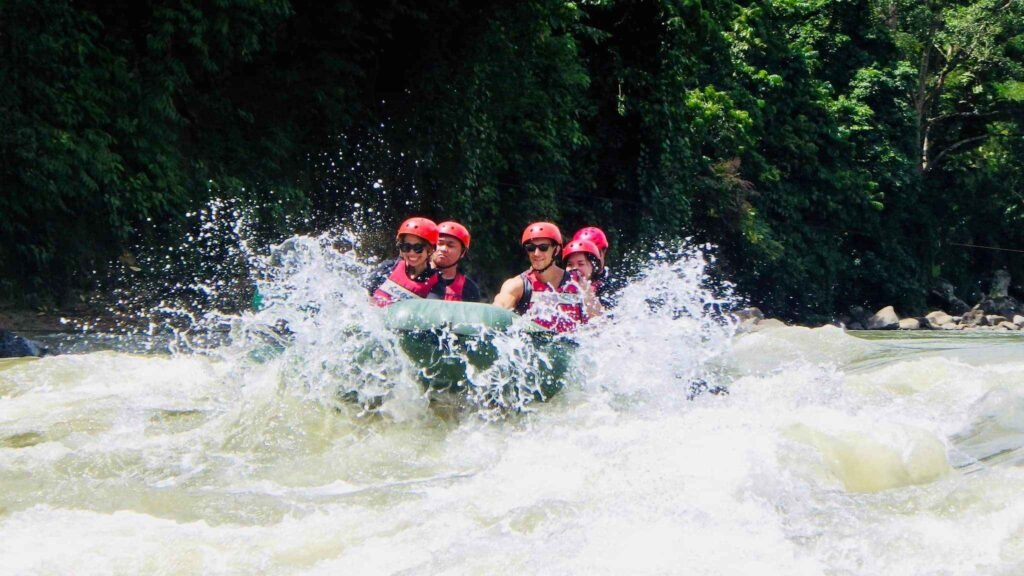
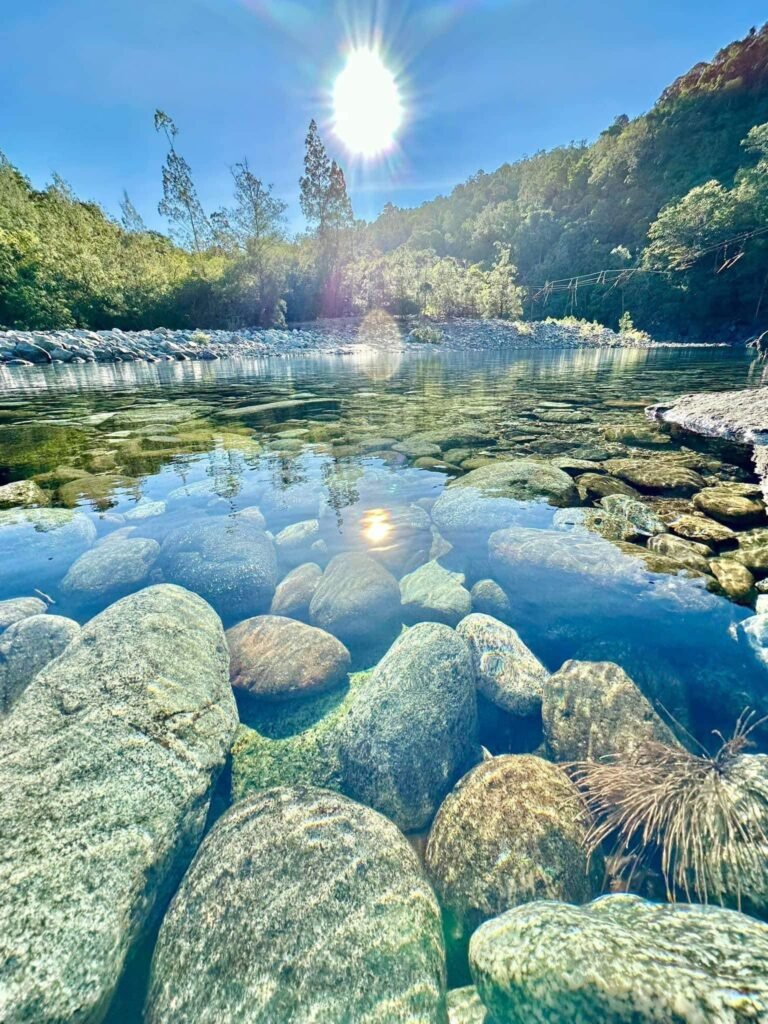
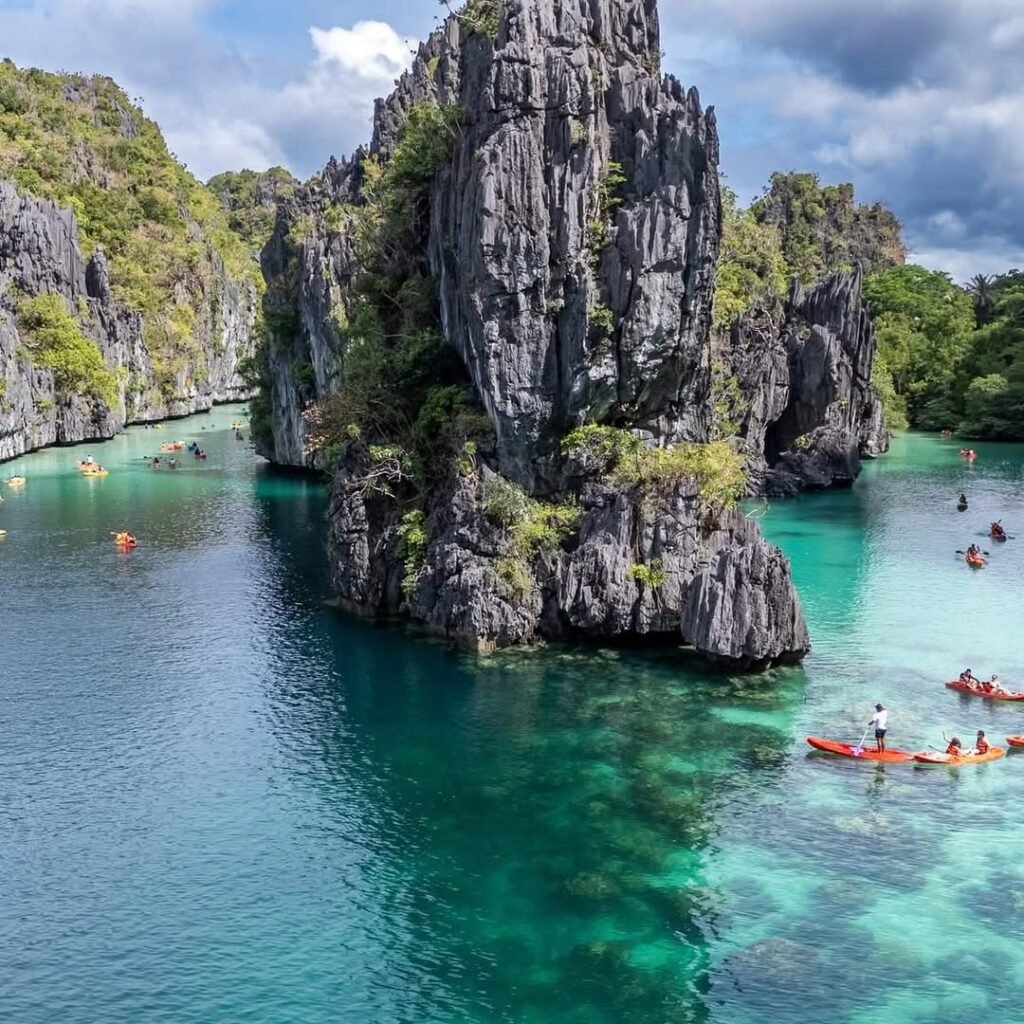
Why Davao Region Deserves a Spot on Your 2025 Bucket List
When people ask me about my favorite Philippine destination, I always say this: Davao isn’t just one place—it’s five provinces in one power-packed adventure. Whether you’re chasing waterfalls, hiking volcanoes, swimming with sea turtles, or stuffing your face with grilled tuna jaw, there’s a Davao tourist spot for every kind of traveler.
Mountains, Beaches, Wildlife, Culture—All in One Region
In just one week, I hiked foggy trails in Kapatagan, surfed Dahican’s playful waves, stood face-to-beak with a Philippine eagle in Malagos, and got schooled on tribal heritage in Magsaysay Park’s Kadayawan Village. That’s the beauty of Davao Region—it combines raw nature and rich culture in a way few places do.
From the highlands of Davao del Sur to the island beaches of Davao del Norte, the region offers a breathtaking spread of experiences. You’ll find the tallest mountain in the Philippines (Mount Apo), lush cacao farms producing world-famous chocolate, and beaches where sea turtles still come to nest. And yes, you’ll finally understand why Davaoeños are fiercely proud of their home.
First-Timer? Solo Backpacker? Traveling with Kids? No Problem.
The region is incredibly traveler-friendly. For DIY backpackers, public transport is cheap and reliable—vans, ferries, buses, and habal-habal are easy to navigate. Families will find clean public parks, safe swimming beaches, and wildlife centers designed for kids. Eco-tourists? This is your playground. From the bat caves of Samal to the mangroves of Banaybanay, Davao walks the talk when it comes to sustainable tourism.
2025 Travel Outlook: Safety, Access, and New Attractions
As of 2025, Davao remains one of the safest regions in the Philippines. The local government maintains tight but tourist-friendly security, especially in Davao City. Davao International Airport is fully operational with more regional flights reopening post-pandemic. Roads across the provinces—especially those to Samal, Mati, and Digos—have seen upgrades. Plus, new destinations like the expanded Museo Dabawenyo and the Subangan Museum whale exhibit in Mati are attracting more cultural travelers.
🧭 Personal tip: From chasing waterfalls in Cateel to surfing in Dahican—Davao completely changed how I see Mindanao. It’s not just the variety of spots that blew me away—it’s how easy, warm, and welcoming the journey felt.
Travel Takeaway
If you’re looking for a destination that blends adrenaline, serenity, culture, and culinary adventure, Davao Region is a must-see place in the Philippines for 2025. Every Davao tourist spot tells a different story—and trust me, you’ll want to hear them all.
Table of Contents
How to Get Around Davao Region Like a Local
Getting around the Davao Region is easier than most first-timers expect. Whether you’re landing near a Davao tourist spot or heading off to more remote areas like Samal or Cateel, the transport network is surprisingly smooth—if you know the local flow.
Entry Points & Getting There
Your journey likely begins at Francisco Bangoy International Airport (DVO), just 30 minutes from downtown Davao City. It’s the main entry point to most tourist destinations in Davao and connects directly to Manila, Cebu, and key ASEAN cities.
Upon arrival:
SIM cards are sold at kiosks inside the terminal (I recommend Smart for stronger signal in remote areas).
Visa-free entry is granted to most nationalities for 30 days.
The airport is well-guarded—Davao takes safety seriously, even installing X-ray checks at mall entrances citywide.
Pro tip: For the cheapest transfer, exit the terminal and flag down a metered taxi or book a Grab for ₱250–₱350 to downtown.
Transport Between Provinces
Want to know how to go to Samal Island? From Sasa Wharf (15–20 mins from the airport), hop on a ₱20 ferry to Samal—it leaves every 15–30 minutes, 24/7.
Other inter-province tips:
Buses and vans depart from Ecoland Terminal to Davao del Sur, Davao de Oro, Tagum (₱120–₱300 depending on route).
Habal-habal (motorbike taxis) rule the mountains—great for remote falls and villages.
If you’re a planner, renting a car can save time, especially in highland towns like Maragusan or Kapatagan.
🧭 Insider tip: For budget travelers, skip the tours and DIY your routes. Locals are generous with directions—just ask with a smile.
Must-Visit Places in Davao City: The Urban Jungle
If you ask me what’s the best tourist spot in Davao City, I’d say—it’s not just one place. It’s the mix of wildlife encounters, cultural surprises, and open-air food feasts that make the city feel both wild and wonderfully livable. Whether you’re traveling with toddlers, teens, or just your backpack, these must-see places in Davao offer something for every kind of explorer.
Philippine Eagle Center
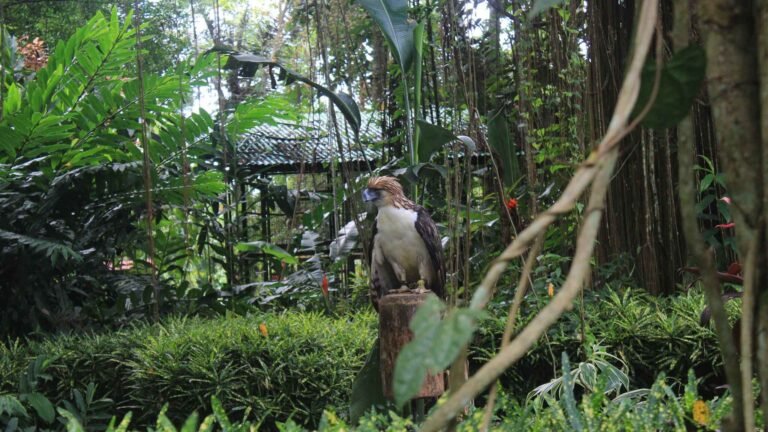
The Philippine Eagle Center in Malagos is hands-down the most unforgettable wildlife encounter in the region. The entrance fee is ₱150 for adults, and it’s open daily from 8 AM to 5 PM. To get there, take a van or bus to Calinan from Bankerohan Terminal (₱60), then a quick trike ride to the Davao Water District gate.
Pack insect repellent, comfy walking shoes, and speak softly—this place feels like a quiet forest temple. And yes, the stars are massive eagles with eyes that feel like they’re scanning your soul.
🦅 “I locked eyes with a raptor named Sinag for five seconds… and it felt like being judged by royalty.”
This tourist spot in Davao is ideal for families with kids or anyone who cares about wildlife conservation.
Davao Crocodile Park
Don’t be fooled by the name—Davao Crocodile Park is more than just crocs. Think snakes, exotic birds, monkeys, and even a fire-dancing cultural show on weekends. Entrance is ₱450 for adults, and best time to go is late afternoon (3–5 PM) for the animal show.
It’s extremely kid-friendly with shaded areas, snack stalls, and a koi pond you can feed. My tip? Ask about “Pangil”—the park’s most legendary crocodile—and get there early for a front-row view of the feeding session.
People’s Park & Museo Dabawenyo
People’s Park is a free, green oasis right in the heart of downtown. It opens as early as 5:30 AM and stays open until late evening. Expect Kublai Millan sculptures, ponds, jogging paths, and on weekends, a light-and-sound fountain show the kids will love.
Right beside it is the newly upgraded Museo Dabawenyo—a five-story building shaped like a durian! Admission is free. Inside: interactive exhibits on tribal life, Davao history, and yes, a full-size whale skeleton. It’s both a tourist spot in Davao for kids and an underrated photo-op for culture fans.
Where to Eat: Roxas Night Market
No Davao itinerary is complete without feasting at the Roxas Night Market. It opens at 6 PM, and the smell of grilled tuna jaw (panga), barbecued squid, and durian ice cream pulls you in like a magnet.
Dishes cost ₱60–₱120
Street performers play acoustic sets
There’s a seating area in the center (watch your bags in crowds)
If you’re traveling with kids, go early to avoid the thickest crowds. And yes, this is where I discovered that durian can actually taste… amazing, if frozen and in a cone.
🍢 Pro tip: Ask for “grilled tuna belly with garlic rice”—a Davao specialty that’s smoky, juicy, and affordable.

Island Bliss in Davao del Norte: Samal & Talikud
If you’re craving turquoise waters, quiet coves, and powdery beaches without leaving mainland Davao, just hop across to Samal Island—a top-rated tourist spot in Davao del Norte. From laid-back Kaputian to underwater wonderlands off Talikud, this slice of paradise is one of the most beautiful places in Davao.
I’ve done both the day-trip hustle and the hammock-swaying overnight version—and honestly, they’re both worth it depending on your vibe.
Paradise and Kaputian Beach
You can’t talk about Samal without mentioning Kaputian Beach, a serene public beach known for its calm waters and creamy-white sand. It’s great for swimming, lounging, or just watching kids build sandcastles while locals prep fresh seafood nearby.
 Entrance Fee: ₱10–₱20
- Open Hours: 6 AM – 6 PM
- How to Get There: Take a ferry from Sasa Wharf (₱20, 15 mins) to Babak Port, then hire a habal-habal or multicab (~₱100–₱150) to Kaputian.
 Entrance Fee: ₱10–₱20
 Open Hours: 6 AM – 6 PM
 How to Get There: Take a ferry from Sasa Wharf (₱20, 15 mins) to Babak Port, then hire a habal-habal or multicab (~₱100–₱150) to Kaputian.
For day trips, leave Davao City by 7 AM to beat the rush and give yourself time to explore. If staying overnight, there are basic resorts or beachfront homestays (₱800–₱2,000/night).
 I brought a foldable hammock and strung it between two coconut trees—naps hit different with sea breeze and the sound of gentle waves.
Talikud Island & Coral Garden
Talikud Island—just a short boat ride from Samal—offers some of the clearest waters in the region. It’s a haven for snorkeling, diving, and discovering vibrant coral reefs just meters from shore.
- Boat Ride: From Sta. Ana Wharf or Kaputian, boat transfers cost ₱150–₱200 per person (about 45–60 mins).
- Coral Garden & Giant Clam Sanctuary: Join a guided island-hopping tour (~₱1,500–₱2,500 for 5–8 people) to explore reefs, fish sanctuaries, and even a marine-protected area with enormous clams.
 Boat Ride: From Sta. Ana Wharf or Kaputian, boat transfers cost ₱150–₱200 per person (about 45–60 mins).
 Coral Garden & Giant Clam Sanctuary: Join a guided island-hopping tour (~₱1,500–₱2,500 for 5–8 people) to explore reefs, fish sanctuaries, and even a marine-protected area with enormous clams.
The coral here is alive, technicolor, and swarming with reef fish—perfect for GoPro shots. Bring your own snorkeling gear if you can; rentals are sometimes limited in quality.
 Personal tip: I saw two sea turtles glide past me near Coral Garden—one of those rare travel moments where time seems to pause.
Monfort Bat Cave
For something utterly unique, Monfort Bat Sanctuary houses the world’s largest colony of fruit bats—over 2 million of them! It’s a certified must-visit place in Davao, especially at dusk when they burst out like black smoke across the twilight sky.
- Entrance Fee: ₱100 with guide
- Best Time: 5:30 PM for the nightly exodus
- Warning: The bat cave has a powerful ammonia smell, so bring a mask or scarf.
 Entrance Fee: ₱100 with guide
 Warning: The bat cave has a powerful ammonia smell, so bring a mask or scarf.
You’ll observe from a safe distance on elevated platforms. It’s educational, eerie, and oddly mesmerizing—especially for kids and nature nerds.
Final Tip
Whether you’re beach-hopping on Talikud or watching the skies fill with bats in Monfort, Samal Island is a Davao tourist spot beach combo that delivers both beauty and biodiversity. Bring cash, sunblock, and a curious spirit—you’ll leave with salt in your hair and unforgettable stories in your pocket.
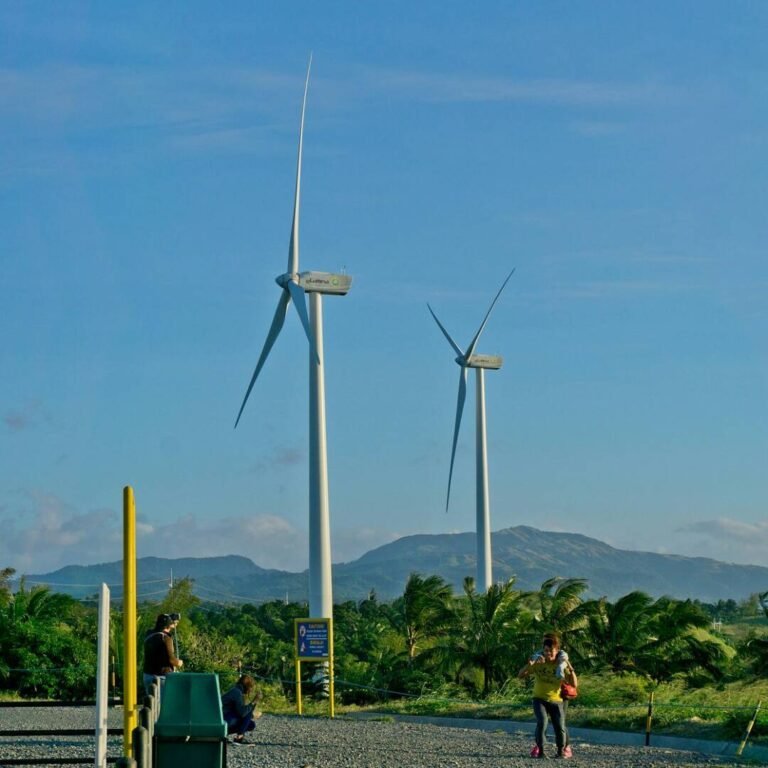
Pililla Wind Farm: Sunset Views and Rolling Hills
Location: Pililla, Rizal
Think Ilocos Norte vibes, but just two hours from Manila. Pililla Wind Farm has emerged as one of the most photogenic and peaceful Pililla Rizal tourist spots. With 27 towering turbines spinning quietly against a mountainous backdrop, it’s ideal for a romantic ride, a motorcycle detour, or a family photo op.
The viewing deck offers the best vantage point. Come late afternoon for golden hour shots, and you’ll see the sky change colors behind the turbines. There’s no entrance fee, just a small donation for parking.
Rider-friendly: This place is a favorite among weekend motorcycle riders. Roads are wide, gently sloped, and scenic—perfect for cruising. No wonder it’s dubbed a top Rizal tourist spot for riders.
Nearby eats: Local vendors set up stalls selling street food, drinks, and souvenirs. Or head to Bulawan Floating Restaurant for a lakeside dining experience post-sunset.
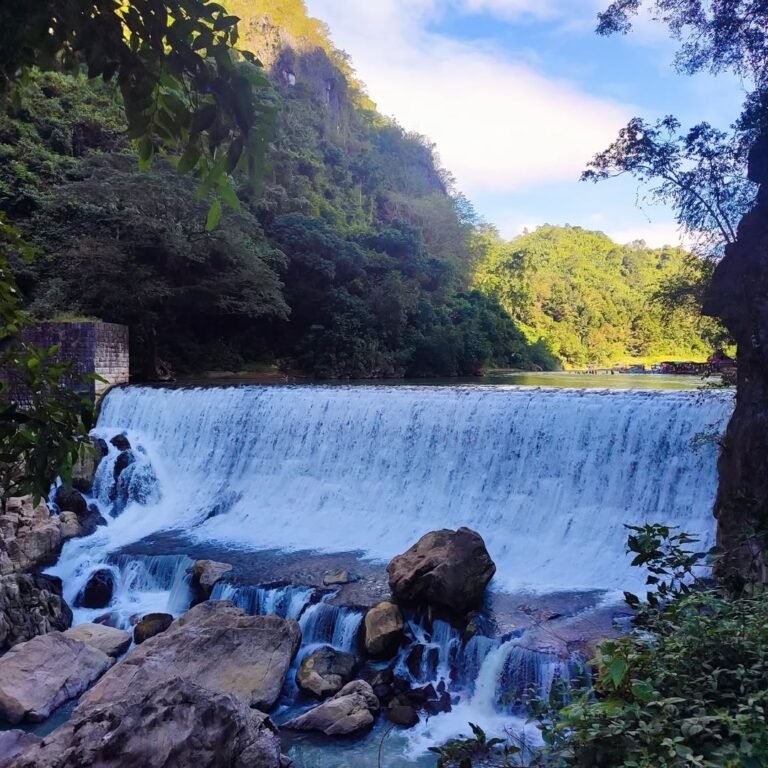
Wawa Dam & Pamitinan Cave: Where Adventure Meets History
Location: Rodriguez (Montalban), Rizal
One of my favorite hidden gems, Wawa Dam blends history, nature, and chill vibes in one stop. This Rodriguez Rizal tourist spot is a historic dam built during the American era, now transformed into a swimming and picnic destination. Picture bamboo cottages set in the river, shaded by limestone cliffs—it’s quiet, scenic, and very local.
Just a few minutes away is Pamitinan Cave, a historic site where Andres Bonifacio and his Katipuneros once held secret meetings. With a guide, you can explore narrow caverns filled with bats and rock etchings.
Why go on weekdays: Weekends can get loud and crowded, especially with big groups and motorcycles. On weekdays, you get the sounds of nature—and sometimes the whole river to yourself.
Local tip: You can rent life vests for kids and non-swimmers. And if you’re up for it, hike Mt. Pamitinan nearby for even more adventure.
From misty mountains and majestic rivers to rope parks and wind turbines, these nature escapes prove that Rizal is more than just a stopover—it’s a full-blown playground for outdoor lovers. Whether you’re exploring as a solo traveler, a couple, or part of a barkada on motorbikes, there’s always a new Rizal tourist spot to discover. Just remember to start early, pack light, and respect nature—and you’ll always leave with more than you came for.
Artistic & Cultural Hotspots in Rizal
For travelers drawn to the stories behind places, Rizal’s rich cultural and artistic heritage offers more than meets the eye. While many know it for its mountains and waterfalls, this province is also home to some of the most creative communities in the country. Whether you’re a passionate museum-goer, an art enthusiast, or someone chasing Instagrammable spots with soul, there’s a Rizal tourist spot waiting for you to discover its charm. In this section, I’ll walk you through three cultural standouts that blend history, artistry, and authenticity in ways you won’t soon forget.
Pinto Art Museum: Contemporary Masterpieces in a Mediterranean Garden
Location: Antipolo Rizal tourist spot
Tucked inside the quiet subdivision of Grand Heights, Pinto Art Museum is not just one of the best tourist attractions in Rizal—it’s arguably the most Instagrammed art space in the country. But beyond the viral-worthy arches and minimalist villas lies a deep well of Filipino creativity and modern expression.
When I first visited Pinto, I was expecting a quick photo walk. I ended up staying nearly three hours, completely immersed in galleries filled with thought-provoking installations, contemporary paintings, and sculptures that spoke volumes about Philippine society. The entire museum is divided across multiple open-air buildings, so bring walking shoes and expect to be on your feet.
What not to miss: Gallery 2 (social commentary), Gallery 5 (indigenous art), and the small chapel hidden at the far end of the compound. Every corner is a photo opportunity, but I personally recommend the rooftop of Gallery 7 for a panoramic view of the surrounding forest—best paired with a cool drink from Café Rizal.
Best time to visit for content creation: Arrive right at opening (10:00 AM) on a weekday. You’ll get soft lighting, fewer crowds, and cleaner backgrounds for photos. Avoid weekends if you want quiet reflection or uninterrupted shots.
Where to eat nearby: Café Rizal inside Pinto is a bit pricey but has great ambiance and hearty meals. For something more budget-friendly, head to Vieux Chalet for Swiss-Filipino fusion or Yellow Lantern Café for elevated comfort food with a view.
Angono: The Art Capital of the Philippines
Location: Angono Rizal tourist spot
Angono isn’t just known for art—it breathes it. Dubbed the “Art Capital of the Philippines,” this small town has produced not one, but two National Artists: muralist Carlos “Botong” Francisco and composer Lucio San Pedro. Walking through its streets is like walking through a living museum, where almost every wall and alley is adorned with murals, bas-reliefs, or public sculptures.
Street murals & Botong Francisco’s home: My favorite way to explore Angono is on foot. Start with Doña Aurora Street, where you’ll find a stretch of wall transformed into a gallery inspired by Botong’s works and traditional Filipino life. A few blocks away is his ancestral house, open to visitors who want a peek into the life and legacy of the iconic muralist. It’s not commercialized, and the caretaker is usually happy to share stories without expecting payment (though a tip is appreciated).
Blanco Family Museum: Another must-visit is the Blanco Family Museum, which houses multi-generational paintings by the Blanco family—each member trained from childhood. The realism in their depictions of rural life, indigenous groups, and religious themes is stunning. If you love portraiture and narrative-style art, this will be a highlight.
Don’t miss the food: Angono also surprises with its cuisine. For the adventurous, Balaw-Balaw Restaurant serves exotic dishes like fried frogs and crickets, along with traditional favorites. Even if you’re not up for “Soup No. 5,” the art-filled interiors are worth the visit.
Why Angono is more than just murals: This town is a rare mix of grassroots creativity and deep cultural pride. It’s where art isn’t confined to galleries—it spills into the streets, kitchens, and festivals (don’t miss the Higantes Festival in November if you’re around).
Angono-Binangonan Petroglyphs: The Philippines’ Oldest Rock Art
Location: Binangonan Rizal tourist spot
Often overshadowed by more modern sites, the Angono-Binangonan Petroglyphs offer a fascinating look into the country’s prehistoric roots. This site features over 100 carved figures etched into a rock wall, believed to date back to the Neolithic period. These markings are considered the oldest known artworks in the Philippines—making this a must-visit for history buffs and curious travelers alike.
The site was accidentally discovered in 1965 by none other than Botong Francisco while on a field trip. Today, it’s protected by the National Museum and accessible via a short boardwalk that leads to the carvings. Interpretive signs along the way give context, but I recommend reading up or hiring a local guide if you want deeper insights.
How I got there without a car: From Angono town proper, I took a tricycle (₱100–₱150 roundtrip, depending on negotiation) up the winding road of Col. Guido. The signage isn’t super visible, so ask your driver to wait or arrange a pickup. The walk from the guardhouse to the petroglyphs is pleasant, and there’s minimal hiking involved.
Travel tip: Combine your visit with nearby Angono attractions or swing by Pinto Art Museum in Antipolo since it’s only about 30–40 minutes away. The petroglyphs won’t take more than an hour to see, but their impact lingers much longer.
Rizal’s cultural spots prove that a tourist destination doesn’t need to be loud or commercial to be meaningful. These artistic havens give you a window into the province’s soul—from contemporary galleries and street murals to ancient carvings left by unknown hands. So whether you’re a weekend wanderer or a dedicated culture chaser, don’t skip these Rizal tourist spots that blend creativity, heritage, and human stories in unforgettable ways.

Spiritual & Heritage Stops in Rizal
While Rizal Province is best known for its mountain trails and creative communities, it’s also home to serene, spiritual spaces that offer quiet reflection and historical insight. Whether you’re on a faith-driven journey, exploring sacred architecture, or simply craving moments of peace, these Rizal tourist spots provide a deeper perspective to your travel experience. In this section, I’ll walk you through the province’s most meaningful churches and pilgrimage destinations—all ideal additions to your day trip or weekend itinerary.
Antipolo Cathedral: Pilgrimage, Devotion, and Pasalubong Culture
Location: Antipolo Rizal tourist spot
The National Shrine of Our Lady of Peace and Good Voyage, more commonly known as Antipolo Cathedral, is a central spiritual destination in Rizal. For generations, Filipino devotees have journeyed here to pray for safe travels and life milestones. The image of the Virgin Mary housed in the cathedral is believed to have protected seafarers during the Manila-Acapulco galleon trade—and it continues to be venerated by modern-day pilgrims and travelers alike.
If you’re visiting during the Alay Lakad tradition (usually on the eve of May 1), you’ll witness thousands of devotees walking barefoot from Manila to Antipolo overnight—a moving display of faith. But even outside of pilgrimage season, the cathedral is a peaceful place for prayer, surrounded by the hustle of Antipolo’s town plaza.
Don’t leave without… Trying Antipolo’s famous pasalubong. Just outside the cathedral, rows of vendors sell suman sa ibus (sticky rice rolls), roasted cashew nuts, mangoes, and other local delicacies. I always grab suman and a bottle of native vinegar on my way home.
Regina RICA: A Contemplative Hilltop Experience
Location: Tanay, Rizal
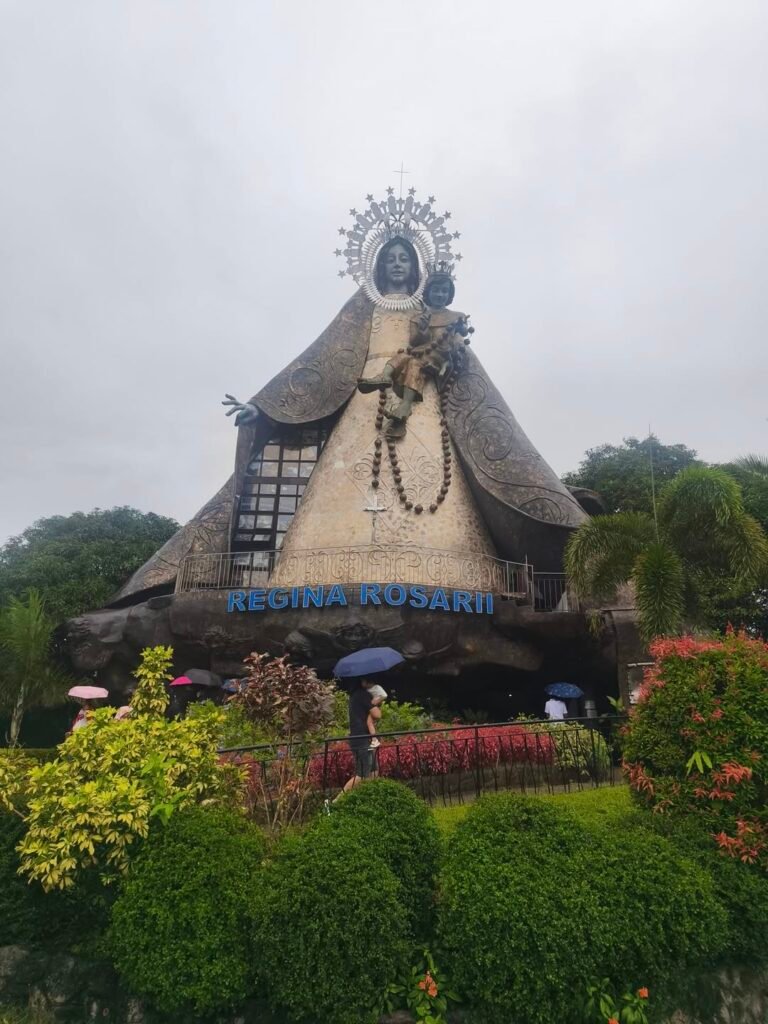
Perched along a misty ridge in Tanay is Regina RICA—short for Regina Rosarii Institute for Contemplation in Asia. This Rizal tourist spot is famous for its towering 71-foot image of the Blessed Virgin Mary. At the base of the statue is a chapel called the “Sulod,” where pilgrims can light candles and reflect in silence beneath the folds of the Virgin’s cloak.
What I love about Regina RICA is the calm it offers. The surrounding 13.5-hectare grounds include a rosary trail, a labyrinth garden, and shaded walking paths. Whether you’re visiting for prayer or peace of mind, the place invites stillness.
What to wear and expect: Dress modestly—shorts and sleeveless tops are discouraged. The internal roads are steep, so wear comfortable walking shoes. Regina RICA is closed on Tuesdays for maintenance, and a small parking fee is collected at the gate. Arrive early if you want to avoid large groups, especially on weekends.
Tanay Church & Boso-Boso Church Ruins: History Preserved in Stone
Locations: Tanay & San Mateo Rizal tourist spot
For travelers drawn to old-world architecture, Tanay Church (San Ildefonso Parish) is a must-see. Built in the 1780s, this Baroque-style church is a heritage gem featuring hand-carved wooden Stations of the Cross, declared a National Cultural Treasure. The façade is modest, but the craftsmanship inside tells stories of faith that have lasted centuries.
Not far from there is the Boso-Boso Church Ruins in San Mateo, a quiet site nestled in the hills. Originally established by Jesuit missionaries for indigenous communities, the church was partially destroyed by earthquakes and war, leaving behind weathered stone walls that feel frozen in time.
How to fit both into a day trip: Start your morning at Tanay Church, then head north toward San Mateo (roughly 45–60 minutes by car). It’s a reflective contrast—one church beautifully preserved, the other haunting in its decay. If you enjoy exploring lesser-known San Mateo Rizal tourist spots, this route offers a perfect blend of history and silence.
Spiritual travel in Rizal doesn’t have to be grand or complicated. These tourist destinations in Rizal offer meaningful stops where history, faith, and beauty meet. Whether you’re lighting a candle in Antipolo, walking a rosary trail in Tanay, or standing among ruins in San Mateo, these places remind us to pause and find peace—even while on the road.
Hidden Gems and Off-Beaten-Path Rizal Tourist Spots
If there’s one thing I’ve learned from exploring the province, it’s that some of the most unforgettable experiences come from places that barely show up in Google searches. Rizal is full of underrated spots that reward curious travelers—hidden peaks, quiet campsites, and sunrise views you won’t have to fight crowds for. Here are four Rizal tourist spots that I stumbled upon by chance, and now recommend to every fellow traveler looking for something different.
Treasure Mountain: Sunrise Without the Sweat
Location: Tanay, Rizal
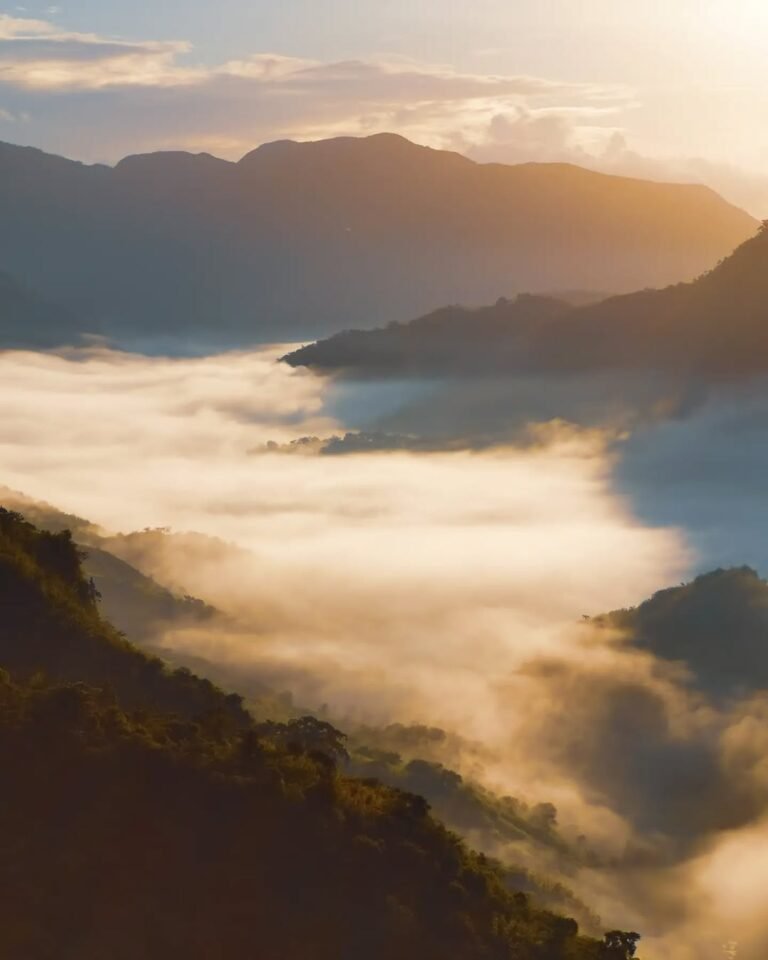
I didn’t expect a place like Treasure Mountain to exist so close to the city. It offers the rare combo of sea-of-clouds views without the grueling hike. Ideal for beginners or anyone wanting a weekend escape without burning too many calories, this Tanay Rizal tourist spot quickly became one of my go-to sunrise destinations.
You can drive right up to the entrance (no 4×4 required) and set up camp or rent a kubo for the night. If you’re lucky and arrive around 4:30–5:00 AM, you’ll catch the fog rolling across the Sierra Madre like a dreamy cloud river.
Corkage tip: Bringing your own food is allowed, but there’s a corkage fee. To save money, I usually pack a cooler with snacks and drinks, and just pay the ₱50–₱100 fee instead of buying on-site. Their café is charming but pricey for large groups.
Overnight hacks: Arrive mid-afternoon to catch both sunset and sunrise. The night skies are stunning, especially on clear nights, and they now offer tent rentals for spontaneous campers.
Mt. Mapalad & Nagpatong Rock: Cliffs and Wooden Palms
Location: Tanay, Rizal
I first heard about Mt. Mapalad from a local hiking group on Facebook. The selling point? A wooden palm-shaped viewing deck that makes for surreal photos—and the fact that it’s not yet overrun with tourists. The trail takes around 2–3 hours depending on your pace and starts in Barangay Cuyambay, which is also the jump-off for Nagpatong Rock.
Nagpatong Rock, on the other hand, is for those craving more adrenaline. Reaching the top means climbing steep ladders bolted to jagged cliffs, but the panoramic view from the flat rock summit is breathtaking. It’s one of the most unique natural formations in Rizal.
Booking guide: Both mountains require guides and advance registration. I usually message the Tanay Tourism Office or book through legit Facebook tour organizers (rates start at ₱500–₱800). Start early—trekking during sunrise keeps you cool and rewards you with better light.
Mt. Tagapo on Talim Island: A Volcano in the Middle of the Lake
Location: Binangonan Rizal tourist spot
This one felt like a real adventure. Mt. Tagapo, also called “Bundok ng Susong Dalaga,” is located on Talim Island—accessible only by boat from Binangonan Port. The mountain itself is an extinct volcano that offers 360-degree views of Laguna de Bay from the summit. What makes it special is the journey itself: riding a boat with locals, passing small lakeside communities, then trekking up through bamboo groves.
It’s a straightforward hike (about 1.5 to 2 hours up), but because of the boat rides and lack of facilities, it’s best for seasoned hikers or those up for a bit of backpacking.
Why it’s my city escape: There’s no cell signal up there, and that’s the point. I always leave Mt. Tagapo feeling like I’ve stepped into another time. Pack light, bring water, and be respectful to the island’s residents.
Singalong Nature Camp & Payaran Falls: Immersion and Quietude
Location: Tanay, Rizal
Tucked deep into the forested edges of Tanay, Singalong Nature Camp is ideal for travelers seeking slowness. It’s rustic, family-run, and often used as a base for exploring the nearby Payaran Falls, which is still a fairly hidden cascade requiring a short river trek.
What makes this place different is the presence of the local Dumagat community. They sometimes guide hikes and share stories about the land. Staying here feels less like being a tourist and more like being a quiet observer of their way of life.
What to bring: It’s not a luxury setup. Expect open-air sleeping areas, fire-cooked meals, and bucket showers. Bring mosquito repellent, trash bags (leave no trace), and a respectful attitude—especially toward local traditions and spaces.
Why it matters: In a province filled with tourist spots, places like this keep the heart of Rizal beating quietly. I recommend it to anyone burned out by fast-paced city trips and looking for true disconnection.
These hidden gems prove that you don’t have to stick to the usual itinerary to experience the best of Rizal tourist spots. Whether it’s a sunrise without the climb or a hike to a cliff you didn’t know existed, Rizal rewards those who wander deeper. Bring your sense of curiosity—and maybe a spare set of clothes. You never know what adventure is waiting at the next unpaved turn.
Sample Itineraries: Day Trip & Weekend Suggestions
Crafting a Rizal itinerary is like building a playlist—you can mix adventure, art, and spirituality depending on your vibe. Whether you’ve only got a day to spare or a full weekend to wander, here are tried-and-tested combos that let you experience the best Rizal tourist spots without the stress.
Day Trip Itinerary from Manila
If you’re leaving Metro Manila early (think 4:00–5:00 AM), this Rizal day trip maximizes time without burning out your legs or your fuel tank.
Morning:
Start strong with a sunrise Daraitan hike and a dip in Tinipak River (Tanay Rizal tourist spot).
Be sure to pre-register if you’re visiting on a weekend, and bring snacks for the trail.
Afternoon:
Head toward Pililla Wind Farm for lunch and golden-hour views. It’s a scenic, motorcycle-friendly ride ideal for those scouting a Rizal tourist spot for riders.
Cap your trip with a quick stop in Antipolo for local food—try Tipulo, Tahanan Bistro, or a quick kakanin fix by the Cathedral.
Add-on:
Still got energy? Wawa Dam is peaceful at sunset and only a short ride from Rodriguez.
2D1N Adventure Combo
Perfect for weekenders who want both comfort and challenge.
Day 1:
Morning trek at Masungi Georeserve (Baras Rizal tourist spot)
Lunch and art stroll at Pinto Art Museum (Antipolo Rizal tourist spot)
Overnight glamping or camping at Treasure Mountain—watch stars, not screens.
Day 2:
Early trip to Daranak and Batlag Falls
Choose between spiritual recharge at Regina RICA or a cultural deep dive in Angono, the art capital.
Each location fits neatly within 1–2 hour drives from each other, giving you more experience and less time stuck in traffic.
Practical Travel Tips from Experience
After multiple trips across various tourist attractions in Rizal, I’ve gathered essential hacks that make every visit smoother—especially if you’re on a budget or commuting DIY-style.
Best Time to Visit Rizal Tourist Spots
Dry months (December to early May) are ideal for outdoor adventures. For places like Mt. Mapalad or Daranak Falls, early mornings help beat the crowd and the heat. I avoid Holy Week and long weekends due to foot traffic.
DIY Commute Hacks vs. Tour Packages
For budget travelers, jeepney and UV Express terminals in Cubao, Shaw, and Cogeo connect directly to Tanay, Antipolo, and Rodriguez. Fares range from ₱50–₱150. However, for group trips to Masungi or Nagpatong Rock, splitting a van or booking a tour (₱800–₱1,200 per head) offers better comfort.
Where to Eat Local
Casa Abuela (Tanay): Filipino comfort food
Crescent Moon Café (Antipolo): Southeast Asian fusion
Balaw-Balaw Restaurant (Angono): Exotic eats + folk art
What to Pack
Waterproof bags for waterfalls
Sunscreen and hats for hikes
Extra cash (some areas have no ATMs or signal—GCash isn’t always accepted)
Layers—it gets chilly in Tanay at night
These small tweaks turn good trips into great ones.
Conclusion: Why Rizal Deserves a Spot on Your Bucket List
What Rizal taught me about slow travel is that you don’t always need to fly far to feel far away. Sometimes, all it takes is an early alarm, a few backroads, and a willingness to say yes to misty summits or art museums tucked in mango orchards.
Each visit feels like a reminder of the richness just outside the city—whether you’re sharing suman by the Antipolo Cathedral or standing silent on top of Mt. Tagapo. These moments aren’t flashy, but they’re unforgettable.