Quick Guide Table
| Field | Planning Figure / Guide Entry |
|---|---|
| Destination name | Alibijaban Island |
| Type of destination | Remote island / beach island |
| Location | San Andres, Quezon |
| Province / municipality / barangay | Quezon Province / San Andres / island-barangay |
| Main jump-off town or port | San Andres Port |
| Travel time from Manila | Around 7–8 hours by land to San Andres, plus 30–45 minutes by boat |
| Best time to visit | Late December to early April |
| Dry season / rough sea considerations | Calmest in dry season; rougher during Habagat and typhoon months |
| Boat ride duration | Around 30–45 minutes |
| Entrance fee | Around ₱100 |
| Environmental fee | Port fee around ₱4 per person |
| Boat fare | Around ₱100-150 one way via regular motorized banca |
| Private boat / charter | Around ₱1,500–2,000 roundtrip depending on group size |
| Floating cottage | Around ₱200–300 per hour |
| Room rate | Around ₱700 for overnight room rental |
| Nipa hut rental | Around ₱150–250 |
| Tent rental | Around ₱100–200 |
| Day trip or overnight | Best as overnight / 2D1N |
| Family-friendliness | Better for active families; not the easiest for very young kids |
| Swimming conditions | Best in calm weather; reef shoes strongly recommended |
| Snorkeling availability | Yes, especially near calmer channel-side water and floating cottage area |
| Power / electricity setup | Limited; usually generator or solar, evening-only feel |
| Water availability | Limited freshwater; utility water may be charged separately |
| Cell signal | Weak to poor |
| Comfort room / bath / charging setup | Very basic CR and bath setup; limited charging |
Where is Alibijaban Island located?
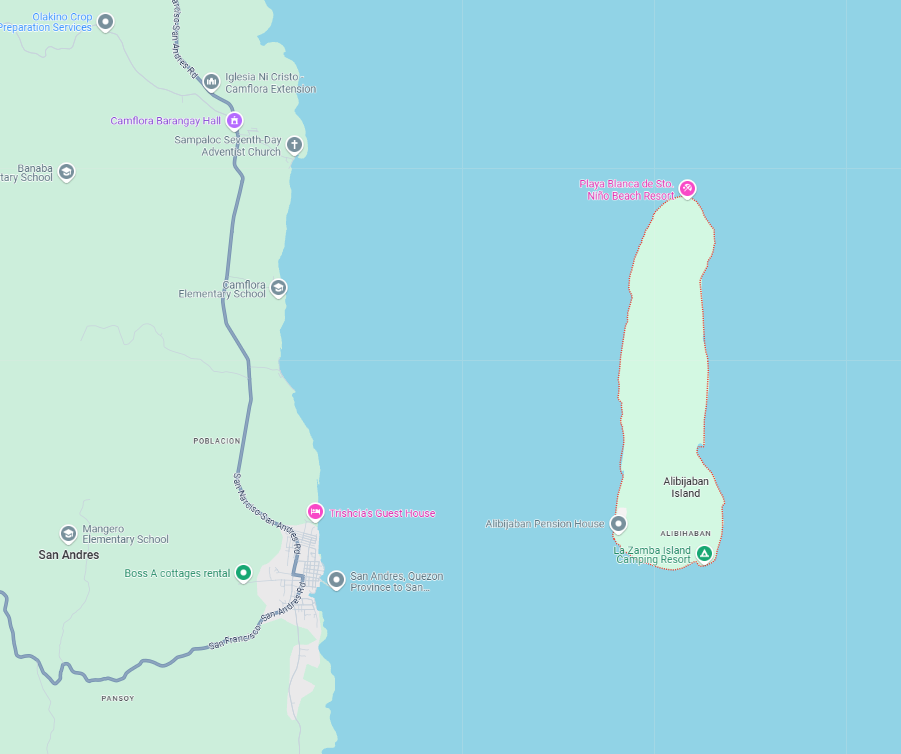
Alibijaban Island is located in San Andres, Quezon, off the coast of the Bondoc Peninsula side of southern Quezon. In practical travel terms, the mainland jump-off is San Andres Port, and that is the town you need to reach first before you can board a boat to the island. So if you are searching where is Alibijaban Island located, the simplest answer is this: it is an island-barangay of San Andres in Quezon, sitting out in the waters of Ragay Gulf and accessed by boat from San Andres town.
Location snapshot
- Destination: Alibijaban Island
- Municipality: San Andres
- Province: Quezon
- Coastal area: Bondoc Peninsula side / Ragay Gulf side
- Main jump-off: San Andres Port
- Best way to think of it: a remote Quezon island trip, not a quick stop from Lucena or Manila
What makes Alibijaban Island worth visiting?
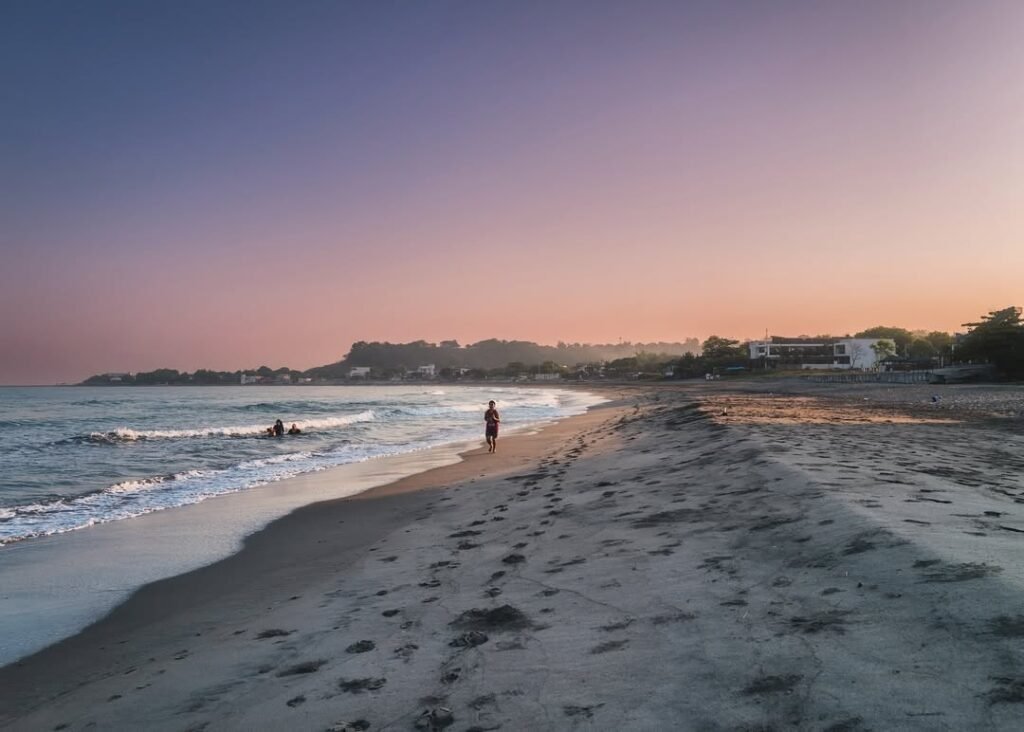
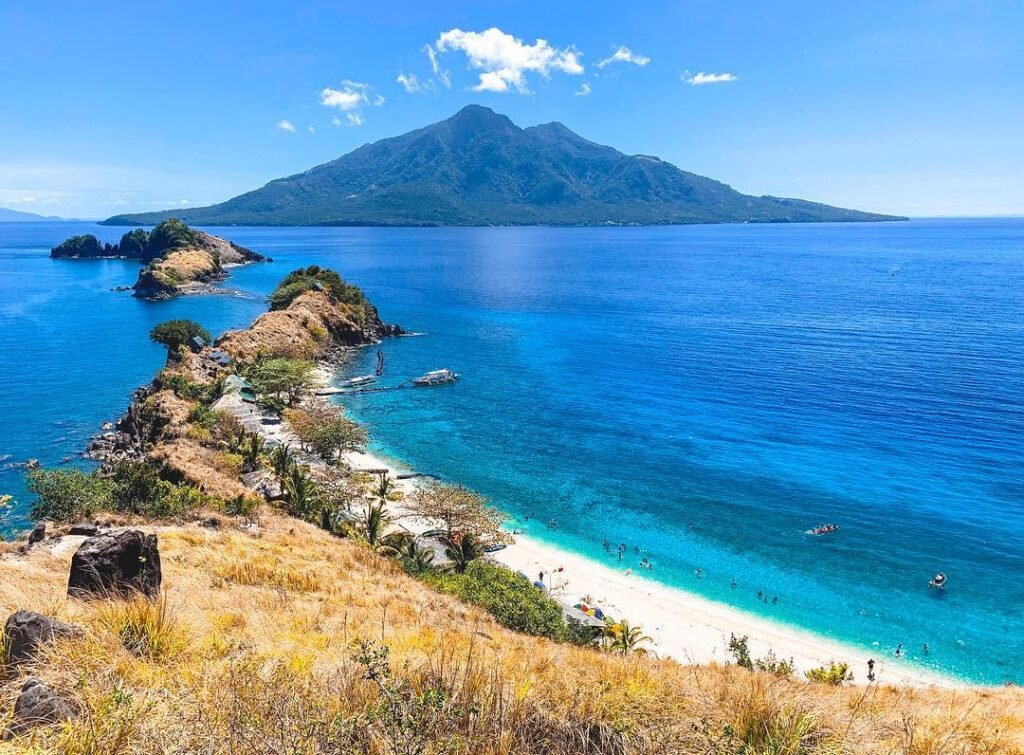
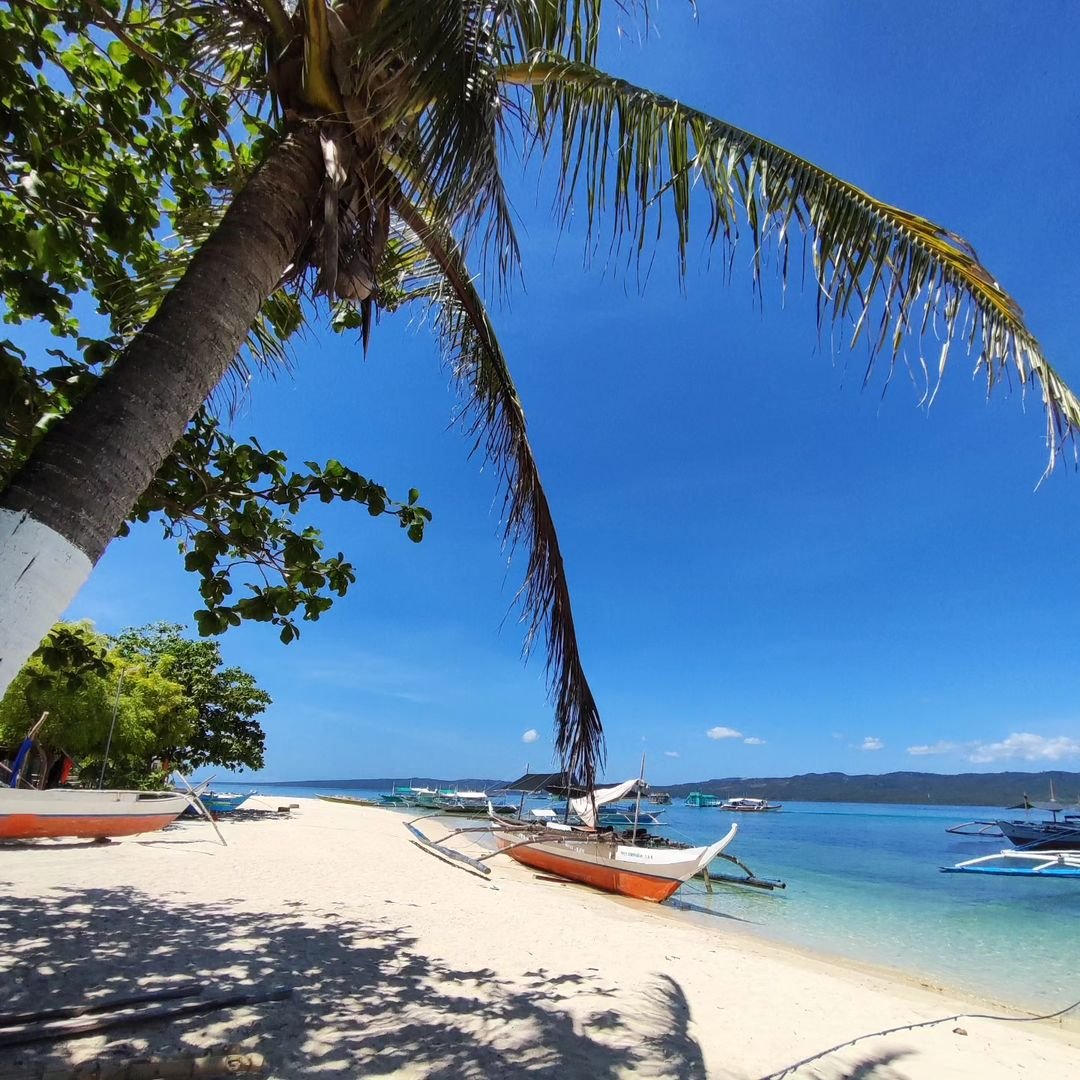
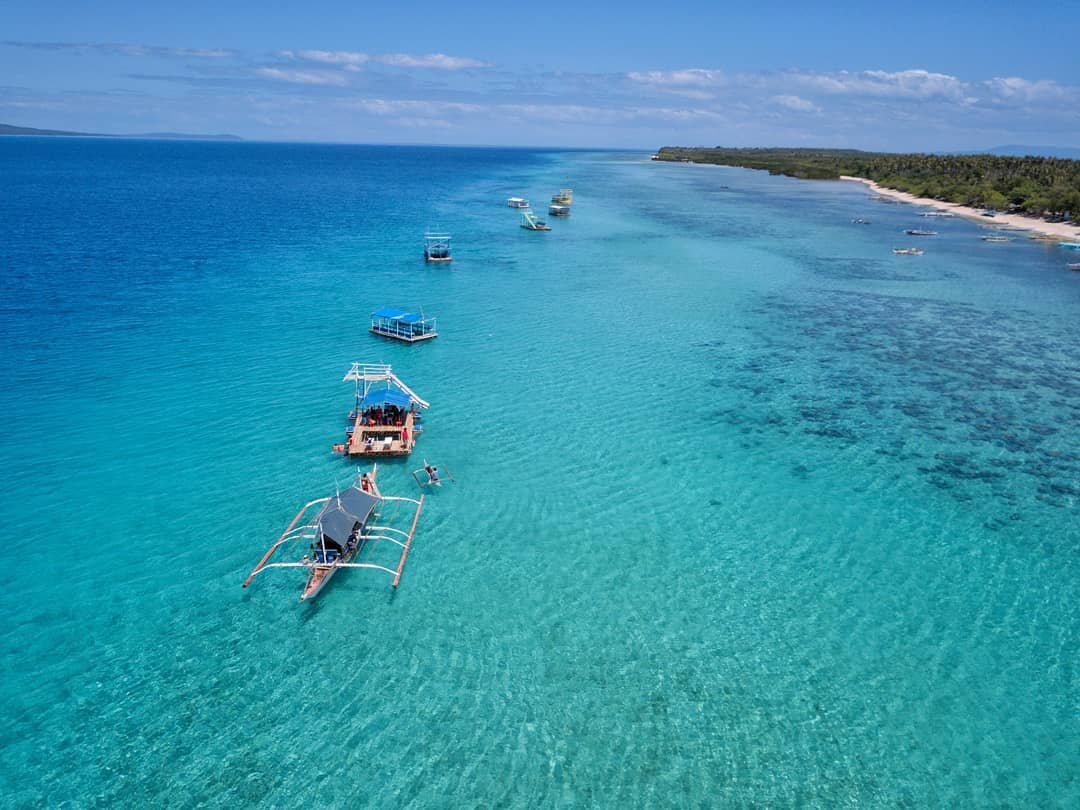
Alibijaban Island is worth visiting if what you want is a quiet, scenic island escape built more around atmosphere than a packed list of attractions. The island is known for its white sand, clear shallow water in good weather, protected mangrove area, floating cottages, and low-key beach setting that still feels simple instead of commercial. Among the best things to do in Alibijaban Island are also the most basic ones: swimming, slowing down, staying overnight, watching the light change over the water, and enjoying an island that still feels a little raw around the edges.
What makes it stand out
- White sand and clear water when conditions are good
- A protected mangrove area that gives the island more character
- Floating cottages that add both photo value and actual lounging value
- A calm, uncrowded atmosphere that feels more private than commercial
- A strong off-grid, back-to-basics appeal for travelers who enjoy simpler island stays
Table of Contents
How to go to Alibijaban Island from Manila
The easiest way to do this is to go straight from Manila to San Andres, Quezon, then transfer to San Andres Port for the boat to Alibijaban Island. For me, the biggest factor here is not the road trip itself but making sure I arrive in San Andres early enough for the boat flow. The land trip is long but manageable, and once you treat it as a real overnight island transfer instead of a rushed beach run, the logistics become much easier to handle.
Direct bus to San Andres
If you want the simplest commute, go straight to San Andres and avoid unnecessary transfers.
- Multiple buses run from PITX or Alabang to San Andres, Quezon
- Usual travel time is around 7 to 8 hours, though road conditions and stopovers can stretch it
- Common fare anchor is around ₱450 to ₱500 one way for an air-conditioned trip
- One cited operator example is Barney Autolines, with fares around ₱500 one way
- This route works best if you want to wake up in San Andres and head directly to the port after breakfast or a quick freshen-up
I would treat this as the best option for most DIY travelers because it removes one transfer and keeps the trip easier to time. If you leave Manila late at night, you have a better chance of reaching San Andres in the early morning, which is exactly what you want before the boat ride.
Via Lucena if you miss the direct trip
If you cannot catch a direct San Andres ride, the fallback route is to go through Lucena.
- Take a bus or van from Manila to Lucena
- Travel time is around 3 to 4 hours
- Fare range is around ₱210 to ₱250 one way
- From Lucena, transfer to a van or bus to San Andres
- Fare anchor from Lucena to San Andres is around ₱270
- Travel time from Lucena to San Andres is roughly 2 to 3 hours
- Some vans leave only when full, so this route can be less predictable than the direct bus
This route still works, but I would only use it if the direct San Andres trip does not line up with my timing. It adds another layer to the transfer chain, and with islands like this, every extra delay matters because your schedule is still tied to the port and the boat.
Private car route
Driving is the most flexible option if you are traveling as a couple, family, or barkada and want more control over timing.
- Drive via the Pan-Philippine Highway and the Bondoc Peninsula Road corridor
- Total land distance is roughly 305 km
- Usual drive time is around 6 to 7 hours, but it is safer to budget longer
- Roads narrow as you move deeper into the peninsula side
- You can park near San Andres Port for around ₱30 per day
For groups, driving can make a lot of sense because you can leave Manila on your own schedule, bring food and beach gear more easily, and reach the port without worrying about missed bus timing. The key either way is the same: do not think only about the road trip. Think about arriving in San Andres at a reasonable hour for the island crossing.
San Andres port to Alibijaban Island: the boat and jump-off flow
The real challenge here is the port and boat flow, not the island itself. Once you reach San Andres, the last stretch is short, but this is where timing, cash, and patience matter most. The jump-off is straightforward once you know the sequence, and in good weather the boat ride to Alibijaban Island is usually short, manageable, and scenic rather than intimidating.
- Arrive in San Andres town
If you arrive from Manila early in the morning, take a few minutes to buy breakfast, water, or last-minute supplies before heading to the port. This matters because island options are limited once you cross. - Transfer from terminal area to San Andres Port
The port is near the town center, so the last-mile move is easy. You can walk if you are lightly packed, or take a padyak for around ₱20 if you are carrying bags, coolers, or camping gear. - Register and pay the small port fee
Before boarding, visitors are expected to register and pay a port/environmental fee of around ₱4 per person. Keep your receipt and do not rush this part, especially if there are other groups arriving at the same time. - Choose between regular banca or charter
A regular motorized banca fare is around ₱50 one way per person. A private charter usually costs around ₱1,500 to ₱2,000, which makes more sense for couples, families, or barkada groups who want flexibility or are splitting the cost. - Allow time for waiting and coordination
There is no polished ferry-terminal system here. Some crossings feel frequent and easy, while other days depend more on how quickly boats fill, group size, or local coordination. Leave buffer time instead of assuming a perfect handoff from bus to boat. - Board for the island crossing
The boat ride usually takes around 30 to 45 minutes. In good weather, it is a scenic, relaxed ride across calm water. In rougher conditions, the same short crossing can become the part of the trip that controls everything, so do not underestimate sea conditions.
Practical reminder
- Arrive early
- Bring cash in small bills
- Buy supplies before boarding
- Do not assume a strict public ferry timetable
Fees, boat costs, and other travel expenses at Alibijaban Island
A realistic Alibijaban Island DIY budget is not expensive by island standards, but it becomes much easier to manage when you are not traveling alone. The fixed costs are light enough, but the real difference comes from how you handle the boat and overnight stay. Solo travelers usually feel the transport costs more, while couples and barkada groups can bring the per-head cost down fast by splitting the charter, room, tent, and food setup.
Budget Breakdown Table
| Cost item | Planning figure | Notes |
|---|---|---|
| Manila to San Andres bus | ₱417–₱500 one way | Direct bus option |
| Manila to Lucena bus | ₱210–₱250 one way | Alternate route |
| Lucena to San Andres van/bus | Around ₱270 | Leaves when full in some cases |
| Terminal to port padyak | Around ₱20 | Short last-mile transfer |
| Port fee | Around ₱4 | Collected before boarding |
| Regular motorized banca | Around ₱100-150 one way | Per person |
| Private charter boat | ₱1,500–₱2,000 | Better when split by group |
| Island entrance fee | Around ₱100 | Per person |
| Tent rental | Around ₱100–₱200 | If not bringing your own |
| Room rental | Around ₱700 | Overnight room rate |
| Nipa hut rental | Around ₱150–₱250 | Depending on type |
| Floating cottage | Around ₱200–₱300 per hour | Optional |
| Utility water | ₱10 per bucket / ₱150 per drum | Non-drinking use |
| Hosted meal | Around ₱180 per meal | If arranged |
| Food and snacks | Variable | Lower if self-catered |
| Charging fee | Variable / small add-on | If charged separately |
| Estimated solo DIY | Higher per-head | Harder to optimize because of transport splitting |
| Estimated couple DIY | Moderate | Better when sharing room/boat |
| Estimated barkada DIY | Best value | Charter and stay costs split more efficiently |
The most important thing to understand here is which costs stay fixed and which improve when shared. The ₱100 entrance fee and the ₱4 port fee are personal costs, so those stay the same. The regular banca fare is also per person. But the biggest swing item is the private charter boat, since that ₱1,500 to ₱2,000 becomes much more reasonable when divided across a couple or group. The same applies to the ₱700 room rental, the ₱100–₱200 tent rental, and even food if you self-cater instead of relying on arranged meals.
I would also plan for small but easy-to-miss costs. Utility water is separate, with figures around ₱10 per bucket or ₱150 per drum, and charging may come with a small add-on depending on the setup. If you arrange meals with a host, a useful anchor is around ₱180 per meal, though bringing groceries from San Andres is often the better-value move. That is why, from a practical standpoint, Alibijaban Island is much friendlier on the wallet for pairs and barkada groups than for true solo DIY travelers.
Cost traps to expect
- Solo travelers usually absorb the boat cost less efficiently
- Buying too many island-side supplies can push your budget up
- Utility water and small charging fees are easy to forget
- Floating cottages are optional, but they can add up if your group stays long
- Bringing your own food usually gives you better control over spending
Where to stay in Alibijaban Island
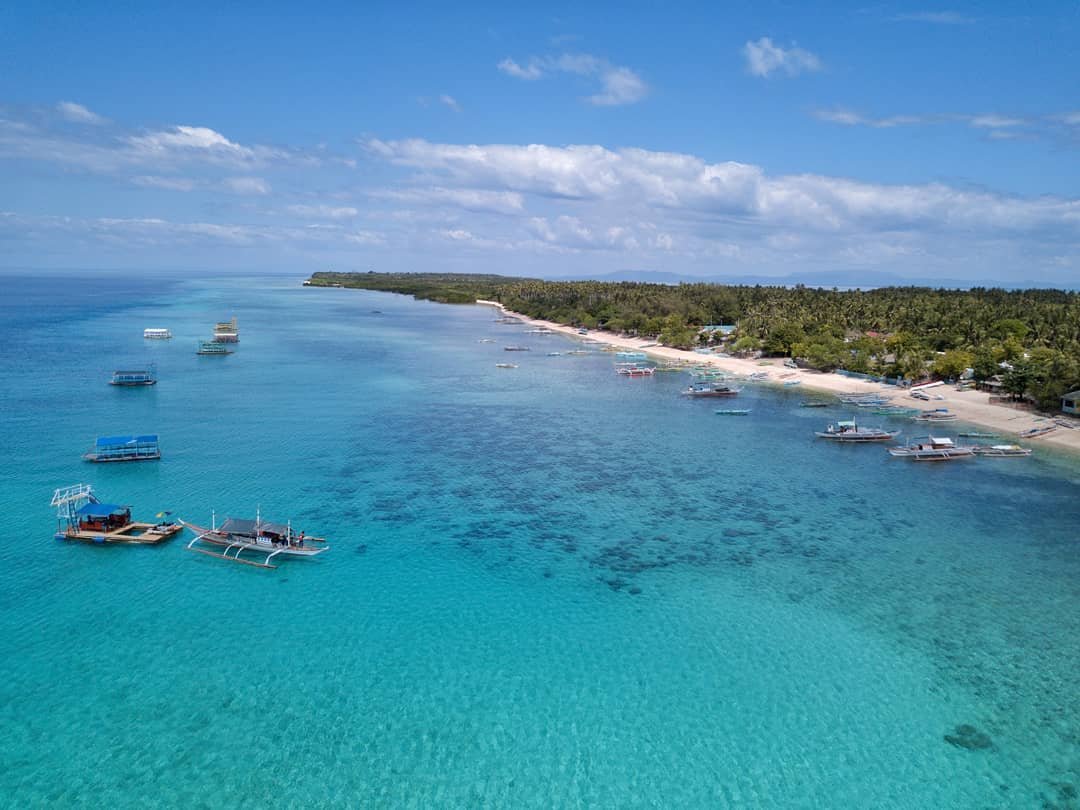
I would not treat Alibijaban Island as a comfort-resort stay. If you are searching where to stay in Alibijaban Island, the best mindset is to expect a simple overnight setup built around huts, nipa shelters, basic rooms, or camping, not a polished beachfront resort experience. The island stay feels airy, exposed, and functional more than private or upscale. That is part of the charm for some travelers, but it also means you should plan around comfort limits instead of assuming resort convenience.
A lot of older mentions of Alibijaban Island beach resort setups can make the island sound more developed than it really is. In practice, accommodations are usually small local cottages, barong-barong huts, nipa structures, or tent areas. Some room and hut rates are still useful as planning anchors, but I would read “resort” loosely here. What you are really booking is a basic island stay with simple shelter, limited facilities, and a more local, direct arrangement instead of a full resort operation.
Stay options
- Basic room or hut stay
Good for couples or travelers who want a roof, simple sleeping space, and less setup work - Nipa hut setup
Usually cheaper and more open-air, but also more exposed and less private - Camping
Great for barkada, backpackers, and travelers comfortable with a more raw overnight setup - Floating cottage
More of a daytime hangout add-on than a true overnight stay option in most cases
Best time to visit Alibijaban Island
The best time to visit Alibijaban Island is from late December to early April, when the weather is generally drier and the sea is usually calmer. For an island trip like this, sea conditions matter more than almost anything else. A beautiful beach does not help much if the crossing is rough, delayed, or uncomfortable, so I would always plan around calmer months first and scenery second.
Rainy months are harder to recommend, not because the island stops being beautiful, but because the trip becomes less predictable. Rougher water, weather delays, and canceled crossings matter more here than they do in easier-access beach destinations. That is why I would plan this as a fair-weather trip if possible.
Months to favor
- Late December to early April for the best balance of dry weather and calmer seas
- Early mornings for smoother boat conditions
- Dry-season dates if you want the shoreline and water to look their best
Months to be careful with
- Habagat months when sea conditions can turn rough
- Peak typhoon-risk periods when crossings may be delayed or canceled
- Rainy-season windows when the island trip becomes less reliable overall
Things to do in Alibijaban Island
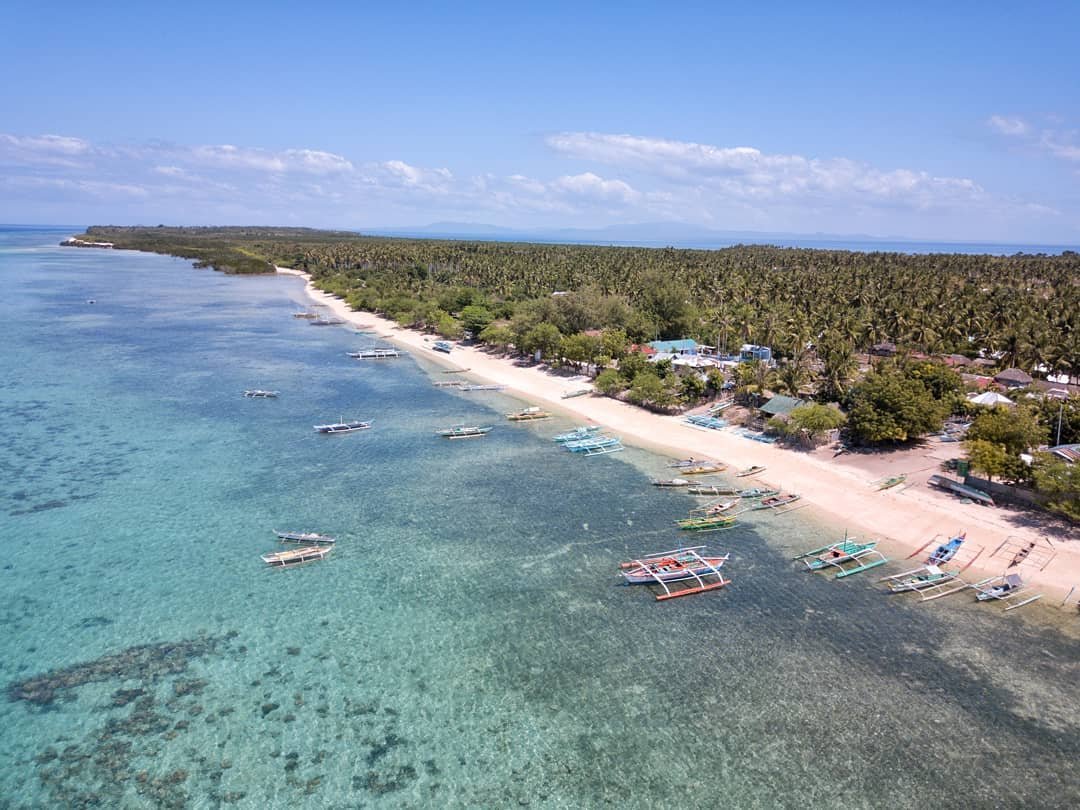
Alibijaban is less about a packed activity list and more about enjoying a quiet island day properly. If you are looking for high-energy attractions, this is not that kind of trip. The real value of things to do in Alibijaban Island comes from slowing down enough to enjoy the shoreline, the floating cottage setup, the mangrove side, and the island’s calm, lightly developed atmosphere. For a 2D1N stay, that is usually enough, especially if what you want is beach time with space to breathe rather than a packed itinerary.
Swim, lounge, and enjoy the shoreline
The easiest way to enjoy the island is also the best one: spend real time on the beach instead of treating it like a quick photo stop.
- Swim in calmer sections when the water is clear and manageable
- Walk the beach first before choosing where to settle, especially if the tide is low
- Take your time with the island instead of trying to “finish” it too fast
- Bring reef shoes, because some areas have sea urchins and shallow reef conditions
Try the floating cottage
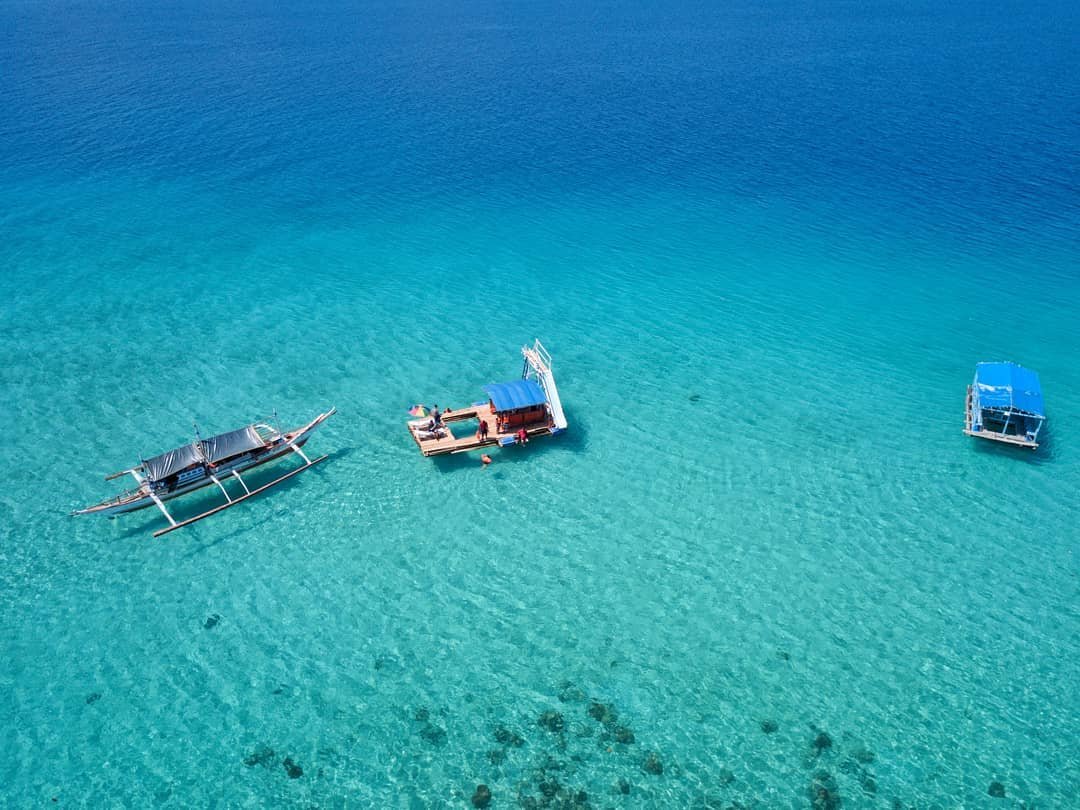
The Alibijaban Island floating cottage is one of the most distinct parts of the experience. It is not just a photo prop. It also works well as a lounging spot, swim base, and relaxed place to enjoy the water without doing much at all.
- Good for barkada groups sharing cost and space
- One of the most recognizable Alibijaban Island photo spots
- Best enjoyed in good weather when the water is calm and clear
- A nice add-on if you want something slightly different from just staying on the shoreline
Walk toward the mangrove and sandbar side
The mangrove and sandbar side gives the island more character than a standard beach stop. It adds that quieter, nature-oriented feel that makes the destination different from more commercial island trips.
- Best seen when tide timing works in your favor
- Good for a slower walk, casual photos, and a more scenic side of the island
- Helps break up the trip if you are staying overnight
- A better fit for travelers who like low-key exploring instead of structured activities
Slow down for sunset and early-morning light
This is the part of the trip I would not rush. Early morning and late afternoon are when the island feels softest, quietest, and most rewarding.
- Sunset is best for a slower beach block and relaxed photos
- Early morning works well for a peaceful beach walk before the island warms up
- Light tends to be better for photos and the shoreline feels calmer
- These quieter hours help justify the overnight stay more than any single activity does
Nearby side trips and island-hopping options
Side trips are optional here, not mandatory. If you only have a short Alibijaban Island trip, staying focused on the island itself is completely fine. In fact, for a simple 2D1N, Alibijaban alone already works because the destination is more about atmosphere than about chasing a long list of stops. Side trips make more sense when you have extra time, especially if you want to turn the trip into a broader island-hopping escape from the same San Andres jump-off flow.
Nearby add-ons that make sense
- Sombrero Island for a more photogenic island-hopping stop
- Tinalisayan Island if you want to add a sandbar-style side trip
- Animasola Island as part of a wider Burias route
- Makapaya Hills on the mainland if you want a scenic sunrise or viewpoint stop
- Nearby falls or mainland nature stops in the San Andres area if you want to stretch the trip beyond just the island
The easiest rule is this: if you only have 2D1N, keep the trip centered on Alibijaban. If you have extra time and do not mind a more ambitious route, that is when island hopping starts to make more sense.
Sample Alibijaban Island itinerary
This is a realistic Alibijaban Island itinerary, not a rigid schedule. I would use it as a practical planning guide for a DIY overnight trip, especially if your main goal is to arrive at the port on time, enjoy the island without rushing, and still leave enough room for real downtime.
| Time | DIY 2D1N Overnight Option |
|---|---|
| 10:00 PM | Leave Manila for San Andres, Quezon |
| 5:30–7:00 AM | Arrive in San Andres, freshen up, breakfast, buy supplies |
| 6:30–7:30 AM | Transfer to San Andres Port, register, pay port fee |
| 7:30–8:30 AM | Board motorized banca or charter boat |
| 8:00–9:15 AM | Arrive at Alibijaban Island, settle into hut or tent area |
| 10:00 AM | Beach walk, swim, check shoreline conditions |
| 12:00 PM | Lunch / self-cooked meal / arranged meal |
| 1:30 PM | Floating cottage or mangrove-side walk |
| 4:30 PM | Slow beach time and sunset block |
| 6:00–8:00 PM | Dinner, overnight stay, early rest |
| 6:00–7:00 AM (Day 2) | Sunrise beach walk / light swim / photos |
| 7:00–8:30 AM | Breakfast and pack up |
| 9:00–10:00 AM | Optional short island activity or side-trip prep |
| 10:00–11:00 AM | Boat back to San Andres |
| 11:30 AM–1:00 PM | Early lunch in town / wait for return trip |
| Afternoon | Return land trip to Manila |
What to wear and bring for Alibijaban Island
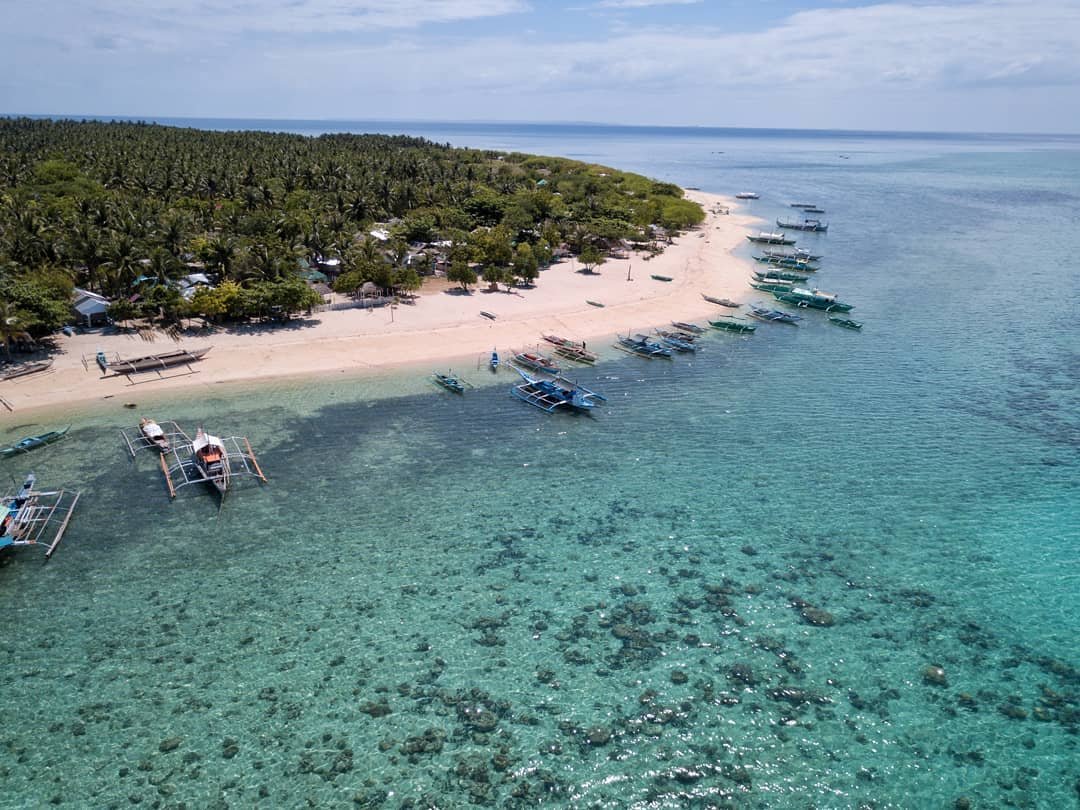
This is not the kind of island trip where I would pack light carelessly. Alibijaban Island is simple enough that the wrong packing choices can affect the whole stay, especially once you factor in the boat ride, the shallow shoreline, limited charging, weak signal, and the island’s basic overnight setup. I would pack for comfort, sun, saltwater, and a little self-sufficiency.
Essentials
- Cash in small bills
- Government ID and booking/contact details
- Bottled drinking water
- Personal toiletries
- Basic medicines and a small first-aid kit
Beach gear
- Reef shoes for shallow areas and sea urchin-prone spots
- Rash guard or light cover-up for sun protection
- Swimwear plus backup dry clothes
- Dry bag for gadgets, wallet, and important items
- Hat, sunglasses, and strong sunscreen
Overnight gear
- Power bank
- Flashlight or headlamp
- Towel and extra shirt for the evening
- Tent and sleeping gear if you plan to camp
- Light blanket or sheet if you are sensitive to wind at night
Comfort extras
- Insect repellent
- Cooler bag for drinks or food
- Extra slippers or sandals
- Waterproof pouch for your phone
- Plastic bags for wet clothes and beach gear
What helps most here is not overpacking random items, but bringing the right ones for the island’s actual conditions: sun, salt, basic facilities, and limited convenience once you are already there.
Safety reminders and practical mistakes to avoid
A trip to Alibijaban Island is generally manageable, but the problems here usually come from underpreparing for island conditions, not from the island being extreme. The biggest mistakes are ignoring weather, arriving with too little cash, assuming signal will be usable, and treating the place like a resort instead of a basic island stay.
- Check weather and sea conditions first
Rough water can delay or cancel crossings, so this is not the kind of trip where I would push through bad weather just because the schedule is already set. Boat safety matters more than forcing the trip. - Wear reef shoes and watch for sea urchins
The shoreline can look easy and inviting, but shallow sections may have reef, rocks, and sea urchins. Reef shoes are one of the simplest ways to make the beach more comfortable and safer. - Bring enough cash
There is no ATM reality here, so bring enough for transport, entrance fees, food, water, and small add-ons. Small bills help a lot. - Do not rely on signal
Mobile signal is weak to poor, and internet should not be treated as dependable. Download maps, save contacts, and handle important coordination before crossing. - Respect the island’s basic setup
Water is limited, facilities are simple, and comfort is very basic. Bring what you need instead of expecting easy convenience on arrival. - Watch kids and non-swimmers closely
Alibijaban Island San Andres Quezon is not a fully managed beach with lifeguards everywhere. Kids, cautious swimmers, and first-timers need close supervision, especially around shallow reef areas and changing tide conditions. - Respect protected-area rules
This is a protected landscape and seascape, so leave-no-trace behavior matters. Do not disturb wildlife, do not damage corals, and do not treat the island like a party beach.
Smart preparation matters more here than overpacking.
Alibijaban Island FAQs
Where is Alibijaban Island located?
Alibijaban Island is located in San Andres, Quezon, off the Bondoc Peninsula side of the province. The mainland jump-off is San Andres Port, and that is the town you need to reach first before taking the boat.
How do I get to Alibijaban Island from Manila?
The most practical route is Manila to San Andres by bus, then San Andres Port to the island by boat. Land travel usually takes around 7 to 8 hours, then the boat ride adds roughly 30 to 45 minutes depending on conditions and coordination.
Is Alibijaban Island better for overnight or 2D1N?
Yes, overnight or 2D1N is the better way to do it. A day trip from Manila is too rushed for the travel time involved, and the island feels much more rewarding when you are not trying to leave immediately after arriving.
How much is the Alibijaban Island entrance fee?
A useful planning figure is around ₱100 per person for the island entrance or environmental fee. There is also a small port fee of around ₱4 before boarding from San Andres.
How much is the boat fare from San Andres Port to Alibijaban Island?
The regular motorized banca fare is around ₱50 one way per person. Private charter boats usually run around ₱1,500 to ₱2,000, which makes much more sense when split by a couple, family, or barkada.
Are there resorts or beach stays on the island?
There are overnight stays, but I would use the word “resort” loosely here. Most options are basic huts, nipa shelters, simple rooms, or camping setups rather than polished resort accommodations, so where to stay in Alibijaban Island really comes down to how comfortable you are with a rustic stay.
Is there electricity and signal on Alibijaban Island?
There is limited power, usually from generator or solar-style setups, and it does not feel like a full-service stay. Signal is weak to poor, so bring a power bank and assume your connection may be unreliable most of the time.
Is Alibijaban Island good for families and kids?
It can work for active families, but it is not the easiest setup for very young kids. The beach is scenic and memorable, but the island has basic facilities, no easy resort comfort, and areas where parents need to watch children closely around shallow reef and urchin-prone sections.
What are the best things to do in Alibijaban Island?
The best things to do in Alibijaban Island are simple: swim, enjoy the shoreline, try the floating cottage, walk toward the mangrove and sandbar side, and stay long enough for sunset or early-morning light. It is more of a slow island experience than a packed activity destination.
Can I combine Alibijaban with island hopping?
Yes, you can combine it with nearby island-hopping routes, especially Burias-linked side trips, if you have extra time. For a short Alibijaban Island travel guide type of trip, though, the island itself is already enough for a focused 2D1N.
Final planning tips before you go
If I had to reduce this trip to the most important advice, it would be this: treat Alibijaban Island as a rustic overnight island trip that rewards timing and preparation more than spontaneity.
- Leave Manila early enough to reach San Andres with breathing room
- Do not force this into a rushed day trip
- Arrive at the port early, especially if you want a smoother boat flow
- Bring enough cash for all fees, meals, and small extras
- Pack drinking water, reef shoes, and power backup
- Keep expectations aligned with a basic island stay, not a resort escape
- Buy supplies before boarding because island convenience is limited
- If you only have 2D1N, focus on enjoying the island properly instead of overloading the itinerary
- For most travelers, overnight is the best way to experience the place without wasting the long transfer effort
Related Quezon Travel Guides You Can Pair With This Trip
If you are planning a longer Quezon itinerary, I recommend checking out a few more destinations before or after your Alibijaban Island trip. If you want a broader overview of the province, read my guide to the best Quezon Province tourist spots. If you are comparing island options, you can also check my full guides to Cagbalete Island in Mauban and Jomalig Island to see which Quezon island trip fits your style, budget, and transport preference best.
If you want to turn this into a longer mainland Quezon itinerary, I also suggest visiting Kamay ni Hesus in Lucban, especially if you are interested in pilgrimage stops or family-friendly side trips. And if your visit lines up with festival season, my guide to the Pahiyas Festival in Lucban can help you decide whether to combine your island trip with one of Quezon’s most colorful cultural experiences.