
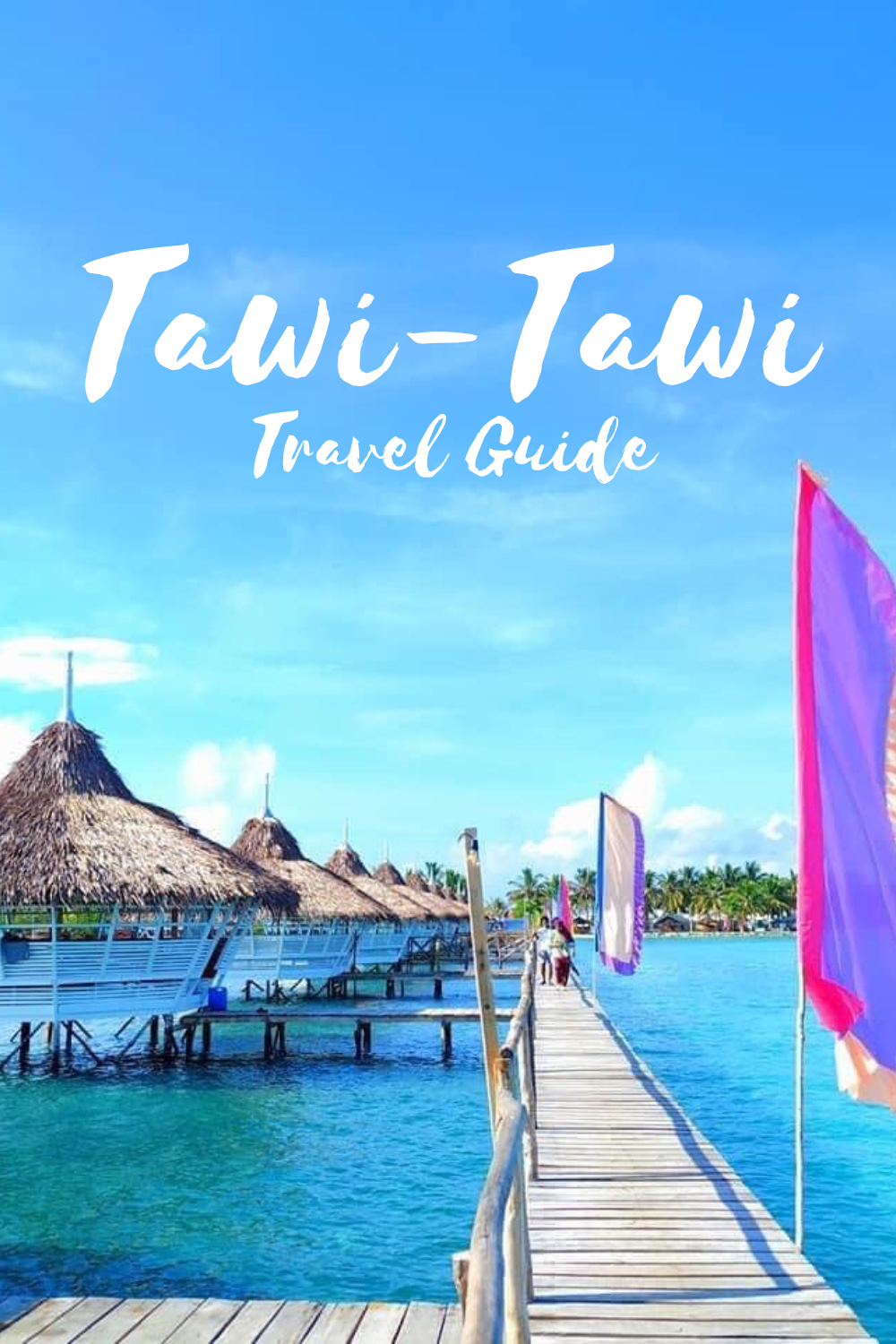
Tawi-Tawi Quick Guide
Safety is Real, but Strict: The main tourist zones are safe and stable, but you must respect the 9:00 PM curfew and register upon arrival.
Cash is King (And Queen): ATMs in town are notoriously unreliable and often offline. Bring enough physical cash from Zamboanga or Manila for your entire trip.
The Zamboanga Hub Rule: There are no direct flights from Manila. You must fly or take a ferry via Zamboanga City or Cotabato.
Joiners are Essential: Renting a boat for Panampangan Island costs ₱8,000–₱12,000. Solo backpackers must find a group to split this cost.
Dress Modestly: This is a conservative Muslim province. Avoid bikinis or short shorts in public markets and villages.
Is Tawi-Tawi Safe for Tourists in 2026?
Yes, Tawi-Tawi is currently considered a “Green Zone” for tourism, distinct from historically unstable areas in the BARMM region. However, strict protocols apply: you must register at the tourism office upon arrival, strictly observe the 9:00 PM curfew, and never venture into open waters near the international maritime border without explicit security clearance.
The Stigma vs. The Ground Reality
If you check government advisories from the US or UK, you will likely see the entire Sulu Archipelago painted in red “Do Not Travel” warnings. This is a geopolitical macro-view that often lags behind local realities. In 2026, the experience on the ground in Bongao (the commercial center) and the tourist islands of Panampangan and Simunul is drastically different. The atmosphere is one of commerce, not conflict. You are more likely to encounter traffic jams caused by tricycles than any security threat in the town center.
Operational Security & The “Vibe”
While safe, this is not Boracay. Security is visible but generally unobtrusive. You will see Marines and PNP personnel, but they are accustomed to tourists and often serve as helpful guides rather than intimidating figures.
Key Safety Protocols:
The “Safe Zone” Boundaries: Stick to the established tourist route: Bongao, Sanga-Sanga, Simunul, and Panampangan.
The “Red Zone” Risk: The real danger lies in the open seas further south near Sitangkai and the jagged maritime border with Sabah. This area is prone to smuggling and piracy. Do not rent a private boat to go “exploring” these waters without coordinating with the Provincial Tourism Office and securing a coast guard or military escort.
Curfew Discipline: The province sleeps early. By 9:00 PM, most establishments close. It is best to be back at your accommodation by this time, not just for safety, but because transport options vanish.
Table of Contents
How to Get to Tawi-Tawi (Flights & Ferries)
The primary gateway to the province is Zamboanga City. Most travelers fly via Cebu Pacific or Philippine Airlines (45 minutes), while budget adventurers often take the overnight Aleson Shipping ferry (15 hours). A newer route also connects Cotabato City to Sanga-Sanga Airport via PAL.
Flights: The “Morning Strategy”
Since there are no direct commercial flights from Manila, you must connect through Zamboanga International Airport (ZAM) or Cotabato (Awang Airport).
The Route: Book a Manila (MNL) to Zamboanga (ZAM) flight, then a separate connection to Sanga-Sanga Airport (TWT).
The “Morning Strategy”: To avoid paying for a hotel night in Zamboanga, experienced DIY travelers book the earliest Manila flight (usually 3:45 AM or 4:00 AM). If it lands on time (around 5:30 AM), you have a fighting chance to catch the 7:20 AM or 8:45 AM connecting flight to Tawi-Tawi.
Warning: If the first leg is delayed, you miss the connection. For peace of mind, fly to Zamboanga the day before, enjoy a Satti breakfast, and fly out the next morning.
The Ferry Option (Aleson Shipping)
For those with heavy cargo or tight budgets, the maritime route across the Sulu Sea is an experience in itself.
Schedule: Vessels like the MV Trisha Kerstin typically depart Zamboanga Port on Mondays, Wednesdays, and Fridays at 6:00 PM, arriving in Bongao the next day around 11:00 AM.
The Experience: Economy Class consists of open-air bunk beds on the upper deck. It is breezy but loud. Tourist Class offers air-conditioned cabins, which are highly recommended if you want actual sleep.
Rough Seas Warning: The Sulu Sea can be unforgiving, especially during the Habagat season (June to October). If you are prone to seasickness, this 15-hour journey will be difficult; bring Bonamine and a jacket, as the sea breeze gets cold at night.
Cost vs. Time Comparison
| Mode of Transport | Route | Travel Time | Est. Cost (One Way) | Best For |
| Plane (Cebu Pac/PAL) | ZAM ➝ TWT | 45 – 55 Mins | ₱2,500 – ₱5,000+ | Speed & Comfort |
| Ferry (Economy) | ZAM ➝ Bongao | 15 – 18 Hours | ₱1,300 – ₱1,500 | Shoestring Budgets |
| Ferry (Cabin) | ZAM ➝ Bongao | 15 – 18 Hours | ₱1,600 – ₱1,800 | Comfort & Privacy |
Pro Tip: Book your flight window seat on the left side when flying into Sanga-Sanga for a stunning aerial view of the Bud Bongao peak and the winding channels of the archipelago.
Important Logistics: Connectivity & Cash in Tawi-Tawi
You must bring enough physical cash to cover your entire itinerary because reliance on digital banking here is a recipe for disaster. While ATMs from PNB, Metrobank, and Landbank exist in downtown Bongao, they frequently go offline due to network fluctuations or run completely out of bills during government paydays (the 15th and 30th of the month).
The Cash Economy
Do not expect to swipe your credit card at restaurants or budget inns. This is a strictly cash-based economy. Even if a hotel claims to accept cards, their terminal often relies on the same unstable internet connection that plagues the ATMs.
The Reality Check: Withdraw your budget in Zamboanga City or Manila before flying. If you run out of cash in Tawi-Tawi, your only backup is expensive peer-to-peer transfers (like GCash cash-out) at local sari-sari stores, which charge steep convenience fees.
Transport & Digital Signal
Forget Grab or Uber; they do not exist here. The transport ecosystem is built entirely on tricycles.
Airport Transfers: Upon exiting Sanga-Sanga Airport, tricycle drivers usually charge a fixed rate of ₱100 – ₱150 to take you across the bridge to the town center.
Getting Around Town: For short hops within the Poblacion, the standard fare is just ₱10 – ₱20 per person.
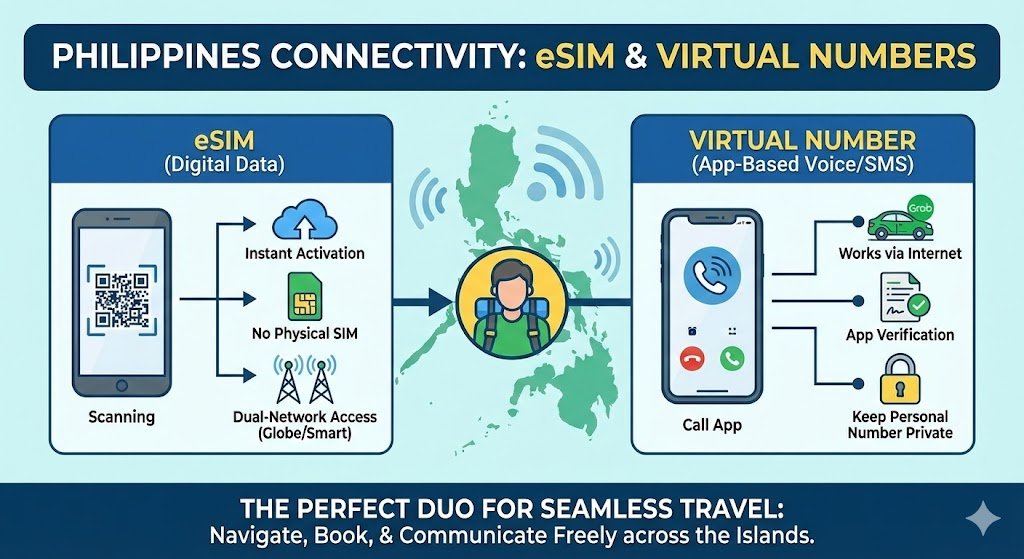
Connectivity Tip: Smart Communications generally offers better stability and occasional 5G speeds in the town center compared to Globe. However, once you hop on a boat to the islands, signals vanish. In residential areas, you will often see “Piso Wifi” vending machines—coin-operated hotspots that provide sachet-style internet access for locals, a testament to how precious connectivity is in this region.
Where to Stay in Bongao: Top Accommodation Picks
Accommodation options in the capital range from the upscale, resort-style Sandbar Lepa (₱1,500+) to functional budget lodgings like Beachside Inn (starting at ₱750). Travelers should note that “luxury” in this province is defined by practical necessities—specifically, a reliable backup generator and strong water pressure—rather than 5-star international standards.
The Premier Choice: Sandbar Lepa Beach Hotel
Located in Pasiagan, this is widely considered the best hotel in town and the visual icon of Bongao hospitality.
The Vibe: The architecture is inspired by the Lepa, the traditional houseboat of the Badjao people, giving it a distinct cultural charm. It sits right by the sea, allowing for swimming during high tide.
The Meat: It features air-conditioned villas, a large function hall, and a reputable on-site restaurant serving excellent Syagul (spicy stingray).
Reality Check: It is slightly removed from the downtown hustle. You will need to flag a tricycle to reach the public market or ATMs.
The Strategic Choice: Rachel’s Place
Situated in Lamion near the Provincial Capitol and Hospital, this is the preferred base for visiting government officials and NGO workers.
Why Stay Here: It prioritizes security and function over flair. The rooms are institutional but clean, offering hot showers, cable TV, and a quiet environment for rest.
Best For: Travelers who want to be close to the administrative center of Tawi-Tawi rather than the beach.
The Sunset Spot: Almari Beach Resort (Dr. Ibbo’s)
Located in Pahut (Sanga-Sanga area), closer to the airport side of the bridge.
The Experience: Known locally for its spacious gardens and open-air cottages, this is the best spot to watch the sunset. It feels more like a private vacation estate than a commercial hotel.
Insider Tip: While it has “Beach” in the name, do not expect Boracay-style white sand here; the shoreline is rocky but scenic.
Booking Tip: Most of these establishments do not manage real-time inventory on Agoda or Booking.com. It is crucial to call their mobile numbers directly to secure a reservation.
Top Tourist Spots & Things to Do in Tawi-Tawi
The three non-negotiable attractions in the province are Panampangan Island (the longest sandbar in the Philippines), Bud Bongao (the sacred pilgrimage mountain), and Simunul Island (home to the country’s oldest mosque). Due to the high cost of boat rentals, smart travelers almost always combine Panampangan and Simunul into a single, logistics-heavy island-hopping day.
Panampangan Island (The Longest Sandbar)
Accessing this remote slice of paradise requires a chartered pump boat from Bongao, a journey that takes 2.5 to 3 hours one-way.
The Logistics & Cost Reality: This is the most expensive leg of your trip. A standard outrigger boat (pump boat) rental costs between ₱8,000 and ₱12,000 for the day. Since the boat can accommodate 10-15 people, the only way to make this affordable is to be a “joiner.” Solo backpackers should network at their hotel or coordinate with the Tourism Office to split the fee with other groups.
Timing is Everything: You are here for the sandbar, which stretches over 3 kilometers into the Celebes Sea. It is only fully majestic during low tide. If you arrive at high tide, the sandbar is submerged, and the magic is lost. Consult the tide charts or trust your boatman’s departure time—this often means leaving Bongao as early as 5:30 AM or 6:00 AM.
The Experience: There are no resorts here, only a small detachment of Marines and a few open cottages. The water is blindingly clear, shifting from turquoise to deep indigo. It is pristine, quiet, and utterly devoid of commercial crowds.
Bud Bongao (The Sacred Peak)
Rising 314 meters (1,030 ft) above sea level, climbing Bud Bongao is less of a technical hike and more of a cultural pilgrimage.
The Climb: The trail is well-established, with the local government having paved much of the path with concrete steps and handrails. It is an easy-to-moderate climb that takes the average person 45 minutes to an hour to summit. You will pay a small environmental fee (approx. ₱20) at the jump-off point.
The Macaque Protocol: The mountain is guarded by troops of Philippine Long-tailed Macaques. They are bold and associate humans with food.
The Rule: Bring bananas (vendors sell them at the entrance) to feed them, but hide all plastic bags and shiny objects. If they see a plastic bag, they will snatch it, assuming it contains snacks.
The Summit View: At the top, you are treated to a 360-degree view of the Sanga-Sanga airstrip and the vast Sulu Sea. On a clear day, the silhouette of Sabah, Malaysia is visible on the horizon, a powerful reminder of how close Tawi-Tawi is to its ASEAN neighbor. You will also see “Tampat” shrines—sacred spots wrapped in white cloth where locals offer prayers. Silence and respect are required here.
Simunul Island & Sheik Karimul Makhdum Mosque
Located roughly 45 minutes to an hour by boat from Panampangan, Simunul is the historical anchor of Islam in the Philippines.
The History: This is the site of the Sheik Karimul Makhdum Mosque, established in 1380—predating the arrival of Ferdinand Magellan and Spanish Christianity by 141 years. It is the “Bethlehem” of Philippine Islam.
What to See: While the mosque’s exterior has been rebuilt and modernized over the centuries, the interior houses the original four pillars (haligi) made of Ipil or Molave wood. These ancient posts have stood for over 600 years and are revered relics.
Logistics: Most boatmen will route the return trip from Panampangan to stop here in the early afternoon. Once you dock at the Simunul pier, you will need to hire a local tricycle or habal-habal (approx. ₱50-100) to take you to the mosque site in Barangay Bohe Indangan.
Tawi-Tawi Food Guide: What to Eat
The culinary landscape of the province is a distinct departure from standard Filipino fare, leaning heavily into the “Malay” flavor profile characterized by turmeric, lemongrass, chilies, and the signature burnt coconut meat. As a predominantly Muslim province, the cuisine is strictly Halal, with a focus on fresh seafood and beef rather than pork.
The “Big Three” Must-Try Dishes
You cannot claim to have visited Tawi-Tawi without sampling these regional icons:
Tiyula Itum (The Royal Soup): Often called the “Bulalo of the South,” this beef stew is defined by its jet-black broth. The color comes from pamon (burnt coconut meat), which imparts a complex, nutty smokiness that looks intimidating but tastes savory and rich. It was historically served to Tausug royalty.
Syagul (Spicy Stingray): Known locally as Kiampao, this dish features stingray meat cooked in spicy coconut milk and turmeric. The meat is incredibly soft and flaky, soaking up the neon-yellow, aromatic sauce.
Satti: The ultimate breakfast fuel. These are small skewers of beef or chicken submerged in a thick, sweet-spicy red sauce, served alongside cubes of puso (rice wrapped in coconut leaves). It is similar to the Zamboanga version but often packs a sharper chili kick.
Coffee Culture and the “Bangbang” Tradition
In Bongao, coffee shops are community living rooms. The local term for pairing native pastries with coffee is mag-bangbang.
The Sameera Coffee Shop Experience: Located in the heart of town, Sameera is legendary not just for its brew but for its unique service model.
The Honesty System: When you sit down, servers place large trays overflowing with various native pastries on your table. You do not order specific items. You simply eat what you want. When you are ready to leave, you tell the cashier what you consumed. This high-trust “touch-pay” system is a beautiful testament to the integrity of the local culture.
What to Grab: Look for Wadjit (a purple/black glutinous rice cake similar to biko), Jintan (crispy, deep-fried cookies), and Baolu (traditional dry muffins, perfect for dipping in coffee).
Sample 3D2N Itinerary & Budget for Tawi-Tawi
A realistic budget for a comfortable 3-Day/2-Night trip is approximately ₱12,000 to ₱15,000 per person (excluding airfare). The single biggest variable in your expenses is the boat rental for island hopping; finding a group to split the ₱8,000+ fee is the key to staying within budget.
The “Weekend Warrior” Itinerary
This schedule maximizes the limited flight windows and prioritizes the top three attractions in the province.
Day 1: Arrival & The Sacred Peak
09:00 AM: Arrival at Sanga-Sanga Airport. Tricycle transfer to town (₱150).
12:00 PM: Check-in and lunch at Sameera Coffee Shop (Try the Satti).
03:30 PM: Charter a tricycle to Bud Bongao. Start the hike now to catch the sunset and avoid the midday heat.
07:00 PM: Seafood dinner at the lively night market near the pier.
Day 2: The Grand Island Tour
06:00 AM: Early departure for Panampangan Island to catch the low tide. (Bring packed lunch).
11:00 AM: Depart Panampangan for Simunul Island.
01:00 PM: Visit Sheik Karimul Makhdum Mosque and the floating village.
04:00 PM: Return to Bongao. Rest or buy snacks.
Day 3: Market Run & Departure
07:00 AM: Visit Bongao Public Market. Buy Teppo (Badjao mats), dried squid, and Baolu pastries.
09:30 AM: Tricycle to the airport for the flight back to Zamboanga.
Estimated Ground Expenses (Per Person)
Based on a group of 4 travelers sharing costs.
| Category | Estimated Cost (PHP) | Notes |
| Accommodation | ₱3,000 – ₱4,500 | Based on 2 nights in a mid-range hotel (Twin Share). |
| Island Hopping | ₱2,500 – ₱3,000 | Share of ₱10k-12k boat rental + cottage fees. |
| Food & Drink | ₱3,000 – ₱4,000 | Allows for abundant fresh seafood and coffee runs. |
| Local Transport | ₱1,000 | Airport transfers, town rides, and Bud Bongao charter. |
| Fees & Misc | ₱1,000 | Environmental fees, tips for guides/boatmen. |
| Souvenirs | ₱1,500 | Optional buffer for mats and pearls. |
| TOTAL | ~₱12,000 – ₱15,000 | Safe buffer for a comfortable trip. |
Budget Tip: If you are traveling solo, your cost will spike significantly unless you find “joiners” for the boat. Ask the Provincial Tourism Office upon arrival if other groups have scheduled tours you can merge with.
Cultural Etiquette & Tips in Tawi-Tawi
As a predominantly Muslim province (99%), Tawi-Tawi operates on social norms distinct from the rest of the Philippines; modesty is mandatory, public alcohol consumption is culturally offensive, and asking permission before photography is strictly required.
The Dress Code: This is not the place for bikinis or scantily clad strolling. In downtown Bongao and local villages, women should keep shoulders and knees covered. When swimming at Panampangan, rash guards and board shorts are the standard. A malong (tube skirt) is a versatile travel item here—use it as a cover-up when transiting from the boat to the pier.
The Alcohol Rule: The province is effectively “dry.” You will not find beer on the menu at local eateries. While some non-Halal establishments or private hotels may allow consumption within the privacy of your room, drinking in public spaces is a major taboo and a quick way to draw negative attention.
Social Interaction: A little effort goes a long way. Greet locals with “Assalamu Alaykum” (Peace be upon you) instead of a simple “Hi.” It is the universal icebreaker that instantly shifts the dynamic from “stranger” to “guest.” Always ask for explicit permission before photographing the Sama Dilaut (Badjao) communities; they are people with dignity, not just tourist attractions.
Conclusion: The Frontier of Peace
Tawi-Tawi is not a zone of conflict; it is the cradle of Philippine Islam and a sanctuary of uncommercialized biodiversity.
The fear that surrounds this province is a ghost of the past. The reality you will find is one of seaweed farms, crystal-clear waters, and a community eager to show the world their home. The hardest part of the journey is simply deciding to go.
Ready to explore the Southernmost Frontier? Your first step is securing that flight to Zamboanga City. Once booked, coordinate immediately with the Bongao Provincial Tourism Office to log your arrival. The islands are waiting.
Frequently Asked Questions (FAQs)
Is Tawi-Tawi safe for solo female travelers?
Yes, it is safe, but requires strict situational awareness. Solo female backpackers must dress modestly, respecting the conservative Muslim culture. Always register with the Provincial Tourism Office upon arrival in Bongao, observe the 9:00 PM curfew, and never venture to remote islands without an official guide.
When is the best time to visit the province?
The ideal time to visit is during the dry season from March to May. Avoid the Habagat (Southwest Monsoon) season between June and October. During these monsoon months, the Sulu Sea becomes incredibly rough, often causing the cancellation of both passenger ferries and island-hopping pump boats.
How much budget do I need for a DIY trip?
A comfortable 3-day DIY trip costs around ₱12,000 to ₱15,000 per person, excluding airfare. Your biggest expense is the ₱8,000–₱12,000 boat rental to Panampangan Island. To keep costs manageable, you must find other tourists at your hotel or the tourism office to split the boat fee.
Do I need a passport to travel to Tawi-Tawi?
No, you do not need a passport if you are a Filipino citizen or already hold a valid Philippine visa. Even though the islands are remarkably close to Sabah, Malaysia, the province is entirely within Philippine territory. A standard valid ID is sufficient for all local checkpoints.
Is there reliable internet or cell signal on the islands?
Signal is decent in downtown Bongao, with Smart Communications occasionally hitting 5G speeds. However, expect total dead spots once you sail out to Panampangan or Simunul. Do not plan on working remotely here. Instead, rely on local “Piso Wifi” machines in neighborhood stores for basic messaging.
Explore More of Unspoiled Mindanao
If the raw, untouched beauty of Tawi-Tawi sparked your sense of adventure, the southern Philippines has so much more to offer. From the mystical lakes of South Cotabato to the surfing meccas of Surigao, here are other comprehensive guides to help you plan your next expedition.
The Ultimate Mindanao Bucket List
Start Here: Mindanao Tourist Spots & Travel Guide Brochure – A complete overview of the best destinations across the island group.
Surigao & The Caraga Region
Dinagat Islands: Ultimate Guide to Dinagat Island (Surigao del Norte) – Discover a province of bonsai forests and rock formations that rivals Palawan.
The Niagara of the Philippines: Ultimate Guide to Tinuy-an Falls in Surigao del Sur – How to visit the widest waterfall in the country.
Northern Mindanao & Camiguin
Camiguin Island: Travel Guide to Sunken Cemetery (2025 Update) – Snorkel through history in this iconic volcanic landmark.
Cagayan de Oro: Ultimate Guide to Sinulom Falls – A hidden gem for nature lovers near the City of Golden Friendship.
SOCCSKSARGEN Adventures
South Cotabato: Ultimate Guide to Lake Holon – A complete hiking guide to the “Crown Jewel of the South,” an ancient crater lake.


Your article helped me a lot, is there any more related content? Thanks!