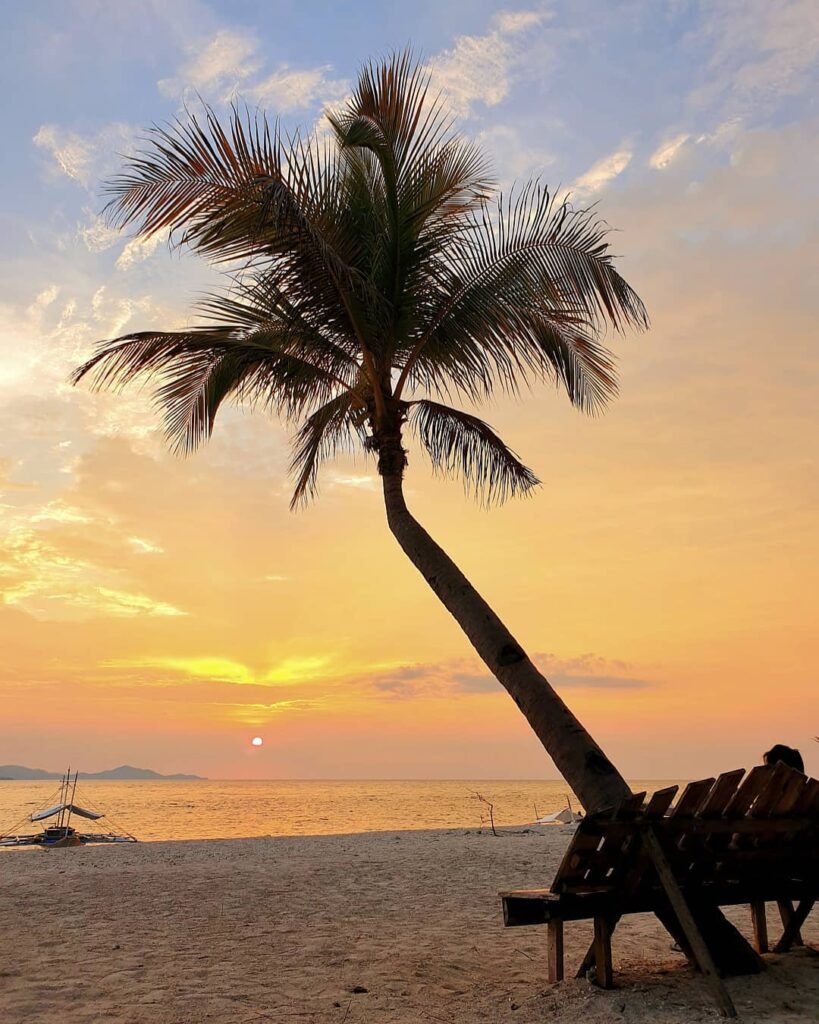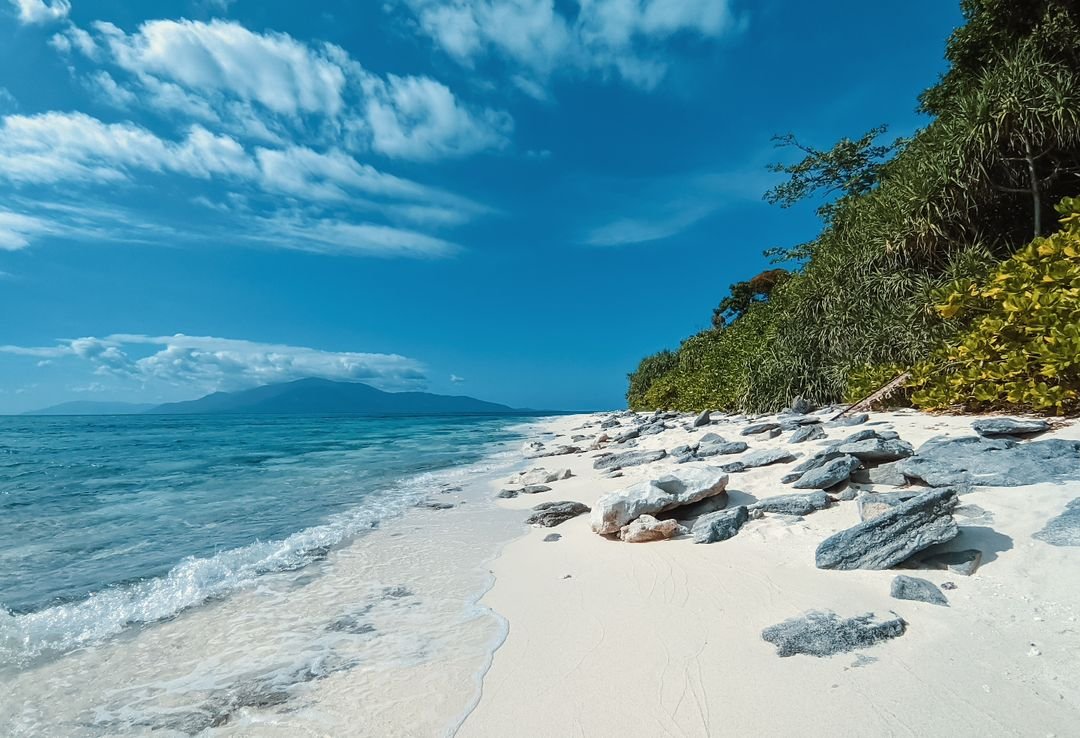
Cresta de Gallo in San Fernando, Sibuyan Island is one of Romblon’s most beautiful but most logistics-heavy beach trips. I visited in May 2026, and the island is absolutely worth it if you prepare properly. The key is to reach Sibuyan early, stay near San Fernando or Azagra, launch before 7 AM, and bring everything you need.
This Cresta de Gallo travel guide covers how to go, boat rates, fees, budget, itinerary, swimming safety, facilities, where to stay, and what to expect on this remote island in Romblon.
Is Cresta de Gallo Island Worth Visiting?
Yes, Cresta de Gallo is worth visiting if you want a raw, remote sandbar experience in Romblon and you are prepared for the logistics. The island has white sand, clear water, open scenery, and that far-from-the-mainland feeling that makes the long trip memorable.
But this is not a resort-style beach. There are no restaurants, stores, showers, electricity, charging stations, or reliable mobile signal on the island. The boat ride is weather-dependent, the return should be early, and swimming is safest only in calm protected areas.
Cresta de Gallo is best for couples, barkadas, photographers, and prepared DIY travelers already willing to travel through Sibuyan Island. It may disappoint travelers who expect easy access, comfort, nightlife, or full beach facilities. Treat it as a serious day tour, not a casual side trip.
Cresta de Gallo Quick Facts
| Category | Details |
|---|---|
| Location | Off San Fernando, Sibuyan Island, Romblon |
| Region | MIMAROPA |
| Main island base | Sibuyan Island |
| Ferry entry point | Magdiwang Port |
| Jump-off | Barangay Azagra Port |
| Destination type | Remote island, white-sand sandbar, off-grid beach |
| Best for | Couples, barkadas, photographers, island lovers |
| Best time | November to April or May, depending sea condition |
| Best launch time | 6:00 AM to 7:00 AM |
| Boat ride | 45–60 minutes in calm water; up to 2 hours in rougher afternoon chop |
| Boat rate | ₱2,500 small boat for 1–4 pax; ₱3,500 medium boat for 5–8 pax |
| Extra boat levy | Around ₱500 per boat or docking tax depending vessel |
| Day tour fee | ₱70 adult; ₱60 child |
| Overnight | Highly volatile; verify locally before assuming it is allowed |
| Food on island | None |
| Drinking water | None; bring 3–4 liters per person |
| Restroom | One very basic manual pail-flush outhouse |
| Shower | None |
| Electricity | None |
| Mobile signal | Functionally no 4G/LTE; possible sporadic SMS only |
| Stores | None |
| Shade rental | Hut ₱350; picnic tent ₱250; umbrella/table ₱200; beach chair ₱100 |
| Swimming | Best in calm protected areas; avoid sandbar tips |
| Main hazards | Afternoon waves, drop-offs, currents, sea urchins, jellyfish risk, no lifeguard |
| Cash | Bring small bills |
| Access difficulty | Moderate to difficult because of ferry, road, boat, and weather timing |
Table of Contents
What Is Cresta de Gallo Known For?
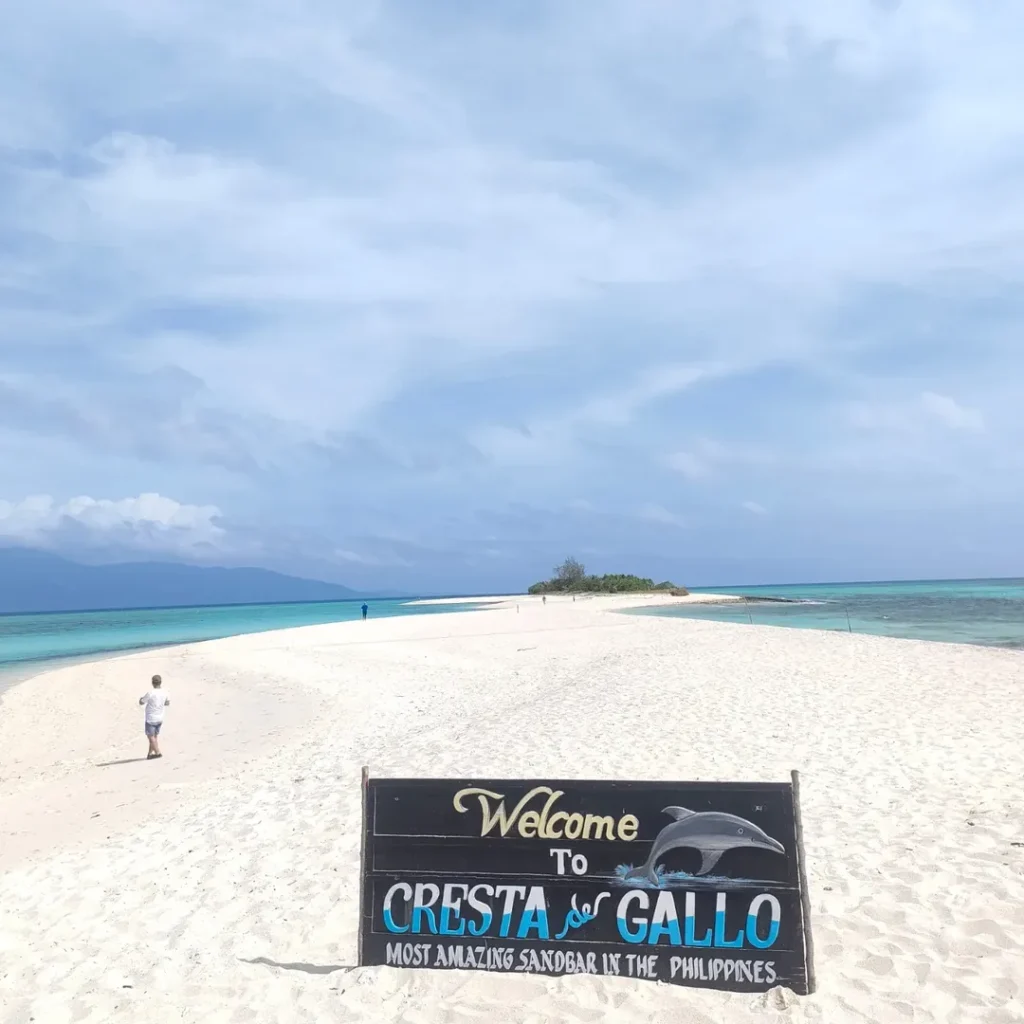
Cresta de Gallo is known for its remote white-sand island setting, sandbar scenery, clear water, and raw beach atmosphere. It sits off San Fernando in Sibuyan Island, Romblon, and is one of those places that looks simple in photos but requires real planning in actual travel.
What makes Cresta de Gallo special is the full travel rhythm: the overnight ferry to Sibuyan, the rugged land transfer to San Fernando or Azagra, the early boat ride, the first view of the sandbar, and the quiet feeling of being far from commercial beach tourism.
It is not the kind of island where you arrive empty-handed and just buy what you need. There are no stores, restaurants, showers, or charging stations. You go there for the sandbar, clear water, beach photos, island picnic, swimming in calm areas, and the feeling of reaching one of Romblon’s more remote beach destinations.
Where Is Cresta de Gallo Located?
Cresta de Gallo is located off San Fernando, Sibuyan Island, Romblon, in the MIMAROPA region of the Philippines. For travelers coming from Manila, the usual route involves a ferry to Sibuyan Island, arrival at Magdiwang Port, land transfer to San Fernando or Barangay Azagra, then a private boat to Cresta de Gallo.
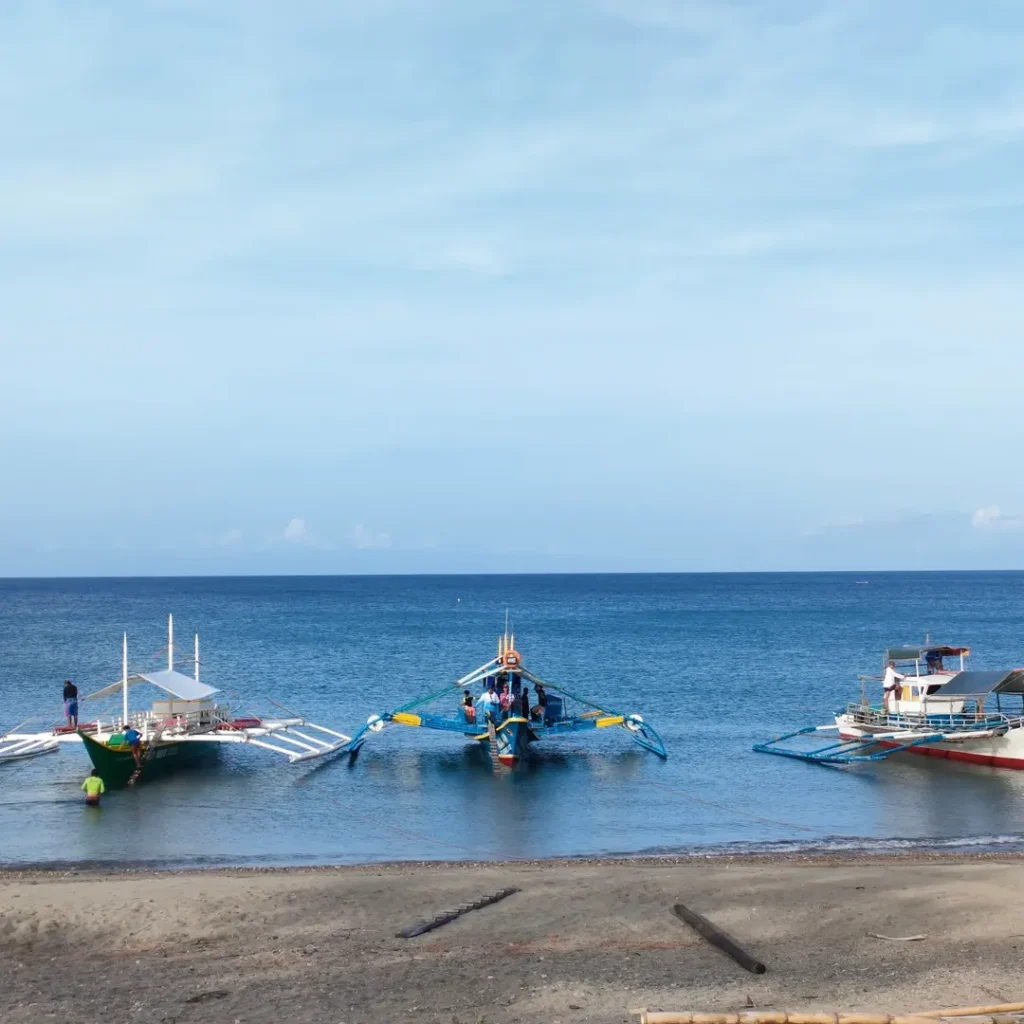
The practical jump-off is Barangay Azagra Port, but do not expect a developed tourist pier. It is a shallow-water local coastal staging area with limited waiting space and basic infrastructure.
The normal travel flow is:
Manila → Batangas or Lucena Port → Magdiwang Port, Sibuyan → San Fernando → Barangay Azagra → Cresta de Gallo
This is why Cresta de Gallo should not be planned like a quick mainland beach stop. Ferry schedule, weather, road condition, boat availability, Coast Guard clearance, and return timing all matter.
What Is the Cresta de Gallo Experience Actually Like?
The Journey to Sibuyan Island
The trip starts with the long ferry ride to Sibuyan Island. As of my May 2026 notes, the active corridors are Batangas to Sibuyan and Lucena to Sibuyan. Starlite Ferries serves the Batangas route, while Starhorse and Montenegro serve the Lucena route.
Starlite’s Batangas to Sibuyan trip was listed at 4:00 PM daily, while Starhorse from Lucena also departed at 4:00 PM daily and Montenegro at 3:00 PM daily. The Batangas crossing takes around 12 hours, while Lucena routes may take around 15.5 to 16.5 hours.
The main arrival port for this trip is Magdiwang Port. Arrival can be anytime from around 3:00 AM to 8:00 AM, depending on the route and sea condition. This is why I strongly suggest booking ahead and not making your Cresta boat plan too tight.
Reaching San Fernando and Azagra
From Magdiwang Port, you still need to travel to San Fernando or Azagra. Public vans or jeepneys cost around ₱300 per person, but they operate on a dispatch-on-fill basis. That means they may wait until enough passengers are available.
A chartered tricycle can cost around ₱500 to ₱1,500 per vehicle, depending on negotiation. Habal-habal rental may be around ₱600 per day. Travel time from Magdiwang to San Fernando is usually around 1 to 1.5 hours, but rough road sections and rain can stretch it closer to 2 hours.
If your budget allows, chartering a direct transfer is the better move because it reduces waiting time. This matters because the Cresta boat should leave early.
The Boat Ride to Cresta de Gallo
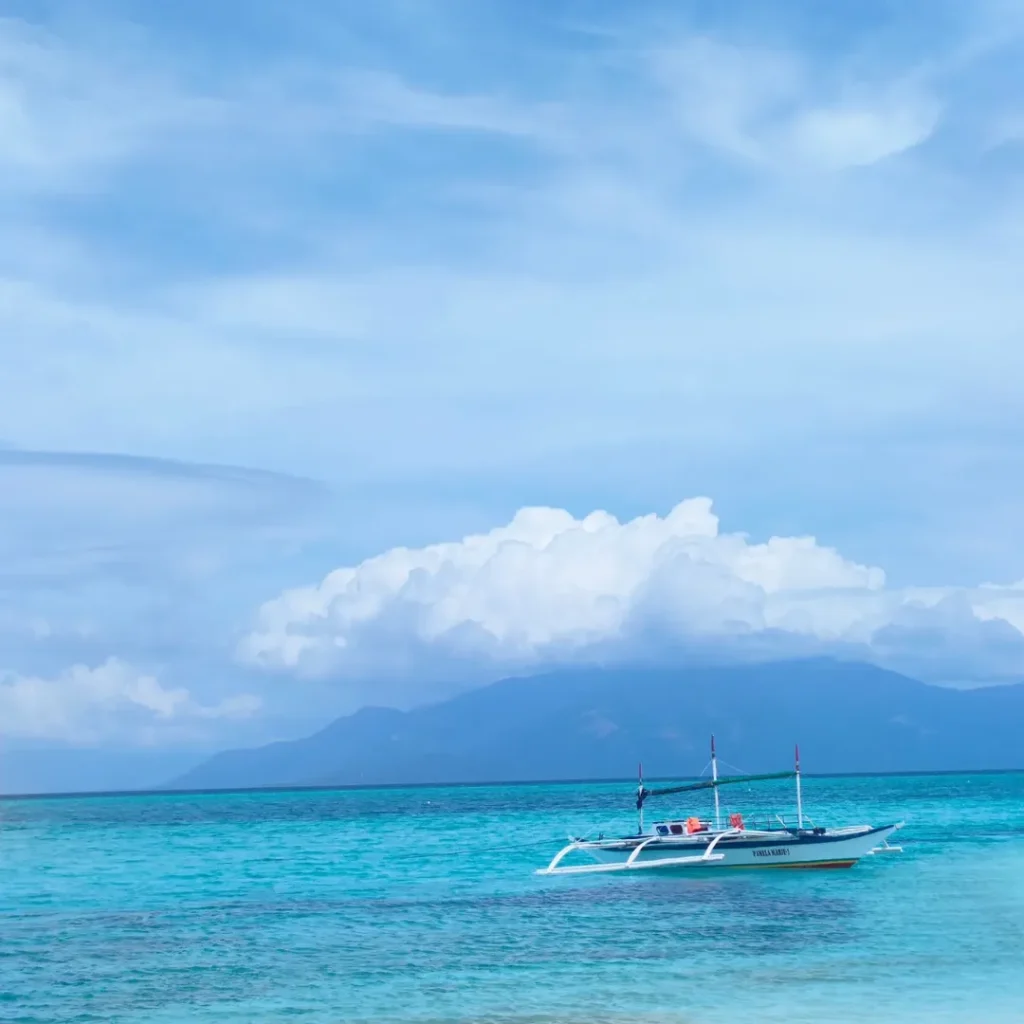
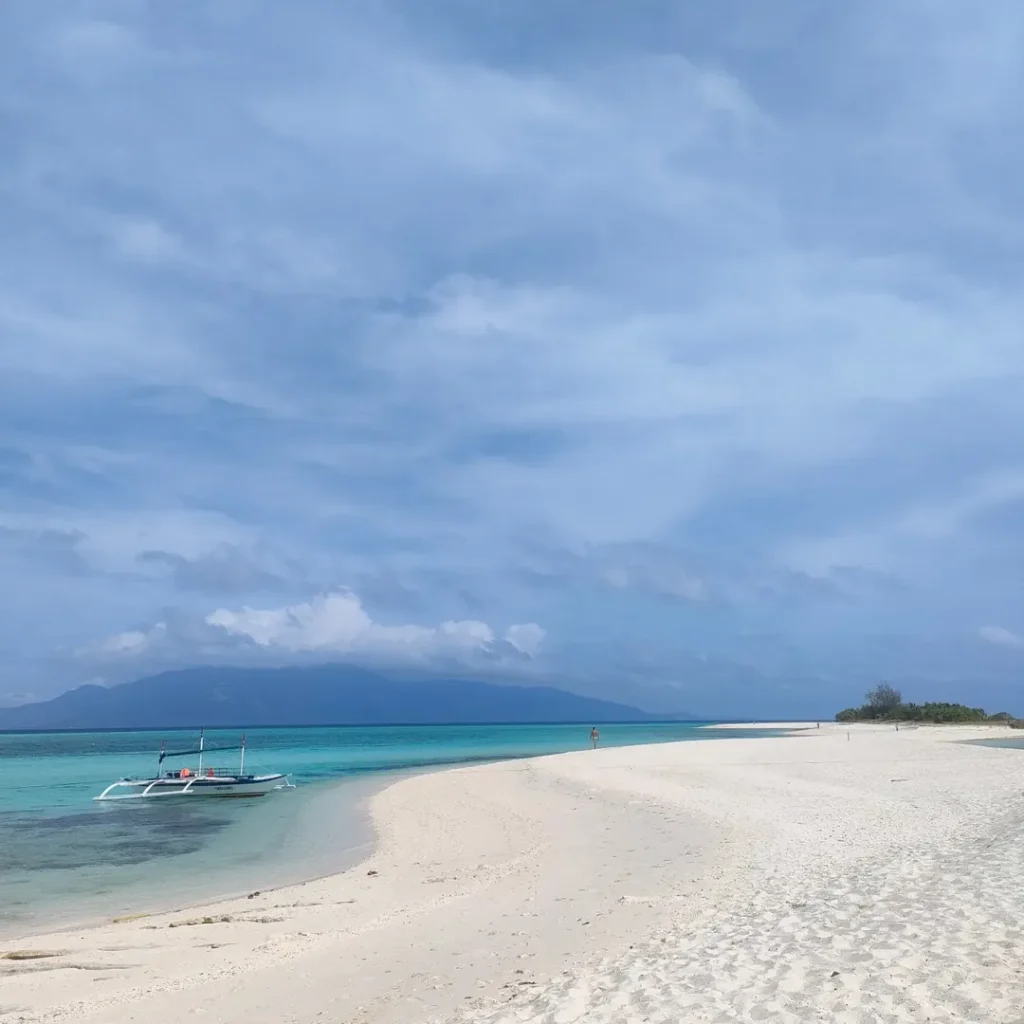
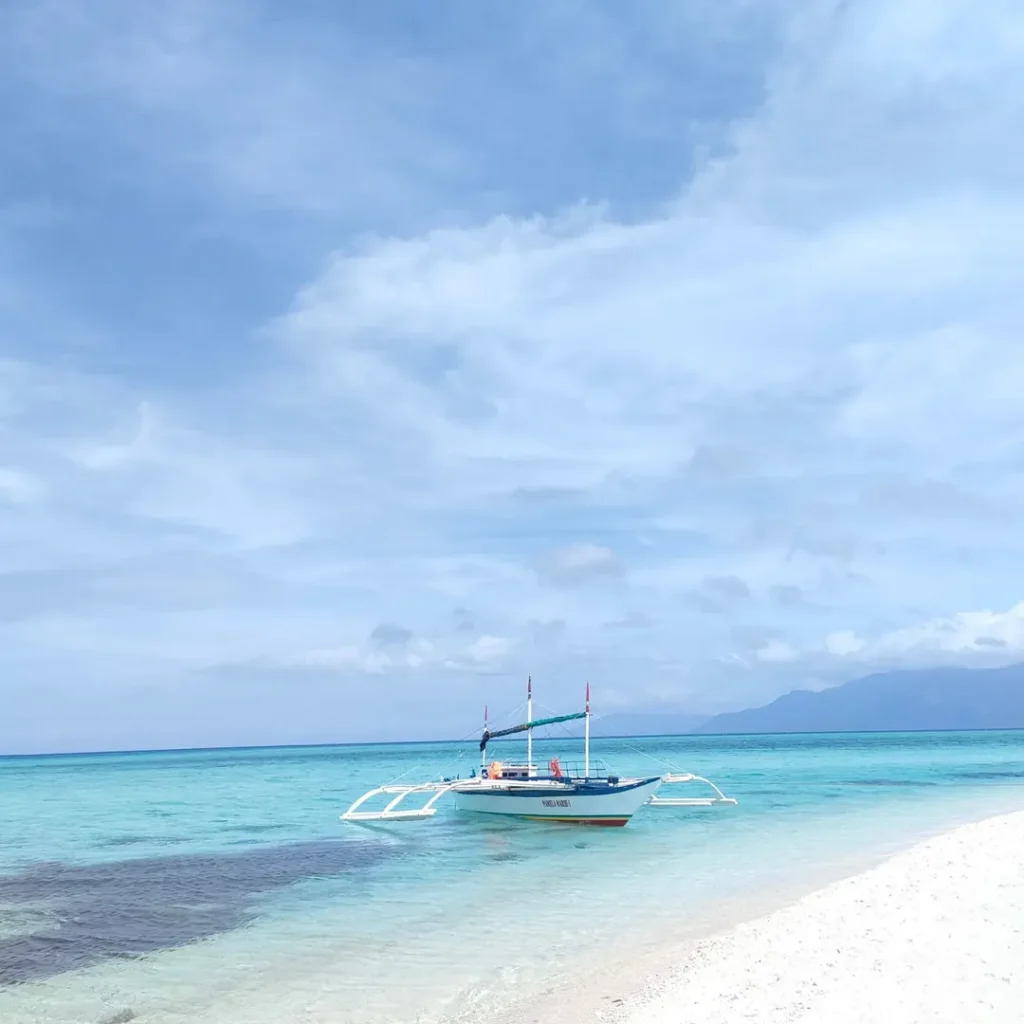
The boat ride from Barangay Azagra to Cresta de Gallo takes around 45 to 60 minutes in calm morning water. But if you leave late and hit afternoon chop, the ride can become much longer and rougher.
The best launch time is 6:00 AM to 7:00 AM. The safest return window is around 1:00 PM to 2:00 PM. Past 3:00 PM, afternoon thermal winds can make the sea rougher.
This is a private-charter destination. Joiner boats are functionally not available, so solo travelers will shoulder the full boat cost unless they find companions.
First View of the Island and Sandbar
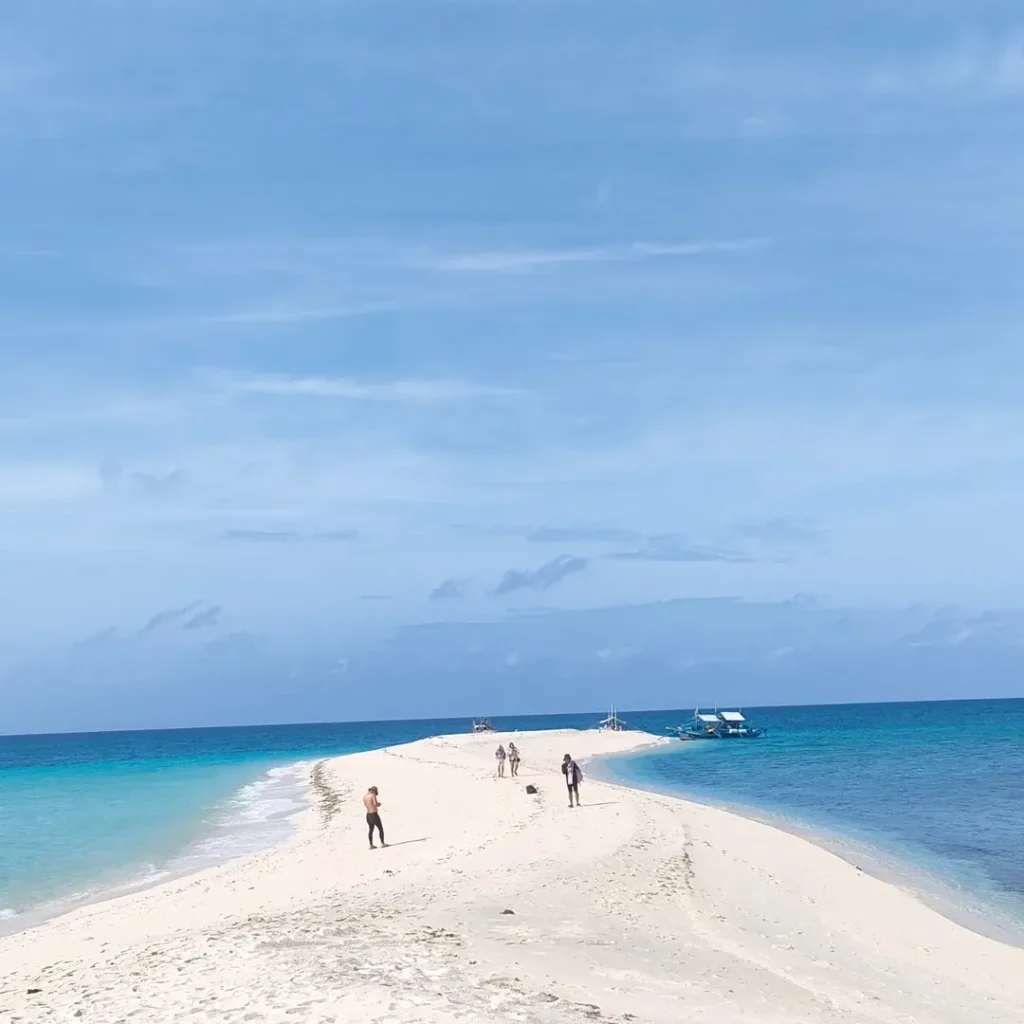
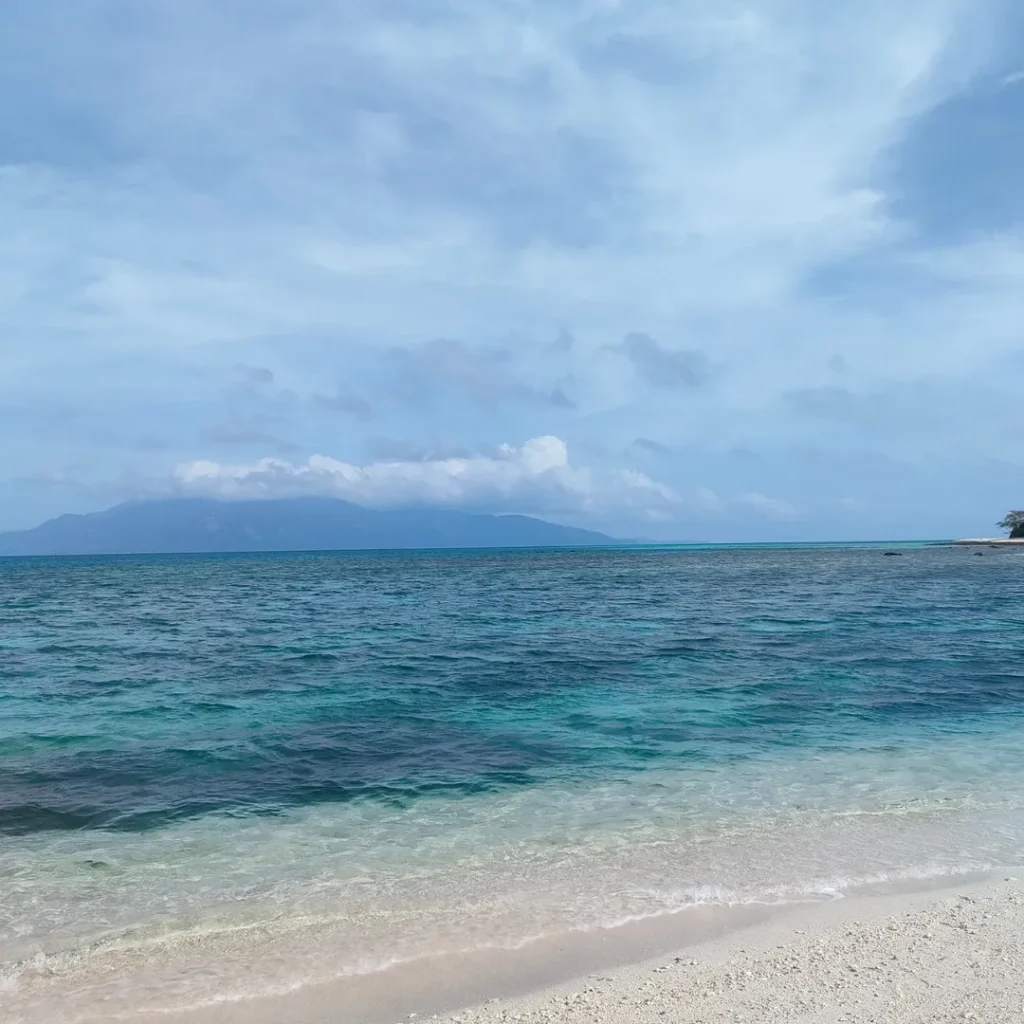
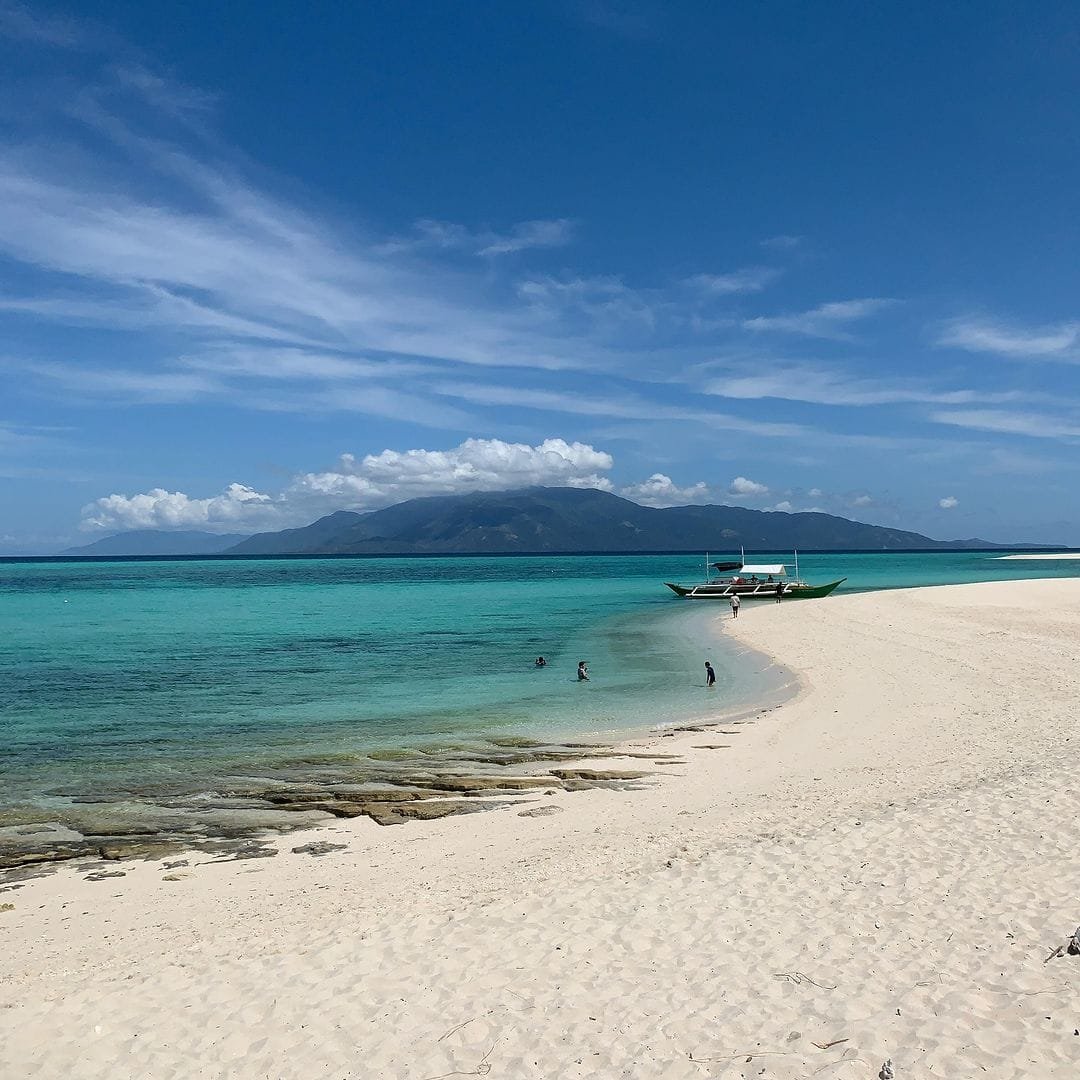
The first view of Cresta de Gallo is the payoff. After the long ferry, road transfer, early wake-up, and boat ride, the island finally appears as a remote strip of white sand surrounded by blue water.
It feels more isolated than many commercial beaches in the Philippines. There are no loud establishments, no beachfront restaurants, and no full-service beach activity booths. The main attraction is the island itself: sand, sea, wind, sun, and space.
Sand, Shoreline, and Water Condition
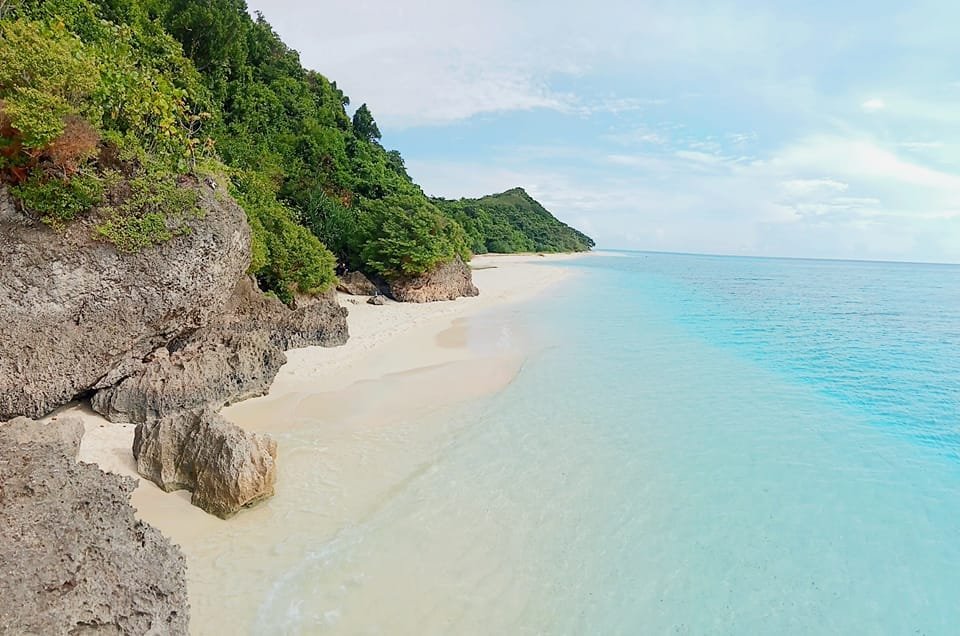
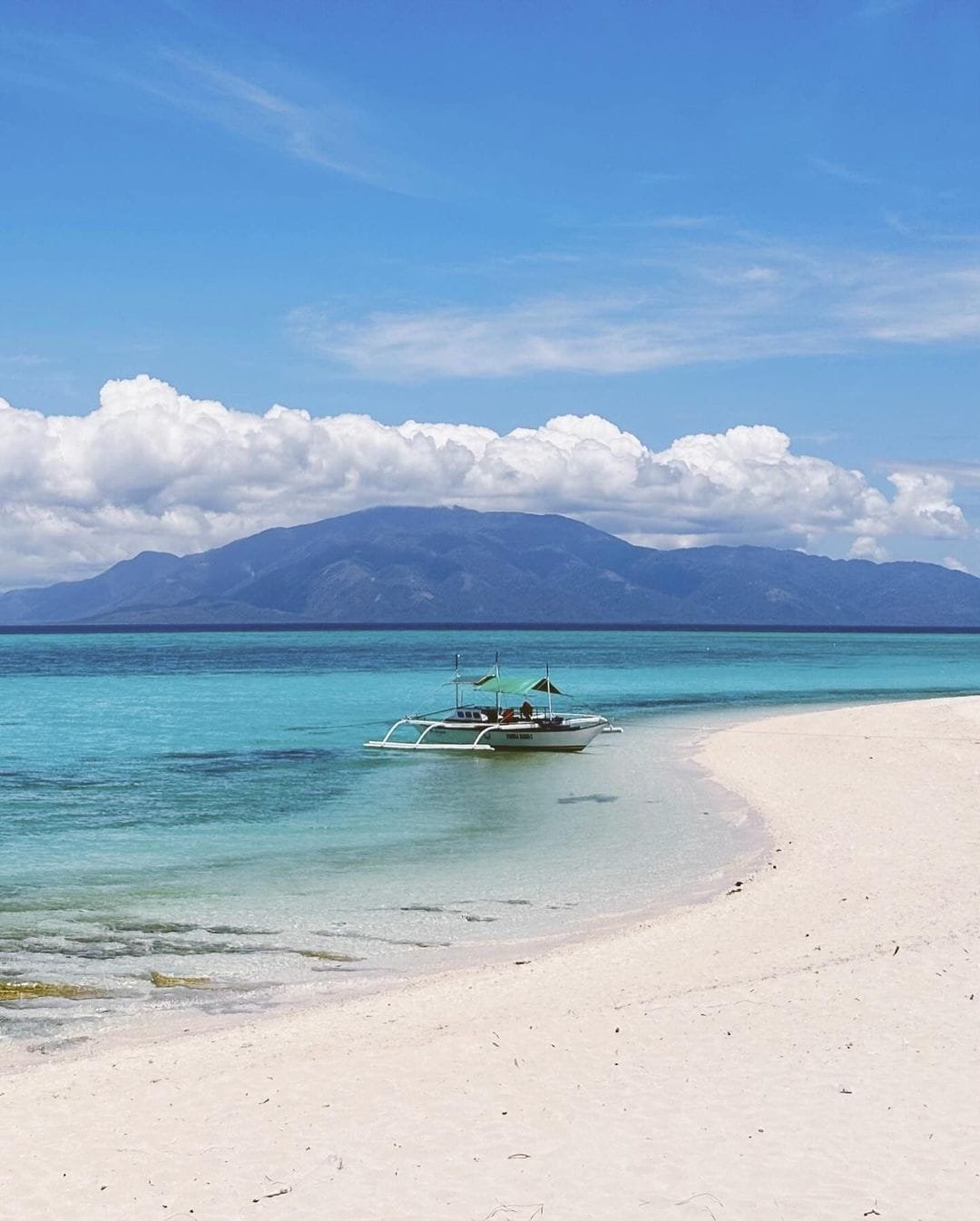
Cresta de Gallo has the tropical island look most travelers expect from Romblon beaches. The sandbar and shoreline are great for photos, especially when the tide and morning light cooperate.
Swimming is best on the protected or leeward side. Some areas are shallow near shore, but there are sudden drop-offs nearby. The tips of the sandbar can also have stronger lateral currents, so do not treat every part of the island as safe for swimming.
Shade, Heat, and Comfort Level
Shade is limited. There are no concrete cottages, but basic shade rentals are available: hut, picnic tent, umbrella with table, or beach chair. The sun can feel harsh, especially near midday.
There are no showers, no charging stations, no generator, no stores, no food vendors, and no drinking water. The restroom is extremely basic: a manual pail-flush outhouse. This is why Cresta de Gallo is best for travelers who are comfortable with primitive island conditions.
What May Disappoint First-Time Visitors
Some travelers may feel disappointed if they expect a developed beach. The island is beautiful, but comfort is minimal. You need to bring food, water, trash bags, dry bags, aqua shoes, sun protection, and cash.
Cresta de Gallo is not hard because of hiking or distance on the island. It is hard because everything before and after the island requires planning.
Best Time to Visit Cresta de Gallo
The best time to visit Cresta de Gallo is generally during the calmer months from November to April or May, depending on actual sea condition. This period is usually more favorable than the Habagat and typhoon-risk months.
From June to October, weather becomes more unstable. Stronger winds, rain, typhoon intersections, and rougher sea conditions can affect both ferries and small boats.
Even during good months, timing still matters. Morning sea can be glassy and calm from dawn until around 10:00 AM. By around 12:00 PM to 1:00 PM, thermal winds can create rougher wave sets.
| Situation | What to Expect | Best Move |
|---|---|---|
| Calm boat ride | Best chance early morning | Launch 6:00 AM–7:00 AM |
| Sandbar photos | Better with low tide and bright light | Ask boatman about tide |
| Swimming | Best in calm protected side | Swim in the morning |
| Family trip | Needs calm sea and short exposure | Return early |
| Budget trip | Boat cost is easier to split | Travel with 4–8 pax |
| Photography | Morning light is better | Bring waterproof gear |
| Rainy weather | Higher cancellation risk | Add buffer day |
| Typhoon season | Ferry and boat disruption possible | Avoid if possible |
| Long weekend | More competition for boats/rooms | Pre-book early |
How to Go to Cresta de Gallo
From Manila to Sibuyan Island
From Manila, go to either Batangas Port or Lucena Port, then take a ferry to Sibuyan Island. The active May 2026 routes in my notes are:
| Route | Operator | Schedule |
|---|---|---|
| Batangas to Sibuyan | Starlite Ferries | 4:00 PM daily |
| Lucena to Sibuyan | Starhorse Shipping Lines | 4:00 PM daily |
| Lucena to Sibuyan | Montenegro Shipping Lines | 3:00 PM daily |
The Batangas route takes around 12 hours. Lucena routes can take around 15.5 to 16.5 hours. All schedules should still be checked before travel because weather, maintenance, cargo loading, and PCG advisories can affect operations.
For Starlite, the May 2026 fare notes were:
| Fare Type | Rate |
|---|---|
| Reclining seat | ₱1,380 |
| Student | ₱1,104 |
| Senior/PWD | ₱986 |
| Child | ₱690 |
| Tourist bunk | Around ₱1,250, verify class rate |
| Private cabin | Around ₱2,500/person |
From Magdiwang Port to San Fernando
Once you arrive at Magdiwang Port, take a public van or jeepney to San Fernando for around ₱300 per person. Travel time is usually 1 to 1.5 hours, but rough roads and rain can delay the trip.
If you do not want to wait for dispatch-on-fill transport, hire a tricycle for around ₱500 to ₱1,500 per vehicle.
From San Fernando to Azagra
From San Fernando, continue to Barangay Azagra Port, the usual jump-off to Cresta de Gallo. Local tricycle or habal-habal fare is around ₱15 to ₱50 per person, though it may be bundled if you chartered a ride from Magdiwang.
Register at the barangay hall or tourism outpost before boarding.
Boat Ride to Cresta de Gallo
The boat costs ₱2,500 for a small boat good for 1–4 pax and ₱3,500 for a medium boat good for 5–8 pax. A local boat levy of around ₱500 roundtrip per boat may apply.
The boat ride takes 45–60 minutes in good conditions. Leave early and return early.
DIY Trip vs Local Tour vs Private Boat
| Option | Best For | Honest Note |
|---|---|---|
| DIY | Experienced travelers, couples, barkadas | Cheaper if you manage ferry, transfer, food, and boat yourself |
| Local arrangement | First-timers, families, short trips | Accommodation or boatman can help coordinate timing |
| Private boat | Almost everyone | This is the working model because joiner boats are rare |
| Solo DIY | Independent travelers | Expensive because boat cost is not easily shared |
For most travelers, the best setup is not a full package tour but a locally coordinated DIY trip. Book your ferry, stay in San Fernando or Azagra, ask your accommodation to help arrange the boat, and prepare supplies the night before.
Cresta de Gallo Fees, Boat Rates, and Budget
| Expense | Estimated Cost | Notes |
|---|---|---|
| Ferry to Sibuyan | ₱1,380+ | Starlite reclining seat baseline |
| Ferry cabin/tourist class | ₱1,250–₱2,500 | Verify current class pricing |
| Magdiwang to San Fernando | ₱300/person | Public van or jeepney |
| Chartered tricycle | ₱500–₱1,500/vehicle | Useful for avoiding delays |
| San Fernando to Azagra | ₱15–₱50/person | Local trike or habal-habal |
| Small boat | ₱2,500 | Good for 1–4 pax |
| Medium boat | ₱3,500 | Good for 5–8 pax |
| Boat levy/docking | Around ₱500/boat | May vary by vessel |
| Day tour fee | ₱70 adult / ₱60 child | Bring exact cash |
| Hut rental | ₱350 | Basic shade |
| Picnic tent | ₱250 | Basic shade |
| Umbrella/table | ₱200 | Good for day tour |
| Beach chair | ₱100 | Optional |
| Food/water | ₱300–₱600/person | Buy before boat ride |
| Accommodation | Around ₱800/night | Basic double room baseline |
| Emergency buffer | ₱2,000–₱5,000 | Important for weather delays |
Solo travelers will find Cresta de Gallo expensive because the boat is private charter. A group of 4 gets the best value for the small boat, while 5–8 pax can split the medium boat.
What to Bring to Cresta de Gallo
Bring everything before boarding the boat. Do not rely on the island for supplies.
Essentials:
- Cash in small bills
- Valid ID
- 3–4 liters of drinking water per person
- Packed lunch
- Snacks and fruit
- Electrolyte drink
- Dry bag
- Waterproof phone pouch
- Trash bag
- Reusable utensils
Beach and safety items:
- Rash guard
- Swimwear
- Towel
- Aqua shoes
- Hat
- Sunglasses
- Sunblock
- Beach mat
- Snorkeling gear
- First aid kit
- Motion sickness medicine
- Vinegar for jellyfish first aid
- Power bank
- Extra clothes
For photography, bring a waterproof camera, microfiber cloth, extra batteries, and drone only if you follow CAAP rules and get local permission.
Best Things to Do in Cresta de Gallo
Swim in Calm Water
Swimming is one of the best things to do, but only in safe areas. Stay on the protected side and avoid the sandbar tips.
Walk Along the Sandbar
The sandbar is the main visual highlight. Visit during low tide if possible, and ask the boatman about the best timing.
Take Beach and Drone Photos
Cresta de Gallo is very photogenic from the shoreline and from above. If flying a drone, ask permission during registration, stay below 400 feet, avoid people, and do not disturb other visitors.
Snorkel Near Safe Areas
Snorkeling may be possible, but bring your own gear. Do not snorkel alone, and avoid areas with strong current.
Have a Simple Island Picnic
This is one of the most realistic activities. Bring packed food, water, utensils, and a trash bag. Keep the setup simple because there are no food vendors.
Relax Under Shade
Rent a hut, tent, umbrella/table, or chair if available. Shade is important because the island can become very hot by midday.
Nearby Places to Pair with Cresta de Gallo
| Place | Why Pair It | Notes |
|---|---|---|
| San Fernando | Main logistics base | Best place to sleep, buy supplies, and arrange boat |
| Azagra | Best dawn-launch base | Good if your priority is Cresta |
| Cantingas River | Freshwater side trip | Good for families and barkadas |
| Dagubdob Falls | Nature pairing | Verify road and access |
| Lambingan Falls | Easy side trip | Verify current condition |
| Mt. Guiting-Guiting views | Sibuyan identity | Full climb is a separate major trip |
| Magdiwang | Ferry and mountain base | Useful for longer Sibuyan itinerary |
| Romblon town | Heritage and beach extension | Needs ferry coordination |
| Bonbon Beach | Famous Romblon sandbar | Add only in a wider Romblon itinerary |
| Tablas Island | Longer Romblon loop | Needs extra days |
Cresta de Gallo Sample Itinerary
Day Tour from San Fernando or Azagra
| Time | Activity | Notes |
|---|---|---|
| 5:00 AM | Wake up | Stay in San Fernando or Azagra |
| 5:30 AM | Breakfast / packed lunch | Arrange night before |
| 6:00 AM | Buy water or ice | San Fernando supply run |
| 6:30 AM | Arrive Azagra and register | Barangay hall or tourism outpost |
| 7:00 AM | Boat launch | Best safe window |
| 8:00 AM | Arrive Cresta de Gallo | Calm-water timing |
| 8:00–11:30 AM | Swim, photos, sandbar walk | Avoid current zones |
| 11:30 AM | Lunch and rest | Use rented shade if available |
| 12:30 PM | Pack up | Afternoon sea starts changing |
| 1:00–2:00 PM | Return to Azagra | Recommended extraction |
| 3:00 PM onward | Back to San Fernando | Rest or transfer |
2D1N Sibuyan + Cresta de Gallo
| Day | Activity | Notes |
|---|---|---|
| Day 0 | Ferry from Batangas or Lucena | Book ahead |
| Day 1 | Arrive Magdiwang, transfer to San Fernando/Azagra | Buy supplies and confirm boat |
| Day 1 night | Sleep near jump-off | Arrange breakfast and packed lunch |
| Day 2 | Early boat to Cresta de Gallo | Return by early afternoon |
| Day 2 afternoon | Rest or prepare for onward travel | Depends on ferry schedule |
3D2N Safer Sibuyan Itinerary
| Day | Activity | Notes |
|---|---|---|
| Day 1 | Arrive Sibuyan and settle in San Fernando | Buffer day |
| Day 2 | Cresta de Gallo day tour | Main island day |
| Day 3 | Cantingas River, falls, or transfer out | Good backup if weather shifts |
Who Is Cresta de Gallo Best For?
Cresta de Gallo is best for travelers who want a remote island day trip and are willing to prepare. It suits couples, barkadas, photographers, drone users, experienced DIY travelers, and beach lovers already visiting Sibuyan Island.
It can also work for families with older kids if the sea is calm and adults are strict about supervision. Life vests are non-negotiable for children.
Think twice if you are traveling with infants, seniors with mobility issues, or anyone who dislikes rough boat rides. This is also not ideal if you expect resorts, restaurants, showers, strong mobile data, or easy transport.
Safety Tips Before Visiting Cresta de Gallo
- Check ferry schedules before leaving Manila.
- Check PAGASA, sea condition, and PCG clearance.
- Do not force the boat ride during rough seas.
- Leave Azagra by 6:00 AM to 7:00 AM.
- Return by 1:00 PM to 2:00 PM.
- Wear a life vest during the boat ride.
- Bring 3–4 liters of water per person.
- Use sunblock, hat, sunglasses, and rash guard.
- Wear aqua shoes.
- Do not swim at sandbar tips.
- Watch children closely.
- Do not rely on mobile signal.
- Bring cash in small bills.
- Bring basic medicine and first aid.
- Pack out all trash.
Mistakes to Avoid When Visiting Cresta de Gallo
The biggest mistake is underestimating the travel time to Sibuyan. The ferry ride alone is long, and you still need land transfer, registration, supplies, and boat coordination.
Avoid these common mistakes:
- Trying to force Cresta on the same day after a delayed ferry
- Taking a late boat departure
- Returning after 3:00 PM
- Not checking PCG/PAGASA conditions
- Assuming joiner boats are available
- Bringing only ₱500 or ₱1,000 bills
- Not pre-booking a boatman
- Bringing too little water
- Expecting stores or paluto on the island
- Not wearing aqua shoes
- Swimming near sandbar tips
- Ignoring jellyfish and sea urchin risk
- Flying drones over people
- Assuming overnight camping is allowed
- Leaving trash behind
Local Contacts for Cresta de Gallo
| Contact | Details |
|---|---|
| Romblon Tourism Development Office | (042) 752 5394 |
| Email from field notes | tablastourism@gmail.com |
| Kuya Pasik Suicon / Boy | +63 926 456 0588 |
| Ate Vicky | +63 926 462 3377 |
| Kuya Brons | +63 965 250 5778 |
| PCG Dispatch | (+632) 527-8481 local 6290 / 6292 |
| PCG Mobile | 0966-217-9610 |
| Emergency | 911 |
| Nearest medical response | San Fernando Rural Health Unit |
Always verify contacts, boat rates, ferry schedules, and LGU rules before travel.
Final Verdict: Is Cresta de Gallo Worth It?
Cresta de Gallo is worth it if you want one of Romblon’s most memorable remote island experiences and you are prepared for the work behind it. The island is beautiful, but the real trip includes long ferry travel, rugged transfers, early boat timing, no facilities, and strict weather awareness.
For most travelers, the best plan is to stay in San Fernando or Azagra, arrange the boat the day before, launch before 7 AM, return early, and treat the island as a day tour.
If you want comfort, convenience, restaurants, and easy transport, this may not be your beach. But if you want a raw sandbar trip in Sibuyan Island, Cresta de Gallo is absolutely worth planning carefully.
Frequently Asked Questions About Cresta de Gallo
Is Cresta de Gallo worth visiting?
Yes, Cresta de Gallo is worth visiting if you enjoy remote islands, white sandbars, clear water, and off-grid beach trips. It is best for prepared travelers who can handle ferry travel, private boat logistics, heat, limited facilities, and weather-dependent island access.
Where is Cresta de Gallo located?
Cresta de Gallo is located off San Fernando, Sibuyan Island, Romblon, in the MIMAROPA region. The usual access point is Barangay Azagra Port, followed by a private boat ride to the island.
How do you get to Cresta de Gallo from Manila?
From Manila, travel to Batangas or Lucena Port, take a ferry to Magdiwang Port in Sibuyan, transfer to San Fernando or Azagra, register locally, then ride a boat to Cresta de Gallo.
How do you get to Cresta de Gallo from Sibuyan Island?
From Magdiwang Port, travel by van, jeepney, tricycle, or habal-habal to San Fernando or Barangay Azagra. From Azagra, register at the barangay hall or tourism outpost, then take a private boat to Cresta de Gallo.
Where is the jump-off point to Cresta de Gallo?
The practical jump-off point is Barangay Azagra Port in San Fernando, Sibuyan Island. It is a local shallow-water staging area, not a developed commercial pier, so arrive early and bring your supplies before boarding.
How much is the boat to Cresta de Gallo?
The May 2026 boat rate is ₱2,500 for a small boat good for 1–4 pax and ₱3,500 for a medium boat good for 5–8 pax. A separate LGU boat levy or docking fee may apply.
Is there an entrance fee in Cresta de Gallo?
Yes. The May 2026 day-tour fee is ₱70 for adults and ₱60 for children. Overnight fees are higher, but overnight policy is highly volatile, so verify locally before planning to camp.
Can you stay overnight in Cresta de Gallo?
Do not assume overnight stays are allowed. Camping or overnight stays depend on LGU permission, weather, and safety clearance. For most travelers, Cresta de Gallo is better planned as a day tour from San Fernando or Azagra.
Are there cottages or stores in Cresta de Gallo?
There are no stores, restaurants, or concrete cottages on the island. Basic shade rentals may be available, including huts, picnic tents, umbrella/table setup, and beach chairs, but bring your own food, water, and essentials.
Is Cresta de Gallo good for swimming?
Yes, Cresta de Gallo is good for swimming in calm protected areas, but not everywhere is safe. Avoid sandbar tips, strong currents, rocky areas, and rough afternoon waves. There is no lifeguard.
Is Cresta de Gallo safe for kids?
Cresta de Gallo can be safe for older kids only when the sea is calm and adults supervise closely. Children should wear life vests, avoid deep or current-prone areas, and stay near the protected side.
What is the best time to visit Cresta de Gallo?
The best time to visit is generally November to April or May, depending on sea condition. Launch early in the morning, ideally around 6:00 AM to 7:00 AM, and return before afternoon waves build up.
What should I bring to Cresta de Gallo?
Bring cash, valid ID, dry bag, packed lunch, snacks, 3–4 liters of water per person, sun protection, rash guard, aqua shoes, trash bag, power bank, first aid kit, and motion sickness medicine.
Is Cresta de Gallo better DIY or with a tour?
Cresta de Gallo works well as a locally coordinated DIY trip. Book your ferry, stay near San Fernando or Azagra, ask your accommodation to help arrange the boat, and prepare supplies before the trip.
What nearby places can you visit with Cresta de Gallo?
Nearby Sibuyan pairings include San Fernando, Azagra, Cantingas River, Dagubdob Falls, Lambingan Falls, Magdiwang, and Mt. Guiting-Guiting view areas. Romblon town, Bonbon Beach, and Tablas Island are better for longer multi-day itineraries.
Related Travel Guides You Might Find Useful
If you are planning a wider Romblon or island-hopping trip, these guides can help you connect Cresta de Gallo with other nearby destinations, beaches, and adventure routes in the Philippines.
More Romblon Travel Guides
Cresta de Gallo is only one of the many beautiful places to visit in Romblon. If you want to build a longer itinerary around Sibuyan, Romblon Island, Tablas, and nearby beaches, you can also read this guide to the best Romblon tourist spots. It includes other destinations that can help you plan a more complete Romblon trip.
Mt. Guiting-Guiting in Sibuyan Island
If you are already visiting Sibuyan Island and want to understand its most iconic mountain destination, check this Mt. Guiting-Guiting hiking guide. Cresta de Gallo is a beach and sandbar trip, while Mt. Guiting-Guiting is a serious mountain adventure, so they fit very different types of travelers.
More Challenging Mountain Adventures
For hikers comparing major Philippine climbs, you may also want to read this Mt. Halcon hike guide in Oriental Mindoro. Like Mt. Guiting-Guiting, Mt. Halcon is not a casual beginner hike, but it is useful for travelers researching difficult mountain routes in MIMAROPA.
More Visayas Travel Ideas
If your Romblon trip is part of a bigger island-hopping plan, this guide to Visayas tourist spots can help you compare nearby regions, routes, beaches, waterfalls, cities, and nature destinations across Eastern, Central, and Western Visayas.
Best Beaches in the Philippines
Cresta de Gallo deserves a spot on the list of beautiful remote beaches in the country, especially for travelers who like sandbars and off-grid islands. For more beach ideas, check this guide to the best beaches in the Philippines, which covers other beach destinations worth adding to your future trips.