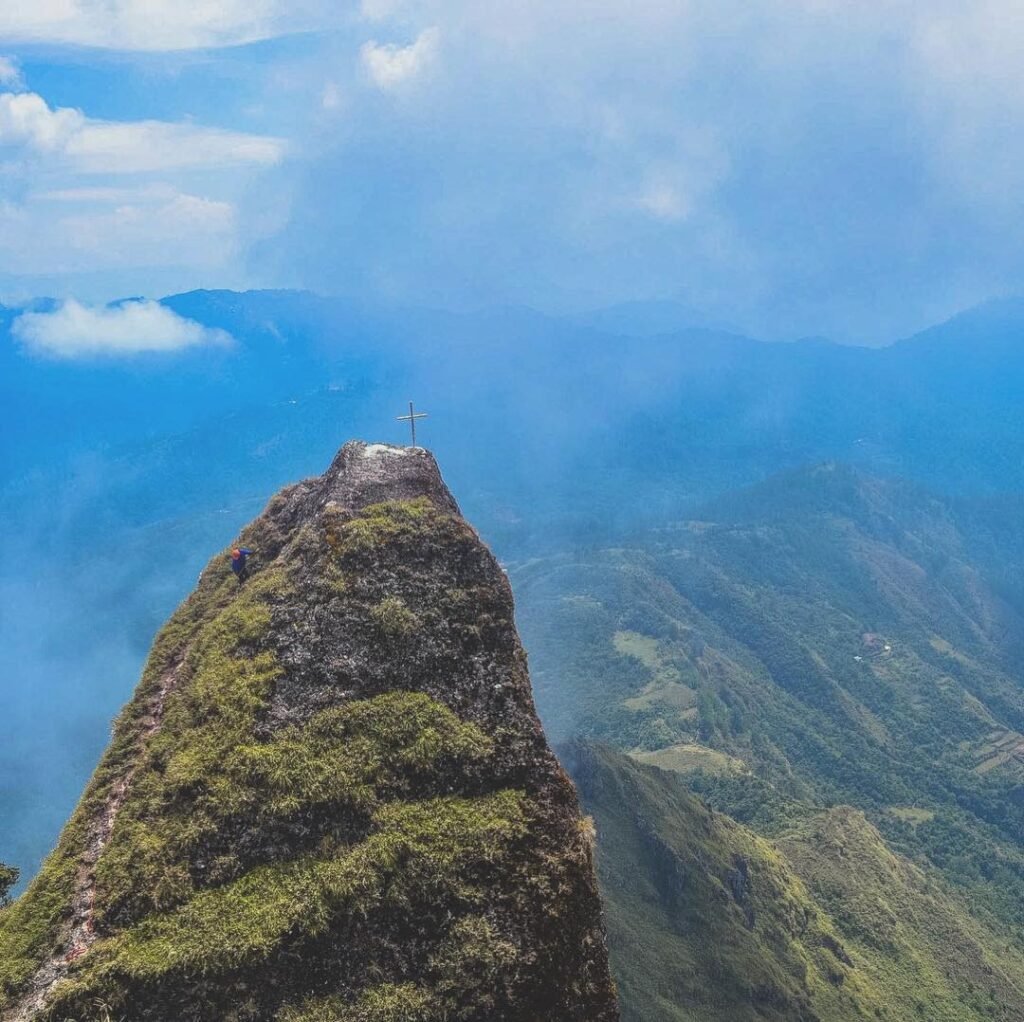
The Amphitheater of the North
The Bakun Trio is a formidable hiking circuit in Benguet comprising Mt. Lubo (Patullok), Mt. Tenglawan, and Mt. Kabunian. Unlike typical traverses, it utilizes a unique “hub-and-spoke” expedition model, where hikers assault one peak daily and return to the Poblacion base camp each night. Rated Difficulty 7/9, this 2026 itinerary demands endurance, “No Walk-in” pre-booking, and preparation for the region’s shifting microclimates.
Most Cordillera climbs, like the neighboring Kibungan Cross Country, are linear traverses where you haul your life on your back across mountain ranges. The Bakun Trio flips this script. It operates on a logistical fortress model located in the rugged northern terrain of Benguet. You don’t move camp; you defend it. The municipality’s Poblacion serves as your central headquarters, while the three peaks act as the radiating spokes of this geological amphitheater.
This setup allows for a lighter load during the assault, but it comes with a psychological twist. You aren’t just climbing one mountain; you are waking up three days in a row to punish your legs all over again.
The “Hub-and-Spoke” Advantage
The distinct advantage here is logistical recovery. After tackling the 2,087 MASL summit of Mt. Lubo, you return to a solid roof, a cooked meal, and a bed in the Old Municipal Hall or a transient house. This is crucial because the topography is unforgiving.
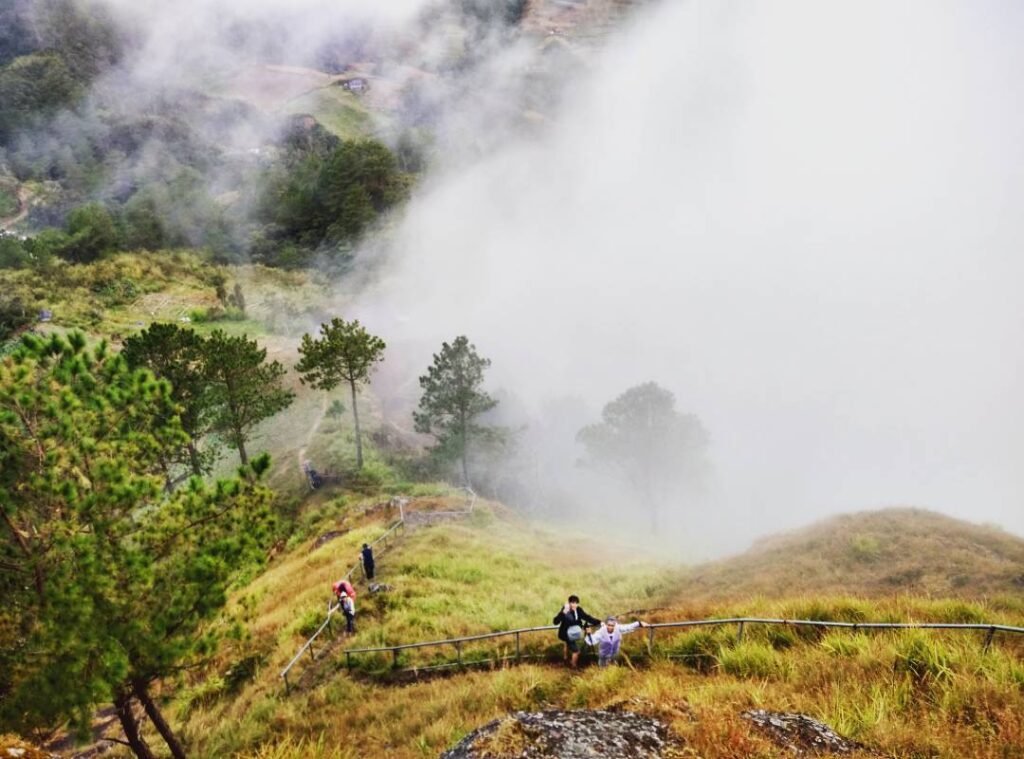
The region sits on the western flank of the Cordillera Central, exposing it to moisture from the West Philippine Sea. This creates the “Ban-aw”—the local term for the thick afternoon fog banks that swallow the trails by 2:00 PM. One minute you are navigating the jagged limestone karst of Mt. Kabunian, and the next you are enveloped in a whiteout.
Insider Tip: Do not underestimate the “Wet Cold” here. Even if the forecast says 18°C, the combination of high humidity and the Ban-aw sucks body heat 25 times faster than dry air. I’ve seen strong hikers get hypothermia on the descent from Mt. Tenglawan because they only brought a windbreaker instead of a waterproof rain shell.
Who is this Hike For?
This Bakun Trio hiking guide is designed for the endurance hiker. While Mt. Lubo is technically a minor climb (4/9), the cumulative fatigue of the trilogy—especially the 12-hour endurance test of Mt. Tenglawan (Devil’s Mountain)—makes this an Advanced itinerary.
If you are looking for a leisure walk, look elsewhere. But if you are ready to navigate the Monster Jeep schedules, secure your medical certificates, and tackle three summits in three days, welcome to the Amphitheater of the North.
Table of Contents
Bakun Trio Profile & Specs (2026)
The Bakun Trio is a demanding hiking circuit in Benguet consisting of Mt. Lubo (2,087 MASL, Minor), Mt. Tenglawan (1,943 MASL, Major/Advanced), and Mt. Kabunian (1,789 MASL, Technical). Rated Difficulty 7/9 due to cumulative fatigue, the trek uses a distinct “hub-and-spoke” model where hikers return to the Poblacion base camp nightly.
Understanding the Bakun Trio profile is critical because the numbers can be deceiving. While the individual elevations don’t rival the heights of Mt. Pulag, the technicality and the daily elevation gain/loss make this a serious undertaking for any hiker.
Here is the quick comparison of the three summits you will face:
| Mountain Name | Elevation (MASL) | Moniker | Difficulty | Key Feature |
| Mt. Lubo (Patullok) | 2,087+ MASL | The Sentinel | 4/9 (Minor) | 360° Views & Conic Tip |
| Mt. Tenglawan | 1,943 MASL | Devil’s Mountain | 7/9 (Major) | Carrot Peak & Endurance |
| Mt. Kabunian | 1,789 MASL | Weeping Mountain | 5/9 (Major) | Stairway to Heaven |
Mt. Lubo (Patullok): The Deceptive Sentinel
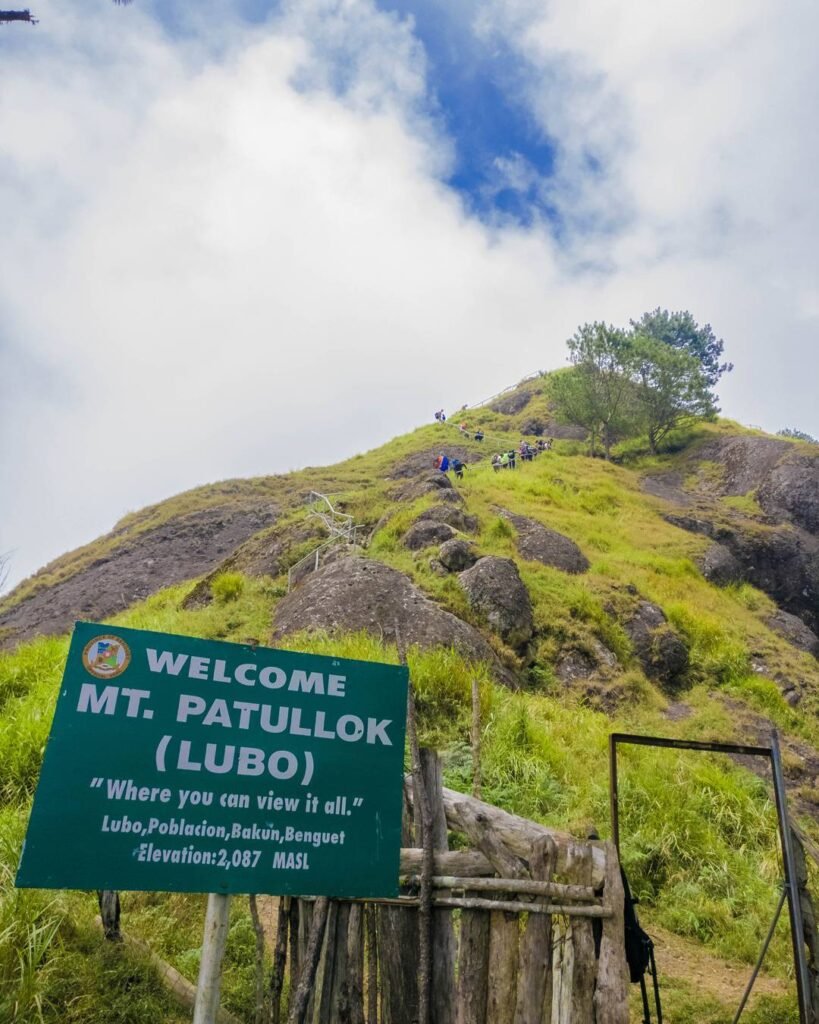
Don’t let the 2,087 MASL elevation fool you; this is technically the “easiest” leg of the trilogy. Locally known as “Patullok” (meaning pointed), it dominates the eastern skyline of the Poblacion.
The trail is a gradual ascent that shifts from high-altitude vegetable gardens—a staple of the Benguet economy—into a mossy pine forest. The summit area is extremely small; we often have to queue for photos at the peak.
Insider Tip: Most guides suggest doing Lubo on Day 1 as a “warm-up.” I agree, but ask for the Sitio Dada Traverse. Instead of an out-and-back bore, the jeep drops you at Dada, and you traverse back down directly to your accommodation in town. It saves time and energy.
Mt. Tenglawan: The Endurance Test
This is the beast of the Bakun Trio. Rated Difficulty 7/9, it earns its moniker “Devil’s Mountain” not just for the steepness, but for the sheer distance. The trek usually requires a 3:00 AM call time to ensure you reach the summit before the whiteout.
Standing at 1,943 MASL, its defining feature is the “Carrot Peak,” a precarious rock outcropping that looks like a vegetable root jutting out of the earth. Be warned: the final assault involves a semi-technical scramble, and the trail drops deep into a river valley before climbing back up, making the elevation gain punishing.
Mt. Kabunian: The Vertical Oven
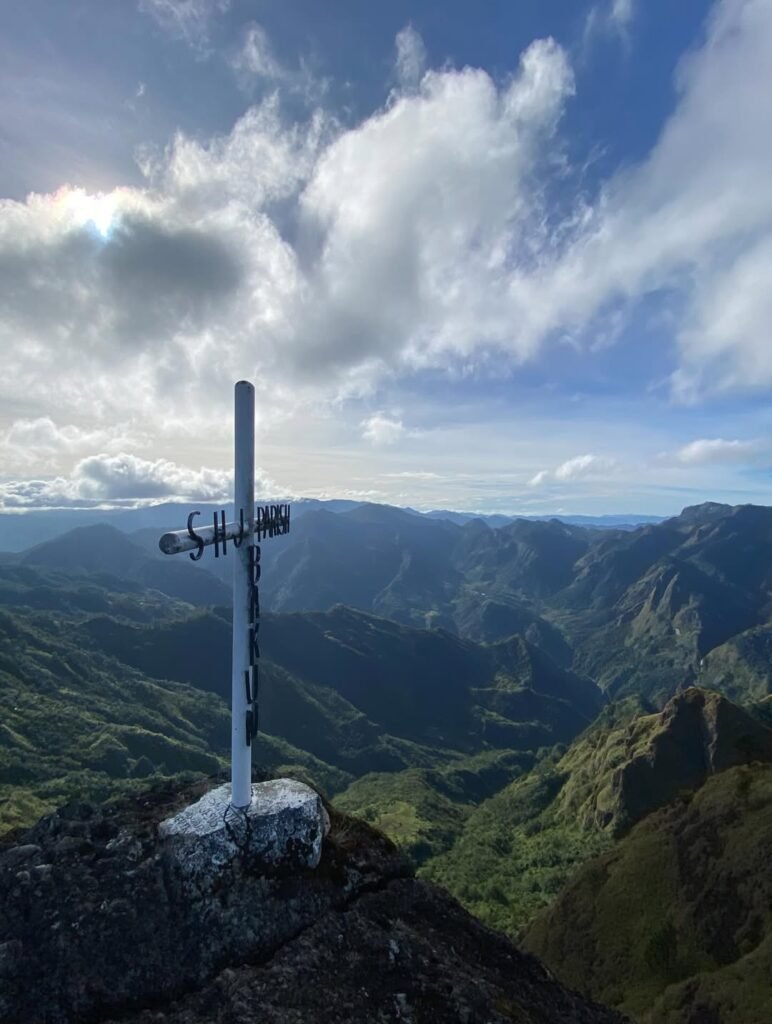
While it has the lowest elevation at 1,789 MASL, Mt. Kabunian is often the crowd favorite—and the most dangerous if you underestimate the heat. Unlike the shaded forests of Lubo, Kabunian is a block of uplifted limestone karst exposed to direct solar radiation.
The trail is famous for the “Stairway to Heaven,” a series of concrete steps and steel railings drilled directly into the vertical cliff face. It is visually stunning but can be vertigo-inducing.

Pre-Climb Requirements & Bureaucracy
As of 2026, the Bakun LGU strictly enforces a “No Walk-in” policy. Hikers must book at least one week in advance via the Municipal Tourism Office to secure accommodation and guides. A “Fit to Climb” Medical Certificate is mandatory for all hikers, regardless of age, due to the difficulty of emergency evacuation in the Cordilleras.
The “No Walk-In” Policy
The era of spontaneous backpacking in the Cordilleras is effectively over. For the Bakun Trio, the Municipal Tourism Office requires coordination at least one week to three days prior to your arrival. This protocol is designed to manage the environmental carrying capacity and, more importantly, the availability of the Bakun Trio Tour Guides and Porters Association.
If you arrive without a booking, you will be turned away. The accommodation at the Old Municipal Hall or transient houses like Sagunday has limited floor space, and guide allocation is strictly rotational.
Verified Contact Channels (2026):
Mr. Arthur Tolito (Municipal Tourism Officer)
Ms. Nenita Budas (BTC President)
Method: Direct message via the official “Bakun Municipal Tourism” Facebook page is the most reliable method to secure a slot.
Medical Clearance & Liability
The Medical Certificate is the single biggest friction point I see at the registration desk. It must be issued by a licensed physician and explicitly state that the patient is “Fit for Strenuous Physical Activities.”
The LGU is incredibly risk-averse regarding cardiac events. If you are over 40 years old or have pre-existing conditions, expect the tourism officers to scrutinize your clearance regarding cardiovascular health. Upon arrival at the Poblacion, you will also sign a waiver releasing the LGU from liability for accidents on the technical sections of Mt. Kabunian and Mt. Tenglawan.
Insider Tip: Please do not fake your Medical Certificate. There is no helicopter rescue service in Bakun. If you suffer a cardiac event on the trail, your “ambulance” is a manual stretcher carry by guides that can take 4 to 6 hours to reach the nearest road. Be honest about your health.
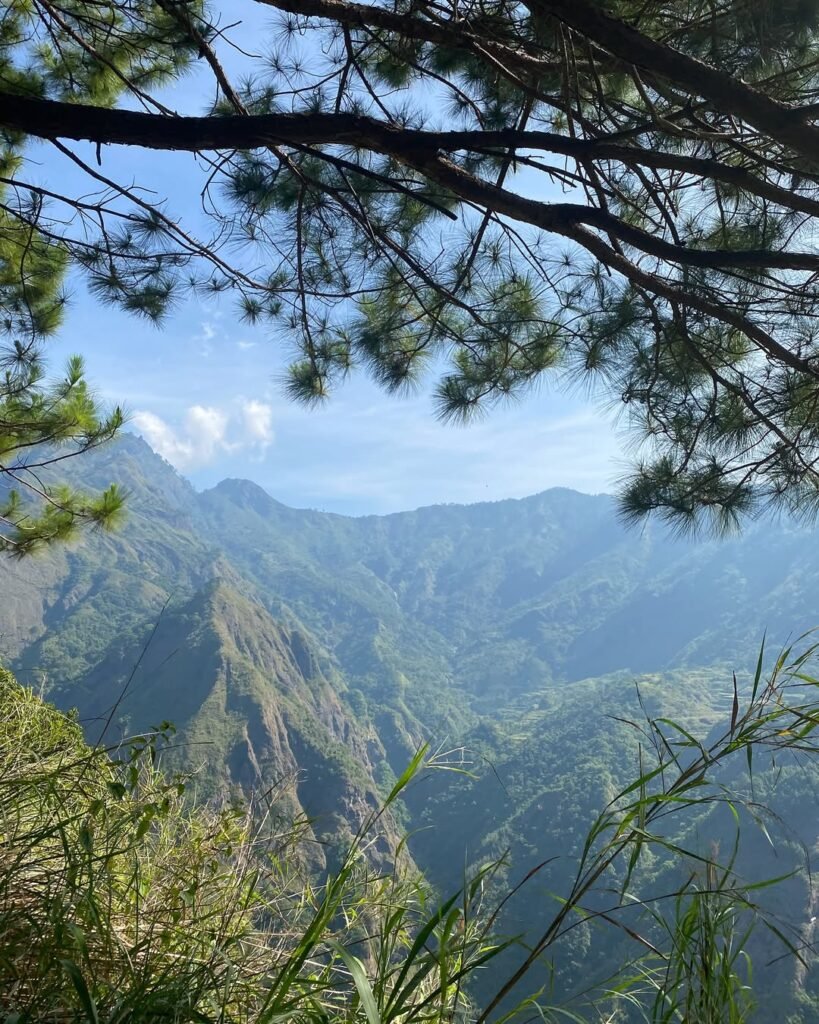
How to get to Bakun(Logistics & The Monster Jeep)
To reach the Bakun Trio, take a bus from Manila to Baguio City, arriving before 5:00 AM. From Baguio, transfer immediately to KM 5, La Trinidad (specifically near Petron/Jollibee). Board the single daily “Monster Jeep” that departs between 6:30 AM and 7:00 AM. The rough ride takes 6-8 hours via the Halsema Highway. Missing this specific public jeep compels a costly private charter (P9,000 – P13,000).
Step 1: Manila to Baguio (The Night Shift)
The logistics of the Bakun Trio are unforgiving. You must align your arrival in Baguio City with the early morning departure of the local transport. I strongly recommend taking a night bus leaving Cubao or PITX between 10:00 PM and 11:00 PM.
Carriers like Victory Liner, JoyBus (Genesis), or Solid North will get you to the City of Pines via TPLEX in about 4-5 hours. Your target arrival time in Baguio is 3:00 AM to 4:00 AM. Do not take a trip later than midnight, or you will miss the connection.
Step 2: The Critical Transfer to La Trinidad
This is where most first-timers get lost. The jeep to Bakun does NOT park at the standard Baguio terminals (like Gov. Pack Road) or the Slaughterhouse terminal.
You must take a taxi (approx. P100 – P150) from the bus station to KM 5, La Trinidad. Tell the driver: “Petron KM 5, near Jollibee.” The terminal is an informal parking area along the highway, not a grand station.
Insider Tip: Do not wait for a jeepney from Baguio Plaza to La Trinidad if you are carrying full packs; it’s a hassle. Split a taxi with your group. It’s faster (15 mins at 4:00 AM) and guarantees you get to the queue before the locals fill the seats.
Step 3: The “Monster Jeep” Experience
The leg from La Trinidad to Bakun is an adventure in itself. You will be riding a “Monster Jeep”—a custom-built jeepney with lifted suspension, truck tires, and a reinforced chassis designed to survive the landslide-prone feeder roads.
Departure Time: Strictly 6:30 AM to 7:00 AM. There is usually only ONE public trip per day.
Fare: Approximately P170 – P200 per person (2026 estimate).
Travel Time: 6 to 8 hours depending on cargo load and road conditions along the Halsema Highway and Abatan Junction.
The Reality of “Toploading” Sitting on the roof (topload) offers incredible views of the Vegetable Highway terraces, but I only recommend it for the first hour. The wind chill on Halsema is bone-deep, and the dust on the unpaved section from Sinipsip to Bakun Poblacion is suffocating.
Strategic Tip: Be at the terminal by 5:30 AM. The jeep fills up with sacks of rice, cement, and chickens. If you arrive at 6:30 AM, you will likely lose your seat and be forced to topload for 7 hours or sit on the floor. Secure your seat inside early.
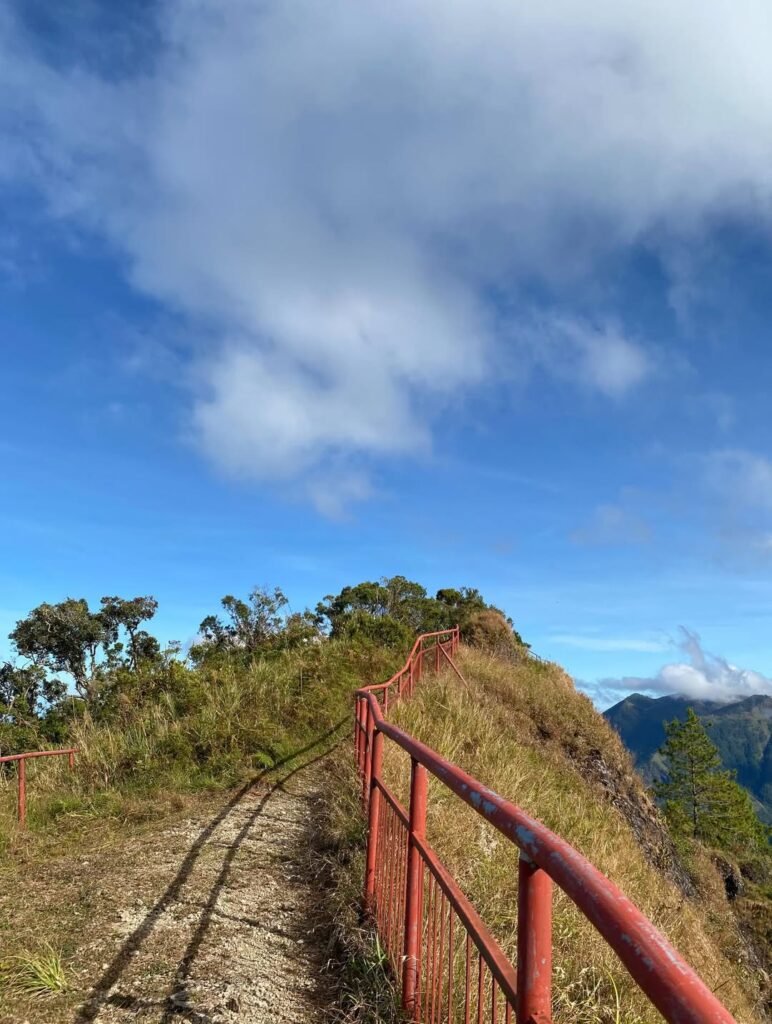
Bakun Trio Trail Analysis & Hazards
Trail conditions on the Bakun Trio vary wildly. Mt. Lubo offers a gradual warm-up through pine forests, while Mt. Tenglawan is a grueling 12-hour endurance test plagued by water scarcity and “Limatik” (leeches). Mt. Kabunian is technical, featuring vertical steel stairs and exposed limestone ridges that become “heat ovens” by midday.
Mt. Lubo: The False Security
As the “warm-up” climb, Mt. Lubo (2,087 MASL) often lulls hikers into a false sense of security. The trail is relatively friendly, transitioning from the vegetable gardens of Sitio Dada into a cool, shaded pine forest.
While the assault is gradual, the mossy forest near the summit is prime territory for Limatik during the wet season. Don’t let the “Minor Climb” rating make you complacent; the altitude is still significant.
Mt. Tenglawan: The Endurance & Water Crisis
This is where the Bakun Trio difficulty spikes. Mt. Tenglawan (1,943 MASL) requires a descent into a deep river valley before you even begin the true assault. It is a psychological game as much as a physical one.
Critical Water Warning: The most dangerous aspect of this trail is dehydration. The last water source, known as “The Bathtub” (approx. Km 6.0), is notoriously unreliable.
Insider Tip: During my last climb in March (dry season), “The Bathtub” was reduced to a muddy trickle. I strongly advise carrying 3-4 Liters of water from the jump-off at Sitio Lupunan. Do not gamble on the spring.
The “Carrot Peak” Danger: The summit features the iconic rock formation resembling a carrot. It is a brittle monolith with a sheer drop on all sides.
The Rule: If it is raining or windy, do NOT attempt the final scramble. The rock becomes slippery, and a fall here is fatal.
Mt. Kabunian: The Technical Furnace
Mt. Kabunian (1,789 MASL) is defined by its verticality. You will navigate the famous “Stairway to Heaven”—steel railings and concrete steps drilled into the cliff face.
Heat Stroke Risk: Unlike the other two peaks, Kabunian is an exposed limestone block. By 10:00 AM, the white rocks reflect solar radiation, spiking the heat index significantly.
Strategy: Start early (4:00 AM). You want to be descending the exposed ridges before the midday sun hits.
Wildlife Hazards: The Sting & The Suck
You are entering a wild ecosystem. Watch out for these two specific pests:
Limatik (Mountain Leeches): Rampant in the mossy sections of Tenglawan and Lubo, especially from June to December. Wear gaiters and apply alcohol or salt.
Lipang Aso (Stinging Nettle): These plants line the overgrown trails of Tenglawan. A brush against their leaves causes immediate, intense blistering.
First Aid Note: If stung, do not scratch. Wash the area with water and apply duct tape to pull out the microscopic spines, then take an antihistamine. Wear long sleeves and pants—leggings are often too thin to protect you.
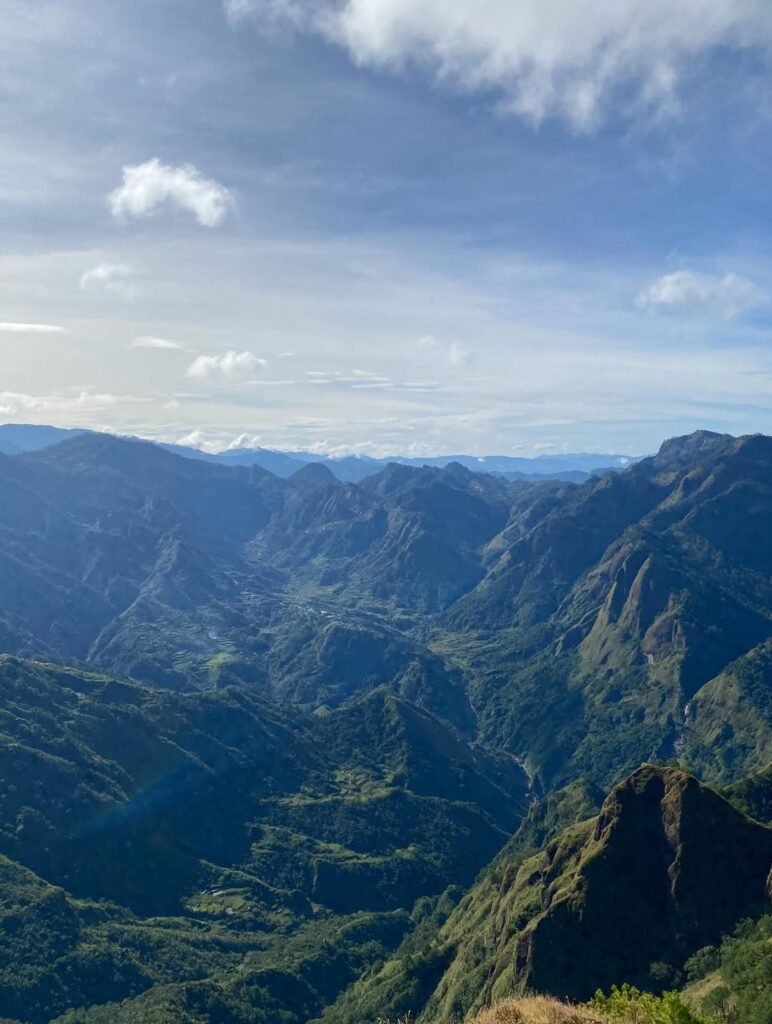
The Strategic Bakun Trio Itinerary (3 Days)
The standard Bakun Trio itinerary spans 3 full hiking days. Day 1 combines the 6-hour Monster Jeep ride with a warm-up climb up Mt. Lubo. Day 2 is the critical 12-hour assault on Mt. Tenglawan starting strictly at 3:00 AM. Day 3 targets the technical Mt. Kabunian before a Day 4 morning departure via public transport.
This itinerary is built on the “Hub-and-Spoke” model. Unlike a traverse where you break camp daily, you will establish a base of operations at the Poblacion (usually the Old Municipal Hall or a transient house like Sagunday). This allows you to leave your heavy packs behind and assault each peak with only a light daypack.
Here is the battle plan for a DIY Bakun Trio expedition:
The Standard 3-Day Execution
| Day | Activity | Key Milestone / Time |
| Day 0 | Manila Departure | Take the 22:00 or 23:00 bus (Victory Liner/JoyBus) to ensure 04:00 arrival in Baguio. |
| Day 1 | Arrival & Mt. Lubo | 06:30 AM: Monster Jeep from La Trinidad (KM 5).
13:00 PM: Arrival in Bakun. Drop off bags.
14:00 PM: Start Mt. Lubo Hike.
17:30 PM: Sunset at summit/Descent. |
| Day 2 | Mt. Tenglawan | 03:00 AM: Wake-up call. Strict start time.
09:00 AM: Summit bid (Carrot Peak).
15:00 PM: Return to Base Camp. 12-hour duration. |
| Day 3 | Mt. Kabunian | 04:30 AM: Start hike to catch sunrise.
08:00 AM: Summit Breakfast.
12:00 PM: Back at Poblacion. Wash up.
Optional: Side trip to Tekip Falls. |
| Day 4 | The Exit | 06:00 AM: Board the Public Jeep to La Trinidad.
14:00 PM: Arrival in Baguio City. |
Tactical Analysis: Making the Days Count
Day 1: The “Dada Traverse” Hack
Most itineraries label Mt. Lubo as a warm-up. However, after sitting in a vibrating Monster Jeep for 7 hours, your legs will be stiff.
Insider Tip: Don’t ride the jeep all the way to the Poblacion. Ask the driver to drop you off at Sitio Dada (the jump-off). You can hike up Mt. Lubo from there and traverse down to the Poblacion. This saves you the effort of hiking back up to the town center later and cuts about 1 hour off the total trek.
Day 2: The Tenglawan Discipline
This is the hardest day of the Bakun Trio itinerary. You must be on the trail by 3:30 AM at the latest. The goal is to clear the exposed ridges before the 10:00 AM heat and reach the Sitio Lupunan water source before you run dry.
Cut-off Rule: If you haven’t reached the summit by 12:00 PM, turn back. Descending Mt. Tenglawan in the dark is dangerous due to the deep ravines and unlit trails.
Day 3: The Departure Friction
This is where DIY groups get stuck. The Public Jeep to La Trinidad leaves at 6:00 AM. If you hike Mt. Kabunian on Day 3, you will miss this jeep.
The Reality: You have two choices. Either stay a 4th night and leave Day 4 morning (cheapest option), or pool money to charter a private jeep (approx. P9,000 – P13,000) to leave on Day 3 afternoon.
Budget Breakdown (2026 Estimates)
A DIY Bakun Trio hike typically costs between P4,100 and P4,800 per person for a group of 6. Surprisingly, joining an Organized Tour (approx. P3,500 – P4,000) is often cheaper for solo travelers or small groups. The fixed costs of the chartered “Monster Jeep” and guide fees are amortized across 12-14 joiners, lowering the per-head expense compared to a DIY squad of 3-4 pax.
Budgeting for the Bakun Trio requires a strategic look at group size. Unlike accessible peaks like Mt. Ulap where you can just show up and share a guide, the logistics here—specifically the transport from La Trinidad—dictate your financial efficiency.
Below is the estimated Bakun Trio budget for a standard 3-Day/2-Night itinerary, assuming you are a group of 6 hikers sharing costs to maximize the guide ratio.
The Financial Reality: DIY vs. Joiner
| Expense Category | Estimated Cost (Per Person) | Notes / Specifics |
| Bus Fare (Roundtrip) | ~P1,500 – P1,800 | Victory Liner / JoyBus (Cubao/Pasay to Baguio). Deluxe is ~P1k+. |
| Local Taxi | ~P50 | Shared taxi from Baguio Terminal to KM 5 La Trinidad (Petron). |
| Monster Jeep | ~P400 – P500 | Roundtrip Public Fare (P170-P200/way). Chartering costs P9,000+. |
| Registration Fees | ~P300 – P450 | Includes Cultural, Environmental, and LGU fees collected at the Tourism Office. |
| Guide Fees | ~P600 – P800 | Based on P1,000 – P1,300 per mountain (1:6 Ratio). Shared by group. |
| Accommodation | ~P300 – P450 | 2 Nights at Old Municipal Hall (P80-P150) or Transient (P200-P300). |
| Food & Supplies | ~P1,000 | Market buys at Poblacion or packed meals from Manila. |
| TOTAL SAFE BUDGET | ~P4,150 – P5,050 | Add contingency for emergency charter transport. |
analyzing the “Hidden” Costs
1. The “Charter” Trap
The biggest budget killer is missing the public jeep. If your group of 4 misses the 6:30 AM departure from La Trinidad, you are forced to charter a jeep for P9,000 – P13,000. That instantly adds P2,000+ per person to your expenses.
Insider Tip: If you are a solo hiker or a duo, do not go DIY unless you have ample time. The math doesn’t work. You will shoulder the full guide fee (P1,200/day) alone. Joining an organized tour is mathematically superior because they spread the charter jeep and guide costs across 14 people.
2. The Guide Fee Ratio
The Bakun Trio Tour Guides Association strictly enforces a 1:6 ratio.
If you are 7 people, you must hire 2 guides.
If the hike exceeds the standard 12 hours (common on Mt. Tenglawan), guides may charge an overtime fee of P50 – P100 per hour. Be prepared to tip generously; these guys haul your safety gear up vertical walls.
3. Food Inflation
While produce in the Poblacion Market is cheap (sayote and beans are practically given away), processed goods and canned meats are pricey due to transport costs.
Strategy: Buy your fresh veggies in Bakun to support locals, but bring your corned beef, butane, and rice from Baguio City or Manila to save roughly P300.
4. Cash is King
There are no ATMs in the Poblacion. The nearest reliable ATM is hours away in Abatan or Buguias. Bring enough cash to cover your entire Bakun Trio expenses plus a P2,000 emergency buffer for forced charters or medical needs.
Gear List & Packing Strategy
Adopt the “Hub-and-Spoke” packing strategy for the Bakun Trio: bring a heavy main duffel for the Poblacion base camp and a light 20-30L assault pack for the daily climbs. Critical essentials include heavy-duty gloves for Mt. Kabunian’s steel rails, a 4-Liter hydration capacity for the water-scarce Mt. Tenglawan, and a waterproof shell for the afternoon “Ban-aw” fog.
Because you return to the Old Municipal Hall or your transient house every night, you do not need to haul a full camping setup up the mountains. This allows you to climb lighter and faster. However, the Bakun Trio gear list demands specific items to counter the unique hazards of the region.
The “Hub-and-Spoke” System
Split your load into two bags:
Main Cargo Bag: Contains your sleeping bag, toiletries, extra clothes, and food. This stays in Poblacion.
Assault Pack (20L – 30L): Your daily driver. It must fit your water bladder, trail food, rain gear, and first aid kit.
The “Big Three” Essentials
If you forget these, your climb will be miserable or dangerous.
Heavy-Duty Gloves: Do not bring thin liner gloves. The “Stairway to Heaven” on Mt. Kabunian features steel railings that are often rusty or slick with moss. The rocks on Mt. Tenglawan are jagged volcanic sharp.
Insider Tip: I actually prefer buying the cheap P50 rubber-coated garden gloves from the hardware store over expensive trekking gloves. They offer better grip on the wet steel rails of Kabunian.
High-Capacity Hydration (3L – 4L): I cannot stress this enough: Mt. Tenglawan is a dry climb. The “Bathtub” spring at Km 6.0 is unreliable in the summer. You need a bladder that holds at least 3 Liters, plus an extra 1 Liter Nalgene bottle. Running out of water 4 hours away from the trailhead is a nightmare I’ve seen happen too often.
The “Ban-aw” Defense (Rain Shell): The afternoon fog in Benguet brings a “wet cold” that penetrates cotton and fleece. You need a hard shell or a sturdy poncho. Even if the sun is blazing at 8:00 AM, expect near-zero visibility and drizzle by 2:00 PM.
Specific Hazard Gear
Anti-Lipang Aso Wear: Mt. Tenglawan is infested with Stinging Nettle (Lipang Aso). Wear thick trekking pants or convertible trousers.
Warning: Standard compression leggings are often too thin; the nettle spines can pierce right through them.
Limatik Shield: For the mossy forests of Mt. Lubo, bring a small spray bottle of alcohol or saltwater. Gaiters are highly recommended during the wet season (June-December).
Power Bank (20,000mAh): While the Barangay Hall has electricity, power outages are common during thunderstorms. You are competing with 30 other hikers for limited outlets. Bring your own juice.
First Aid Specifics
Aside from the basics (Betadine, bandages), pack Antihistamines (e.g., Cetirizine). If you get stung by Lipang Aso or have a reaction to a Limatik bite, this will keep the swelling down so you can finish the hike.
Side Trips & Post-Climb: Waterfalls & Rewards
After conquering the Bakun Trio, cool down at Tekip Falls, located just a 30-minute walk from the Poblacion. Maximize your visit by purchasing farm-fresh “Pasalubong” like Sayote (often as low as P5-P10/kg) and bags of Bakun Arabica Coffee from the local cooperative. For the ultimate cultural experience, pre-order a “Pinikpikan” meal from your host to celebrate your summit success.
The Waterfall Circuit
If you finish your hike up Mt. Lubo or Mt. Kabunian early, do not just sleep the afternoon away. Bakun is a watershed area teeming with cascades that are perfect for muscle recovery.
Tekip Falls: The most accessible option. It is located near the Poblacion, making it an easy “cooling down” side trip after a hot descent. The water is freezing—exactly what your inflamed leg muscles need.
Pattan Falls: A spectacular tiered waterfall often viewed from the trail of Mt. Kabunian. Getting close requires a bit more effort, so ask your guide if your pacing allows for a detour.
Mangta Falls: A viable option if you have an extra half-day before the Monster Jeep departs, though it requires a separate coordination with the tourism officer.
The “Vegetable Highway” Advantage
You are in the heart of Benguet, the salad bowl of the Philippines. The prices here will shock you compared to Manila markets.
Sayote & Beans: I usually buy 5-10 kilos of Sayote to bring home. The cost is negligible—sometimes P5.00 to P10.00 per kilo—and buying directly puts cash straight into the farmers’ hands.
Bakun Arabica Coffee: Don’t leave without a bag of local beans. The Bakun Arabica grown in these high-altitude barangays has a distinct, robust flavor profile. It’s the best souvenir you can buy, supporting the local coffee cooperative.
Insider Tip: Skip the generic keychains. Go to the Poblacion Market early in the morning before your departure. I once bought a sack of vegetables for P100 that would have cost me P1,000 in Metro Manila. Just make sure you have space in your “Monster Jeep” cargo load!
The Cultural Feast: Pinikpikan
For the final night, ask your transient house host or guide if they can prepare Pinikpikan (a traditional chicken dish prepared by beating the chicken to coagulate the blood).
Note: You must request this at least 24 hours in advance. It is not fast food; it is a ritualistic meal that takes time to prepare properly. Sharing this meal with your guides is the best way to end the Bakun Trio experience.
Frequently Asked Questions (FAQ)
The Bakun Trio is rated Difficulty 7/9 and is strictly NOT for beginners due to the 12-hour endurance required for Mt. Tenglawan. Smart/TNT is the only reliable network in the Poblacion; Globe signal is non-existent in the valleys. If you miss the daily 6:30 AM public jeep to La Trinidad, you must wait 24 hours or pay P9,000+ for a private charter.
Is Mt. Tenglawan safe for beginners?
No. While social media makes the “Carrot Peak” look inviting, Mt. Tenglawan is a major climb rated Difficulty 7/9. The trail involves a punishing descent into a river valley followed by a steep assault, often clocking in at 12 to 14 hours back-and-forth.
My Advice: If you have only hiked Mt. Ulap or Mt. Pulag (Ambangeg), do not attempt this yet. Build your endurance on twin-hikes like Mt. Ugo first. The cumulative fatigue of hiking three days in a row is the real killer here.
Is there mobile signal in Bakun?
Smart/TNT is the dominant carrier. In the Poblacion (Old Municipal Hall), you will get reliable SMS and call signal, but mobile data is often limited to Edge or 3G.
Globe Users: Expect Zero Service in the town and the valleys.
Insider Tip: Surprisingly, I found strong 4G/LTE signal on the summit of Mt. Kabunian and the ridges of Mt. Lubo because they have a direct line of sight to the lowland towers in Ilocos. Use the summit breaks to update your family.
Can we drink the water from the sources?
While the locals at Sitio Lupunan and Sitio Dada drink directly from the springs, I strongly advise city-based hikers to treat the water.
Protocol: The water lines often run exposed through vegetable gardens. Use a Sawyer Filter or drop in an Aquatab to prevent an upset stomach. The last thing you want is diarrhea while hanging off the Stairway to Heaven.
What happens if we miss the morning jeep back to Baguio?
This is the most expensive mistake you can make. The public Monster Jeep leaves Poblacion between 6:00 AM and 7:00 AM sharp.
The Consequence: If you are still hiking Mt. Kabunian at 8:00 AM on your departure day, you will miss this ride. Your only options are to stay another night (delaying work/flights) or charter a private jeep, which currently costs between P9,000 and P13,000 for a one-way drop to La Trinidad.
Is there electricity at the accommodation?
Yes. The Old Municipal Hall and transient houses like Ahava Lodge have outlets. However, the power supply in Bakun is unstable and often trips during afternoon thunderstorms.
Gear Check: Don’t rely on a wall socket to charge your camera batteries for the next day. Bring a 20,000mAh Power Bank as your primary energy source.
Conclusion & Leave No Trace (LNT)
The Bakun Trio requires precise logistical planning due to the “No Walk-In” policy and the single daily Monster Jeep schedule. Rated Difficulty 7/9, this expedition demands respect for local ordinances, specifically the 9:00 PM curfew and strict Leave No Trace (LNT) protocols on the sacred grounds of Mt. Kabunian.
The Final Verdict
Completing the Bakun Trio is a badge of honor not just for your legs, but for your logistical discipline. Unlike the commercialized slopes of Mt. Pulag, Bakun remains a raw, community-centric experience. You are not just a tourist passing through; for three days, you are a temporary resident of the Poblacion.
The “Hub-and-Spoke” model offers a unique comfort—returning to the Old Municipal Hall each night—but it demands that you respect the rhythm of the town. The locals here are vegetable farmers who wake up at 4:00 AM. Loud “socials” and drinking sessions past the 9:00 PM curfew are the quickest way to get banned.
Sacred Grounds & LNT
Mt. Kabunian is named after the supreme deity of the Kankana-ey people. When you see the burial caves tucked into the limestone cliffs, show respect.
The Rule: Do not point at the burial caves or shout in these areas. It is considered taboo.
Pack It In, Pack It Out: There are no trash bins on Mt. Tenglawan. If you bring a wrapper up the 1,943 MASL summit, it must come down with you to the proper disposal facility in La Trinidad.
Call to Action
Don’t be the hiker who gets turned away at the tourism office.
Secure your Medical Certificate explicitly clearing you for strenuous activity.
Message Mr. Arthur Tolito or the Tourism Office at least one week prior to book your slot.
Be at KM 5 before 6:00 AM to conquer the Monster Jeep.
The Bakun Trio is waiting. Prepare for the “Ban-aw,” respect the mountains, and hike safe.
Explore More: Next Challenges & Alternatives
Finished the Bakun Trio? Whether you are looking to level up to the country’s toughest peaks or need a scenic recovery hike, check out our curated guides below to plan your next expedition.
Go Beyond Limits (Hardcore 9/9): Did Mt. Tenglawan feel easy? Test your true limits with our list of Hardcore Climbs (Difficulty Level 9). These are the toughest, most technical expeditions in the Philippines, reserved only for elite mountaineers ready for the ultimate suffering.
Up the Ante (Major Climbs): If the thrill of Bakun’s 7/9 difficulty hit the sweet spot, browse our list of Major Climbs (Difficulty 5-8) in the Philippines. These mountains offer similar technical challenges and endurance tests for seasoned hikers.
The Next Cordillera Epic: Ready for another multi-day adventure in the north? The Mt. Amuyao DIY Traverse (Barlig-Batad) Itinerary offers a classic 2D1N cross-country experience, taking you through the magnificent rice terraces of Ifugao.
For Beginners & Recovery: If you felt the Bakun Trio was too intense or have friends who aren’t ready for the “Stairway to Heaven,” start them off with our guide to Beginner-Friendly Minor Climbs. These hikes build the endurance needed for the major leagues.
Scenic & Chill: For a relaxing day hike that trades jagged crags for rolling green hills, check out the viral Mt. Baruyen Hiking Guide. Known as the “Windows XP Trail,” it offers a breezy, scenic alternative to the grueling verticality of Bakun.