The “Fast Facts” Card
Elevation: 1,647 MASL (Kupapey) / 1,438 MASL (Fato)
Difficulty: 3/9 (Minor Climb)
Specs: Trail Class 1-3 (Pine Forest to Rock Scramble)
Travel Time: 11-12 Hours (Manila to Bontoc)
Cell Signal: Strong (Globe/Smart) in the village; intermittent on the trails.
Introduction
Forget the multi-day suffering of Mt. Pulag for a moment. If you are chasing the highest ROI (Return on Investment) for effort in the Cordilleras right now, the Mt. Kupapey and Mt. Fato circuit in Maligcong is your answer. Unlike the grueling, frost-bitten assaults of higher peaks like the Mt. Amuyao Traverse, this twin hike offers a different kind of high: civilized, cultural, and visually aggressive without requiring a week of recovery.
This guide covers everything you need for a DIY expedition to these Maligcong peaks, from the updated 2025 Coda Lines schedules to the strict, non-negotiable “no-camping” policy that catches many old-school hikers off guard.
Maligcong operates on a unique “Homestay Economy.” You won’t find a tent city cluttering the ridges here. Instead, the experience is defined by waking up at 3:00 AM on a wooden veranda, sipping strong, locally sourced Bontoc coffee while the temperature drops to a crisp 12°C. The “assault” doesn’t start from a muddy base camp; it starts from the comfort of a local home, winding through concrete village pathways before hitting the pine forest. It is a refined mountaineering product—a chance to inject cash directly into the local households while securing that coveted sea of clouds shot.
The Beta (Pro Tip): Don’t underestimate the popularity of this destination on long weekends. The “walk-in” culture is dead here. Secure your homestay (like Suzette’s or Chen’s) at least three weeks out, or you’ll be sleeping on the bus. Also, leave the heavy trekking stove at home; the homestays feed you well, and cooking on the summit is prohibited.
Table of Contents
Pre-Climb Requirements for Mt. Kupapey and Mt. Fato(2026 Protocols)
Key Protocol Summary:
Permit/Reg Fee: ₱30 – ₱50 per head (Paid at Barangay Hall/Homestay).
Guide Policy: Mandatory (No Guide, No Hike).
Camping Policy: STRICTLY PROHIBITED on all summits.
Drone Policy: Permitted but restricted over residential areas and during sunrise hours.
Let’s get the red tape out of the way so you don’t get flagged by the barangay tanods. If you are planning a trip to Maligcong in 2025, leave the tent at home.
The “No Camping” Rule The days of pitching a tent on the ridge to wait for the sunrise are over. The LGU enforces a hard stop on overnight camping. This isn’t just arbitrary bureaucracy; it’s a sanitation and economic strategy. The summits have no latrines, and past hikers left behind more than just footprints. By funneling visitors into the village homestays, the community ensures that tourism dollars feed families, not just the guide association, while keeping the ridge free of human waste and micro-trash. Your tent is dead weight here—swap it for a thicker fleece jacket instead.
Registration & Environmental Fees You will need to register upon arrival, often directly at your homestay or at the designated jump-off checkpoint. The environmental fee is currently projected at ₱30 to ₱50 per person. This money goes into the “Barangay Fund,” which is critical for maintaining the waste management infrastructure in a region where hauling garbage down to the town center is a logistical nightmare. Do not lose your receipt/ticket; you may be asked to present it at the trailheads.
The “No Guide, No Hike” Policy Navigating the trails might seem straightforward given the established paths, but the “No Guide, No Hike” policy is strictly enforced. You cannot DIY the trail itself. The local guide association uses a rotation system to ensure every family gets a slice of the pie.
Standard rates hover around ₱500 per group (1-5 pax) for a single peak. If you are doing the twin hike, budget for two separate guide fees or a negotiated package. While the local dogs often act as “dog guides” and will happily accompany you for a piece of bread, they do not replace the requirement for a registered human guide. This system ensures the economic benefits of tourism are distributed fairly, preventing a “guide monopoly.”
The Beta (Pro Tip): Respect the “Patpatayan.” Some groves of trees or specific rocks near the trails are considered sacred grounds (patpatayan) by the indigenous Bontoc community. If you are flying a drone, always ask your guide for permission first. Buzzing a drone over a sacred ritual site or a private home at 5:00 AM is a fast way to get banned. Keep the noise pollution down during the sunrise viewing—silence is part of the product.
How to Get to Mt. Kupapey and Mt. Fato (DIY Guide)
Snippet Trap (Commute Summary):
Bus: Take Coda Lines from Cubao to Bontoc Capital (11-12 hours).
Jeep: Transfer at Bontoc Public Market to the Maligcong Jeepney (30-45 mins).
Tricycle (Backup): If you miss the jeep, hire a “Special Trip” trike (approx. ₱150-₱250).
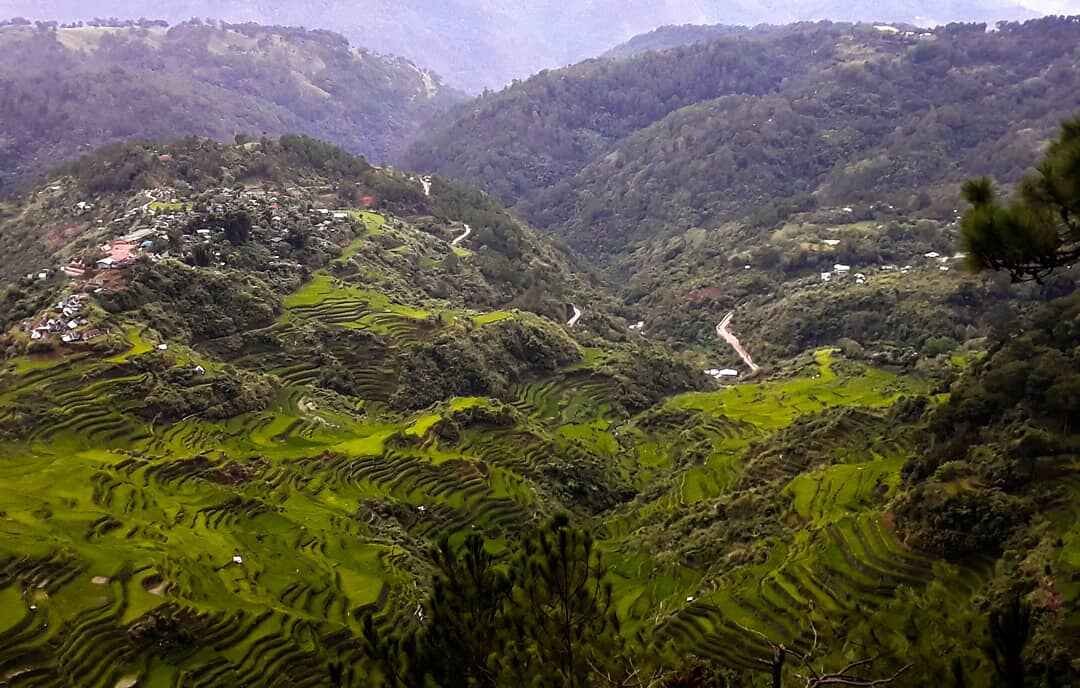
Getting to the mountains is the first filter that separates the casual tourists from the committed travelers. This isn’t a quick drive to Tanay; it is a 12-hour pilgrimage to the deep Cordilleras. The journey itself is a logistical gauntlet, but nailing the transport strategy is half the battle.
Option 1: The Direct Route (Manila to Bontoc)
The most efficient way to reach the jump-off is via Coda Lines, the sole operator running the direct Manila-Bontoc service. Their terminal is located at the HM Transport Terminal in Cubao (Monte de Piedad cor. Maryland Street).
The Schedule: Daily trips typically depart at 8:00 PM, 9:00 PM, and 10:00 PM.
The Reality: The bus is a mobile freezer. The air-conditioning is often set to numbing levels, so bring a thick jacket or a malong for the ride. The route passes through the zigzag roads of Nueva Vizcaya and Ifugao, often stopping briefly near the Banaue Rice Terraces viewpoint—a good teaser for what’s to come.
Booking: Walk-ins are a gamble. For the 2025 season, seats sell out weeks in advance for weekends. Book online via Bookaway or 12Go to secure your slot.
Option 2: The “Cutting Trip” (Via Baguio)
If Coda Lines is fully booked (a common “budol” for procrastinators), your fallback is the Baguio route.
Leg 1: Take Victory Liner or JoyBus to Baguio City (4-6 hours).
Leg 2: Transfer to the Dangwa Station (behind Center Mall) or the Slaughterhouse Terminal. Look for GL Trans, Rising Sun, or Lizardo Trans buses bound for Bontoc.
The Halsema Experience: The ride from Baguio to Bontoc traverses the Halsema Highway. While the views are stark and beautiful, the endless hairpin turns can be a “vomit comet” for those with motion sickness. Pop a Bonamine before boarding.
The Final Leg: Bontoc to Maligcong
Once you survive the long haul and drop your bags at Bontoc Capital, head straight to the jeepney terminal near the Bontoc Public Market (near Pines Kitchenette).
Jeepney Schedule: Departures are roughly at 8:00 AM, 12:00 PM, 2:30 PM, and 5:00 PM.
The “Topload”: For the full experience, ask the driver if you can ride on the roof (“topload”). It’s the best way to see the transition from the bustling town to the quiet pine forests surrounding the village. Just watch out for low-hanging wires—duck when the locals duck.
The Beta (Pro Tip): If you arrive in Bontoc at 4:00 AM—way too early for the first jeep and too early to check in—don’t just loiter at the terminal. Head to Cable Cafe or Caja Pizza (check operating hours) or find a 24/7 bakery. Local Etiquette: Keep your voices down. Bontoc is a quiet town, and shouting tourists at dawn are frowned upon. If the scheduled jeep is full or you miss the last trip, a chartered tricycle is your only bail-out, but expect to pay “special trip” rates.

Mt. Kupapey and Mt. Fato Trail Description: What to Expect
Here is the breakdown of the trail conditions for your expedition. Do not let the “Minor Climb” classification fool you into complacency; while you won’t need ropes, the terrain shifts drastically between the two peaks, requiring different movement patterns and footwear strategies.
The Mt. Fato Assault (The Rock Garden)
Hard Stats (Afternoon Leg):
Duration: 45 Minutes – 1 Hour (Ascent)
Elevation: 1,438 MASL
Terrain: Pine Forest floor transitioning to Class 2-3 Rock Scrambling
Ideal Time: 3:00 PM Start (Sunset Summit)
Most itineraries tackle this leg first. The trail usually begins in the late afternoon. You start on a cushioned pine forest floor that feels deceptively easy (“banayad”), but the character of the mountain changes rapidly.
As you gain elevation, the trees thin out, and you enter the “Rock Garden.” This is where the hike gets tactile. You will encounter jagged rock formations that require Class 2 to Class 3 scrambling—meaning you will need to use your hands for balance and to hoist yourself up onto ledges. The rocks are abrasive and sharp; one slip can result in a nasty scrape. Unlike the endurance slog of other peaks, this is an agility test. The summit itself is not a flat campsite but a collection of boulders offering a 360-degree view of Bontoc.
Safety Warning: The rocks become incredibly slick when wet. If it rains during your ascent, proceed with extreme caution. Avoid the “buwis-buhay” (life-risking) photo ops on the cliff edges if the wind is gusting.
The Mt. Kupapey Assault (The Sea of Clouds)
Hard Stats (Morning Leg):
Duration: 1.5 – 2 Hours (Ascent)
Elevation: 1,647 MASL
Terrain: steep concrete stairs > continuous Pine Forest ascent
Ideal Time: 4:00 AM Start (Sunrise Summit)
The second half of the twin hike is the pre-dawn assault on the higher peak. This is the “Gentle Giant,” but it hides a specific biomechanical hazard: Pine Needles.
The trail is carpeted in thick layers of dried Pinus kesiya needles, offering a pine forest vibe that rivals the popular Mt. Ulap but without the queuing crowds. On a dry day, these needles act like nature’s ball bearings. You might find your feet sliding out from under you on even moderate slopes. On a wet day, the soil underneath turns into a slippery sludge. Traction is your biggest enemy here. The ascent is a continuous, lung-busting cardio push through the dark, cold forest until you break out onto the summit ridge.
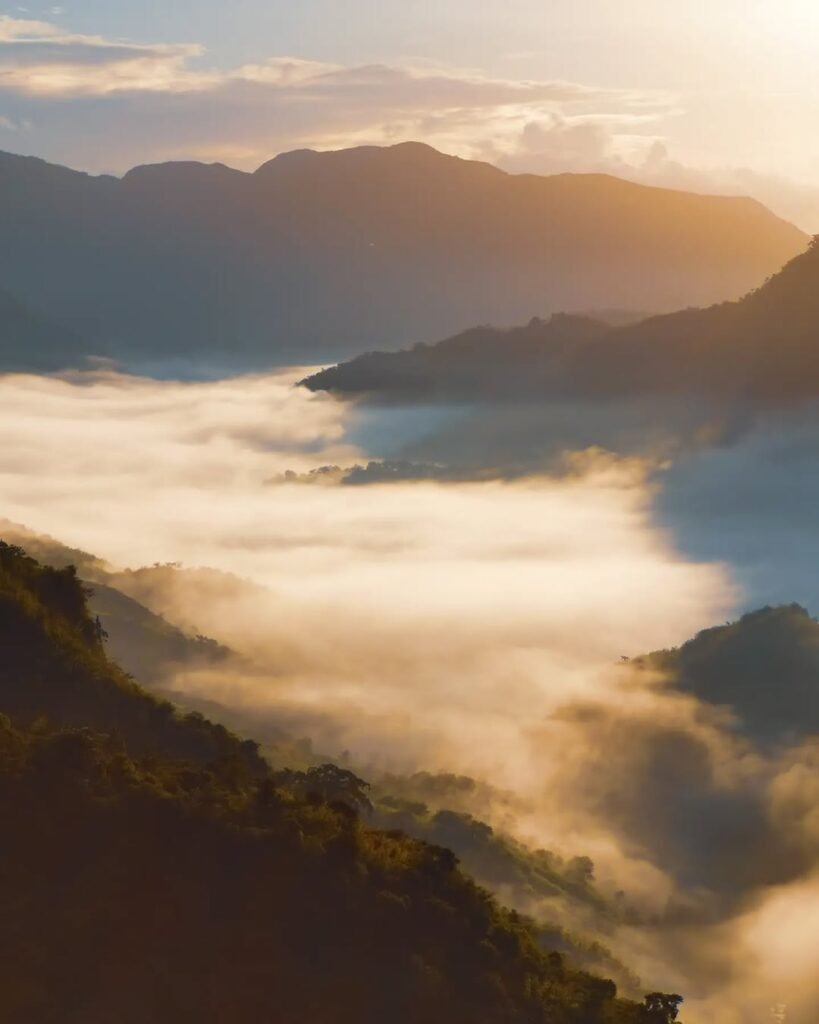
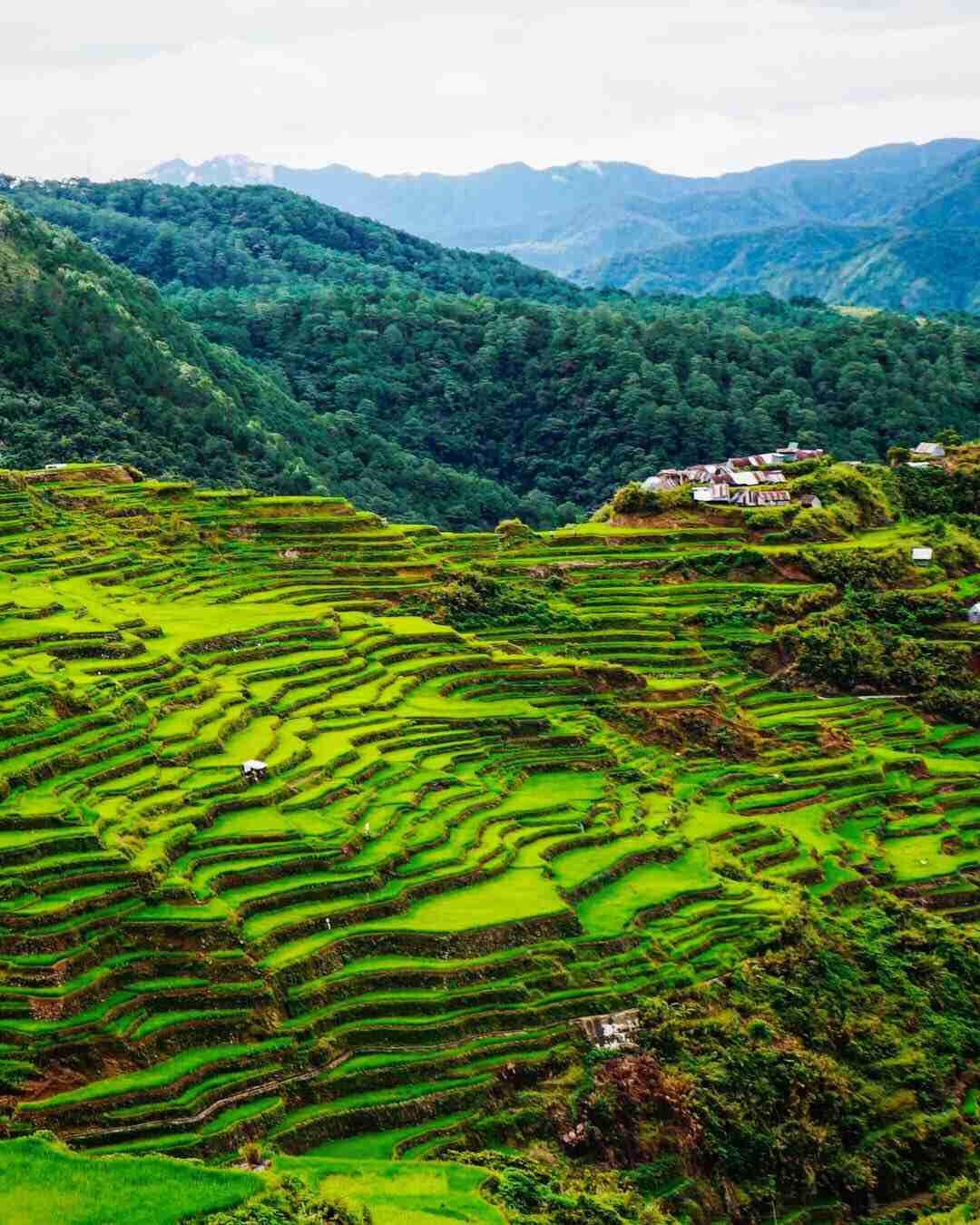
The summit rewards you with a grassy saddle—often compared to the “Windows XP” wallpaper—overlooking the majestic Maligcong Rice Terraces. If the weather gods cooperate, the thermal inversion creates a sea of clouds that isolates the peak like an island in the sky.
The Descent (The Paddy Walk): Going down is arguably harder than going up. Your guide may offer a route that cuts directly through the rice terraces. This is the highlight of the trip, but it demands focus. You will walk on the pilapil (narrow earth dikes).
LNT Protocol: Do not step into the paddy. The mud is deep, and you will damage the rice plants, directly impacting the farmer’s yield. If your balance is poor, stick to the main trail.
The Beta (Pro Tip): Wear leggings or long socks. While leeches aren’t the main concern, the undergrowth on the trails can be scratchy, and the “runo” grass can leave paper cuts on your shins. Also, keep your headlamp batteries fresh—the first hour of the ascent is pitch black, and tripping on an exposed pine root is a common way to end a hike early.
Mt. Kupapey and Mt. Fato Recommended Itinerary (Twin Hike)
This standard Weekend Warrior itinerary maximizes your time on the Mt. Kupapey and Mt. Fato circuit without burning all your leave credits. It is designed for a Friday night departure from Manila, hitting both peaks, and returning by early Monday morning (or late Sunday night if you are lucky with traffic).
Day 0: The Arctic Bus Ride (Friday)
21:00 / 22:00: ETD from Cubao via Coda Lines.
Reality Check: Do not be late. These buses leave on the dot. The AC is usually set to “morgue,” so wear your layers now. Sleep is crucial here because you hit the ground running tomorrow.
Day 1: Arrival & The Rocky Sunset (Saturday)
09:00: ETA Bontoc Capital. Stretch your legs and grab a quick breakfast at a local diner.
10:00: Board the jeepney to Maligcong (Wait for the scheduled trip or negotiate a charter).
11:00: Arrival at Maligcong. Check-in at your chosen homestay (e.g., Suzette’s or Chen’s).
LNT Protocol: You are entering a quiet village. Keep your voices down while unpacking. Sound carries across the valley.
12:00: Lunch. Order the local Pinikpikan if available—it’s the best recovery meal for the cold weather.
15:00: Start trek to Mt. Fato. This is the first leg of your adventure.
16:30: Summit. Secure a spot on the rocks for the sunset. It gets windy fast, so break out the windbreaker.
18:00: Descent back to homestay. Headlamps on.
19:00: Dinner and socials. Try the local rice wine (tapuy) but don’t overdo it—you have an alpine start tomorrow.
Day 2: The Sunrise Assault & Exit (Sunday)
03:30: Wake up call. Coffee is mandatory.
04:00: Start trek to Mt. Kupapey. The trail is dark and silent.
05:30: Arrival at the summit. Wait for the sun to hit the rice terraces.
Safety: The ridge can be crowded. Watch your footing near the edge; the drop is real.
07:00: Start descent. Taking the “Terrace Route” down offers the best angles of the paddies.
08:00: Back at homestay. Heavy breakfast (Longganisa/Eggs). Wash up and pack.
09:00: Catch the jeep back to Bontoc.
Note: Do not miss this jeep. The next one isn’t until the afternoon, which might make you miss your bus back to Manila.
10:00: ETA Bontoc. Buy pasalubong (coffee beans) at the market.
11:00 – 13:00: Waiting time / Lunch.
15:00 / 16:00: Board bus back to Manila (Coda Lines) or Baguio.
03:00 (+1): ETA Manila. Welcome back to reality.
The Beta (Pro Tip): If you are taking the Coda Lines bus back to Manila, book your return ticket in advance (online or as soon as you arrive in Bontoc on Day 1). The Sunday afternoon trips are almost always fully booked by hikers returning from Sagada and Banaue. If you get bumped, you’re stuck taking the grueling cutting trip via Baguio.
Mt. Kupapey and Mt. Fato Budget Breakdown (DIY)
Snippet Trap (2026 Cost Estimates):
| Expense Item | Est. Cost (PHP) | Notes |
| Bus (Manila-Bontoc RT) | ₱1,800 – ₱2,000 | Coda Lines Super Deluxe |
| Jeep (Bontoc-Maligcong RT) | ₱50 | Standard fare |
| Homestay (1 Night) | ₱400 – ₱500 | Per head/night |
| Guide Fee (Shared) | ₱250 | Assumes group of 4 (₱500/peak/group) |
| Env. Fee / Registration | ₱50 | LGU Mandated |
| Meals / Contingency | ₱1,500 | Mix of local eateries & packed food |
| TOTAL | ~₱4,050 – ₱4,300 | Safe DIY Pocket Money |
Executing a DIY expedition is significantly cheaper than booking a packaged tour, provided you travel in a small squad. The “Solo Hiker Tax” is real here: guide fees are fixed per group (1-5 pax), so if you hike alone, you swallow the entire ₱500 fee per mountain. To mitigate this, don’t be shy—ask your homestay host if you can merge with another small group for the morning assault.
While the trails are rich in views, the village infrastructure is cash-only. There are no ATMs in Maligcong; the last reliable machine is in Bontoc town proper. Budget loosely for food—meals at homestays like Suzette’s are hearty and affordable, but you will want extra cash for the inevitable post-hike celebratory coffee or tapuy (rice wine).
The Beta (Pro Tip):
Bring extra cash for “Pasalubong.” Maligcong sells excellent local Arabica coffee (beans or ground) and “Muscovado” sugar. Buying these products directly supports the farmers whose backyards you just hiked through, which is the most direct form of “economic LNT” you can practice.
The “Gear Watch”: What to Bring
Snippet Trap (The Trinity):
Footwear: Trail runners with deep 4-5mm lugs (for pine needles).
Lighting: 150+ Lumen Headlamp (for the 4 AM darkness).
Warmth: Fleece mid-layer + Windbreaker shell.
The micro-climate on these mountains is schizophrenic—it freezes your fingers at dawn and roasts your neck by noon. Your gear needs to handle this rapid thermal shift without weighing you down.
Footwear Strategy: Leave the heavy, stiff trekking boots at home; they are overkill for this terrain. The primary enemy is the carpet of dried pine needles (Pinus kesiya). On a dry day, these needles act like ball bearings, causing you to slide out on even gentle slopes. You need trail runners with aggressive, widely spaced lugs to bite through the litter and grip the soil. For the rockier leg, sticky rubber helps on the scrambles.
Layering System: Do not underestimate the Cordillera cold. At 4:00 AM, the temperature drops to a crisp 12°C. A simple cotton shirt won’t cut it. Wear a moisture-wicking base layer (drifit) to manage sweat, a fleece mid-layer for insulation, and a windbreaker shell for the exposed summit ridge. Once the sun breaches the horizon, you will strip down quickly, so packability is key.
Gadgets & Accessories: A headlamp is mandatory. The first hour of the morning assault is pitch black, and tripping on an exposed pine root is a classic way to end a hike early. Also, consider bringing cheap cotton gardening gloves for the afternoon climb—the igneous rocks can be abrasive, and you will be using your hands to hoist yourself up.
The Beta (Pro Tip): Hydration Discipline: The water in most Maligcong homestays is spring-sourced and generally potable, but if you have a sensitive city stomach, bring a filter (like a Sawyer) or purification tabs. Strict LNT: Do not buy single-use plastic bottles in the village. Waste disposal is a logistical nightmare for these remote communities. Bring a 2L bladder or Nalgene and refill at the homestay before you step out.
Frequently Asked Questions (FAQs)
Q: Is Mt. Kupapey and Mt. Fato beginner-friendly?
A: Yes, technically speaking, the circuit is rated 3/9 difficulty (Minor Climb). If you found the Mt. Camisong Forest Park too easy, this is the perfect next step. However, “beginner-friendly” does not mean “effortless.” The real challenge isn’t technical skill—it’s the altitude. You are starting at roughly 1,200 MASL and pushing to 1,600+ MASL. If you are coming from sea level (Manila), you will feel short of breath (“hingal kabayo”) much faster than usual.
Q: Can we camp on the summit?
A: No. Camping is strictly prohibited on both summits. This is a non-negotiable policy enforced by the LGU to support the local homestays and maintain sanitation. Neither peak has latrine facilities, and past issues with human waste and trash led to this ban. You must book a homestay in the village. This isn’t a loss; sleeping in a bed and helping the local economy is part of the Maligcong experience.
Q: What is the best month to visit?
A: It depends on what view you are chasing.
For the “Golden Harvest”: Visit in July to August. The terraces are ripe, turning the valley into a massive golden amphitheater.
For the “Sea of Clouds”: Visit November to February. The cold air increases the chances of thermal inversion, creating the cloud ocean below the ridge.
For the “Mirror Effect”: Visit March to April (Planting Season), when the paddies are filled with water and reflect the sky.
The Beta (Pro Tip): If you are chasing the sea of clouds, check the wind speed the night before. If it’s too windy, the clouds often disperse before sunrise. However, if it rained heavily the previous afternoon, your chances of seeing the clouds the next morning skyrocket.
Conclusion
Maligcong isn’t about conquering massive heights; it’s about the symmetry of nature and human engineering. The Mt. Kupapey and Mt. Fato circuit represents the maturing of Philippine mountaineering—a destination where the challenge of the climb is balanced by the warmth of the community. You don’t need to sleep in the mud to experience the Cordilleras at their finest.
However, this accessibility comes with a heavy responsibility. The rice terraces you photograph are someone’s livelihood, and the path you walk is someone’s backyard. Respect the “No Camping” rule, buy the local coffee, keep your noise levels down, and leave nothing but footprints on the pine-covered trails.
Plan your trip now before the Coda Lines seats sell out for the season, and experience the quiet, gritty magic of the Mountain Province.
The Beta (Pro Tip): Before you leave, check your phone gallery. If you took photos of locals—especially elders—without permission, delete them or ask for consent now. Cultural respect is the most important piece of gear you carry.